
Review · LIMA
Miraflores: Amazing Peruvian Cooking Class Ceviche Seafood and Pisco Sour
Peru’s famous dishes are especially rewarding when you make them yourself. In Miraflores, José Antonio and Maria guide you through fresh fish ceviche, tuna tartare, and a pisco sour, adding exotic fruit and ten house-made pisco flavors along the way. I like the personal setting and the chance to learn from pisco producers who travel around Peru sharing its food traditions.
I also like the practical extras: recipes, photos, a short Peru geography video, and food and sightseeing tips for Lima, Cusco, Paracas, northern Peru, and the jungle. The main consideration is that some ingredients are prepared before class, so this is more of a guided cooking workshop than a full knife-skills lesson.
Key points at a glance
- Ten pisco macerates: Taste unusual house-made flavors before choosing one for your cocktail.
- Three hands-on dishes: Prepare one tuna tartare, one ceviche, and one pisco sour or chilcano per person.
- A very small group: The class accepts up to eight people, making it easy to ask questions.
- A central Miraflores location: Meet by the Wong supermarket, about half a block from Kennedy Park.
- Local hosts with a personal story: José Antonio and Maria explain their pisco production and family food traditions.
- Useful take-home extras: You receive recipes, photos, videos, and recommendations for other parts of Peru.
A Peruvian cooking class built around seafood and pisco
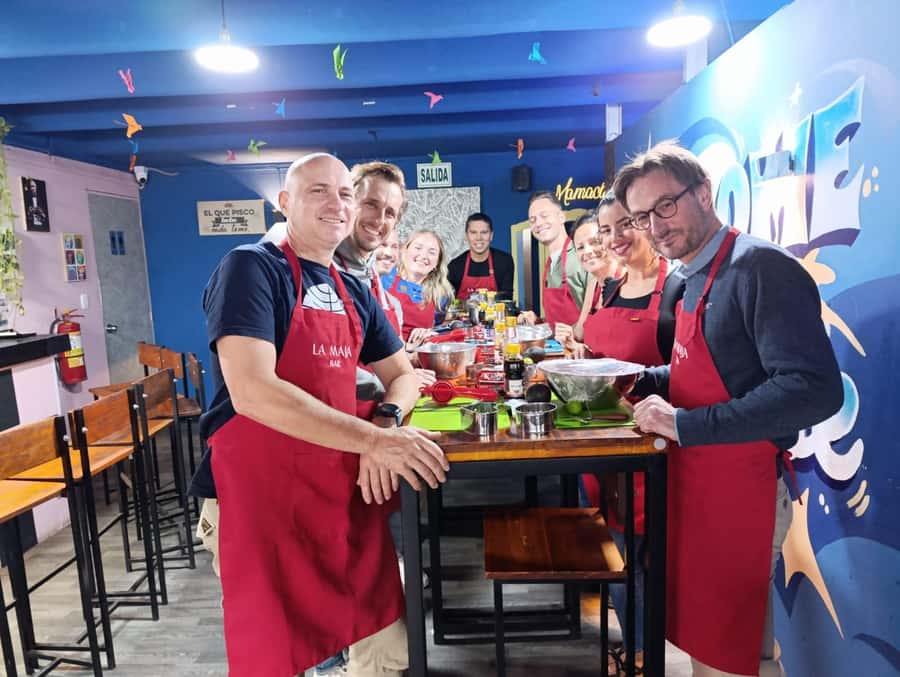
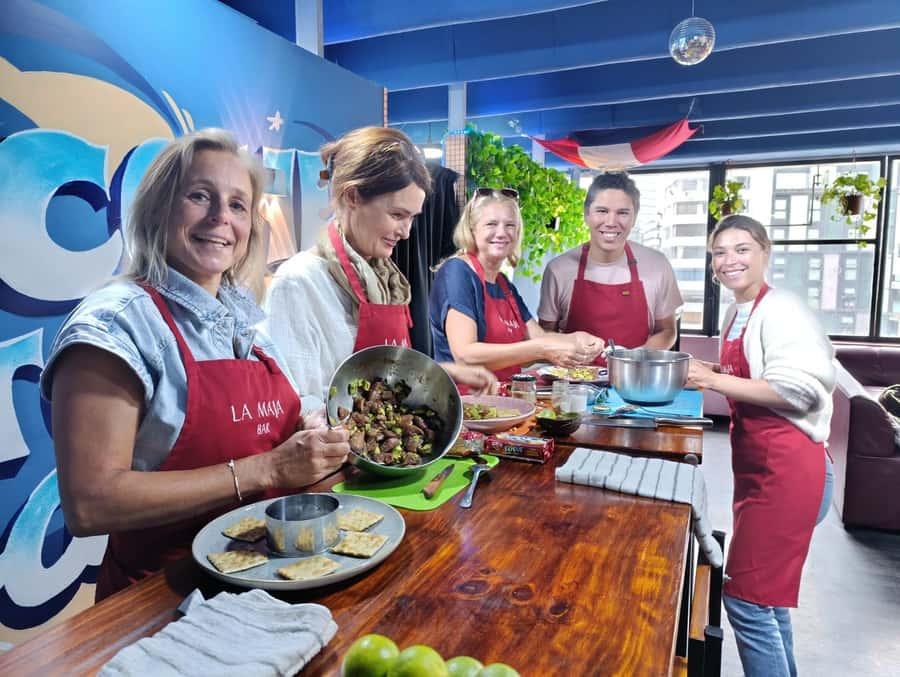
This 2.5-hour class gives you a compact introduction to some of Peru’s best-known flavors. You are not simply handed a plate of ceviche and told what it contains. You take part in preparing the food, learn where the dishes come from, and finish with a cocktail you mix yourself.
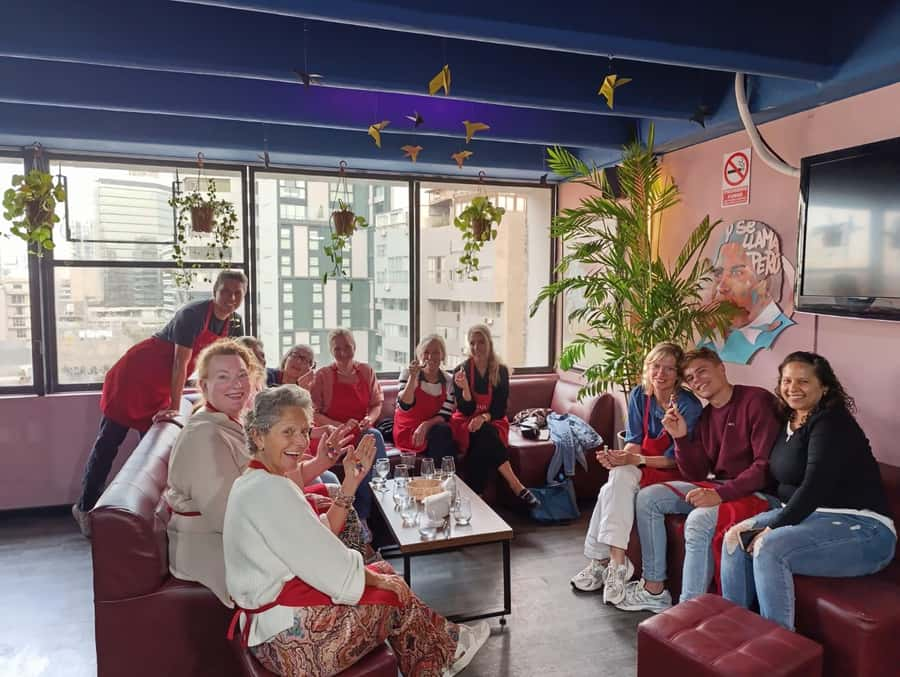
The setting is an exclusive experience room near Kennedy Park in Miraflores. It includes Peruvian art, a professional bar, and a kitchen area. The atmosphere is designed to feel personal rather than formal, and the small maximum of eight people helps keep the session conversational.
José Antonio and Maria lead the class themselves. José Antonio also produces pisco, so the drink portion has a direct connection to his own work. That gives the tasting more purpose than a standard cocktail lesson, since you can ask about the distillate, the flavoring process, and the reasons behind the different combinations.
The activity is conducted in English or Spanish. You should tell the hosts your preferred language, along with any allergies or dietary needs, when you book.
More seafood classes around Peru:
- Tokyo Tsukiji Fish Market Tour and Sushi Making Lesson
★ 5.0 · 390 reviews - Seafood paella cooking class, tapas and visit to Ruzafa market.
★ 5.0 · 328 reviews - Private Mediterranean Fish Cooking Workshop with Irena
★ 5.0 · 118 reviews
Starting near Kennedy Park in Miraflores
The meeting point is at the door of the Wong supermarket, where the hosts wear a red apron. The location is about half a block from Kennedy Park and roughly five minutes from nearby hotels, making it a convenient choice if you are staying in central Miraflores.
The activity begins and ends at the same meeting point. No separate transportation is included in the standard plan, but the hosts say you can ask about private mobility or a different start time.
That central location matters in Lima. You can fit the class into a day of walking around Miraflores without arranging a long ride across the city. If you are arriving from farther away, allow enough time for Lima traffic and contact the hosts if your schedule changes.
The room has an elevator and no stairs, and the activity is wheelchair accessible. That is useful information for anyone who needs step-free access. The small group also means the hosts can discuss practical needs before the class begins.
A short film sets the food in context
The first part of the session is a brief video about Peru’s coast, highlands, and jungle. It is a smart opening because Peruvian food makes more sense when you see how sharply the country’s regions differ.
The coastal setting helps explain the importance of fish, citrus, and seafood dishes. The highlands and jungle bring different crops, fruits, herbs, and cooking traditions. You will not get a full course in Peruvian geography in a few minutes, but the video gives you a useful frame for the ingredients that follow.
The hosts also share photos and videos during the class. Afterward, they send a compilation of the session, along with recipes and travel suggestions. If you enjoy keeping a record of your trip, this is a pleasant extra. It also makes the class useful beyond the meal itself, since you can try the dishes again at home.
Exotic fruit and the ten-flavor pisco tasting
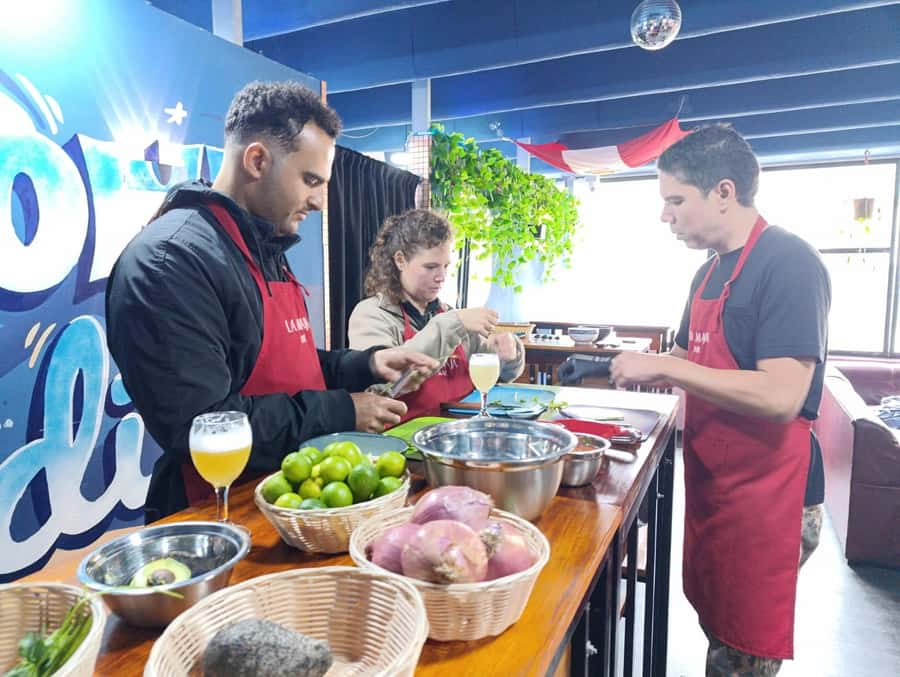
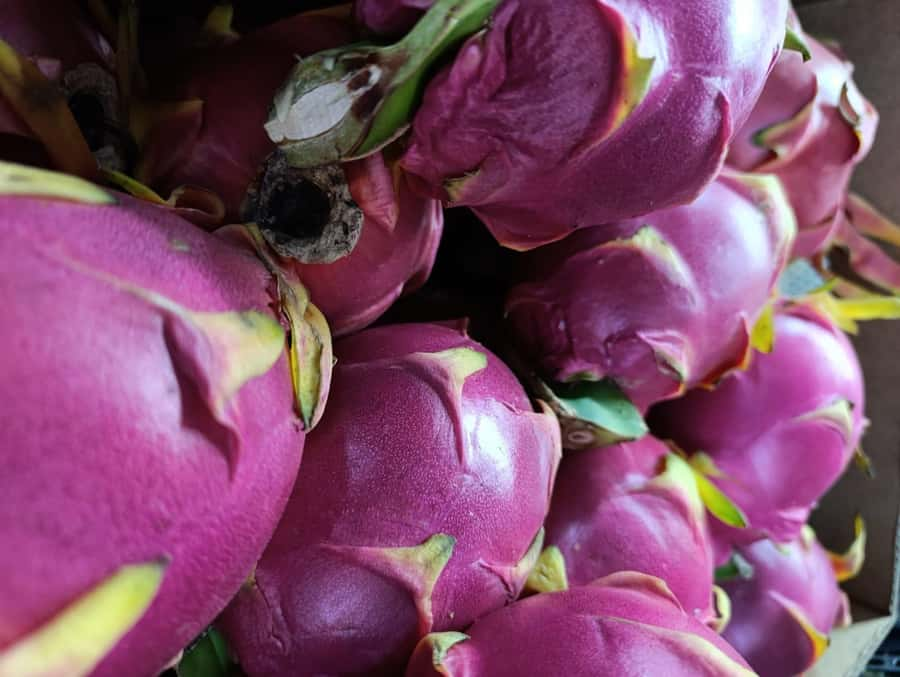
Before cooking, you taste several exotic Peruvian fruits. The exact fruit selection is not fixed in the information provided, but the class includes fruit tasting and may feature products that are unfamiliar outside Peru.
This is a good way to begin because fruit helps you notice Peru’s range of flavors before the stronger ingredients arrive. Taste slowly and ask questions about where each fruit comes from and how it is used. The hosts connect ingredients with personal memories and regional food traditions, giving the tasting more meaning than a quick sample at a market.
Then comes the pisco macerate tasting. José Antonio’s production includes up to ten flavors, so this is one of the more unusual parts of the activity. You can compare the options and select the flavor you want for your own drink.
The tasting is also the point where you should pace yourself. Ten flavors can sound like a lot, especially before food and a cocktail, so small samples are the sensible approach. The experience includes the tasting, but it does not promise a full serving of every flavor.
Pisco macerates are flavored versions of the Peruvian grape spirit. The hosts explain the drink’s place in Peruvian culture and share their own story as producers. If you are interested in buying a bottle, the hosts have sold their pisco directly to participants, including flavors such as passionfruit and chicha morada. Availability and purchase details should be confirmed during the class.
More cooking classes around Peru:
- Cusco: Peruvian Cooking Class, Cocktails & Local Market Tour
★ 4.9 · 512 reviews - Cooking class and market tour with a local chef
★ 5.0 · 186 reviews - Market Tour, Tasting of 35 Fruits, and 4-Course Peruvian Cooking Class in Lima
★ 5.0 · 86 reviews - #1 Rated Cooking Classes with Local Market Tour & Pickup
★ 5.0 · 69 reviews
Tuna tartare comes before the ceviche
The first dish is a tuna tartare made with the fish of the day. It is mixed with soy sauce, sesame oil, avocado, and lemon, then served on crackers.
This recipe gives you a useful contrast with ceviche. The tartare has savory notes from soy and sesame, creaminess from avocado, and acidity from lemon. It is also a manageable first dish because the components are mixed rather than cooked.
The fish is prepared for the class, and some ingredients may already be cut before you arrive. That keeps the session moving and lets the hosts focus on flavor, seasoning, and presentation. If you are hoping to practice every step from whole fish to finished dish, you should know that this is not that kind of class.
The upside is that you get more time for explanation and conversation. You can pay attention to how the ingredients work together instead of spending much of the session chopping onions or cutting fish. The tartare is served as an individual portion, so you get to taste the result of your own preparation.
Freshness is central to this course. The fish has been described as arriving fresh, sometimes caught that morning, but the exact catch depends on the day. Seafood availability naturally changes, so the dish may vary according to what is best at the market.
Making your own pisco sour at the professional bar
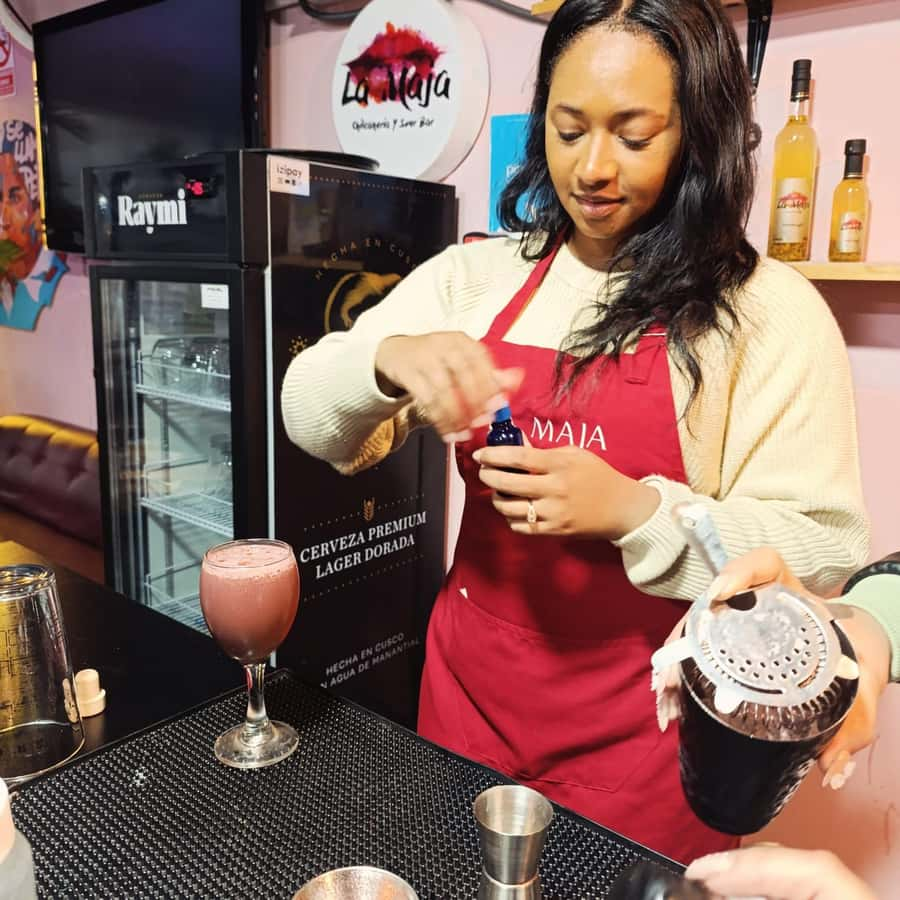
After the tartare, you move to the bar for a lesson on pisco and the official pisco sour recipe. You choose one of the available pisco flavors and prepare one cocktail per person.
The hands-on part matters here. You learn the basic balance of pisco, citrus, sweetness, and the frothy texture that gives the drink its familiar finish. You also get to shake the drink yourself rather than simply watching a bartender do it.
A chilcano is available as an alternative to a pisco sour. Tell the hosts which drink you prefer. The class includes one cocktail per person, while water is available throughout.
The bar section is a nice change of pace from the kitchen. It also gives you a practical skill you can repeat at home, provided you can find a suitable pisco. The different macerates let you make a drink that is less traditional in flavor but still tied to Peruvian ingredients.
This is an alcohol-focused activity, so it may not suit anyone who wants to avoid drinking. A vegetarian can still take part in the cocktail and fruit portions, but the seafood dishes would need to be replaced or adapted. Tell the hosts about allergies, gluten restrictions, or vegetarian needs in advance.
Ceviche finishes the meal
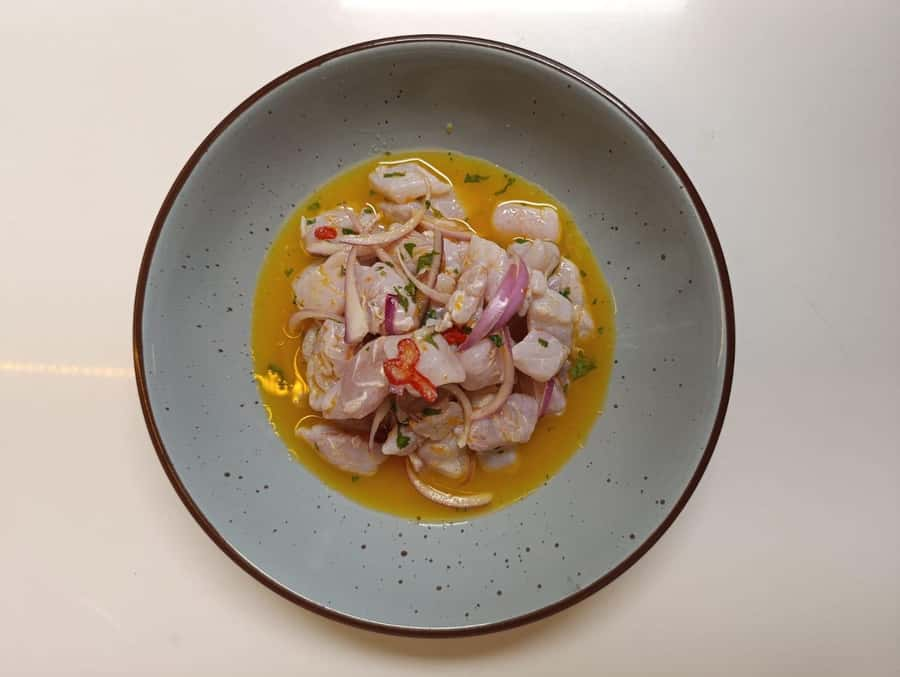
The final dish is Peruvian fish ceviche. You prepare one plate per person using the hosts’ own recipe, which they describe as a special Lima-style preparation.
Ceviche is a dish where timing matters. The fish, citrus, onion, herbs, and seasoning need to be combined with care so the fish keeps a clean texture and the acidity does not overwhelm it. The class explains the origins of ceviche as well as the practical steps, giving you both cultural context and a recipe to take home.
The portion is intended as a proper final course, not merely a tasting spoon. Combined with the tuna tartare and pisco sour, it makes this a substantial food activity. I would not schedule it immediately before a large dinner.
The hosts specialize in seafood and have a long connection to the dish. Still, remember that ceviche is served uncooked in the usual sense, even though the citrus changes the texture of the fish. Anyone with seafood allergies or strong concerns about raw fish should speak with the hosts before booking.
The freshest possible fish is one of the main reasons to choose this class. It also means the exact fish may depend on the day’s supply. That is a normal part of a seafood-focused experience and preferable to pretending the same ingredient is available year-round.
The personal touch from José Antonio and Maria
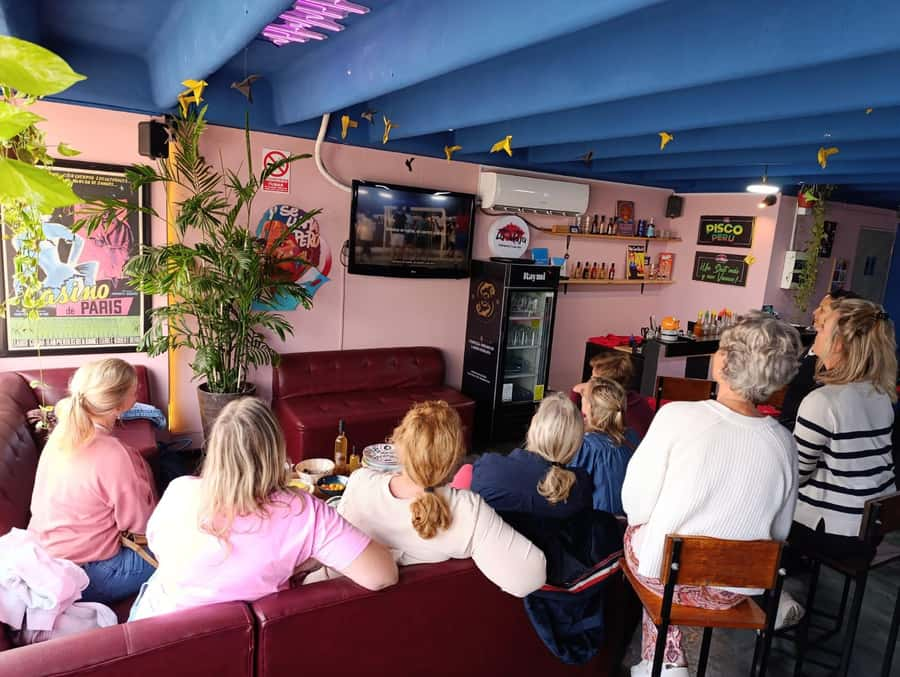
The strongest part of the class is the time with the hosts. José Antonio is not only leading a recipe demonstration. He talks about his own pisco production, his travels around Peru, and the food traditions connected to the ingredients on the table.
Maria helps create the warm, informal feeling that several parts of the class depend on. The experience takes place in a private-style room with a kitchen, bar, and seating area, so the group can talk while preparing food.
This personal approach works especially well for solo visitors and couples. You can ask for restaurant suggestions, ideas for Miraflores walks, and plans for other stops in Peru. The hosts provide tips for Lima, Paracas, Cusco, northern Peru, and the jungle, which can be useful if you are still shaping your itinerary.
The class has also worked well for people arriving late, though you should not rely on that. Contact the hosts if you are delayed. They may be able to help, but the schedule still has to work for the rest of the group.
What the $40 price includes
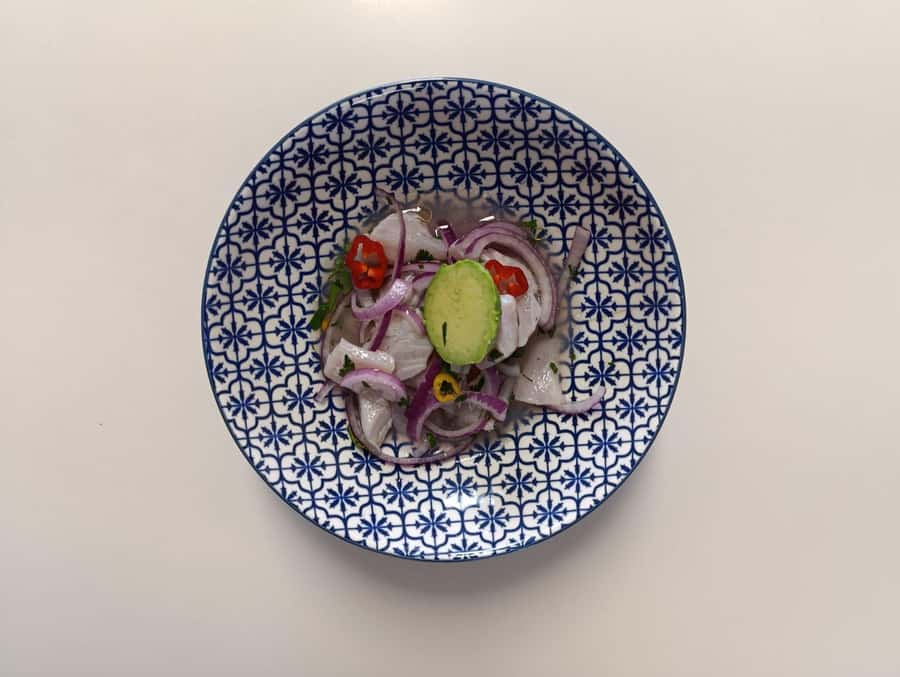
At $40 per person, this is a good value if you want food, drinks, and local conversation in one activity. The price includes exotic fruit, pisco macerate tasting, the geography video, the cooking lesson, one tuna tartare, one ceviche, one pisco sour or chilcano, and unlimited water.
You are also getting the time and attention of two local hosts, access to a professional bar, recipes, and photos or videos from the session. A restaurant meal might give you the dishes, but it would not give you the preparation lesson or the chance to compare ten pisco flavors.
The value is less clear if you are mainly looking for a technical cooking course. Some ingredients are prepared beforehand, and the class emphasizes tasting, culture, conversation, and simple preparation. That is not a flaw, but it is important to know what you are paying for.
The class has a maximum of eight people. A smaller group usually means more chances to ask about ingredients and get help with the cocktail or seasoning. The total duration is 2.5 hours, long enough to feel substantial without taking an entire day from your Lima plans.
Free cancellation is available up to 24 hours before the activity for a full refund. You can also reserve and pay later, which helps if your Lima schedule is still changing.
Who will enjoy this class most
I would recommend this experience to you if you enjoy seafood, cocktails, and informal cultural activities. It is a particularly good fit for:
- Couples looking for a relaxed food activity in Miraflores
- Solo visitors who want local conversation and practical city tips
- First-time visitors to Peru who want an introduction to pisco and ceviche
- Food lovers who would like recipes to use at home
- People who prefer a small group over a large demonstration
- Visitors interested in Peru beyond the main tourist sights
It may be less suitable if you do not drink alcohol, dislike fish, or want a fully technical cooking course. It is also not the right pick if you expect to prepare every ingredient from scratch.
The class can accommodate vegetarian participants, but you should request that option in advance. Gluten-free needs have also been accommodated, though you should still explain your requirements clearly before arrival.
Practical details before you book
The standard meeting point is the Wong supermarket near Kennedy Park in Miraflores. Look for the red apron at the entrance. The activity ends in the same place.
Choose English or Spanish when booking, and tell the hosts about allergies, dietary restrictions, and your preferred schedule. If the available start time does not suit you, you can ask about another one.
Wear clothing that is comfortable for a kitchen and bring an appetite. The seafood dishes are individual portions, and the combination of tasting, tartare, ceviche, and cocktail makes this more filling than a simple demonstration.
The class is wheelchair accessible and uses an elevator rather than stairs. The group is limited to eight people, and private mobility can be requested separately.
Should you book it?
Book this class if you want to understand Peru through a few memorable dishes rather than spend another evening at a restaurant. The combination of fresh seafood, ten pisco flavors, a hands-on cocktail, and direct advice from José Antonio and Maria gives you a lot for the price.
I would especially choose it early in a Lima stay. The recipes give you a better sense of what to order later, while the hosts’ suggestions can help shape the rest of your visit. Skip it only if seafood or alcohol is not for you, or if you want a serious chef-training session with every ingredient prepared from the beginning.
FAQ
Where does the cooking class meet?
Meet at the door of the Wong supermarket near Kennedy Park in Miraflores. The host will be wearing a red apron.
How long does the experience last?
The activity lasts 2.5 hours. Starting times depend on availability.
What food will I prepare?
You will prepare one tuna tartare and one plate of fish ceviche per person. The tuna tartare includes tuna, soy sauce, sesame oil, avocado, and lemon, and is served on crackers.
Which drinks are included?
You can prepare one pisco sour or chilcano per person. The activity also includes tasting exotic fruits and up to ten pisco macerate flavors, plus unlimited water.
Is the class available in English?
Yes. The hosts conduct the class in English or Spanish. Tell them your preferred language when booking.
Can I request vegetarian or allergy-friendly options?
Yes. Vegetarian options are available by request. You should also tell the hosts about allergies or gluten-free needs before the class.
Is the experience wheelchair accessible?
Yes. The room has an elevator and no stairs, and the activity is wheelchair accessible.
New cooking classes around Peru
- Lima: Peruvian cooking class and tour of Surquillo market★ 5.0 · 2 reviews
- Lima: Market Tour, 35 Fruits Tasting & Cooking Class★ 5.0 · 3 reviews
- Lima: Market Tour and Cooking Class with Pisco Sour★ 5.0 · 3 reviews
- Lima: 4-Course Peruvian Cooking Class in Miraflores★ 5.0 · 4 reviews
- Lima : Cooking Class – A Peruvian Culinary exploration★ 5.0 · 2 reviews
- Lima: Cooking Workshop and Water Circuit Tour★ 5.0 · 16 reviews
- Lima: Demo Cooking Class with Lunch at Cala Restaurant★ 4.1 · 4 reviews
- Cusco: Peruvian Cooking Class & Market Tour★ 4.9 · 19 reviews
Lima Cooking Classes, side by side.
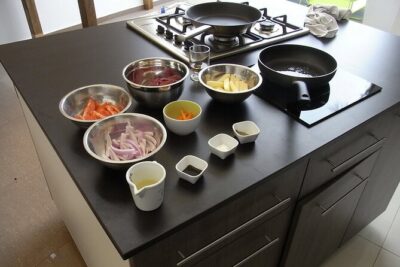
Market Tour, Tasting of 35 Fruits, and 4-Course Peruvian Cooking Class in Lima
Read our review →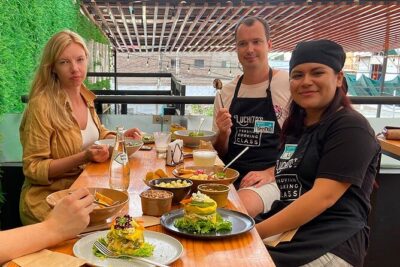
#1 Rated Cooking Classes with Local Market Tour & Pickup
Read our review →
Cook with Maido’s creative chef and chef de cuisine
Read our review →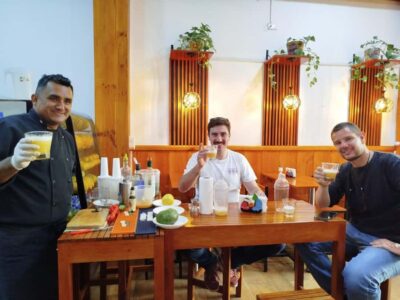
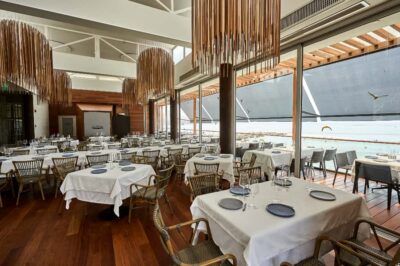
Lima: Demo Cooking Class with Lunch at Cala Restaurant
Read our review →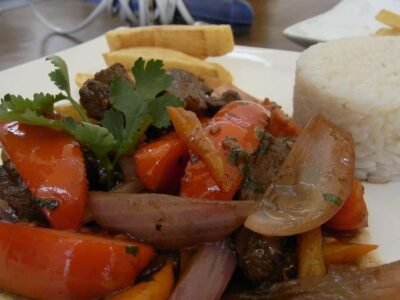
Lima: 4-Course Peruvian Cooking Class in Miraflores
Read our review →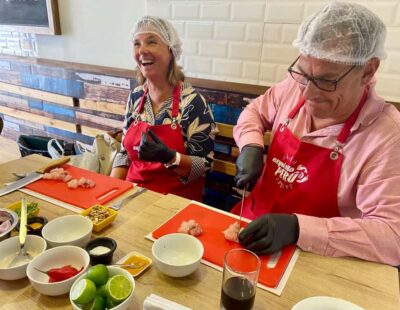
Lima: Market Tour and Cooking Class with Pisco Sour
Read our review →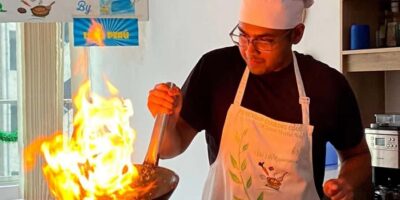
Lima : Cooking Class – A Peruvian Culinary exploration
Read our review →This kitchen also appears in