
Review · PERU
Cooking class and market tour with a local chef
The best part of this Cusco experience is that it connects the San Pedro Market to your plate. You do not just cook a Peruvian dish from a printed recipe. You first see the fruit, potatoes, cheese, herbs, meat, and other ingredients in their local setting, then use them in a hands-on class with chef Ronal. I especially like the market tasting and the freedom to choose your main dish and drink.
I also like the careful handling of dietary restrictions. Vegetarians, people with allergies, and visitors avoiding dairy or gluten can receive adapted dishes. The main drawback is the price: $57 is fair for four hours with food, drinks, ingredients, equipment, and a market visit, but it is more than a simple market tour or casual meal.
This is a practical, social way to meet Peruvian food early in your Cusco stay. Just remember that transportation is not included, the meeting point can be easy to miss, and the class is not suitable for people dealing with altitude sickness.
Key points at a glance
- San Pedro Market first: Walk through Cusco’s best-known market, taste local fruit and cheese, and see where the cooking ingredients come from.
- Chef-led instruction: Ronal explains cutting methods, ingredients, food traditions, and cooking steps in English or Spanish.
- Choose your main course: Prepare either lomo saltado or ceviche, with vegetarian adaptations available.
- Peruvian dishes with range: The shared starter is rocoto relleno and causa rellena, giving you several different flavors and techniques.
- Pisco or a mocktail: Mix a classic pisco sour, passion fruit sour, or a nonalcoholic fruit drink with honey.
- Useful take-home value: Recipes can be sent by email, so you can try the dishes again at home.
Starting at San Pedro Market in Cusco
The four-hour activity begins at 264 San Juan de Dios Street, in front of the Aranwa Boutique Hotel. Look for the glass and wooden door across the street. It has no advertising, so the entrance is less obvious than you might expect.
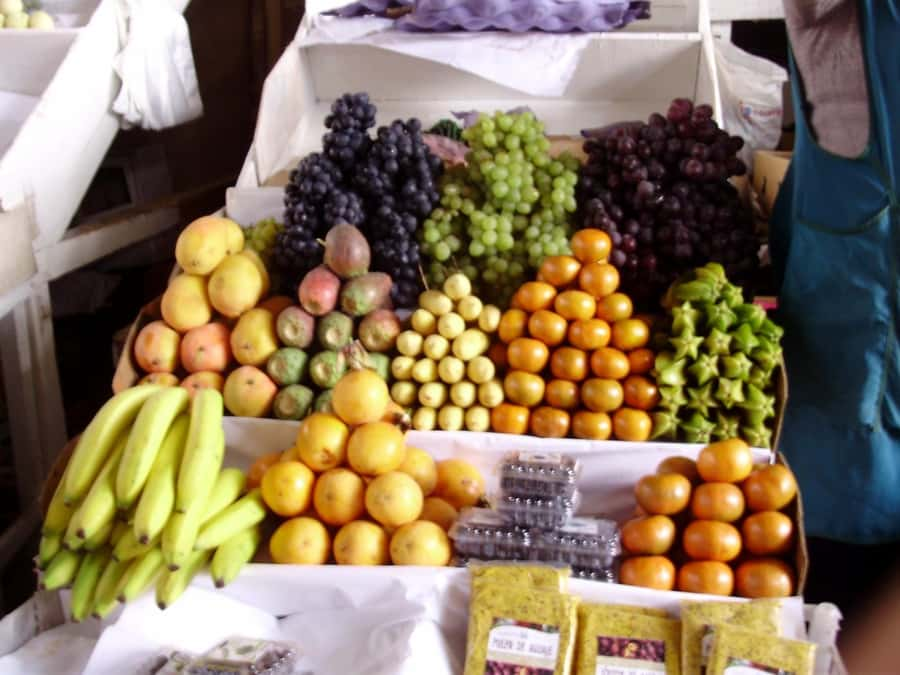
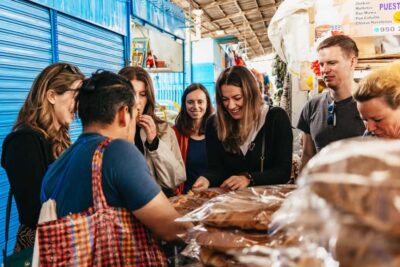
The market visit gives the class a useful foundation. Instead of hearing a short lecture about Peruvian produce, you see the ingredients in the setting where local people buy them. You can taste fruit and cheese, and the chef explains what you are looking at along the way.
San Pedro Market is especially useful for visitors who have only seen Cusco’s historic center and restaurant menus. The tour brings attention to the everyday ingredients behind those menus. You might encounter unfamiliar fruits, different potato varieties, herbs, meats, cheeses, and other local products. One point covered during the market walk is Peru’s remarkable range of potatoes, with thousands of varieties grown across the country.
I like this part because it gives meaning to the cooking later. When you chop an ingredient in the studio, you already know what it looked like at the market and how it fits into local food culture.
The market can also be the most sensory part of the experience. It is a working market, not a quiet museum, and the sights, smells, and displays may feel intense. If you want a highly polished culinary tour with a private food historian, this is not that. It is more direct and local, with a chef showing you the food he uses and answering questions as you go.
More Cooking Classes with a Market Tour in Peru:
- Cusco: Peruvian Cooking Class, Cocktails & Local Market Tour
★ 4.9 · 512 reviews - Market Tour, Tasting of 35 Fruits, and 4-Course Peruvian Cooking Class in Lima
★ 5.0 · 86 reviews - #1 Rated Cooking Classes with Local Market Tour & Pickup
★ 5.0 · 69 reviews
What you cook: rocoto relleno and causa rellena
The starter is the same for everyone: rocoto relleno and causa rellena. That gives the class a shared project while leaving room for personal choices later.
Rocoto relleno is a traditional stuffed pepper. The filling includes meat, onions, peas, carrots, peanuts, and raisins, then the pepper is covered with local cheese and baked. It combines heat, sweetness, savory filling, and a creamy topping. If you are sensitive to spice, ask about the pepper before you begin.
Causa rellena is a potato cake made with yellow chili sauce. It is filled with avocado, fish tartare, mayonnaise, and spices. This dish shows a different side of Peruvian cooking: cool, soft, bright, and layered rather than hot and heavily cooked.
The two starters are a good introduction because they use familiar building blocks in less familiar combinations. Potatoes appear in a refined, molded form, while the stuffed pepper brings together ingredients that you may not normally pair at home.
The exact adaptation depends on your dietary needs. The class can adjust recipes for vegetarian diets and other restrictions, but you should explain those needs before cooking begins. The menu is flexible, not every ingredient is automatically suitable for every diet.
Choosing between lomo saltado and ceviche
For the main course, you choose between lomo saltado and ceviche before the class starts. This is an important detail if you are planning around allergies, preferences, or a dislike of raw fish.
Lomo saltado is the more substantial option. It uses beef tenderloin, rice, onions, tomatoes, soy sauce, oyster sauce, vinegar, and native potato fries. The dish reflects the Chinese-Peruvian influence found in one of Peru’s best-known comfort foods. You get tender beef, sharp onion, tomato, salty sauces, and crisp potatoes in one plate.
If you enjoy learning pan-cooking techniques and want a dish that is easy to recreate at home, lomo saltado is likely the better pick. It also suits people who prefer a cooked main course after a morning or afternoon of activity.
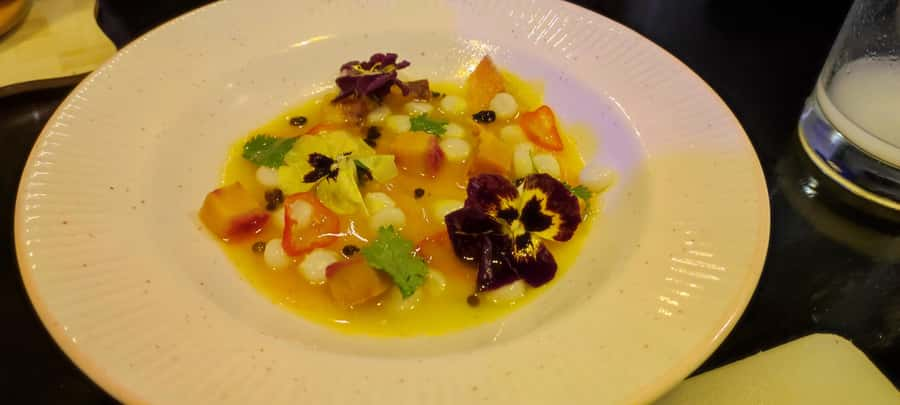
Ceviche takes a fresher route. The listed version uses trout, mango, avocado, lime juice, onions, celery, ginger, corn, and sweet potato. It is not just fish and lime. The sweet, creamy, sour, herbal, and crunchy parts all matter.
Ceviche is a good choice if you want to understand how acidity changes fish and how Peruvian cooks balance sharp flavors with sweet potato, corn, fruit, and avocado. The use of trout also fits the Cusco setting better than a generic coastal seafood dish.
Vegetarian versions are possible. The class has adapted dishes for people avoiding meat, dairy, gluten, and other ingredients. Still, explain your restrictions clearly when making your booking and again at the start of the class. Ask about cross-contact if that is a serious medical concern.
Mixing a pisco sour or passion fruit drink
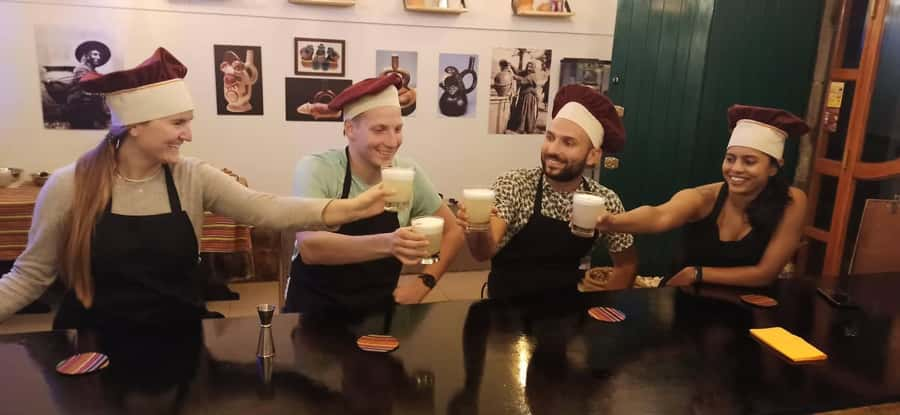
Every participant chooses a drink. The alcoholic options are a classic pisco sour or a passion fruit sour. Both use pisco, Peru’s grape-based national spirit.
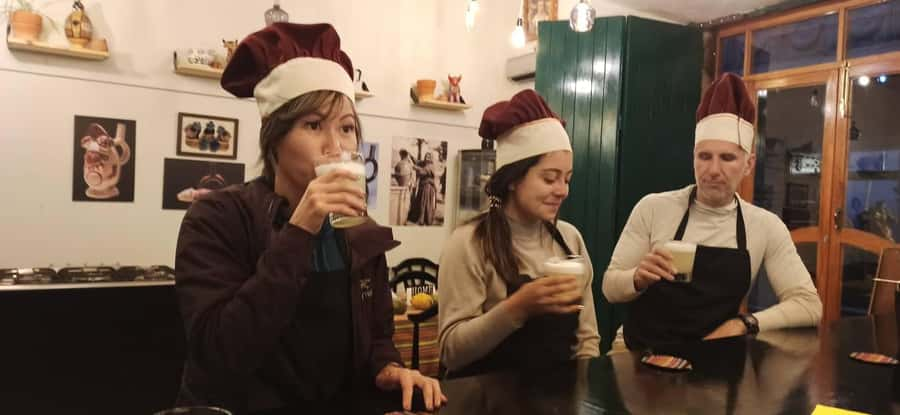
A classic pisco sour combines pisco with lime, syrup, and egg white. The passion fruit version uses fresh passion fruit juice for a fruitier, more fragrant drink. Making the cocktail adds a short bar lesson to the cooking class, and it helps explain why pisco is such a central part of Peruvian food culture.
You can also choose a nonalcoholic drink made with Peruvian fruit and honey. This is useful for children old enough to participate, anyone avoiding alcohol, and visitors who do not want a cocktail at altitude.
The included drink is a single serving, so do not book this expecting a cocktail-tasting session. One participant found the experience slightly expensive and felt a second pisco sour would have improved the value. That is a fair point, especially if you compare the cost with a regular lunch.
More cooking classes around Peru:
- Miraflores: Amazing Peruvian Cooking Class Ceviche Seafood and Pisco Sour
★ 4.9 · 57 reviews - Cook with Maido’s creative chef and chef de cuisine
★ 5.0 · 53 reviews - Cusco: Peruvian Cooking Class & Market Tour
★ 4.9 · 19 reviews - Lima: Cooking Workshop and Water Circuit Tour
★ 5.0 · 16 reviews
A clean studio and beginner-friendly cooking
After the market, you return to the cooking studio. Aprons, kitchen tools, bar equipment, ingredients, and water are included. The venue has been described as clean and well organized, which matters when several people are chopping, mixing, and handling food in a small class.
You do not need advanced kitchen skills. The chef demonstrates the process and helps with basic techniques, including cutting ingredients. That makes the activity suitable for a first cooking class, while experienced home cooks can still pick up local methods and flavor combinations.
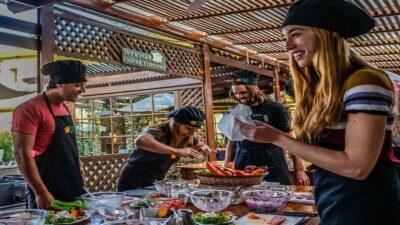
The class is hands-on rather than a demonstration where you sit and watch. You prepare the dishes, mix the drink, and then eat what you made. The shared work also gives solo visitors an easy way to talk with other participants. The group setting is part of the appeal, although the exact group size is not specified.
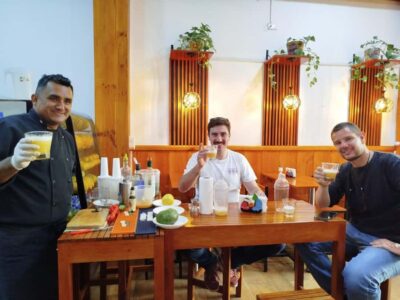
Chef Ronal is the name most often associated with the class. Other booking records identify the chef as Ronald, Roland, or Yohon, so confirm the assigned instructor if the name matters to you. The teaching is available in English or Spanish.
The chef’s role goes beyond giving cooking instructions. He explains food traditions, local ingredients, Cusco culture, and practical kitchen tips. Some sessions have included advice about altitude sickness, herbs, digestive teas, and local natural remedies. Those extras are useful, but they should not replace medical care if you are seriously ill.
How the four hours usually feel
The pace is built around two parts: the market walk and the cooking session. The market takes you outside the studio and introduces the ingredients. The kitchen portion then gives you time to prepare the starter, selected main course, and drink.
Four hours is long enough to make a proper meal without turning the activity into a rushed cooking demonstration. You should still expect an active session. You will be standing, walking through the market, handling kitchen tools, and eating a full meal.
Morning and afternoon conditions may feel different. One morning class had a quieter market and more time to examine the produce. If you prefer a calmer market visit, a morning departure may suit you, but starting times vary and must be checked when booking.
The activity can work well near the beginning of a Cusco visit because it gives you a gentle introduction to local food and lets you learn ingredients before ordering more meals around town. Several people have also used it as a memorable final activity in Peru. I would avoid scheduling it immediately after a demanding high-altitude excursion.
Is $57 a good value?
At $57 per person, this is not the cheapest way to eat in Cusco. You could buy a meal for far less. The value comes from combining several services in one half-day: a guided market visit, ingredient tasting, professional instruction, fresh food, a starter, a main course, a cocktail or mocktail, kitchen equipment, and recipes for home use.
The market connection makes the price easier to justify. You are not paying only for a plate of ceviche or lomo saltado. You are paying to understand the ingredients and prepare the meal yourself.
The value is strongest for food-focused visitors, first-time cooks, solo visitors, and people who want a social activity that is still tied to local life. It is weaker for anyone who dislikes group classes, has no interest in cooking, or only wants a quick lunch.
The included drink and full meal are helpful. The lack of included transportation is less serious because the meeting point is in central Cusco, but you must make your own way to San Juan de Dios Street.
Health, age, and practical limits
Cusco’s altitude matters. The activity is specifically not suitable for people with altitude sickness. If you are short of breath, dizzy, nauseated, or unwell, skip the class and rest rather than trying to push through a four-hour cooking session.
The provider can offer natural medicine for altitude symptoms and digestive teas when necessary, but treat these as optional comforts, not a substitute for professional medical advice.
The restrictions also list several minimum ages, including children under 2, 3, 5, and 6, and babies under 1. Because those age limits are presented inconsistently, confirm the rule for your child before booking. Strollers and baby carriages are not allowed.
The activity also lists weight limits of 297, 309, and 331 pounds in different notices, along with a restriction for people over 70. Confirm the current policy if any of these limits apply to you.
Meat from animals eaten by local communities may be shown during the market visit. That is worth knowing if you have ethical, cultural, or dietary concerns.
Cancellation is flexible: you can cancel up to 24 hours ahead for a full refund, and you can reserve now and pay later. Those terms are useful if your Cusco plans may shift because of weather, altitude, or changing travel dates.
Who should book this Cusco cooking class?
I would recommend it most strongly to you if food is one of the main ways you understand a place. You get market context, cooking practice, conversation, and a meal in one activity.
It also suits solo visitors. The shared kitchen makes it easy to meet people without the forced feeling of a formal group tour. Families with older children and teenagers can enjoy it too, provided everyone can manage the market walk and kitchen work.
Vegetarians and visitors with food intolerances should consider it, but contact the provider with exact requirements. The class has a strong record of adapting dishes, yet no cooking activity can promise that every ingredient or surface is free from traces.
I would choose this class over a standard restaurant meal if you want recipes and techniques to take home. I would skip it if you are looking for a quiet, passive activity or if altitude sickness is already affecting you.
Should you book it?
Book it if you want to connect Cusco’s market food with dishes you can cook yourself. The combination of San Pedro Market, rocoto relleno, causa rellena, ceviche or lomo saltado, and a pisco-based drink gives the experience real range.
At $57, it asks more than a simple lunch, but the four-hour format and included meal make the cost reasonable for an active culinary experience. Confirm your dietary needs, age requirements, meeting point, and chosen main dish before you go. For most food-focused visitors who are feeling well at altitude, this is one of the more useful ways to spend half a day in Cusco.
FAQ
Where does the cooking class meet?
The meeting point is at 264 San Juan de Dios Street in Cusco, in front of the Aranwa Boutique Hotel. Look for a glass and wooden door across the street with no advertising.
How long does the activity last?
The activity lasts four hours. Starting times vary, so check availability for the date you want.
Is transportation included?
No. You must arrange your own transportation to and from the meeting point.
Which languages are available?
The chef or guide can conduct the experience in English or Spanish.
Which dishes can I prepare?
The shared starter is rocoto relleno and causa rellena. You choose either lomo saltado or ceviche for the main course before the class begins.
What drinks are available?
You can choose a classic pisco sour, a passion fruit sour, or a nonalcoholic drink made with Peruvian fruit and honey.
Can the class accommodate dietary restrictions?
Yes. Vegetarian options are available, and the dishes can be adapted for dietary restrictions, allergies, and food preferences. Give the provider your requirements in advance.
Can I cancel or pay later?
You can cancel up to 24 hours before the activity for a full refund. Reserve-now, pay-later booking is also available.
New cooking classes around Peru
- Lima: Peruvian cooking class and tour of Surquillo market★ 5.0 · 2 reviews
- Lima: Market Tour, 35 Fruits Tasting & Cooking Class★ 5.0 · 3 reviews
- Lima: Market Tour and Cooking Class with Pisco Sour★ 5.0 · 3 reviews
- Lima: 4-Course Peruvian Cooking Class in Miraflores★ 5.0 · 4 reviews
- Lima : Cooking Class – A Peruvian Culinary exploration★ 5.0 · 2 reviews
- Lima: Cooking Workshop and Water Circuit Tour★ 5.0 · 16 reviews
- Lima: Demo Cooking Class with Lunch at Cala Restaurant★ 4.1 · 4 reviews
- Cusco: Peruvian Cooking Class & Market Tour★ 4.9 · 19 reviews
Peru Cooking Classes, side by side.
Cusco: Peruvian Cooking Class, Cocktails & Local Market Tour
Read our review →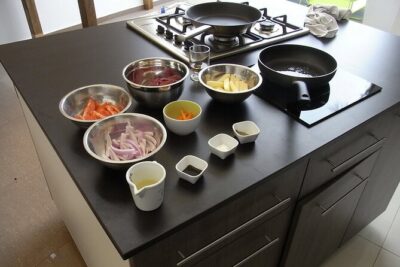
Market Tour, Tasting of 35 Fruits, and 4-Course Peruvian Cooking Class in Lima
Read our review →
#1 Rated Cooking Classes with Local Market Tour & Pickup
Read our review →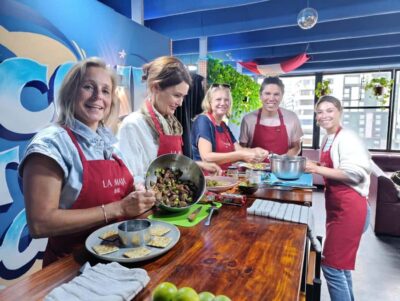
Miraflores: Amazing Peruvian Cooking Class Ceviche Seafood and Pisco Sour
Read our review →
Cook with Maido’s creative chef and chef de cuisine
Read our review →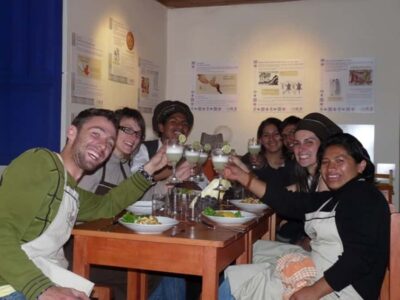
This kitchen also appears in