
Review · LIMA
Lima: Peruvian cooking class and tour of Surquillo market
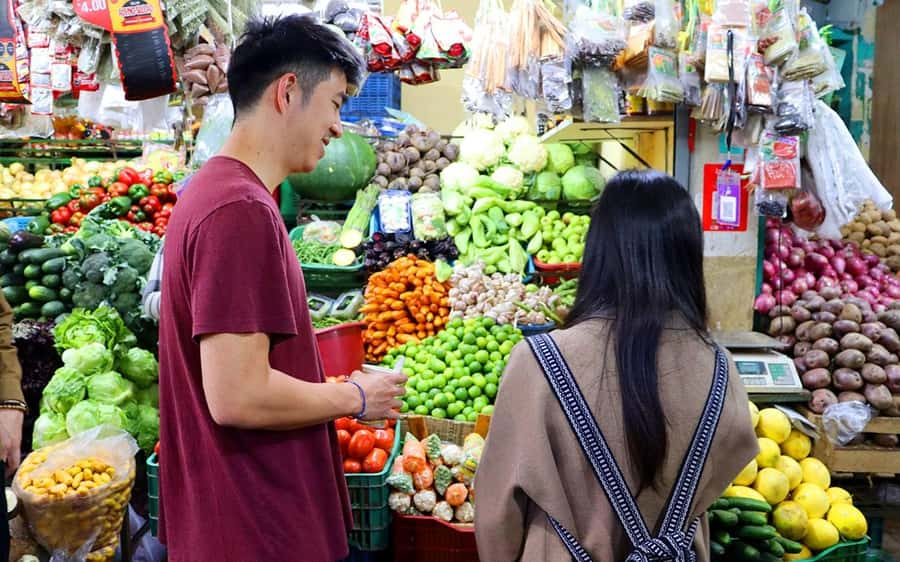
The best part of this Lima food tour happens before you sit down to eat. At Surquillo Market, you choose ingredients with a local guide, taste native potatoes and exotic fruit, and see the everyday produce behind Peru’s famous dishes. Then a chef helps you turn those ingredients into ceviche, causa limeña, lomo saltado, or another classic meal.
I like two things right away: you choose your main cooking theme, and the class stays practical rather than turning into a long demonstration. I also like the tasting rounds, which let you sample fruit, local drinks, snacks, and native potatoes along the way. The main consideration is price: at $104 per person, this costs more than simply eating lunch in Lima, though hotel transport, market shopping, instruction, ingredients, and a full meal help explain the difference.
Key details before you book
- Three cooking paths: Choose fish, chicken, or meat, with vegan versions available for every option.
- Surquillo Market first: Shop for fresh ingredients, sample local foods, and visit both the food market and an arts and crafts market.
- Two start times: Hotel pickup is offered at 8:30 AM or 2:00 PM, with the full experience lasting about four hours.
- Named members of the team: Leonardo is a guide, and Karina is a chef. Gaby is also part of the team noted for the experience.
- A full meal, not just a lesson: You prepare a starter and main course, then eat what you have made.
- Easy Lima logistics: Pickup and drop-off are available in Miraflores, Barranco, and San Isidro.
Why a market visit improves the cooking class
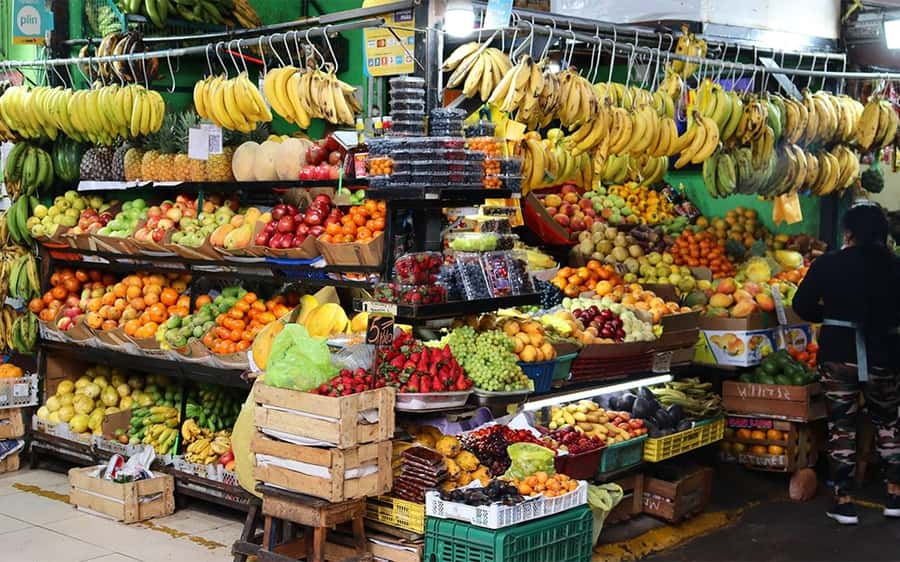
A cooking lesson can feel detached from local life if all the ingredients are already lined up on a counter. This experience avoids that problem by beginning at Surquillo Market, where you see the raw materials before learning how they are used.
You can interact with local vendors and help select the food for your chosen menu. That gives the class a useful sense of place. Potatoes are not just a side dish on a plate, and ají amarillo is not just a bright yellow sauce. You begin to see how Peruvian cooking depends on local produce, fresh seafood, herbs, onions, tomatoes, and the many varieties of potatoes grown in the country.
The market stop also includes fruit tasting, exotic fruit tasting, native potatoes, local snacks, and a local drink. These tastings matter because they make the visit more than a shopping errand. You get small, flavorful introductions to ingredients you might otherwise pass in a Lima market without recognizing.
The market is a working neighborhood food stop, not a museum display. That means the experience may feel less polished than a cooking studio alone. You should expect a real market setting, with the movement and distractions that come with it. For me, that is part of the value, but anyone seeking a quiet, highly staged food lesson should keep this in mind.
More Cooking Classes with a Market Tour in Peru:
- Cusco: Peruvian Cooking Class, Cocktails & Local Market Tour
★ 4.9 · 512 reviews - Cooking class and market tour with a local chef
★ 5.0 · 186 reviews - Market Tour, Tasting of 35 Fruits, and 4-Course Peruvian Cooking Class in Lima
★ 5.0 · 86 reviews
Choosing between fish, chicken, meat, and vegan dishes
Your menu choice shapes the entire class, so it is worth thinking about before pickup. Each option includes a starter and main course, and each has a clear connection to Peruvian home cooking or restaurant food.
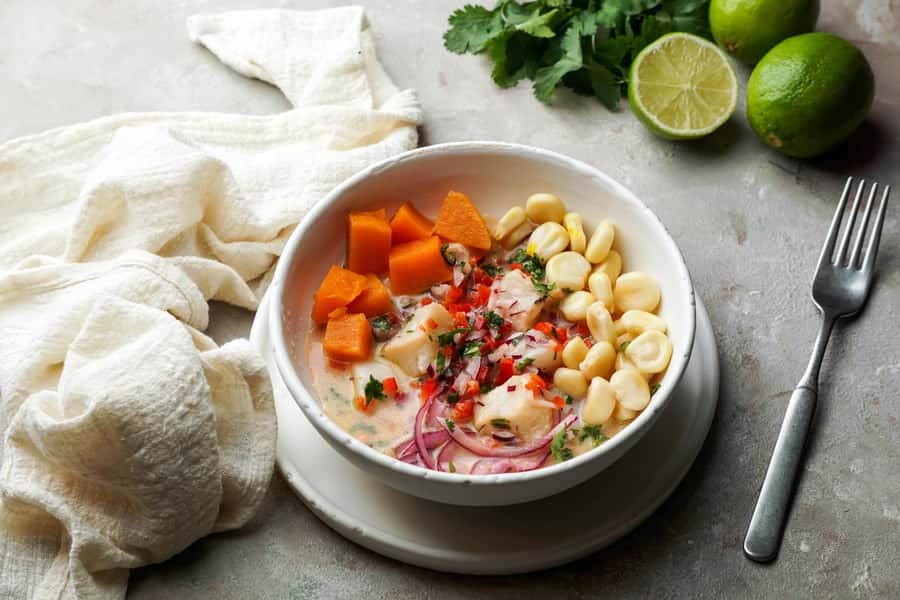
Fish: ceviche and pescado a la chorrillana
The fish option begins with ceviche, Peru’s best-known dish. You learn how raw fish is prepared with lime juice, onions, and sweet potatoes. The lesson gives you a chance to understand how the acid, fish, onion, and garnish work together rather than simply ordering a finished plate at lunch.
The main course is pescado a la chorrillana, fish served with fried onions, tomatoes, and fish broth. This gives you a second style of preparation, with a cooked sauce replacing ceviche’s sharp, fresh profile.
I would choose this menu if ceviche is high on your Peru wish list. It also gives you the widest contrast between the starter and main course. Keep in mind that fish preparation can be more sensitive to timing and freshness, which is one reason the market visit is useful.
Chicken: causa limeña and ají de pollo
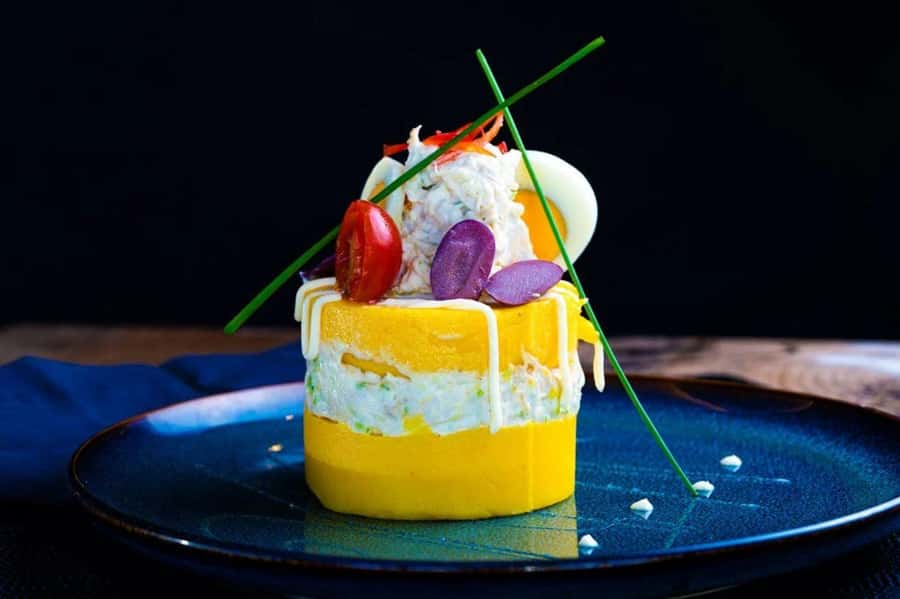
The chicken menu begins with causa limeña, made from yellow potatoes seasoned with lime and chili and filled with fresh vegetables. Causa is a good introduction to the importance of potatoes in Peruvian food. It is also a dish where texture matters as much as seasoning.
The main course is ají de pollo, chicken strips in a creamy sauce made with ají amarillo, cheese, and milk. Despite the name, this dish is described as mild rather than hot. If you enjoy flavor but do not want a strongly spicy meal, this is likely the safest choice.
This menu may suit families and cautious eaters especially well. It has familiar chicken and potato elements, while still introducing Peruvian ingredients and techniques.
More cooking classes around Peru:
- #1 Rated Cooking Classes with Local Market Tour & Pickup
★ 5.0 · 69 reviews - Miraflores: Amazing Peruvian Cooking Class Ceviche Seafood and Pisco Sour
★ 4.9 · 57 reviews - Cook with Maido’s creative chef and chef de cuisine
★ 5.0 · 53 reviews - Cusco: Peruvian Cooking Class & Market Tour
★ 4.9 · 19 reviews
Meat: papa rellena and lomo saltado
The meat menu opens with papa rellena, mashed potato formed around a filling of meat, vegetables, or quinoa, served with salsa criolla. It is hearty and filling, and the preparation gives you something hands-on to shape and assemble.
The main course is lomo saltado, one of Lima’s most recognizable mixed-culture dishes. Beef tenderloin is sautéed with onions, tomatoes, and chili, then served with french fries and rice. The combination may sound simple, but it shows how Peruvian cooking brings together ingredients and methods from different food traditions.
Choose this menu if you want the most substantial meal. The double serving of potato, fries and rice, also means it may feel heavier than the fish option.
Vegan versions
Vegan versions are available across all three choices. The supplied details do not specify the exact substitutions for each dish, so you should confirm the version when booking or at the start of the class.
That flexibility is valuable for mixed groups. People do not need to split up simply because one person avoids meat, fish, dairy, or other animal products. Still, if you have a serious allergy or strict dietary requirement, explain it clearly before the class so the kitchen can confirm what it can provide.
What happens during the four-hour experience
Pickup is offered at 8:30 AM or 2:00 PM from accommodations in Miraflores, Barranco, or San Isidro. The included transfer keeps the experience simple, especially if you are staying in one of those districts and do not want to arrange transport to Surquillo on your own.
After the market visit, you go to a local cooking venue with a professional kitchen and equipment. The class is led by a chef, with a guide helping explain the food and setting. The focus is practical. You are not expected to spend most of the time watching someone else cook while your meal appears at the end.
The class covers preparation methods, cooking techniques, and the small decisions that make the dishes work. You learn how to handle the ingredients you selected and how to reproduce the dishes at home. Recipes and cooking secrets are provided to take with you, which is a real advantage over classes that end when the last plate is cleared.
There are tasting rounds as the cooking moves along. You may sample fruit, local drinks, native potatoes, and other food items, then taste parts of the meal as it comes together. This keeps the session active and gives you more chances to ask questions.
The experience is designed to avoid long waiting periods. That does not mean every minute is filled with formal instruction. Rather, the rhythm moves from market exploration to preparation, tasting, and the final meal without leaving you idle for long.
At the end, you eat the starter and main course you prepared. Lunch is part of the experience, not an extra purchase at the end. Afterward, you can return to your hotel or choose to continue exploring Lima on foot at your own pace.
The people leading the experience
The quality of a cooking class depends heavily on the people guiding it. The team named for this experience includes Leonardo as a guide and Karina as the chef, with Gaby also involved. The available feedback specifically points to a patient, friendly working style from Leonardo and Karina, and describes the market walk as informative and the class as engaging.
That combination matters. A chef may know the food but not explain it clearly, while a guide may provide context without being able to help you cook. Here, the format pairs the two roles.
The reviews also point to good humor and patience. Those qualities are useful in a hands-on class, where knife work, shaping potato dishes, or timing a sauce can feel awkward at first. You should expect guidance rather than a competitive kitchen challenge.
The tour is available as a private or small-group experience. A smaller group usually makes it easier to ask questions and get direct help, though the exact group size is not specified. If personal attention is important to you, check which format you are booking.
Is $104 a fair price in Lima?
At $104 per person, this is not the budget way to eat in Lima. You can find a less expensive lunch, and a market visit on its own costs far less. The price makes more sense when you count everything bundled into the four hours.
You receive hotel pickup and drop-off in the listed districts, a guided market visit, chef-led instruction, professional kitchen equipment, ingredients, tastings, a local drink, a starter, a main course, and recipes to use later. You are paying for an activity and a meal rather than just a plate of food.
I see the strongest value for someone who wants to understand Peruvian cuisine instead of simply sampling it. The market gives context, the class gives practical skills, and the meal rewards your effort. If you already cook often and only want to taste ceviche or lomo saltado, a restaurant meal may be better value.
The private or small-group option may also justify the cost for couples, families, or friends who want a more personal session. The standard price does not state different rates for group sizes, so confirm the exact arrangement before paying.
Morning or afternoon: which start time works best?
The 8:30 AM start gives you a full day afterward. This is useful if you want to walk around Lima, visit another district, or keep your evening open. Morning market activity can also suit people who prefer to cook and eat their main meal earlier.
The 2:00 PM start turns the class into a late lunch or early dinner experience. It may fit better if you have a slow morning, an earlier sightseeing plan, or an evening flight of fancy for the city. The total duration is about four hours, so you should allow the rest of the afternoon or evening for the return transfer.
Neither time is described as better. I would choose based on your wider Lima schedule and how much energy you want for the market and kitchen. Wear comfortable clothes and shoes, bring water, sunglasses, and sunscreen.
Who will enjoy this most
This experience suits you if you want an active food outing. You shop, taste, prepare, and eat, rather than simply sitting through a restaurant meal. It is a strong choice for first-time visitors who want a quick introduction to several parts of Peruvian cuisine.
It also works well for people who like practical souvenirs. The recipes and cooking tips are more useful than another small gift from a shop, especially if you plan to recreate the meal at home.
Families and mixed-diet groups should consider it because the menu offers fish, chicken, meat, and vegan versions. The mild ají de pollo option may be suitable for diners who avoid strong heat, while the meat and fish paths provide bolder signature dishes.
You may want to skip it if your Lima schedule is very tight, if you dislike market visits, or if $104 feels too high for a four-hour activity. It is also not the right fit if you want a purely passive tasting tour. The point is to take part.
A few practical tips for a better class
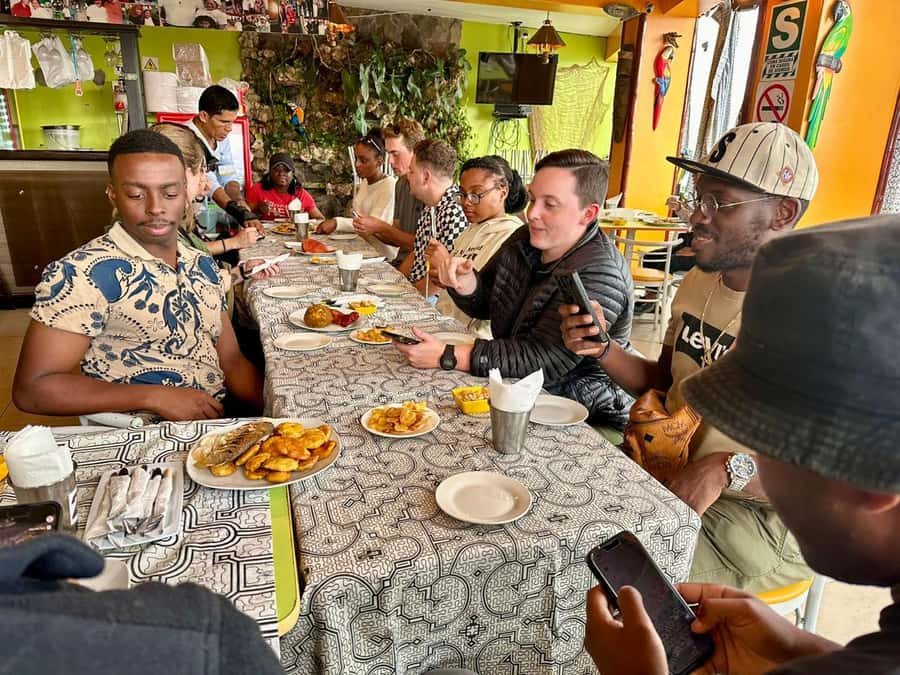
Choose your menu before the day if possible, especially if you are traveling with people who want different options. If you need a vegan version or have a food restriction, state it clearly when arranging the tour.
Wear clothes that are easy to move in. Comfortable shoes matter during the market walk, and sunscreen, sunglasses, and water are sensible in Lima.
Do not plan a rushed appointment immediately after the class. The stated duration is four hours, but a market visit, cooking session, meal, and return transfer all need breathing room.
If you want to continue sightseeing after lunch, ask to be dropped off in one of the listed districts and then explore from there. The return can go to your hotel, or you can continue walking at your own pace.
Should you book this Lima cooking class?
I would book it if you want a compact, well-organized introduction to Peruvian food with real participation. The strongest features are the Surquillo shopping stop, the choice of menu, the market tastings, and the chance to eat what you prepare. The named team members, including guide Leonardo and chef Karina, add a personal touch, and the available feedback points to patience, good humor, and clear enjoyment of the work.
I would hesitate only if you are focused on keeping costs low or would rather spend four hours sightseeing than cooking. For everyone else, the $104 price is reasonable when you value transport, instruction, ingredients, tastings, and a complete meal in one package. Choose fish for ceviche, chicken for a mild and familiar route, meat for lomo saltado, or a vegan version if needed.
FAQ
How long does the cooking class and market tour last?
The experience lasts four hours, including the Surquillo Market visit, cooking class, tastings, meal, and return transfer.
Where is hotel pickup available?
Pickup and drop-off are available in Miraflores, Barranco, and San Isidro.
What start times are offered?
You can choose a morning start at 8:30 AM or an afternoon start at 2:00 PM, subject to availability.
Which dishes can I learn to cook?
The fish menu includes ceviche and pescado a la chorrillana. The chicken menu includes causa limeña and ají de pollo. The meat menu includes papa rellena and lomo saltado.
Are vegan dishes available?
Yes. Vegan versions are available for all three menu options.
Is the tour private or shared?
Private and small-group formats are available. The exact group arrangement depends on the option you book.
What languages are offered?
The live tour guide service is available in English and Spanish.
New cooking classes around Peru
- Lima: Market Tour, 35 Fruits Tasting & Cooking Class★ 5.0 · 3 reviews
- Lima: Market Tour and Cooking Class with Pisco Sour★ 5.0 · 3 reviews
- Lima: 4-Course Peruvian Cooking Class in Miraflores★ 5.0 · 4 reviews
- Lima : Cooking Class – A Peruvian Culinary exploration★ 5.0 · 2 reviews
- Lima: Cooking Workshop and Water Circuit Tour★ 5.0 · 16 reviews
- Lima: Demo Cooking Class with Lunch at Cala Restaurant★ 4.1 · 4 reviews
- Cusco: Peruvian Cooking Class & Market Tour★ 4.9 · 19 reviews
- Cusco: Peruvian Cooking Class★ 5.0 · 2 reviews
Lima Cooking Classes, side by side.
Market Tour, Tasting of 35 Fruits, and 4-Course Peruvian Cooking Class in Lima
Read our review →
#1 Rated Cooking Classes with Local Market Tour & Pickup
Read our review →
Miraflores: Amazing Peruvian Cooking Class Ceviche Seafood and Pisco Sour
Read our review →
Cook with Maido’s creative chef and chef de cuisine
Read our review →
Lima: Demo Cooking Class with Lunch at Cala Restaurant
Read our review →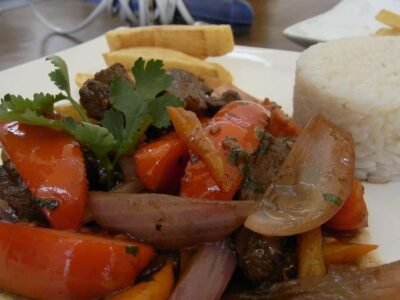
Lima: 4-Course Peruvian Cooking Class in Miraflores
Read our review →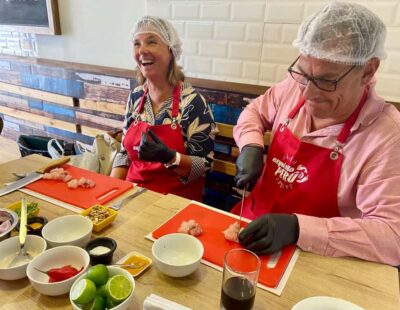
Lima: Market Tour and Cooking Class with Pisco Sour
Read our review →This kitchen also appears in