
Review · NEW ORLEANS
New Orleans: Cajun and Creole Cooking Class
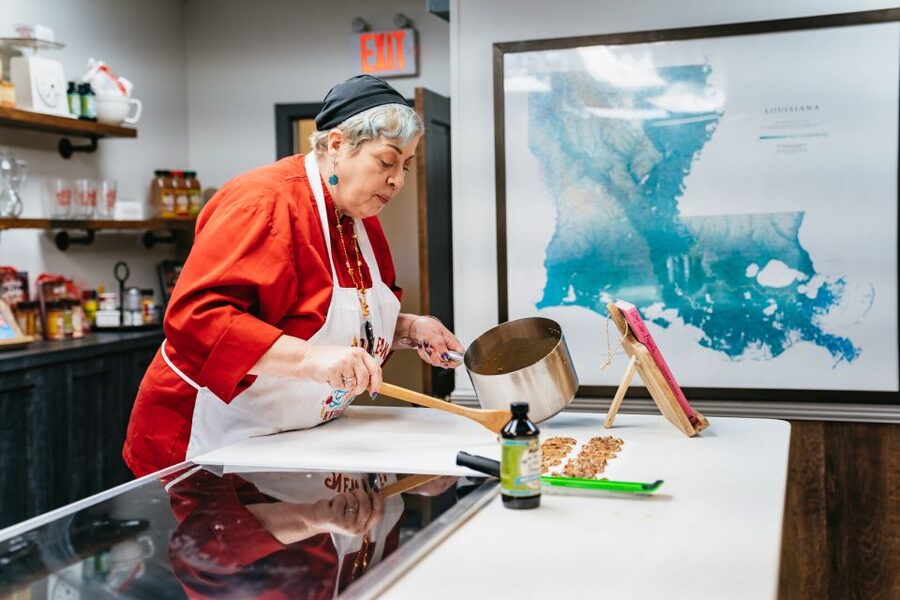
New Orleans cooking is part meal, part storytelling, and this class puts both on the table. In a renovated early-1800s molasses warehouse in the French Quarter, a chef prepares dishes such as gumbo, jambalaya, etouffee, and pralines while explaining how Louisiana food grew from many cultures. I like the generous lunch and the take-home recipes. I also like the relaxed way the class connects food with local folklore.
The important catch is in the name: this is a cooking demonstration, not a hands-on class. You watch the chef cook, ask questions, and eat the finished food. For many people, that is a benefit. If you want to chop, stir, and work at a burner yourself, choose a different type of class.
Key points at a glance
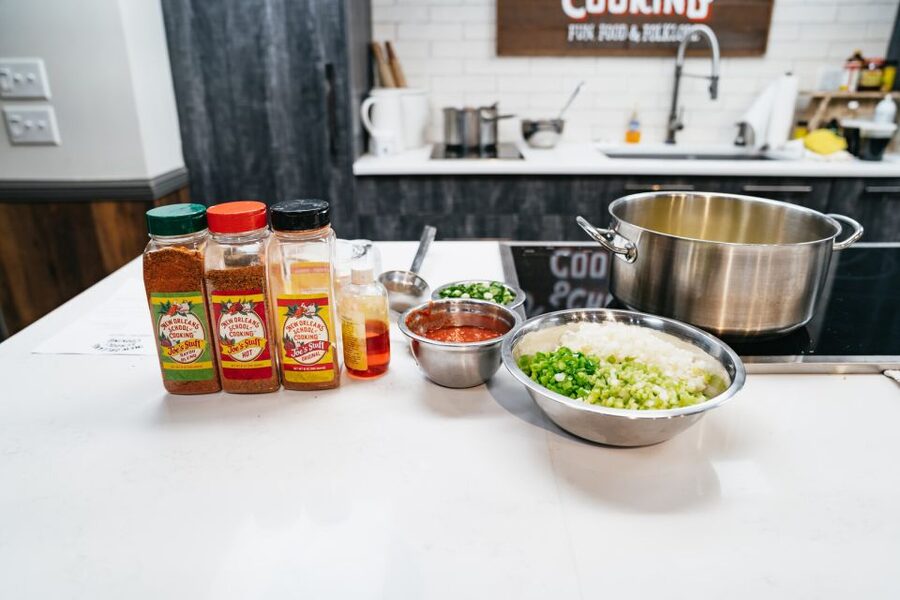
- A French Quarter setting: The class takes place in a renovated molasses warehouse built in the early 1800s.
- A full Cajun and Creole meal: Depending on the day and time, you may eat gumbo, jambalaya, red beans and rice, shrimp Creole, etouffee, soup, pie, bread pudding, bananas Foster, and pralines.
- Storytelling with the cooking: Chefs such as Austin, Lynn, Eric, Dianne, Harriet, and Chef T bring food history, folklore, humor, and New Orleans culture into the lesson.
- A demonstration rather than participation: You follow every step from your seat, but you do not prepare the dishes yourself.
- Local drinks and practical souvenirs: Dixie beer, iced tea, lemonade, and sometimes hot coffee accompany the meal, while recipe copies help you cook at home.
- A useful store stop: Your class includes a coupon for the New Orleans School of Cooking General Store, home of Joe’s Stuff Creole Seasoning.
What this New Orleans cooking class really is
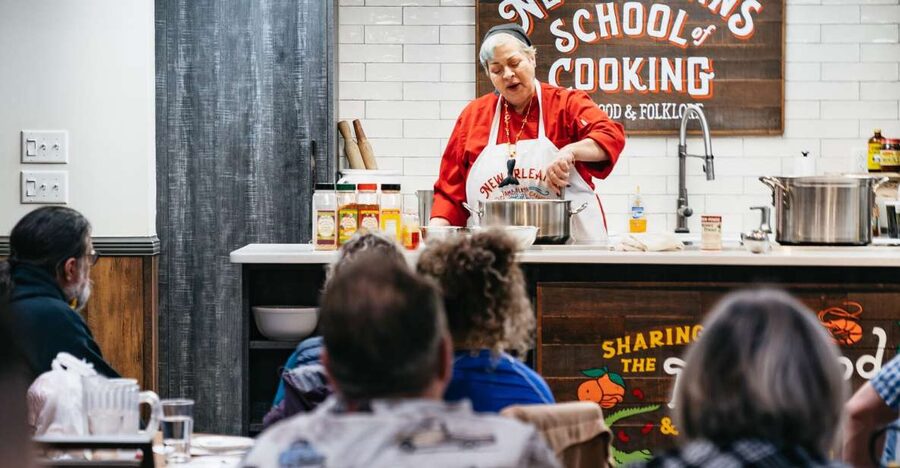
I would describe this as a lively food lesson followed by lunch, not a traditional cooking workshop. The chef works in front of the class, explains the ingredients and methods, and answers questions as each dish comes together. You then eat what has been prepared.
That distinction matters. Several people arrive expecting a hands-on activity and are surprised to find that they do not cook. The format works best if you want a comfortable, social introduction to New Orleans food without spending two hours standing at a work surface.
The tone depends partly on your chef. Austin is described as high-energy and funny, while Lynn is praised for being warm, entertaining, and clear. Eric has a reputation for combining cooking with jokes, and Dianne, also known as Gumbo Marie, brings strong enthusiasm for local food and culture. You are not booking one named chef, so the exact personality and presentation can vary.
Still, the basic shape remains dependable: food, stories, questions, and a substantial meal. The class lasts about two to two and a half hours, listed as two hours to 150 minutes. That is long enough to feel like a proper activity, but short enough to fit neatly into a morning or afternoon in the French Quarter.
More cooking classes around the USA:
- New Orleans Demonstration Cooking Class with Meal
★ 5.0 · 3,000 reviews - New Orleans Hands-On Cooking Class with Meal
★ 5.0 · 1,183 reviews - Undiscovered Charleston: Half Day Food, Wine & History Tour with Cooking Class
★ 5.0 · 948 reviews
Entering the old molasses warehouse
You check in at the register inside the New Orleans School of Cooking General Store. The building itself adds something to the experience. It is a renovated molasses warehouse from the early 1800s, so you are learning about local food inside a place tied to the working history of New Orleans.
Before or after the class, you can browse the store’s locally sourced products. This is where you will find Joe’s Stuff Creole Seasoning, a popular blend associated with the school and used by local cooks. The included coupon makes the shop more useful than a simple gift stop, especially if you want to take home seasoning, cooking supplies, or food gifts.
I would arrive with enough time to check in without rushing. The meeting point is not a separate street corner or hotel lobby. Go directly into the general store and check in at the register.
The class is in the heart of the French Quarter, so it pairs well with a morning walk, an afternoon of sightseeing, or a food-focused day. There is no hotel pickup or drop-off. You make your own way to the school.
The chef explains the food before you eat it
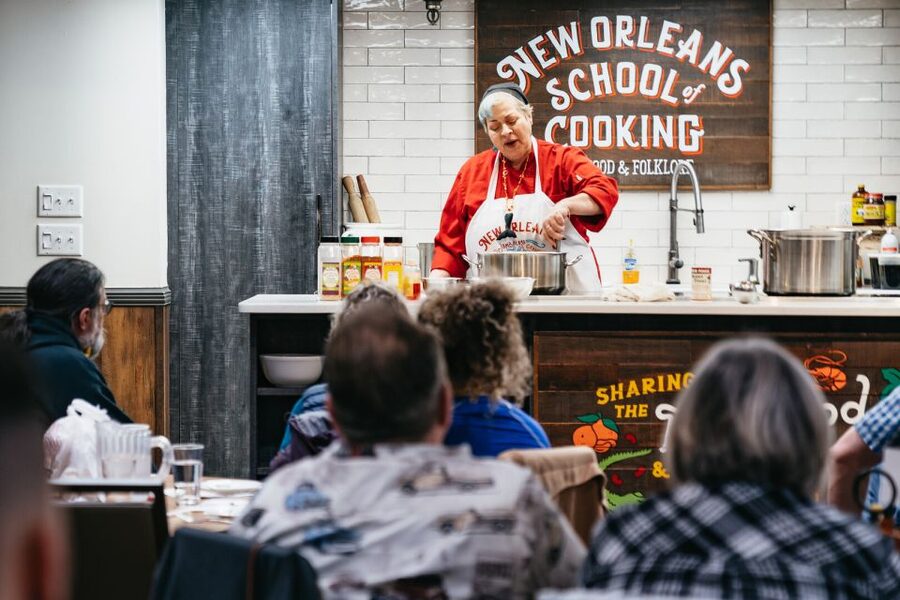
The best part of the class is the link between the pot on the stove and the city outside. You learn that Cajun and Creole cooking are not just lists of dishes. They reflect the people, ingredients, customs, and practical cooking habits that shaped Louisiana.
As the chef works, expect stories about New Orleans, food traditions, and local folklore. The history is not treated as a dry lecture. It is woven into the dishes being prepared, which makes it easier to understand why a recipe matters and how it fits the culture.
The teaching style is informal. You can ask questions about the recipe, the cooking method, or sometimes other food topics. The chefs are also entertainers, and humor is a regular part of the class. That keeps the pace moving during steps that might otherwise feel slow, such as building a base for gumbo or explaining how a dessert comes together.
One practical strength is the attention to explanation. You are not simply handed a plate and told that it is traditional. The chef explains what is being done and why. If you enjoy food history, this may be the most useful part of the experience.
The main limitation is sound. One person found it difficult to hear every word and suggested that the class would benefit from a microphone. If you have hearing concerns, choose a seat where you have a clear view and are close to the chef when possible.
What you may eat at 10 a.m.
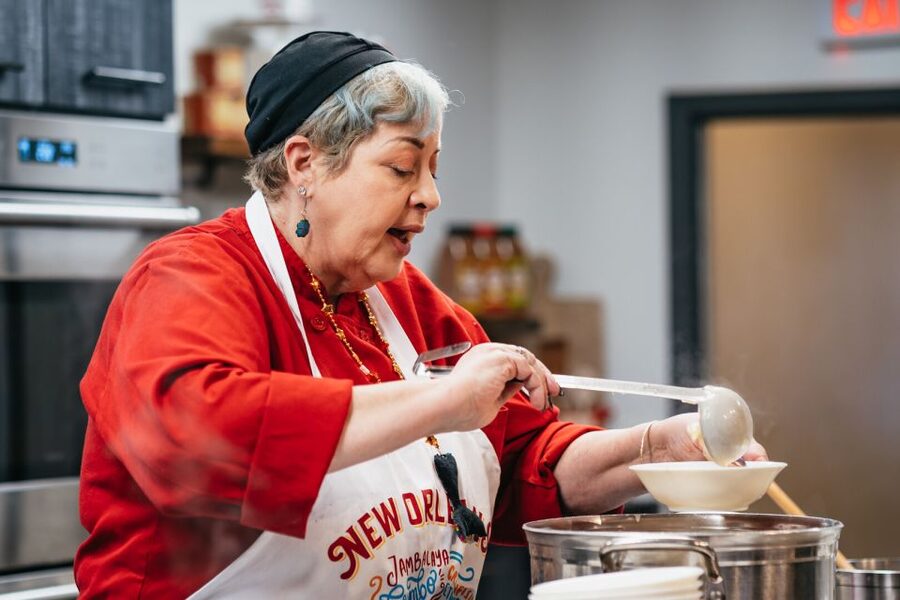
The 10 a.m. class serves a three or four-course meal, with the menu changing by day. This schedule is important because you are not choosing only a time. You are also choosing a menu.
On Saturday, Sunday, and Wednesday, the menu includes gumbo, jambalaya, bread pudding, and pralines. Monday brings gumbo, red beans and rice, pecan pie, and pralines. Tuesday features gumbo, jambalaya, bananas Foster, and pralines.
Thursday takes a seafood turn with corn and crab bisque, shrimp Creole, bananas Foster, and pralines. Friday includes crawfish etouffee, shrimp and artichoke soup, bread pudding, and pralines.
Hot coffee is included with the morning class. Dixie beer, iced tea, and lemonade are also provided. The combination makes the meal feel more like lunch than a tasting.
Portions can be large. I would not eat a full breakfast before the morning class, and I would leave room in your afternoon if you plan to attend the later session. The food is served as the demonstration progresses, so you may eat one course while the chef prepares the next.
Same kitchen, a different dish:
- Hands-on Cajun Roux Cooking Class in New Orleans
★ 5.0 · 356 reviews - Atlanta: Historic Market Food Tour and Biscuit Cooking Class
★ 4.9 · 25 reviews - New Orleans: Cooking Class & Cocktail Walking Tour
★ 4.7 · 16 reviews - Private New Orleans Cajun Cooking Class with a Local Courtland
★ 5.0 · 14 reviews
What you may eat at 2 p.m.
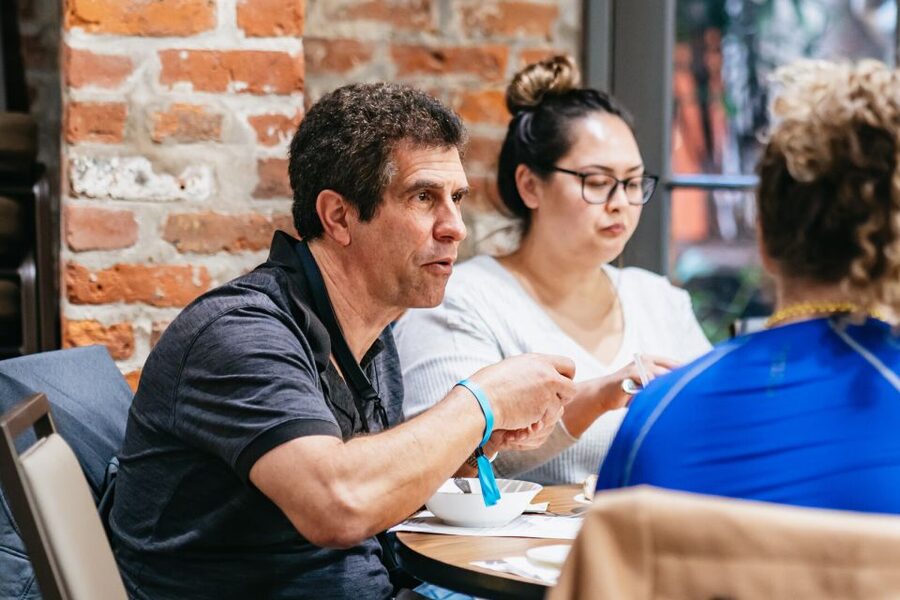
The afternoon schedule is different, and it is worth checking the day before booking. On Saturday, you get crawfish etouffee, shrimp and artichoke soup, and pralines.
Sunday and Tuesday offer corn and crab bisque, chicken etouffee, and pralines. Monday, Thursday, and Friday feature gumbo, jambalaya, and pralines. Wednesday includes gumbo, chicken Creole, and pralines.
The afternoon class does not list hot coffee as an included drink, but Dixie beer, iced tea, and lemonade are included. Since the meal can be filling, this class may serve as your main evening meal rather than a small afternoon snack.
The changing schedule is a strength for repeat visitors and a planning issue for first-time visitors. If gumbo and jambalaya are your priorities, look for the days that serve them. If you want seafood, consider the corn and crab bisque, shrimp Creole, crawfish etouffee, or shrimp and artichoke soup menus.
Gumbo, jambalaya, and the dishes worth watching
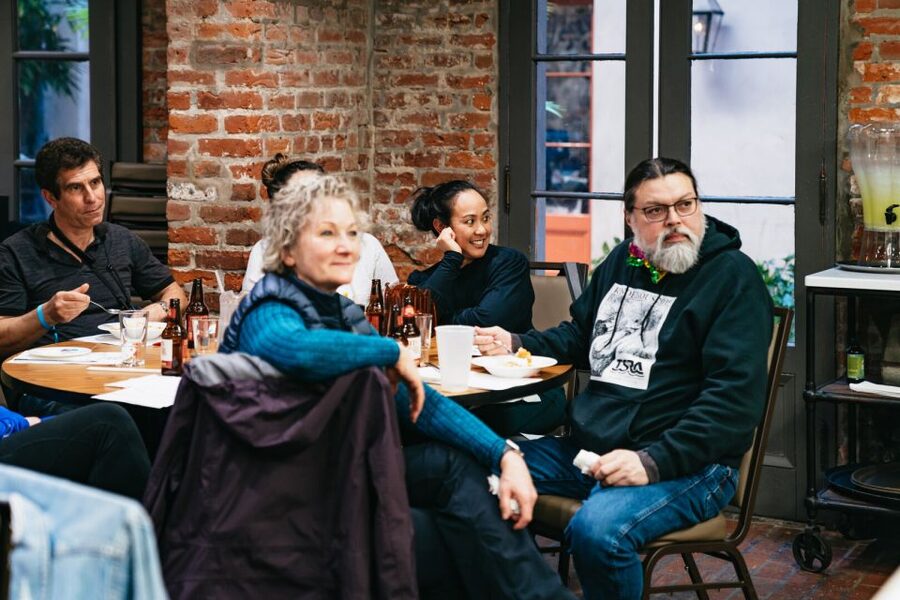
Gumbo is one of the most useful dishes to see prepared because it captures several key ideas in Louisiana cooking: layered flavor, a slow-building base, and the way ingredients work together in one pot. The class gives you a chance to watch the process rather than simply tasting the result.
Jambalaya offers another view of one-pot cooking. Etouffee and shrimp Creole show how sauces carry flavor and how seafood fits into the local food tradition. Red beans and rice gives the menu a more home-style direction.
Dessert keeps the class from ending on a savory note. Depending on the day, you may see bread pudding, pecan pie, or bananas Foster, with pralines appearing on every listed menu. The pralines are especially practical for home cooks because the recipe copies let you try the dish again later.
The food is not served as a tiny sample. You receive enough to make the class function as a meal. That is a real part of the value, especially at $40 per person.
How much value do you get for $40?
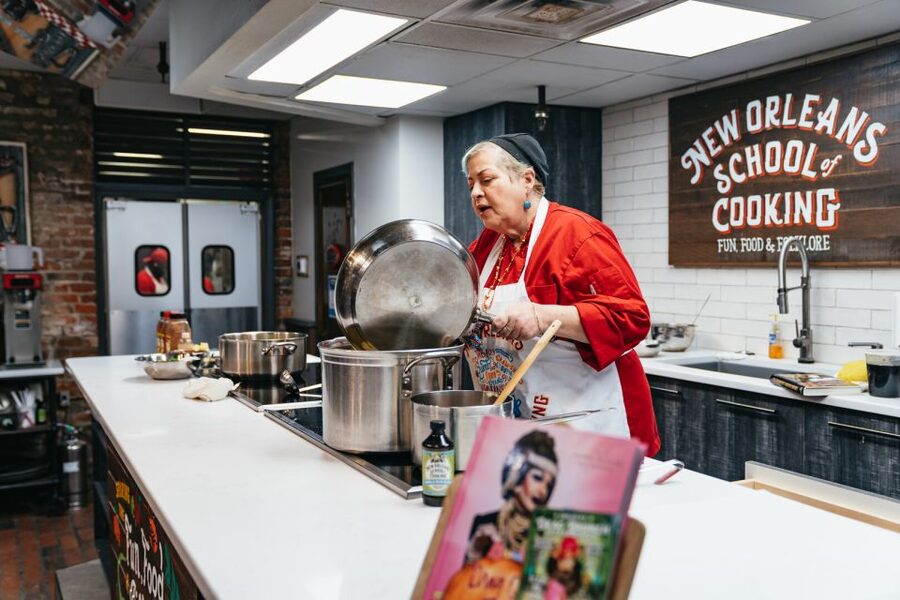
At $40, this is a good-value activity if you want food, entertainment, and an introduction to local culture in one booking. Your price includes the chef instructor, the three or four-course Cajun and Creole meal, drinks, recipe copies, and a coupon for the general store.
If you compare it with a restaurant meal, the class gives you more than food. You also receive a guided explanation, a look at cooking methods, cultural context, and recipes to use at home. The included drinks and generous portions strengthen the value.
It is less compelling if your only goal is to learn by doing. You are paying for the demonstration and presentation, not personal kitchen time. A hands-on class may suit you better if you already cook often or want direct practice.
For families and mixed-age groups, the format can be easier than a practical class. You sit, listen, eat, and ask questions. A group with teenagers found the activity accessible and engaging, which says something about the mix of food and humor.
Food allergies and dietary questions
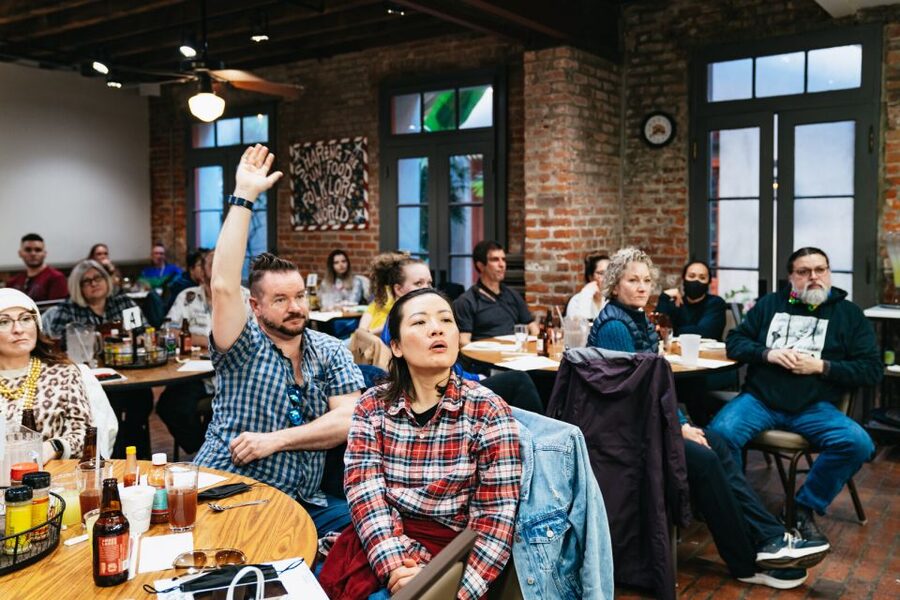
You should raise food allergies before or at the start of the class. A chef has provided alternatives for people with shellfish allergies, so adjustments may be possible, but the supplied information does not promise a specific substitute for every dietary need.
The menus often include shellfish, including shrimp, crawfish, crab, and seafood soup. If you avoid seafood, do not assume that every day will work for you. Ask about the day’s menu when choosing your date.
Vegetarian alternatives have also been served successfully. Still, you should explain your needs clearly rather than expecting a replacement without notice.
Drinks are included, but outside drinks are not allowed. The class provides Dixie beer, iced tea, lemonade, and hot coffee with the morning session.
Recipes, shopping, and cooking at home
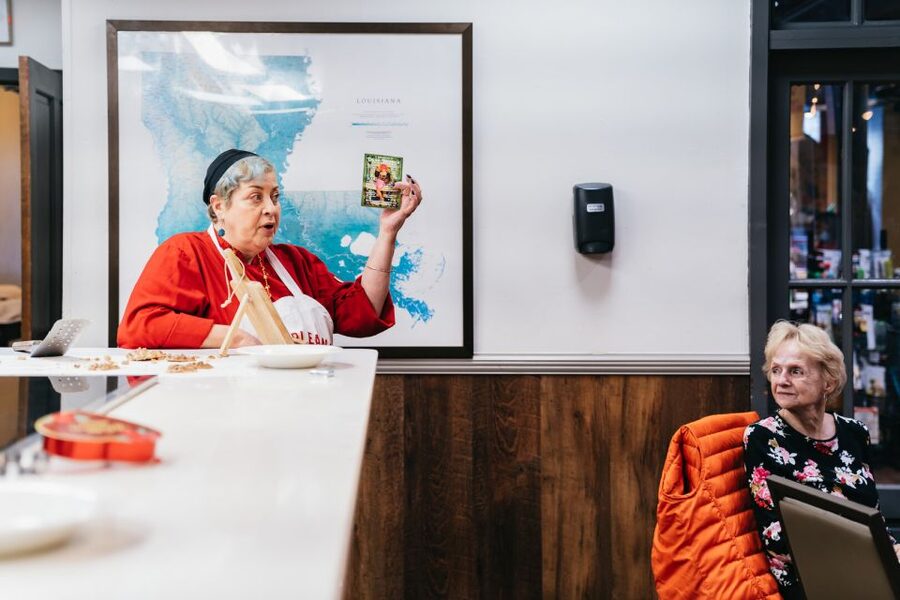
The recipe copies are one of the best reasons to bring this experience into your itinerary. You can watch the chef prepare the dishes, then take the instructions home and try them for friends or family.
That does not mean every home kitchen will reproduce the dish perfectly on the first attempt. Gumbo, jambalaya, and pralines each depend on timing and technique. The class gives you a useful starting point, along with the chance to ask questions while the chef cooks.
The store adds a practical follow-up. Your coupon can be used in the general store, where you can find locally sourced products and Joe’s Stuff Creole Seasoning. Several people choose seasoning and other cooking items as gifts, so you can turn the class into a small food-shopping stop.
I like this part because it keeps the experience from ending when you leave the dining room. You have recipes, seasoning, and a better sense of what you tasted.
Who should book this experience?
I would recommend it to you if you want an easy introduction to New Orleans food, enjoy storytelling, or prefer watching a professional cook rather than working at a station. It also suits families, couples, first-time visitors, and groups that want a substantial indoor activity in the French Quarter.
It is especially useful near the beginning of your trip. The class gives you food context before you order gumbo, jambalaya, or Creole dishes elsewhere in the city. You leave with a better idea of what you are eating and why the recipes matter.
I would hesitate only if you expect a hands-on class, need a quiet learning environment, or have strict dietary limits that are not covered by the listed menus. The sound issue may also matter to you if hearing a fast-moving presentation is difficult.
Booking is flexible: you can cancel up to 24 hours in advance for a full refund, and you can reserve now and pay later. The activity is wheelchair accessible, and instruction is in English.
Should you book the New Orleans School of Cooking class?
Book it if you want a fun food lesson with a full meal, not a kitchen workshop. The strongest features are the chef-led storytelling, generous portions, changing menus, local drinks, and recipes you can actually use at home.
Choose your date based on the food you want. Gumbo appears often, while seafood, chicken, red beans, jambalaya, and desserts rotate through the weekly schedule. Arrive hungry, check in at the general store, and remember that you will be watching rather than cooking.
At $40, it is a sensible way to spend two to two and a half hours in the French Quarter. You get a meal, a bit of New Orleans culture, and a practical souvenir that costs nothing extra: the ability to try the recipes yourself.
FAQ
Is this a hands-on cooking class?
No. It is a cooking demonstration. You watch the chef prepare the dishes, listen to the explanations, ask questions, and eat the finished meal.
How long does the experience last?
The stated duration is between two hours and 150 minutes. Check the available starting times when booking.
Where does the class meet?
Enter the New Orleans School of Cooking General Store and check in at the register.
What food is included?
The class includes a three or four-course Cajun and Creole meal. The exact dishes depend on the day and whether you attend the 10 a.m. or 2 p.m. class.
What drinks are included?
Dixie beer, iced tea, and lemonade are included. Hot coffee is included with the 10 a.m. class only.
Are recipes provided?
Yes. You receive copies of the recipes so you can recreate the dishes at home.
Is shopping included?
A coupon for the general store is included. The store sells locally sourced products and Joe’s Stuff Creole Seasoning.
Is transportation provided?
No. Hotel pickup and drop-off are not included. You must make your own way to the meeting point.
Is the class wheelchair accessible?
Yes, the activity is listed as wheelchair accessible.
What language is the class in?
The chef instruction is in English.
Can I cancel my booking?
Yes. You can cancel up to 24 hours in advance for a full refund. You can also reserve now and pay later.
New cooking classes around the USA
- San Diego: 2-Hour Pasta Cooking Class at a Local Brewery★ 5.0 · 2 reviews
- San Francisco: Dumpling Cooking Class & 3-Course Dinner★ 5.0 · 10 reviews
- New Orleans: Food Walking Tour & Cooking Class Experience★ 5.0 · 8 reviews
- New Orleans: Hands-on Cajun Roux Cooking Class★ 4.9 · 7 reviews
- New Orleans: Traditions Cooking Class★ 5.0 · 9 reviews
- New Orleans: Cooking Class & Cocktail Walking Tour★ 4.7 · 16 reviews
- Atlanta: Historic Market Food Tour and Biscuit Cooking Class★ 4.9 · 25 reviews
- Chinese Dumplings Cooking Class in NYC – Fun & Delicious!★ 5.0 · 4 reviews
New Orleans Cooking Classes, side by side.
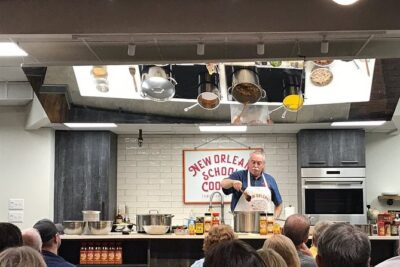
New Orleans Demonstration Cooking Class with Meal
Read our review →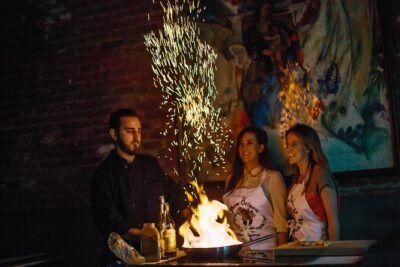
New Orleans Hands-On Cooking Class with Meal
Read our review →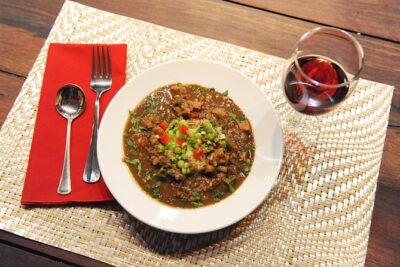
Hands-on Cajun Roux Cooking Class in New Orleans
Read our review →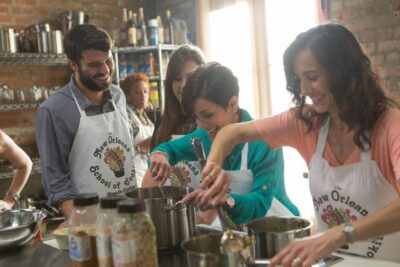
New Orleans: Cooking Class & Cocktail Walking Tour
Read our review →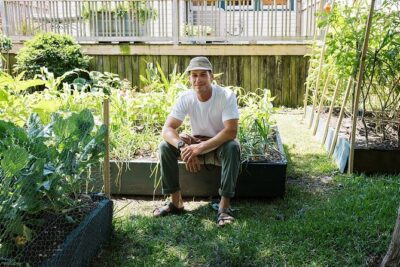
Private New Orleans Cajun Cooking Class with a Local Courtland
Read our review →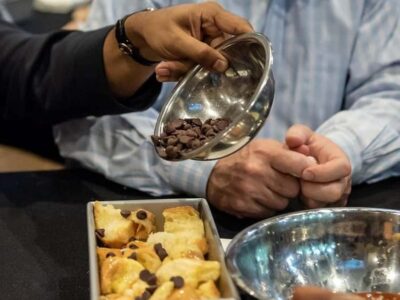
New Orleans: Food Walking Tour & Cooking Class Experience
Read our review →This kitchen also appears in