
Review · NEW ORLEANS
New Orleans Demonstration Cooking Class with Meal
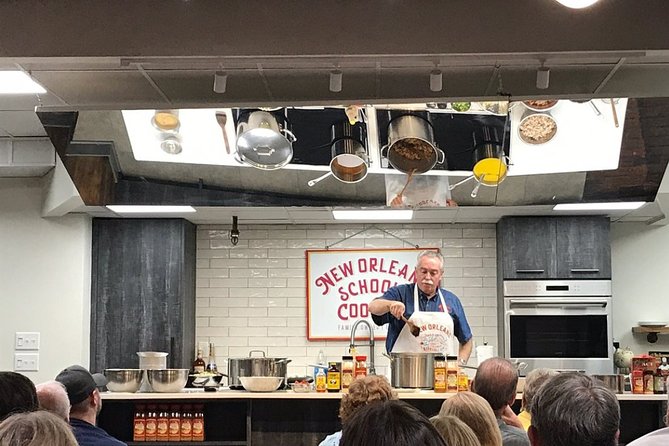
New Orleans cooking is part lesson, part theater, and part very good lunch. In a converted 19th-century molasses warehouse, a local chef cooks Creole classics in front of you, explains the all-important roux, and tells stories about Louisiana food. Then you eat what was prepared, with beer, iced tea, or coffee alongside.
I especially like the generous tasting portions and the recipes you take home. I also like the lively teaching style. Chefs such as Lynn, Eric, Dianne, Vivian, Austin, Terri, and Rene have been praised for mixing useful cooking advice with jokes, local culture, and plenty of time for questions.
The main consideration is size. This is a demonstration for as many as 68 people, and some sessions have had around 48. You watch rather than cook, so it suits people who want a relaxed food lesson, but not those seeking hands-on kitchen practice.
Key points to know before booking
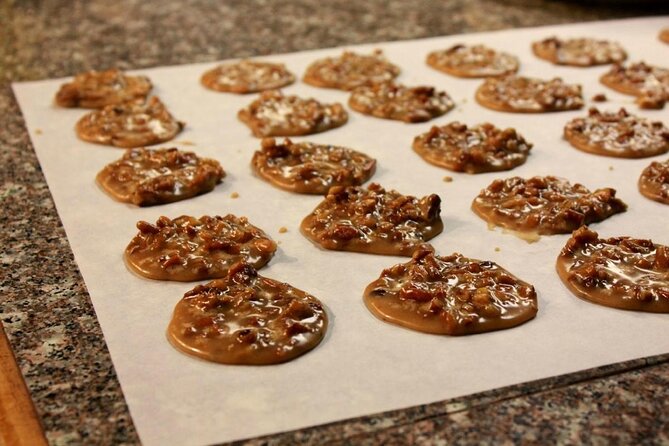
- You eat a full meal: Expect generous samples of several dishes, not just a token bite.
- The roux gets proper attention: You learn why this browned flour-and-fat base matters in gumbo and other Louisiana dishes.
- The menu can change: Possible dishes include gumbo, jambalaya, crawfish etouffée, Creole dishes, soups, and classic desserts.
- It is a show as well as a class: Chefs use stories, humor, and Louisiana food culture to keep the two hours moving.
- The class is demonstration-only: You do not chop, stir, or cook at your own station.
- Dietary help is available: Vegan, gluten-free, and nut-free substitutions can be arranged for a $5 fee after you call the reservation line.
A cooking lesson inside a former molasses warehouse
The New Orleans School of Cooking sits at 524 St. Louis Street, in the French Quarter. The setting gives the experience a useful sense of place. You are not learning Louisiana food in a generic hotel meeting room. You are in an old commercial building tied to the city’s food and shipping past.
You begin by taking a seat among other food lovers. The class lasts about two hours, and the format is simple: watch the chef prepare the dishes, listen to the explanation, ask questions, and eat as each part is finished.
That simplicity is part of the appeal. You do not need to bring cooking gear, follow a recipe under pressure, or worry about making a mistake in front of a group. You can focus on the food and the stories.
The tradeoff is that the class can feel more like a cooking show than a traditional cooking school. If your goal is to practice knife skills or make your own roux, this is not the right format. If you want an entertaining introduction to Louisiana cooking without doing the work yourself, it is a good fit.
More cooking classes around the USA:
- New Orleans Hands-On Cooking Class with Meal
★ 5.0 · 1,183 reviews - Undiscovered Charleston: Half Day Food, Wine & History Tour with Cooking Class
★ 5.0 · 948 reviews - New Orleans: Cajun and Creole Cooking Class
★ 4.9 · 730 reviews
The difference between Cajun and Creole cooking
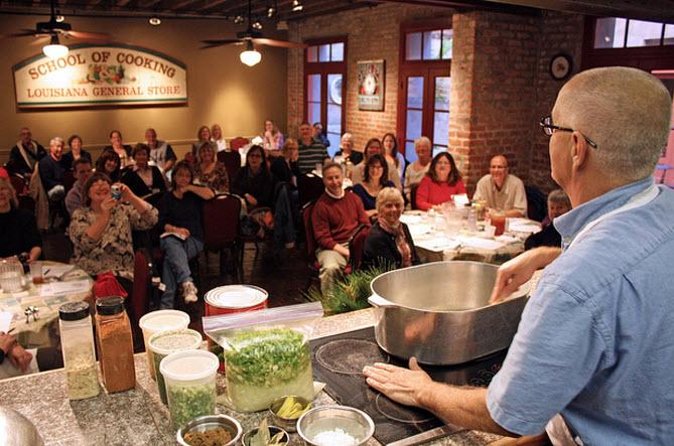
One of the most useful parts of the class is the discussion of Louisiana’s food traditions. Cajun and Creole cooking overlap, but they are not identical. The chef explains the difference in plain language and places both styles within Louisiana’s mix of cultural influences.
You hear how local ingredients, French and African influences, regional customs, and family traditions shaped the food served in New Orleans. The discussion is not just a list of dates and names. It helps explain why the same basic ingredients can turn into very different dishes.
Ask questions if you are curious. The chefs are accustomed to explaining details such as seasoning, spice levels, substitutions, and the way a dish changes from one household to another. The class works especially well for first-time visitors who want more context than a restaurant menu can provide.
You also get a better sense of what makes New Orleans food distinctive. It is not simply hot food. Seasoning, stock, vegetables, cooking time, and the color of the roux all matter.
Why the roux lesson matters
The roux is one of the key ideas of Louisiana cooking, and the chef gives it the attention it deserves. A roux is a cooked mixture of fat and flour used to build flavor and body. For gumbo, the color and cooking time can shape the final taste.
You watch the chef work through the process and explain what to look for. This is useful even if you never attempt a full gumbo at home. It gives you a way to understand the flavor of the dish when you order it elsewhere.
Seasoning is another practical subject. The food is not prepared at an aggressive heat level for the entire room. Condiments and seasoning blends are available so you can adjust your portion to taste. That explains why a diner expecting fiery food might find the dishes mild at first.
I consider this a sensible choice for a large class. A room full of people has different spice preferences, and a milder base lets you add more heat rather than trying to remove it.
What you may eat during the two-hour session
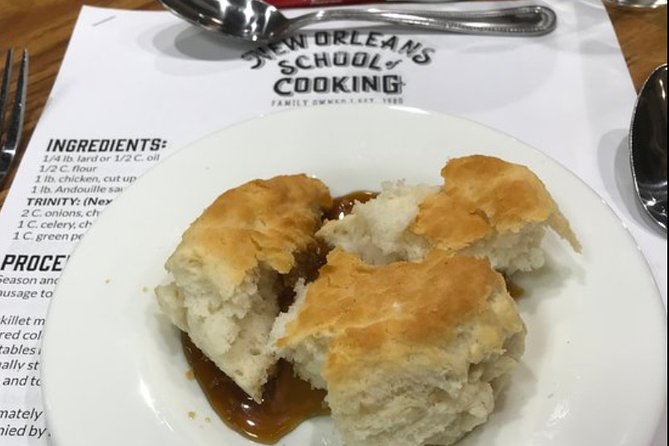
The exact menu can vary, but the sample meal covers a broad range of Louisiana cooking. Possible dishes include:
- Corn and crab bisque
- Gumbo
- Jambalaya
- Shrimp or chicken Creole
- Shrimp and artichoke soup
- Crawfish etouffée
- Bread pudding
- Bananas Foster
- Pralines
- Pecan pie
You might receive several savory dishes in one sitting, followed by more than one dessert. That is why you should arrive hungry. The portions are designed for sampling, but the total amount adds up to a full meal.
The class often includes a starter, several main dishes, and a dessert selection. You may begin with corn and crab bisque, move into gumbo and jambalaya, then try shrimp Creole or crawfish etouffée. Dessert can include bread pudding, bananas Foster, pralines, or pecan pie.
The variety is valuable because each dish shows a different technique. Gumbo brings the roux and slow-cooked depth. Jambalaya shows how rice, seasoning, and meat or seafood come together. Crawfish etouffée offers a thicker, sauce-based preparation. Bananas Foster adds a bit of kitchen theater to the finish.
Do not expect every listed dish at every class. The menu is subject to change, and the chef may present a different combination. That is worth checking if you have your heart set on one particular recipe.
Same kitchen, a different dish:
- Hands-on Cajun Roux Cooking Class in New Orleans
★ 5.0 · 356 reviews - Atlanta: Historic Market Food Tour and Biscuit Cooking Class
★ 4.9 · 25 reviews - New Orleans: Cooking Class & Cocktail Walking Tour
★ 4.7 · 16 reviews - Private New Orleans Cajun Cooking Class with a Local Courtland
★ 5.0 · 14 reviews
The chefs make the difference

The food matters, but the person at the front of the room shapes the experience. The class has featured chefs including Lynn, Eric, Dianne, Vivian, Austin, Terri, Rene, and Faucheaux. Each brings a slightly different style.
Lynn has been praised for explaining the cooking clearly while adding New Orleans history. Chef Eric is described as entertaining, serious about Cajun and Creole food, and generous with practical advice. Vivian brings a friendly presentation, while Austin combines stories, jokes, and step-by-step instruction.
Chef Terri has also been singled out for her teaching style. Rene is known for setting a warm tone. The experience can therefore feel a little different depending on the scheduled chef, but the format remains consistent.
You should expect personality. This is not a quiet lecture. The chef may tell family-style stories, make jokes, respond to questions, and explain small points that do not appear on the printed recipes.
One practical issue is sound. In a larger class, side conversations can make it harder to hear. Choose a seat where you can see the demonstration and stay attentive if you want to catch the details.
A full meal for $43
At $43 per person, this is one of the easier New Orleans food experiences to judge by value. You receive about two hours of instruction, generous samples of the prepared dishes, one local beer, iced tea, coffee, water, and a copy of the recipes.
The price also includes the entertainment value of the chef’s presentation. You are paying for a meal, but you are also getting an introduction to local food traditions and techniques. A meal at a New Orleans restaurant could easily approach the same price before drinks, and it would not normally include a live lesson or recipes.
The value is strongest if you plan to cook at home. The chef explains the purpose of each step, rather than simply handing you a list of ingredients. You leave with a better idea of how the dish should look and taste.
It is less attractive if you want a private class or a small group. The maximum is 68 people, and the format is built for a room rather than an intimate kitchen table. The low price reflects that scale.
Gratuity is not included. A tip of 15 to 20 percent is recommended, so include that in your budget.
The French Quarter location makes planning easy
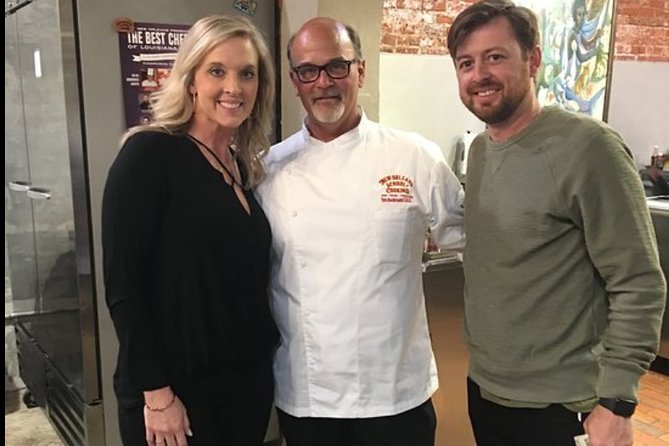
The meeting point is the New Orleans School of Cooking at 524 St. Louis Street. The class ends at the same location, so you do not need to arrange a second pickup or find your way back across the city.
The school is near public transportation and sits in the French Quarter. That makes it easy to pair the class with other sightseeing, though you should avoid scheduling a tight activity immediately afterward. The class lasts about two hours, but the practical end time can depend on the pace of the presentation and meal.
Because the class begins and ends in the same place, it can work well as a midday break from walking the Quarter. You get out of the heat, sit down, and eat before continuing through the neighborhood.
The mobile ticket is convenient. Confirmation is provided at booking, so keep the ticket available on your phone.
Dietary restrictions and what to expect
Dietary restrictions require planning. The school can provide gumbo z’herbes and Creole z’herbes as vegan, gluten-free, and nut-free substitutions for a $5 fee payable at check-in.
Call the reservation line after booking and tell the school about your needs. You should also inform the stewards when you arrive.
These replacement dishes are discussed but not demonstrated. The chef prepares the regular menu for the class, and the school cannot alter each demonstration recipe to suit individual diets. Depending on your restriction, you might be able to eat the demonstrated soup but not the main course.
This is an important distinction. The school offers a practical alternative, but it is not a fully customized cooking class. If you have a serious allergy, contact the school before arriving so you understand exactly what can be served.
Recipes, souvenirs, and cooking at home
The recipe copy is one of the best parts of the experience. It turns a pleasant meal into something you can use later.
The recipes cover the dishes prepared in class, and you can refer back to the chef’s explanations when you try them. You also have the chance to receive a diploma by submitting photos of yourself cooking the recipes at home.
I like this follow-up because it gives the class a small connection to your own kitchen. You may not reproduce a New Orleans dish perfectly on the first attempt, but you will know more about the stages that matter, especially the roux and seasoning.
The recipes also make the experience more useful for people who already cook. Beginners get a clear starting point, while experienced home cooks can compare the school’s method with their own.
Who should book this class?
I would recommend it to first-time visitors who want a food introduction with local context. It is also a good choice for couples, families, friends, and solo diners who enjoy learning while they eat.
You do not need to be a serious cook. Several parts of the class are designed for the curious beginner, and the chef explains the process in accessible terms.
It also suits a mixed group. One person can love cooking while another simply enjoys a good meal and a funny presenter. The demonstration format means nobody has to participate at the stove.
I would hesitate if you want private instruction, hands-on practice, or a carefully controlled small group. A large room can bring background noise, and the food is prepared for broad tastes rather than tailored to each person.
Should you book the New Orleans cooking class?
Book it if you want a reasonably priced meal with recipes, local stories, and a clear introduction to gumbo, jambalaya, Creole dishes, and Louisiana desserts. The combination of food, culture, and entertainment gives you more than a standard lunch.
Skip it if you are looking for hands-on training or a quiet, intimate setting. For most people who want to understand New Orleans food without spending a full day in a kitchen, this two-hour demonstration is a practical choice.
Free cancellation is available if you cancel at least 24 hours before the start time. Inside that window, the payment is not refunded. Poor weather or failure to reach the minimum number of participants can lead to a different date or a full refund.
FAQ
How long does the New Orleans cooking class last?
The class lasts approximately two hours.
Where does the class begin?
It begins at the New Orleans School of Cooking, 524 St. Louis Street, New Orleans, Louisiana 70130.
Where does the activity end?
The class ends back at the New Orleans School of Cooking.
Is this a hands-on cooking class?
No. It is a demonstration class. You watch the chef prepare the dishes rather than cooking at your own station.
What dishes might be prepared?
Possible dishes include gumbo, jambalaya, corn and crab bisque, shrimp or chicken Creole, shrimp and artichoke soup, crawfish etouffée, bread pudding, bananas Foster, pralines, and pecan pie.
Are food and drinks included?
Yes. You receive generous samples of the dishes prepared, plus coffee, iced tea, water, and one local beer.
Can dietary restrictions be accommodated?
Yes. Vegan, gluten-free, and nut-free substitutions may be available for a $5 fee. You must call the reservation line after booking and tell the stewards at check-in. The substitute dishes are not demonstrated.
How large can the class be?
The maximum group size is 68 people.
What is the cancellation policy?
You can cancel at least 24 hours before the start time for a full refund. Cancellations or changes made less than 24 hours before the experience are not refunded or accepted.
New cooking classes around the USA
- San Diego: 2-Hour Pasta Cooking Class at a Local Brewery★ 5.0 · 2 reviews
- San Francisco: Dumpling Cooking Class & 3-Course Dinner★ 5.0 · 10 reviews
- New Orleans: Hands-on Cajun Roux Cooking Class★ 4.9 · 7 reviews
- New Orleans: Traditions Cooking Class★ 5.0 · 9 reviews
- New Orleans: Food Walking Tour & Cooking Class Experience★ 5.0 · 8 reviews
- New Orleans: Cooking Class & Cocktail Walking Tour★ 4.7 · 16 reviews
- Atlanta: Historic Market Food Tour and Biscuit Cooking Class★ 4.9 · 25 reviews
- Chinese Dumplings Cooking Class in NYC – Fun & Delicious!★ 5.0 · 4 reviews
New Orleans Cooking Classes, side by side.
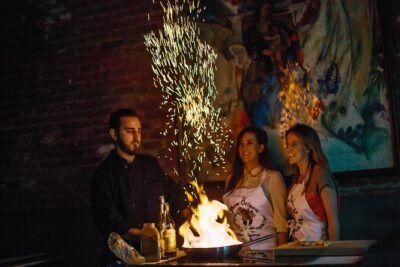
New Orleans Hands-On Cooking Class with Meal
Read our review →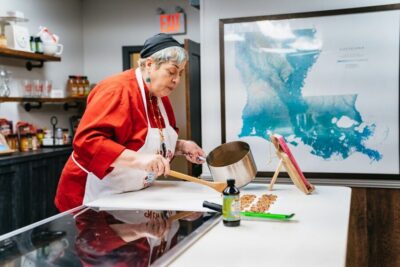
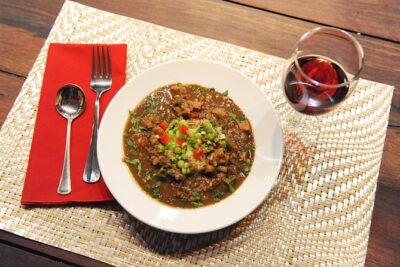
Hands-on Cajun Roux Cooking Class in New Orleans
Read our review →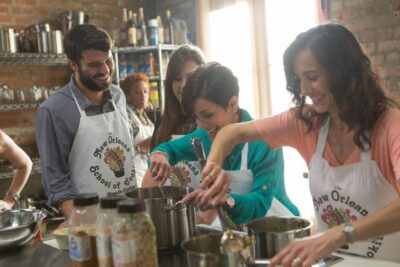
New Orleans: Cooking Class & Cocktail Walking Tour
Read our review →
Private New Orleans Cajun Cooking Class with a Local Courtland
Read our review →
New Orleans: Food Walking Tour & Cooking Class Experience
Read our review →This kitchen also appears in