
Review · THE USA
San Francisco: Dumpling Cooking Class & 3-Course Dinner
San Francisco’s dumpling scene gets personal in this three-hour cooking class with Chef Eddie, where you do more than fold a few wrappers. You knead the dough, roll the skins, fill them, pleat them, cook them, and sit down to eat them as part of a full three-course dinner.
I like the small group of eight or fewer, which gives Eddie time to watch your hands and correct your technique. I also like the smart teaching tools: a practice dough while your real dough rests, Play-Doh for pleating practice, and a small camera that projects his fingers onto a large screen. The main consideration is the price, $135 per person, which makes this a dinner experience as much as a cooking lesson.
Key points to know
- Chef Eddie teaches every stage: You knead, rest, roll, fill, pleat, cook, and eat the dumplings.
- Play-Doh makes pleating less intimidating: You can practice the hand movement before working with the real dough.
- Choose pork or tofu filling: The pork stuffing follows a family recipe, while the tofu option works for those seeking a meat-free filling.
- The class is also a full dinner: Your dumplings are followed by soy-sauce braised pork belly and a red bean dessert.
- A blind soy sauce tasting starts the evening: It gives you a useful lesson in how much the sauce shapes a dish.
- You leave with a recipe guide: The class is built to help you repeat the meal at home.
A Three-Hour Dumpling Lesson at 555 Fulton Street
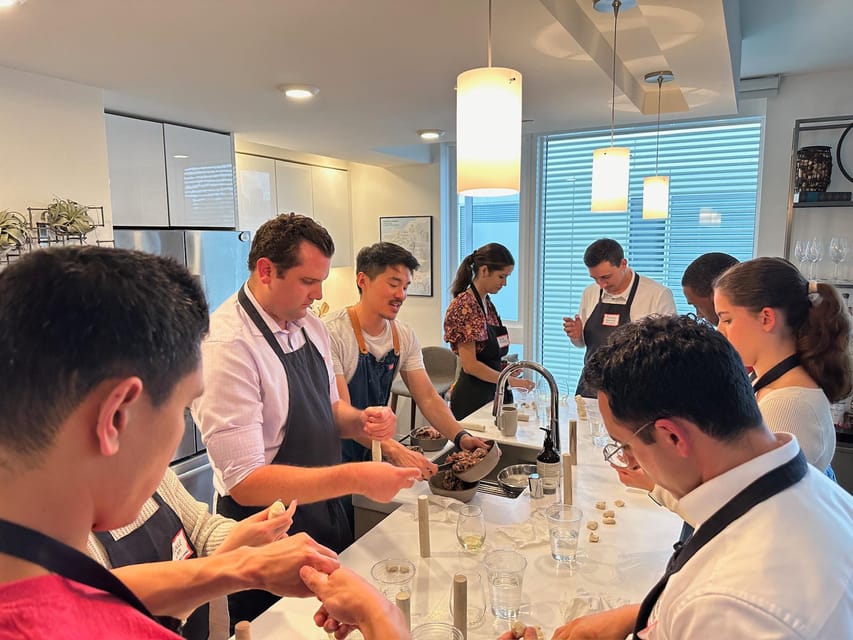
You meet Chef Eddie in the main lobby of 555 Fulton Street, where he wears an apron and waits five minutes before the scheduled start. The building also has a Trader Joe’s, so use the main lobby rather than wandering around looking for a separate restaurant entrance.
The central location is simple to reach once you have the address, but the meeting instructions matter. Head to the main lobby, not the store entrance. The activity begins and ends at the same place, which keeps the evening easy to manage.
This is an English-language class with a maximum of eight participants. That size changes the feel of the evening. You are not standing at the back of a large demonstration, trying to copy a pair of distant hands. Eddie can check your dough, watch your rolling technique, and offer help as you work.
The three-hour schedule gives the class enough breathing room. Dumpling dough needs attention and rest, and proper pleating takes practice. This is not a quick demonstration followed by a plate of food. You spend most of the time doing the work yourself.
More Chinese Cooking Classes around the USA:
- Chinese Dumplings Cooking Class in NYC – Fun & Delicious!
★ 5.0 · 4 reviews - Warsaw’s No 1 cooking class-Polish dumplings with liqueur tasting
★ 5.0 · 576 reviews - Xiao Long Bao, Beef Noodles & Boba Tea Cooking Class in Taipei
★ 5.0 · 159 reviews
Starting With Soy Sauce and Local Ingredients
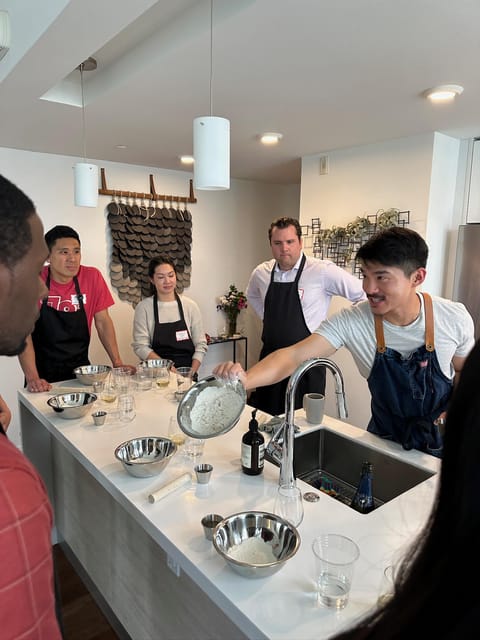
The evening begins with a blind tasting of the chef’s favorite soy sauce. It is a small but useful opening lesson, because soy sauce is not just a salty liquid added at the end. Its taste shapes the filling, dipping sauce, and the Shanghainese-style pork belly served later.
The ingredients are sourced locally in San Francisco, including the organic pork used for the braise. That local focus does not turn the class into a farm tour, but it gives the dinner a clear connection to its setting. You are learning a traditional dumpling method while eating ingredients selected for this particular kitchen.
The sauces are another important part of the meal. You taste several varieties before making your own secret dipping sauce. This is useful for home cooks, since a dumpling can be fairly simple on its own. The sauce adds acidity, salt, sweetness, heat, or extra savoriness, depending on how you mix it.
You should expect to make choices rather than follow a rigid script. The class gives you a family recipe for the pork stuffing, along with a tofu-based alternative. If you prefer meat, the pork filling gives you the most traditional route described here. If you do not eat pork, the tofu option lets you take part in the same dough and shaping lesson.
Kneading Dough From Scratch
The dough lesson is where the class becomes more useful than a standard restaurant meal. You learn how to knead the dough, let it rest, break off portions, and roll those portions into wrappers.
This sequence may sound basic, but each stage affects the final dumpling. Dough that is not worked properly can be hard to roll. Skins that are too thick can make the dumpling heavy. Skins that are too thin may be difficult to fill and pleat. The class gives you time to feel these differences instead of handing you ready-made wrappers.
One clever part of Eddie’s teaching is the use of a rough practice dough while your main dough rests. You can work on your rolling and shaping without wasting the dough you will eventually eat. That matters for beginners, who often need a few tries to get a feel for the right thickness.
You also practice with Play-Doh before moving on to actual dumpling dough. It may sound playful, but it solves a real problem. Pleating requires your fingers to repeat a small movement in the correct order. Practicing first gives you a chance to learn the motion without worrying about tearing a wrapper or spilling filling.
A camera projects Eddie’s hands onto a large television screen. This is one of the most practical details in the class. Dumpling pleats are easy to miss when someone demonstrates them across a table, so the close-up view lets you see what each finger is doing.
Rolling Thin Skins and Pleating by Hand
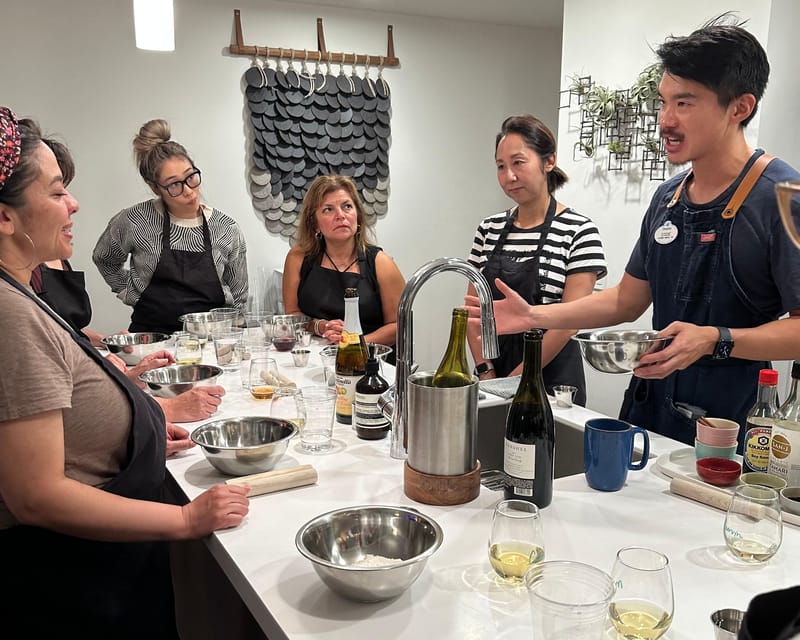
Rolling the wrappers is likely to be the first point where your dumplings start looking different from one another. You want a thin skin that can hold the filling but still fold without breaking. Eddie demonstrates the technique, then checks your work as you go.
Do not expect every wrapper to look factory-perfect. That is part of the value. You are learning a hand skill, not assembling a packaged meal. The class gives you the chance to make a batch that reflects your own progress, from the first awkward wrapper to the later ones that become easier to handle.
Pleating is the most distinctive skill in the class. You learn how to gather and fold the edge so the dumpling closes securely and develops a decorative shape. The Play-Doh practice and projected close-up should help, but this is still a hands-on task that takes concentration.
Chef Eddie’s teaching style is patient and active. He checks on participants often and provides regular feedback rather than waiting until the end to point out mistakes. That is especially helpful when you are learning a physical technique. You can fix the problem in the next dumpling instead of repeating it through the whole batch.
The small group also makes the class more social without turning it into a party with a lesson attached. You work alongside other people, compare shapes, and share the table. It suits couples and small groups particularly well, but solo participants can also take part without being lost in the crowd.
More cooking classes around the USA:
- New Orleans Demonstration Cooking Class with Meal
★ 5.0 · 3,000 reviews - New Orleans Hands-On Cooking Class with Meal
★ 5.0 · 1,183 reviews - Undiscovered Charleston: Half Day Food, Wine & History Tour with Cooking Class
★ 5.0 · 948 reviews - New Orleans: Cajun and Creole Cooking Class
★ 4.9 · 730 reviews
Choosing Pork or Tofu Filling
Once the dough is ready, you fill the wrappers with a pork stuffing based on a family recipe or choose a tofu-based stuffing. The pork option connects directly with the dinner’s Shanghainese flavors and the later pork belly course. The tofu option gives vegetarians a way to participate in the dumpling portion of the meal.
The focus here is not simply on placing filling in a wrapper. You learn how much filling to use, how to leave room around the edge, and how to close the dumpling without forcing the dough. Too much filling makes pleating difficult. Too little leaves you with a lot of wrapper and less flavor.
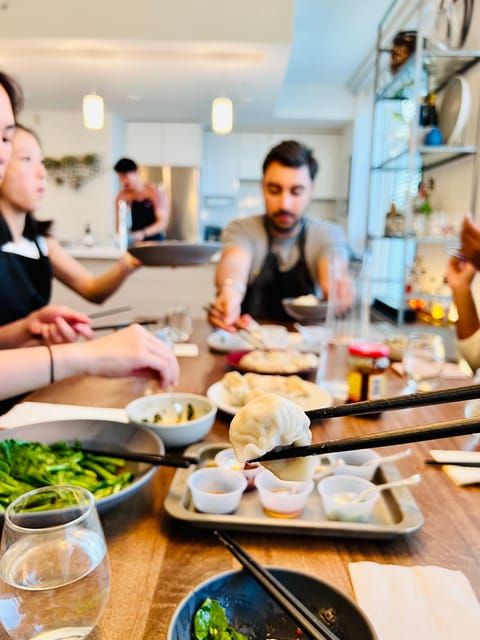
You then cook the dumplings you made. The satisfaction comes from eating a dish you shaped yourself, but the practical benefit is more lasting. The recipe guide lets you repeat the process at home, where you can practice without the pressure of making every dumpling look right on the first attempt.
The recipe guide is worth considering when judging the price. You are not buying only the ingredients consumed during the evening. You are also paying for instruction in dough, wrappers, filling, folding, sauces, and cooking. If you expect to make dumplings again, that take-home material adds real value.
Building Your Own Secret Dipping Sauce
After shaping the dumplings, you create your own dipping sauce. The class includes sauces and a tasting of different varieties, so you get a chance to compare flavors before mixing your own combination.
This part gives the evening a personal touch. Everyone starts with the same basic dumpling lesson, but each person can make a sauce that suits their taste. It also shows why a dumpling meal is not only about the filling. The wrapper, stuffing, cooking method, and sauce all work together.
The word secret is used playfully here. You should not expect a sealed culinary formula that cannot be explained. Instead, you get room to adjust the sauce and learn what you like. That is the sort of lesson you can use at home, even if your next batch comes from store-bought wrappers.
A Three-Course Dinner Beyond the Dumplings
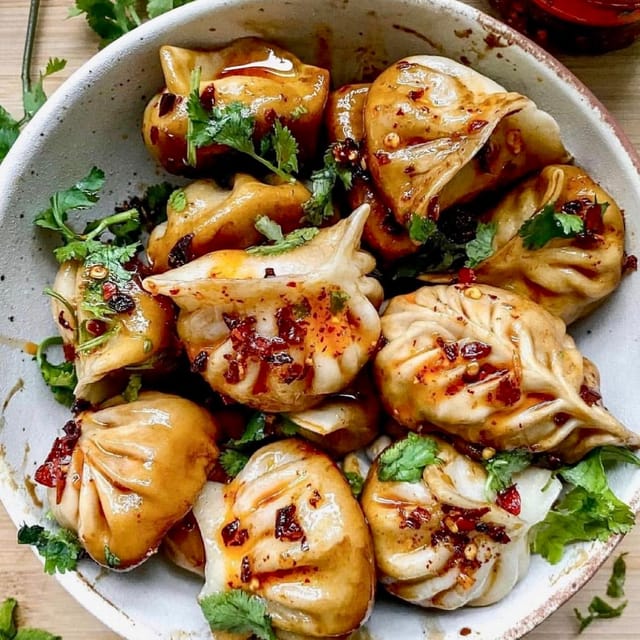
Your dumplings form one part of a three-course meal. The second featured dish is a pork belly braise, a classic Shanghainese preparation built around the savory depth of soy sauce. It uses local, organic pork and gives you a different way to taste the soy sauce lesson from the beginning of the evening.
The pork belly course also adds substance to the meal. A dumpling class can easily leave you eating small samples while you focus on technique. Here, the braise turns the activity into a proper dinner, so you are not paying for a class and then needing to find a second meal afterward.
Dessert is a red bean dish. It provides a sweet finish after the salty, savory dumplings and pork. Red bean dessert is a fitting choice for the menu because it keeps the meal connected to the broader flavor traditions behind the class rather than switching to an unrelated sweet.
The meal is best understood as part lesson, part dinner. You will not get the same menu flexibility or restaurant-style ordering experience that you would at a regular dining room. In exchange, you eat food that connects directly to what you learned and helped prepare.
Is $135 Per Person Good Value?
At $135 per person, this is not an inexpensive way to eat dumplings. If your goal is simply a large plate of dumplings, a restaurant will cost less. The price makes more sense when you count the three-hour instruction, all ingredients and equipment, the three-course meal, sauces, the instructor, and the recipe guide.
I see the strongest value in the teaching. You are not only watching a chef fold one perfect dumpling. You practice kneading, rolling, filling, pleating, cooking, and sauce-making. The close-up camera, Play-Doh practice, and spare dough show that the class is designed around learning, not just presentation.
The small group is another reason the price can work. With eight participants or fewer, Eddie can offer personal corrections. That is useful for a technique class, especially when your hands are doing something new and you need feedback right away.
Wine is not included, but you can bring your own wine or beer. You may also buy wine at the event for $30 per bottle. BYOB keeps the final cost under your control, which is helpful for couples or groups deciding how much they want to spend on drinks.
Who Will Get the Most From This Class?
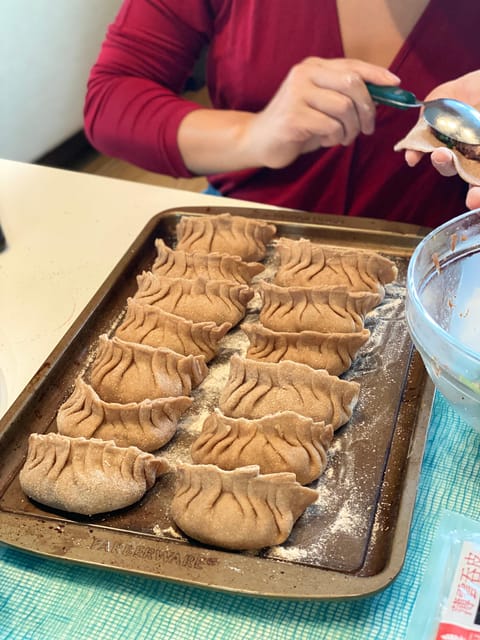
You should consider this class if you enjoy food experiences that teach a practical skill. It suits couples, small groups, and solo diners who are comfortable working at a shared table. The meal gives the evening a clear finish, while the recipe guide gives you a reason to keep practicing after you return home.
It is also a good choice for anyone who has tried dumplings but never made the dough. Store-bought wrappers make dumplings easy to assemble, but they do not teach you how the dough works. Here, you learn the full process from the beginning.
People under 12 are not suited for this activity, since the experience is not intended for children that young. The class is wheelchair accessible, and instruction is in English.
You should think twice if you dislike group cooking, want a quiet restaurant dinner, or have no interest in making dumplings again. The evening requires participation. You will be handling dough, filling wrappers, practicing folds, and following instructions for much of the three hours.
Practical Details Before You Book
Plan to arrive at the main lobby of 555 Fulton Street about five minutes before the starting time. Chef Eddie will be there in an apron. The building contains a Trader Joe’s, so do not assume the store entrance is the meeting point.
The experience lasts three hours, but starting times vary. Check the available time before booking, especially if you are fitting the class around a San Francisco dinner reservation or evening event.
All materials and ingredients are supplied. You do not need to bring cooking equipment or sauces. You can bring your own wine or beer, and wine is also available for $30 a bottle.
The class ends back at the meeting point. It has free cancellation up to 24 hours before the activity for a full refund, and you can reserve now and pay later if you want to keep your schedule flexible.
Should You Book the Dumpling Class?
Book it if you want a full evening built around learning, eating, and working with your hands. Chef Eddie’s patient instruction and small-group setup make the class friendly to beginners, while the dough, pleating, sauce, and recipe guide give you useful skills to carry home.
The biggest drawback is the price compared with an ordinary dumpling dinner. But if you value instruction and want the meal included, the $135 cost is easier to justify. I would choose this for a couple’s evening, a small food-focused group, or anyone who wants to understand dumplings from wrapper to sauce rather than simply order them from a menu.
FAQ
How long does the dumpling cooking class last?
The activity lasts three hours. Starting times vary, so check availability when choosing your date.
Where does the class meet?
The meeting point is the main lobby of 555 Fulton Street in San Francisco. The building also has a Trader Joe’s, so use the main lobby rather than the store entrance.
Who teaches the class?
Chef Eddie teaches the class and greets participants in the lobby wearing an apron.
What food will I make and eat?
You will make dumplings from scratch, including the dough, skins, filling, pleats, and dipping sauce. The meal also includes a pork belly braise and a red bean dessert.
Can I choose a vegetarian dumpling filling?
Yes. You can choose between a family-recipe pork stuffing and a tofu-based stuffing.
Can I bring my own alcohol?
Yes. You can bring your own wine or beer. Wine may also be purchased at the event for $30 per bottle.
Is the class suitable for children and wheelchair users?
The activity is wheelchair accessible, but it is not suitable for children under 12. Instruction is provided in English.
New cooking classes around the USA
- San Diego: 2-Hour Pasta Cooking Class at a Local Brewery★ 5.0 · 2 reviews
- New Orleans: Food Walking Tour & Cooking Class Experience★ 5.0 · 8 reviews
- New Orleans: Hands-on Cajun Roux Cooking Class★ 4.9 · 7 reviews
- New Orleans: Traditions Cooking Class★ 5.0 · 9 reviews
- New Orleans: Cooking Class & Cocktail Walking Tour★ 4.7 · 16 reviews
- Atlanta: Historic Market Food Tour and Biscuit Cooking Class★ 4.9 · 25 reviews
- Chinese Dumplings Cooking Class in NYC – Fun & Delicious!★ 5.0 · 4 reviews
- Private Chef, Catering and Cooking Classes★ 5.0 · 7 reviews
USA Cooking Classes, side by side.
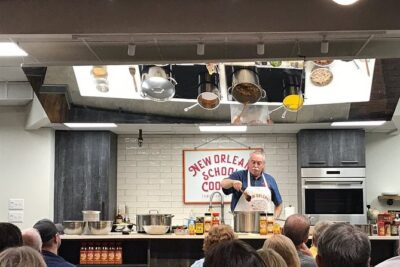
New Orleans Demonstration Cooking Class with Meal
Read our review →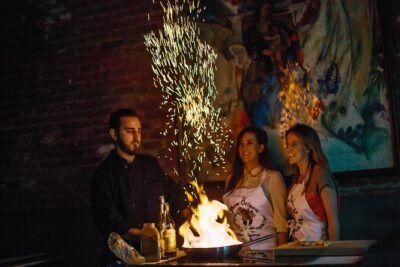
New Orleans Hands-On Cooking Class with Meal
Read our review →
Undiscovered Charleston: Half Day Food, Wine & History Tour with Cooking Class
Read our review →
Hands-on Cajun Roux Cooking Class in New Orleans
Read our review →
Atlanta: Historic Market Food Tour and Biscuit Cooking Class
Read our review →
New Orleans: Cooking Class & Cocktail Walking Tour
Read our review →
Private New Orleans Cajun Cooking Class with a Local Courtland
Read our review →This kitchen also appears in