
Review · PRIVATE COOKING CLASSES
Private Mediterranean Fish Cooking Workshop with Irena
The best part of this private seafood workshop is that you do not simply watch someone cook. Irena puts the fish, knife, recipes, and cooking decisions in your hands. You learn how to judge freshness, clean and fillet seabass, prepare raw fish safely, and turn it into a full Mediterranean meal.
I like two things right away: the setting at Fonda Fish Garden, where the meal is served under pine trees near the sea, and Irena’s focus on sustainable fish farming and responsible use of the sea. The class also includes all ingredients, cookware, recipes, and unlimited fresh tap water with local herbs.
The main consideration is the price, about $199.55 per person for roughly four hours. That is a serious outlay for a cooking class, and the experience is not refundable if you cancel. Bad weather can also force a change of date or cancellation, so keep your plans flexible.
Key points to know before booking
- You handle the fish yourself: Learn freshness checks, cleaning, filleting, storage, freezing, and safe raw-fish preparation.
- Irena leads the class: Her background in molecular biology adds a useful science lesson to the cooking.
- The menu changes with the season: Mussels may be included when available, or the class may prepare seafood pasta instead.
- Your meal is part of the lesson: Fish soup, raw fish preparations, smoked seabass, and seabass prepared Fonda-style may all appear.
- The setting is part of the value: Cooking and eating under pine trees gives the class a calm seaside feel.
- This is private: Only your group takes part, so the pace and focus can be adjusted to your needs.
Why this seafood class feels different
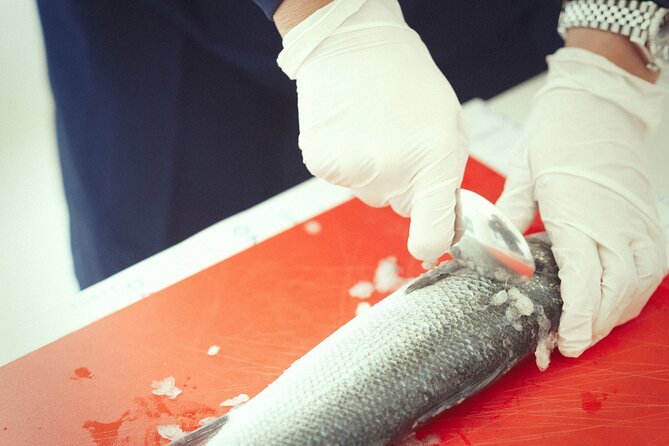
Many cooking classes teach you a recipe and send you home with a full stomach. This one aims at something more useful: giving you confidence around fish.
That matters if you normally buy fillets because handling a whole fish feels awkward. Irena covers the practical jobs that home cooks often avoid, including how to tell if fish is fresh, how to clean it, and how to fillet seabass. You also learn how to freeze and store fish properly, which is less glamorous than a fancy sauce but far more useful in daily life.
The class is led by Irena, a molecular biologist, passionate cook, and advocate for sustainable use of the sea. That combination shapes the experience. You are not only shown what to do in the kitchen. You also get context about the fish, the farm, the sea, and the choices behind the food.
The small private format should suit people who want to ask questions without feeling self-conscious. It also works well for families, couples, and company groups. You can ask for the class to suit your needs, though the exact adjustments depend on what you arrange in advance.
More seafood classes around the world:
- Seafood paella cooking class, tapas and visit to Ruzafa market.
★ 5.0 · 328 reviews - Barcelona: Paella Seafood Master Cooking Class with Sangria
★ 5.0 · 73 reviews - Miraflores: Amazing Peruvian Cooking Class Ceviche Seafood and Pisco Sour
★ 4.9 · 57 reviews
Starting with local wine, water, and a fish lesson
The workshop begins with a glass of local wine or chilled water served with local herbs. The water is fresh tap water, not bottled, because Fonda avoids bottled water for sustainability reasons. Slovenia has high-quality tap water, and this small detail fits the class’s wider message about reducing waste.
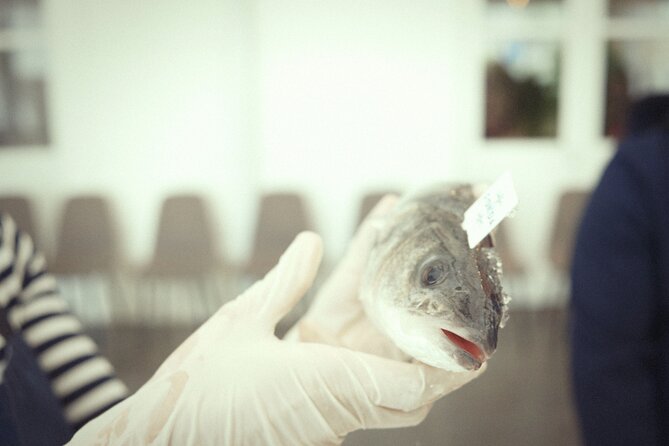
The opening discussion introduces the basics of fish and seafood. You learn what to look for when judging freshness and how to handle fish at home. This is the point where I would pay close attention, even if you already cook seafood. A good freshness check can save you from buying poor-quality fish, while correct storage can protect both flavor and safety.
The class also includes instruction on preparing raw fish. Sashimi, carpaccio, and fish tartar are listed among the possible starters, so safe handling is not treated as a minor footnote. If you are nervous about uncooked seafood, this is a useful chance to understand the process instead of simply being told to trust a chef.
Cleaning and filleting seabass at Fonda Fish Garden
The hands-on work centers on seabass, including cleaning, filleting, and preparation. This is where the class earns its keep. Watching a professional remove bones is easy. Doing it yourself, with a knife in hand, is a different matter.
I like that the lesson appears to focus on repeatable skills rather than one complicated dish. You can take the technique home and use it with other fish. The recipes are included, along with the ingredients and cookware used during the session.
The fish itself is connected to Fonda’s fish-growing work. Part of the wider experience may include learning about the farming process and the way the fish are raised. The focus on organic, respectful, and sustainable fish farming is a major part of the hosts’ outlook, and it gives the cooking a clear sense of place.
Do not expect a polished cooking demonstration where you sit back and take photographs. You will be involved. If you are comfortable with practical work and do not mind handling a whole fish, that is a strength. If you want a purely social tasting with no preparation, choose a different food experience.
What may appear on your plate
The sample menu is generous for a four-hour class. It can include:
- Fish soup
- Sashimi, carpaccio, or fish tartar
- A smoked seabass appetizer
- Mussels, when in season, or seafood pasta
- Seabass prepared in the Fonda style
- A seasonal dessert made by Irena
The menu is not fully fixed. Mussels depend on the season, and seafood pasta may replace them. That flexibility is sensible for a seafood class. It means the meal follows availability rather than forcing a single dish all year.
The meal also gives you a useful progression through different techniques. Fish soup shows how to build flavor from seafood. Raw preparations teach precision and safe handling. Smoked seabass adds another texture and taste. The main seabass dish brings together the cleaning, filleting, and cooking work you have practiced.
A homemade seasonal dessert finishes the meal. Alcohol is not included, but high-quality local white wine is available to buy. If you want to taste Mediterranean caviar, bottarga is available on request for an extra €10 per person.
More Private Cooking Classes in the world:
- PRIVATE Authentic Balinese Cooking Class in Ubud at Putu’s Home
★ 5.0 · 644 reviews - Rome: Pasta Making Class with Tiramisu & Wine PRIVATE OPTION
★ 4.8 · 404 reviews - Private Market Tour & Cooking Class in Puerto Vallarta with Manu
★ 5.0 · 241 reviews - Private Cooking Class with 5 dishes of your choice
★ 5.0 · 227 reviews
Eating beneath the pine trees
The final meal is served beneath pine trees at the fish garden. This is more than a pleasant place to sit. It changes the rhythm of the class. After working with knives, pans, and raw ingredients, you have time to eat what you made in a quiet seaside setting.
The outdoor arrangement also gives the workshop a less formal feel. You are not in a standard restaurant dining room or a large demonstration kitchen. The setting connects the food to the coastal environment that supplies it.
Weather matters here. The experience requires good conditions, and poor weather can lead to a different date or a full refund. I would avoid placing this class on the only day of a tightly packed trip. Give yourself some flexibility, especially if the seaside setting is a big reason for booking.
How the listed coastal stops fit into the day
The itinerary lists several places around the Portorož and Piran area. Their exact role in the four-hour experience should be confirmed when you book, but each gives useful context for the region.
Piran
Piran is the main coastal town in this part of Slovenia, with narrow streets, a waterfront, and strong links to fishing and the sea. If the class includes time connected with Piran, it helps place the food lesson in its local setting rather than treating seafood as a generic Mediterranean product.
The town is compact but can be busy in peak periods. Wear comfortable shoes if your plans include walking through the old center or toward the walls.
Sečovlje Salina Nature Park
The Sečovlje salt pans show another traditional use of the coastal environment. Salt production connects naturally with cooking, preservation, and the region’s food culture.
The park may be especially interesting if you enjoy seeing how local ingredients and old working practices shape a cuisine. It is not simply another scenic stop. Salt is central to fish preparation, from seasoning to curing, so the connection with the workshop is practical.
Thalasso Spa Lepa Vida
Lepa Vida is associated with the salt pans and thalassotherapy. If included in your plans, it adds a wellness angle to a day otherwise focused on fish, farming, and cooking.
Because the workshop itself lasts about four hours, do not assume you will have unlimited time at every listed location. Ask how the stops fit with the cooking session, especially if you are arranging transport or planning other visits in Piran.
Piran Town Walls
The town walls offer views over Piran and the surrounding coast. This is a good place to get your bearings and see how closely the settlements, sea, and salt pans relate to one another.
There may be steps and uneven surfaces, so this stop is not ideal for anyone who has difficulty walking. The provided information confirms that service animals are allowed, but it does not give wider accessibility details.
Aquarium Piran
The aquarium adds a look at local marine life. For a fish-focused day, it can reinforce the difference between seafood as an ingredient and fish as part of a living coastal system.
The aquarium is also a useful option for families, particularly children who may be more interested in sea creatures than in filleting lessons. Still, the class itself remains the main event, so check the timing before counting on a long visit.
Is $199.55 per person a fair price?
At about $199.55 per person, this is not a budget cooking class. The value depends on what you want from the day.
You are paying for a private experience, a personal instructor, all ingredients, cookware, recipes, and a substantial seafood lunch or dinner. The class also combines cooking instruction with information about fish farming, sustainability, storage, freshness, and the coastal region. For a small group or private celebration, that package can make sense.
The price is harder to justify if your main goal is simply to eat good seafood. Portorož and Piran have restaurants where you can enjoy fish without spending four hours working in the kitchen. This experience is for learning and participation, not just dining.
The strongest value comes if you will use the skills later. Someone who has always avoided whole fish may leave with the confidence to buy, clean, and cook seabass at home. Someone already comfortable with fish may value the regional farming story, raw-fish techniques, and time with Irena.
Who will enjoy this most?
I would recommend the class to people who like food with a story and prefer active experiences to passive sightseeing. It is a good match for couples, families with food-loving older children, small private groups, and companies looking for a team-building activity.
It is also suitable for anyone uneasy about fish preparation. Irena’s patient teaching style is frequently praised, and the practical steps are explained in a way that helps you move from hesitation to action.
The class may be less suitable if you dislike seafood, feel uncomfortable handling raw fish, or want a quick activity. Four hours is a meaningful part of a day. You should also consider the price, the weather requirement, and the fact that the menu changes with the season.
Practical details before you commit
The meeting point is Seča 142, 6320 Portorož, Slovenia, and the experience ends back there. The activity is offered in English and uses a mobile ticket.
Booking confirmation is sent within 48 hours, subject to availability. This is a private activity, so only your group participates. That makes it easier to ask questions and request a format suited to your needs.
The experience is non-refundable and cannot be changed for any reason after booking. If poor weather causes the provider to cancel, you will be offered another date or a full refund. If the minimum number of participants is not reached, you will receive a different date or experience, or a full refund.
I would confirm the exact menu, any requested changes, and how the listed Piran-area stops fit into the four-hour schedule before paying. That is especially important if you are traveling with dietary needs or have a tight day plan.
Should you book the Fonda fish workshop?
Book it if you want to learn by doing, enjoy seafood, and like the idea of eating a meal you helped prepare under pine trees near the coast. I especially recommend it to people who want practical fish skills rather than a standard restaurant meal.
Skip it if you are looking for a low-cost tasting, dislike handling fish, or need a fixed itinerary with no weather risk. At this price, the lesson and private setting need to matter to you.
For the right person, the appeal is clear: Irena’s cooking instruction, Fonda’s sustainable fish story, a seasonal menu, and a meal that feels tied to the Slovenian coast. You leave with recipes, new knife skills, and a better sense of what responsible seafood can look like.
FAQ
Where does the cooking workshop take place?
The meeting point is Fonda Fish Garden at Seča 142, 6320 Portorož, Slovenia. The activity ends back at the meeting point.
How long does the experience last?
The workshop lasts approximately four hours.
What language is the workshop offered in?
The experience is offered in English.
Is the cooking class private?
Yes. Only your group participates in this private activity.
Who leads the cooking class?
Irena leads the workshop. She is a molecular biologist, passionate cook, and advocate for sustainable use of the sea.
What food will I prepare?
The sample menu includes fish soup, sashimi, carpaccio, fish tartar, smoked seabass, mussels or seafood pasta, seabass prepared in the Fonda style, and a seasonal dessert. The menu can change with the season.
Are ingredients and cooking equipment included?
Yes. All ingredients, utensils, and recipes are included.
Is wine included in the price?
Alcoholic drinks are not included. Local white wine is available to buy. Chilled tap water, with or without local herbs, is available by the glass without an additional charge.
What happens if the weather is bad or the minimum number is not reached?
If poor weather causes cancellation, you will be offered another date or a full refund. If the minimum number of participants is not reached, you will be offered another date or experience, or a full refund.
New cooking classes around the world
- Shinjuku Tokyo: Authentic Japanese Home-Style Culinary Class★ 4.9 · 125 reviews
- M.O.M COOKING CLASS★ 4.8 · 6 reviews
- Shibuya Tokyo: Onigiri & Tamagoyaki Cooking Class★ 5.0 · 4 reviews
- Seville: Paella-Cooking Experience with Sangria & Full Meal★ 4.9 · 42 reviews
- Shanghai: Authentic Chinese Cooking Class with Master Chef★ 5.0 · 2 reviews
- Sestri Levante: Pesto & Cooking Classes, Wine Tasting★ 4.9 · 56 reviews
- Seville: Paella Cooking Class & 30-Min Local Expert Q&A★ 4.8 · 37 reviews
- Seoul: Korean Kimchi Cooking Class in the Heart of the City★ 5.0 · 3 reviews
Private Cooking Classes, side by side.
PRIVATE Authentic Balinese Cooking Class in Ubud at Putu’s Home
Read our review →
Rome: Pasta Making Class with Tiramisu & Wine PRIVATE OPTION
Read our review →
Private Market Tour & Cooking Class in Puerto Vallarta with Manu
Read our review →
Private Cooking Class with 5 dishes of your choice
Read our review →
VIP Mekong Delta Adventure Cycling & Kayaking – Private Day Trip
Read our review →
Private Home Cooking in Yanaka – Local Flavors in a Warm Setting
Read our review →
Private Guided Cooking Workshop Experience in Jodhphur
Read our review →
Private Mexican Cooking Class with Licensed Chef
Read our review →This kitchen also appears in