Review · ROME
Rome: Pasta, Ravioli & Tiramisu Cooking Class by Colosseum
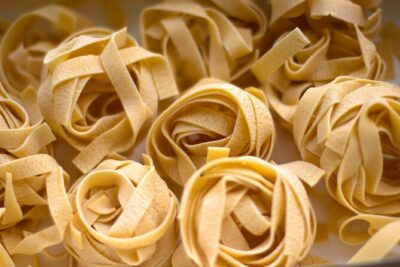
Making pasta from scratch is the heart of this three-hour Roman cooking class. You’ll mix dough, prepare fillings and sauces, shape ravioli, and build tiramisu with help from local chefs. It is not a watch-and-nod demonstration. You work at the table, make the food yourself, then sit down to eat it.
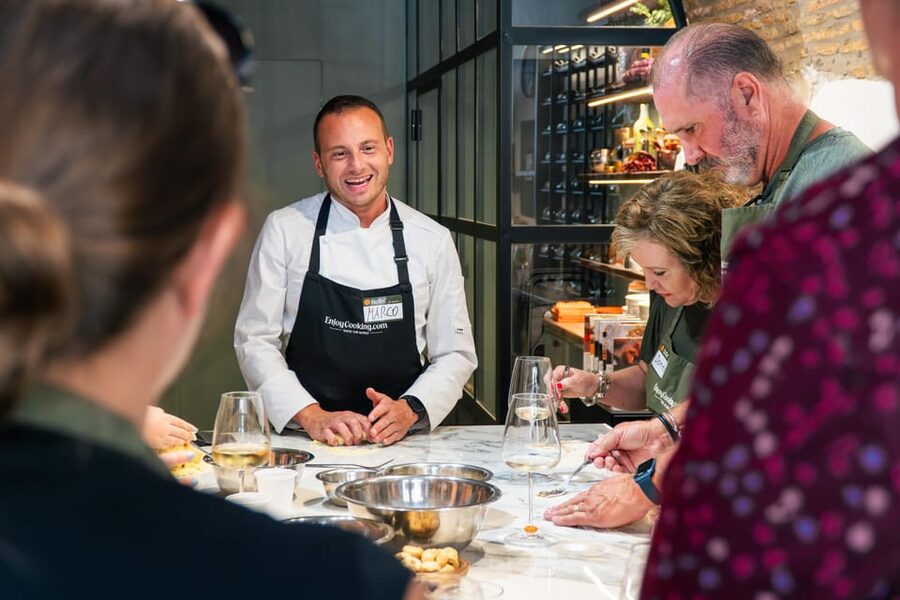
I like the small group of no more than 10 people, which gives the chef time to help with dough, fillings, and shaping. I also like the relaxed wine service. You can pour Italian wine throughout the class, or choose soft drinks, while snacks sit on the table between cooking tasks.
The main catch is that this class may not suit people with severe nut allergies or strict gluten-free diets. Late arrivals are not guaranteed participation, and the meeting point can vary with the option you book, so read your confirmation carefully and arrive early.
Key points to know before booking
- Two handmade pasta dishes: You make pasta dough from scratch, then roll, cut, and fill it into ravioli and another pasta preparation.
- Tiramisu is made by hand: You prepare the creamy layers yourself rather than simply watching a chef assemble dessert.
- Free-flowing Italian wine: Wine is included throughout the class, with soft drinks available as an alternative.
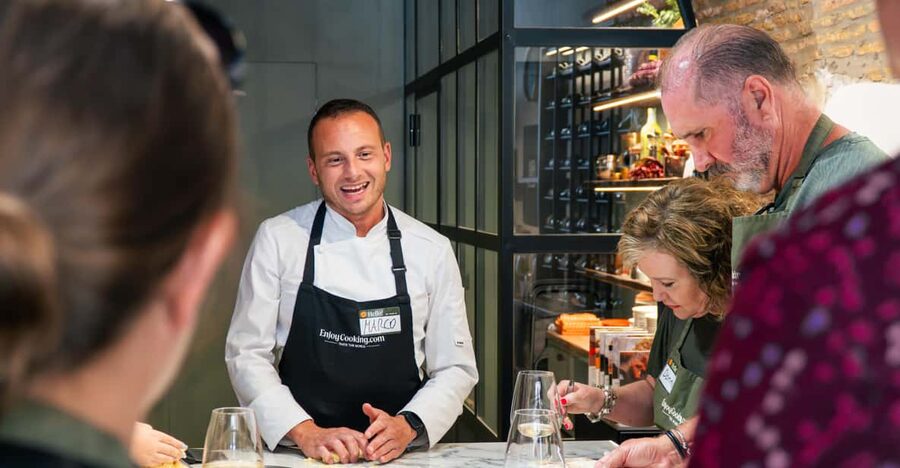
- Personal help from local chefs: Marco, Max, and Alex are among the chefs associated with the experience, depending on the session.
- Dinner is part of the lesson: You eat the pasta and tiramisu you prepare before leaving.
- Recipes go home with you: The recipe book gives you a useful way to repeat the dishes in your own kitchen.
What the three-hour class is really like
This is a cooking class first and a meal second. You arrive at the meeting point, settle into a small group, and meet an English-speaking chef who guides the session from basic ingredients to the finished dishes.
The class is designed for beginners, but experienced home cooks should still find useful details in the work with fillings, sauces, and pasta texture. The chef does not only show you how to make a sheet of dough. You also learn how the filling and sauce fit the pasta, which matters when you try the recipes later.
The pace should feel social rather than rushed. You cook in stages, pause to eat or drink, and work alongside other people at the table. The small size is important here. With a maximum of 10 participants, the chef can look at your dough, correct your shaping, and answer questions without leaving you waiting for a turn.
The exact chef can vary. Marco receives especially strong praise for his humor, warmth, and ability to make both adults and teenagers feel at ease. Max is also described as fun and clear in his teaching, while Alex brings a lively approach and explains the food as you work. Since staff can change, book this for the hands-on format and cooking rather than for one guaranteed instructor.
More Pasta Making Classes in Rome
- 3 in 1 Cooking Class near Navona: Fettuccine, Ravioli & Tiramisu
★ 5.0 · 7,376 reviews - Rome: Pasta Making Class with Wine, Limoncello, and Dessert
★ 4.9 · 3,177 reviews - Rome Cooking Class: Make Pasta and 3 Spritz Cocktails
★ 5.0 · 2,937 reviews
Starting with pasta dough from scratch
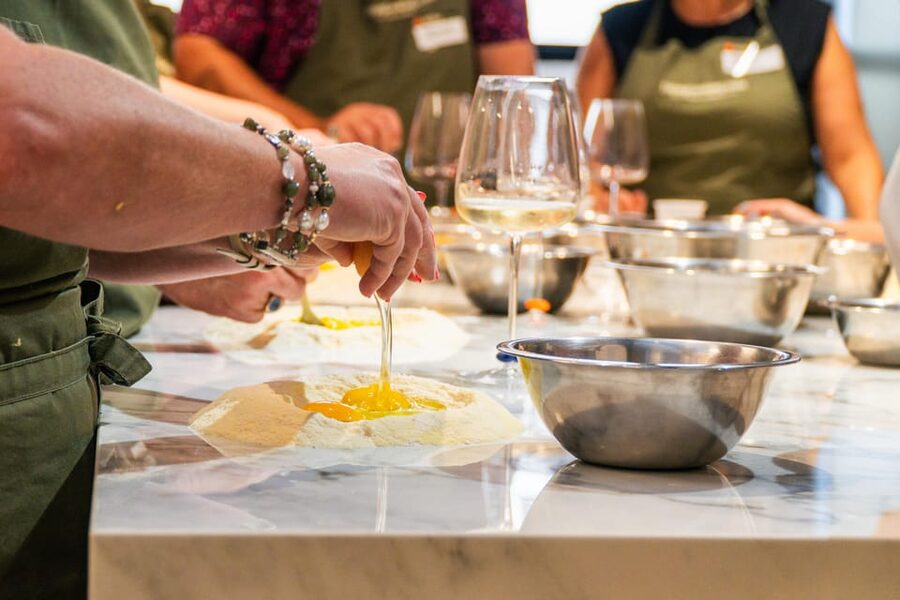
The pasta portion begins with the basics: combining ingredients, working the dough, and learning how the texture changes as you knead. This is the part where personal guidance matters most. A recipe can list ingredients, but it cannot easily tell you how soft the dough should feel or when it needs more work.
You then roll and cut the dough. The class teaches the physical skills that make fresh pasta different from dried pasta: getting an even sheet, choosing a useful thickness, and handling the dough without tearing it.
You are not simply making one plain pasta shape. The activity includes two types of handmade pasta, with recipes provided. One of the main preparations is filled ravioli, and you also learn about the sauces that finish the dishes.
That broader lesson adds value. Ravioli can look simple, but the filling must be balanced and enclosed properly. Too much filling makes the pasta hard to seal. Too little leaves you with more dough than dinner. The class gives you a chance to practice these details under supervision, rather than discovering the problems alone at home.
Shaping ravioli and preparing the filling
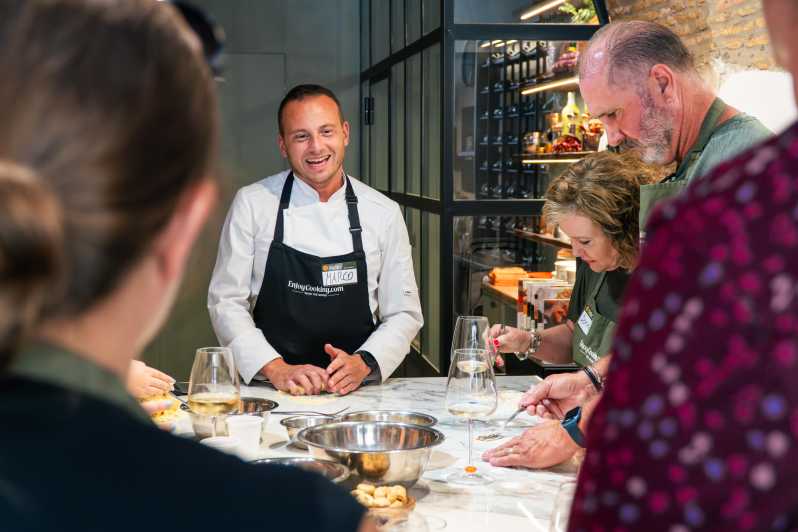
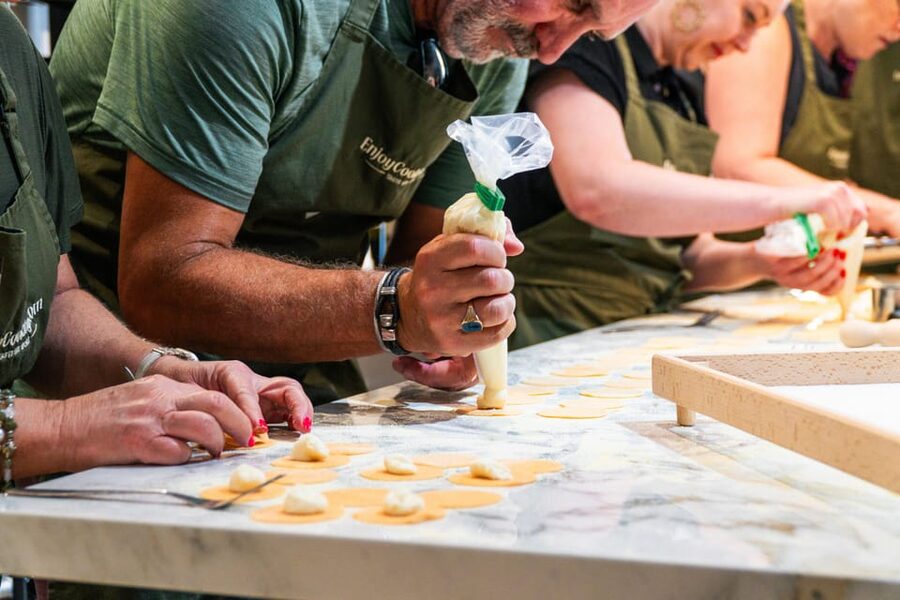
The ravioli session is likely to be the most hands-on part of the class. You prepare the filling, place it on the pasta, seal the parcels, and shape them for cooking. You also learn what goes into the sauce, not just how to make the pasta itself.
That distinction is worth noting. Some pasta classes focus on rolling dough and leave the sauce as an afterthought. This experience puts attention on the filling and sauce too, so you finish with a more complete understanding of the dish.
The exact filling can depend on the class menu, but one session specifically praised the ravioli filling. The recipes are supplied, which means you can try it again after returning home. You may need a pasta machine if you want to reproduce the thinnest sheets easily, though the class teaches the method rather than requiring you to own special equipment.
For a first attempt, your pasta may not look perfectly uniform. That is part of the charm. You are learning a practical kitchen skill, not producing factory-made parcels. The chef’s help is especially useful when sealing ravioli and avoiding trapped air.
Making tiramisu from its creamy layers
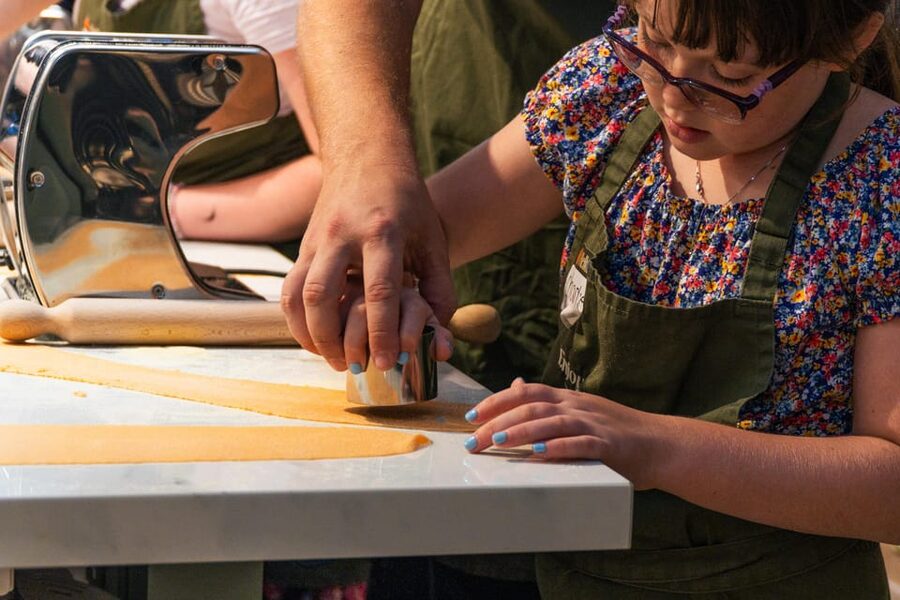
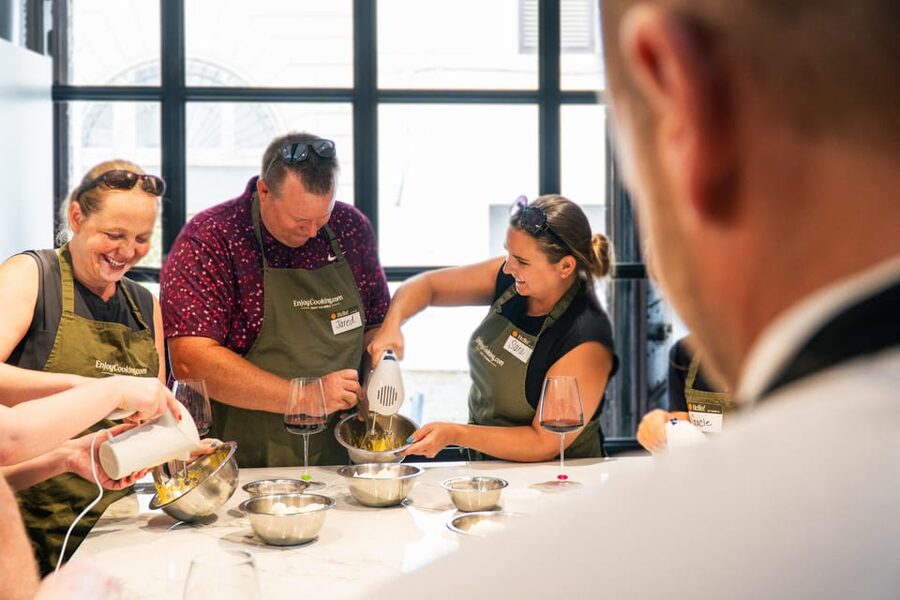
The dessert lesson covers tiramisu from the component parts upward. You make the creamy layers yourself and assemble the dessert with the chef’s guidance.
This is a good choice for a group activity because the task is easier to share than a complex baked dessert. You can see how the texture develops, understand the role of each layer, and take away a recipe that is realistic to repeat at home.
The ingredients include savoiardi biscuits, and one participant specifically noted the plan to look for proper biscuits and mozzarella after returning home. That small detail points to one of the useful parts of the class: it can help you think about the ingredients behind familiar Italian dishes, not just follow a fixed list.
The tiramisu is prepared during the class, but the information supplied does not give a required chilling time or a precise serving method. Do not book expecting a pastry course with a long technical lesson. This is a social Italian cooking session that includes tiramisu as the final sweet course.
More Tiramisu and Dessert Classes in Rome
- Rome: 3-in-1 Fettuccine, Ravioli, and Tiramisu Cooking Class
★ 4.9 · 2,704 reviews - Fettuccine & Tiramisù: Cooking Class with Wine & Limoncello
★ 4.9 · 2,103 reviews - Rome: Pasta & Tiramisu Cooking Class near the Spanish Steps
★ 4.8 · 1,395 reviews - Cooking Class in the Heart of Rome: Pizza and Tiramisu Making
★ 5.0 · 1,330 reviews
Wine, snacks, and the meal at the end
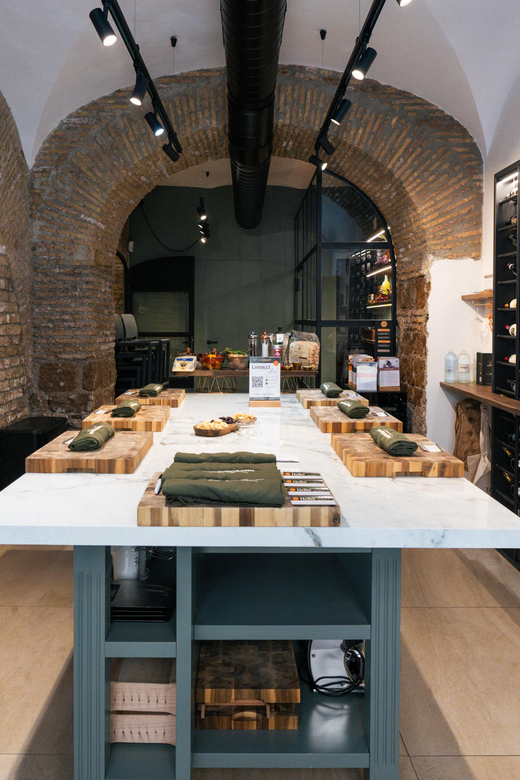
Italian wine is included and described as free-flowing. You pour it yourself, which keeps the service casual and lets you choose your pace. Soft drinks are available if you do not want wine.
Snacks are placed in the middle of the table during the session. This matters because you are cooking for several hours, and the class is built around conversation and shared food rather than a quick lesson followed by a rushed exit.
At the end, you sit down and eat the pasta, ravioli, sauces, and tiramisu you made. That meal gives the class a clear payoff. You see how the separate steps fit together, and you can judge the texture and seasoning while the chef is still nearby to answer questions.
The wine changes the feel of the evening, but it also deserves a practical warning. Free-flowing does not mean you need to drink heavily. If you want to focus on the techniques, pace yourself and use the soft drinks option. The class is more enjoyable when you can still remember how you shaped the ravioli.
Why the small group matters
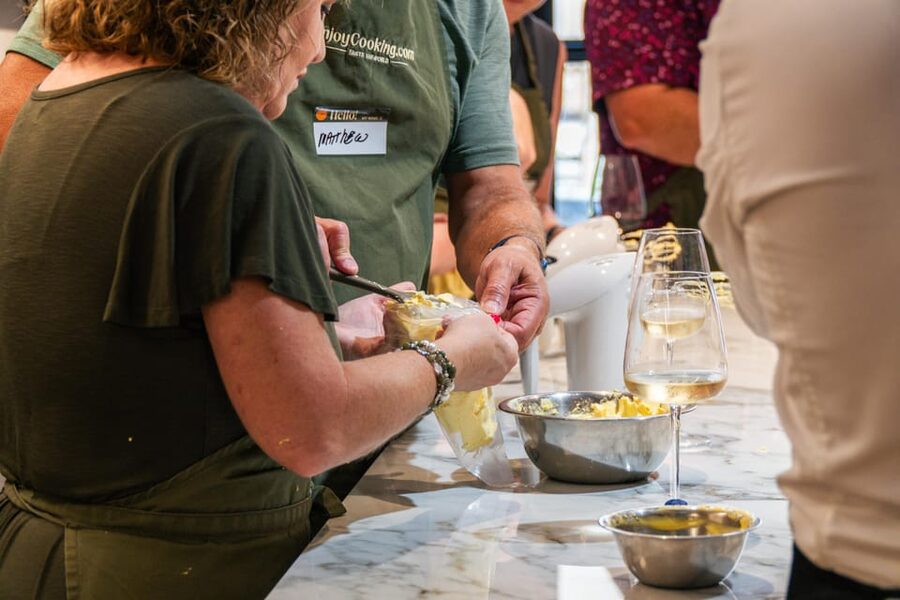
A maximum of 10 participants is one of the strongest features of this experience. Cooking classes can become frustrating when a large crowd gathers around one work surface and only the front row can see the demonstration.
Here, you should have a better chance of receiving direct help. The chef can check your dough, explain a sauce, and help when ravioli does not seal cleanly. Small groups also make it easier to ask questions about ingredients and technique without interrupting a large presentation.
The setup can work well for different ages. Marco is specifically praised for making teenagers laugh and feel comfortable, while another session was described as a good choice for any age. Solo participants can also fit in comfortably. One person described the class as a favorite Rome activity while traveling alone, helped by the shared table and friendly format.
Group size can vary below the 10-person limit. A private-style session is possible if few people book the same time, but it should not be treated as guaranteed. The advertised promise is a small group, not a private class.
The location and planning around the Colosseum
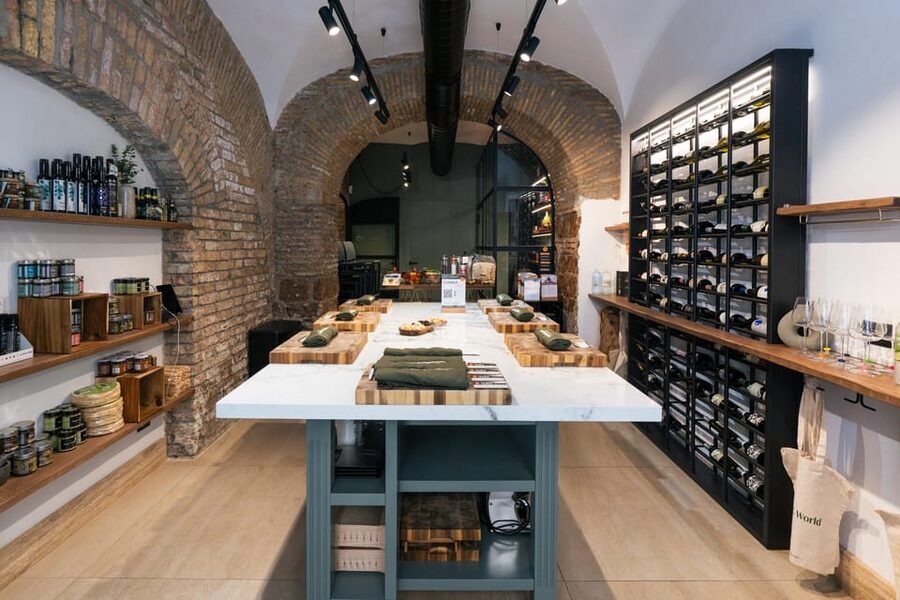
The experience is marketed as being by the Colosseum, but the exact meeting point can vary depending on the option booked. Transportation is not included, and the activity ends back at its meeting point.
That makes this easy to pair with sightseeing, but you need to allow enough time to find the venue. Do not assume that every booking uses the same entrance or street. Check the meeting instructions after booking and aim to arrive early, since late arrivals may not be admitted.
The class lasts three hours, and starting times depend on availability. An evening session can fit nicely after a day of sightseeing. You may also be able to visit the Colosseum area afterward, although the cooking activity itself does not include a monument visit or guided sightseeing.
One useful idea is to plan the class as your main evening activity rather than squeezing it between two timed attractions. Cooking requires attention, and arriving hot, hungry, or hurried will take some of the fun out of it.
Is $112.15 a fair price?
At $112.15 per person, this is not a cheap meal. The value comes from the combination of instruction, food, wine, a small group, and recipes to take home.
If you compare the price with a basic restaurant dinner, the class costs more. You are paying for the teaching and the time spent making the meal, not only for a plate of pasta. The two pasta preparations and tiramisu also give you more than a single cooking demonstration.
The wine inclusion strengthens the value for adults who want a social evening. If you do not drink, the soft drinks keep the activity available, but part of the package’s appeal will matter less to you.
The recipe book adds lasting value. You can try the pasta and tiramisu again for friends or family, and the skills are more useful than a souvenir that stays on a shelf. Still, you should book it because you want a participatory meal. If you only want to eat excellent pasta, a restaurant is simpler and may cost less.
The booking terms are flexible: you can cancel up to 24 hours before the start for a full refund, and reserve now while paying later. Those terms help if your Rome schedule is still changing.
Food restrictions and what to wear
Wear clothing suitable for cooking. You will handle dough, fillings, sauces, and dessert ingredients, so this is not the moment for an outfit that needs careful protection.
Tell the provider about allergies or dietary restrictions immediately after booking. The class may not be able to accommodate severe nut allergies or gluten-free diets, and trace amounts can be present in the ingredients.
The activity is not suitable for people with nut allergies according to the supplied information. Do not rely on a last-minute request at the venue. Ask before committing, especially if the restriction is serious.
The class runs in all weather because it takes place indoors. Rain will not cancel the activity, though it may affect your journey to the meeting point.
Who should book this cooking class?
I would recommend it to you if you want an active evening in Rome, enjoy meeting people over food, or would like to learn techniques you can use at home. It is a particularly good fit for couples, families with older children or teenagers, solo participants, and small groups of friends.
Beginners should feel comfortable. The chefs guide each stage, and the class is designed to provide personal help rather than assume professional kitchen skills.
You should think twice if you dislike group activities, cannot drink wine or soft drinks in a social setting, or want a formal culinary course with advanced instruction. The atmosphere is friendly and relaxed, not rigidly technical.
It is also not the right choice for anyone with a severe nut allergy or strict gluten-free requirements unless the provider confirms that your needs can be handled safely.
My verdict: book it for the hands-on evening
Book this class if you want to make your own Roman meal, not just hear a chef talk about Italian food. The best parts are the small group, direct help with ravioli and sauces, hands-on tiramisu, and the chance to eat everything you prepare.
Marco, Max, and Alex each bring a different personality to the sessions, but the format remains the main reason to go. Keep your expectations practical: the meeting point varies, late arrival can cost you the session, and serious dietary restrictions may rule it out.
For the right person, $112.15 buys a three-hour activity, dinner, wine, instruction, and recipes you can use later. That is a solid value for an evening near the Colosseum, especially if you would rather leave Rome with a skill than another stack of photographs.
FAQ
How long does the cooking class last?
The class lasts three hours.
What food will I make?
You will make two types of handmade pasta, including filled ravioli, along with sauces and tiramisu.
Is wine included?
Yes. Italian wine is included and available throughout the class. Soft drinks are also available.
Is the class taught in English?
Yes. The listed instruction language is English.
How many people can join?
The group is limited to a maximum of 10 participants.
Are recipes provided?
Yes. You receive recipes for the two pasta dishes and the tiramisu, along with a recipe book.
Is transportation included?
No. Transportation is not included, and the activity ends back at the meeting point.
Does the meeting point always stay the same?
No. The meeting point may vary depending on the option you book. Check your booking details carefully.
Can I join if I have a nut allergy or need gluten-free food?
The activity is not suitable for people with nut allergies. Severe nut allergies and gluten-free diets may not be possible because trace amounts can be present, so contact the provider immediately after booking about any dietary restriction.
Can I cancel for a refund?
Yes. You can cancel more than 24 hours before the activity starts for a full refund.
New cooking classes around Rome
- ROME:Hands-On Lasagna & Marsala Tiramisu Cooking Experience”★ 5.0 · 3 reviews
- Rome: Vatican Food Tours, Cooking classes & Free Tours★ 4.9 · 11 reviews
- Rome: Traditional Pasta, Spritz & Tiramisu Cooking Class★ 4.9 · 279 reviews
- Rome: Trastevere Pasta Making Class★ 4.9 · 33 reviews
- Rome: Traditional Pasta and Tiramisu Cooking Class★ 5.0 · 4 reviews
- Rome: Small Group Pasta cooking class near Piazza Navona★ 4.9 · 8 reviews
- Rome: Traditional Cooking Class in the Jewish Ghetto★ 4.9 · 75 reviews
- Rome: “Rooftop Pasta and Cocktails Cooking Class”★ 5.0 · 12 reviews
Rome Cooking Classes, side by side.

3 in 1 Cooking Class near Navona: Fettuccine, Ravioli & Tiramisu
Read our review →
Rome: Pasta Making Class with Wine, Limoncello, and Dessert
Read our review →
Rome Cooking Class: Make Pasta and 3 Spritz Cocktails
Read our review →
Rome: 3-in-1 Fettuccine, Ravioli, and Tiramisu Cooking Class
Read our review →
Rome: Fettuccine Pasta Cooking Class in Rome’s City Center
Read our review →
Fettuccine & Tiramisù: Cooking Class with Wine & Limoncello
Read our review →
Pasta Cooking Class Near the Colosseum with 3 Spritz Cocktails
Read our review →