
Review · TOKYO
Tokyo: Private Japanese Cooking Class with a Local Chef
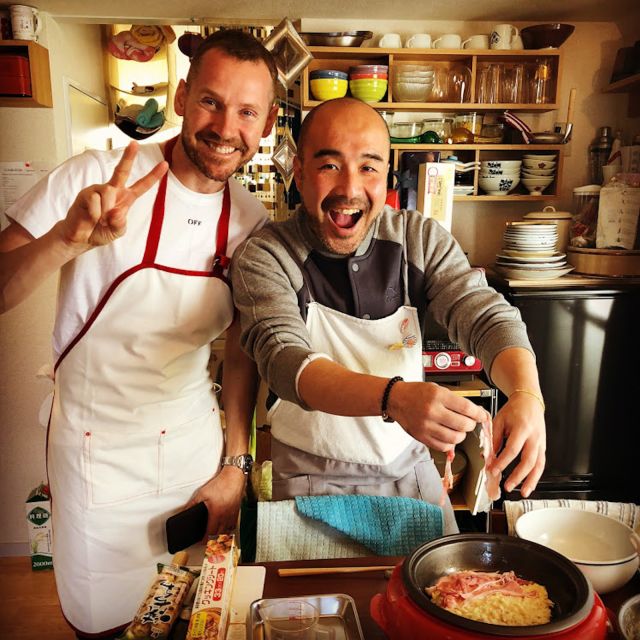
Tokyo food is not only sushi counters and ramen shops. At Chef Sato’s small apartment in Shinjuku, you learn the home cooking that gives Japanese meals their shape: rice, soup, seasonal vegetables, a main dish, and careful presentation. I like the private setting and the chance to cook rather than simply watch. I also like Sato’s relaxed teaching style and his habit of explaining why seasonal ingredients matter.
The main thing to consider is the changing menu. You do not book a fixed dish, so choose your day carefully if you have your heart set on ramen, gyoza, curry, or a traditional set meal. The class is listed as three hours, but the stated morning and evening schedules run for two and a half hours.
Key points at a glance
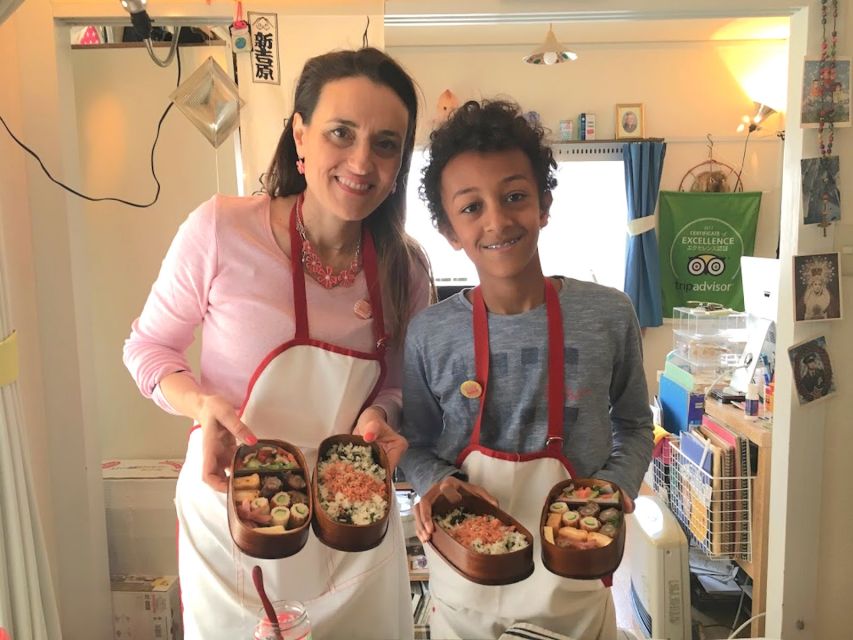
- Chef Sato’s Shinjuku apartment: Cook in a real home rather than a large commercial kitchen.
- Menu depends on the day: Traditional set meals run Saturday through Tuesday, while popular dishes such as ramen, gyoza, curry, and okonomiyaki run Wednesday through Friday.
- Hands-on cooking: You chop, season, prepare, and cook instead of watching a demonstration from the sidelines.
- Seasonal Japanese food: Expect lessons about seasonal ingredients, family cooking, presentation, and the place dishes hold in Japanese culture.
- Optional local walk: After the morning class, you can add a 1 PM to 3:30 PM outing around lesser-known parts of Shinjuku and Nakano.
- Private English-language experience: The class is for a private group, with meals and Japanese barley tea included.
What the Shinjuku cooking class is really like
You meet at the police box by Shinjuku Station’s east exit, at 3-38-38-1, Shinjuku, Shinjuku-ku. From there, Chef Sato leads you to his apartment. That short walk matters. You leave the station district, with its signs and crowds, and enter the ordinary residential side of Tokyo.
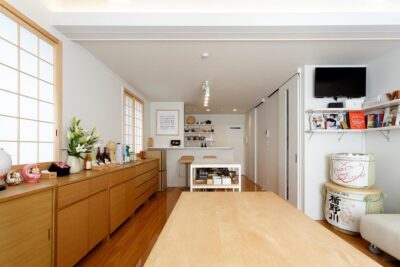
The apartment is described as small and cute, so do not expect a spacious cooking school with rows of workstations. That is part of the appeal, but it also means the experience feels personal and informal. A private group works well here. You are not sharing the lesson with a large class or competing for the instructor’s attention.
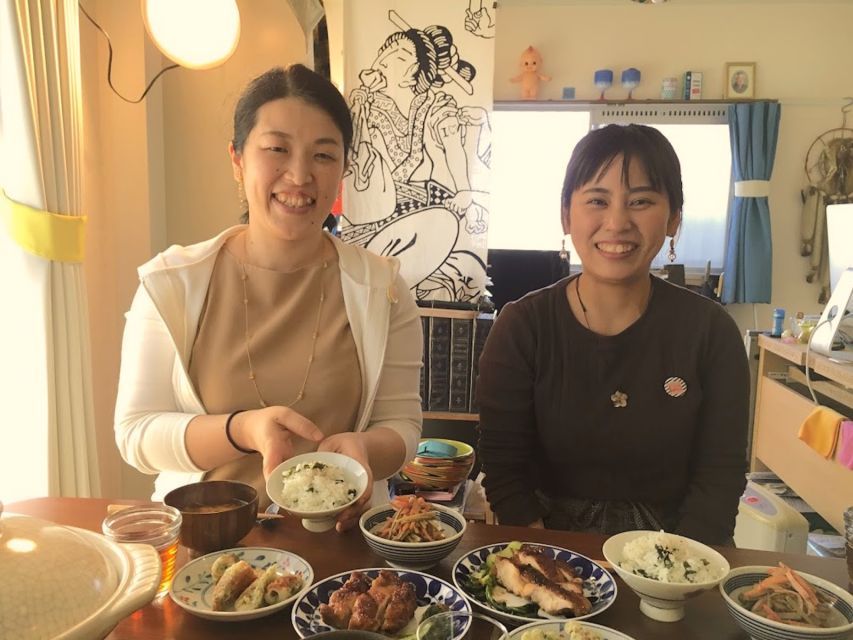
Sato teaches in English. He welcomes you into his home, explains the plan, and gets you involved early. The class is not limited to watching him do the difficult steps. You may chop ingredients, season food, shape dumplings, prepare soup, arrange dishes, and help bring the meal together.
This makes the class a good fit for beginners and home cooks alike. You do not need advanced knife skills or a long cooking background. At the same time, experienced cooks should find useful ideas in the discussion of miso, seasonal produce, presentation, and traditional meal structure.
More Private Cooking Classes in Japan
- Private Home Cooking in Yanaka – Local Flavors in a Warm Setting
★ 5.0 · 173 reviews - Unique Private Cooking Class with a Tokyo Local Emi
★ 5.0 · 131 reviews - Private Japanese Home Cooking Class in Kyoto with Michiyo
★ 5.0 · 55 reviews
Choosing between traditional meals and popular dishes
The weekly schedule is the most important booking detail.
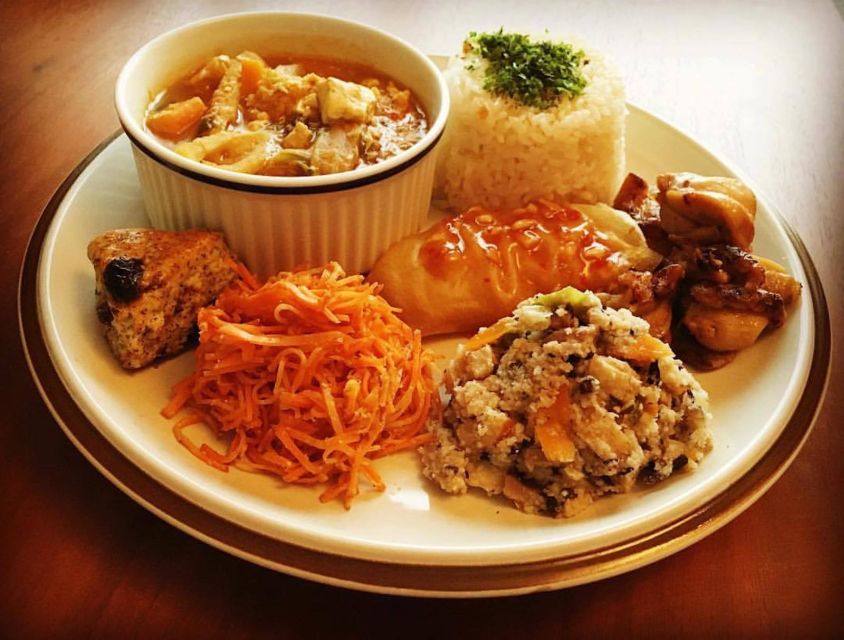
From Saturday through Tuesday, the class focuses on standard traditional meals. The menu may be a teishoku, or Japanese set meal, with rice, a seasonal main dish, and two seasonal side dishes. Other possibilities include donburi, obento, tonjiru, rice balls, and related home-style dishes.
This is the best choice if you want to understand how an everyday Japanese meal is built. A set meal lets you see the balance between rice, soup, a main item, and small side dishes. It also gives you a better sense of home cooking than ordering one famous dish at a restaurant.
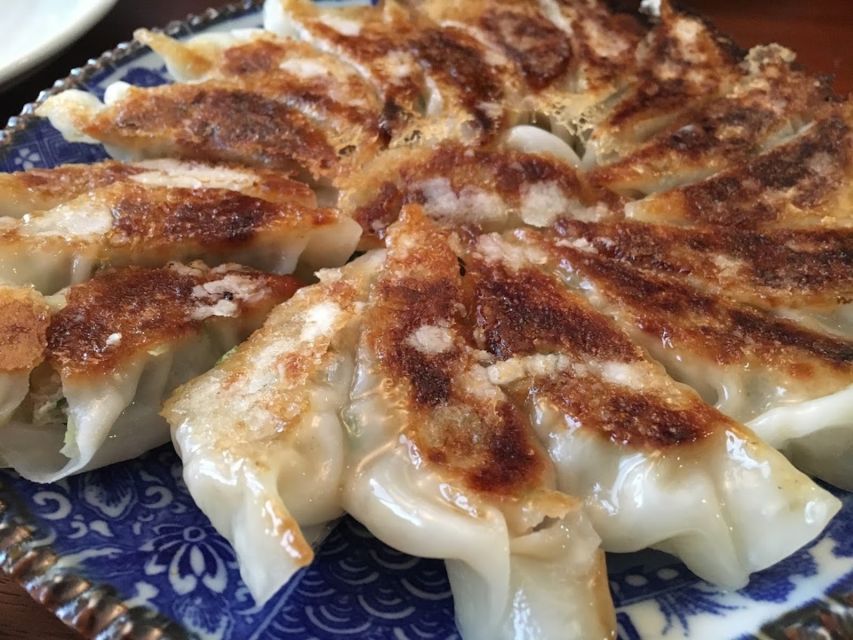
From Wednesday through Friday, the focus shifts to popular Japanese foods. Possible menus include curry rice, okonomiyaki, gyoza, ramen, rice burgers, kara-age, and yakisoba. The class still uses seasonal ingredients, but the dishes are more immediately familiar to many first-time visitors.
If ramen or gyoza is high on your list, book Wednesday, Thursday, or Friday if possible. The menu is not guaranteed to be one particular dish, so confirm the current plan before booking if a specific recipe matters to you.
The menu can also reflect food preferences. One participant arranged a menu of katsu curry over rice, fresh spring tofu salad, and chikuwa vegetable appetizers. That suggests it is worth sharing preferences with Sato before the class, though you should not assume every request can be accommodated.
Cooking, not just watching
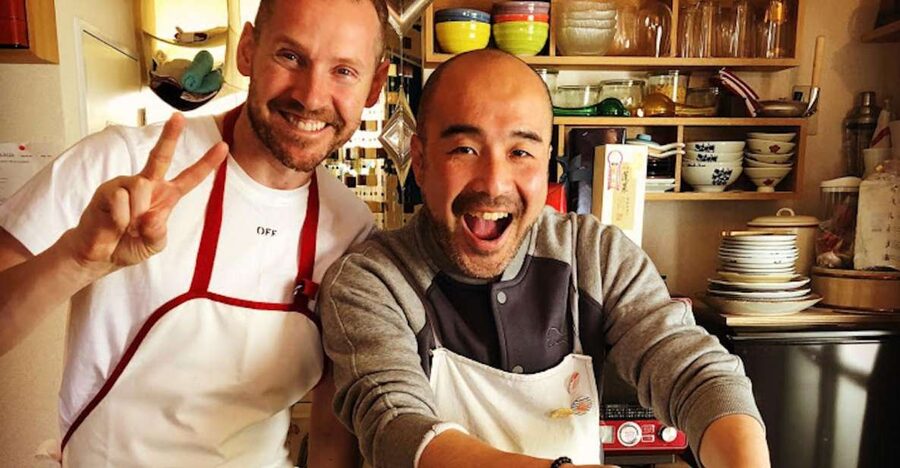
The best part of the format is the work at the counter. Japanese cooking often looks simple when it reaches the table, but the small steps matter: cutting vegetables evenly, making a balanced seasoning, preparing ingredients in the right order, and presenting several dishes so the meal feels complete.
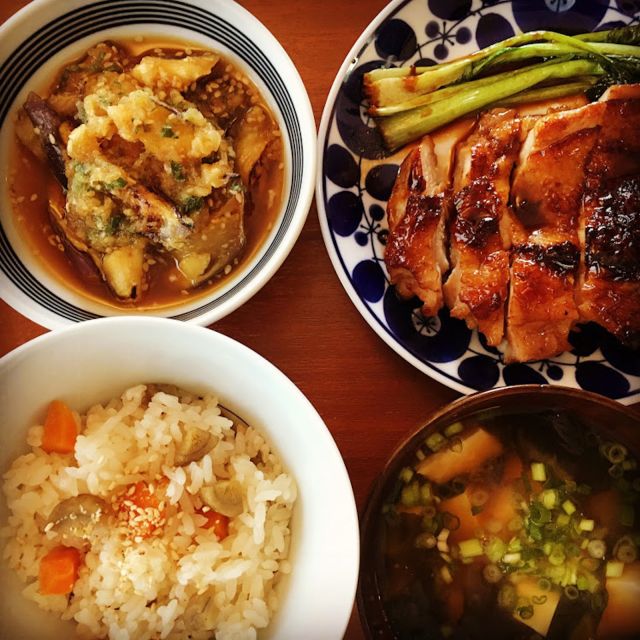
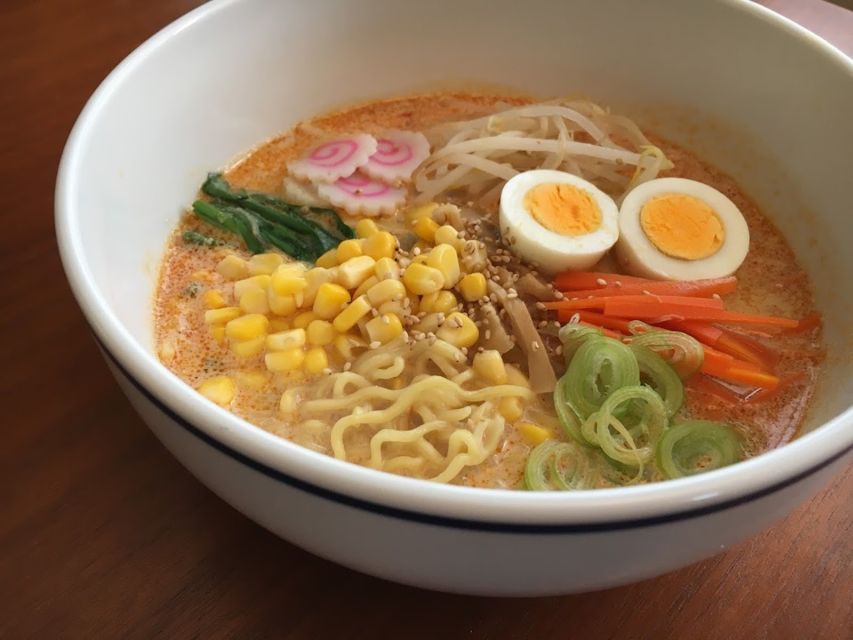
Sato explains these details as you go. Past menus have included miso soup, rice, teriyaki chicken with vegetables, salad, stuffed fish cake, homemade miso, ramen, and gyoza. One class involved making ramen and gyoza from scratch, while another prepared four dishes for a full lunch.
You also get practical information you can use at home. One participant specifically remembered learning how to remove black spots from potatoes. That may sound minor, but these are the small kitchen lessons that make a cooking class useful after your holiday ends.
Recipe handouts have also been provided, which helps if you want to recreate the food later. You should still remember that Japanese ingredients may vary by country, and some items may be easier to find in a specialist shop. The recipes give you a starting point rather than a guarantee that every result will taste exactly the same outside Japan.
Why seasonal ingredients matter
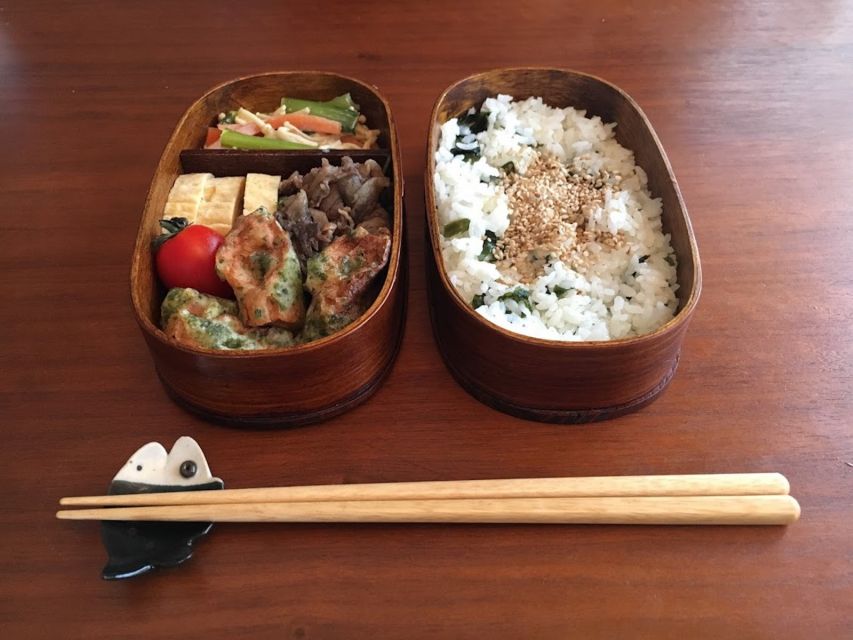
Seasonality is not a side note here. It is one of the central ideas of the class.
Sato explains that using seasonal ingredients is a basic part of Japanese cuisine. That means the menu can change with the time of year, and the same dish may not appear in exactly the same form on every visit. Rather than treating food as a fixed list of recipes, the class connects cooking with what is available now.
This is useful context when you eat in Japan. A side dish that seems small may be there to add color, texture, or a seasonal flavor. A simple soup can help balance a meal. Presentation is not only decoration, either. One participant learned how to arrange the finished dishes attractively, an important part of the Japanese home table.
Sato also talks about family influence and his own cooking background. He learned traditional Japanese food from his parents from a very young age, and his stories help connect the recipes with family life. You get food instruction, but you also get a personal explanation of why these dishes matter.
More Private Cooking Classes in Tokyo:
- PRIVATE Authentic Balinese Cooking Class in Ubud at Putu’s Home
★ 5.0 · 644 reviews - Rome: Pasta Making Class with Tiramisu & Wine PRIVATE OPTION
★ 4.8 · 404 reviews - Private Market Tour & Cooking Class in Puerto Vallarta with Manu
★ 5.0 · 241 reviews - Private Cooking Class with 5 dishes of your choice
★ 5.0 · 227 reviews
The meal and the conversation
After the cooking, you sit down and eat what you made. Japanese barley tea is included, along with the meal.
This shared table is where the experience shifts from lesson to social visit. The setting is someone’s home, not a restaurant classroom, so the pace feels more like cooking with a friend. You can ask about the food, Japan, daily life, or your own time in Tokyo. Sato also shares parts of his family story and can offer suggestions for other things to do.
That personal contact is the strongest feature of the class. The food is important, but the warmth of the host is what makes the three hours feel different from a standard food activity. Several participants described the atmosphere as calm, friendly, and free of pressure. That is good news if you worry about making mistakes in front of other people.
The small apartment has a tradeoff. A private home offers a more genuine setting, but it may not provide the polished equipment, wide counters, or restaurant-style presentation of a professional cooking studio. If you prefer a structured culinary course with formal instruction, this may feel casual. If you want to see how food is prepared in an ordinary home setting, the casual style is the point.
The optional Shinjuku and Nakano walk
Morning participants can add an optional short outing from 1 PM to 3:30 PM. The activity description promises several interesting places that do not usually appear in guidebooks, with a route through parts of Shinjuku and Nakano.
This add-on gives the day a useful second half. After learning about Japanese food inside Sato’s home, you get to see parts of Tokyo with a local who can point out places you might otherwise pass. The walk is not described as a major sightseeing tour, so think of it as a neighborhood introduction rather than a checklist of famous landmarks.
The timing is important. The morning class runs from 10:30 AM to 1 PM, followed by the optional walk. The evening class runs from 6 PM to 8:30 PM and does not include this stated afternoon option.
I would choose the morning class and walk if you want a fuller local day and have room in your schedule. Choose the evening class if you prefer a cooking-focused night or already have afternoon plans. Since the walk is optional, you are not forced to spend the whole afternoon on your feet after cooking.
Timing, meeting point, and group size
The meeting point is precise: the police box at Shinjuku Station’s east exit. Shinjuku Station is large, so allow extra time to find the correct exit. A police box is often easier to identify than a general station landmark, but you should still keep the full address available.
The listed duration is 270 minutes, while the class schedule shows 10:30 AM to 1 PM or 6 PM to 8:30 PM. In practical terms, plan on two and a half hours for the scheduled class, with the morning walk adding another two and a half hours if you choose it.
The group type is private. That is a major advantage for couples, families, or a small group of friends. You can ask questions freely, work at a comfortable pace, and discuss food preferences without being one person among many.
The instructor speaks English, and the activity is presented as an English-language experience. That makes the explanations accessible if you want more than a silent demonstration. You still benefit from being patient and attentive during kitchen instructions, especially when several dishes are being prepared at once.
Is $120 per person good value?
At $120 per person, this is not a cheap meal. You can eat well in Tokyo for much less, and a restaurant meal will not ask you to spend several hours cooking.
The value comes from what is included. You receive a private lesson, food, barley tea, an English-speaking host, and the use of a local apartment. You also take away cooking methods, cultural context, and recipes that you can try at home. The optional walk adds more value for morning participants, though the supplied price does not state a separate cost or confirm whether it is included, so check that point when booking.
For a couple or small group that enjoys food, the price is easier to justify. You are paying for personal attention and access to a home setting, not just for the ingredients on the plate. It is also a strong choice for a longer Tokyo stay, when you want one activity that feels slower and more personal than sightseeing between major attractions.
The value is weaker if you only want to sample famous Japanese dishes quickly. In that case, a food market or restaurant crawl may give you more tastes in less time. This class makes sense when you want to learn, talk, and participate.
Who should book this experience?
I would recommend it most strongly to:
- Couples and small private groups who enjoy cooking together
- First-time visitors who want a personal introduction to Japanese home food
- Home cooks looking for recipes they can make after returning home
- Families or mixed-ability groups who prefer a relaxed lesson
- Anyone who wants local conversation along with a meal
- Morning participants interested in pairing food with a neighborhood walk
It may be less suitable if you dislike entering private homes, need a fixed menu, or want a formal cooking school with professional kitchen facilities. The apartment setting is intimate and informal, so your expectations should match the experience.
The class also requires some flexibility. The menu changes by day and season, and the scheduled time is not the same as a full restaurant evening. If you are set on ramen, gyoza, or another dish, ask about the menu before you commit.
Booking details worth knowing
The experience costs $120 per person and allows free cancellation up to 24 hours before the start time for a full refund. You can also reserve now and pay later, which helps if your Tokyo schedule is still changing.
Meals and Japanese barley tea are included. Pickup is provided at the stated meeting point, meaning the activity begins at the Shinjuku Station east exit police box rather than at the apartment.
The overall rating shown for the experience is 5 from 81 ratings. More useful than the number itself is the pattern behind it: Sato is repeatedly praised for patience, clear English, personal stories, relaxed teaching, and food that people feel able to recreate at home. Those are exactly the qualities to look for in a small cooking class.
Should you book Chef Sato’s class?
Book it if you want more than a recipe demonstration. The strongest reason to choose this experience is the combination of hands-on cooking and a genuine home setting. You learn how a Japanese meal is put together, eat what you prepared, and spend time with a host who connects the food to family and culture.
Pick your day with care. Saturday through Tuesday suit a traditional set meal, while Wednesday through Friday offer a better chance of popular dishes such as ramen, gyoza, curry, or okonomiyaki. Choose the morning slot if the Shinjuku and Nakano walk appeals to you.
Skip it if you need a guaranteed menu, a large professional kitchen, or the lowest-cost way to eat Japanese food. For everyone else, especially food-loving couples and small groups, this is a warm and useful way to see Tokyo from inside an ordinary home.
FAQ
Where does the cooking class meet?
You meet at the police box by the east exit of Shinjuku Station, at 3-38-38-1, Shinjuku, Shinjuku-ku, Tokyo, 160-0022, Japan.
How long does the activity last?
The activity is listed as 270 minutes, or three hours. The published class times are 10:30 AM to 1 PM and 6 PM to 8:30 PM, which are two and a half hours.
What language does Chef Sato speak?
The instructor teaches in English.
Is the cooking class private?
Yes. The group type is listed as a private group.
What food will I cook?
The menu changes by day. Possible dishes include traditional set meals, donburi, obento, tonjiru, rice balls, curry rice, okonomiyaki, gyoza, ramen, rice burgers, kara-age, and yakisoba.
Which days focus on traditional Japanese meals?
Saturday, Sunday, Monday, and Tuesday are the standard traditional meal days.
Which days focus on popular Japanese dishes?
Wednesday, Thursday, and Friday are the popular food days.
Is a meal included?
Yes. The meal you prepare is included, along with a free drink of Japanese barley tea.
Is there a walking tour after the cooking class?
An optional short trip runs every day after the morning class, from 1 PM to 3:30 PM. It visits places in the area that are not usually found in guidebooks.
What is the cancellation policy?
You can cancel up to 24 hours in advance for a full refund. You can also reserve now and pay later.
New cooking classes around Tokyo
- Shinjuku Tokyo: Authentic Japanese Home-Style Culinary Class★ 4.9 · 125 reviews
- Shibuya Tokyo: Onigiri & Tamagoyaki Cooking Class★ 5.0 · 4 reviews
- Ramen Making from Scratch +Akihabara Tour –Cooking Class★ 5.0 · 25 reviews
- Japanese Knife Skills & Tuna Don/Sushi Workshop in Tokyo★ 5.0 · 3 reviews
- AKEMI’s SUSHiKiTCHEN: A fun sushi cooking lesson in Tokyo★ 5.0 · 5 reviews
- Unique Private Cooking Class with a Tokyo Local Emi★ 5.0 · 131 reviews
- Japanese Home Cooking Class & Walk in Todoroki Temple Tokyo★ 5.0 · 88 reviews
- Private Home Cooking in Yanaka – Local Flavors in a Warm Setting★ 5.0 · 173 reviews
Tokyo Cooking Classes, side by side.
Ramen & Gyoza Cooking Class in Tokyo with Local Supermarket Visit
Read our review →
Tokyo Tsukiji Fish Market Tour and Sushi Making Lesson
Read our review →
Tokyo: Easy Ramen Cooking Experience in Kabukicho, Shinjuku
Read our review →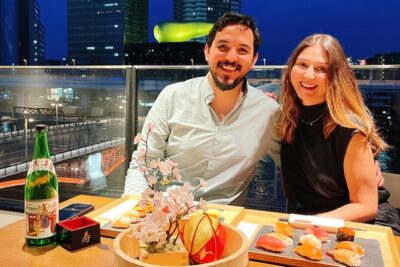
Ramen and Sushi Cooking Class with Sake Pairing Set in Tokyo
Read our review →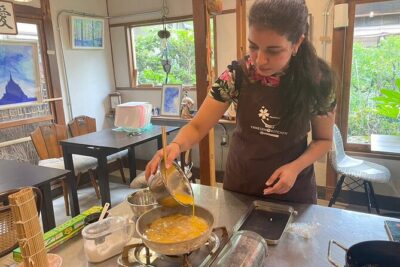
Private Home Cooking in Yanaka – Local Flavors in a Warm Setting
Read our review →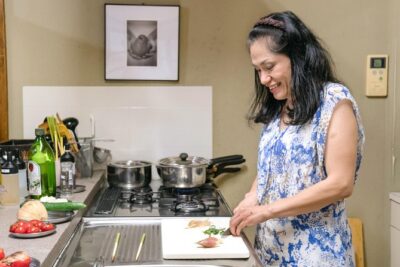
Unique Private Cooking Class with a Tokyo Local Emi
Read our review →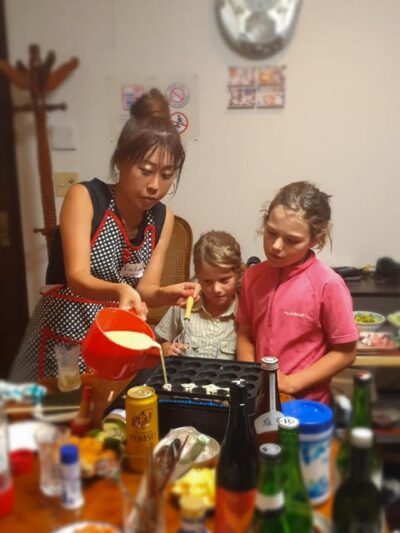
Shinjuku Tokyo: Authentic Japanese Home-Style Culinary Class
Read our review →
Japanese Home Cooking Class & Walk in Todoroki Temple Tokyo
Read our review →This kitchen also appears in