Review · TOKYO
Tokyo Tsukiji Fish Market Tour and Sushi Making Lesson
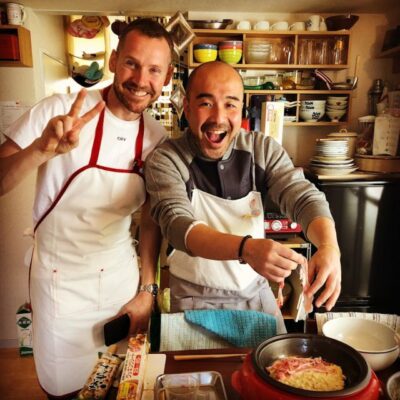
Tsukiji is best understood with someone who knows which stall to visit and what the unfamiliar snacks are. This three-hour experience pairs a guided market walk with a cooking lesson, so you taste ingredients first and then sit down to prepare a Japanese meal.
I like the small maximum of six people, which gives you room to ask questions, and I like the practical recipes, especially rolled sushi and tamagoyaki. The main consideration is value: at $99.49, the market visit is fairly short, and the cooking can feel basic if you already make sushi at home.
Key points
- Tsukiji Outer Market access: Spend about an hour among seafood, produce, dried foods, sweets, and tasting stalls, with an English-speaking guide to explain what you are seeing.
- Hands-on Japanese cooking: Prepare sushi, tamagoyaki, miso soup, and side dishes under the direction of an ABC Cooking Studio instructor.
- Small group format: The tour accepts no more than six people, with a minimum of two needed to operate.
- Lunch included: Eat what you prepare and choose wine, plum sake, or soft drinks, with water provided at the studio.
- Family-friendly limits: Children must be at least 9 years old and 130 centimeters tall. Strollers and luggage are not allowed.
- Important market detail: This is the Outer Market, not the tuna auction. Auction viewing is not included.
Why this Tokyo food tour works
The clever part of this experience is the order. You begin by seeing and tasting Japanese ingredients at Tsukiji, then use food-related skills at a cooking school. That gives the morning a clear shape instead of treating the market and class as two unrelated activities.
At the market, a guide can explain items that are hard to identify from appearance alone. You might encounter giant tuna, sea urchin, octopus, dried seafood, soy products, sweets, and other ingredients arranged in the narrow shopping lanes. The guide also helps with language at stalls, which matters when you want to ask what something is or how it is normally eaten.
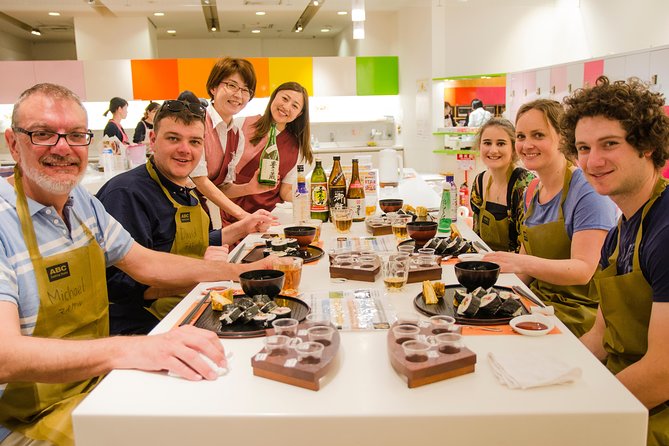
The cooking session shifts from observation to participation. You do not simply watch a chef assemble a plate. The lesson typically includes sushi rolls, nigiri, Japanese omelet, miso soup, stock, and side dishes, though the exact menu changes with the season and ingredient supply.
The experience earns a 4.9 rating from 390 published ratings, with 97 percent recommending it. Those figures point to a dependable format, but they do not erase the price question. You are paying for a guide, market orientation, transportation, a professional studio, ingredients, instruction, and lunch. If you mainly want to wander Tsukiji, you can do that independently for less. If you want help tasting, translating, and cooking, the package makes more sense.
More seafood classes around Tokyo:
- Seafood paella cooking class, tapas and visit to Ruzafa market.
★ 5.0 · 328 reviews - Private Mediterranean Fish Cooking Workshop with Irena
★ 5.0 · 118 reviews - Barcelona: Paella Seafood Master Cooking Class with Sangria
★ 5.0 · 73 reviews
Meeting at Tsukiji Hongwanji Temple
The starting point is Tsukiji Hongwanji Temple at 3-chome 15-1 Tsukiji. The short opening stop lasts about five minutes and gives you a useful landmark before the food portion begins.
The temple is visually unusual. Its exterior draws on South Asian and Indian design, while the interior has a different character. You will not spend long here, but the stop helps place Tsukiji in its wider neighborhood rather than dropping you straight into the market lanes.
Plan to arrive ready to walk. The meeting point is near public transportation, and hotel pickup is not included. Since luggage and strollers are prohibited, this is not a good activity to schedule while moving between hotels or the airport.
One hour among Tsukiji’s market stalls
The main walking portion lasts about an hour. Tsukiji was once famous as a huge wholesale fish market handling more than 2,000 tons of marine products each day. The wholesale auction and market operations moved elsewhere, but the Outer Market remains a dense food district with shops, small restaurants, ingredients, and tasting counters.
You will see far more than raw fish. The route can include dried seafood, beans, seaweed, seasonings, sweets, produce, and prepared snacks. Food sampling is a major part of the appeal. Past routes have included dried scallops, dried crabs, soybeans, tamagoyaki served on a stick, red bean mochi with strawberries, and other local bites.
This is where the guide adds real value. Guides such as Akiko, Nobu, Lucy, Yoko, Miho, and Shitomi have been praised for showing favorite stalls, explaining unfamiliar foods, and helping English speakers communicate. The exact guide is not guaranteed, but an English-speaking guide is included.
I would arrive hungry, but not completely empty. The tasting stops can add up, and you will want room for lunch at the cooking studio. You can also spend about 70 minutes at the Outer Market instead of following a shorter route, depending on the day and the operation of the tour.
The market portion has limits. It is not a chef-led study of Japanese seafood, and the class ingredients are not normally bought together with you at Tsukiji. This matters because some people expect to select fish at the market and then cook those same items later. That is not how this experience is presented.
You also should not expect tuna auction access. Auction watching is specifically excluded. If that is your main reason for visiting Tsukiji, choose a different plan and treat this tour as a food walk plus cooking class.
Moving from Tsukiji to ABC Cooking Studio
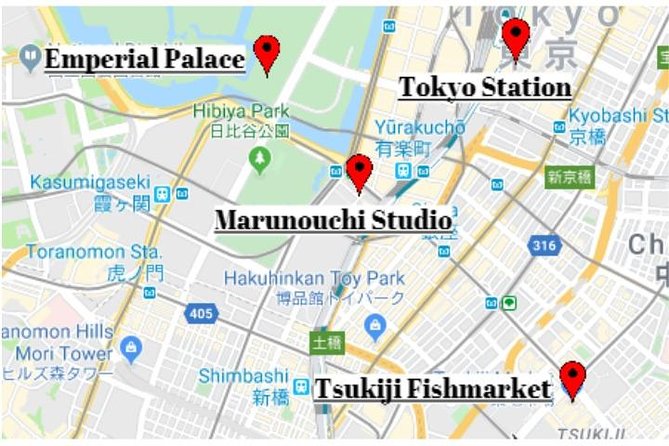
Transportation between the market and the cooking studio is included. The transfer has been described as a short bus ride, followed by a walk through the Ginza area on some routes.
The studio belongs to ABC Cooking Travel and is part of a large Japanese cooking-school network. It is a bright, organized setting rather than a market stall or small private kitchen. That gives the lesson a clean, structured feel, with workstations and an instructor guiding the group through each step.
The move also creates a useful contrast. Tsukiji is crowded, narrow, and full of impulse purchases. The studio is controlled and methodical. If you have spent much time in Tokyo’s food districts, this change of pace can be welcome.
One practical note: the cooking location is not beside the market. A published itinerary lists transportation between the two, and one account wished the kitchen were closer. That is a minor issue, but it does take time away from the market or the class.
More Cooking Classes with a Market Tour in Tokyo:
- Hanoi Cooking Class: Culture, Local Market & Meaning CSR Impact
★ 5.0 · 5,147 reviews - 5 Traditional Dishes Hanoi Cooking Class with Market Trip
★ 5.0 · 4,890 reviews - Cooking Class and Lunch at a Tuscan Farmhouse with Local Market Tour from Florence
★ 5.0 · 4,831 reviews - Chiang Mai: Cooking Class, Market & Thai Herbs Garden Tour
★ 4.9 · 4,824 reviews
What you actually cook in 90 minutes
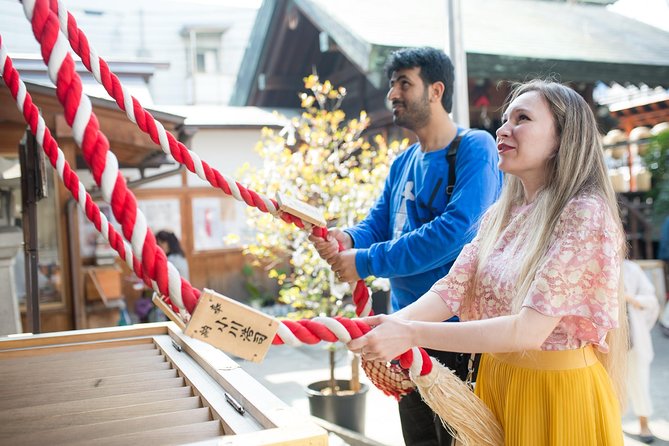
The cooking class lasts about an hour and a half. The exact recipes vary with the season, ingredients available, and the studio’s program, but the usual menu includes sushi rolls, nigiri, tamagoyaki, miso soup, stock, and side dishes.
Tamagoyaki is one of the most useful skills here. This Japanese rolled omelet requires a particular folding and rolling method, and it is often the dish children and first-time cooks remember most. You may also prepare several styles of sushi rather than making only one simple roll.
The lesson is intended for beginners. The instructor demonstrates each step, then gives you a chance to work with the ingredients. Past classes have included both adults and children, and the minimum age is nine. The 130-centimeter height requirement is worth checking for younger children.
The level of hands-on instruction can depend on the class and the language ability of the staff. Many participants have found the instructors patient, clear, and encouraging. Others felt the sushi was very basic and wanted more explanation of Japanese sushi traditions, sashimi, or market ingredients.
That split is important. If you have never made sushi, rolled an omelet, or prepared miso soup, you are likely to get useful skills you can repeat at home. If you already make maki and nigiri regularly, the class may feel more like a pleasant introduction than serious culinary training.
The cooking school can accommodate alternate ingredients on request, but you should raise that need in advance. The advertised dishes may change, and ingredients shown in promotional photographs are not guaranteed.
Eating the meal you prepared
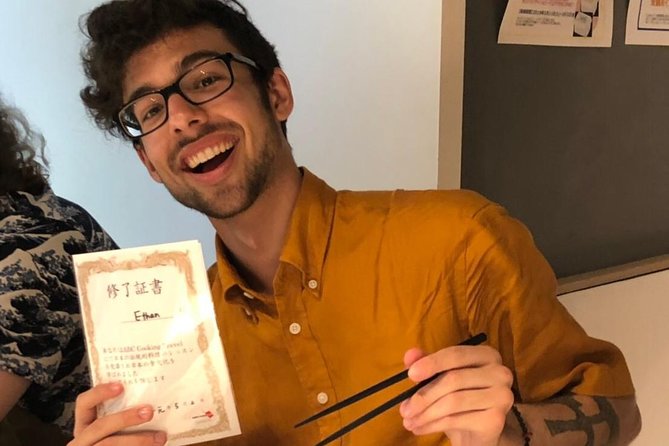
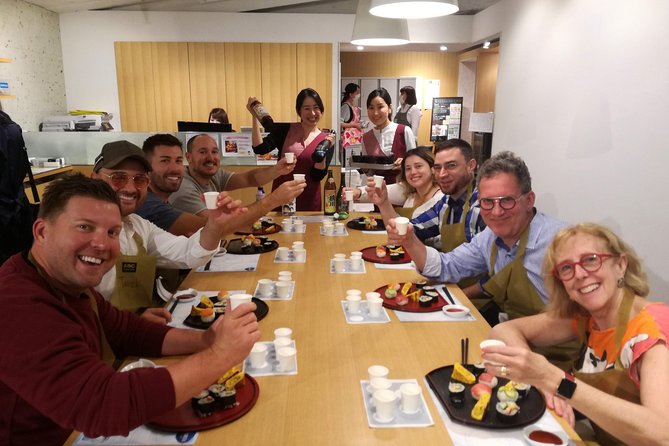
The class ends with lunch. You eat the food you made, which gives the lesson a satisfying payoff and lets you see how the separate tasks fit together.
Drinks include a choice of wine, plum sake, or soft drinks. Drinking water is also provided at the studio. This is not a restaurant meal with a long tasting menu. Think of it as a fresh, simple Japanese lunch built around your own work.
The portion question is fair to raise. Some people felt they did not make enough food for the price. Others enjoyed preparing several dishes and found the meal filling. Your satisfaction will depend partly on what you expect. The price is easier to justify if you value the instruction and market guidance, not just the amount of food on the plate.
How much personal attention will you get?
The maximum group size is six, and that is one of the strongest features of the format. A small group makes it easier to keep together in the market, ask questions at stalls, and receive help at the cooking counter.
Groups can be combined if people book separately at the same time, but that is not automatic. If you are traveling with friends or two families, have one person make the booking for everyone or contact the operator right away to request that the reservations be placed together.
Guide quality is another variable. English-speaking staff are provided, and several named guides have received especially warm praise for their friendliness, humor, and ability to explain food. Still, language skill can differ between guides and instructors. If you want a detailed lecture on sushi history, tell the staff what interests you and keep expectations realistic.
The strongest benefit is translation and orientation. You can walk Tsukiji alone, but a guide may point out stalls you would pass, explain tasting customs, and help you understand what you are buying. That is especially helpful on a first Tokyo visit.
Price, timing, and who gets the best value
At $99.49 per person, this is a mid-priced Tokyo food activity. It lasts roughly three hours, includes the guide, transportation from the market to the studio, apron use, water, cooking ingredients, lunch, and a drink choice.
I would book it if you want one organized half-day that combines local food browsing with a practical activity. It is also a good fit for families with older children, couples, and small groups who prefer a planned introduction to Japanese cooking.
I would hesitate if your main goal is an extended Tsukiji food crawl. The market section is about one hour, or roughly 70 minutes on some routes, and independent exploration gives you more time and choice. I would also hesitate if you are an experienced home sushi maker looking for advanced knife work, fish selection, or detailed culinary theory.
Weather can affect the operation, and the tour requires at least two participants. If the operator cancels because of poor weather or insufficient numbers, you can request another date or a full refund. You can cancel for a full refund up to 24 hours before the start time. Late cancellations and changes are not accepted.
Should you book this Tsukiji cooking experience?
Book it if you want more than a market photograph. The best version of this morning gives you a guide who can translate, a manageable group, several small tastings, and a friendly instructor who lets you prepare food rather than only watch.
The value is weaker for independent food experts, serious sushi students, or anyone expecting to cook the exact fish purchased at Tsukiji. For a first-time sushi maker, a family with children aged nine or older, or a curious eater who wants a structured introduction, the combination is hard to beat.
My practical advice is simple: eat lightly beforehand, wear comfortable shoes, leave your luggage behind, and confirm the meeting details. Go in expecting a beginner-friendly lesson, not professional training. With that expectation, this is a tasty and useful way to spend a Tokyo morning.
FAQ
Where does the tour begin?
It begins outside Tsukiji Hongwanji Temple at 3-chome 15-1 Tsukiji, Chuo City, Tokyo 104-8435, Japan.
How long does the experience last?
The total duration is approximately three hours. The itinerary includes about five minutes at the temple, one hour at Tsukiji, and one and a half hours at the cooking studio.
Is an English-speaking guide included?
Yes. An English-speaking guide is included, along with instruction at the cooking studio.
Is the tuna auction part of the tour?
No. Tuna auction watching is not included. The experience visits the Tsukiji Outer Market.
What food will I make?
The typical lesson includes sushi rolls, nigiri, tamagoyaki, miso soup, stock, and side dishes. The menu can change with the season and ingredient availability.
Is lunch included?
Yes. You eat the food prepared during the class. The experience also includes a choice of wine, plum sake, or soft drinks, plus drinking water at the studio.
Can children join?
Children must be at least 9 years old and at least 130 centimeters tall. Strollers are not allowed.
What happens if I need to cancel?
You can receive a full refund if you cancel at least 24 hours before the local start time. Cancellations or changes made less than 24 hours before the start are not accepted.
More Sushi Making Classes around Tokyo
- Ramen and Sushi Cooking Class with Sake Pairing Set in Tokyo
★ 5.0 · 291 reviews - AKEMI’s SUSHiKiTCHEN: A fun sushi cooking lesson in Tokyo
★ 5.0 · 5 reviews - Japanese Knife Skills & Tuna Don/Sushi Workshop in Tokyo
★ 5.0 · 3 reviews - Sushi Making Osaka! Popular Sushi Class in Japan!
★ 5.0 · 500 reviews
New cooking classes around Tokyo
- Shinjuku Tokyo: Authentic Japanese Home-Style Culinary Class★ 4.9 · 125 reviews
- Shibuya Tokyo: Onigiri & Tamagoyaki Cooking Class★ 5.0 · 4 reviews
- Ramen Making from Scratch +Akihabara Tour –Cooking Class★ 5.0 · 25 reviews
- Japanese Knife Skills & Tuna Don/Sushi Workshop in Tokyo★ 5.0 · 3 reviews
- AKEMI’s SUSHiKiTCHEN: A fun sushi cooking lesson in Tokyo★ 5.0 · 5 reviews
- Tokyo: Private Japanese Cooking Class with a Local Chef★ 5.0 · 81 reviews
- Unique Private Cooking Class with a Tokyo Local Emi★ 5.0 · 131 reviews
- Private Home Cooking in Yanaka – Local Flavors in a Warm Setting★ 5.0 · 173 reviews
Tokyo Cooking Classes, side by side.
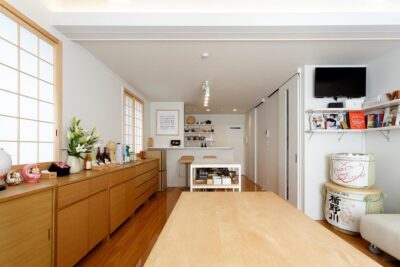
Ramen & Gyoza Cooking Class in Tokyo with Local Supermarket Visit
Read our review →
Tokyo: Easy Ramen Cooking Experience in Kabukicho, Shinjuku
Read our review →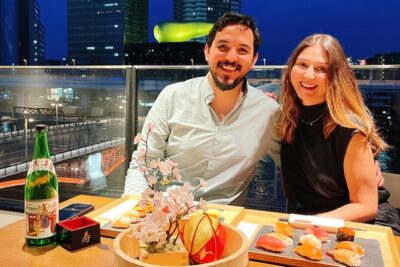
Ramen and Sushi Cooking Class with Sake Pairing Set in Tokyo
Read our review →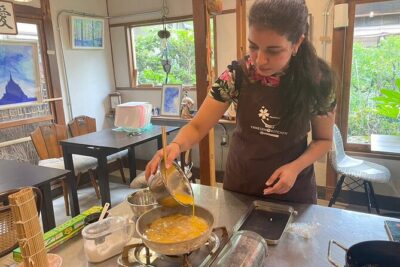
Private Home Cooking in Yanaka – Local Flavors in a Warm Setting
Read our review →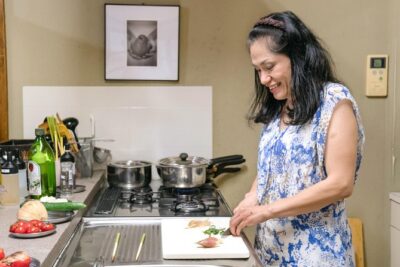
Unique Private Cooking Class with a Tokyo Local Emi
Read our review →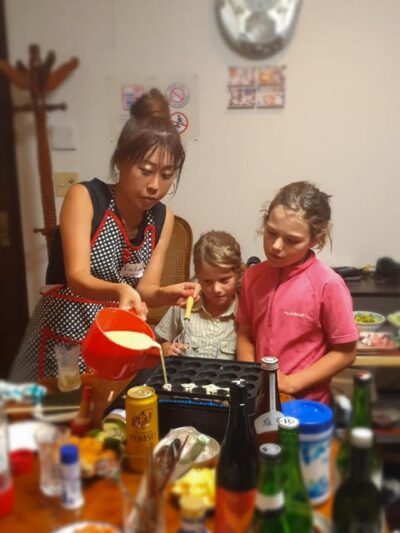
Shinjuku Tokyo: Authentic Japanese Home-Style Culinary Class
Read our review →
Japanese Home Cooking Class & Walk in Todoroki Temple Tokyo
Read our review →