
Review · SYRACUSE
Syracuse: Traditional Cooking Class & Ancient Market Visit
Syracuse’s best cooking lesson begins before you reach the kitchen. With Chef Ettore, you walk through Ortigia’s Ancient Market, meet stallholders, sample local products, and help choose what will become lunch. This is not a fixed pizza lesson. The menu can shift toward seafood, fresh pasta, tuna, arancini, pistachio pesto, or other ingredients that look good that day.
I like two things in particular: the small group of no more than eight keeps the class personal, and the market visit gives the meal a real sense of place. You also get hands-on work, from making sauces with shrimp shells to shaping pasta. The main consideration is that the menu is flexible, so you should not book expecting one exact set of dishes.
Key points
- Market first: Begin in Ortigia’s Ancient Market, where your chef selects ingredients and introduces you to vendors.
- A changing Sicilian menu: Past classes have included seafood pasta, tuna with peppers and onions, pistachio pesto, veal involtini, arancini, cannoli, and fresh salads.
- Chef-led but hands-on: You help prepare the meal instead of simply watching a demonstration.
- Small-group setting: The class accepts up to eight participants, making it easier to ask questions and take part.
- Four hours with lunch included: The market, cooking lesson, and meal fit into one half-day.
- Sunday planning matters: Ortigia Market is closed on Sundays, so the chef may take you through the island streets to buy local products instead.
A market visit that shapes your lunch
The meeting point is Bar Cristina at Piazza Pancali 24, a useful location at the entrance to Ortigia. The chef waits there before taking you into the market area. Since the bar is large, I would confirm exactly where to meet and what your chef looks like before the day begins. That small step can save you an awkward few minutes searching among tables.
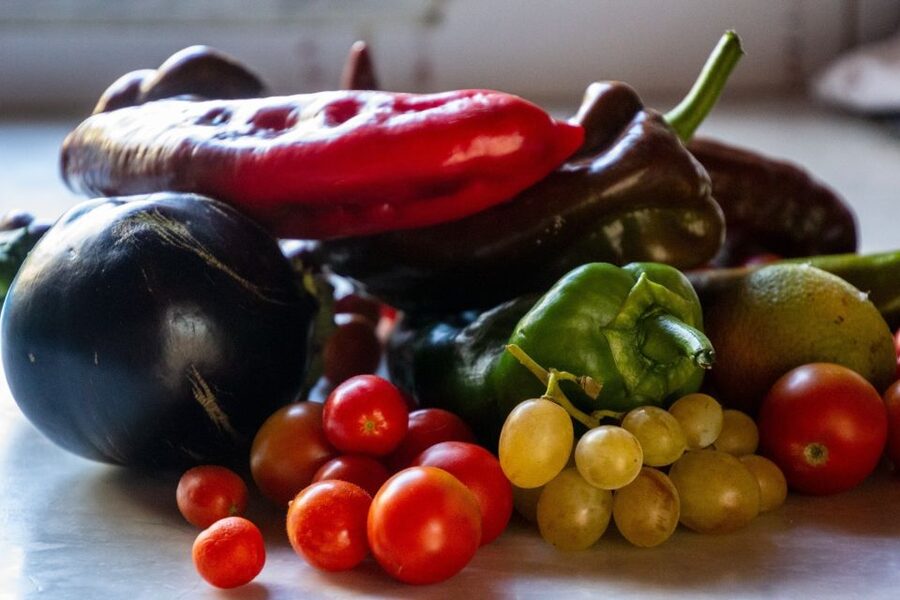
The market is more than a place to buy groceries. It is where the class gets its character. You pass fish counters, produce stalls, and sellers calling out to customers. Your chef knows the vendors and can explain what is fresh, what is local, and what deserves your attention.
You might taste items before buying them. Past menus have featured red prawns, mortadella, pistachio spread, fresh fruit, and other market finds. Those tastings are useful because they turn unfamiliar ingredients into something you can recognize later on a restaurant menu.
The chef also chooses the menu with you. If you want seafood, the class can head in that direction. If you do not care for fish, the food can be adjusted. This flexibility is one of the strongest reasons to choose this class over a lesson with a fixed recipe card.
The market visit is also a good fit for people who enjoy food but are not serious cooks. You do not need to know the difference between every Sicilian fish or pasta shape. The chef handles the buying decisions while explaining the choices in plain terms.
One limitation is timing. A real market visit is less predictable than a tidy cooking studio. You may spend more or less time at different stalls depending on what is available and what interests your group. That is part of the charm, but it means the morning or afternoon will not feel tightly scripted.
More Cooking Classes with a Market Tour in Italy
- Cooking Class and Lunch at a Tuscan Farmhouse with Local Market Tour from Florence
★ 5.0 · 4,831 reviews - Small Group Cooking Class & Market Food Tour in Florence
★ 5.0 · 1,574 reviews - Pasta and Tiramisu Cooking Class with optional Local Market Tour
★ 5.0 · 515 reviews
From Ortigia streets to a working kitchen
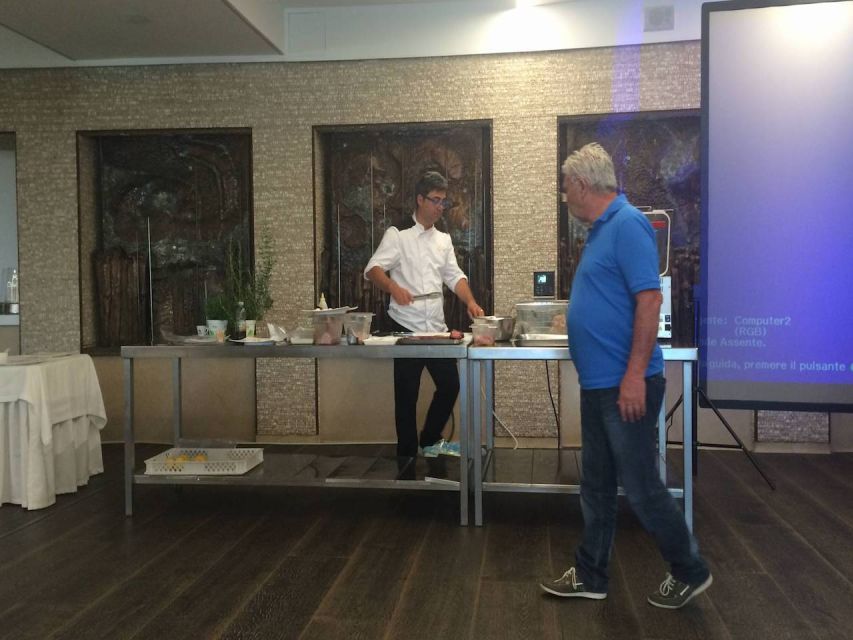
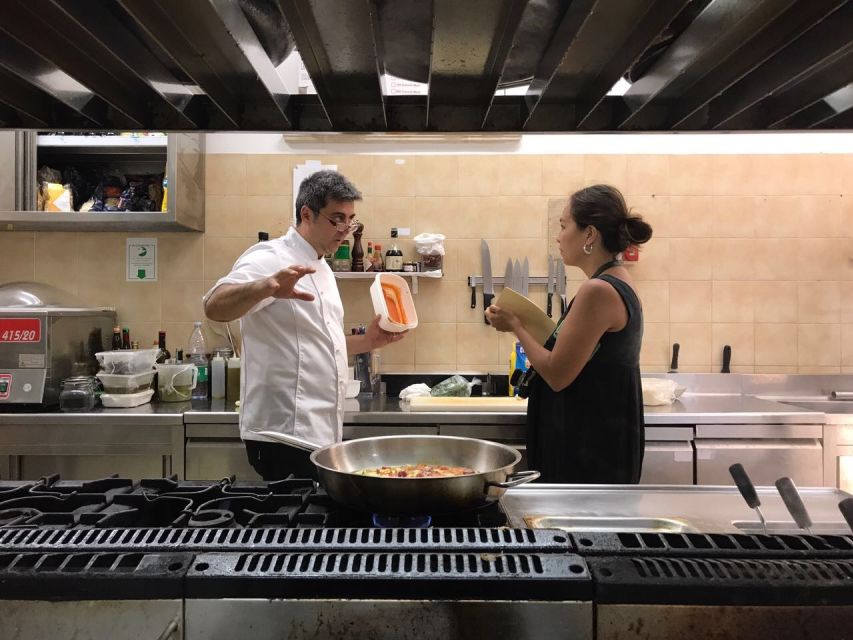
After shopping, you transfer to the cooking location if needed. The listing does not promise one fixed kitchen, and past sessions have taken place in a restaurant kitchen, at Cortile Di Bacco, and even in a rugby club kitchen. The setting may therefore feel more like a working local operation than a polished cooking school.
That is a plus if you want to see how a Sicilian cook actually works. You may find a professional kitchen with restaurant equipment and a busy, practical feel rather than a showroom built for tourists. One class took place in a kitchen with a striking view, while another gave participants a look at the professional side of a local restaurant.
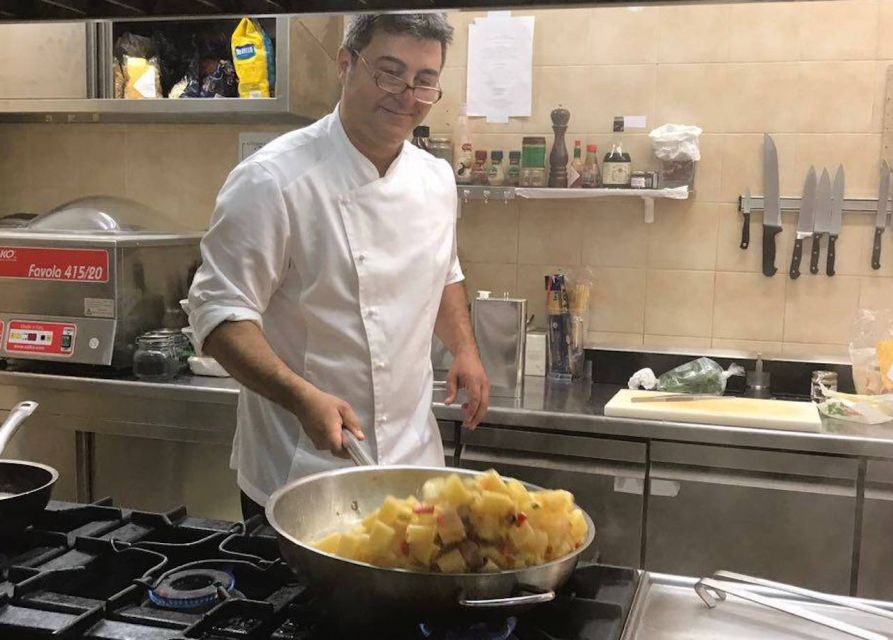
Chef Ettore is frequently mentioned as the main host. He has worked as a pasta chef at a two-star Michelin restaurant, and that background helps explain the attention given to sauces, pasta texture, and seafood preparation. Some sessions have been led by Enzo and his daughter, so the exact host may vary.
The English-language instruction is important here. The activity is offered in Italian and English, and Ettore is described as speaking good English. That makes it easier to follow the practical details, especially when several dishes are being prepared at once.
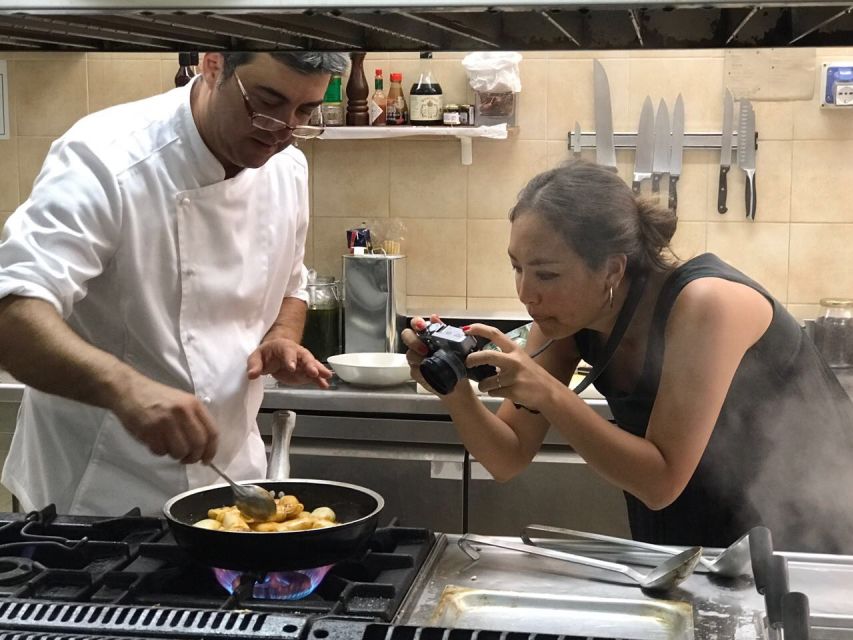
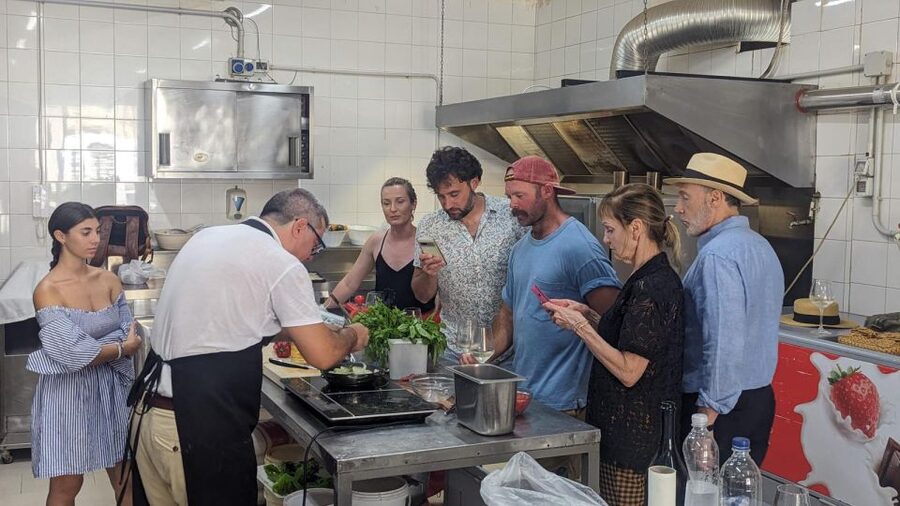
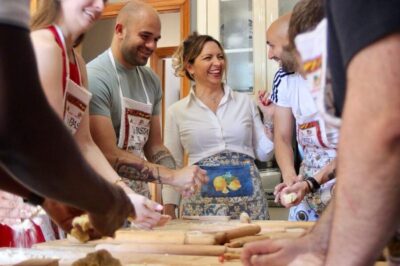
Do not expect a quiet demonstration where you sit back and take notes. The format is participatory. You help prepare ingredients, work with pasta, assemble sauces, and contribute to the meal. The chef explains as he goes, with cooking tips that you can use later in your own kitchen.
What you may cook in four hours
There is no single guaranteed menu, but the examples give you a clear idea of the range. Seafood has featured strongly, including pasta with shrimp, calamari, and mussels. One especially useful technique is making a seafood base with shrimp shells and olive oil, rather than treating the shells as waste.
Other seafood dishes have included tuna with peppers, onions, olives, garlic, capers, and tomatoes. Sardines, mullet, prawns with orange, cuttlefish ink pasta, and fried fish have also appeared in different classes. If you like the flavors of the sea, this is a good setting to learn how Sicilians balance salt, citrus, olive oil, and fresh fish.
Pasta is another major part of the lesson. You might make fresh cavatelli, pistachio pesto pasta, or a seafood pasta. One participant learned how to prepare fresh pasta in seven minutes, which suggests that the class focuses on useful methods rather than long technical lectures.
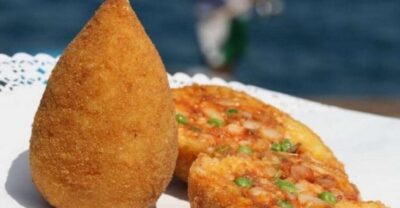
Meat and vegetable dishes can appear too. Past menus have included veal involtini, eggplant with tomatoes and cheese, and arancini. A strawberry salad, fruit salad with apricots, bread, cannoli, brioche with ricotta, and other simple sweets have rounded out some meals.
This variety is valuable, but it also creates a planning point. You are not guaranteed to cook every item listed above. The final menu depends on the market, the chef, your preferences, and the size of the meal. Think of those dishes as examples, not promises.
The class can be especially rewarding if you tell the chef what you want early. Seafood lovers should say so at the market. If you dislike fish, want less meat, or have a strong preference for pasta or vegetables, explain it before the shopping is finished. The chef has shown a willingness to adapt the food to the group.
The pleasure of making the sauces yourself
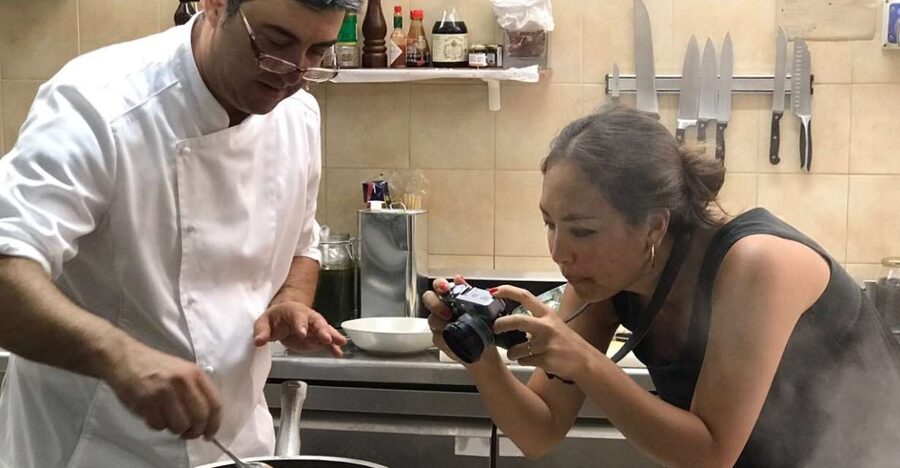
The most useful part of a class like this is often not the finished dish. It is learning what happens before the plate reaches the table.
Making a sauce from shrimp shells teaches you to use the whole ingredient. Pistachio pesto shows how a few strong Sicilian flavors can carry a pasta dish. Tuna with sweet peppers and onions gives you a practical lesson in building contrast, using savory fish with soft vegetables, olive oil, and salty additions.
You also get a feel for local ingredients through handling them. The market provides the context, and the kitchen gives you a chance to work with what you have just seen. That connection makes the lesson more memorable than cooking an imported recipe from a printed sheet.
The chef’s professional background is useful, but the class does not seem aimed only at experienced cooks. Beginners can take part, ask questions, and learn through repetition. More confident cooks may appreciate the chance to discuss pasta, seafood, and Sicilian combinations with someone who has worked in a high-level restaurant kitchen.
You should expect plenty of food. The meal is not a token tasting at the end. Depending on the menu, you may prepare several courses, including pasta, a main dish, salad, bread, and dessert. One group even took leftovers away, though that should not be treated as a guaranteed part of the arrangement.
Food and drinks outside the planned menu are not included. The chef may organize extras, and past meals have included wine or limoncello, but ask what carries an additional charge before ordering. That keeps the final cost clear.
Same kitchen, a different dish:
- Florence: Pasta Cooking Class with Unlimited Wine
★ 4.9 · 10,285 reviews - 3 in 1 Cooking Class near Navona: Fettuccine, Ravioli & Tiramisu
★ 5.0 · 7,376 reviews - Florence: Pasta & Tiramisu Cooking Class with Unlimited Wine
★ 4.9 · 6,708 reviews - Florence: Pasta Cooking Class with Unlimited Wine
★ 5.0 · 6,413 reviews
Lunch is part of the lesson
After the cooking, you sit down to eat what you helped prepare. This is where the four-hour format makes sense. The activity is not only a class and not only a meal. It joins shopping, cooking, and dining into one continuous half-day.
I like this approach because you can taste the results while the instructions are still fresh. You remember why the sauce was prepared in a certain way, how the pasta felt before cooking, and which market ingredient made the dish work.
The social side matters too. A group of eight or fewer gives you room to talk with the chef and the other participants. The meal becomes a shared table rather than a quick plate handed over at the end of a demonstration.
Some sessions include the chef’s family or assistant, such as a daughter helping with the class. That can add a warm, informal tone, though the exact setup will depend on the day and kitchen. You are joining a local food setting, not entering a standardized restaurant show.
For a special occasion, the class has enough substance to feel meaningful. A couple used it to mark a 25th anniversary, and the flexible menu helped make the day personal. It can also work well as a trip highlight for people who want one activity built around conversation rather than monuments.
Price, timing, and practical value
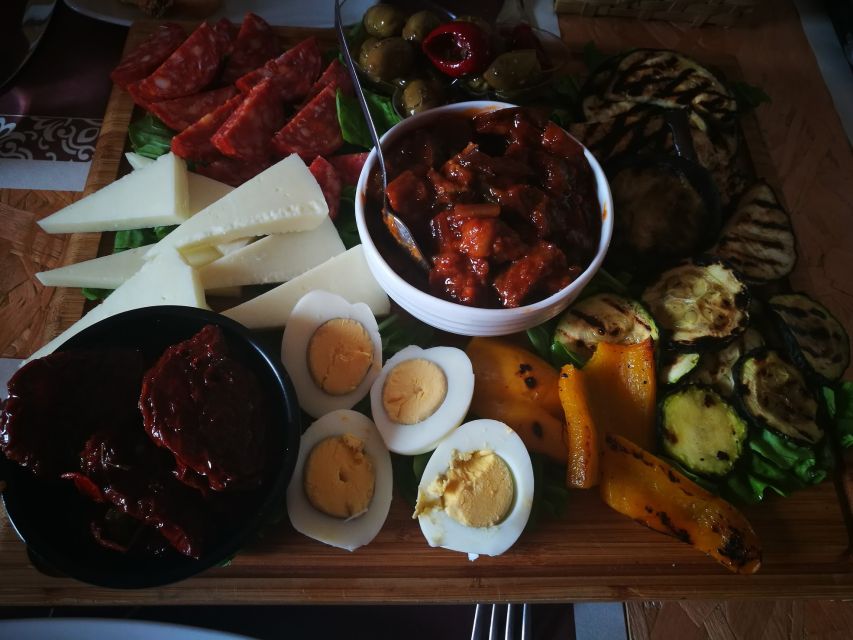
The price is $134.81 per person for four hours. That is not a cheap lunch, but it covers several separate parts: the guided market visit, a local chef, the cooking lesson, lunch, and transfer from the market to the kitchen when needed.
I see the value most clearly if you compare it with buying these parts separately. A market walk alone would give you atmosphere but not much practical instruction. A restaurant meal would give you food but no role in preparing it. This activity combines both and adds a small-group guide who can connect the ingredients to the dishes.
The price makes more sense for people who will use what they learn. If you simply want to eat a Sicilian lunch, a restaurant may cost less and require less time. If you enjoy cooking, want direct contact with local ingredients, and value a personal guide, the added cost is easier to justify.
The duration is listed as four hours, with starting times based on availability. Plan it as a major half-day activity rather than something to squeeze between two timed sights. The kitchen transfer can also affect the pace, since the class location is not always right beside the market.
The activity ends back at the original meeting point. Cancellation is free up to 24 hours before the start, and you can reserve now and pay later. Those policies are helpful if your Syracuse plans are still changing, but the Sunday market rule is the detail I would check first.
Sunday and other details to settle before booking
Ortigia Market is closed on Sunday. The class can still go ahead, with the chef guiding you through the island streets to buy local products, but you will not get the regular market visit.
That alternative may still be pleasant, but it is a different outing. If the market is the main reason you are booking, choose another day if your schedule allows. If the cooking and meal matter more, Sunday can still work.
The host or greeter speaks Italian and English. The group is limited to eight, and the experience returns to the meeting point. Monument entrance fees are not included, though monuments are not the focus of this activity anyway.
I would also ask about the day’s kitchen location, the likely menu, and any food or drink charges. The menu changes with the market, so a quick conversation before the class helps you know what to expect.
Who should book this Syracuse cooking class?
I would choose this for you if food is one of the main reasons you came to Sicily. It suits curious beginners, confident home cooks, couples marking a special trip, and small groups who want a shared activity with a meal at the end.
It is especially good for seafood fans, since several menus have centered on prawns, tuna, mussels, calamari, sardines, and other fish. It also suits anyone who wants to learn fresh pasta, pistachio pesto, seafood sauces, or Sicilian ways with vegetables and meat.
I would hesitate if you need a fixed menu, a guaranteed studio kitchen, or a tightly timed itinerary. The market and the day’s ingredients shape the lesson, and the kitchen may change. That uncertainty is a drawback for planners who want every detail confirmed in advance.
Should you book it?
Book this class if you want more than a recipe demonstration. The market connections, flexible menu, hands-on cooking, and lunch give you a real taste of how food fits into daily life in Ortigia.
At $134.81, the value depends on your interest in cooking. For someone who wants only a meal, it is expensive. For someone who wants a market visit, personal instruction, several Sicilian dishes, and a relaxed meal in one four-hour session, it is a strong choice.
Choose a non-Sunday date if the Ancient Market is important to you. Then meet at Bar Cristina, tell the chef what you like to eat, and let the market guide the rest.
FAQ
How long does the Syracuse cooking class last?
The activity lasts four hours, including the market visit, transfer if needed, cooking lesson, and lunch.
Where does the activity begin?
Meet the chef at Bar Cristina, Piazza Pancali 24, in Syracuse. The activity ends back at the meeting point.
Is the Ortigia Market visited every day?
No. The market is closed on Sunday. On that day, the chef guides you through the streets of Ortigia to purchase local products instead.
Is lunch included?
Yes. Lunch made during the cooking class is included. Food and drinks outside the planned menu are not included and may be arranged separately by the chef.
What language is the class offered in?
The activity is offered in Italian and English.
How many people can join the class?
The group is limited to eight participants.
New cooking classes around Italy
- Sestri Levante: Pesto & Cooking Classes, Wine Tasting★ 4.9 · 56 reviews
- Sardinia Cooking Class: Fresh Handmade Pasta★ 5.0 · 53 reviews
- San Gimignano: Tuscan Cooking Class★ 5.0 · 2 reviews
- San Gimignano: Truffle Cooking Class with Wine Tasting★ 5.0 · 5 reviews
- San Gimignano: “Hands in dough” Cooking Class with Lunch★ 5.0 · 6 reviews
- Salento: Authentic Cooking Experience with Fresh Pasta and Local Products★ 5.0 · 8 reviews
- ROME:Hands-On Lasagna & Marsala Tiramisu Cooking Experience”★ 5.0 · 3 reviews
- Rome: Private Wine Tour and Pasta Making Class in a Winery★ 5.0 · 6 reviews
Syracuse Cooking Classes, side by side.
Syracuse: Sicilian Street Food Hands-On Cooking Class
Read our review →
This kitchen also appears in