
Review · VERONA
Verona: Authentic Pasta Making Class with a Local Family
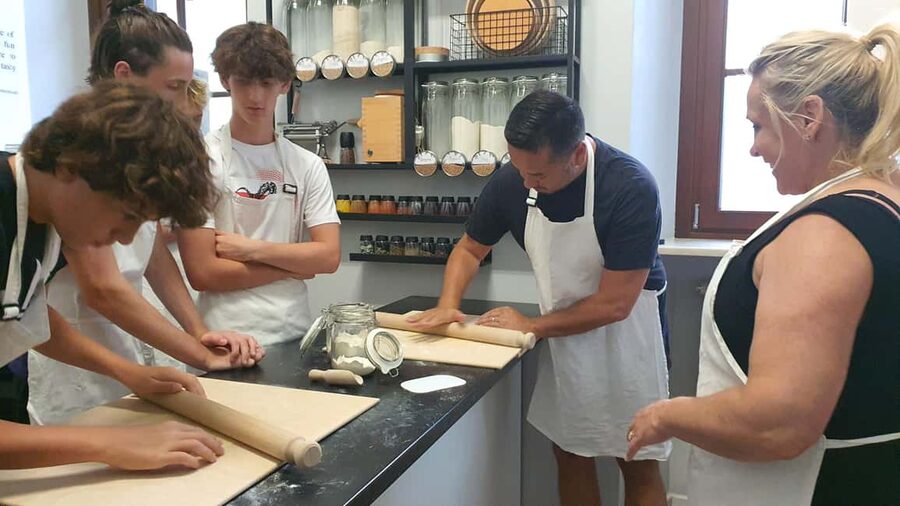
The best part of this Verona experience is that you do not simply watch a chef cook. You work flour into dough, shape tagliatelle and ravioli, then sit down with Vallì and Dave to eat what you made. It feels closer to joining a family dinner than attending a formal cooking demonstration.
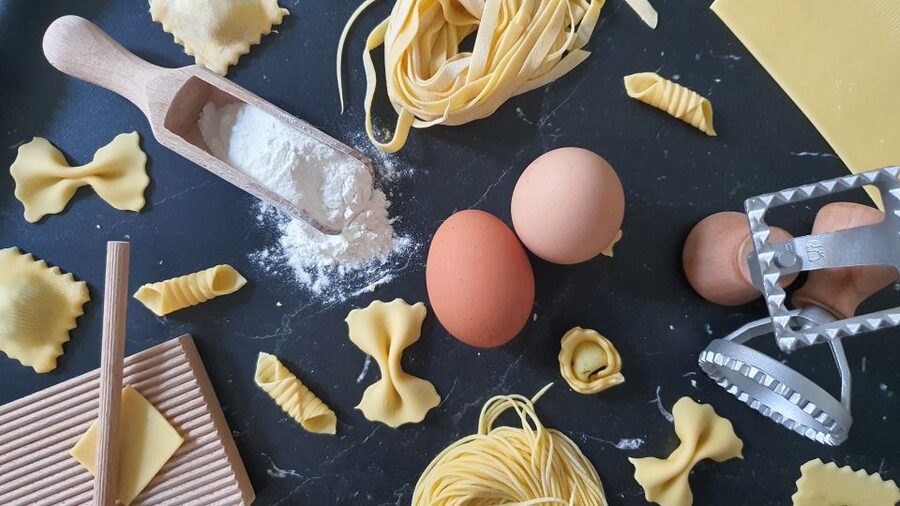
I like the small group of no more than 10, which gives you room to ask questions and practice each step. I also like the range of pasta shapes, from tagliolini and tagliatelle to pappardelle, farfalle, maltagliati, decorated pasta, colored pasta, and fresh ravioli. The main consideration is time: four hours is a long evening if you want only a quick cooking lesson.
Key points at a glance
- A hands-on lesson from scratch: You make the pasta dough yourself rather than simply watching it being rolled and cut.
- Several pasta styles in one class: Learn classic cuts, decorated pasta, colored pasta, and fresh ravioli.
- Two sauces are part of the lesson: Vallì explains quick, practical sauces that you can make again at home.
- Dinner is included: Eat your pasta as part of a three-course meal with unlimited still or sparkling water and a glass of regional wine.
- A central Verona setting: The class begins and ends at Palazzo Balladoro, about one minute from Castelvecchio and five minutes from the Arena.
- A friendly, intimate format: Vallì teaches while Dave helps create the relaxed, amusing atmosphere that many people find memorable.
What happens during the four-hour class
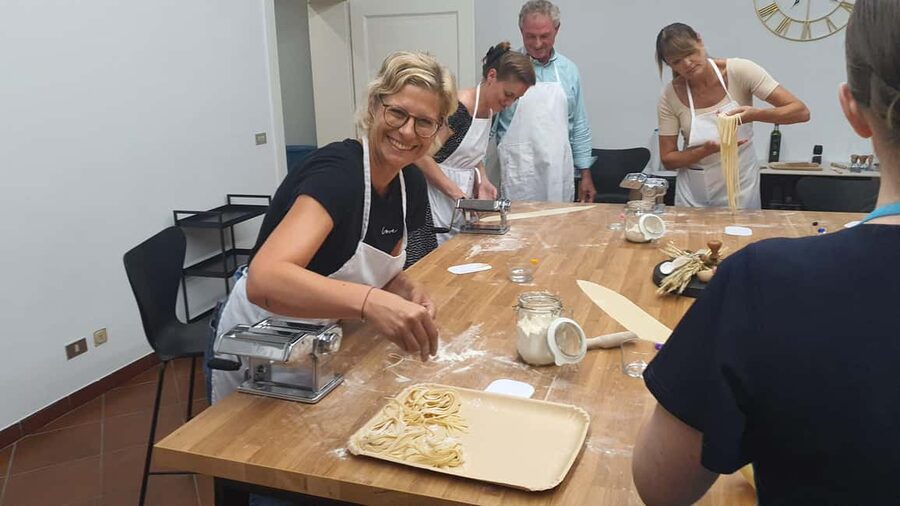
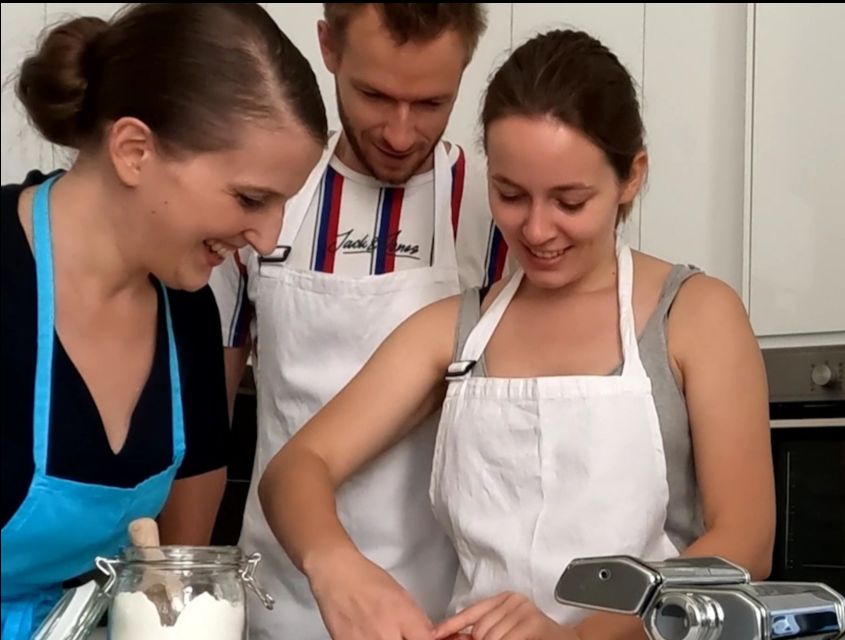
This is a cooking class built around doing, not just listening. You will start with pasta dough from scratch, learning the basic mixture and the feel of properly worked dough. That tactile part matters. Fresh pasta is not difficult, but the texture tells you more than a printed recipe can.
Vallì teaches the traditional approach associated with her grandmother, including how to handle the dough and how to form different cuts. You will practice familiar shapes such as tagliatelle, along with thinner tagliolini and wider pappardelle. Farfalle and maltagliati add variety, since they use different shapes and cutting methods.
You will also see how decorated and colored pasta is prepared. These are especially useful demonstrations if you want to bring something more attractive than basic noodles to your own table. The class does not promise that you will master every shape equally, so expect a broad introduction rather than a specialist course devoted to one pasta style.
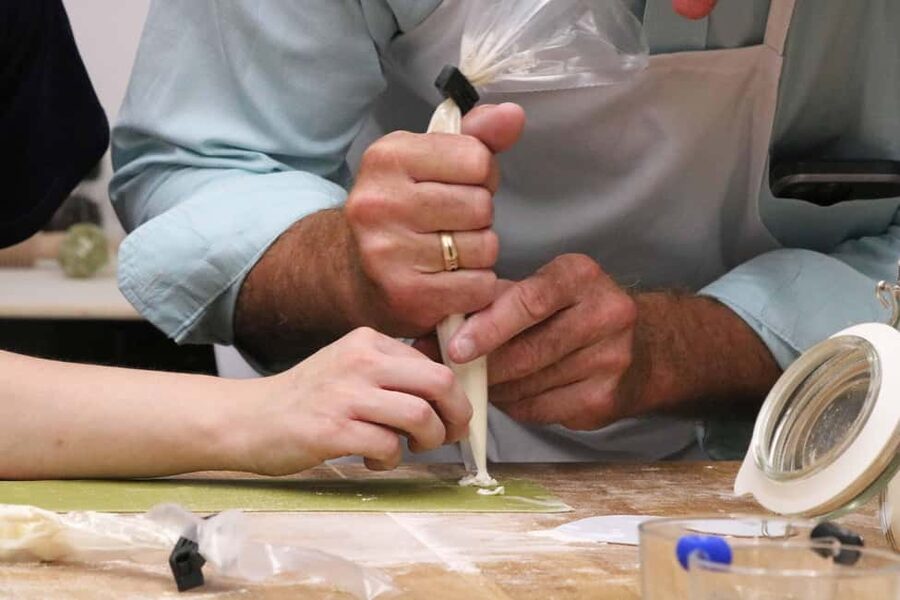
Fresh ravioli is another major part of the lesson. You will learn how to prepare and shape it, giving the class a useful contrast between cut pasta and filled pasta. Ravioli requires a little more care because the dough must be sealed properly, but Vallì provides guidance as you work.
The pace includes room for practice. That is important for mixed-ability groups. If you already cook, you can focus on shaping and technique. If you are new to fresh pasta, you can repeat the basic movements and ask for help. The class is designed for a range of abilities, with clear instructions and additional preparation options.
More Home Cooking Classes in Italy
- Pasta Cooking Class: Mastering Nonna’s Recipes
★ 5.0 · 554 reviews - Pastamama, Home Cooking Classes at Grace’s Home
★ 5.0 · 521 reviews - Traditional Home Cooking Experience in Venice
★ 5.0 · 377 reviews
Learning the small tricks that recipes leave out
A good pasta lesson should send you home with more than a plate of noodles. Here, the useful part is the practical advice: how to work the dough, how to cut it, and how to approach fresh ravioli without turning the kitchen into a flour storm.
Vallì also shares tips and techniques for two quick, easy sauces. The exact sauces are not specified in the activity details, so you should not book this expecting a named regional menu. You can expect sauce instruction aimed at making fresh pasta enjoyable and repeatable at home.
The low or no-salt, low or no-sugar approach is worth noting. The food is prepared this way so you can taste the basic ingredients more clearly. Some people will appreciate that clean flavor. If you usually want heavily seasoned food, the meal may taste gentler than you expect, but it gives you a chance to notice the pasta and sauces themselves.
Bring curiosity and an appetite. The host provides the equipment and ingredients, so you do not need to arrive with special cooking tools. A camera is also encouraged, though your hands may be covered in flour at the most useful moments.
From worktable to three-course dinner
The class ends with the best possible test: eating the food you prepared. Your pasta becomes part of a three-course dinner, served at the same place where you cooked it. That transition from lesson to meal gives the evening a clear rhythm and makes the activity feel social rather than technical.
You will taste the tagliatelle and ravioli you helped make, along with the sauces prepared during the class. The meal includes unlimited still and sparkling water and one glass of a special wine produced in the Veneto region by a small company.
The wine is a modest but welcome regional touch. It is not described as a tasting session, so this is not the right choice if your main goal is learning about Veneto wine. Instead, the glass helps turn the meal into a shared local-style dinner.
The three-course format adds value to the price, too. You are not paying for a short lesson and then hunting for dinner afterward. You receive the class, the food you prepare, a full meal, water, wine, recipes, and tips for future cooking.
The family atmosphere with Vallì and Dave
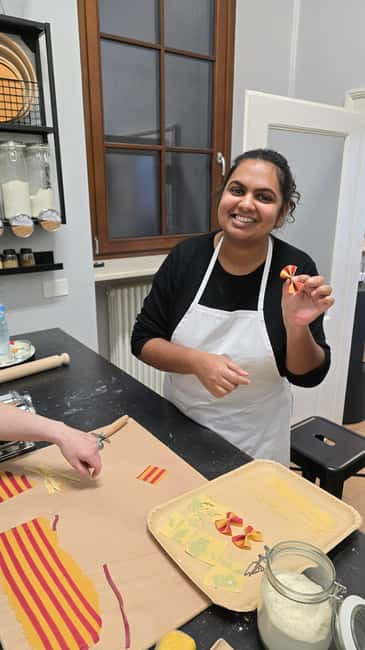
Vallì, also identified as Valentina, leads the teaching. She handles the pasta instruction and explains the techniques in a friendly, accessible way. Dave adds conversation and humor, helping the evening feel informal.
That pairing matters because four hours can feel stiff if the instructor treats the kitchen like a classroom. Here, the tone is intended to be warm and social. You are encouraged to share time, laughs, and food at the table, much as you would during a family meal.
The hosts have been especially appreciated for making people feel welcome and included. That is useful if you are traveling alone, as well as if you are booking as a couple or small family. The group size keeps the setting personal without making it entirely private.
Still, a family atmosphere is not the same as a private lesson. With up to 10 participants, you will share attention and workspace. If you want one-to-one culinary coaching or a highly technical chef-led course, this may feel too relaxed. If you want conversation and a meal as much as knife skills, the format should suit you well.
More Pasta Making Classes in Italy:
- Florence: Pasta Cooking Class with Unlimited Wine
★ 4.9 · 10,285 reviews - 3 in 1 Cooking Class near Navona: Fettuccine, Ravioli & Tiramisu
★ 5.0 · 7,376 reviews - Florence: Pasta & Tiramisu Cooking Class with Unlimited Wine
★ 4.9 · 6,708 reviews - Florence: Pasta Cooking Class with Unlimited Wine
★ 5.0 · 6,413 reviews
Why Palazzo Balladoro is a smart meeting point
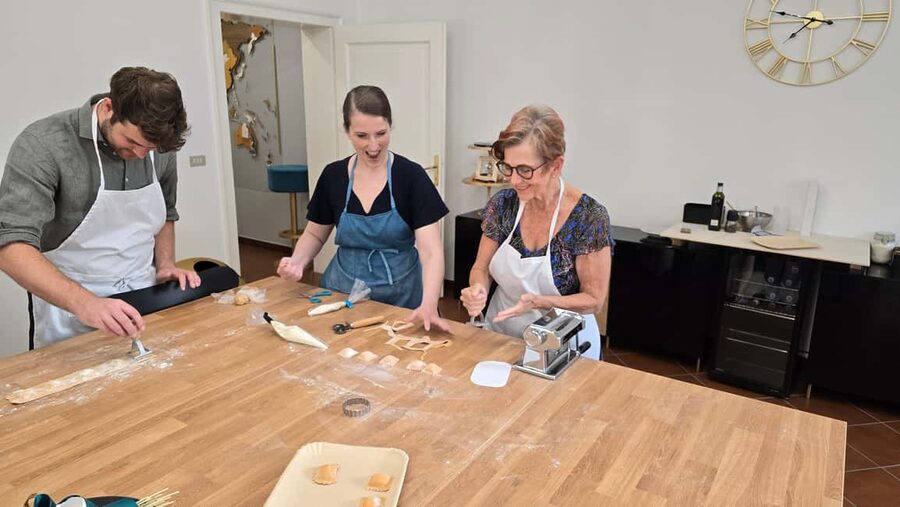
The class starts and ends at Palazzo Balladoro, a historic building in the heart of Verona. Its location is practical for a day of sightseeing: it is about one minute on foot from Castelvecchio and roughly five minutes from the Arena.
That central position makes the class easy to pair with Verona’s main sights. You can plan it after a walk around the old center rather than arranging a long ride to a countryside kitchen. Since the activity ends back at the meeting point, you finish where you began.
The details provided do not describe the building’s interior, kitchen layout, or exact seating arrangement. Keep that in mind if a particular architectural setting or accessibility feature is important to you. What is clear is that the meeting point is central and easy to connect with the city’s main attractions.
Check the available starting times before booking. The four-hour length means this is likely to occupy a substantial part of your evening, and you will want to avoid scheduling a show or dinner reservation too close afterward.
Is $107.62 a fair price?
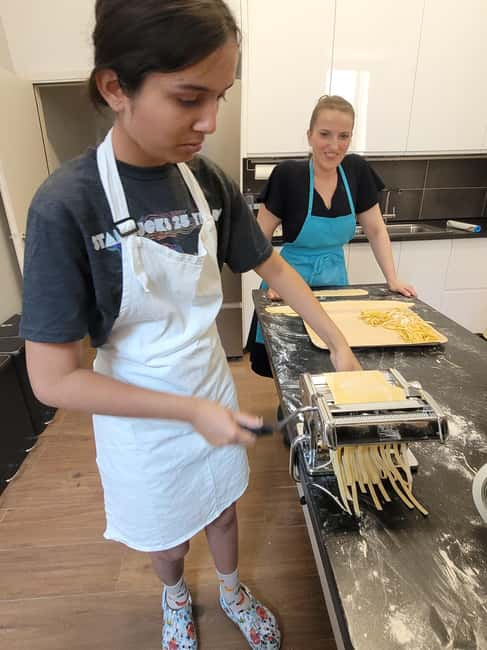
At $107.62 per person, this is not a budget meal. It is a good value if you want several things in one experience: instruction, hands-on practice, a three-course dinner, regional wine, water, and recipes to take home.
The strongest value comes from the amount of time. Four hours gives you a proper lesson rather than a quick demonstration. You will work with several pasta shapes, make ravioli, learn two sauces, and then eat the results. A typical restaurant meal would give you the food, but not the skill or social connection.
The price also covers the setting and the small-group format. A maximum of 10 participants is more personal than a large cooking school class. You should still decide how much you value the family setting. If you only want to eat excellent pasta, a restaurant will probably cost less and require less effort. If you want to learn how to recreate it, this class offers more lasting value.
The included recipes and tips are important. They make the experience useful after you return home, especially if you have access to a rolling pin, pasta cutter, or basic kitchen equipment. You may not reproduce every shape perfectly on your first attempt, but you will leave with a foundation and a clearer idea of what to practice.
Who will enjoy this pasta class most?
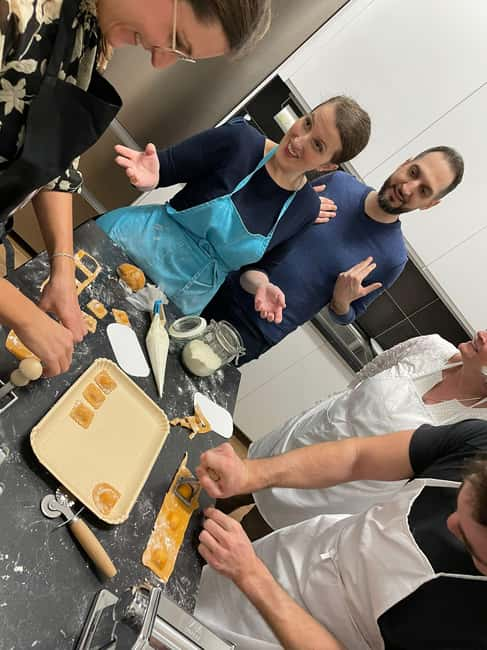
I would choose this for people who like to participate. It suits couples, friends, families, solo visitors, and anyone who sees food as a good way to meet people. The English and Italian instruction makes it accessible to an international audience.
It is also a strong choice for first-time pasta makers. The clear, practical format gives beginners a place to start, while the range of shapes offers enough variety for people who already have some kitchen experience.
You should consider it if you want an evening away from Verona’s usual sightseeing circuit. The class gives you something to do with your hands and a reason to talk with people around the table. It is less suited to someone who dislikes group activities, flour, or a long seated meal after cooking.
Families should note that the activity information does not list a minimum age or child-specific arrangements. If you are booking with children, confirm that the format suits them before reserving.
Booking details worth knowing
You can cancel up to 24 hours before the activity for a full refund, which gives you some flexibility when arranging a Verona schedule. You can also reserve now and pay later, so you do not have to pay at the time of booking.
Instruction is offered in English and Italian. The group is limited to 10 people, and the class lasts four hours. Because the starting times vary, check availability before planning the rest of your day.
The meeting point is Palazzo Balladoro. The activity returns there at the end, with no separate finish point to arrange. Water, wine, ingredients, equipment, the meal, recipes, and cooking tips are included.
Should you book it?
Book this class if you want more than a meal in Verona. You will make several types of pasta, prepare ravioli, learn two sauces, and eat a three-course dinner with Vallì and Dave in a friendly small-group setting. The central location and included meal make the $107.62 price easier to justify.
Skip it if you want a fast, polished demonstration or a serious technical course focused on one narrow pasta style. The real appeal is the combination of practice, conversation, and dinner. For many visitors, that makes it one of the more personal ways to spend an evening in Verona.
FAQ
Where does the pasta class take place?
The class begins and ends at Palazzo Balladoro, a historic building in central Verona. It is about one minute on foot from Castelvecchio and five minutes from the Arena.
How long does the experience last?
The cooking class and meal last four hours. Starting times vary, so check availability when choosing a date.
Who teaches the class?
Vallì, also identified as Valentina, teaches the pasta-making portion. Dave helps host the evening and adds to the social atmosphere.
What kinds of pasta will I learn to make?
You will prepare homemade tagliatelle and ravioli. The class also covers tagliolini, pappardelle, farfalle, maltagliati, decorated pasta, and colored pasta.
Are sauces included in the lesson?
Yes. You will learn the techniques and secrets for preparing two quick and easy sauces.
Is food included after the cooking lesson?
Yes. You will eat what you prepare as part of a three-course dinner. Unlimited still and sparkling water and one glass of regional wine are included.
What languages are available?
The instructor teaches in English and Italian.
Can I cancel the booking?
You can cancel up to 24 hours in advance for a full refund. The activity also offers a reserve-now, pay-later option.
New cooking classes around Italy
- Sestri Levante: Pesto & Cooking Classes, Wine Tasting★ 4.9 · 56 reviews
- Sardinia Cooking Class: Fresh Handmade Pasta★ 5.0 · 53 reviews
- San Gimignano: Tuscan Cooking Class★ 5.0 · 2 reviews
- San Gimignano: Truffle Cooking Class with Wine Tasting★ 5.0 · 5 reviews
- San Gimignano: “Hands in dough” Cooking Class with Lunch★ 5.0 · 6 reviews
- Salento: Authentic Cooking Experience with Fresh Pasta and Local Products★ 5.0 · 8 reviews
- ROME:Hands-On Lasagna & Marsala Tiramisu Cooking Experience”★ 5.0 · 3 reviews
- Rome: Private Wine Tour and Pasta Making Class in a Winery★ 5.0 · 6 reviews
Verona Cooking Classes, side by side.
Verona: Pasta and Tiramisu Cooking Class with Fine Wine
Read our review →
Verona: Pasta and Tiramisu Cooking Class With Free Flowing Wine
Read our review →
Verona: Hands-on Fresh Pasta and Tiramisù Cooking Class
Read our review →
Verona: Italian Cooking Class with Pasta, Risotto and Tiramisù
Read our review →This kitchen also appears in