
Review · VERONA
Verona: Italian Cooking Class with Pasta, Risotto and Tiramisù
The best part of this Verona cooking class is that you do not just watch a chef prepare lunch. You work the dough, stir the risotto, make tiramisù, and then sit down to eat what you made. I especially like the small group of no more than 12 and the chance to learn from instructors such as Laura, Silvia, Cristina, and Simone, who are praised for clear English and patient coaching.
I also like the practical souvenir: recipes and cooking tips you can use at home, not another trinket for your suitcase. The wine with lunch, including bottles from the Valpolicella area, adds a proper local touch. The main consideration is timing: this is a morning-to-lunch commitment of about three and a half hours, and some parts of the class may be difficult if you have reduced mobility.
Key points at a glance
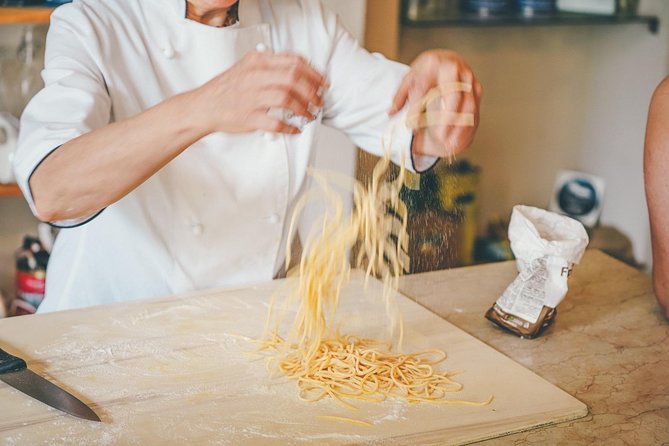
- Three hands-on Italian staples: Make fresh pasta, traditional risotto, and tiramisù from scratch with a chef.
- A small class: The maximum group size is 12, leaving room for help with tricky jobs such as rolling pasta dough.
- A meal you helped create: Sit down after class for lunch, with water and wine included.
- Local flavor: Risotto may be paired with seasonal ingredients or prepared as risotto all’Amarone, a Verona specialty using local wine.
- Useful take-home material: You receive recipes and tips so the class can continue in your own kitchen.
- Easy central meeting point: Meet at Via Teatro Ristori 7 at 10 a.m., then walk to the cooking venue.
Why this class works so well in Verona
Verona is full of major sights, but a cooking class gives you a different way to understand the city. Pasta, risotto, mascarpone, coffee, and local wine are not just items on a menu here. They are part of the everyday Italian table, and the class explains the simple methods behind them.
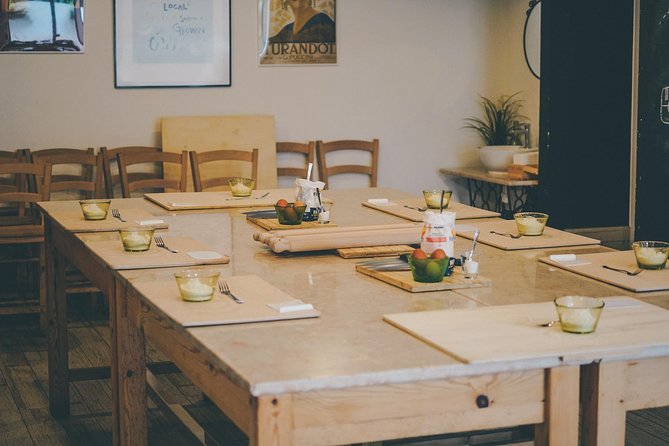
The cooking school is in central Verona. You meet your chef at Via Teatro Ristori 7, then walk together to the kitchen and dining space. Since hotel pickup is not included, you will need to reach the meeting point yourself. The location is near public transportation, which helps if you are staying outside the historic center.
The class starts at 10 a.m. That is a useful time for a food experience. You can enjoy a welcome aperitif and glass of wine, cook through the morning, and finish with lunch rather than trying to fit the class between two sightseeing stops. Plan on being occupied until roughly 1:30 p.m.
The group size matters. Twelve people is not private, but it is small enough for the chef to move around, watch your technique, and step in when needed. One of the jobs that can catch beginners is rolling fresh pasta into the right shape and thickness. The instructors are used to guiding people through that process rather than simply showing it once and moving on.
More Pasta Making Classes in Italy:
- Florence: Pasta Cooking Class with Unlimited Wine
★ 4.9 · 10,285 reviews - 3 in 1 Cooking Class near Navona: Fettuccine, Ravioli & Tiramisu
★ 5.0 · 7,376 reviews - Florence: Pasta & Tiramisu Cooking Class with Unlimited Wine
★ 4.9 · 6,708 reviews
Meeting the chefs and learning the Italian basics
The teaching style is a big part of the experience. The chef begins with the basics of Italian cooking and explains why simple food depends so much on good ingredients and careful technique. This is not a class built around complicated restaurant tricks. It focuses on methods you can repeat at home.
The available instructors vary by date. Laura is praised for giving clear explanations in English and for keeping close watch over a large class. Silvia is known for practical tips, humor, and recommendations for places to visit in Verona, Venice, and Bologna. Cristina, also referred to as Christina in some comments, is described as warm, patient, and especially good at explaining food traditions.
Simone has also led the class. The important point is that you are booking the experience rather than one guaranteed individual chef, so the instructor may differ from the names above. All teaching is offered in English.
The setting is described as clean and comfortable, with a layout suited to small groups. There is help with tidying as the cooking goes on, which lets you focus on the food rather than spending the whole morning managing the kitchen.
Fresh pasta, rolled by hand
Fresh pasta is usually the most tactile part of the morning. You work with the dough yourself, rather than watching a demonstration and receiving a finished portion. The chef shows you how the dough should feel and helps if it is too stiff, too soft, or difficult to roll.
The pasta is served with a seasonal sauce. Depending on the day, that may be tomato, vegetables, or ragù. This gives the dish some flexibility, but it also means the exact sauce is not fixed in advance. If you want a particular recipe, ask the chef during the class.
The value here is practical. You learn a method that does not depend on special equipment or a professional kitchen. A pasta machine may be useful at home, but the class centers on understanding the dough and handling it properly.
Pasta-making can be a little messy and may take patience. That is part of the appeal, but it is worth knowing if you want a polished demonstration with no work of your own. This is a participation-first class.
Risotto with a taste of Verona
Risotto gives the morning a different rhythm. Pasta asks you to work with your hands, while risotto asks you to pay attention to texture, timing, and gradual cooking. You make the dish with the chef and pair it with vegetables or a local version called risotto all’Amarone.
Amarone is the distinctive local wine associated with Verona, and using it in risotto connects the meal to the area rather than presenting a generic Italian menu. The exact preparation depends on seasonal ingredients and the class plan, so you may receive a vegetable risotto instead.
For many home cooks, risotto is useful to learn because the finished dish depends less on a strict timer than on watching how the rice changes. The chef can show you when it needs more liquid and when it has reached the creamy texture you want.
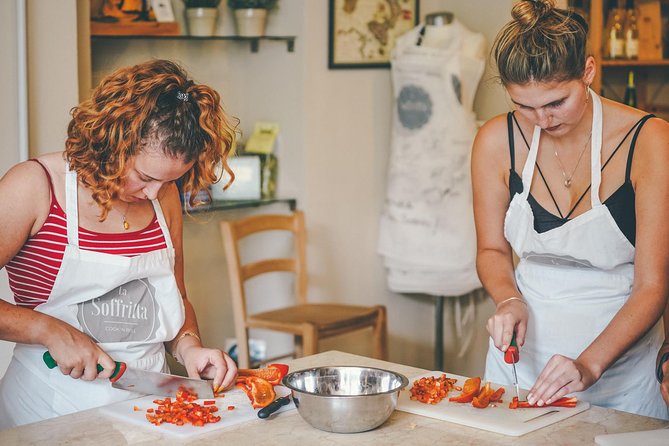
You should expect to take part in the cooking, not simply stir for a photo. The small group makes it easier to ask why a step matters and how to adapt the recipe in your own kitchen.
More Tiramisu and Dessert Classes in Italy:
- Rome: Pasta Making Class with Wine, Limoncello, and Dessert
★ 4.9 · 3,177 reviews - Rome: 3-in-1 Fettuccine, Ravioli, and Tiramisu Cooking Class
★ 4.9 · 2,704 reviews - Florence: Cooking Class Pasta & Tiramisu Making Unlimited Wine
★ 5.0 · 2,234 reviews - Fettuccine & Tiramisù: Cooking Class with Wine & Limoncello
★ 4.9 · 2,103 reviews
Tiramisù first, lunch later
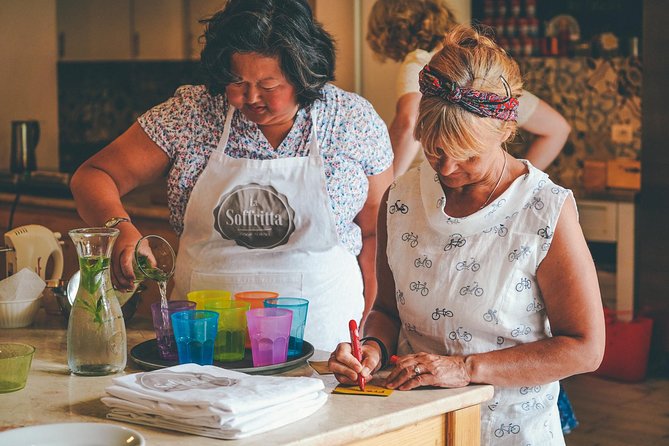
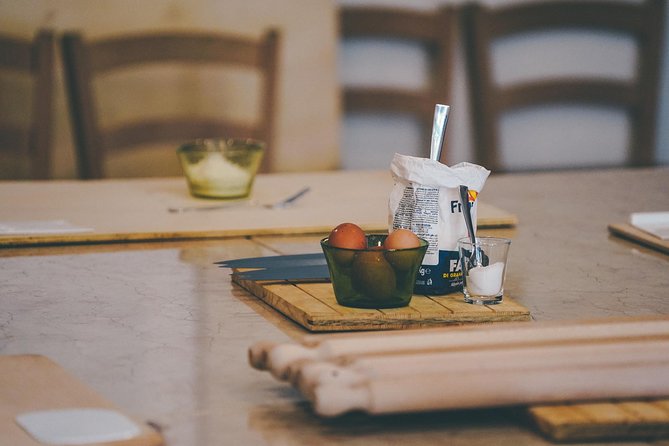
Tiramisù is the dessert lesson and one of the early steps may involve preparing the eggs. You build the dessert with coffee, liqueur, sponge cake, cocoa, and sweet mascarpone cheese. The result is familiar, but making it yourself shows how the layers and texture come together.
The class treats tiramisù as more than an easy final dish. The chef explains the preparation clearly and helps with the details that can affect the finished dessert. Since the meal is served after the cooking, the tiramisù becomes part of the lunch rather than a separate demonstration.
The menu usually centers on fresh pasta, risotto, and tiramisù. Tomato-topped bruschetta is also described as part of the food prepared during the session, though the exact menu can vary. If you have dietary restrictions, tell the provider when booking so the kitchen can assess what is possible.
Sitting down to eat what you made
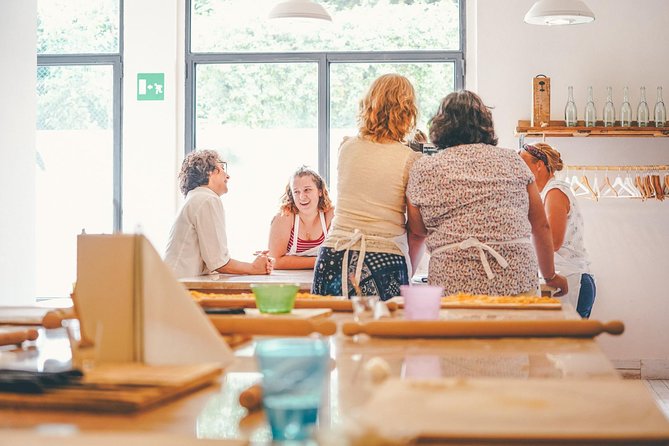
After the cooking, everyone sits at the table for lunch. This is where the class earns much of its value. You are not eating a meal prepared by someone else after a cooking demonstration. You are tasting the pasta, risotto, and tiramisù that the group has just made.
Water is included, as is wine during the activity and with the meal. The wine comes from the nearby Valpolicella region, giving the lunch a clear connection to Verona. A welcome glass of wine is also included at the start.
The meal is social without requiring you to make conversation all day. You cook alongside the group, then share the results at the table. If you are traveling alone, this format gives you an easy way to meet people. If you are traveling with family or a partner, you can work together and compare how your own pasta or dough turned out.
The food is the point, but lunch also gives you time to ask final questions. If you want to repeat a recipe at home, this is the moment to ask about substitutions, local ingredients, or cooking times.
What you take home besides a full stomach
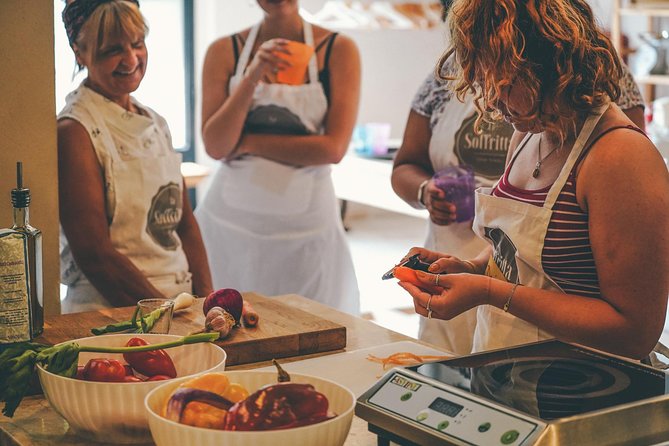
The recipe material is one of the strongest practical features. You receive a booklet with recipes and tips, and the recipe collection includes more dishes than the three prepared during the class. Some participants have also received access through a QR code, so check how your materials will be provided on the day.
This turns the class into something more lasting than a pleasant morning. You can try the pasta again, make the risotto with ingredients available at home, and prepare tiramisù for friends or family. The instructions are especially useful because you have already handled the dough and watched the chef correct common mistakes.
I would save the recipes on your phone as well as keeping the booklet. Cooking classes move quickly, and it is easy to forget a small detail by the time you return home.
Is $114.93 a fair price?
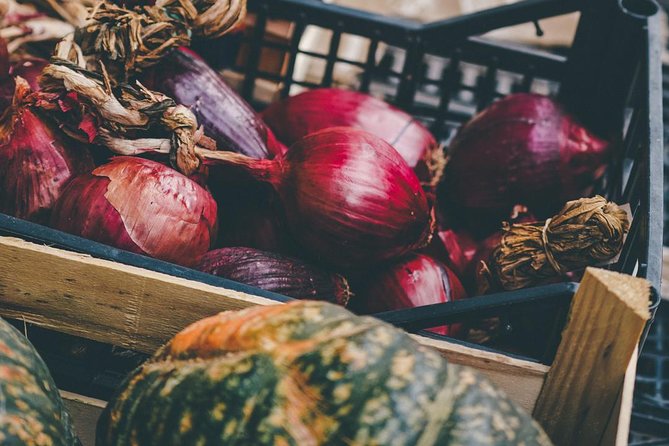
At $114.93 per person, this is not the cheapest lunch in Verona. You could eat pasta and risotto at a restaurant for less, especially if you skip the wine and dessert. But that comparison misses the main point of the booking.
The fee covers about three and a half hours with a chef, a welcome aperitif, hands-on instruction, all the food you prepare, lunch, wine, bottled water, and recipe materials. You are paying for a meal plus an activity that continues after your trip.
The value is best if you enjoy food, want to learn a usable skill, or prefer an experience that fills part of the day with active participation. It is less appealing if you only want a quick meal or if you dislike working with dough and following kitchen instructions.
The strong overall score, listed as 4.9 from 268 ratings with 98 percent recommending it, supports the idea that the format works for most people. Still, the isolated poor experience involved a booking and payment problem through the booking platform, not a complaint about the cooking itself. Double-check your confirmation date and payment status, especially if your plans change.
Who should book this morning class?
This suits couples, families with older children, solo visitors, and anyone who likes to bring home a skill rather than just a photograph. Children under 14 are not allowed, and anyone underage who can take part must be accompanied by an adult.
It is also a good choice for mixed cooking abilities. Experienced home cooks can ask about technique and substitutions, while beginners receive hands-on help. The instructors are described as patient when someone struggles with pasta dough, which matters more than a flashy demonstration.
You should think twice if you have limited mobility. The provider notes that some parts of the activity may not be easily accessible for people with reduced mobility or other disabilities. Contact the provider before booking if you need specific access information.
The class runs in rain or shine. Severe storms, unexpected extreme events, sudden closures, or transport problems can affect the experience, and a full refund is not guaranteed in every such case. Normal cancellation is more generous: cancel at least 24 hours before the 10 a.m. start for a full refund. Changes or cancellations inside that window are not accepted for a refund.
Should you book the Verona cooking class?
I would book this if you want a hands-on food experience with a proper sit-down meal at the end. The strongest reasons are the small group, patient English-speaking instruction, local Valpolicella wine, and the useful recipes you can recreate at home.
Book it early if your dates are fixed. It is often reserved more than a month ahead, with an average booking lead time of 36 days. Confirm the meeting point, check dietary needs in advance, and leave the morning free rather than squeezing the class between other appointments.
Skip it if you want a short, inexpensive lunch or prefer to watch rather than cook. For everyone else, this is a tasty and practical way to spend a morning in Verona, with enough instruction to make the experience last beyond the final spoonful of tiramisù.
FAQ
Where does the Verona cooking class begin?
Meet at Via Teatro Ristori, 7, 37122 Verona, Italy. From there, you walk with the chef to the cooking and dining venue in central Verona.
What time does the class start?
The class starts at 10 a.m. and lasts about three hours and 30 minutes.
Is the class taught in English?
Yes. The experience is offered in English.
What dishes will I make?
The class includes fresh pasta, traditional risotto, and tiramisù. The pasta may be paired with tomato, vegetables, or ragù, while the risotto may use vegetables or Amarone wine. Bruschetta may also be included.
Is lunch included?
Yes. You eat the dishes prepared during the class. Wine, bottled water, and a welcome aperitif with a glass of wine are included.
Is wine included?
Yes. Wine is included during the activity and lunch. The meal may include wine from the Valpolicella region.
Will I receive the recipes?
Yes. You receive an Italian cookbook or recipe booklet with recipes and cooking tips. The material may also include additional recipes beyond the dishes prepared in class.
Are children allowed to participate?
Children under 14 are not allowed. Underage participants who meet the age requirement must be accompanied by an adult.
Can I cancel for a full refund?
You can receive a full refund if you cancel at least 24 hours before the local start time. Cancellations or changes made less than 24 hours before the class are not refunded or accepted. If the minimum of two participants is not reached and the class is canceled, you will be offered another date or experience, or a full refund.
More Italian Cooking Classes around Italy
- Cooking Class and Lunch at a Tuscan Farmhouse with Local Market Tour from Florence
★ 5.0 · 4,831 reviews - Tuscan Cooking Class and Dinner in Florence
★ 4.5 · 732 reviews - Rome Pasta Making Class with Italian Sauces and Wine Included
★ 5.0 · 645 reviews - Tuscan Cooking Class
★ 5.0 · 584 reviews
New cooking classes around Italy
- Sestri Levante: Pesto & Cooking Classes, Wine Tasting★ 4.9 · 56 reviews
- Sardinia Cooking Class: Fresh Handmade Pasta★ 5.0 · 53 reviews
- San Gimignano: Tuscan Cooking Class★ 5.0 · 2 reviews
- San Gimignano: Truffle Cooking Class with Wine Tasting★ 5.0 · 5 reviews
- San Gimignano: “Hands in dough” Cooking Class with Lunch★ 5.0 · 6 reviews
- Salento: Authentic Cooking Experience with Fresh Pasta and Local Products★ 5.0 · 8 reviews
- ROME:Hands-On Lasagna & Marsala Tiramisu Cooking Experience”★ 5.0 · 3 reviews
- Rome: Private Wine Tour and Pasta Making Class in a Winery★ 5.0 · 6 reviews
Verona Cooking Classes, side by side.
Verona: Pasta and Tiramisu Cooking Class with Fine Wine
Read our review →
Verona: Pasta and Tiramisu Cooking Class With Free Flowing Wine
Read our review →
Verona: Hands-on Fresh Pasta and Tiramisù Cooking Class
Read our review →
Verona: Authentic Pasta Making Class with a Local Family
Read our review →This kitchen also appears in