
Review · COOKING CLASSES WORLDWIDE
Argentinian Empanadas Cooking Experience in Palermo, Bs As
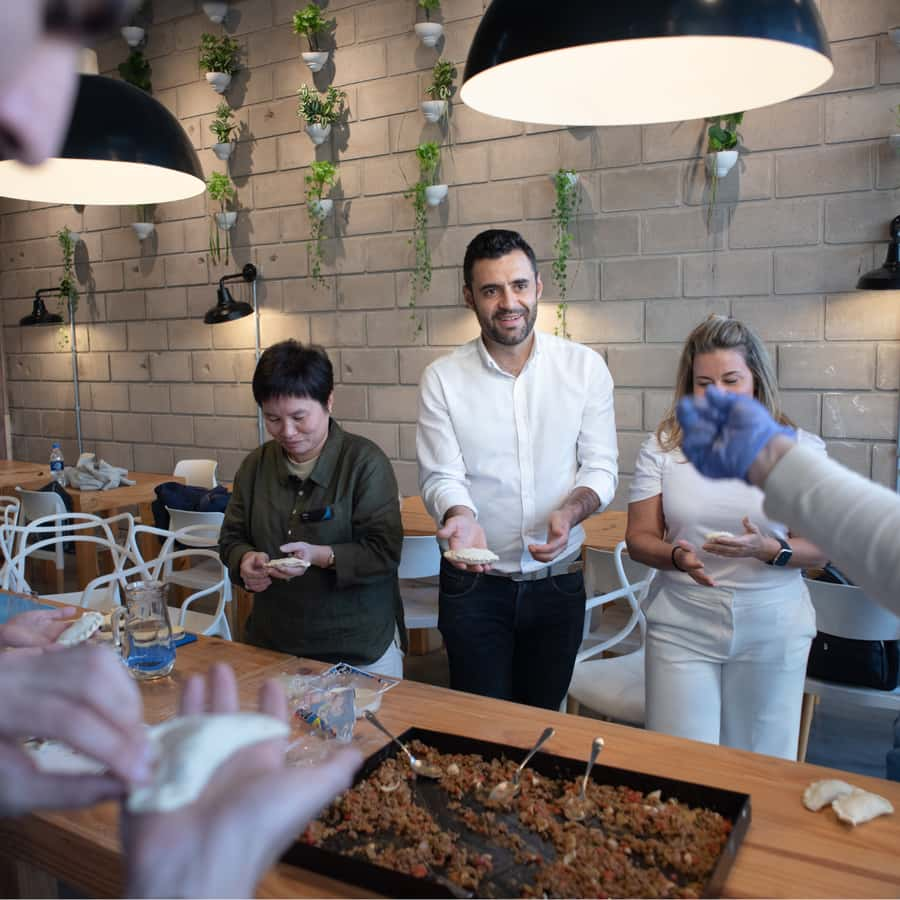
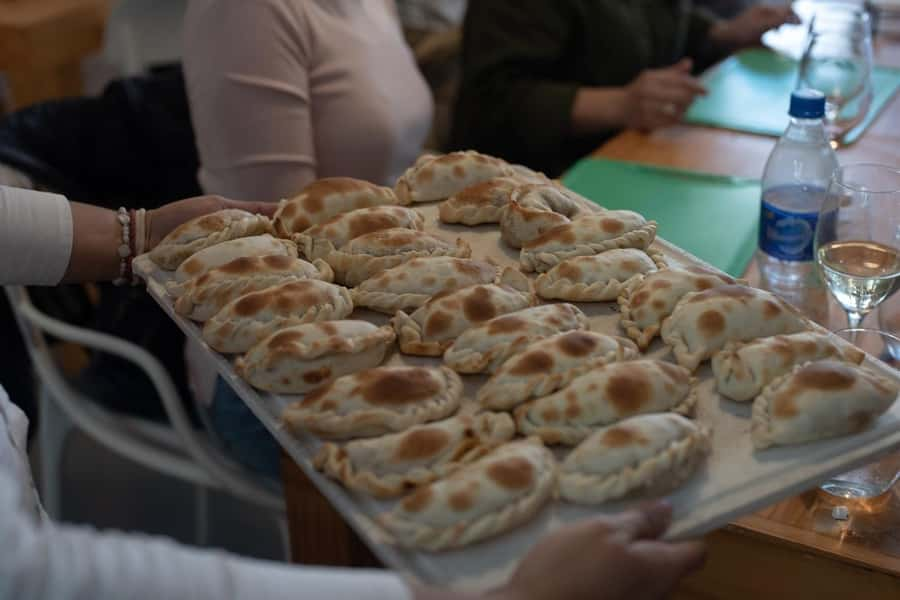
Argentine empanadas are more than a quick snack here. They are a point of family pride, regional debate, and friendly competition. In this 90-minute Palermo class, you’ll make them with a local chef, prepare the dough yourself, sip mate, and eat what you cook.
I like the hands-on format and the cultural talk that reaches beyond food into football and the economy. I also like that several instructors, including Carolina, Debora, Valentino, and Tomás, are praised for creating a warm class where you can ask questions and learn at a comfortable pace.
The main consideration is time. Ninety minutes gives you a focused introduction, not a long cooking workshop. You’ll need to make your own way to Palermo, and the meeting address appears as both Gorriti 4882 and Gorriti 4886, so confirm the exact number before setting out.
Key points to know before booking
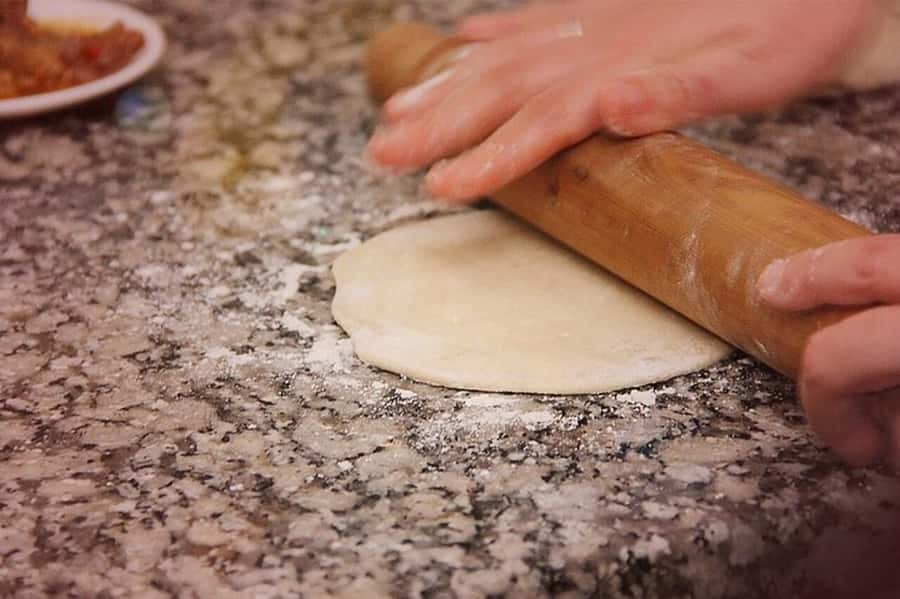
- Make the dough yourself: You are not simply folding ready-made pastries. The class includes preparing the dough and shaping your own empanadas.
- Mate is part of the lesson: You’ll drink mate while hearing about Argentine customs and everyday life.
- Food comes with cultural context: The chef connects empanadas with family traditions, football passion, and competition over cooking.
- Several language options: Instruction is available in English, Spanish, and Portuguese.
- A short Palermo activity: The class lasts 90 minutes, making it easy to fit into a day of exploring Buenos Aires.
- A welcoming teaching style: Carolina, Debora, Valentino, and Tomás are among the instructors named in feedback, with particular praise for friendly, clear instruction.
Why empanadas are a smart way to meet Argentina
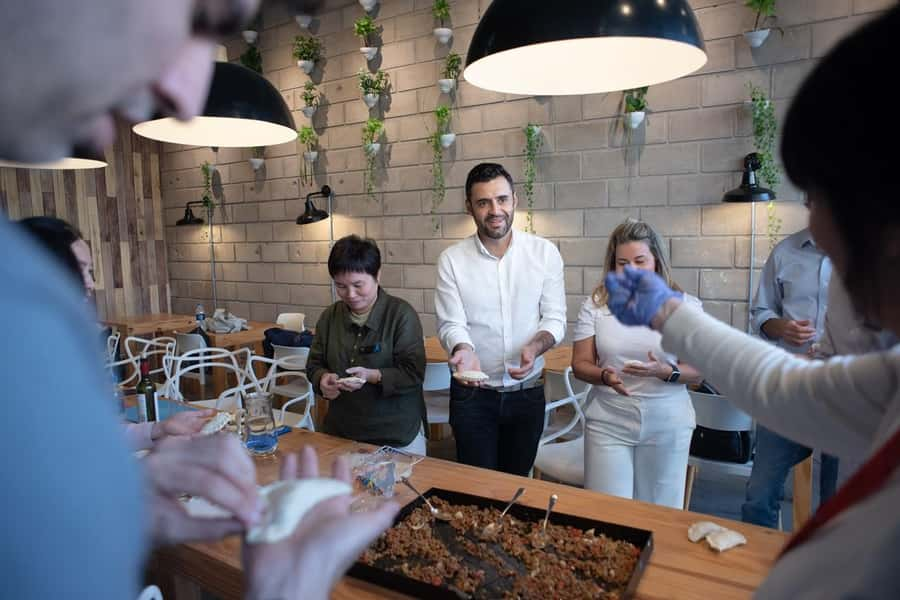
If you have only a short time in Buenos Aires, food can give you a quicker connection to local life than a standard sightseeing stop. Empanadas appear in homes, bakeries, casual restaurants, and family gatherings. Learning to make them lets you understand the dish through your hands, not just your appetite.
The class also presents empanadas as an old Argentine recipe and a source of strong personal opinions. Argentines may debate who makes the best empanadas much as they argue over football teams or barbecue. That makes the cooking lesson more than a recipe demonstration. You get a window into the pride and passion that shape conversation in Argentina.
I like that the cultural material is tied to the activity itself. While you work, the chef explains how food connects with football stadiums and the economy. You are not expected to sit through a separate lecture, then cook afterward. The stories are designed to come up as part of the meal preparation.
That approach suits you if you want an introduction to Argentina that feels social and practical. It is less useful if you only want a fast meal or a polished cooking show with little participation.
More cooking classes around the world:
- Half-Day Thai Cooking Class at Organic Farm in Chiang Mai
★ 5.0 · 19,087 reviews - Florence: Pasta Cooking Class with Unlimited Wine
★ 4.9 · 10,285 reviews - 3 in 1 Cooking Class near Navona: Fettuccine, Ravioli & Tiramisu
★ 5.0 · 7,376 reviews
Arriving in Palermo for the 90-minute class
The meeting point is on Gorriti in Palermo, at an address listed as either 4882 or 4886. Since the two numbers differ, I would check the final confirmation carefully and allow enough time to find the correct entrance. Transportation is not included, so you are responsible for getting there.
Palermo is a useful setting for this kind of activity. The class gives you a reason to spend time in one of Buenos Aires’s well-known city neighborhoods, rather than rushing from one major sight to the next. The activity itself takes place indoors, and it runs in rain or shine, so it can also fill a wet afternoon.
The schedule lasts 90 minutes. That is long enough for a clear introduction to the dish, active preparation, mate, conversation, and a shared meal. It is not long enough for a leisurely multi-course workshop, and the pace may feel brisk if you like to stop often for photos or ask detailed cooking questions.
I see the compact length as a benefit for most people. You can place it between sightseeing plans without giving up half a day. Families, couples, and small groups looking for an easy cultural activity may find the timing especially convenient.
Making the dough instead of watching a demonstration
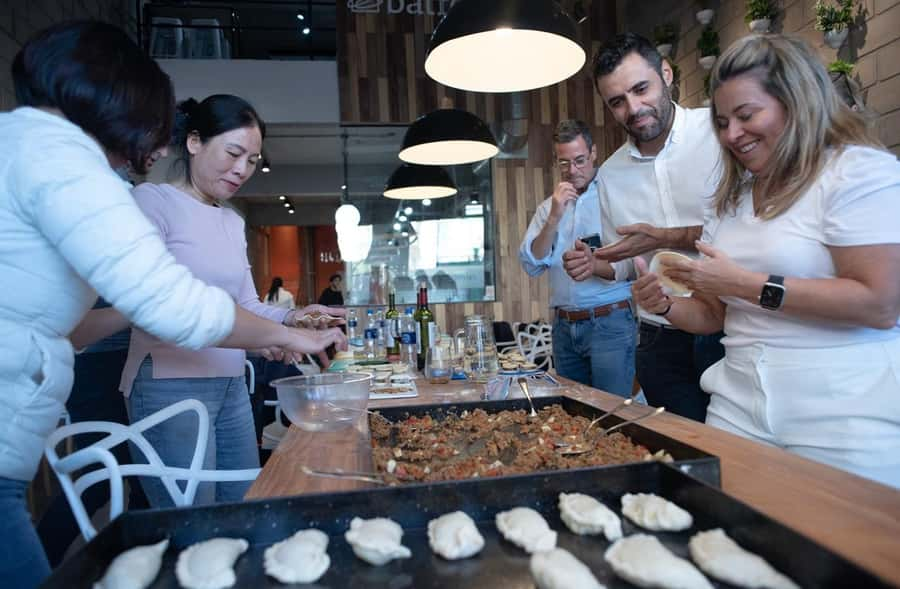
One of the most useful details is that you make the dough yourself. That matters because dough is part of what gives an empanada its character. You get to handle the ingredients, follow the steps, and learn the small tricks that are hard to pick up from a recipe card.
The class supplies the ingredients and kitchen items, so you do not need to bring equipment. A professional local instructor leads the work and guides you through the process. The exact fillings and cooking methods are not specified, so do not book this expecting a fixed menu unless the provider confirms it beforehand.
You can expect a practical sequence: follow the chef’s instructions, work with the dough, create your empanadas, and prepare them as part of the group activity. The purpose is not just to see how empanadas are made. You are expected to take part.
That is particularly useful if you want to repeat the recipe at home. A cooking demonstration can look simple from across a room, but making the dough and shaping the pastry helps you remember the process. One especially strong piece of feedback came from a couple who felt confident they could make empanadas at home afterward.
I would still keep expectations sensible. A 90-minute class cannot cover every regional variation or turn you into an expert. Think of it as a solid first lesson, with enough technique and cultural background to get you started.
Sharing the table after the cooking
The final part is the meal. You share the empanadas you prepared around the table and trade stories while eating. This shared ending gives the activity a social purpose that a simple food tasting does not have.
I like the sense of payoff. You do the work, then eat the result with the people around you. The food is not presented as a sample from a kitchen somewhere out of sight. It is the direct result of the group’s effort.
The atmosphere also seems important here. Debora is praised for creating a warm and welcoming setting, while Carolina is described as a terrific instructor. Valentino is singled out for making the event enjoyable, and Tomás is praised for leading a strong gastronomy lesson. Since instructors can vary, your exact style may depend on who leads the session, but the repeated pattern is clear: expect active teaching and conversation rather than a formal, silent class.
A birthday request also received thoughtful handling. The company arranged a special cocktail and a small birthday cake for one couple. That is not a standard feature listed for every booking, so you should not assume it is included. Still, it suggests that the provider may respond well to special requests if you contact them before the experience.
Same kitchen, a different dish:
- Florence: Pasta & Tiramisu Cooking Class with Unlimited Wine
★ 4.9 · 6,708 reviews - Florence: Pasta Cooking Class with Unlimited Wine
★ 5.0 · 6,413 reviews - Hanoi Cooking Class: Culture, Local Market & Meaning CSR Impact
★ 5.0 · 5,147 reviews - 5 Traditional Dishes Hanoi Cooking Class with Market Trip
★ 5.0 · 4,890 reviews
Mate adds the Argentine context
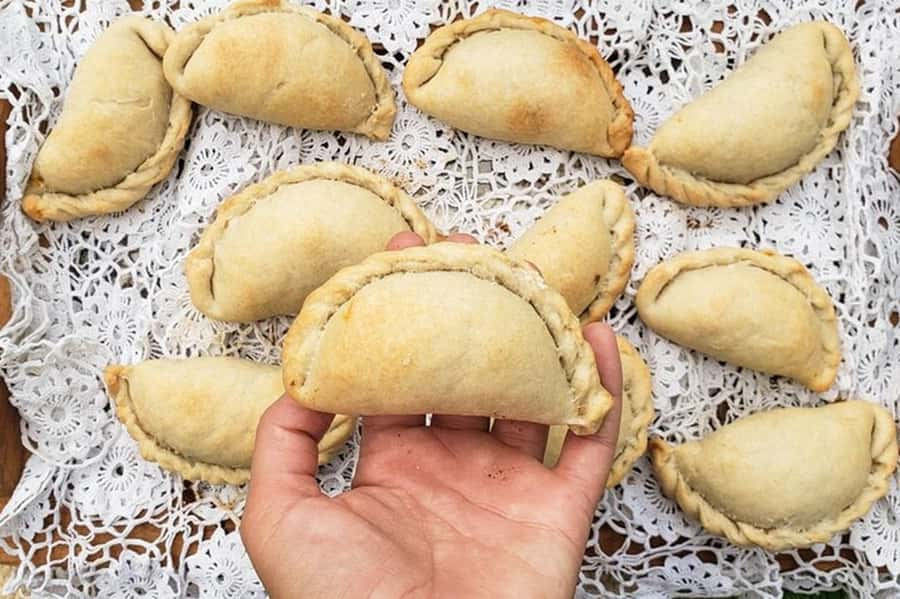
Mate is included, and it is more than a drink placed on the table. It is closely tied to social life in Argentina, where sharing mate can create an easy reason to sit, talk, and spend time together.
The class uses mate as part of the cultural conversation. You can learn how the drink fits into local customs while preparing food. That pairing works well because both mate and empanadas are connected with ordinary home life rather than only with restaurants.
If you have never tried mate, this is a low-pressure way to encounter it. You can taste it while the chef explains its place in Argentine culture. The available details do not specify how mate is served or whether alternatives are offered, so ask in advance if you have dietary or drink-related concerns.
I see this as one of the most valuable parts of the price. You are paying for ingredients and instruction, but also for the conversation that makes those ingredients meaningful. The mate helps move the class from basic cooking practice toward a more personal look at life in Argentina.
Food talk that reaches football and the economy
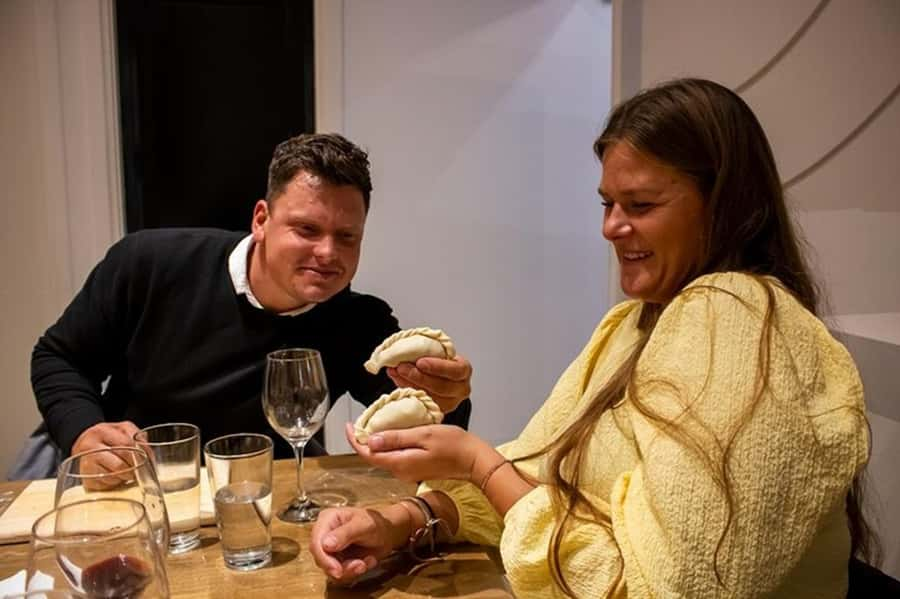
The cultural discussion goes beyond the usual short explanation of ingredients. The chef talks about Argentine passion and how it appears in football stadiums and the economy. That gives you a broader sense of how strongly people connect emotion, identity, and public life.
This may be the best feature for you if you enjoy asking questions and learning through conversation. The class is not only about copying a recipe. It gives you a local point of view on why food matters and why people can care so intensely about how a dish is made.
The exact depth of this discussion will depend on the instructor and the group. A 90-minute class has limits, so you should not expect a full seminar on Argentine society. Still, the subject gives the activity more substance than a standard cooking stop built around instructions alone.
I also like the relaxed tone suggested by the format. You cook, drink mate, talk, and eat. That combination should feel more like an informal gathering than a technical course.
How the $46 price measures up
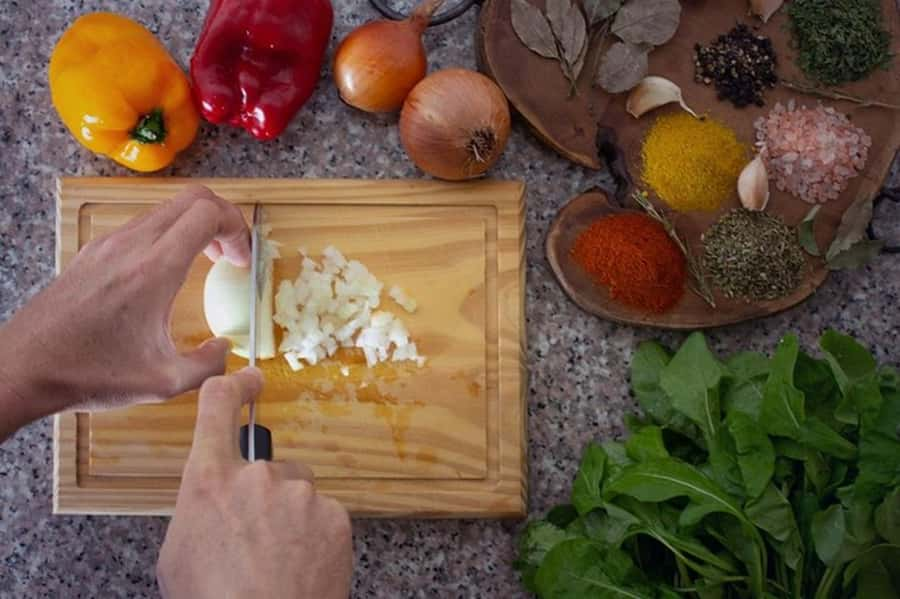
At $46 per person, this is not the cheapest way to eat empanadas in Buenos Aires. You could buy the finished dish for less. The value comes from the instruction, the ingredients, the kitchen equipment, the mate, and the chance to make the food yourself.
For me, the price makes the most sense when you want a memorable activity, not just lunch. You receive a local instructor, a prepared cooking setup, and a shared meal within 90 minutes. You also avoid paying separately for a restaurant meal during that part of your day.
The value is stronger for couples, families, and friends who enjoy doing something together. It can also work for solo visitors who like meeting people through food, though the experience is framed around sharing the table and trading stories.
The cost may feel less worthwhile if you already know how to make empanadas or if you prefer independent eating. It may also be too much for someone mainly interested in tasting several kinds of empanadas, since this is a preparation class rather than a tasting tour.
The overall rating is 4.8 from 50 reviews, which supports the idea that the teaching and atmosphere are the main strengths. The most useful pattern is not simply the high score. It is the repeated praise for friendly instructors, clear guidance, quality ingredients, and a comfortable social mood.
Language, access, and practical details
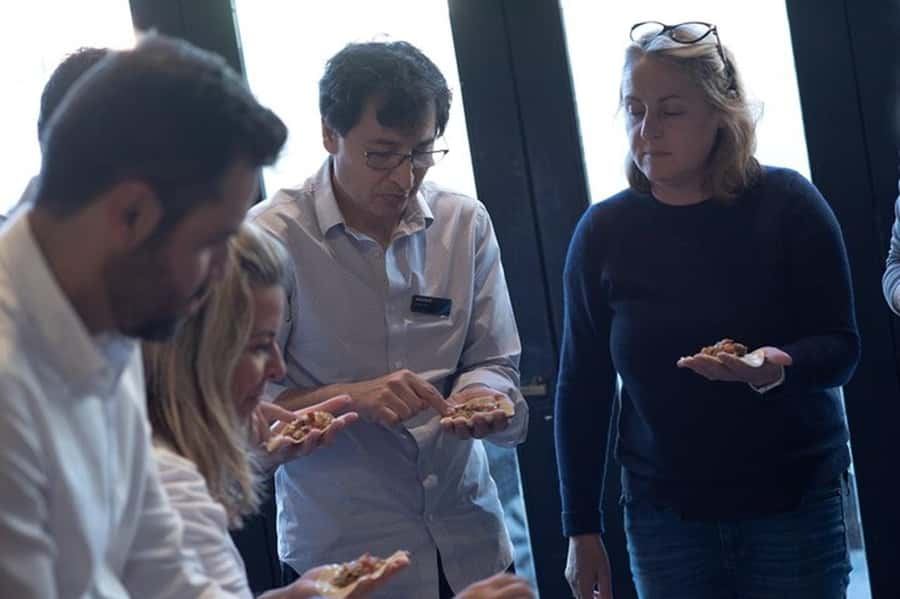
You can take the class in Spanish, English, or Portuguese. That is helpful in Buenos Aires, especially if you want to ask questions while working with the dough. Choose the language in which you can best follow spoken instructions, since the class is short and hands-on.
The activity is wheelchair accessible. The supplied information does not provide further details about entrances, kitchen layout, or restroom access, so contact the provider if you need specific arrangements.
Transportation is not included. You need to reach the Palermo meeting point yourself. Check the address because both Gorriti 4882 and Gorriti 4886 appear in the details.
The class operates in rain or shine. That makes it a dependable choice for a day when outdoor plans may fail. Free cancellation is available up to 24 hours before the experience for a full refund, and you can reserve now and pay later. These policies are useful if you are still adjusting a Buenos Aires itinerary.
Who will get the most from this cooking class
I would recommend it most to you if you:
- Want a practical introduction to Argentine food
- Enjoy cooking with a local instructor
- Like cultural conversation alongside a meal
- Are staying in or near Palermo
- Have 90 minutes available for a focused activity
- Want to learn a recipe you can try at home
- Prefer a social experience to a simple restaurant visit
Families should find the participatory format appealing, although the available details do not specify a minimum age. Couples can use the class as a relaxed shared activity, and the birthday arrangement shows that special occasions may be possible with advance contact.
It may be less suitable if you need a very long lesson, want a detailed study of regional empanada styles, or dislike group cooking. The instructor names and class mood can vary, so the experience will not be identical every time.
Should you book this Palermo empanada class?
I would book it if you want to understand Argentina through food and conversation, not just order a plate and move on. The strongest reasons are the homemade dough, the mate, the shared table, and the way the chef connects food with Argentine passion, football, and daily life.
The main limits are clear: it lasts only 90 minutes, transportation is your responsibility, and you should confirm the Gorriti address. At $46, the class is worth it when you value the lesson and social setting as much as the meal itself.
If that sounds like your kind of afternoon, this is a practical, friendly introduction to Argentine cooking in Palermo. If you only want a cheap empanada, spend less at a bakery and save your time for another activity.
FAQ
How long does the empanada cooking experience last?
The activity lasts 90 minutes.
How much does the experience cost?
The listed price is $46 per person.
Where does the class meet?
The meeting point is on Gorriti in Palermo, Buenos Aires. The information gives both Gorriti 4882 and Gorriti 4886, so confirm the exact address before going.
Is transportation included?
No. Transportation to the meeting point is not included.
What is included in the price?
Ingredients, kitchen items, a professional local instructor, and mate are included.
Which languages are available?
The experience is offered in Spanish, English, and Portuguese.
Is the activity wheelchair accessible?
Yes, the activity is listed as wheelchair accessible.
Does the class include mate?
Yes. Mate is included and is served alongside cultural information during the class.
Can I cancel for a full refund?
Yes. You can cancel up to 24 hours in advance for a full refund.
Can I reserve now and pay later?
Yes. You can reserve your place and pay later.
Does the class run if it rains?
Yes. The experience takes place in rain or shine.
New cooking classes around the world
- Shinjuku Tokyo: Authentic Japanese Home-Style Culinary Class★ 4.9 · 125 reviews
- Shibuya Tokyo: Onigiri & Tamagoyaki Cooking Class★ 5.0 · 4 reviews
- M.O.M COOKING CLASS★ 4.8 · 6 reviews
- Seville: Paella-Cooking Experience with Sangria & Full Meal★ 4.9 · 42 reviews
- Shanghai: Authentic Chinese Cooking Class with Master Chef★ 5.0 · 2 reviews
- Sestri Levante: Pesto & Cooking Classes, Wine Tasting★ 4.9 · 56 reviews
- Seville: Paella Cooking Class & 30-Min Local Expert Q&A★ 4.8 · 37 reviews
- Seoul: Korean Kimchi Cooking Class in the Heart of the City★ 5.0 · 3 reviews