Review · HUE
Hue: Vietnamese Cooking Class in Local Home & Market trip
Hue’s best food lesson begins before you reach the kitchen. You’ll walk through a local market, choose ingredients for the meal, then take them to a family home and cook with a local chef. It is a practical way to see how everyday Vietnamese food comes together, not just a demonstration from behind a counter.
I like the hands-on cooking and the small group limit of 10 people. I also like the personal touch reported from Rosa, who guides visitors through the market and then hosts the cooking session at her home. The main drawback is that the menu can change with ingredient availability, and the experience is not suitable for wheelchair users.
Key points to know before booking
- Market shopping comes first: You help buy the fresh ingredients used in your own meal.
- You do the cooking: The chef gives directions and assistance, but this is not a watch-only class.
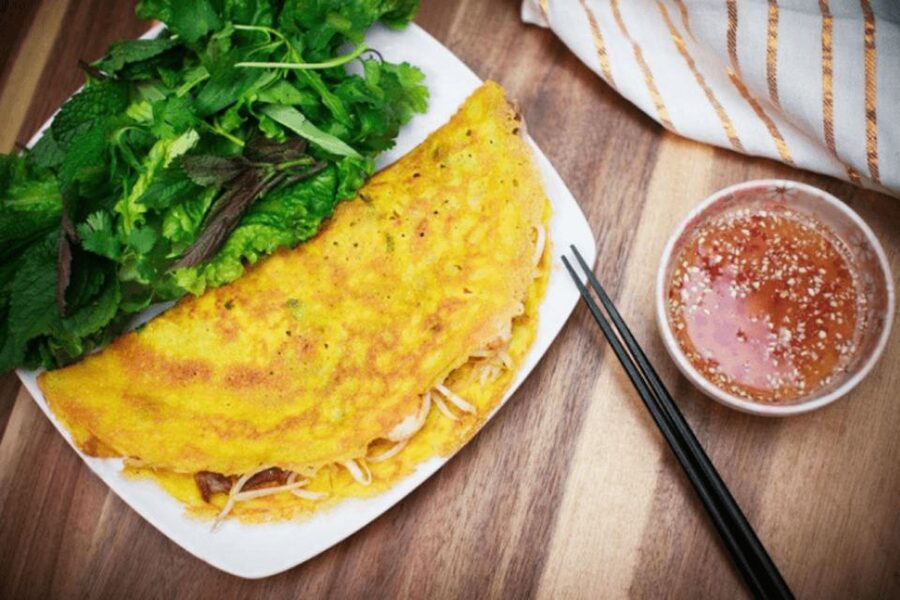
- Four Hue-style dishes: The planned menu includes green mango salad with shrimp, lemongrass chicken, nem lui, and Hue peanut sauce.
- A family-home setting: The class takes place in a local home rather than a large cooking school.
- Lunch or dinner is included: The food you prepare becomes your meal at the end.
- Small and flexible: Groups are limited to 10, with morning and afternoon departures.
Why the market visit makes this class worthwhile
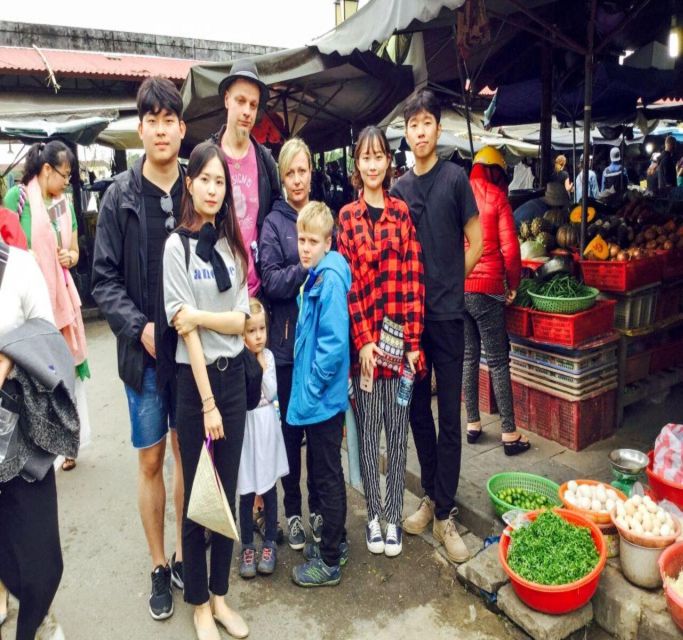
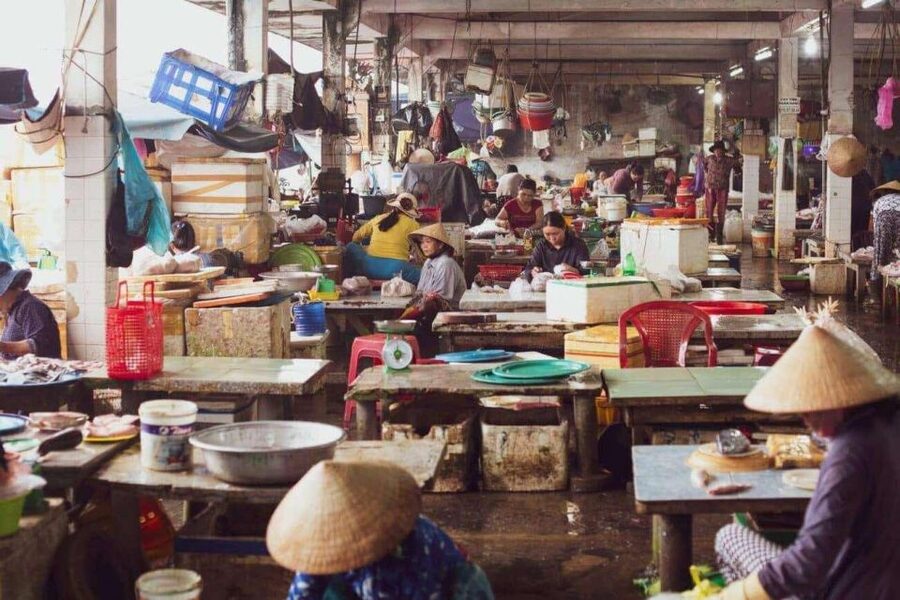
The first part of the experience takes you into a local market in Hue. The guide helps you buy the ingredients for the class, and you have time to take photos. That simple shopping trip gives the cooking lesson a useful beginning: you see the raw produce, herbs, meat, seafood, and sauces before they are chopped, seasoned, and cooked.
I like this approach because it connects the food on your plate with the way it is bought and prepared. You are not simply handed a set of premeasured ingredients. Instead, you take part in a small piece of daily life, with the guide helping you understand what is being selected.
The market visit is also a good reason to choose this experience over a standard hotel cooking demonstration. A hotel class may be more polished, but a local market can give you a clearer sense of what people in Hue buy for their kitchens. The tour information does not promise a formal market lecture or a fixed list of stalls, so expect a guided shopping stop rather than a full food history tour.
You can take as many pictures as you like, but bring comfortable shoes. Market floors and streets may not be the place for delicate footwear, and the activity involves moving around before the cooking begins. Large bags and luggage are not allowed, so leave those at your hotel.
More Cooking Classes with a Market Tour in Vietnam
- Hanoi Cooking Class: Culture, Local Market & Meaning CSR Impact
★ 5.0 · 5,147 reviews - 5 Traditional Dishes Hanoi Cooking Class with Market Trip
★ 5.0 · 4,890 reviews - Cooking Class Hoi An:Local Market, Basket Boat, Fishing & Cooking
★ 5.0 · 3,660 reviews
From Hue’s streets to a family kitchen
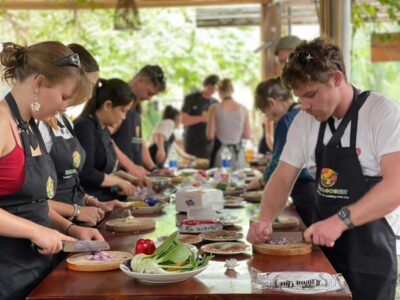
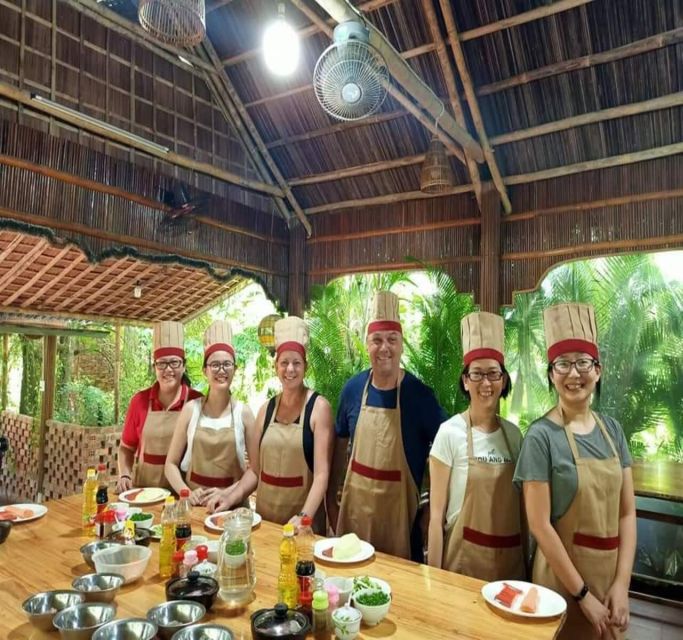
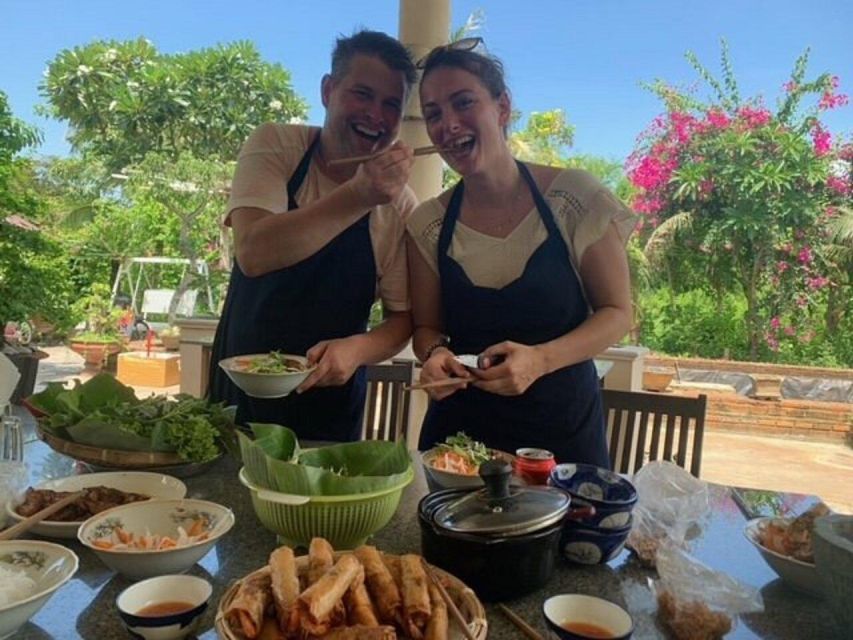
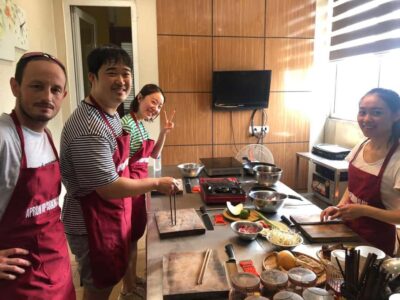
After the market visit, the group moves to a local family home for the cooking class. The morning schedule reaches the home at about 10:30, while the afternoon schedule arrives at about 15:00. A local chef leads the session in English and gives you directions as you prepare each dish.
This setting is the heart of the experience. You are cooking in a family home, not sitting in rows while someone else does all the work. The supplied details describe the class as hands-on, with the chef providing direction and assistance. That makes it a good choice if you want to learn techniques you can try again at home.
The class is limited to 10 participants. That is small enough to make personal help more likely, though the exact amount of individual attention will depend on the group and the pace of the cooking. If you are new to Vietnamese food, tell the chef when you need help. The point is to take part, not to produce a restaurant-perfect dish on your first try.
The local setting also means you should keep your expectations sensible. This is not presented as a professional culinary school, and no advanced cooking background is needed. It is a friendly cultural activity built around a shared meal. You will learn by doing, with a guide nearby to correct or assist you.
Rosa is the guide name connected with the strongest praise for the experience. She takes the group through the market and then brings the cooking lesson into her home. If Rosa is your guide, you can expect the experience to have a particularly personal feel. Guide availability can vary, so do not assume she will lead every departure.
Four dishes, from green mango salad to nem lui
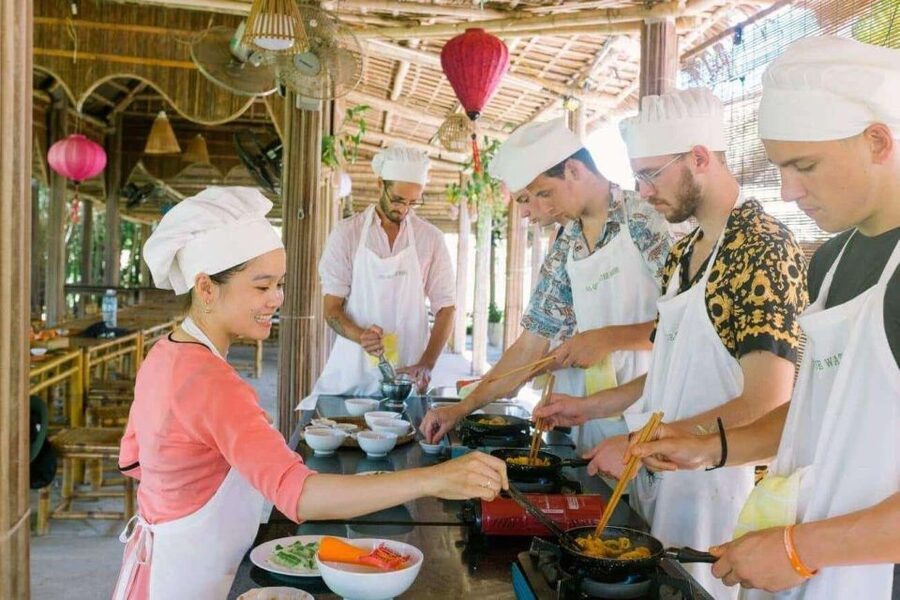
The planned menu gives you a useful range of Vietnamese flavors and cooking methods:
- Green mango salad with shrimp
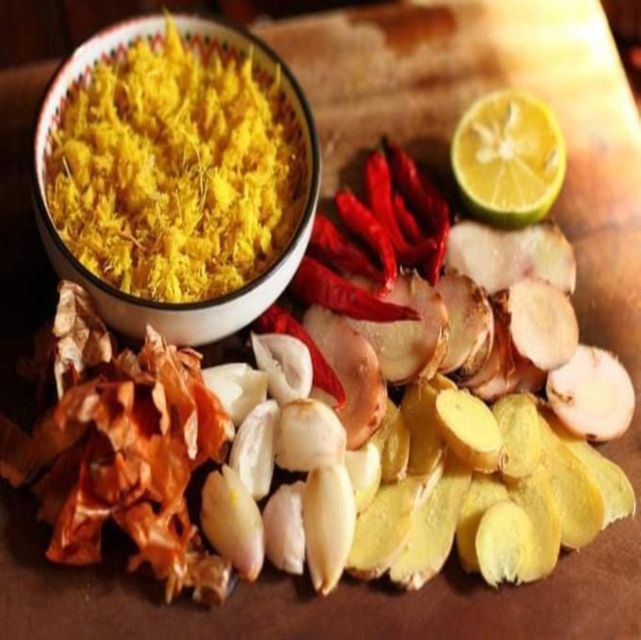
- Chicken with lemongrass and chili
- Nem lui, grilled pork on lemongrass
- Hue peanut sauce
The green mango salad offers a fresh and sharp start. Shrimp adds substance, while the mango brings a crisp, sour element. It is a good introduction to the way Vietnamese meals balance fresh ingredients with strong seasoning.
The chicken with lemongrass and chili gives you a warmer, more fragrant dish. Lemongrass is one of the most familiar flavors in Vietnamese cooking, and working with it in a home kitchen helps you understand how it is used rather than simply tasting it in a finished dish.
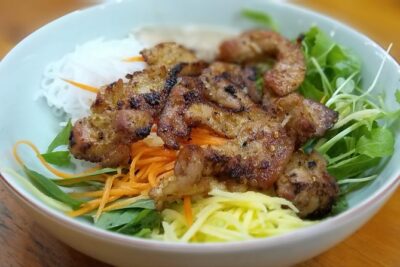
Nem lui is the most specifically Hue-style item on the menu. It is grilled pork associated with the city and served with lemongrass. Learning to prepare it gives the class a local identity, rather than offering only broad Vietnamese standards found across the country.
The Hue peanut sauce ties the meal together. Sauces matter in Vietnamese food because they can change the balance of a dish at the table. Preparing one yourself gives you a better sense of how dipping sauces support grilled meat, fresh vegetables, and herbs.
The menu may change slightly depending on what ingredients are available. That is worth keeping in mind if you are booking mainly for one particular dish. It is also a natural result of shopping locally, where the day’s ingredients help shape the meal.
Vegetarian and vegan versions are available if requested when you book. Make that request in advance, since the published menu includes shrimp and chicken. No separate dietary details are provided, so you should explain any important restrictions clearly before the class begins.
Eating what you prepared at 12:30 or 17:00
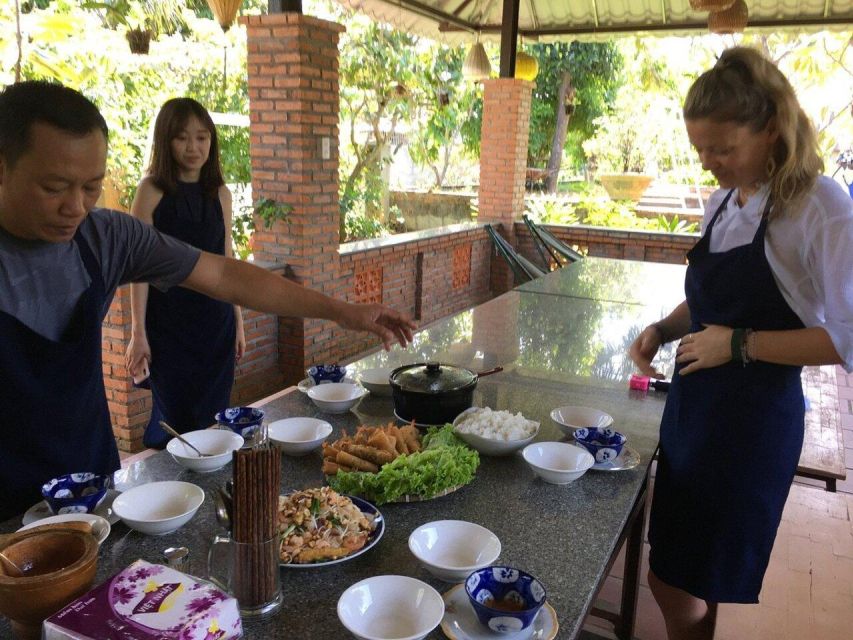
The meal comes after the cooking. For the morning departure, lunch is scheduled for about 12:30. For the afternoon departure, dinner is around 17:00. You eat the dishes you prepared, along with the included soft drink or water.
This timing makes the class easy to fit into a day in Hue. The full activity lasts about four hours, including hotel pickup, market shopping, cooking, eating, and the return trip. You are not rushing straight from the market to the table, but you are also not giving up an entire day.
I like the meal structure because it gives the class a clear reward. You see the ingredients, prepare the food, and then sit down to eat it. The meal is not an extra stop added to the schedule. It is the natural end of the lesson.
The food you make may not look exactly like a restaurant plate, and that is part of the appeal. You are learning a process, not buying a tasting menu. If you value polished presentation above participation, this may feel basic. If you want a meal with a story behind it, the format works well.
The class ends around 13:30 after the morning departure and around 18:00 after the afternoon departure. The guide then returns you to your hotel or meeting point in central Hue.
More Home Cooking Classes in Vietnam
- Hoi An: Traditional Cooking Class & meal with Local Family
★ 4.9 · 396 reviews - Da Nang Authentic Home Cooking Class
★ 5.0 · 354 reviews - Hoi An: Vegetarian Cooking Class w Local Family and transfer
★ 4.9 · 145 reviews - My Grandma’s Home Cooking Class in Hoi An
★ 5.0 · 124 reviews
Morning or afternoon: choosing the better departure
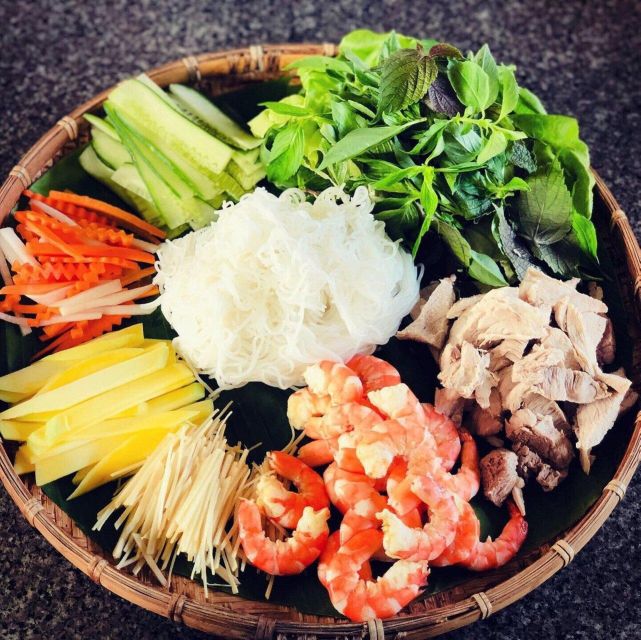
You can choose a start around 9:30 or 14:00, subject to availability. Both options follow the same pattern, with a market visit, cooking class, meal, and return to central Hue.
The morning option is useful if you want your afternoon free for other sightseeing. You finish around 13:30, leaving time for Hue’s Imperial Palace area or other plans. It also turns the meal into lunch, which may suit you if you prefer a lighter schedule later in the day.
The afternoon option begins around 14:00 and ends around 18:00. This can work well after a morning of sightseeing, especially if you want a relaxed food activity rather than another historical stop. Dinner follows the cooking class, so you can finish the day with a meal already arranged.
Pickup is included from hotels and meeting points in Hue city center, around the Hue Imperial Palace. If you are staying outside that area, confirm the meeting point before booking, since free pickup is specified for central Hue.
What the $38 price includes
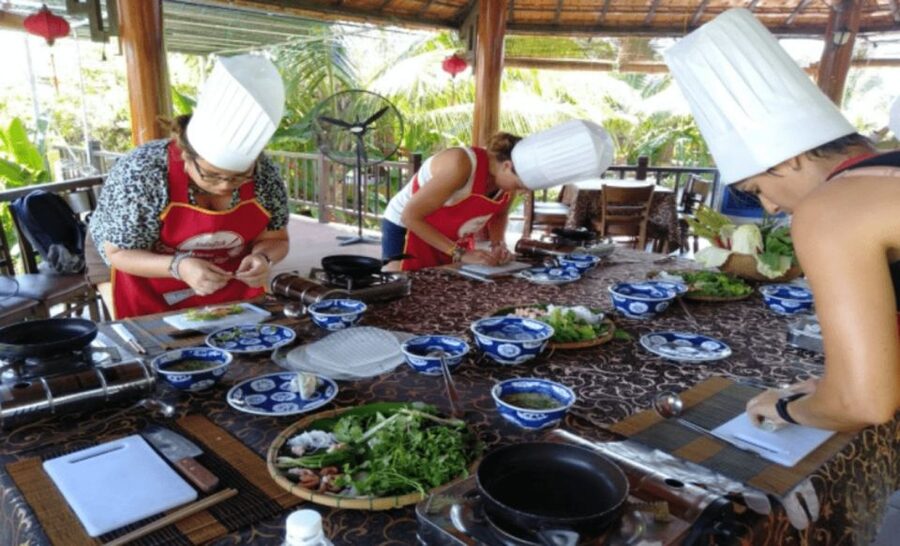
At $38 per person, this is priced as a small cultural activity rather than a cheap meal. You are paying for the guide, transport from a central Hue hotel or meeting point, the market trip, instruction in a family home, the food, and lunch or dinner.
That is fair value if you would otherwise pay separately for a market tour and a cooking class. The food itself is only part of the cost. You also get several hours of guided activity, the chance to prepare the dishes yourself, and the convenience of a meal at the end.
The value is strongest for people who enjoy participation. If you only want to eat Hue food, a restaurant will be less expensive and more efficient. If you want to understand the ingredients and take home practical ideas, the class offers more than a simple lunch.
The price includes one soft drink or water. Personal expenses and anything not specifically mentioned are extra. There is no indication that alcoholic drinks, additional beverages, or special purchases at the market are included, so budget separately for those if needed.
Who will get the most from this four-hour class
This experience fits couples, families with older children, solo visitors, and small groups of friends who enjoy food and direct contact with local life. The small group size should make it easier to ask questions and work at the cooking station.
It is especially useful for first-time visitors to Hue who want an activity beyond monuments. The market and family-home setting add a local angle, while the meal gives the class a clear structure. You do not need to know Vietnamese cooking before you arrive.
Children under 4 years old go free, but they do not join the cooking class. They share the services and food with their parents. That arrangement can suit a family that wants to bring a very young child, though the adult should expect to manage the child during the hands-on portion.
The experience is not suitable for wheelchair users. It also does not allow pets or large bags. Comfortable shoes are the main item to bring, and you should arrive ready to move through the market and take part in the kitchen work.
The practical limits of a home-based experience
The home setting is a major advantage, but it can also mean less standardization than a commercial cooking school. Ingredient availability may change the menu, and the space may be designed for family cooking rather than full tourist access.
That is not a flaw for everyone. I would choose this format if I wanted a personal, ordinary setting and did not need a highly polished class. I would choose a more formal cooking school if I wanted fixed recipes, professional equipment, or a detailed culinary curriculum.
The class is conducted in English. The experience provider is Dich vu du lich lang que Cam Thanh. The published rating is 5 out of 5 from 9 reviews, with particular praise for the market visit, the traditional dishes, and Rosa’s friendly guidance. Those details point to the strongest part of the activity: the combination of shopping, cooking, and personal hosting.
Free cancellation is available up to 24 hours before the start for a full refund, and you can reserve now and pay later. Those terms are useful if your Hue schedule may shift, but check the current departure availability before making firm plans.
Should you book this Hue cooking class?
Book it if you want to do more than sample Vietnamese food. The market stop, hands-on work, and meal in a local family home form a complete four-hour experience, and the $38 price includes the main practical costs.
I would especially recommend it to anyone who values small groups and personal contact. Rosa’s market-to-home format is a strong reason to choose this class when she is available. The main reasons to pass are a need for wheelchair access, a dislike of flexible menus, or a preference for a polished restaurant-style lesson.
For most food-minded visitors staying in central Hue, this is a useful and fairly priced way to spend half a day. You shop for the meal, help cook it, and then sit down with the people who guided you through it. That is a better connection to Hue’s food culture than simply ordering one more dish at a restaurant.
FAQ
How long does the Hue cooking class last?
The activity lasts about four hours, including the market visit, cooking class, meal, and return to your hotel or meeting point.
What time does the cooking class start?
Morning departures start around 9:30, and afternoon departures start around 14:00. Check availability for the exact starting time.
Where does hotel pickup take place?
Free pickup and drop-off are available from hotels or meeting points in Hue city center, around the Hue Imperial Palace.
Is the market visit included?
Yes. The guide takes you to a local market to buy fresh ingredients for the cooking class, and you can take photos there.
Is the cooking class hands-on?
Yes. You prepare and cook the food yourself with directions and assistance from the local chef.
What dishes are on the menu?
The planned menu includes green mango salad with shrimp, chicken with lemongrass and chili, nem lui with grilled pork and lemongrass, and Hue peanut sauce.
Can the menu be changed?
Yes. The menu may change slightly depending on ingredient availability.
Are vegetarian or vegan meals available?
Yes. Vegetarian and vegan options are available when requested during booking.
Are children under 4 allowed to join?
Children under 4 years old are free, but they do not take part in the cooking class. They share the services and food with their parents.
Is the activity suitable for wheelchair users?
No. The experience is not suitable for wheelchair users. Comfortable shoes are recommended, and pets and large bags are not allowed.
More Vietnamese Cooking Classes around Vietnam
- Vietnamese Food Cooking Class in Hanoi with Market Experience
★ 5.0 · 778 reviews - Hoi An/Da Nang: Vietnamese Cooking Class with Transportation
★ 4.9 · 297 reviews - Hanoi Cooking Class: Pho/Bun Cha/Banh Xeo…+Free Egg/Salt Coffee
★ 5.0 · 267 reviews - Hands-On Vietnamese Cooking Lesson in Small Group
★ 4.9 · 102 reviews
New cooking classes around Vietnam
- M.O.M COOKING CLASS★ 4.8 · 6 reviews
- Sapa: Bun Cha Cooking Class★ 4.8 · 6 reviews
- Sapa Cooking Class With Ethnic Minorities Chef In Village★ 5.0 · 2 reviews
- Sapa: Local Hmong Cooking Class★ 5.0 · 6 reviews
- Mama Lan’s Home Cooking Class with 30+ Years of Experience★ 5.0 · 3 reviews
- Private cooking class tour with Master Chef★ 5.0 · 5 reviews
- Ninh Binh Jeep Adventure: Temples, Lotus, Fishing & Cooking★ 4.5 · 5 reviews
- Ninh Binh: Half-Day Cooking Class at a Local Home★ 5.0 · 26 reviews
Hue Cooking Classes, side by side.
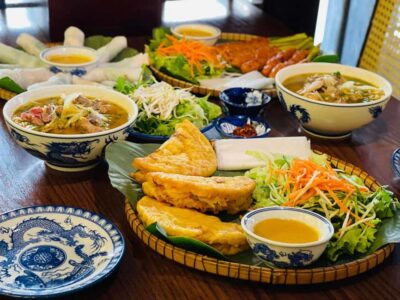
Hue City: Cyclo, Market Tour & Cooking Class at Madam Thu
Read our review →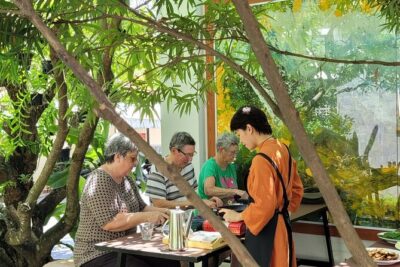
Hue’s Vegetarian Cooking Class in Ancient Garden
Read our review →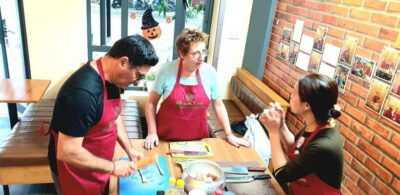
Vietnamese Cooking Class with Local Family in Hue
Read our review →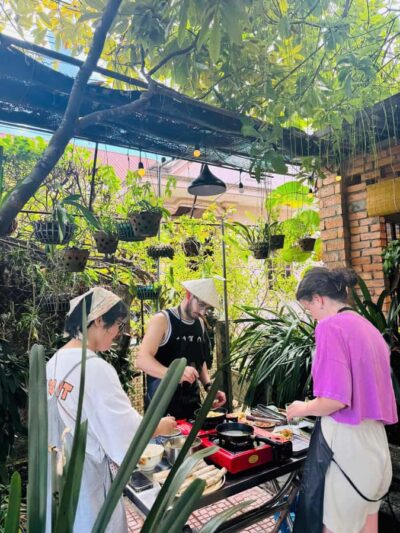
Hue: Home Vegan/Vegetarian Cooking Class with Local Girl
Read our review →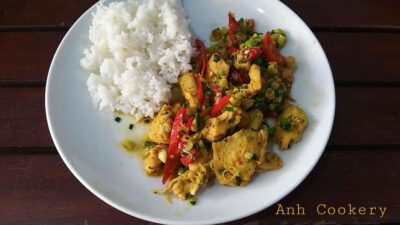
Hue Cooking Class with local-Visit market, cook local food
Read our review →