
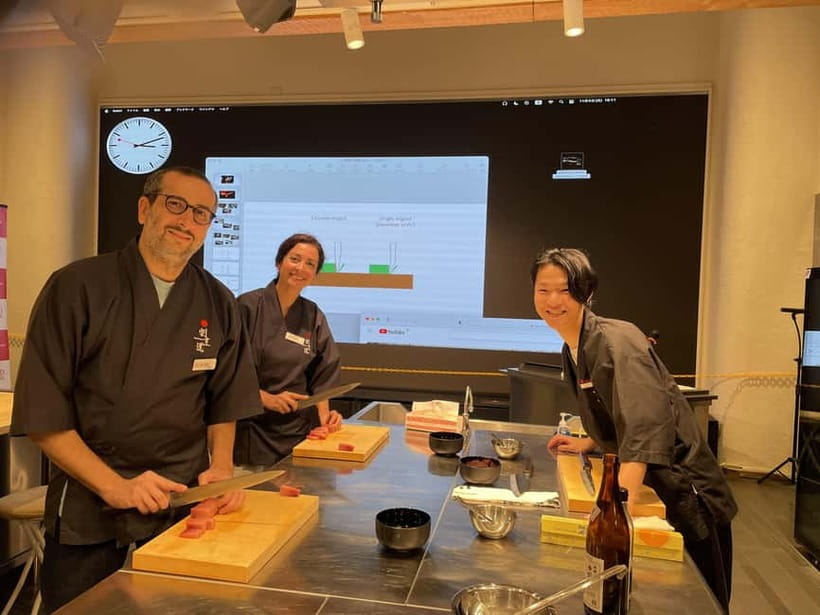
Review · TOKYO
Japanese Knife Skills & Tuna Don/Sushi Workshop in Tokyo
The sharpest moment here comes when you take a Japanese knife in hand and slice sashimi yourself. You first see how blade shape, edge quality, and cutting angle affect the fish, then put those lessons to work before preparing tuna zuke-don or sushi.
I like the small group size, capped at eight, and the fact that the class teaches more than a recipe. You’ll also learn how Japanese knives are made and how to sharpen one on a whetstone. The main consideration is that this is not a good fit for children under 12 or anyone with food allergies, and the fish can change with availability.
Key points at a glance
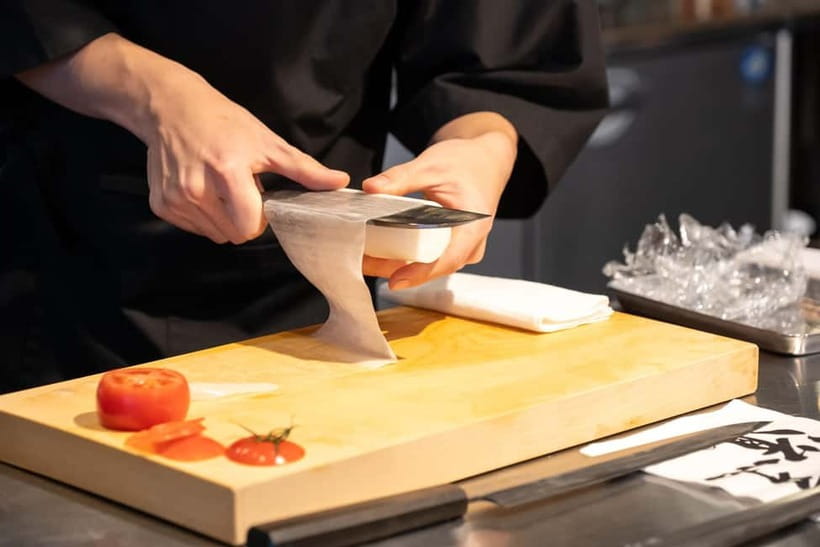
- Hands-on sashimi cutting: Watch a knife skills performance, then slice fresh fish yourself.
- A lesson in Japanese blades: Learn about knife construction, uses, and whetstone sharpening.
- Two meal options: Prepare a tuna zuke-don rice bowl or a 10-piece sushi set, depending on the class arrangement.
- A complete Japanese lunch: Your meal comes with miso soup, green tea, and sake.
- Small, focused setting: The group is limited to eight, with instruction in English and Japanese.
- Useful extras: Wear a kappodo costume, receive a participation certificate, and get 10% off purchases at the first-floor shop that day.
Meeting the knives beneath the samurai murals
The meeting point should be easy to spot: the building has samurai-style murals painted on it. Transportation is not included, so you’ll need to make your own way to the location in Tokyo, but the striking exterior gives you a clear visual marker once you arrive.
The workshop begins with Japanese knife culture. This matters because the class is not simply a quick sushi lesson. You’ll hear about how Japanese knives are made, why their edges are prized, and how different knives suit different foods and cuts.
I like this opening because it gives purpose to the practical work that follows. A knife is not treated as a generic kitchen tool. You learn to think about the blade, the food, and the motion as one connected skill.
The class is taught in English and Japanese. No individual instructor name is provided, but the format is designed for close guidance rather than a large demonstration where you stand at the back and try to guess what is happening.
You’ll also have access to the required ingredients and tools. That is useful for visitors who want a proper lesson without packing anything beyond comfortable clothing.
More Sushi Making Classes around Tokyo:
- Tokyo Tsukiji Fish Market Tour and Sushi Making Lesson
★ 5.0 · 390 reviews - Ramen and Sushi Cooking Class with Sake Pairing Set in Tokyo
★ 5.0 · 291 reviews - AKEMI’s SUSHiKiTCHEN: A fun sushi cooking lesson in Tokyo
★ 5.0 · 5 reviews
Watching the sashimi cut, then trying it yourself
The knife skills performance is the class’s most distinctive feature. Your instructor demonstrates how to cut sashimi, showing the angle, pressure, and motion used to create clean slices.
I would pay close attention here. The point is not simply to copy a hand movement. You are watching how the knife meets the fish and how a sharp blade can make a controlled cut with less force.
Then you get your turn. You’ll practice slicing sashimi yourself, using the techniques just demonstrated. This is where the workshop becomes more useful than a standard cooking demonstration. You are not only watching a professional handle the knife. You are testing your own control and learning what a properly sharpened Japanese blade feels like.
The fish used in the class can vary according to availability. Tuna is the main ingredient named for the zuke-don, and the practical cutting lesson focuses on sashimi, but you should not expect a fixed species in every session.
That small uncertainty is worth keeping in mind if you have your heart set on one specific fish. It also reflects the practical side of Japanese cooking: the ingredients available on the day help shape the meal.
Learning to sharpen a Japanese knife
Knife sharpening is another strong part of the workshop. You’ll learn whetstone techniques step by step, rather than simply being told to keep your knife sharp.
For a home cook, this may be the most useful lesson of the day. Recipes can be found online, but learning how to maintain a blade gives you a skill you can use again and again. A well-sharpened knife also makes sashimi preparation more controlled, especially when clean cuts matter.
I would not expect to become a professional sharpener in one two-hour class. The value is in learning the basic method, seeing how the whetstone is used, and gaining enough understanding to continue practicing at home.
The workshop also explains which Japanese knives are suited to different foods. That is helpful if you are considering buying a knife in Japan but are unsure what you actually need. The same-day 10% discount at the first-floor shop gives you a chance to look at products after the lesson without paying full price, though any purchases are your own expense.
Preparing tuna zuke-don or a 10-piece sushi set
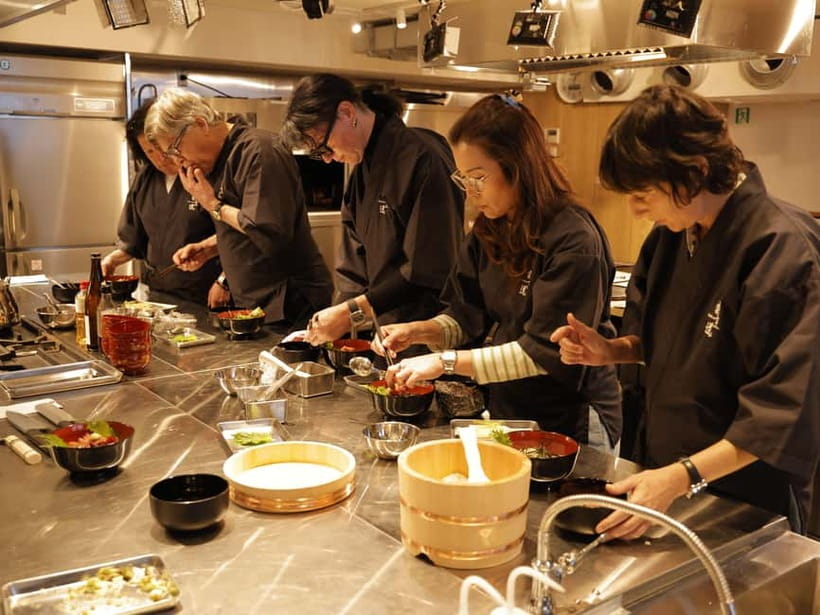
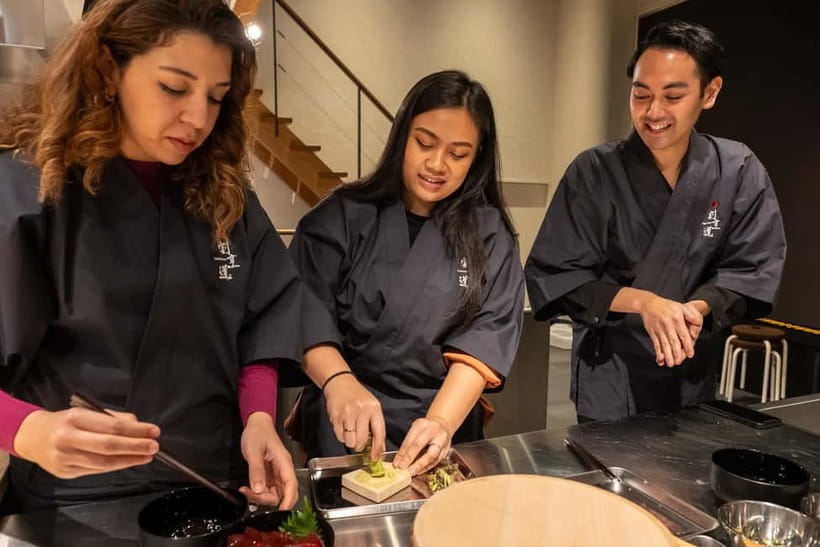
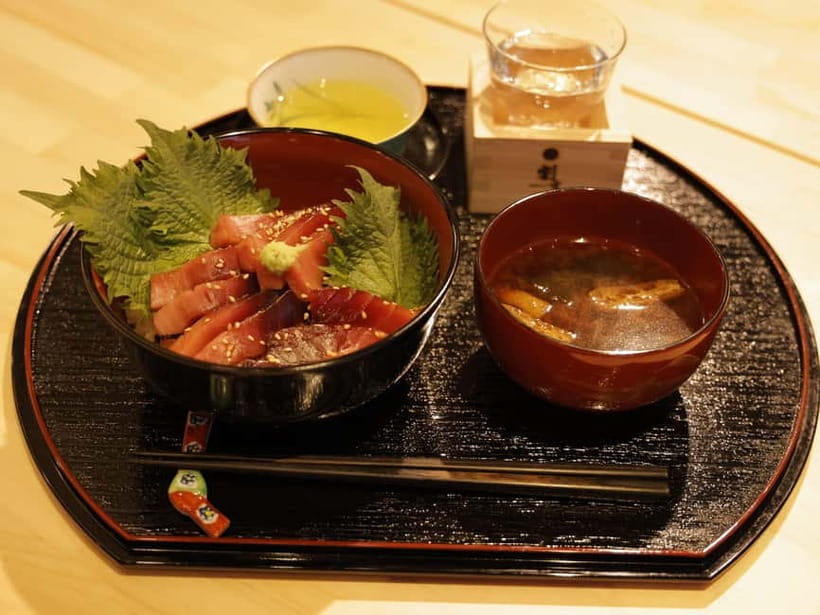
After the knife work, the class turns toward lunch. You’ll prepare a tuna zuke-don, a rice bowl topped with marinated sashimi, or a 10-piece sushi set.
Zuke-don is a good choice for a class because the meal depends on more than cutting fish. You’ll see how the sashimi is marinated and how it works with rice as a complete bowl. It is a simple format, but the quality of the fish, the cut, and the balance of the marinade matter.
The sushi option gives you a different kind of practice. Instead of arranging sashimi over rice in a bowl, you’ll work toward a set of 10 pieces. If you have a particular preference, I would confirm the available option when booking, because the included lunch description specifically names sashimi zuke-don while the class details also describe the sushi choice.
Ingredients and cooking tools are supplied. You do not need to bring your own knife or food supplies. Wear clothing that is comfortable and suitable for cooking, since this is a hands-on class rather than a lecture where you remain seated throughout.
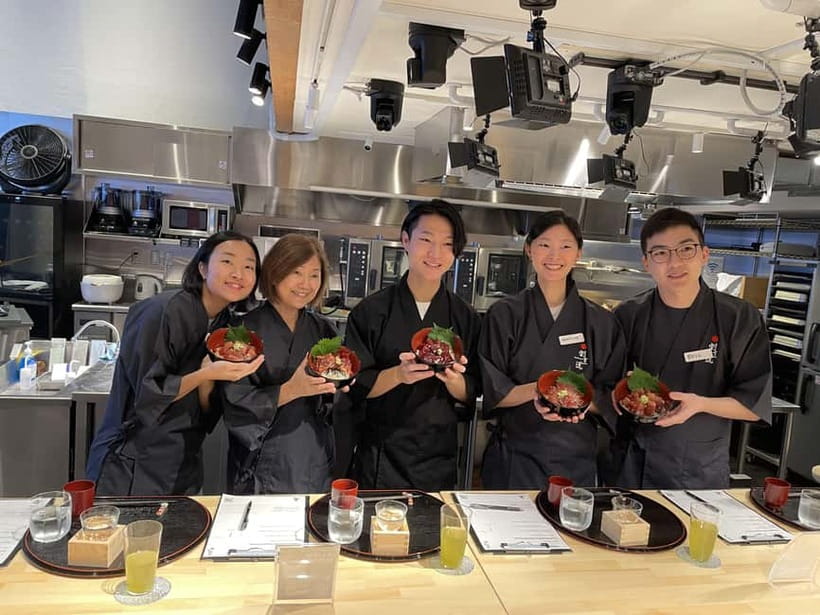
The workshop provides a kappodo costume rental. This adds a traditional visual touch and makes the session feel more like a visit to a Japanese culinary school than a casual recipe lesson. The details of the costume are not specified, so I would treat it as part of the atmosphere rather than plan your clothing around a particular style.
Same kitchen, a different dish:
- Ramen & Gyoza Cooking Class in Tokyo with Local Supermarket Visit
★ 5.0 · 823 reviews - Tokyo: Easy Ramen Cooking Experience in Kabukicho, Shinjuku
★ 4.6 · 321 reviews - Private Home Cooking in Yanaka – Local Flavors in a Warm Setting
★ 5.0 · 173 reviews - Unique Private Cooking Class with a Tokyo Local Emi
★ 5.0 · 131 reviews
Sitting down to a full Japanese meal
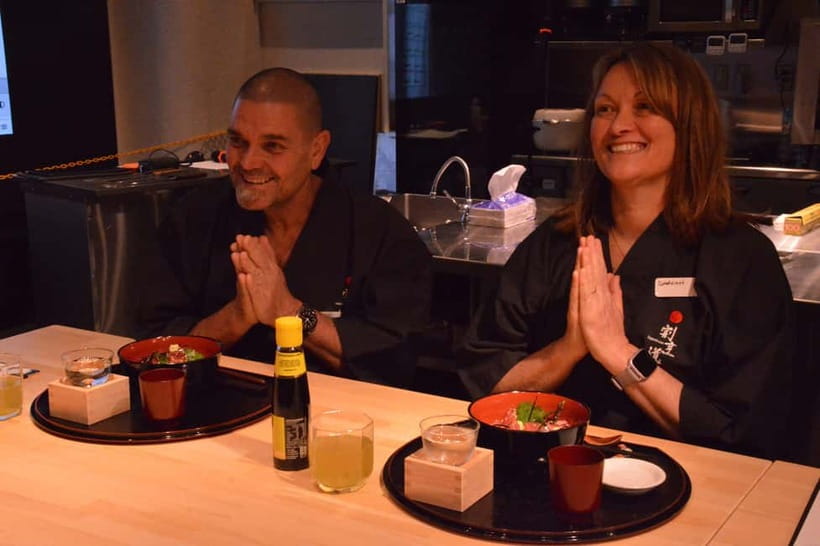
Once your dish is ready, you sit down to eat it with miso soup. The meal also includes green tea and sake, including a tasting of the provider’s original sake.
This is an important value point. At $127 per person, you are paying for instruction, ingredients, equipment, cultural background, and a full meal, not just a small sample. The meal gives the class a satisfying finish after the practical work.
The serving of fish has been described as generous, with soup and sake included. I would still think of the experience primarily as a skills workshop with lunch, not as a substitute for a high-end sushi restaurant. The food is there to show what you can do with the techniques you have just learned.
Sake is included, but the supplied information does not state how much is served. If you do not drink alcohol, the class also includes green tea, though the meal pairing may still feature sake as part of the session.
The meal provides a useful chance to compare your own slicing and preparation with the instructor’s demonstration. You can see how neat cuts, careful handling, and a balanced marinade affect the finished dish.
Why the eight-person limit matters
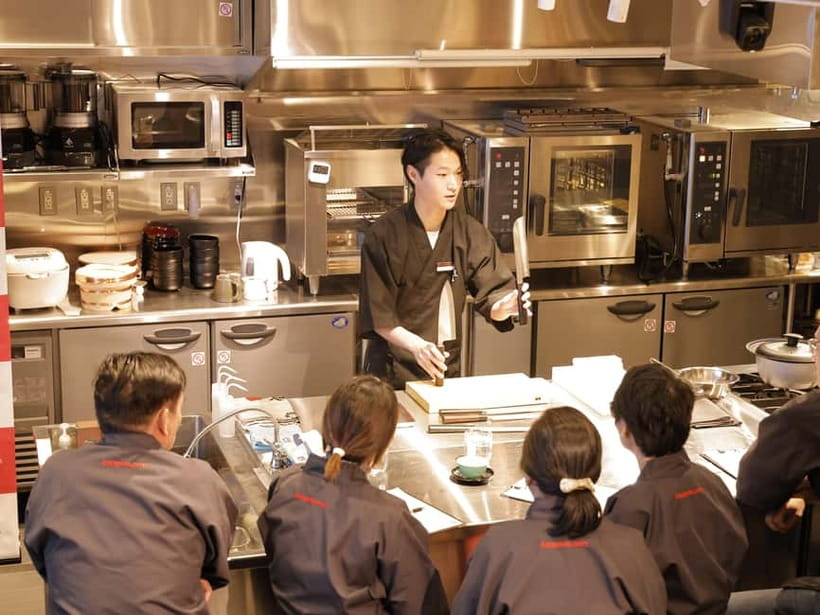
The maximum group size is eight. That is small enough to make a real difference during the knife practice, especially if you need help with grip, cutting angle, or whetstone technique.
In a larger cooking class, the demonstration can be clear while the practical section becomes crowded. Here, the limited number should give you a better chance to ask questions and receive corrections. That matters most for the sashimi cutting, where small changes in pressure or blade position can alter the result.
The class runs for two hours, so the pace is likely to be steady. You’ll cover knife culture, a demonstration, practice, sharpening, meal preparation, and lunch in a compact session. I would arrive ready to take part rather than expecting long breaks between sections.
The class is offered in English and Japanese. That makes it suitable for international visitors, though the exact balance of the two languages can vary by session. If you want highly technical instruction, pay close attention during demonstrations and ask questions while you have the instructor beside you.
What the price includes at $127
The price is not cheap for a two-hour activity, but the package has more substance than a basic food tasting. Included are:
- Instruction about Japanese knife making
- Knife sharpening guidance
- A knife skills performance
- Hands-on cooking instruction
- Ingredients and tools
- Kappodo costume rental
- Tuna zuke-don or the advertised sushi preparation
- Miso soup
- Sake
- Green tea
- A participation certificate
- 10% off items at the first-floor shop on the same day
I see the strongest value in the combination of practical knife training and a complete meal. If you already cook Japanese food at home, the sharpening and sashimi work may justify the price on their own. If you mainly want to eat sushi, a restaurant will give you more food for less effort, but not the same take-home skill.
The participation certificate is a pleasant extra. It is not a major reason to book, but it gives the class a clear keepsake beyond photographs and memories.
The shop discount can also improve the value if you planned to buy a Japanese knife or related item. I would avoid buying on impulse, though. Use the lesson to understand what type of blade suits your cooking before spending more money.
What you take home besides the certificate
The most useful souvenir is the method. You leave with knife skills, a sharpening technique to practice, and a recipe for recreating the dish at home.
That recipe matters because zuke-don is practical for a home kitchen. You do not need to reproduce an elaborate restaurant menu to use what you learned. You can apply the cutting and marinating ideas to a rice bowl at home, provided you use suitable ingredients and handle raw fish safely.
The sashimi lesson may also change how you use knives more generally. You’ll pay closer attention to the sharpness of the blade, the direction of the cut, and the need for controlled movement instead of force.
I would bring a small notebook or use your phone to record notes if the class permits it. The supplied details do not promise printed course materials, so writing down the sharpening steps and marinade instructions could help you remember them later.
Who will enjoy this workshop most
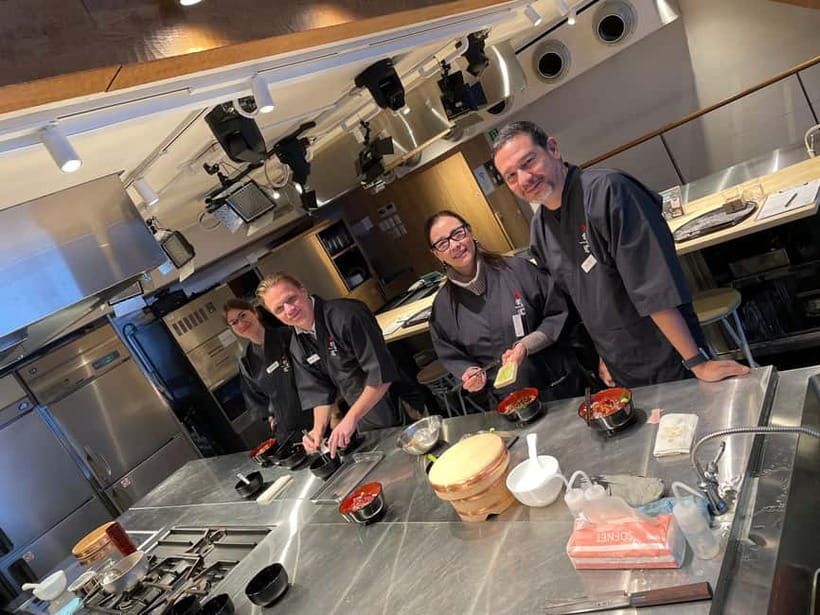
I would recommend this class to food-focused visitors who want more than a meal. It suits home cooks, aspiring chefs, sushi fans, and anyone curious about why Japanese knives have such a strong reputation.
It is also a good pick if you prefer a small group and direct instruction. Eight participants is enough for a social setting without turning the class into a crowd.
You should be comfortable handling food and working with a knife. The activity is not suitable for children under 12, and it is not suitable for people with food allergies. The information provided does not list allergy accommodations, so anyone with dietary concerns should not assume substitutions are available.
This is less suitable if you want a relaxed, passive activity. You will be expected to cut fish, work with tools, and prepare food. Comfortable clothing is required, and clothes should be suitable for cooking.
Practical planning for your Tokyo day
Plan on two hours for the workshop itself. Transportation to and from the venue is not included, so leave enough time to reach the building with the samurai murals before the start time.
The activity is offered at set starting times, and availability should be checked before booking. You can reserve now and pay later, which is useful if you are still arranging your Tokyo schedule.
Free cancellation is available up to 24 hours in advance for a full refund. That gives you some flexibility, but I would still avoid booking the class too close to another timed activity. Knife practice and lunch have several stages, and rushing away would undercut the experience.
The class has received a top rating from the three published participants, with praise focused on the professional instruction, warm atmosphere, quality fish, generous lunch, and the chance to cut tuna personally. Those are also the parts I would treat as the core strengths, rather than the costume or certificate.
Should you book the Japanese Knife Skills and Tuna Workshop?
Book it if you want to learn a real Japanese cooking skill while eating the result. The strongest reasons are the small group, sashimi-cutting practice, whetstone lesson, and full meal with miso soup and sake.
Think twice if you have food allergies, dislike handling raw fish, or want a simple restaurant-style lunch with no practical work. Also confirm whether you’ll prepare the zuke-don or sushi option if that choice matters to you.
For a food lover with two free hours in Tokyo, the $127 price is reasonable when you count the equipment, instruction, meal, costume rental, certificate, and shop discount. I would choose it over a basic sushi class if Japanese knives genuinely interest you, since the sharpening and cutting lessons are skills you can use long after the rice bowl is gone.
FAQ
How long does the Japanese knife and sushi workshop last?
The workshop lasts two hours.
Where is the meeting point?
The meeting point is at a building marked by samurai-style murals.
What languages are used during the class?
Instruction is available in English and Japanese.
What food can I prepare?
You can prepare a tuna zuke-don rice bowl or a 10-piece sushi set. The included lunch description specifically lists sashimi zuke-don, so confirm the available choice when booking.
Is sake included?
Yes. The experience includes sake, along with miso soup and green tea.
What should I bring and who cannot join?
Bring comfortable clothing suitable for cooking. The activity is not suitable for children under 12 or people with food allergies.
New cooking classes around Tokyo
- Shinjuku Tokyo: Authentic Japanese Home-Style Culinary Class★ 4.9 · 125 reviews
- Shibuya Tokyo: Onigiri & Tamagoyaki Cooking Class★ 5.0 · 4 reviews
- Ramen Making from Scratch +Akihabara Tour –Cooking Class★ 5.0 · 25 reviews
- AKEMI’s SUSHiKiTCHEN: A fun sushi cooking lesson in Tokyo★ 5.0 · 5 reviews
- Tokyo: Private Japanese Cooking Class with a Local Chef★ 5.0 · 81 reviews
- Unique Private Cooking Class with a Tokyo Local Emi★ 5.0 · 131 reviews
- Japanese Home Cooking Class & Walk in Todoroki Temple Tokyo★ 5.0 · 88 reviews
- Private Home Cooking in Yanaka – Local Flavors in a Warm Setting★ 5.0 · 173 reviews
Tokyo Cooking Classes, side by side.

Ramen & Gyoza Cooking Class in Tokyo with Local Supermarket Visit
Read our review →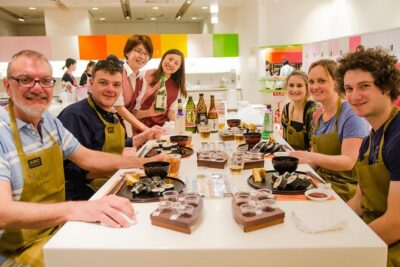
Tokyo Tsukiji Fish Market Tour and Sushi Making Lesson
Read our review →
Tokyo: Easy Ramen Cooking Experience in Kabukicho, Shinjuku
Read our review →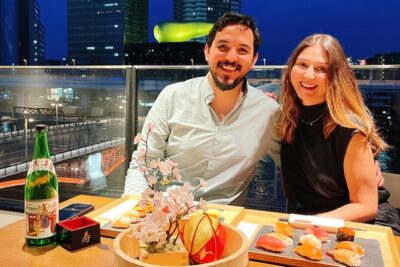
Ramen and Sushi Cooking Class with Sake Pairing Set in Tokyo
Read our review →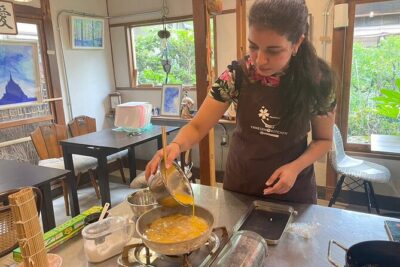
Private Home Cooking in Yanaka – Local Flavors in a Warm Setting
Read our review →
Unique Private Cooking Class with a Tokyo Local Emi
Read our review →
Shinjuku Tokyo: Authentic Japanese Home-Style Culinary Class
Read our review →
Japanese Home Cooking Class & Walk in Todoroki Temple Tokyo
Read our review →This kitchen also appears in