
Review · CATANIA
Join us for a Sicilian cooking class in a professional kitchen on Etna, using fresh ingredients from our organic garden
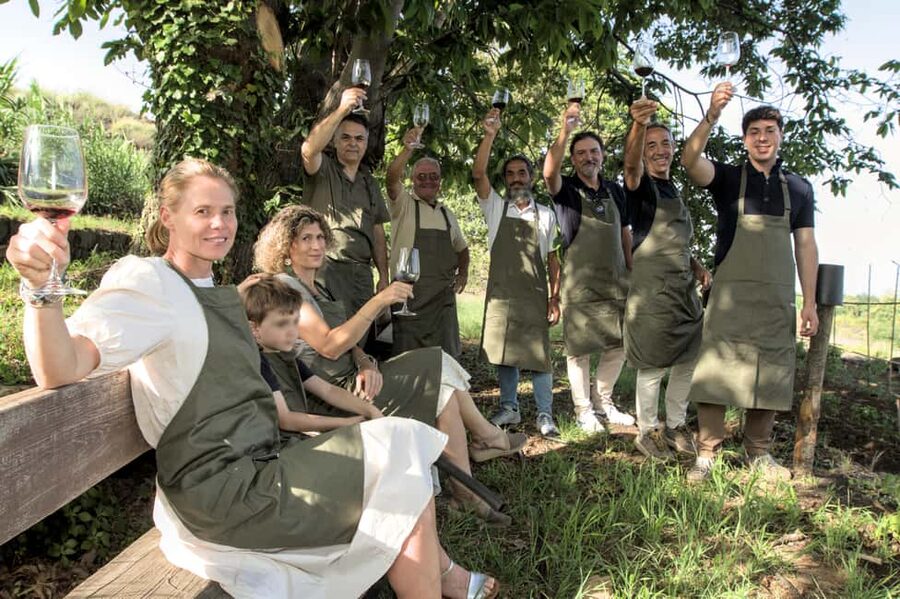
The best part of this Sicilian cooking class is the short walk from organic garden to kitchen. You gather seasonal vegetables and herbs, turn them into fresh pasta, then sit down to eat the result with wine at Favazza Etna Winery.
I like the small-group format, capped at eight, and the practical focus on using every part of the ingredients. I also like that you do not just watch a chef at work: you handle the dough and take part in the cooking. The main caution is value. At $94 per person, some participants found that the hands-on work ended sooner than expected, with pasta making taking the lead and much of the sauce prepared in advance.
Key points to know
- Garden-to-table setting: Seasonal vegetables and herbs come from Favazza Etna Winery’s organic garden.
- Fresh pasta is the main hands-on task: You make the dough and pasta, while the chef may handle more of the sauce and final cooking.
- Pasta alla Norma: The class has featured this classic Sicilian pasta dish, a useful introduction to local flavors.
- Small group size: With no more than eight participants, you should have a better chance to work directly with the chef.
- Meal and wine included: You eat the dish you helped prepare and share Favazza wine at the table.
- Timing deserves attention: The official duration is two hours, but some bookings have been presented as three hours and finished in about 90 minutes to two hours.
From Mount Etna’s garden to the cooking bench
This is not a class held in a generic city studio. You meet at Favazza Etna Winery, on the slopes of Mount Etna, where the setting connects the food to the land around you.
The class begins with ingredients from the winery’s own organic garden. Depending on the season, that can mean vegetables and aromatic herbs selected for the day’s recipe. The garden visit is brief, but it gives the meal a useful sense of place. You see where the raw ingredients begin before they are washed, chopped, and cooked.
I like this approach because it gives you more than a recipe card. Sicilian cooking depends heavily on what is available, and seasonal produce is part of that tradition. The class also introduces a zero-waste idea: use the whole ingredient where possible rather than throwing useful parts away.
Do not expect a long farm tour. The garden stop is a short gathering of produce before the kitchen work begins. If your main goal is a detailed agricultural visit, this will feel limited. If you want a quick connection between the garden and your plate, it does the job.
More Farm Cooking Classes in Italy
- Cooking Class and Lunch at a Tuscan Farmhouse with Local Market Tour from Florence
★ 5.0 · 4,831 reviews - Hands-On Cooking Class & Farmhouse Tour on the Amalfi Coast
★ 5.0 · 956 reviews - Florence: Cooking Class at a Tuscan Farm & Local Market Tour
★ 4.9 · 354 reviews
A professional kitchen with a small-group feel
The cooking takes place in a fully equipped professional kitchen described as cozy and suited to small groups. The maximum group size is eight, which matters here. A class built around dough, knives, pans, and a shared stove can become frustrating when too many people crowd around one work surface.
The small group should give you a closer look at the chef’s methods and more room to ask questions in Italian or English. You will receive an apron, dishcloth, pencil, notebook, and handouts. Those supplies make the class feel organized, and the notes can help you repeat the dish at home.
The chef’s name is not provided, so you should not book this expecting a named celebrity instructor. Instead, the value rests on the local setting, the recipe, and how much of the cooking you personally get to do.
The class is wheelchair accessible, and instruction is offered in Italian and English. Some written or spoken material may appear in its original language, so ask for clarification if a culinary term is unfamiliar.
Making pasta from scratch
The clearest hands-on feature is the fresh pasta. You work with the dough and shape the noodles yourself, which gives you the most useful practical lesson of the day.
This part should appeal to beginners. Fresh pasta can look intimidating when you see an experienced cook move quickly, but mixing, kneading, and shaping are tasks you can understand through touch. You learn how the dough feels and how it changes as you work it.
The exact pasta shape is not specified, so do not assume you will learn a particular regional form. The class has included fresh pasta served with Pasta alla Norma, a well-known Sicilian preparation associated with pasta, tomato, eggplant, and cheese. The recipe connects the cooking lesson to Sicily rather than offering a generic Italian pasta dish.
There is one important limit. Some participants felt they made only the noodles, while the sauce was largely prepared in advance and the chef completed the dish. You may be invited to help with individual steps, but you should not expect to prepare every component from start to finish.
That is a fair arrangement for a short class, especially when the chef needs to keep the meal on schedule. Still, it affects the value at $94. If you want a full cooking lesson with several dishes, ask before booking how much of the sauce and other preparation you will handle.
Learning Sicilian flavors, not just following a recipe
The chef is there to explain local recipes and ingredients, not merely to supervise a pasta-making exercise. You can expect discussion of seasonal produce, herbs, and the flavors connected with Etna.
The zero-waste angle adds a useful layer. You learn ways to use more of an ingredient, which is a sensible cooking habit and a good fit for a garden-based class. The supplied notebook and handouts should help you remember the method, though the exact printed content is not described.
The strongest lesson is likely cultural rather than technical. Food in Sicily is tied to local produce, family habits, and practical cooking. Preparing one typical dish in the same setting where the ingredients are grown gives you a small but direct look at that connection.
I would keep expectations realistic. This is a two-hour introduction, not a cooking school. You will leave with a taste of Sicilian technique and a recipe experience, but probably not a complete course in regional cuisine.
More Italian Cooking Classes around Italy:
- Tuscan Cooking Class and Dinner in Florence
★ 4.5 · 732 reviews - Rome Pasta Making Class with Italian Sauces and Wine Included
★ 5.0 · 645 reviews - Tuscan Cooking Class
★ 5.0 · 584 reviews - Milan: Italian Cooking Class with Food and Wine
★ 4.7 · 509 reviews
Sitting down to eat the finished dish
After the kitchen work, you share the meal together. The dish you helped prepare is served with care and paired with Favazza wine.
That shared table is an important part of the experience. You get to taste the result while it is fresh, compare your work with the chef’s finishing touches, and chat with the other participants. One participant who arrived late still found the staff welcoming and the completed dishes flavorful, which suggests that the hospitality remains a strong part of the visit.
The wine is included, but the details are modest. The information specifies Favazza wine, and one reported arrangement involved one bottle shared among four people. If you are expecting a broad tasting of Etna wines, this class may not meet that expectation. Think of the wine as a pairing with lunch, not a full winery tasting.
The meal is also not described as a multi-course spread. One participant expected a second dish and found the single pasta preparation too limited for the price. You should book this for a hands-on pasta meal, not for a long Sicilian feast.
Is two hours enough?
The official duration is two hours, with starting times available according to the date you choose. That is a reasonable length for garden gathering, pasta making, cooking, and lunch if the class runs to plan.
Timing has been the most noticeable point of uncertainty. Some people were told the activity would last three hours, yet finished after roughly 90 minutes or two hours, including the meal. In one case, the cooking itself could have ended after about 90 minutes, with the rest of the time spent chatting at the table.
This does not mean every session will be identical. A small group may work quickly, or the chef may have more preparation completed before you arrive. But you should confirm the expected duration when booking, especially if you are comparing this with a longer cooking class elsewhere.
I would not schedule a tight connection immediately afterward. The official two-hour length is clear enough for planning, but a relaxed meal and group conversation can affect the end time. At the same time, do not count on three full hours of active instruction.
What $94 buys you
At $94 per person, this is priced as a special food experience rather than a basic pasta lesson. The fee includes the chef-led class, ingredients, lunch, Favazza wine, and the class materials. The garden setting and small group add value that you would not get from a large urban demonstration.
The price makes more sense if you care about the full package: Mount Etna surroundings, organic produce, a professional kitchen, personal contact with a chef, and a meal at the winery. It is also a good fit if you value sustainable cooking and want to learn a dish connected to the local area.
The price is harder to defend if your priority is the amount of cooking time. Some participants felt they had only made the pasta while the chef did most of the sauce and final preparation. A class that finishes in 90 minutes to two hours can feel thin at this price, particularly if you expected two dishes or a three-hour session.
Before paying, I would ask two direct questions: How long will the active cooking last, and which parts of the meal will I prepare myself? Those answers will tell you more about value than the attractive garden description alone.
Who will enjoy this class most?
I would recommend it to you if you like food, small groups, and local settings more than a formal culinary course. It suits couples, families, and first-time pasta makers who want to do something connected to Etna without spending a full day in the kitchen.
It also suits people who care about fresh and organic ingredients. The vegetables come from the winery’s garden, and the zero-waste focus adds a practical touch for anyone interested in using produce carefully.
English speakers can participate, and the class is also offered in Italian. The wheelchair-accessible kitchen makes it available to a wider range of participants, though you should still confirm any individual needs before booking.
I would hesitate to recommend it to you if you want several dishes, a long lesson, or a detailed wine tasting. It may also disappoint serious home cooks who expect to make the sauce, pasta, and every side dish themselves. The experience is short and focused, with fresh pasta as its main activity.
Meeting at Favazza Etna Winery
The meeting point is Favazza Etna Winery at Via Fossapoliti Formazzo 46, 95010 Sant’Alfio CT, Italy. Enter the full address carefully into your navigation app before setting out.
One person accidentally went to a nearby house and lost about 30 minutes before finding the correct location. That is a useful warning, especially in a rural area with similar addresses. Allow time to check that you are heading to the winery itself, not simply to a nearby property or road.
The location is part of the appeal, but it also means the meeting point deserves attention. Your booking confirmation should be checked for the start time and address. The class is small, so arriving late may mean missing the garden gathering or the first pasta demonstration.
Free cancellation is available up to 24 hours before the activity for a full refund, and you can reserve now and pay later. Those terms help if your Etna plans are still shifting.
My booking advice
If you book, go in expecting a short garden-to-table pasta class, not a full culinary workshop. Wear something comfortable for kitchen work, bring curiosity, and ask at the start which steps you will handle. Since the sauce may be partly prepared ahead of time, taking part early and asking questions will help you get more from the session.
I would also treat the shared wine as a simple accompaniment rather than the main event. The real draw is the combination of garden produce, fresh pasta, a local chef, and a meal served at the winery.
Should you book this Etna cooking class?
Book it if you want a friendly, intimate introduction to Sicilian food with ingredients grown on site. The garden, fresh pasta, local dish, and shared meal form a clear experience, and the hospitality appears to be one of its strongest points.
Think twice if $94 requires a long class or several dishes for you to feel satisfied. The short schedule and limited hands-on sauce preparation are the main concerns. Confirm the active cooking time before you commit, then decide if the Etna setting and local ingredients make up the difference.
FAQ
Where is the cooking class held?
The class is held at Favazza Etna Winery, Via Fossapoliti Formazzo 46, 95010 Sant’Alfio CT, Italy.
How long does the cooking class last?
The stated duration is two hours. Some participants were told three hours but finished in about 90 minutes to two hours, including the meal, so confirm the expected schedule when booking.
What will I cook?
You will make fresh pasta and a typical Sicilian dish. Pasta alla Norma has been prepared during the class, though the exact dish may depend on the session and available seasonal ingredients.
Are the ingredients from the winery’s garden?
Yes. The class uses seasonal vegetables and aromatic herbs from Favazza Etna Winery’s organic garden, along with other local ingredients.
Is lunch included?
Yes. You eat the dish prepared during the class, and Favazza wine is included with the meal.
Is wine included?
Yes. The activity includes Favazza wine served with lunch.
Is the class taught in English?
Yes. Instruction is available in Italian and English.
How many people are in the group?
The class is limited to eight participants.
Is the cooking class wheelchair accessible?
Yes. The activity is listed as wheelchair accessible.
New cooking classes around Italy
- Sestri Levante: Pesto & Cooking Classes, Wine Tasting★ 4.9 · 56 reviews
- Sardinia Cooking Class: Fresh Handmade Pasta★ 5.0 · 53 reviews
- San Gimignano: Tuscan Cooking Class★ 5.0 · 2 reviews
- San Gimignano: Truffle Cooking Class with Wine Tasting★ 5.0 · 5 reviews
- San Gimignano: “Hands in dough” Cooking Class with Lunch★ 5.0 · 6 reviews
- Salento: Authentic Cooking Experience with Fresh Pasta and Local Products★ 5.0 · 8 reviews
- ROME:Hands-On Lasagna & Marsala Tiramisu Cooking Experience”★ 5.0 · 3 reviews
- Rome: Private Wine Tour and Pasta Making Class in a Winery★ 5.0 · 6 reviews
Catania Cooking Classes, side by side.
Catania: Pistachio Ravioli, Pasta Home Cooking Class w/ Wine
Read our review →
Cooking lesson in Catania with lunch or dinner
Read our review →
Catania: Market Tour and Cooking Class with Chef Riccardo
Read our review →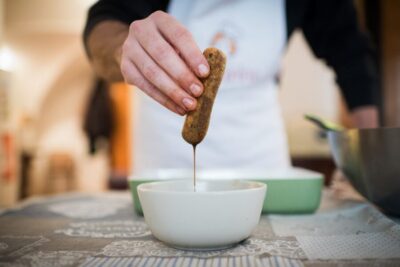
Catania: Pasta & Tiramisu Cooking Class at a Local’s Home
Read our review →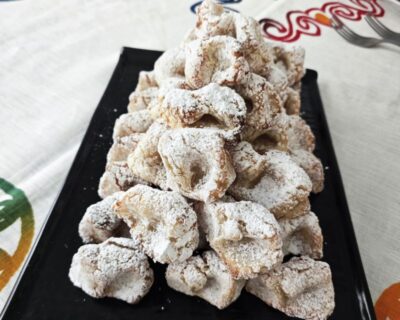
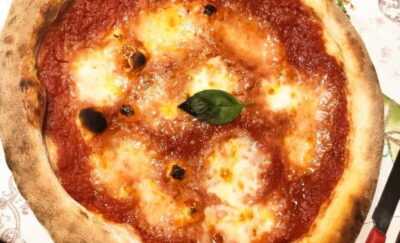
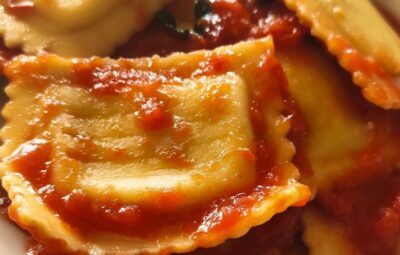
Catania: Private Cooking Class at a Local’s Home
Read our review →This kitchen also appears in