
Review · KATHMANDU
Kathmandu: Nepali Cooking Class with Hotel Pickup
Kathmandu’s food culture makes the best sense when you handle the ingredients yourself. This Nepali cooking class takes you by rickshaw to Ason, where you can see a busy local shopping area before returning to cook momo, curries, roti, and sel roti with an English-speaking chef.
I like the direct contact with everyday food shopping, and I like that you do more than watch a demonstration. You also get folk music, simple Nepali phrases, and a meal you help prepare. The main caution is timing: one booking lasted only about two hours, and another ended back at the hotel around 11:30 rather than filling the expected four hours.
Key points at a glance
- Ason by rickshaw: Travel from your Thamel-area hotel to one of Kathmandu’s best-known local shopping hubs.
- Hands-on Nepali cooking: Prepare momo, several curries, roti, and the sweet-leaning fried bread called sel roti.
- Ingredient shopping included: The market visit gives context to the meal instead of treating cooking as an isolated kitchen lesson.
- English-speaking instruction: An experienced chef leads the class, with an English audio guide also listed.
- Music and language: Nepalese folk music plays during cooking and mealtime, and you learn a few useful Nepali phrases.
- Flexible booking: Cancellation is free up to 24 hours ahead, and you can reserve now and pay later.
Starting in Thamel and heading to Ason
Pickup and drop-off are included from the Thamel area. That matters in Kathmandu, where a simple transfer can otherwise take more effort than expected. You begin with transport arranged for you, then ride by rickshaw toward Ason, a traditional shopping center in the heart of the city.
The rickshaw is not just a way to get from one point to another. It gives the morning a more local feel than a standard vehicle transfer, and it puts you closer to the sounds and movement of central Kathmandu. You will meet merchants and see the daily trade around the market before moving on to the cooking portion.
The exact pickup time depends on availability, so check the start time when booking. The advertised duration is four hours, including the market visit and class. Still, you should keep your schedule slightly open rather than planning a major activity immediately afterward. One person found the whole morning shorter than expected, and another said the class ran for about two hours rather than four.
More cooking classes around Kathmandu:
- Half day cooking class in Thamel kathmandu
★ 5.0 · 607 reviews - Kathmandu: Local Women-Led Nepali Cooking & Momo Class
★ 4.9 · 360 reviews - Kathmandu: Local Lead Nepali Cooking & Momo-Making Class
★ 5.0 · 212 reviews
What Ason adds to the food lesson
Ason is meant to show you where the meal begins. Instead of arriving at a kitchen with all ingredients already measured, you visit a local market and pick up what you need. That simple step helps connect Nepali cooking with shopping, seasonings, produce, and the daily rhythm of Kathmandu.
You should keep your expectations realistic. The market stop is described as a visit to Ason, but one account found it closer to a local shop than a full market tour. If you are hoping for a long guided walk through many stalls, this may feel brief. If you mainly want a quick look at local buying habits before cooking, it can still do the job.
I see the market visit as a useful introduction rather than the main event. The cooking is where most of your time and attention belong. The rickshaw ride and ingredient stop add setting and context, but they do not replace a dedicated market tour.
Cooking momo, curries, roti, and sel roti
Back at the cooking venue, an experienced chef leads you through a traditional Nepali meal. The exact menu can include momo, Nepal’s much-loved dumplings, along with different curries, roti, and sel roti.
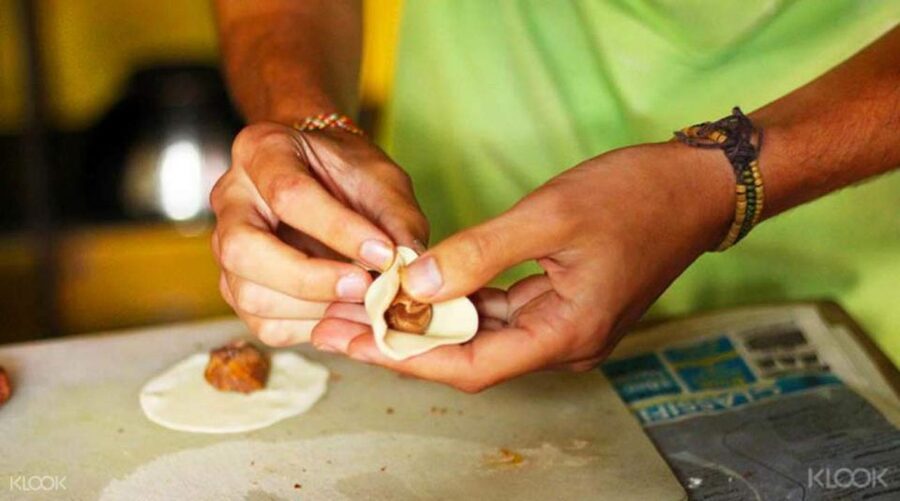
Momo is a particularly good choice for a class because it involves several stages. You can learn how the filling is prepared, how the dough is handled, and how the dumplings are shaped and cooked. The provided details do not specify the filling or cooking method, so you should ask the chef what is being prepared on your day.
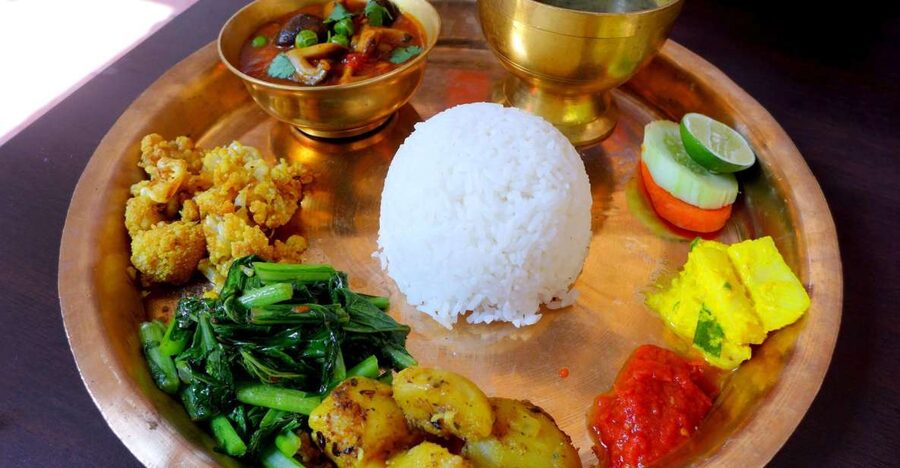
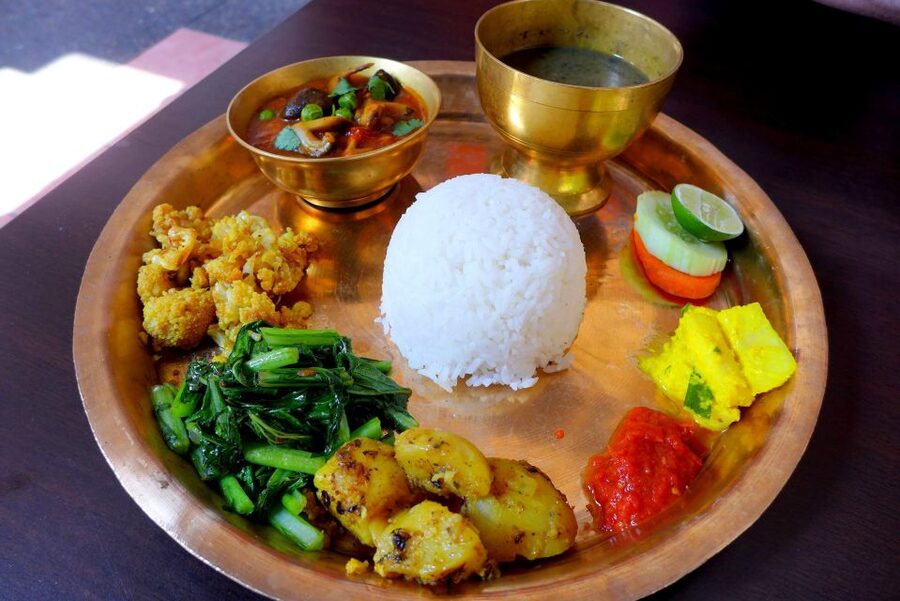
Curries give the class a broader look at Nepali food. You learn about the ingredients used and how local dishes are cooked, rather than focusing on one recipe. The phrase varieties of curries suggests more than a single pot, though the precise number and recipes are not fixed in the information available.
Roti provides a simpler contrast. It lets you work with bread rather than only sauces and fillings. Then comes sel roti, a distinctive Nepali ring-shaped bread with a texture and shape that can remind you of a doughnut. It is one of the more unusual items on the menu, and it gives the class a clear local identity.
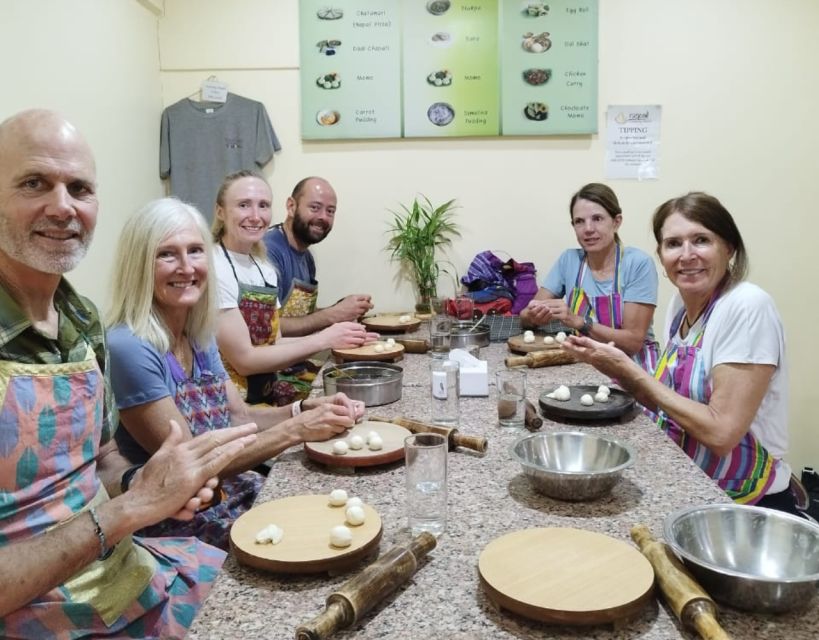
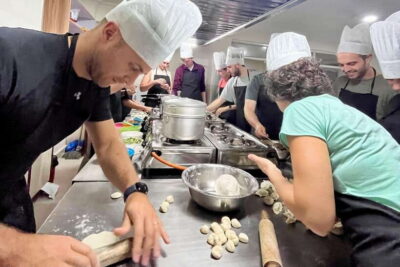
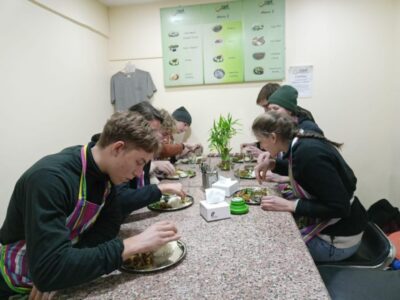
The experience is designed for participation, not just note-taking. You prepare the dishes with guidance from the chef and then eat the food during the class. That makes the meal feel earned, even if your dumplings are not perfectly shaped on the first try.
Learning food culture through the kitchen
The class does more than hand you recipes. Your chef explains local delicacies, cooking methods, and the kinds of ingredients used. This is valuable because Nepali food can be hard to understand from a restaurant menu alone. A cooking lesson shows how several dishes fit together as a meal.
The food also gives you a practical way to learn about Nepalese culture. You hear about ingredients while handling them, and you hear about dishes while preparing them. That connection tends to stick better than a short talk delivered before lunch.
Nepalese folk music accompanies the cooking and meal. You also learn some Nepali phrases during the session. These are small touches, but they keep the class connected to place rather than making it feel like a generic international cooking course.
The instruction is in English. An English audio guide is also included in the activity details. Since the chef leads the practical work, you should be able to follow the main steps through spoken instruction and demonstration. The supplied information does not name the chef, so there is no specific instructor to request.
Same kitchen, a different dish:
- Local Women Lead Nepali Cooking Class
★ 5.0 · 125 reviews - Kathmandu: Local Women-Lead Nepali Cooking & Momo Class
★ 4.9 · 45 reviews - Kathmandu: Local Lead Nepali Cooking & Momo Making Class
★ 4.9 · 40 reviews - Kathmandu: Women-Led Cooking Class & Momo Making-Local Taste
★ 4.8 · 15 reviews
How much time do you really get?
The stated duration is four hours, with the cooking class itself listed as three to four hours. That makes this a substantial half-day plan on paper. You should expect time for hotel pickup, the rickshaw ride, the market visit, preparation, cooking, eating, and conversation.
In practice, timing may be less consistent. One person reported a class of only two hours. Another enjoyed the chef’s ability but felt disappointed that the market visit was simply a local shop and that the morning ended back at the hotel by 11:30.
That does not mean every departure will be short. It does mean you should confirm the schedule at pickup and ask how much time will be spent in the market and kitchen. If you value a relaxed, full cooking session, this is the most important point to clarify.
Rain does not cancel the activity. The tour runs rain or shine, so bring suitable clothing for the weather and expect the market and transport portions to continue in wet conditions. The provided information does not list a specific rain covering or indoor substitute for the market.
Is $60 a fair price?
At $60 per person, the value depends on what you want from a Kathmandu food activity. You are paying for hotel pickup and drop-off in Thamel, rickshaw transport to Ason, the market visit, an English-speaking chef, ingredients, the cooking class, and the meal you prepare.
That is a reasonable package if you want a convenient, organized introduction to Nepali food. You do not have to arrange transport, find a suitable kitchen, or shop for unfamiliar ingredients on your own. The class also gives you more than a restaurant meal because you learn how dishes are made.
The value is weaker if the session ends early or the market portion is very brief. A four-hour activity offers a different experience from a two-hour lesson, especially at this price. I would book it for the hands-on cooking and treat the market visit as a bonus, not as the main reason to pay.
The class makes the most sense for a first visit to Kathmandu, for couples or small groups who enjoy food, and for anyone who wants a practical cultural activity rather than another sightseeing stop. It may be less suitable if you only want an extensive market tour or a formal professional cooking course.
Practical details before you book
Hotel pickup and drop-off are included only from the Thamel area. If you are staying elsewhere, check whether you need to reach Thamel yourself. The activity is listed as wheelchair accessible, though the provided details do not explain the rickshaw arrangement or the layout of the cooking space, so ask for specific assistance information if needed.
Bring a passport or identification card. A copy is accepted, which is useful if you prefer not to carry the original while moving around Kathmandu.
Alcohol and drugs are not allowed. The activity is conducted in English, and an English audio guide is included. The chef’s exact name is not provided, but the instruction is led by an experienced chef.
You can cancel up to 24 hours before the activity for a full refund. You can also reserve now and pay later, which helps if you are still arranging the rest of your Nepal schedule. Starting times depend on availability, so check the time before confirming.
Who will enjoy this Nepali cooking class?
You should consider this class if you like to learn through doing. Folding momo, stirring curry, preparing roti, and making sel roti give you several different tasks, so the session has more variety than a single-recipe demonstration.
It also suits people who want a gentle introduction to Kathmandu food culture. You get a local market stop, a rickshaw ride, cooking instruction, music, language practice, and a shared meal in one outing. For a first day in the city, that combination can help you get oriented through food.
Families may appreciate the hands-on format, provided every participant can take part comfortably. Food-focused couples and small groups should find plenty to discuss and do. The activity is also a good choice for a rainy day because it runs in all weather, though the ride and market visit will still be outdoors.
I would be more cautious if your main goal is a long, detailed tour of Ason. The market visit may be short. I would also ask about the expected end time if you have afternoon plans, since the actual length may not always match the four-hour description.
Should you book it?
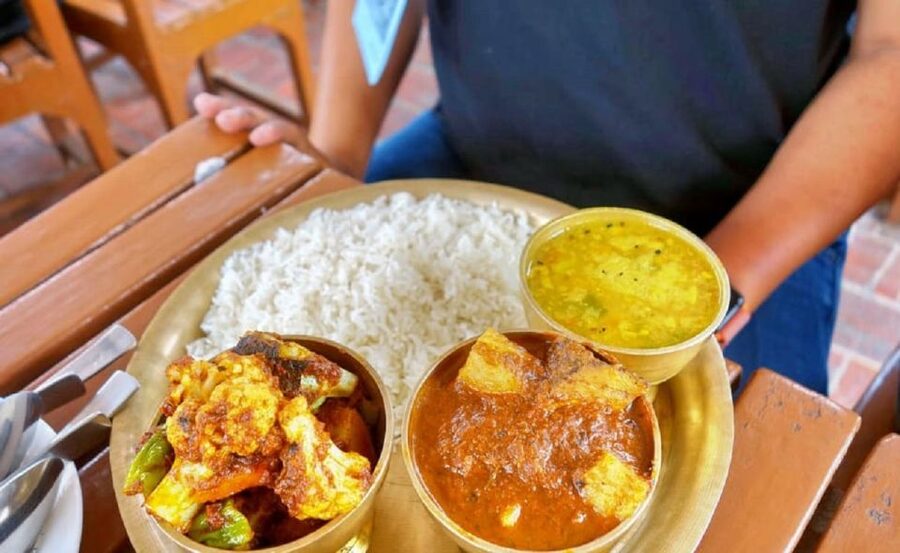
Book this class if you want a practical taste of Nepal through momo, curry, roti, and sel roti, with transport handled from Thamel. The cooking, music, language lesson, and ingredient shopping create a pleasant cultural package, and the chef-led format received strong marks for being friendly and useful.
Go in with modest expectations about the market and timing. This is not the best choice if you need a guaranteed four-hour lesson or a substantial market walk. Before paying, confirm the pickup time, expected finish, and how long the Ason stop will last.
For most food-minded visitors, I would book it as a half-day cooking experience, not as a full market tour. The $60 price is fair when the complete program runs as planned, but the shorter reports make timing the one detail worth checking first.
FAQ
Where does the Nepali cooking class take place?
The activity takes place in the Bagmati Zone of Nepal, with hotel pickup and drop-off provided from the Thamel area of Kathmandu.
How long does the activity last?
The advertised duration is four hours. The cooking class is listed as lasting three to four hours, but the actual timing may be shorter on some departures.
Is hotel pickup included?
Yes. Hotel pickup and drop-off are included for hotels in the Thamel area.
Is the market visit included?
Yes. You visit a local market in Ason and buy ingredients for the meal. The market portion may be brief.
How do you travel to Ason?
The activity includes a rickshaw ride to Ason.
What foods do you prepare?
The class can include momo, several types of curry, roti, and sel roti.
Is the class taught in English?
Yes. The instructor language is English, and an English audio guide is included.
Do I need to bring identification?
Yes. You should bring a passport or ID card. A copy is accepted.
Is the activity wheelchair accessible?
Yes, it is listed as wheelchair accessible. The supplied details do not explain the exact arrangements for the rickshaw or kitchen, so contact the provider if you need specific assistance.
Can I cancel or pay later?
You can cancel up to 24 hours before the activity for a full refund. Reserve now and pay later is also available.
New cooking classes around Kathmandu
- Kathmandu: 3-Hours of Cooking Class with Meals★ 5.0 · 10 reviews
- Local Women Led Nepali Cooking Class★ 5.0 · 6 reviews
- Kathmandu: Women-Led Cooking Class & Momo Making-Local Taste★ 4.8 · 15 reviews
- Kathmandu: Local Women-Lead Nepali Cooking & Momo Class★ 4.9 · 45 reviews
- Cook with Lisha: Nepali and Newari Cooking Class★ 5.0 · 2 reviews
- Kathmandu: Local Lead Nepali Cooking & Momo Making Class★ 4.9 · 40 reviews
- Kathmandu: About 3-hour Cooking Class Experience near Thamel★ 5.0 · 3 reviews
- Kathmandu: Cooking Class in Nepal★ 5.0 · 2 reviews
Kathmandu Cooking Classes, side by side.
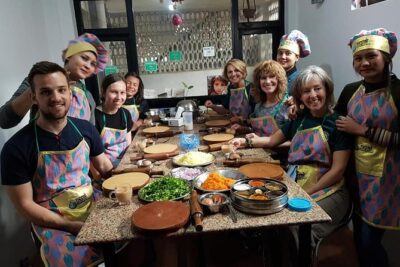
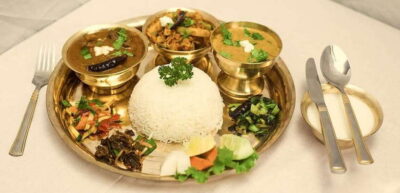
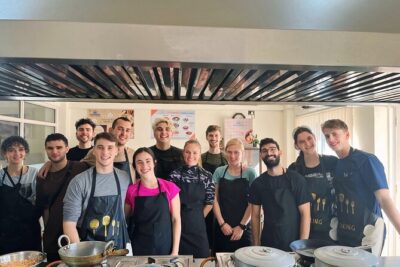
Kathmandu: Women-Led Cooking Class & Momo Making-Local Taste
Read our review →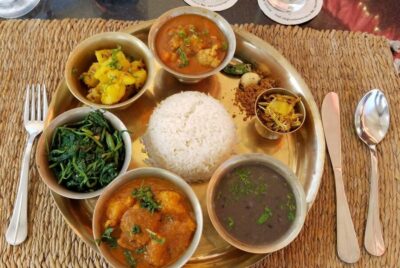
Half Day Cooking Class in Thamel with Local Market Visit
Read our review →
Kathmandu: About 3-hour Cooking Class Experience near Thamel
Read our review →This kitchen also appears in