
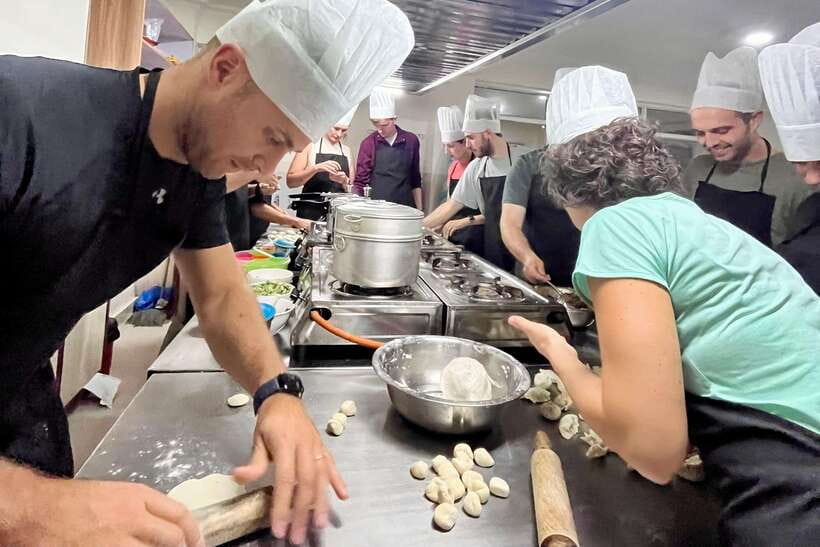
Review · KATHMANDU
Kathmandu: Women-Led Cooking Class & Momo Making-Local Taste
Kathmandu’s food story begins before the cooking starts. You visit a local market to choose vegetables, spices, and meat, then carry those ingredients into a kitchen and turn them into momo, dal bhat, or another Nepali meal. That market-to-plate link gives the class more meaning than a standard cooking demonstration.
I like the small group of up to eight, which should give you room to ask questions and work with the ingredients. I also like the choice of three menus, including Newari specialties such as bara, yomari, and chatamari, not just the familiar momo. One point to consider: folding momo takes practice, and one class review noted that the chef seemed impatient when the technique proved difficult.
Key points to know before booking
- A market visit comes first: You help select the vegetables, spices, and meat used in the class.
- Three menus give you a real choice: Pick from Nepali, Newari, Tibetan-Nepali, vegetarian, and meat-based dishes.
- You eat what you prepare: The class ends with a full tasting session, not just a small sample.
- The group stays small: No more than eight people take part, with instruction in English.
- The price is low: At $11 per person, the class offers a lot for a two to three hour activity.
- Momo folding needs patience: The cooking is hands-on, but the technique can take several tries to learn.
From Kathmandu market to cooking table
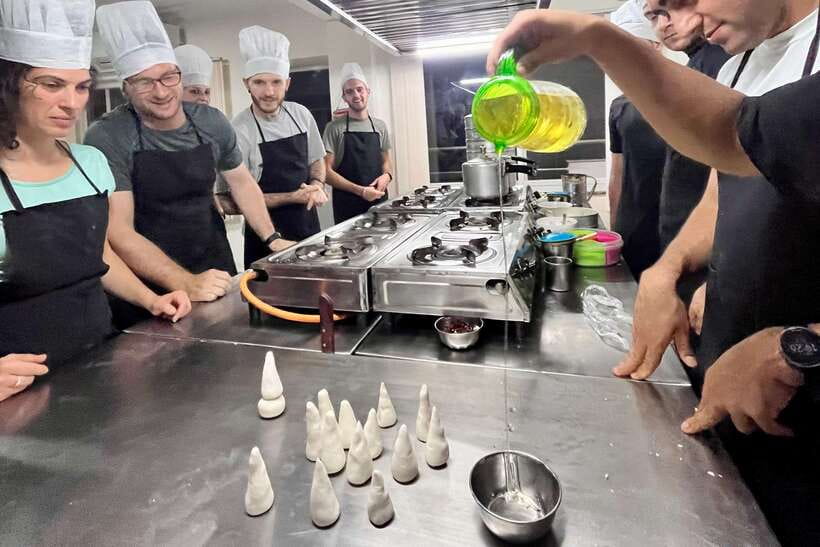
The experience starts with a market or shop visit near the workshop. You help find the ingredients needed for the day’s menu, including vegetables, spices, and meat when a nonvegetarian dish is selected.
This part matters because Nepali cooking depends on more than a written recipe. You get to see the raw ingredients before they are chopped, seasoned, and cooked. A spice that looks modest in a market stall can become a major part of a curry or momo filling. The shopping stop also gives you a better sense of the everyday food choices behind Nepali home cooking.
The exact market route and meeting point are not specified, but the workshop is described as easily accessible from Thamel and elsewhere in the Kathmandu Valley. Check the exact meeting instructions when booking, especially if you are staying outside central Kathmandu.
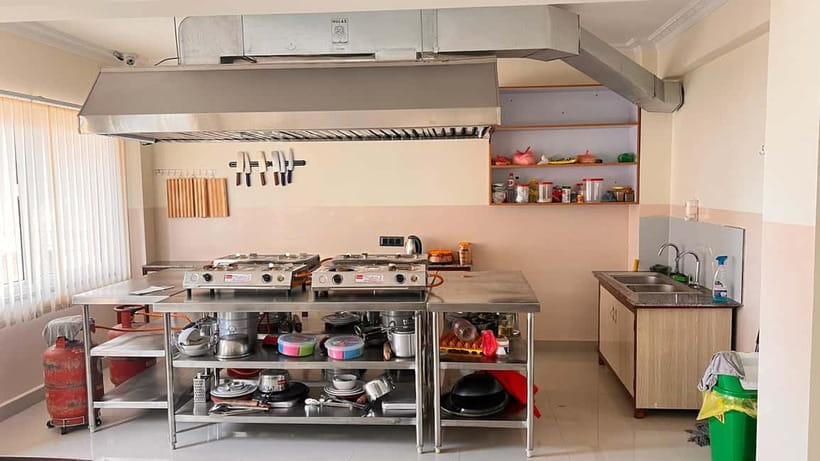
After shopping, you move into a modern Nepali kitchen. The chef provides the cooking equipment, accessories, and step-by-step instruction. Nepali masala tea is served during the lesson, giving you something warm to sip while the preparation gets underway.
More cooking classes around Kathmandu:
- Half day cooking class in Thamel kathmandu
★ 5.0 · 607 reviews - Kathmandu: Local Women-Led Nepali Cooking & Momo Class
★ 4.9 · 360 reviews - Kathmandu: Local Lead Nepali Cooking & Momo-Making Class
★ 5.0 · 212 reviews
Three menus, three views of Nepali food
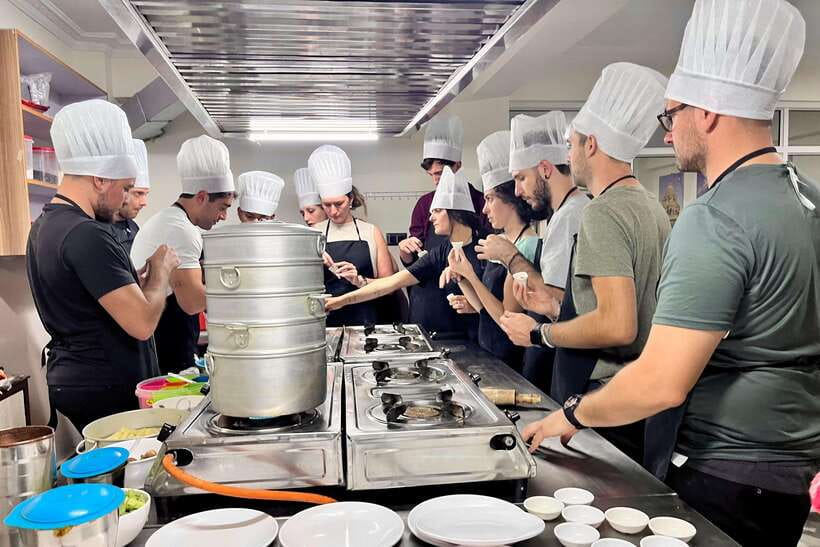
The choice of menu is one of the strongest parts of this class. You are not limited to a single standard plate, though the available choice may depend on the class arrangement.
Menu 1: Bara, dal bhat, and yomari
This is the most clearly Newari and traditional combination of the three.
Bara is a lentil pancake made from ground black gram, also called urad dal. The batter is seasoned with spices and fried until the outside is crisp while the center stays tender. It may be served plain or prepared with egg, minced meat, or vegetables.
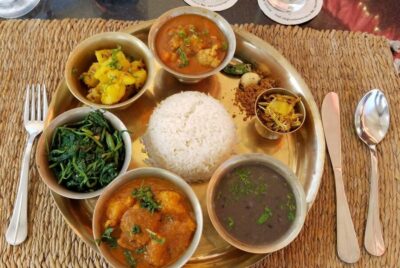
Dal bhat is Nepal’s best-known everyday meal. It combines steamed rice with lentil soup and often includes vegetables, curry, and pickles. The dish is simple in structure, but it teaches several basic parts of Nepali cooking at once: seasoning the dal, preparing rice, and balancing a meal with different textures and flavors.
Yomari finishes this menu on a sweet note. This Newari rice flour dumpling is filled with chaku, a dark molasses-style sweetener, and sesame seeds. Some versions also use coconut. Making the dough and closing the dumpling gives you a different kind of hand skill from folding momo.
Choose this menu if you want the clearest introduction to Newari food and do not mind a meal with several separate preparations.
Menu 2: Chatamari, momo, and kheer
This menu includes two of the most recognizable foods from the Kathmandu Valley.
Chatamari is a thin rice flour crepe often called Nepali pizza. It can be topped with egg, minced meat, vegetables, and spices. Unlike a standard pizza, the base and toppings cook together in a different style, so the class can show you how rice flour works in Nepali cooking.
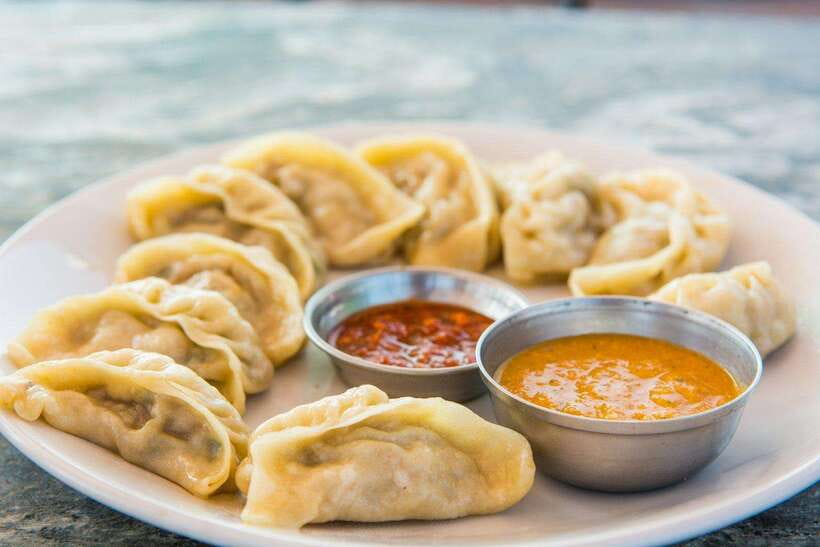
Momo is the star attraction for many people. The dumplings use thinly rolled dough with a filling of minced chicken, buff, pork, or vegetables, seasoned with spices. The key lesson is usually the folding. It looks easy when someone else does it, but pinching the edge into a neat seal can take time.
One participant specifically praised the relaxed atmosphere and said there was enough opportunity to make as many momo as could be eaten. That detail suggests the class places real attention on the dumpling rather than treating it as a quick side dish. Still, allow yourself a little patience. If your first few momo look lopsided, that is part of the learning.
Kheer is a creamy rice pudding made with milk, sugar, and cardamom. Nuts and raisins may be used as a garnish. It gives this menu a gentle dessert finish after the savory crepe and dumplings.
Pick Menu 2 if momo is your main reason for booking and you also want to try a Newari crepe.
Same kitchen, a different dish:
- Local Women Lead Nepali Cooking Class
★ 5.0 · 125 reviews - Kathmandu: Local Women-Lead Nepali Cooking & Momo Class
★ 4.9 · 45 reviews - Kathmandu: Local Lead Nepali Cooking & Momo Making Class
★ 4.9 · 40 reviews - Kathmandu: 3-Hours of Cooking Class with Meals
★ 5.0 · 10 reviews
Menu 3: Aloo chop, thukpa, and carrot halwa
This menu moves toward snack food, soup, and dessert.
Aloo chop is made from mashed boiled potatoes mixed with spices and deep-fried. It is the sort of filling snack that shows how potatoes fit into South Asian and Himalayan food traditions.
Thukpa is a Tibetan-Nepali noodle soup. It uses hand-pulled or wheat noodles in a flavorful broth with vegetables, meat, and aromatic spices. The meat option may include chicken, buff, or mutton. This is a useful choice if you want to see the Tibetan influence in Kathmandu’s food culture rather than focusing only on rice and dumplings.
Carrot halwa is prepared by slow-cooking grated carrots with milk, sugar, ghee, and cardamom. Nuts and raisins can be added at the end. The slow cooking gives the dessert a soft texture and concentrated sweetness.
Choose this menu if you prefer soup, noodles, and a fried snack, or if you want a broader Himalayan food lesson.
What the hands-on cooking is really like
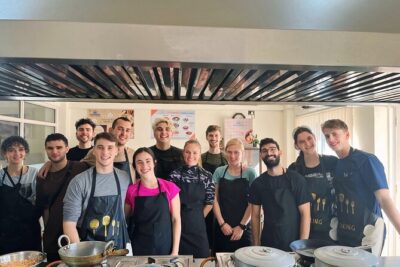
This is not a class where you sit and watch a chef do everything. The experience includes hands-on preparation, use of kitchen tools, and direct instruction from an English-speaking local chef.
You can expect to learn how ingredients are selected, combined, seasoned, and cooked. The chef also explains the cultural meaning of the dishes and the different cooking methods involved. The amount of time spent on each item will depend on the menu and the pace of the group.
The class suits beginners, but you should not expect every dish to be effortless. Momo folding is the clearest example. The dough must be thin enough to handle but strong enough to hold the filling. The seal has to stay closed during cooking. A patient approach will make the lesson more enjoyable.
One class experience received a lower rating because the chef appeared irritated when participants struggled with the folding technique. That is worth keeping in mind. The general feedback is strongly positive, and several comments praise the chef’s friendliness and patience, but teaching style can vary by session. If you are new to cooking, tell the instructor early that you want a slower demonstration.
The class is suitable for people aged eight and above. Children who enjoy shaping dough or mixing ingredients may have a good time, but an adult should help with hot pans, boiling water, and deep-frying.
The dishes teach you more than a recipe
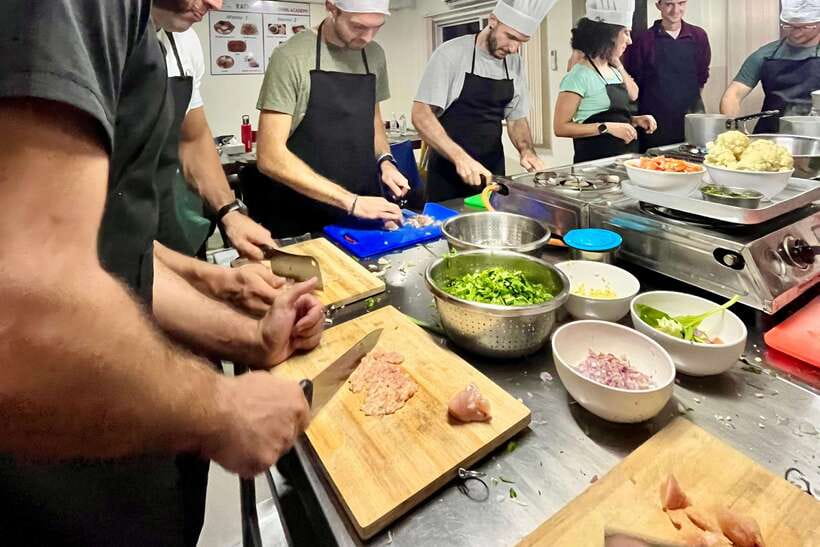
The real value here is cultural context. Dal bhat shows how one meal can combine rice, lentils, vegetables, curry, and pickles. It is filling, balanced, and central to daily eating in Nepal.
Bara and chatamari point to Newari cuisine from the Kathmandu Valley. Yomari brings in a traditional sweet dumpling with a festival association in Newari food culture, though no specific festival program is promised during this class.
Momo reflects the wider Himalayan food world. You may know momo from restaurants in Kathmandu, but making the wrapper, filling, and fold yourself gives you a better sense of the work involved. Thukpa offers another link between Tibetan and Nepali cooking.
Masala tea adds a small but welcome lesson in drinks. Black tea is combined with aromatic spices, and it is served during the class rather than sold as a separate specialty drink.
Eating the meal you prepared
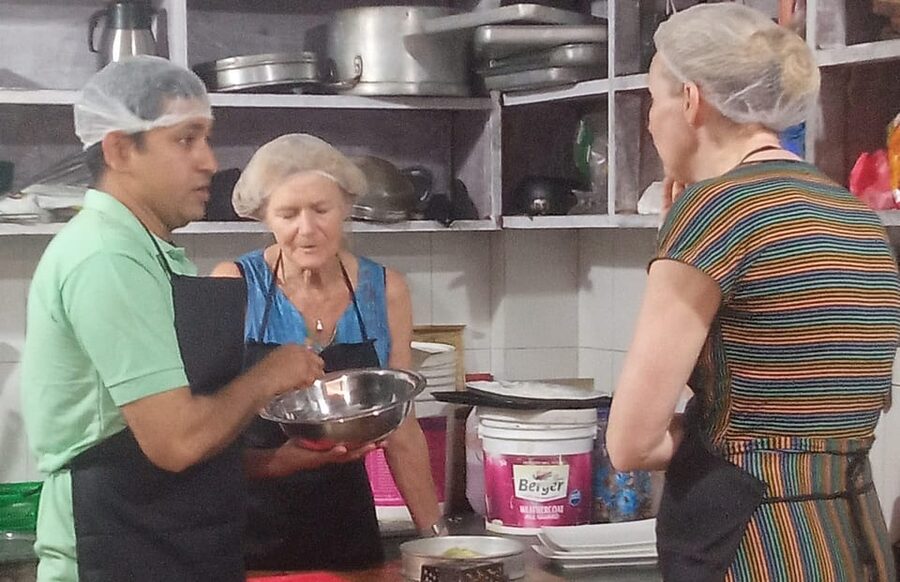
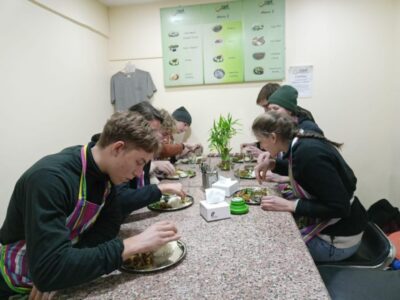
At the end, you sit down to taste the food prepared during the session. This is more satisfying than simply sampling a finished dish because you have handled the ingredients and seen the stages of preparation.
The meal may include vegetarian or meat options. The menu information lists chicken, buff, pork, mutton, egg, and vegetables across the different dishes. If you have dietary restrictions, ask before booking or at the start of the class, since the available substitutions are not specified.
The tasting session is also your chance to compare textures. Bara should have a fried exterior and soft lentil center. Momo should hold its filling inside a tender wrapper. Kheer and carrot halwa offer two different kinds of sweetness, one creamy and milky, the other built around slow-cooked carrots.
The food is repeatedly praised for being fresh, flavorful, and authentic. At the same time, the class is not presented as a restaurant meal with a large selection. You choose one menu and eat the dishes prepared in that session.
Is $11 good value?
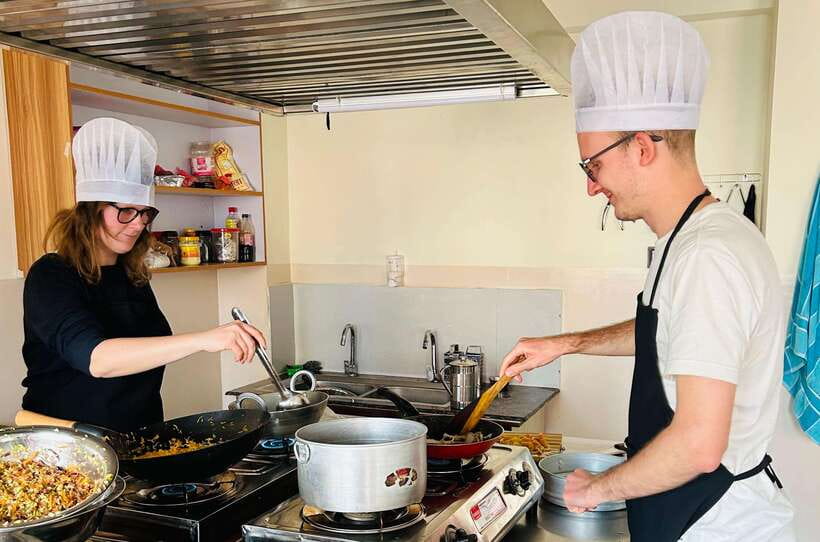
At $11 per person, this is a strong-value activity. The price covers the cooking lesson, local chef instruction, market or shop visit, ingredients needed for the class, kitchen equipment, masala tea, and the food you prepare.
The two to three hour duration is long enough to make the experience feel substantial. You are not paying only for a plate of momo. You are also paying for the market visit, the explanation of ingredients, the preparation work, and the chance to ask questions in a small group.
The value is especially good if you are looking for an activity beyond sightseeing. Kathmandu has many temples and historic sites, but a cooking class gives you a practical connection to daily life. You can also carry the techniques home, particularly the methods for making dal, seasoning fillings, and shaping dumplings.
The low price may mean the experience is straightforward rather than polished. Professional photographs and video are not included, though they are available for an additional fee. Specialty and alcoholic drinks are also excluded. Masala tea is included, so you should not need to buy a drink during the lesson unless you want something extra.
Who should book this class?
I would recommend it to you if you want to:
- Learn Nepali food by cooking instead of only eating
- Try Newari dishes such as bara, yomari, and chatamari
- Make momo with an instructor
- Enjoy a small group rather than a large demonstration
- Add a two to three hour indoor activity to a Kathmandu itinerary
- Travel with children aged eight or older who enjoy practical activities
- Choose between vegetarian and meat dishes
It may be less suitable if you want a fully private lesson, a fixed one-on-one pace, or a detailed professional culinary course. The group is limited to eight, but it is still a shared class. The menu choices are appealing, though the exact flexibility for allergies and substitutions is not stated.
The English instruction is useful for international participants. If you need another language, this experience may not be the right fit, since English is the language provided.
Booking details that matter
The meeting point is accessible from Thamel and the wider Kathmandu Valley, but the exact address should be confirmed before you set out. Starting times vary, so check availability for your date.
You can cancel up to 24 hours ahead for a full refund. The reserve-now, pay-later option lets you hold a place without paying immediately, which is helpful if your Kathmandu schedule may change.
The overall rating is 4.8 from 15 ratings, with strong praise for the food, the friendly welcome, and the chef’s instruction. One lower score focused on the pressure of learning momo folding, so I would book this with the expectation of active practice rather than a perfectly relaxed demonstration.
Should you book the Kathmandu cooking class?
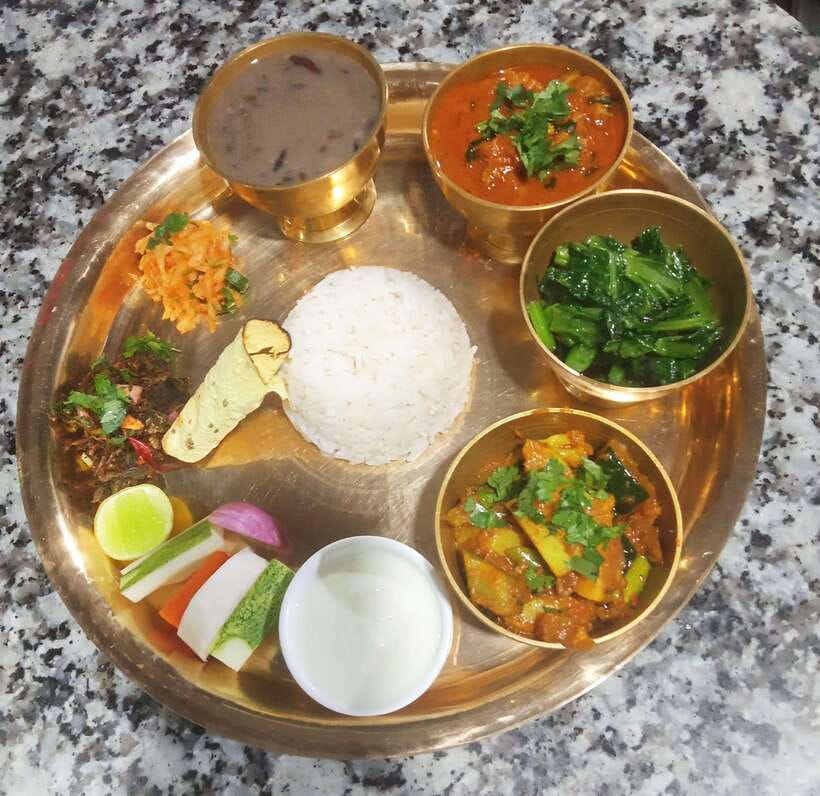
Yes, if you want a low-cost, hands-on way to understand Nepali food. The market visit, small group, three menu choices, and final meal give the class more substance than a simple recipe lesson.
I would choose Menu 2 if momo is your priority, Menu 1 if you want the strongest Newari focus, and Menu 3 if soup, noodles, and potato snacks appeal to you most. Bring curiosity, a willingness to make imperfect dumplings, and enough appetite to eat what you prepare.
FAQ
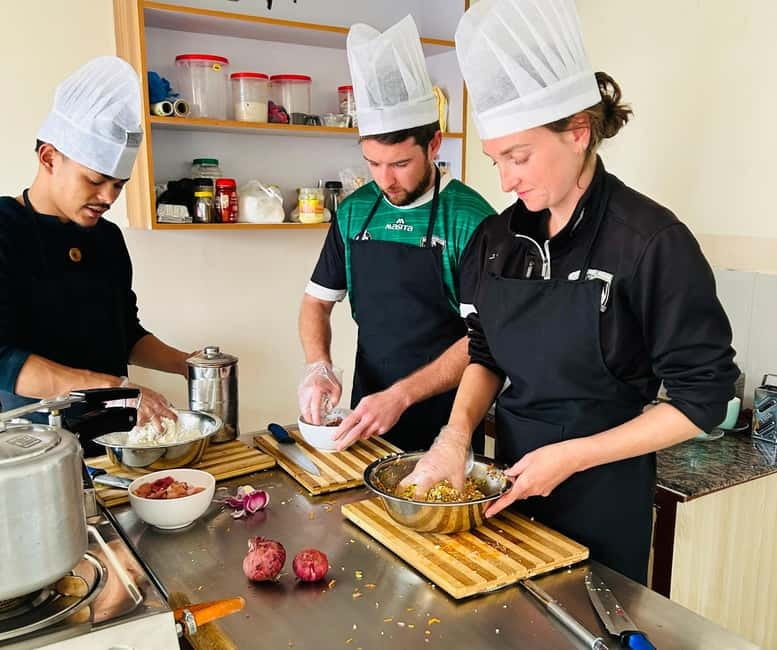
How long does the cooking class last?
The class lasts approximately two to three hours.
How much does the experience cost?
The price is $11 per person.
Where does the class meet?
The workshop location is accessible from Thamel and the wider Kathmandu Valley. Check the specific meeting point and starting time when you book.
Is the market visit included?
Yes. The experience includes a market or shop tour to buy vegetables, spices, meat, and other ingredients needed for cooking.
What dishes can I prepare?
The three menu choices include bara, dal bhat, yomari, chatamari, momo, kheer, aloo chop, thukpa, and carrot halwa.
Are vegetarian options available?
Yes. The menus include vegetarian choices, and the class also offers meat options.
Is the class taught in English?
Yes. The instructor language is English.
How large is the group?
The class is limited to eight participants.
Is the class suitable for children?
Yes. It is suitable for people aged eight and above who are interested in learning to cook new dishes.
New cooking classes around Kathmandu
- Kathmandu: 3-Hours of Cooking Class with Meals★ 5.0 · 10 reviews
- Local Women Led Nepali Cooking Class★ 5.0 · 6 reviews
- Kathmandu: Nepali Cooking Class with Hotel Pickup★ 4.1 · 5 reviews
- Kathmandu: Local Women-Lead Nepali Cooking & Momo Class★ 4.9 · 45 reviews
- Cook with Lisha: Nepali and Newari Cooking Class★ 5.0 · 2 reviews
- Kathmandu: Local Lead Nepali Cooking & Momo Making Class★ 4.9 · 40 reviews
- Kathmandu: About 3-hour Cooking Class Experience near Thamel★ 5.0 · 3 reviews
- Kathmandu: Cooking Class in Nepal★ 5.0 · 2 reviews
Kathmandu Cooking Classes, side by side.
Half Day Cooking Class in Thamel with Local Market Visit
Read our review →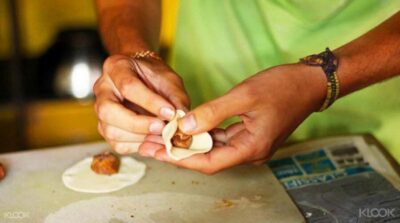
Kathmandu: Nepali Cooking Class with Hotel Pickup
Read our review →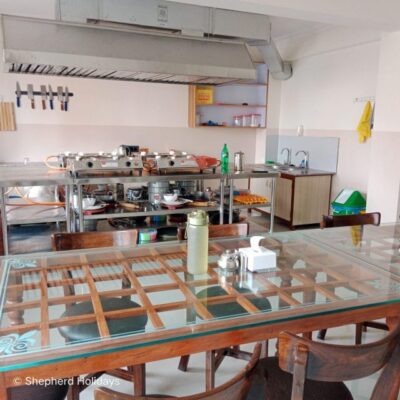
Kathmandu: About 3-hour Cooking Class Experience near Thamel
Read our review →This kitchen also appears in