
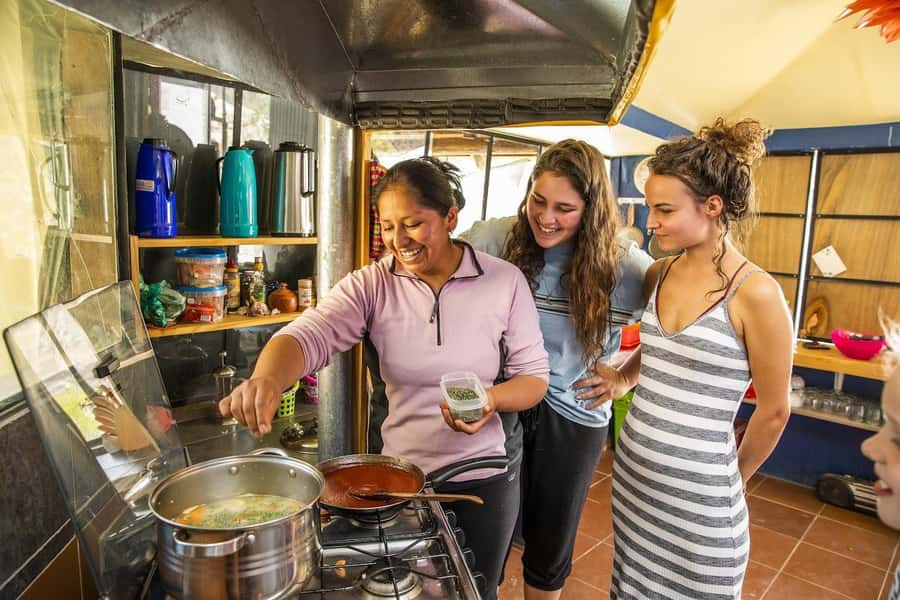
Review · COOKING CLASSES WORLDWIDE
La Paz: Bolivian Cooking Class
The best part of this cooking class is the setting: you prepare Bolivian food in an outdoor kitchen in Jupapina, then sit down to eat with one of La Paz’s finest views in front of you. It is a hands-on way to meet local cooking traditions without committing to a long food tour.
I like the use of fresh local ingredients and the fact that you leave with printed recipes. I also like the clear menu format: one traditional soup and one typical main course. The main consideration is language. The chef speaks Spanish, and although English recipes are provided, the class may feel less conversational for English speakers.
Key points to know before booking
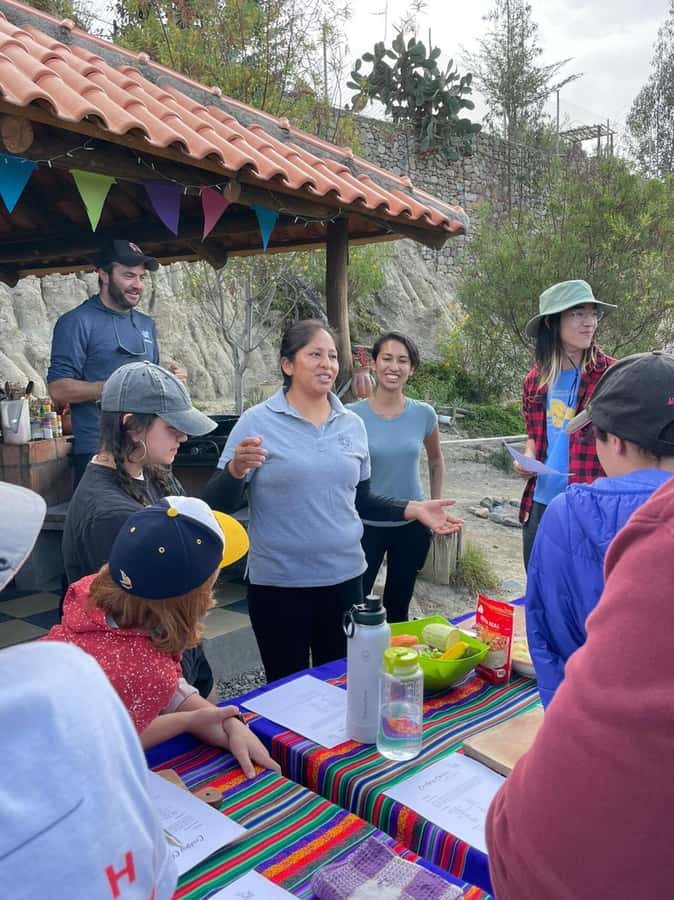
- A 90-minute cooking class: You prepare one common Bolivian soup and one traditional main course, then eat what you made.
- An outdoor kitchen in Jupapina: The class takes place at Colibri Camping, away from central La Paz and surrounded by broad views.
- Fresh ingredients included: You do not need to shop or bring supplies. The cooking ingredients and printed recipes are provided.
- Spanish instruction with English support: The chef speaks Spanish, while English-speaking participants receive recipes in English.
- Vegetarian choices are available: Request the vegetarian option when booking so the kitchen can plan accordingly.
- $30 per person: The price covers the chef, ingredients, recipes, cooking class, and meal.
Cooking Bolivian food with a view of La Paz
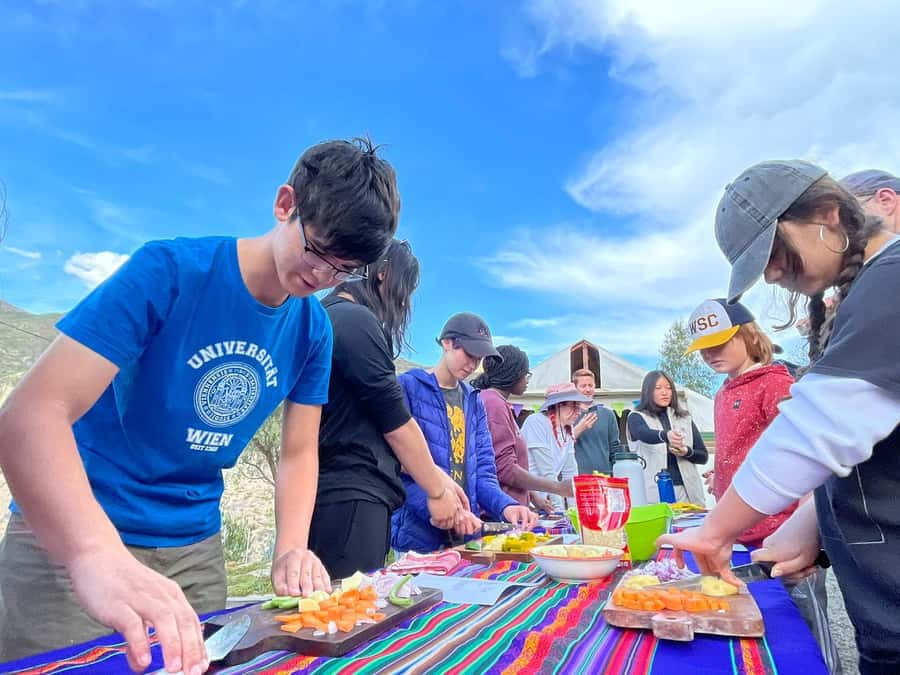
Bolivian cuisine is easier to understand when you prepare it yourself. Rather than simply ordering an unfamiliar dish and guessing what is in it, you work with the ingredients, follow the recipe, and see how a soup and main course fit into a traditional meal.
This class keeps the format practical. You are not signing up for a full-day culinary program or a long lecture about food. In 90 minutes, you work with a local chef, cook two dishes, and eat the finished meal.
The setting adds much of the character. Colibri Camping is at Calle 4 in the village of Jupapina, in the La Paz Department. The cooking takes place outdoors, with the surrounding scenery and views forming part of the experience. If you have already spent time in La Paz’s dense urban center, the open setting gives the class a different pace.
The activity is also a useful choice for anyone who wants a food experience that feels connected to place. You are not just learning a recipe in a generic kitchen. You are cooking outside Jupapina, then eating while looking out across the La Paz area.
More cooking classes around the world:
- Half-Day Thai Cooking Class at Organic Farm in Chiang Mai
★ 5.0 · 19,087 reviews - Florence: Pasta Cooking Class with Unlimited Wine
★ 4.9 · 10,285 reviews - 3 in 1 Cooking Class near Navona: Fettuccine, Ravioli & Tiramisu
★ 5.0 · 7,376 reviews
What happens during the 90 minutes
The class begins with the chef and the ingredients. Everything needed for the dishes is supplied, so you can arrive ready to cook rather than worrying about shopping or measuring out supplies.
The menu includes one of the country’s common traditional soups and one typical main course. The exact dishes are not specified in the available information, so do not book this expecting a particular soup or entrée unless the provider confirms it beforehand.
You work alongside the chef as the dishes come together. The value here is the chance to see the method, not just the finished plate. You can follow the printed recipe, ask questions where language allows, and pay attention to how local ingredients are combined.
After cooking, you eat the meal you prepared. That final step matters. It turns the class into a complete outing rather than a short demonstration followed by a rushed departure. You get time to enjoy the food in the same outdoor setting where you cooked it.
The 90-minute length suits a morning or afternoon plan. It is long enough to include preparation, cooking, and eating, but short enough to fit around other La Paz activities. I would still avoid scheduling it too tightly against another booking, since transport to Jupapina takes planning.
The food: soup, main course, and a vegetarian option
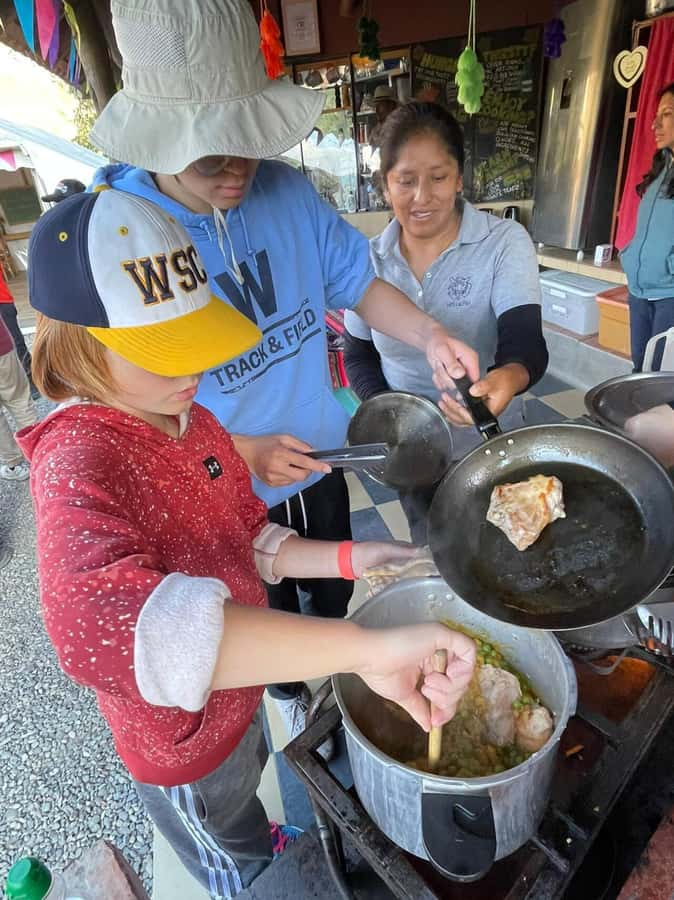
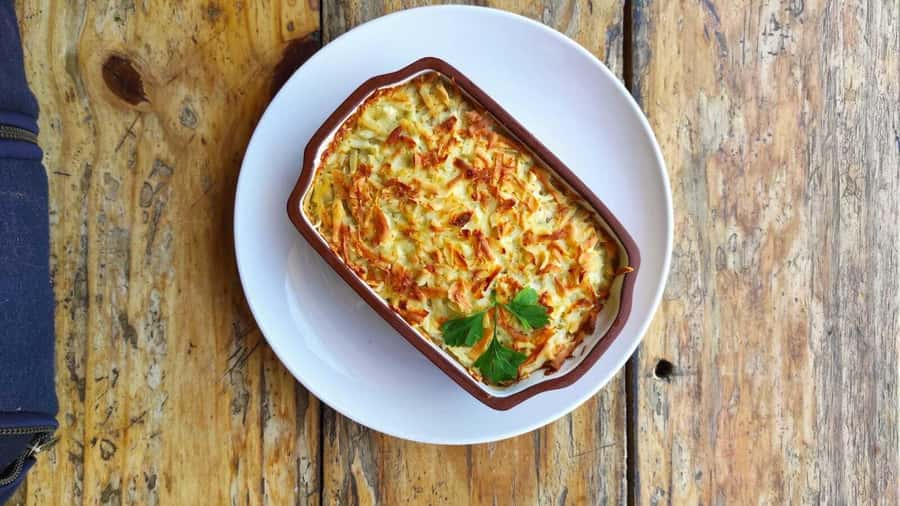
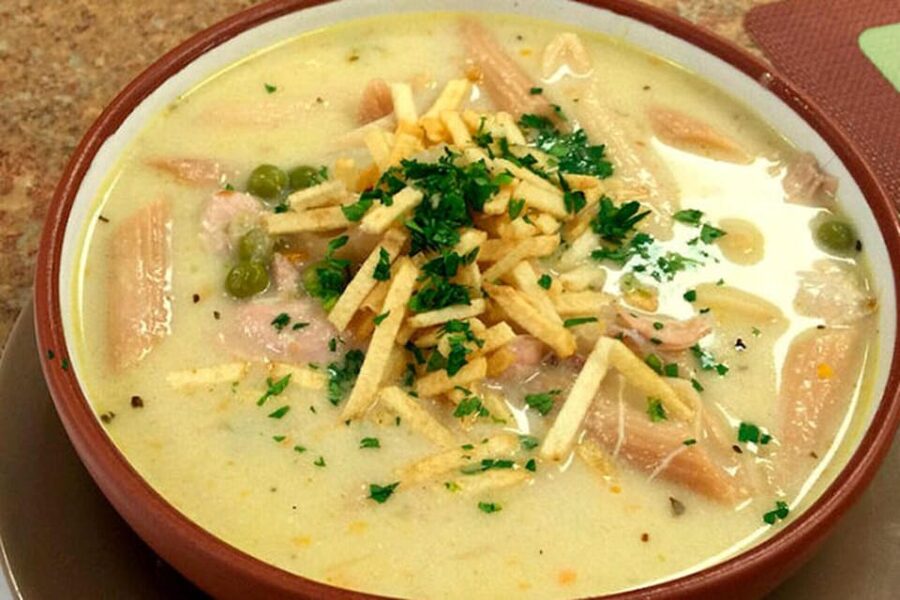
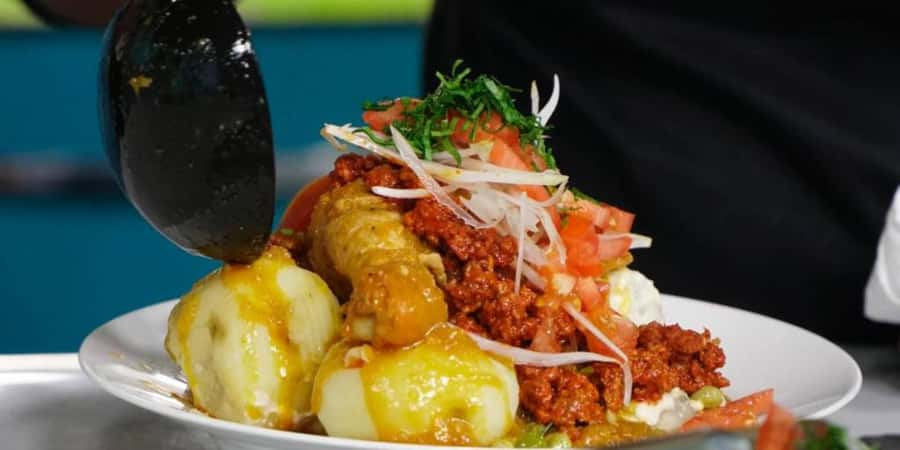
The class focuses on two parts of a traditional Bolivian meal. First, you prepare a familiar Bolivian soup. Then you make a typical main course. This gives you a better sense of everyday cooking than a class centered on one showpiece dish.
Because the precise recipes are not listed, the class leaves room for the chef’s chosen menu. That can be a plus if you want a broader introduction to Bolivian food, but it is less suitable if you have your heart set on making a specific dish.
Vegetarian options are available. If you do not eat meat, make that clear when reserving your place. The information confirms that alternatives can be provided, but it does not list the exact vegetarian dishes.
Fresh local ingredients are included in the price. This is important in a short class, since you can spend your time cooking instead of dealing with a market visit. It also lets you learn through the ingredients themselves, with the chef showing how they are used in the dishes of the day.
You receive printed recipes as well. For English speakers, these recipes are written in English, which gives you something concrete to take home and use later. The recipes may be more useful than trying to remember each step after the meal.
Working with a Spanish-speaking chef
The instructor speaks Spanish. That is the one real limitation for many international visitors, especially if you want a detailed discussion of regional food, ingredients, or technique.
Still, the class is designed to work across the language gap. English-speaking participants receive recipes in English, and the activity is built around cooking together rather than a long spoken presentation. You can follow what the chef does, use the recipe, and connect through the shared work.
I would book this confidently if you are comfortable with a visual, hands-on class. If you need every instruction explained in English, contact the provider before booking and ask how much translation support will be available. No guide name or interpreter is listed, so you should not assume a separate English-speaking instructor will be present.
The current rating is five out of five, including a verified June 2025 booking described simply as incredible. That positive response fits the class’s main strengths: a personal cooking activity, a meal made on site, and an attractive outdoor setting. The rating is based on only two reviews, so I would treat it as encouraging rather than a large body of evidence.
Same kitchen, a different dish:
- Florence: Pasta & Tiramisu Cooking Class with Unlimited Wine
★ 4.9 · 6,708 reviews - Florence: Pasta Cooking Class with Unlimited Wine
★ 5.0 · 6,413 reviews - Hanoi Cooking Class: Culture, Local Market & Meaning CSR Impact
★ 5.0 · 5,147 reviews - 5 Traditional Dishes Hanoi Cooking Class with Market Trip
★ 5.0 · 4,890 reviews
Why the Jupapina location matters
The meeting point is Colibri Camping, Calle 4, Jupapina. This is not a central La Paz pickup point, so the location is part of the planning.
By taxi, go to Calle 4 in Jupapina. At the mural with the orange flower, turn left and follow the road toward the river. Signs lead you toward the venue.
Public transport takes more patience. Bus 253 leaves from Plaza Belzu. Look for the stop at the beginning of the route down to Jupapina, under the large VETERINARIA CAMPEON sign. This bus passes through Mallasa before reaching Jupapina.
Bus 231 runs from Avenida Buenos Aires to Jupapina. Ask the driver to stop at Calle 4 in the village. Another option is to take a bus from El Prado toward Calacoto, then get off at Calacoto Calle 8 or Plaza Humboldt. Buses to Jupapina pass through those areas.
From Plaza Humboldt, local Mallasa and Servivalle taxis can take you to the door. This may be the simplest public transport combination if you are unfamiliar with the area, though you should allow enough time for the connections.
The location gives you the outdoor views that make the experience special, but it also means you should not treat the class as a quick stop in central La Paz. Plan the journey carefully, especially if you have a fixed appointment afterward.
Is $30 a fair price?
At $30 per person, the class is reasonably priced for a short cooking experience. The fee includes an experienced local chef, all cooking ingredients, printed recipes, and the meal you prepare.
The value is strongest if you want several elements in one activity: local food, practical instruction, a meal, and a scenic setting. A cooking class in a memorable location can also give you more personal contact with Bolivian cuisine than a standard restaurant visit.
The price is less compelling if you are looking only for a quick meal. You are paying for the instruction and participation, not just for a plate of food. Likewise, if you dislike cooking or prefer a detailed English-language food tour, this may not be the best match.
The reserve-now, pay-later option gives you some planning flexibility, and free cancellation is available up to 24 hours before the activity for a full refund. Those policies are useful if your La Paz plans are still shifting.
Who will enjoy this cooking class most?
I would recommend it to food-focused visitors who want a compact activity with a clear beginning and end. It works well for couples, friends, and families who enjoy preparing food together and do not need a highly formal culinary school setting.
It is also a good fit if you want something different from La Paz’s usual sightseeing stops. The outdoor kitchen and views provide a change of scene, while the recipes offer a practical link to Bolivian home cooking.
Vegetarians can join, provided they arrange the appropriate option. English-speaking visitors can participate, but they should be comfortable following a Spanish-speaking chef with the help of printed recipes.
The class may be less suitable for anyone who wants a full market tour, a large menu, advanced cooking techniques, or a long cultural lecture. None of those are part of the stated format. The focus is simple: cook a soup, cook a main course, and eat outdoors.
The site is wheelchair accessible, which makes this one of the more practical activity choices for visitors who need an accessible venue. You should still confirm transport arrangements in advance, since the route to Jupapina can involve buses, taxis, and roads outside central La Paz.
Practical tips for a smooth visit
- Allow extra time for the journey to Jupapina, particularly if you are using buses.
- Save the address and the directions involving the orange-flower mural before leaving La Paz.
- Ask the driver to stop at Calle 4 if you use bus 231.
- Request the vegetarian option at the time of booking if needed.
- Bring the English recipe home and use it to recreate the meal later.
- Remember that smoking is not allowed during the activity.
- Check the starting time before booking, since the class operates at available times rather than one fixed daily departure.
The chef’s language should not stop you from booking if you enjoy learning by watching and doing. But if detailed verbal instruction is essential, ask about communication support first.
Should you book the Bolivian cooking class?
Book it if you want an affordable, hands-on introduction to Bolivian food in a memorable outdoor setting. The combination of fresh ingredients, two traditional dishes, printed recipes, and views over the La Paz area gives the 90-minute session a clear sense of value.
Skip it if you want a specific named dish, a central location, or full instruction in English. The class takes place in Jupapina, the chef speaks Spanish, and the menu is not fixed in the information provided.
For most food-curious visitors, this is a worthwhile half-day plan once transport time is included. You cook something local, eat what you make, and leave with recipes rather than just another restaurant memory.
FAQ
How long does the Bolivian cooking class last?
The class lasts 90 minutes, including the cooking session and the meal afterward.
What food will I prepare?
You will prepare one common traditional Bolivian soup and one typical main course. The exact dishes are not specified in advance.
Is a vegetarian option available?
Yes. Vegetarian options are available. Request one when booking so the provider can prepare accordingly.
What language does the chef speak?
The chef speaks Spanish. English-speaking participants receive the recipes in English, and the class is designed to work through hands-on cooking as well.
Where does the cooking class meet?
The meeting point is Colibri Camping, Calle 4, Jupapina. You can reach it by taxi or by public transport from parts of La Paz, including buses 253 and 231.
What is included in the $30 price?
The price includes an experienced local chef, cooking ingredients, printed recipes, and the food you prepare and eat during the class.
New cooking classes around the world
- Shinjuku Tokyo: Authentic Japanese Home-Style Culinary Class★ 4.9 · 125 reviews
- M.O.M COOKING CLASS★ 4.8 · 6 reviews
- Shibuya Tokyo: Onigiri & Tamagoyaki Cooking Class★ 5.0 · 4 reviews
- Seville: Paella-Cooking Experience with Sangria & Full Meal★ 4.9 · 42 reviews
- Shanghai: Authentic Chinese Cooking Class with Master Chef★ 5.0 · 2 reviews
- Sestri Levante: Pesto & Cooking Classes, Wine Tasting★ 4.9 · 56 reviews
- Seville: Paella Cooking Class & 30-Min Local Expert Q&A★ 4.8 · 37 reviews
- Seoul: Korean Kimchi Cooking Class in the Heart of the City★ 5.0 · 3 reviews