
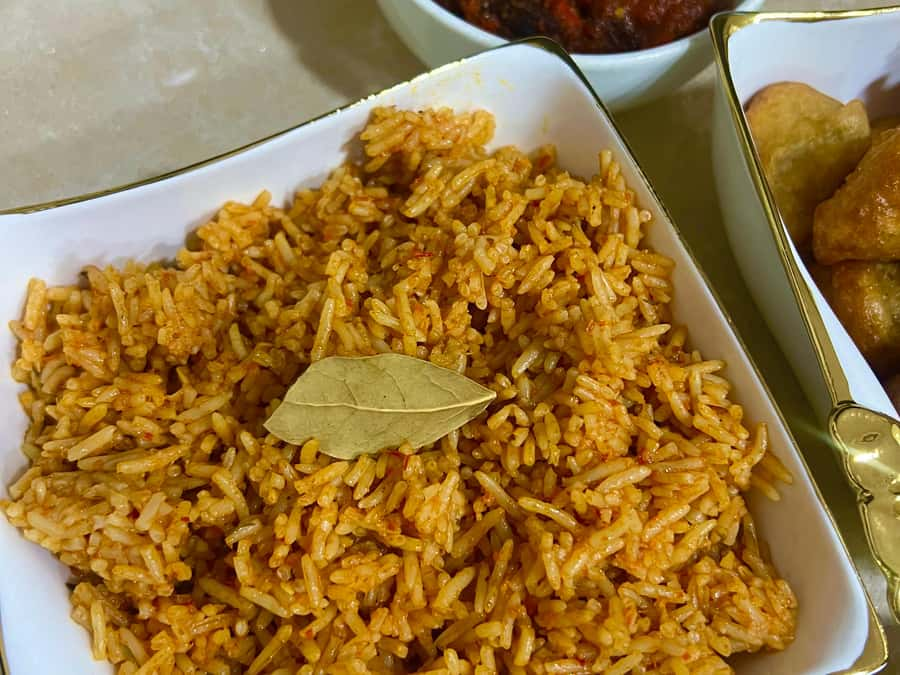
Review · COOKING CLASSES WITH A MARKET TOUR
Lagos, Nigeria: Nigerian Cooking Class and Market Visit
The best part of this Lagos experience starts before the first pot hits the stove. You head into a local market near Oniru, shop for ingredients, learn how bartering works, and see the everyday food trade up close. Then Aisha brings you into her home kitchen for hands-on cooking.
I like the small private format, which gives you room to ask questions and work at your own pace. I also like the useful take-home package: an Adire apron, a PDF recipe book, and the food you prepare. The main consideration is time. Five hours is a serious block in your Lagos day, and a market visit plus several dishes can feel full-on if you want a quick activity.
Key points to know before booking
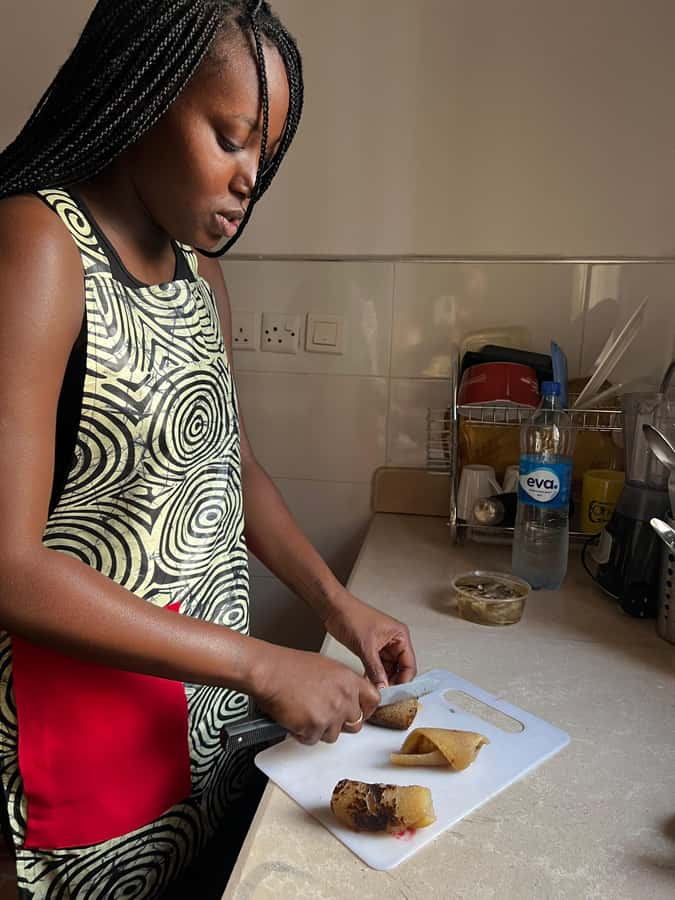
- Shop in the Oniru market area: Choose ingredients and learn about Nigerian spices, meats, and market customs.
- Cook with Aisha: The host leads a private, hands-on class in English from preparation through serving.
- Expect several classic dishes: Possible recipes include jollof rice, egusi, stew, fufu, puff puff, meat pie, and peppersoup.
- Take home practical souvenirs: You receive the Adire tie-dye apron used during class and a PDF recipe book.
- Plan for five hours: Wear comfortable shoes, bring water and sun protection, and keep your passport or a copy ready.
- Best for food-focused adults: Children under 13 are not suitable for this activity, and the group is private.
A Lagos food lesson that starts in the market
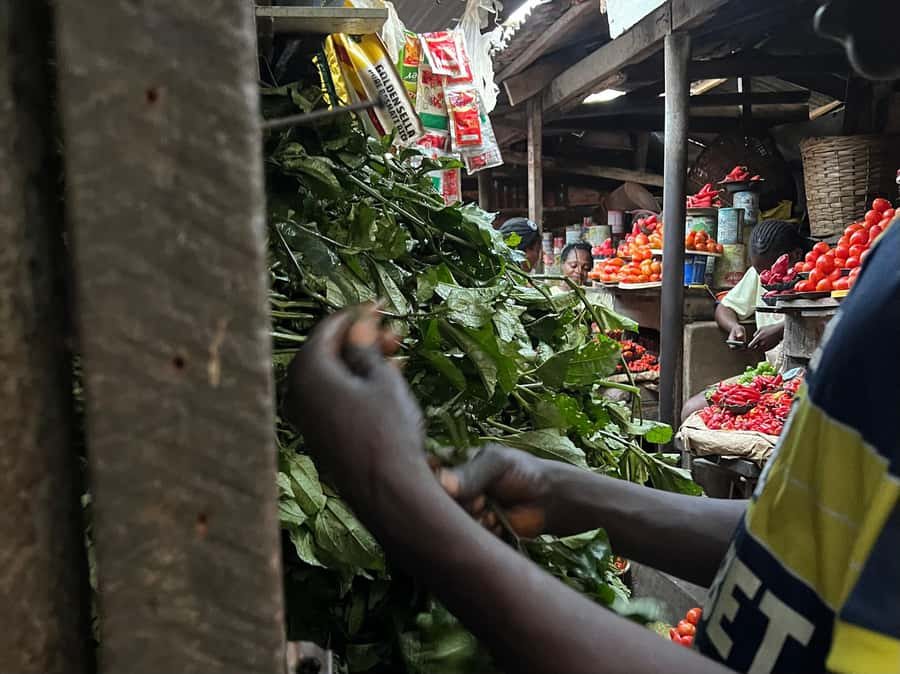
Many cooking classes begin with ingredients already measured and lined up. This one begins with the buying. That change matters. You see how food enters a Nigerian kitchen, rather than only learning how to combine it once it is clean, chopped, and ready.
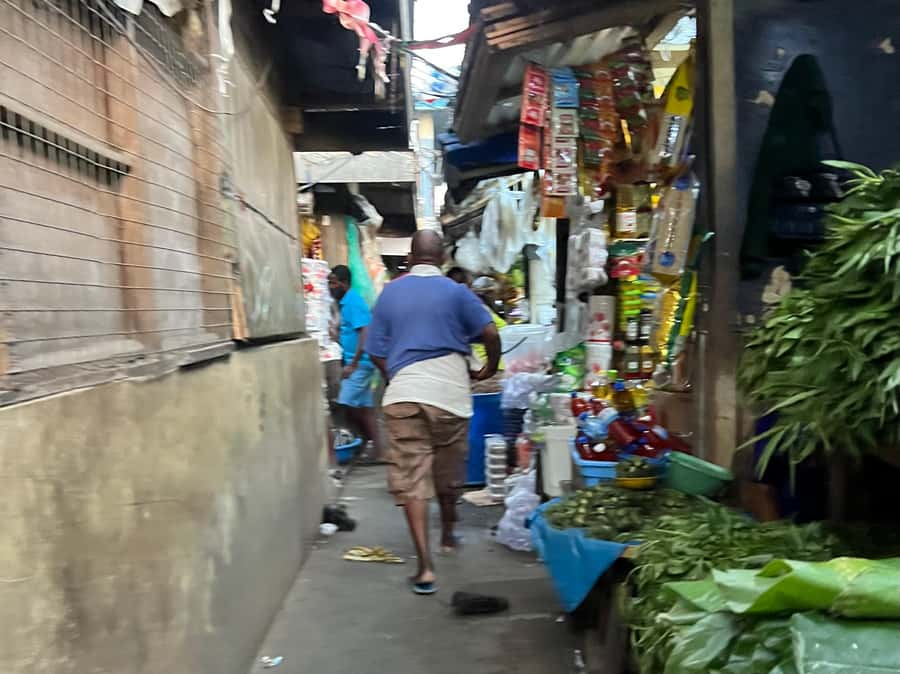
The market portion takes place in a beach neighborhood around Oniru, described as part of the Lagos Island area. You will walk among local stalls, look at spices and fresh produce, and choose meats for the recipes. The market is not just a backdrop for photographs. It is where you begin to understand the choices behind Nigerian cooking.
You should expect noise, movement, negotiation, and plenty to look at. The instructions specifically suggest keeping a firm hold of your phone, which tells you something about the pace and crowding. Wear shoes you can walk in, use sunscreen, and bring water. A sun hat is sensible too.
The market is also the place to ask Aisha about ingredients that may be unfamiliar at home. She can explain the role of different spices and guide you through selecting what the class will use. You get a practical lesson in buying food, not only a talk about Nigerian dishes.
More Cooking Classes with a Market Tour in the world:
- Hanoi Cooking Class: Culture, Local Market & Meaning CSR Impact
★ 5.0 · 5,147 reviews - 5 Traditional Dishes Hanoi Cooking Class with Market Trip
★ 5.0 · 4,890 reviews - Cooking Class and Lunch at a Tuscan Farmhouse with Local Market Tour from Florence
★ 5.0 · 4,831 reviews
Why the market visit adds real value
Nigerian food is closely tied to shopping decisions. The quality and type of pepper, the cut of meat, the seasoning blend, and the freshness of ingredients all affect the final pot. Seeing those decisions made in the market helps you understand why a recipe may taste different when you try it later.
The bartering element is another useful part of the visit. You are not simply walking through a food hall with tidy displays. You get to see the give-and-take of ordinary market shopping and learn how ingredients are selected and purchased.
There is a small tradeoff. Market visits are less controlled than a standard cooking studio. The space may be crowded, the walk may be hot, and the pace can change. If you prefer a quiet, polished setting, this may feel demanding. If you want contact with daily life in Lagos, it is one of the strongest parts of the experience.
Because exact meeting instructions are not included in the information provided, confirm the pickup or meeting point and the market location before you go. The description refers to both Lagos Island and Oniru, so clear directions will save time.
Cooking Nigerian classics with Aisha
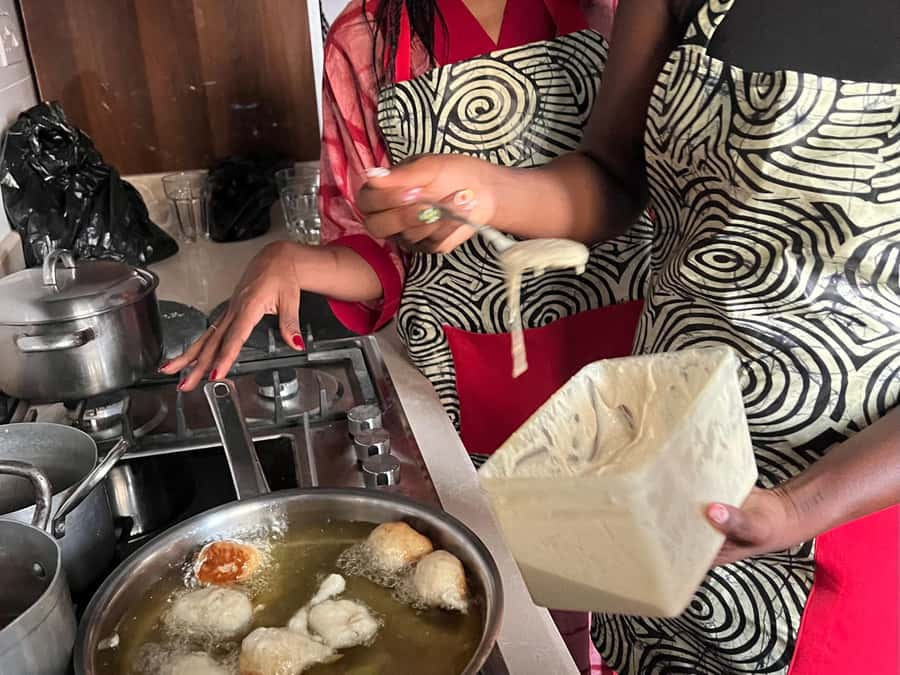
After shopping, you return to the kitchen for the main lesson. Aisha is a home cook who enjoys teaching Nigerian food, and the class is built around doing the work yourself. You are not simply watching her prepare a finished dish while taking notes from the side.
The format is private for one person, a pair, or a small group. The price is $175 per group of up to two, not $175 per person. That makes the cost easier to assess if two people book together. For one person, it is a more expensive cooking lesson, but you receive personal attention and avoid sharing the kitchen with a large class.
The food list is broad. Depending on the class plan, you may work on:
- Jollof rice
- Nigerian stew
- Egusi soup
- Fufu
- Puff puff
- Meat pie
- Peppersoup
That is a lot of ground to cover in five hours, especially with the market visit included. You should think of the class as a generous introduction to Nigerian cooking rather than a full master class in every dish. Some dishes may receive more attention than others, and the final selection may depend on the ingredients and schedule.
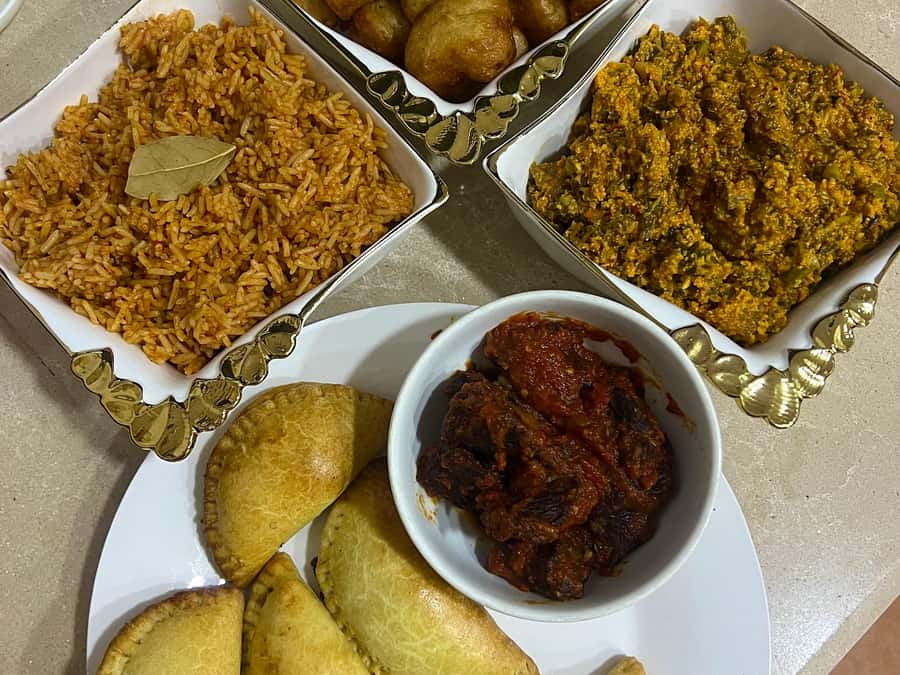
Jollof rice is a natural centerpiece. It is one of the best-known Nigerian dishes outside the country, but making it yourself gives you a better feel for the seasoning, cooking order, and texture. Egusi offers a different lesson, with its distinctive seed-based thickness and savory character. Fufu brings in the role of a soft starch served with soup, while puff puff and meat pie show the snack and pastry side of Nigerian food.
Peppersoup adds another angle. It introduces you to the fragrant, peppery style of a Nigerian soup and the importance of spice blends. You do not need to know these dishes in advance. The class is designed to explain the preparation methods step by step.
Hands-on work instead of a cooking demonstration
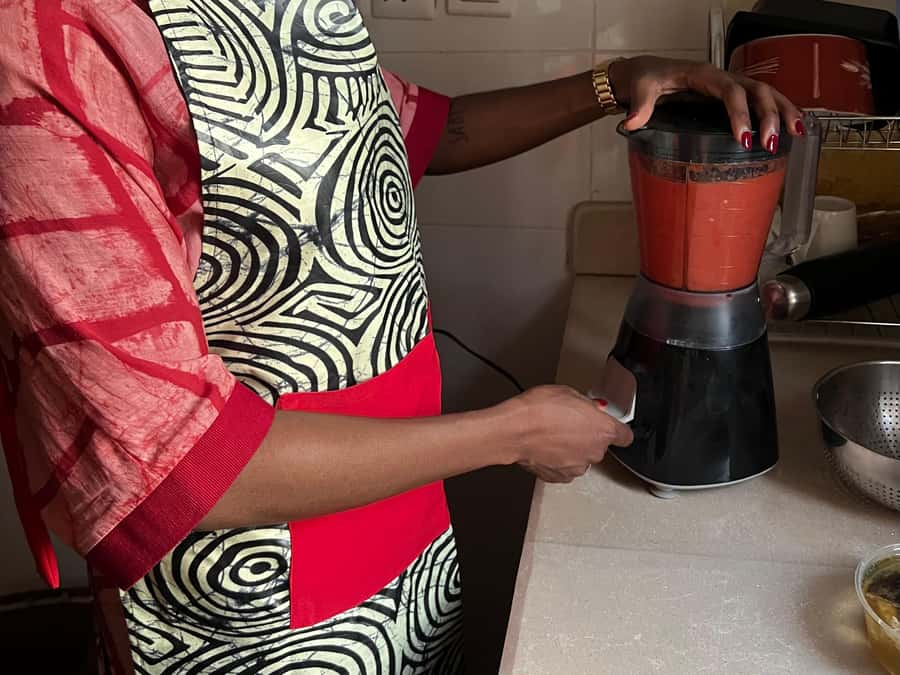
The strongest reason to book this class is the amount of participation. You get to handle ingredients, follow instructions, and see how separate components become a meal. That is more useful than taking home a list of recipes you have never made.
The class is also aimed at helping you repeat the dishes in your own kitchen. Aisha explains methods as well as ingredients, which is important when Nigerian products are not easy to find at home. The PDF recipe book gives you measurements and instructions after the class, so you have a reference once the smells and tastes are no longer fresh in your mind.
A verified booking from Lade praised Aisha’s patience and noted that all the meals turned out well. That is worth highlighting because a private class works best when the teacher allows you time to get things right. Cooking unfamiliar food can involve new textures, new spice combinations, and different preparation habits. Patience matters.
Eleanor, who booked from the United States, particularly enjoyed making jollof rice, puff puff, and egusi soup. Her experience also points to the class’s clear teaching style: complex dishes were made easier to follow through explanation and practice. Those are useful signs for a first-time cook, though your own results will still depend on how closely you follow the instructions.
More cooking classes around the world:
- Half-Day Thai Cooking Class at Organic Farm in Chiang Mai
★ 5.0 · 19,087 reviews - Florence: Pasta Cooking Class with Unlimited Wine
★ 4.9 · 10,285 reviews - 3 in 1 Cooking Class near Navona: Fettuccine, Ravioli & Tiramisu
★ 5.0 · 7,376 reviews - Florence: Pasta & Tiramisu Cooking Class with Unlimited Wine
★ 4.9 · 6,708 reviews
What you get to eat and take home
You will be able to take the cooked food home. That is a practical feature, especially if the class produces several dishes. You get to taste what you made and carry the meal with you rather than treating it as a short sampling session.
The Adire apron is a particularly nice extra. Adire is a Nigerian tie-dye textile tradition, and the apron gives you a locally made souvenir with a clear connection to the activity. It is more meaningful than a generic branded item because you use it during the class and then keep it.
The PDF recipe book is the more useful take-home item in the long run. An apron recalls the day. Recipes let you repeat it. Before booking, confirm how the PDF is delivered, since the information provided does not specify whether it arrives by email or another method.
Price, group size, and the value of personal attention
The cost is $175 for a group of up to two. For a pair, that works out to $87.50 each for a five-hour experience that includes the market tour, food, instruction, cooked dishes, apron, and recipes. That is a fairer value than the headline price may first suggest.
For a solo participant, the price is harder to justify if you are comparing it with a large group class. Still, you are paying for a private format, not just ingredients. You can ask questions freely, spend more time on a tricky technique, and shape the lesson around your interests within the available menu.
The class also gives you an experience that is difficult to reproduce with a restaurant meal. A restaurant lets you taste Nigerian food. This lets you see the ingredients being bought, learn the methods, and leave with tools to make the food again.
The five-hour length should be part of your value calculation. It is long enough to make the market visit meaningful and allow several dishes, but it will take up much of a day. Plan it as a main Lagos activity, not a small add-on between other appointments.
Who will enjoy this most
This is a strong choice if you want food to be your way into Nigerian culture. You do not need advanced cooking skills. The structure suits a curious beginner who wants clear guidance and a chance to ask questions without feeling rushed by a large group.
It is also a good fit for couples and friends. Since the price covers up to two people, sharing the class makes financial sense and gives you someone to cook with. The private setting may appeal to people who would rather make mistakes in a small group than in front of a room full of strangers.
The experience is less suitable for young children. It is not suitable for children under 13, including those under five. The combination of market movement, hot cooking equipment, sharp tools, and a five-hour schedule would also make it a poor fit for anyone looking for a short, low-effort outing.
The activity is wheelchair accessible, but the market portion may involve conditions that are less predictable than the kitchen. If you use a wheelchair, confirm the route and access details before booking rather than assuming every part of the day will be equally easy.
Practical preparation for the day
Wear comfortable shoes. You may be on your feet during the market visit and moving around while cooking. Lightweight clothing, sunscreen, a hat, and water will help with the outdoor portion.
Bring your passport or a copy. Since the class takes place in Aisha’s home, identification is required. A copy is accepted, so you do not necessarily need to carry the original document through the market.
English is the teaching language. Smoking, smoking indoors, alcohol, and drugs are not allowed. Those rules are simple, but they are especially relevant because this is a home-based cooking experience rather than a commercial restaurant kitchen.
You can cancel up to 24 hours in advance for a full refund, and you can reserve now and pay later. Check the available starting times carefully because the market visit and cooking session together require a substantial, fixed block of time.
Should you book this Lagos cooking class?
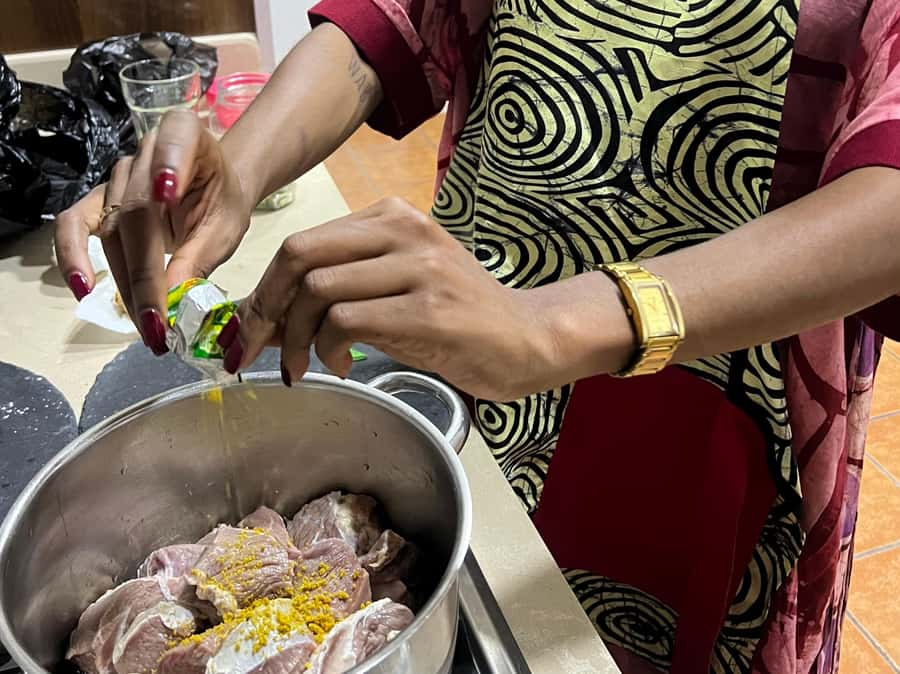
Book it if you want to learn Nigerian food by shopping, chopping, stirring, and tasting. The combination of a local market, private instruction with Aisha, classic dishes, and practical recipes gives the experience more substance than a standard demonstration.
The best value comes when two people share the $175 group price. Solo visitors can still appreciate the personal instruction, but should decide if five hours of cooking is worth the higher per-person cost. Also confirm the exact meeting location, particularly because the description refers to Oniru and Lagos Island.
This is not the right pick if you want a quick food tasting or a polished studio lesson with every ingredient prepared in advance. For an open, personal look at Nigerian cooking, with food to take home and skills to use later, it is a well-focused choice.
FAQ
How long does the Nigerian cooking class last?
The experience lasts five hours, including the market visit and cooking class.
Where does the market visit take place?
The market visit is described as taking place in the Oniru beach neighborhood, within the Lagos Island area. Confirm the exact meeting point before going.
Who teaches the cooking class?
The class is hosted and taught by Aisha, a home cook who specializes in cooking and teaching Nigerian food.
What dishes might I learn to make?
Possible dishes include jollof rice, stew, egusi, fufu, puff puff, meat pie, and peppersoup.
Is the cooking class private?
Yes. It is offered as a private group experience for one person, two people, or a small group.
Is the price per person?
No. The listed price is $175 per group of up to two people.
What is included in the price?
The experience includes the market tour, hands-on cooking instruction, education about Nigerian food and culture, cooked food to take home, an Adire apron, and a PDF recipe book.
Do I need to bring identification?
Yes. Because the class takes place in Aisha’s home, you must present an international passport for identification. A copy is accepted.
Is the activity suitable for children?
The activity is not suitable for children under 13. Children under five are also specifically excluded.
What should I bring?
Bring comfortable shoes, a sun hat or hat, sunscreen, water, and your passport or a copy.
New cooking classes around the world
- Shinjuku Tokyo: Authentic Japanese Home-Style Culinary Class★ 4.9 · 125 reviews
- Shibuya Tokyo: Onigiri & Tamagoyaki Cooking Class★ 5.0 · 4 reviews
- M.O.M COOKING CLASS★ 4.8 · 6 reviews
- Seville: Paella-Cooking Experience with Sangria & Full Meal★ 4.9 · 42 reviews
- Shanghai: Authentic Chinese Cooking Class with Master Chef★ 5.0 · 2 reviews
- Sestri Levante: Pesto & Cooking Classes, Wine Tasting★ 4.9 · 56 reviews
- Seville: Paella Cooking Class & 30-Min Local Expert Q&A★ 4.8 · 37 reviews
- Seoul: Korean Kimchi Cooking Class in the Heart of the City★ 5.0 · 3 reviews
Cooking Classes with a Market Tour, side by side.
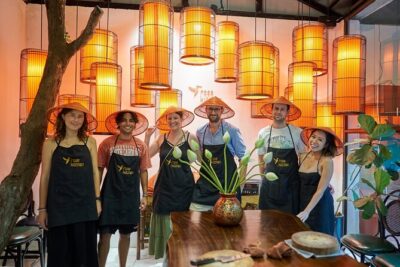
Hanoi Cooking Class: Culture, Local Market & Meaning CSR Impact
Read our review →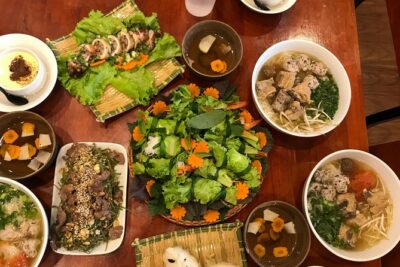
5 Traditional Dishes Hanoi Cooking Class with Market Trip
Read our review →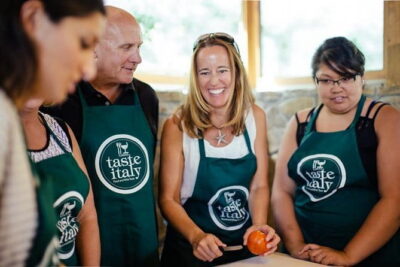
Cooking Class and Lunch at a Tuscan Farmhouse with Local Market Tour from Florence
Read our review →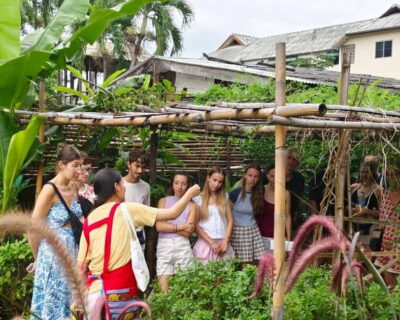
Chiang Mai: Cooking Class, Market & Thai Herbs Garden Tour
Read our review →
Chiang Mai: Authentic Cooking Class with Market & Farm Visit
Read our review →
Barcelona: Paella Cooking Experience & Boqueria Market Tour
Read our review →
Cooking Class Hoi An:Local Market, Basket Boat, Fishing & Cooking
Read our review →
Hoi An Cooking Class(Market,BasketBoat Crabfishing&Cooking Class)
Read our review →This kitchen also appears in