
Review · MEXICO CITY
Learn to Cook Mexican Bread
Pan de Muerto is the star here: a sweet Mexican bread with orange, anise, and bone-shaped decorations tied to Day of the Dead traditions. You meet Veronica at San Cosme Market, look around the local food scene, then head to her apartment to mix, knead, shape, rise, and bake your own loaf.
I like two things right away. First, this is a true hands-on class, not a demonstration where you watch someone else do the work. Second, the bread comes with cultural context and a cup of Mexican hot chocolate, so you understand the food as part of a celebration, not just as a recipe. The main consideration is that the class lasts 2.5 hours and centers on one baked item, so it suits food lovers who want depth over a long list of dishes.
Key points
- Meet at San Cosme Market: Start in the Tacuba neighborhood, where Veronica welcomes you at the market entrance.
- Make Pan de Muerto from scratch: Mix, knead, let the dough rise, shape the decorations, and bake your own bread.
- Learn the symbolism: The bone-shaped pieces and seasonal flavors connect the loaf with Day of the Dead customs.
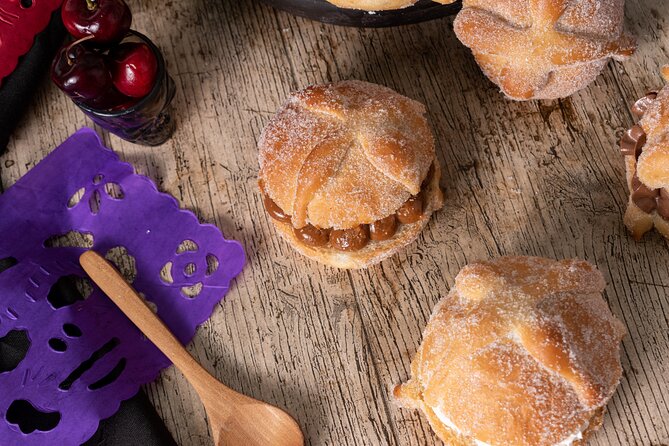
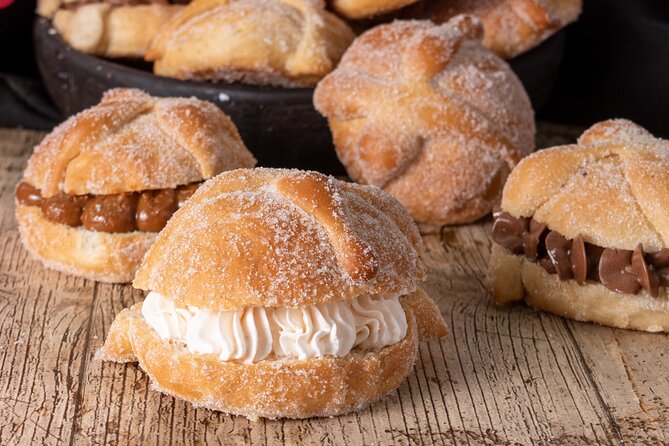
- Choose a filling: Chocolate, whipped cream, or dulce de leche can be prepared if you request it in advance.
- Pair bread with chocolate: Enjoy your freshly baked loaf with traditional high-cacao Mexican hot chocolate.
- Keep the group small: No more than 10 people attend, with instruction in English or Spanish.
Why Pan de Muerto makes this class special
Many cooking classes in Mexico City focus on tacos, salsa, or a full meal. This one takes a narrower path, and that is its strength. You spend the session learning one important seasonal bread in enough detail to repeat it at home.
Pan de Muerto is closely linked with Día de Muertos, the Mexican observance that honors deceased family members and friends. The round loaf and bone-like pieces are not random decoration. Veronica explains the meaning behind these elements while you work, giving the baking a cultural frame that a standard pastry lesson may lack.
The dough also carries a distinct flavor. Orange adds a light citrus note, while anise gives the bread a gentle herbal sweetness. These flavors help separate Pan de Muerto from ordinary white bread or a basic sweet roll. You are not simply learning how to make something soft and sugary. You are learning how ingredients, shape, and season connect.
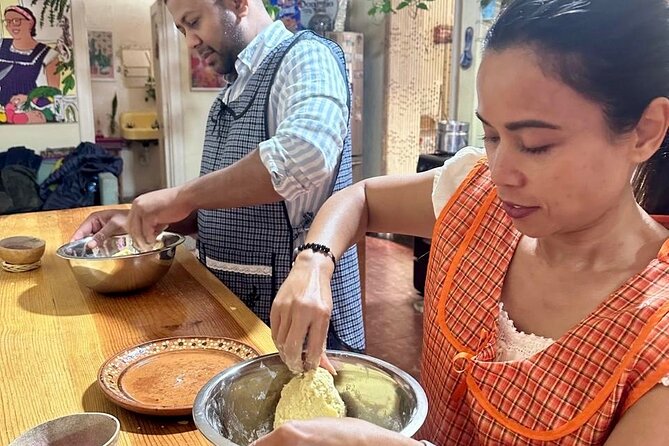
I especially like that the class lets you handle the dough at every key stage. You mix the ingredients, knead until the dough develops, wait for it to rise, shape the loaf, and put it in the oven. That sequence makes the lesson useful for beginners because you see how the bread changes from sticky mixture to finished loaf.
More Baking and Bread Classes in Mexico:
- Lisbon: Pastel de Nata Baking Class
★ 4.9 · 2,106 reviews - Paris Croissant Small-Group Baking Class with a Chef
★ 5.0 · 910 reviews - Paris: French Croissant Baking Class with a Chef
★ 4.9 · 712 reviews
Meeting Veronica at San Cosme Market
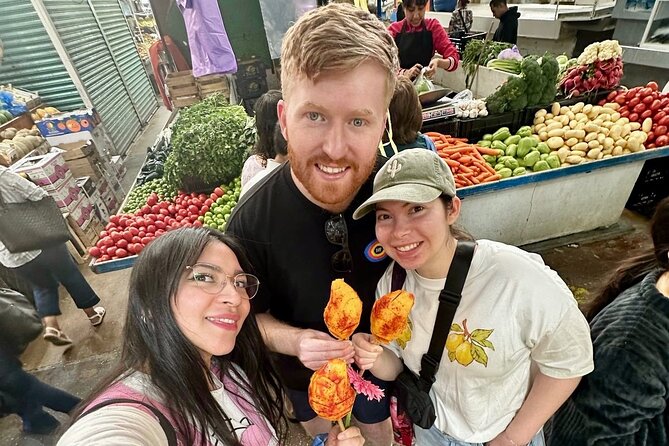
The meeting point is directly in front of San Cosme Market. That clear landmark matters in Mexico City, where a vague street corner can make the start of a small class needlessly stressful. The session begins in the Tacuba neighborhood, and Veronica meets you there before the baking starts.
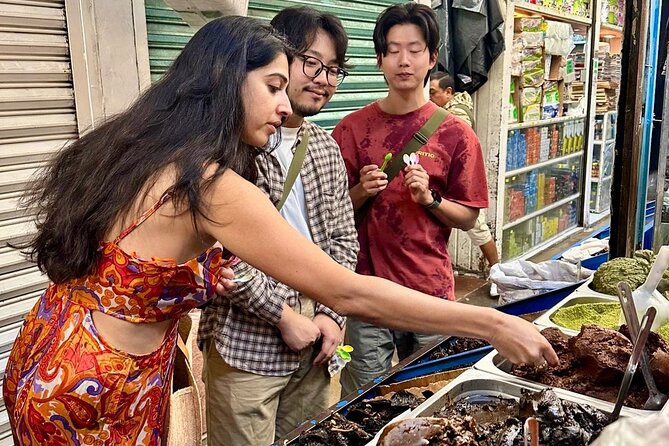
The market portion gives the class a local beginning. You are not dropped into a kitchen with no sense of place. Instead, you first get a look at the neighborhood and the setting where the experience begins. The available details do not promise a long guided food tour, so I would think of this as a short market introduction rather than a full market excursion.
After meeting Veronica, you walk to her apartment, where the baking setup is ready. One participant described the route as a market visit followed by a walk to Veronica’s apartment, with the ingredients prepared for the class. That arrangement gives the session a personal feel, though it also means this is a home-based activity rather than a formal cooking school.
If you prefer polished demonstration kitchens, this may feel less structured. If you enjoy meeting a local instructor in a personal setting, it is a plus. The small group limit of 10 keeps the class from becoming a large production, though the exact amount of individual attention can depend on how many people book that day.
Mixing and kneading the Mexican bread
Once you arrive, the work begins with the bread dough. Ingredients and kitchen equipment are included, so you do not need to bring baking supplies. You learn how the ingredients come together and then take over the physical work yourself.
Kneading is the part many first-time bakers remember. It gives you a feel for the dough that a written recipe cannot provide. You can see and touch the changes as the mixture becomes smoother and more workable. Veronica guides you through the process rather than leaving you to guess when the dough is ready.
The dough then needs time to rise. That pause is part of the rhythm of the class. It also explains why the activity takes 2.5 hours even though the hands-on work is not constant from start to finish. The session includes preparation, waiting, shaping, baking, and eating.
A useful tip is to wear something comfortable and suitable for kitchen work. The class includes kneading and shaping, so this is not an activity where you stay clean and untouched by flour. The supplied details do not specify a dress code or apron policy, so ask ahead if that matters to you.
Shaping the bones and learning the meaning
After the dough rises, you shape the loaf and add the familiar bone-like pieces. This is one of the most memorable parts of the class because the decoration is made from dough, not simply placed on top as a ready-made garnish.
Veronica explains what the shapes mean within Pan de Muerto and Day of the Dead traditions. That explanation adds value to the practical work. You leave knowing not only how to copy the form, but also why the bread looks the way it does.
The shaping stage is also where beginners may appreciate the small group format. Bread decoration takes a little care, and a group of 10 or fewer gives you a better chance to ask for help. Instruction is offered in English and Spanish, making the activity workable for English-speaking visitors as well as Spanish speakers.
Do not expect every loaf to look bakery-perfect. That is part of the point. You make the bread yourself, and the small irregularities show that it came from your hands. The class promises your own beautifully crafted loaf, but the practical reward is the skill to try again at home.
More Mexican Cooking Classes around Mexico:
- Cabo San Lucas Mexican Cooking Class Experience and Local Markets
★ 5.0 · 915 reviews - Mexican Cooking from Scratch in a Local Home in Tulum
★ 5.0 · 585 reviews - Authentic Mexican Legacy Cooking Class in Cabo San Lucas
★ 5.0 · 530 reviews - Mexican Cooking Class with Food Market Visit in Mexico City
★ 5.0 · 506 reviews
Choosing a filling before you arrive
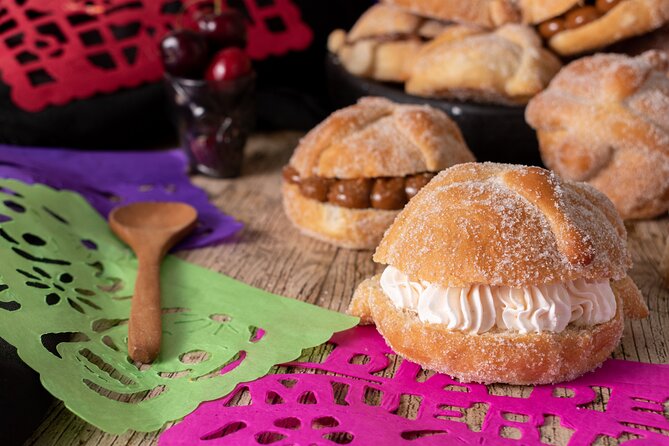
The standard bread is flavored with orange and anise, but you can request a filling. The choices are chocolate, whipped cream, or dulce de leche.
You need to send a message in advance if you want one prepared. This is an important detail. Do not assume you can decide at the last minute when you arrive. If you have a strong preference, make the request before the class so the filling is ready for your loaf.
Each option changes the character of the bread. Chocolate makes the result more dessert-like. Whipped cream gives it a lighter, softer finish, while dulce de leche adds a caramel sweetness. The available details do not say whether every filling is used in the same way or how much is provided, so treat the choice as an optional addition rather than the central part of the class.
I would choose the filling based on how you plan to eat the bread. If you want to appreciate the orange and anise flavors on their own, skip it. If you are making the class part of a festive afternoon treat, chocolate or dulce de leche may be the better match.
Baking, hot chocolate, and the best part of the afternoon
Once the loaf is shaped, it goes into the oven. The aroma of baking bread is a major part of the experience, and the wait gives Veronica time to continue explaining the tradition or help with the final steps.
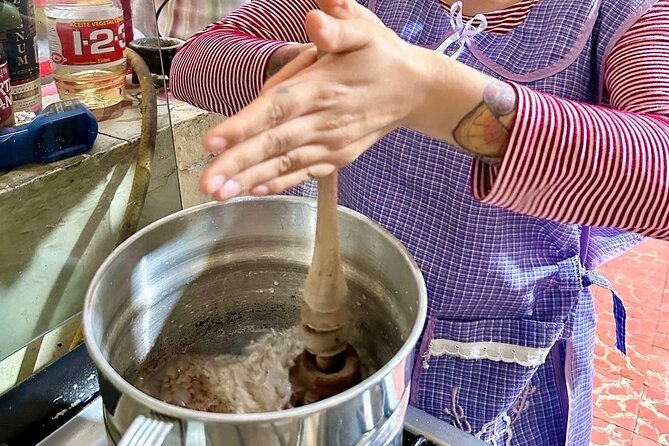
The class includes a traditional high-cacao Mexican hot chocolate. This is more than a drink on the side. Hot chocolate is a natural partner for sweet bread, and the pairing gives you a chance to enjoy the finished Pan de Muerto in the way a food experience should end: warm bread, chocolate, and conversation.
The class description presents the hot chocolate as a traditional Mexican preparation, but it does not list the exact ingredients or preparation method. You should expect to drink it with the bread, but do not book this expecting a separate chocolate-making workshop.
The two available ratings are both five out of five, and the specific praise is consistent: Veronica creates a welcoming atmosphere, explains Pan de Muerto, and teaches the process from mixing through baking. One account describes the full sequence clearly, including the market meeting, the walk to the apartment, the rising time, and the final bread and chocolate. Another highlights Veronica’s teaching and the taste of the finished loaf.
Those details point to the class’s strongest feature: personal instruction. The food matters, but the experience depends just as much on Veronica’s ability to make the process comfortable for beginners.
Is $79 a fair price?
At $79 per person, this is not the cheapest way to eat bread in Mexico City. You could buy a Pan de Muerto from a bakery for a small fraction of the cost. The value comes from the instruction, ingredients, equipment, cultural explanation, market meeting, and the chance to take your own loaf home.
The price makes the most sense if you want an activity, not just a snack. You receive 2.5 hours of guided time, hands-on baking, hot chocolate, and a recipe experience you can repeat. The included equipment also helps visitors who are staying in a hotel or short-term rental and do not have a properly equipped kitchen.
The value is weaker if you only want to taste Pan de Muerto or if you have already taken several Mexican baking classes. This is a focused lesson, not a broad survey of Mexican food. You do not make a full meal, visit several neighborhoods, or prepare multiple recipes.
For a visitor who enjoys food culture, the price is reasonable because the class connects the recipe to Día de Muertos and gives you a skill to carry home. For a traveler watching every peso, I would book it only if baking is one of your main interests in Mexico City.
Who will enjoy this class most?
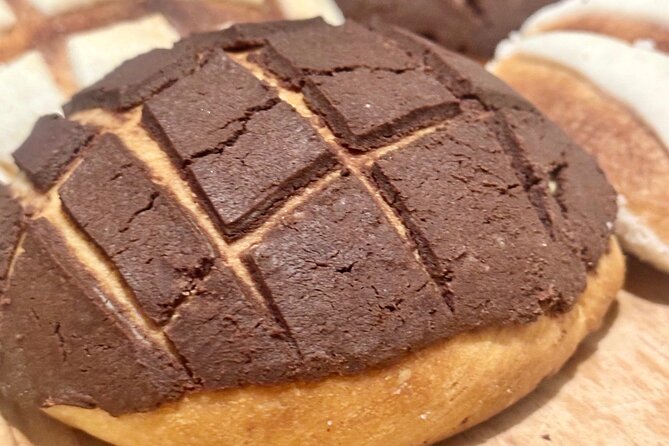
This class suits first-time bakers, home cooks, couples, families with an interest in food, and anyone planning a Mexico City visit around Día de Muertos themes. You do not need advanced baking experience. The class is designed around direct instruction, and the basic sequence is easy to understand.
It also works well for people who prefer a quieter cultural activity. You are not rushing between major sights or sitting through a long lecture. You are using your hands, asking questions, and eating something connected to Mexican tradition.
The class may be less suitable for someone who wants a full Mexican cooking menu. If your goal is to learn tortillas, salsas, mole, or several savory dishes, choose a broader cooking class instead. This experience is about Pan de Muerto and the setting around it.
The small group limit is another reason to book if you prefer personal contact. Ten people is still enough for a social class, but it is more manageable than a large commercial workshop. English and Spanish instruction gives you flexibility, though you should confirm your preferred language when booking.
Timing, meeting details, and cancellation
The activity lasts 2.5 hours and is usually offered in the morning or afternoon. That makes it easy to fit around sightseeing, though you should allow enough time to reach San Cosme Market before the stated start time.
You meet at the front of San Cosme Market. From there, the session continues to Veronica’s apartment. Since the experience includes a walk between the market and the home kitchen, confirm the meeting instructions before setting out.
The group is limited to 10 participants. Kitchen equipment and ingredients are included. A filling can also be arranged, but you must request chocolate, whipped cream, or dulce de leche ahead of time.
You can cancel up to 24 hours before the activity for a full refund. The reserve-now, pay-later option lets you hold a place without paying at the time of booking, which is useful when your Mexico City schedule is still changing.
My recommendation
I would book this class if you want one memorable food activity with a clear cultural link. The best parts are specific and useful: meeting Veronica at San Cosme Market, working in a small group, making Pan de Muerto through every stage, hearing what the shapes mean, and eating the finished loaf with Mexican hot chocolate.
I would skip it if you want a full meal, a professional culinary-school setting, or several different recipes. At $79, the class earns its price through personal instruction and cultural context, not through the amount of food.
For most food-focused visitors, this is a warm, practical way to spend 2.5 hours in Mexico City. Bring curiosity, make your filling request early, and expect to leave with bread that carries a story as well as a pleasant orange and anise flavor.
FAQ
How long does the Pan de Muerto class last?
The class lasts 2.5 hours and is usually available in the morning or afternoon.
Where does the activity begin?
You meet at the front of San Cosme Market in Mexico City, in the Tacuba neighborhood.
Who teaches the class?
Veronica teaches the class. Instruction is available in English and Spanish.
What does the price include?
The $79 price includes kitchen equipment, ingredients, the bread-making lesson, and traditional high-cacao Mexican hot chocolate.
Can I add a filling to the bread?
Yes. You can request chocolate, whipped cream, or dulce de leche. Send a message before the class so the filling can be prepared.
Can I cancel for a refund?
Yes. You can cancel up to 24 hours in advance for a full refund. You can also reserve now and pay later.
New cooking classes around Mexico
- San Miguel de Allende: Mexican Cooking Class | Mole & Salsas★ 4.8 · 7 reviews
- San José del Cabo:Cooking Class +Margaritas & Mezcal tasting★ 4.8 · 12 reviews
- Puerto Escondido: Mexican Cooking Class, enjoy mexican food★ 5.0 · 9 reviews
- Playa del Carmen: Isa’s Authentic Mexican Cooking Class★ 4.9 · 18 reviews
- Playa del Carmen: Mexican Cooking Class★ 5.0 · 16 reviews
- PDC Traditional Mexican Cooking Experience★ 5.0 · 6 reviews
- Oaxaca: Traditional Oaxacan Cooking Class with Market Visit★ 4.9 · 80 reviews
- Oaxaca: Vegetarian Cooking Class★ 4.8 · 139 reviews
Mexico City Cooking Classes, side by side.
Mexican Cooking Class with Food Market Visit in Mexico City
Read our review →
Essence of Mexico: Authentic Mexican Cooking Class & Market Tour
Read our review →
Mexican Cooking Class & Cocktails in Mexico City
Read our review →
Private Mexican Cooking Class with Gastronomic Historian, Lucia
Read our review →
Market tour, cooking class & three-course Mexican feast
Read our review →
Mexico City: Street Taco Cooking Class & Market Tour
Read our review →
This kitchen also appears in