
Review · LISBON
Lisbon: Pastel de Nata Baking Class
Lisbon’s famous custard tart is best understood warm from the oven, with crisp pastry, soft custard, and a little help from a patient local cook. This two-hour class takes you through the process step by step, from handling the dough to filling the pastry cases.
I like the friendly, social setup, especially for solo visitors or couples who want more than another sightseeing stop. I also like the Portuguese food and drink woven into the lesson, including coffee, Porto wine, homemade juice, and a ginginha tasting. The main thing to consider is location: Homecooking Lisbon HUB is not right in central Lisbon, so allow extra time for the journey.
Key points to know before booking
- You make the pastry yourself: You handle the dough, shape the cases, and prepare the custard rather than simply watching a demonstration.
- The class works well for beginners: Ingredients are measured in advance, and the chef explains why some preparation is done ahead of time.
- Drinks are part of the experience: Expect coffee, water, homemade juice, Porto wine, and a taste of ginginha, the Portuguese cherry liqueur.
- Pair work is part of the format: One session had 12 people, with participants working in pairs. Solo visitors are matched with another person.
- Several named instructors lead sessions: Beatrice, Marta, Miyuki, Miguel, Bea, Pedro, and others have been praised for clear, warm teaching.
- Plan your route carefully: The meeting point is Homecooking Lisbon HUB, and one session found a taxi easiest. A bus stop is reported directly outside.
What makes pastel de nata worth learning in Lisbon
Pastel de nata looks simple. It is a small pastry shell filled with yellow custard. But the appeal comes from the contrast: thin, flaky layers against a creamy center, with browned spots on top and just enough sweetness.
A class gives you a useful way to understand that contrast. You do not just eat the finished tart in a café. You feel the dough, see how it is folded and shaped, and learn how the custard fits into the pastry. That makes the next tart you order in Lisbon more interesting.
The lesson also gives you a taste of Portuguese food culture without turning into a formal lecture. The instructors explain the origins of the pastry and connect it to local cooking traditions. Bea, Marta, Miyuki, Miguel, and Beatrice are among the instructors praised for making those explanations easy to follow and keeping the mood light.
You should not expect a professional pastry-school course. This is a social, approachable activity for visitors. The goal is to show you the method, let you take part, and send you home with a recipe you can try again.
More Tiramisu and Dessert Classes in Lisbon:
- Lisbon: 2-Hour Pastel de Nata Cooking Class
★ 4.8 · 461 reviews - 3 in 1 Cooking Class near Navona: Fettuccine, Ravioli & Tiramisu
★ 5.0 · 7,376 reviews - Florence: Pasta & Tiramisu Cooking Class with Unlimited Wine
★ 4.9 · 6,708 reviews
Arriving at Homecooking Lisbon HUB
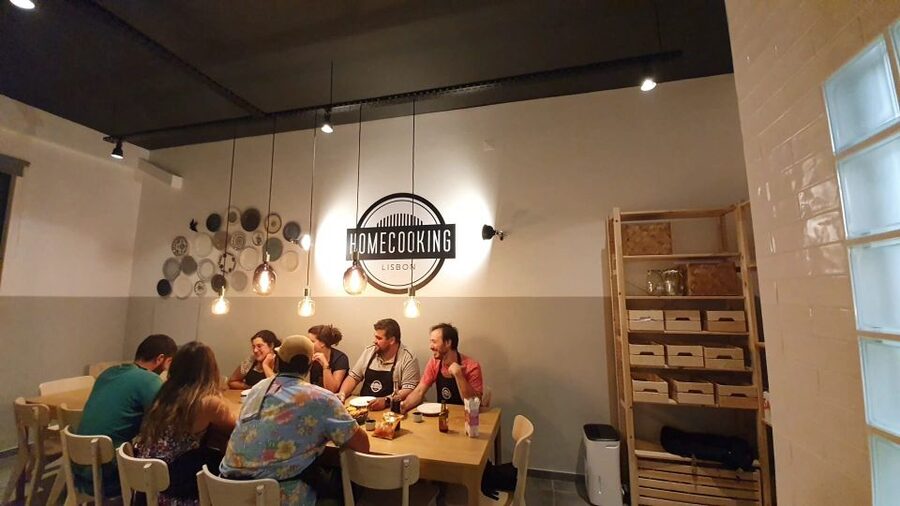
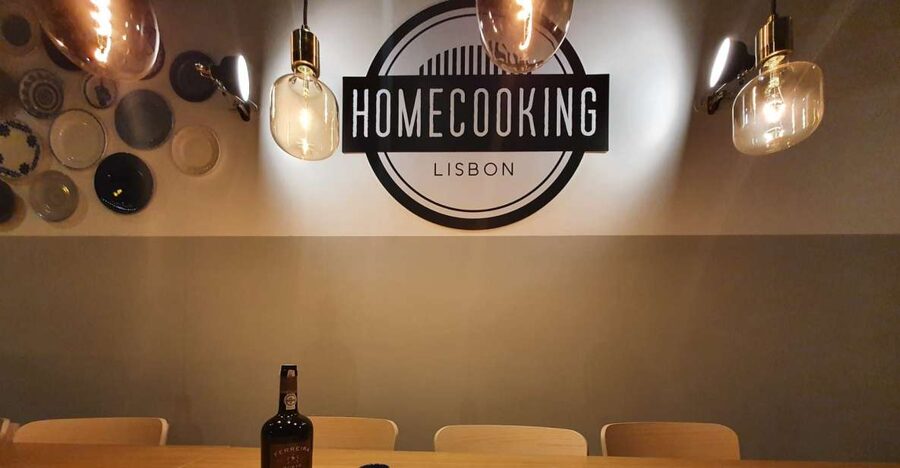
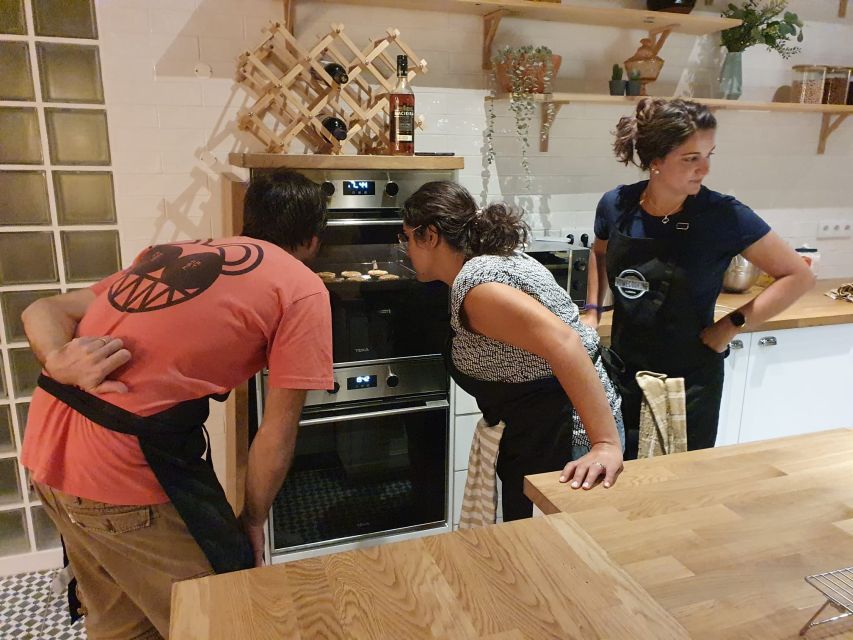
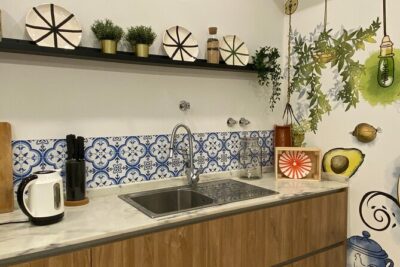
The class meets at Homecooking Lisbon HUB in the Lisbon District. The kitchen is described as clean, modern, attractive, and well prepared, which matters in a hands-on food activity. You want enough counter space, utensils, and ingredients ready to go. This setting appears designed for small-group participation rather than a large demonstration where you stand at the back.
Give yourself time to reach the venue. The meeting point is not especially close to central Lisbon, and one group found a taxi convenient and inexpensive. Another session noted a bus stop directly outside. Since transport details can vary with your starting point, check the route before leaving your hotel.
There has also been at least one occasion when the usual location was affected by construction and the class moved elsewhere. The change was resolved quickly, but it is sensible to check your confirmation for the exact meeting instructions, especially if you book at short notice.
Once inside, expect a kitchen-based lesson rather than a walking tour. Wear something comfortable and practical. You will be working with dough and custard, so clothes that you do not mind wearing in a cooking space are the wise choice.
The first steps: ingredients, tools, and Portuguese food culture
The chef begins by introducing the ingredients and the basic stages of the pastry. All ingredients and cooking utensils are supplied, so you do not need to bring equipment or shop for anything.
A useful feature is that some ingredients are pre-measured. This keeps the class moving and leaves more time for the parts that teach you the most: preparing, shaping, filling, and understanding the technique. The instructor also explains why some work is done in advance, so the shortcut does not feel like a secret missing from the recipe.
This is where the teaching quality matters most. The best instructors do not simply tell you what to do. They show you, watch your progress, and step in when the dough or pastry needs correction. Marta is repeatedly singled out for clear guidance and a good sense of humor. Beatrice is described as warm and attentive, while Miyuki is praised for making the class both hospitable and fun.
The class is taught in English. Some instructors may speak other languages, but English is the stated teaching language. You will hear a little about the pastry’s origins and its place in Portuguese gastronomy as the practical work unfolds.
Handling the dough and shaping the pastry cases
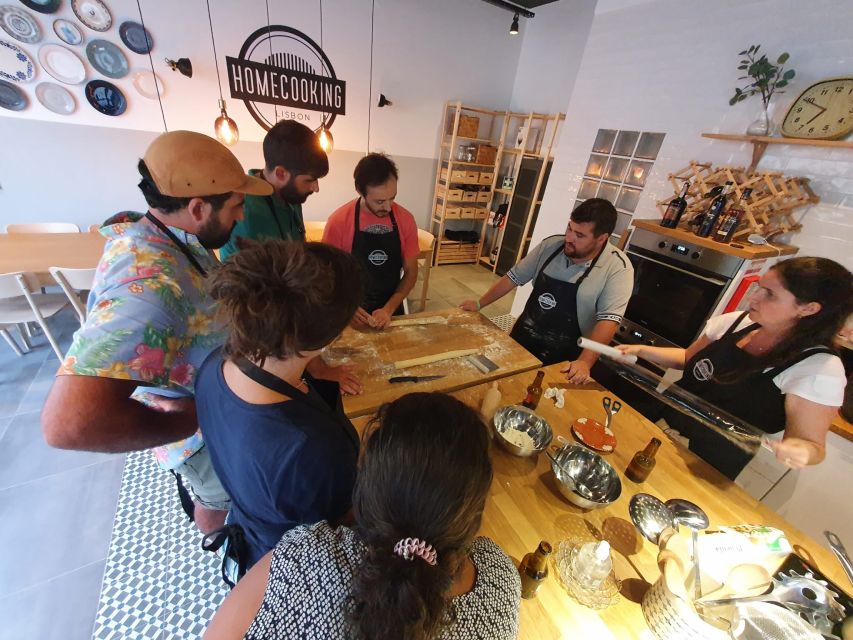
The pastry stage is the most hands-on part of the activity. You feel the texture of the dough between your fingers and learn how it is shaped into the small cups that hold the custard.
This is also the point where a beginner can benefit from an instructor watching closely. Pastry can look easy in a finished tart, but small details affect the result. The class gives you a chance to ask questions and correct mistakes before the tarts reach the oven.
Participants generally work in pairs. That can be a plus or a limitation, depending on what you want. Working with another person makes the class more social and gives solo visitors an easy way to meet someone. It also means you may not perform every single task alone. If you want a strictly individual baking lesson, this format may feel less personal.
Still, the pair arrangement appears to be managed with care. Solo participants are paired with someone else, and instructors circulate to keep people involved. A group of 12 was described as a comfortable size for the session, though the exact number can change.
More Baking and Bread Classes in Lisbon:
- Lisbon: Pasteis de Nata Baking Class
★ 5.0 · 134 reviews - Paris Croissant Small-Group Baking Class with a Chef
★ 5.0 · 910 reviews - Paris: French Croissant Baking Class with a Chef
★ 4.9 · 712 reviews - Paris Macarons Small-Group Baking Class with a Chef
★ 5.0 · 316 reviews
Making the custard and learning the small details
The custard is the other half of the pastel de nata equation. The class covers preparing and filling it, along with the reason behind the key steps. You are not expected to arrive with baking experience. Clear instructions and hands-on help make this suitable for first-time pastry makers.
I like that the lesson focuses on the traditional method rather than treating the tart as a simple mix-and-bake dessert. One participant specifically appreciated learning about the traditional approach, while another found the steps simple enough to repeat at home.
Keep your expectations realistic. Pastel de nata is not the easiest pastry to reproduce perfectly in an ordinary home kitchen. The instructor can show you the method and give you a working recipe, but home results will depend on your oven, ingredients, and patience. The value is in learning what to look for: the pastry texture, the custard consistency, and the finished color.
The teaching style is aimed at confidence. Instructors answer questions, offer corrections, and explain the reason behind each stage. That makes the class more useful than a quick cooking demonstration where you only collect a recipe card.
Into the oven, then straight to the table
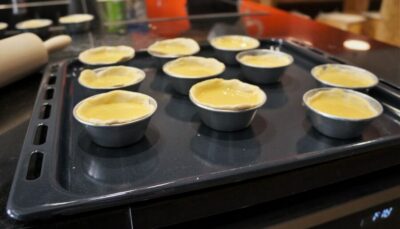
Once the tarts are prepared, the pastries go into the oven. Some of the oven work is handled by the team so the class can stay within its two-hour schedule. You still take part in the preparation and learn what happens, but you should not expect to manage every baking minute yourself.
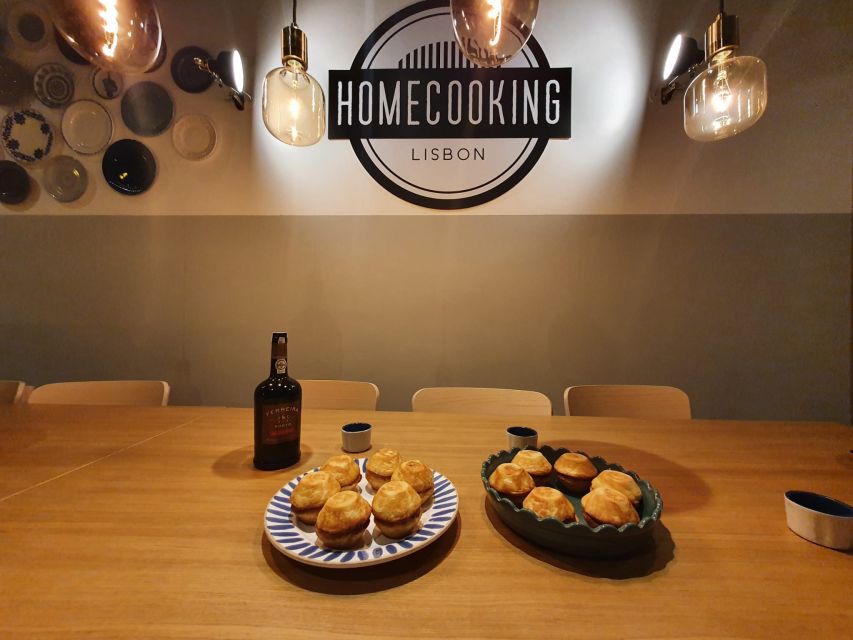
The best moment comes when the warm pastries are ready. The texture is at its most appealing when the pastry is crisp and the custard is soft. You taste the tarts you helped prepare, which gives the final stage a satisfying purpose.
Drinks add a pleasant Portuguese touch. The included selection is broad: homemade juice, coffee, water, Porto wine, and a tasting of ginginha. Not every session appears to have had wine available, so do not treat each listed drink as guaranteed in exactly the same form. The ginginha tasting is a particularly nice detail because it links the pastry class to another familiar Portuguese flavor.
The finish can feel a little tight. One session wished for more time to sit, eat, and chat at the end. If you value a long, leisurely meal, this is worth knowing. The class is built around a two-hour timetable, and the baking schedule leaves limited room for lingering.
You may have pastries left to take back to your hotel, depending on the quantity made and the way the session is organized. Several participants describe taking their tarts away, and some mention receiving recipes for the pastries and other Portuguese dishes. If you are interested in buying baking tins at the venue, one participant noted that payment was cash only.
The social side: good for solo visitors and families
This is not only a baking lesson. It is also a small social activity. You work beside people from different countries, share tasks, and sit down with drinks and pastries at the end.
Solo visitors should find the format approachable because pair work gives you a natural partner. You do not need to arrive with a friend. The instructors also seem used to helping people who are nervous about baking or unsure of their technique.
Couples can share the work, though you should expect the class to involve other people rather than being private. Families with older children can also enjoy it. The stated minimum age is six, and families have taken children aged seven, nine, ten, and twelve. Another family brought two teenagers and found the activity engaging.
The mobility restriction deserves attention. The class is not suitable for people with mobility impairments, and the information does not describe accessible arrangements. Children under six cannot take part.
Is $64 a fair price?
At $64 per person, this is not the cheapest way to eat a pastel de nata in Lisbon. You can buy one in a bakery for a small amount and move on. The price here pays for two hours of instruction, ingredients, equipment, the kitchen space, several drinks, and insurance.
The value depends on how you travel. If you only want to taste Portuguese pastries, spend your money at a café. If you want a practical activity, the price is more reasonable. You get to make the dough and custard, ask questions, taste your work, and possibly take pastries and a recipe back with you.
I see the strongest value for people who enjoy cooking, food culture, and meeting others. The class also makes sense on a rainy afternoon or during a longer Lisbon stay when you want a break from monuments and viewpoints.
The price is less attractive if you are short on time, staying far from the venue, or mainly interested in a polished food tasting. The journey to the hub adds effort, and the final tasting period may feel brief. Still, the high overall rating of 4.9 from more than 2,100 reviews reflects a very consistent level of satisfaction, especially with the instructors and the finished pastries.
Who should book this class?
I would choose this for first-time visitors who want a clear introduction to a famous Portuguese food. It is also a strong pick for couples, families with children over six, and solo visitors who enjoy friendly group activities.
You do not need baking experience. The ingredients are supplied, the utensils are ready, and the chefs guide you through each stage. The class is practical without being demanding.
You might skip it if you dislike group activities, need fully accessible facilities, or have no spare time for a venue outside the central sightseeing area. You should also avoid booking it as a serious professional pastry course. It teaches a traditional pastry in a relaxed setting, but it is made for curious visitors, not pastry students.
Instructor names can vary by session. Beatrice, Marta, Bea, Miyuki, Miguel, Pedro, and other chefs have led classes, with praise focused on patience, humor, clear English, and close help at the counter. The individual instructor can shape the mood, but the format itself remains the same.
Practical details before you reserve
The class lasts two hours and is taught in English. All ingredients, utensils, chef instruction, drinks, and insurance are included. Hotel pickup and drop-off are not included.
You can cancel up to 24 hours before the activity for a full refund, and the reserve-now, pay-later option lets you hold a place without paying immediately. Check available starting times when you book.
Allow extra time to reach Homecooking Lisbon HUB. A taxi may be the simplest choice from central Lisbon, while a bus stop is reported near the venue. Check the exact address because a temporary change has occurred during construction.
Finally, remember that this is a working kitchen. You will handle dough, share tasks, and follow a timetable. That is the reason to book it, but it also means the experience is more hands-on workshop than relaxed restaurant meal.
Should you book the pastel de nata class?
Yes, if you want to understand Lisbon through food and enjoy doing something with your hands. The class offers a clear method, warm pastries, Portuguese drinks, and an easy way to meet people without requiring any previous baking skill.
I would book it early in a Lisbon visit, then use what you learn when ordering tarts around the city. Just plan the journey to the hub, expect pair work, and allow for a brisk finish. For a practical, friendly food activity at $64, this is a good value for curious cooks and pastry fans.
FAQ
How long does the pastel de nata class last?
The class lasts two hours. Starting times vary, so check availability when booking.
Where does the class meet?
The meeting point is Homecooking Lisbon HUB in the Lisbon District.
Is the class taught in English?
Yes. English is the stated language of instruction.
What drinks are included?
The package includes homemade juice, coffee, water, Porto wine, and a ginginha tasting. Availability of particular drinks may vary by session.
Are ingredients and cooking equipment provided?
Yes. All ingredients and cooking utensils are included, along with instruction from chefs or instructors.
Is the class suitable for children?
Children under six cannot take part. Children over six have attended successfully, but the activity is not suitable for people with mobility impairments.
New cooking classes around Lisbon
- Lisbon: Traditional Portuguese Cooking Class★ 5.0 · 41 reviews
- Lisbon: Setúbal Market and Wine tour with Cooking class★ 5.0 · 4 reviews
- Lisbon: Portuguese Cooking Class with Wine Tasting★ 5.0 · 4 reviews
- Lisbon: Portuguese street food cooking class with Drinks★ 4.9 · 37 reviews
- Lisbon: Portuguese Cooking Class for Beginners★ 4.9 · 78 reviews
- Lisbon: Pasteis de Nata Baking Class★ 5.0 · 134 reviews
- Lisbon: Portuguese Petiscos Cooking Class★ 4.7 · 6 reviews
- Lisbon Market and Food Tour with Cooking Class and Lunch★ 5.0 · 117 reviews
Lisbon Cooking Classes, side by side.
Lisbon Portuguese Cooking Class with 3-Course Dinner
Read our review →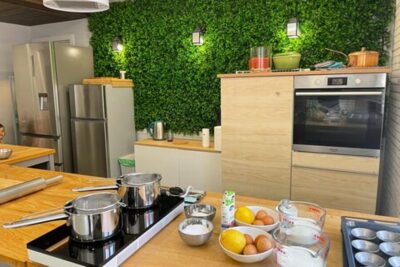
Lisbon Market and Food Tour with Cooking Class and Lunch
Read our review →
Private Lisbon Market Tour & Portuguese Cooking Class with Paula
Read our review →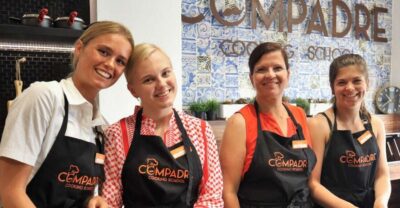
Lisbon: Portuguese street food cooking class with Drinks
Read our review →This kitchen also appears in