
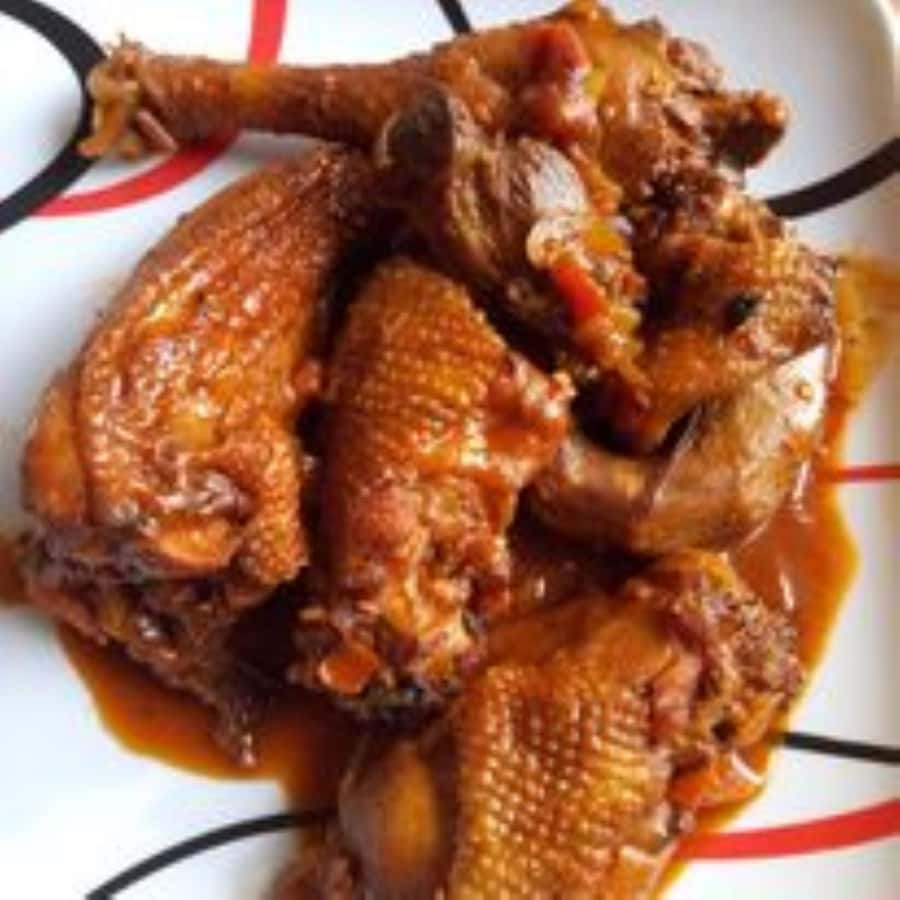
Review · COOKING CLASSES WITH A MARKET TOUR
Market Tour and Traditional Kenyan Cooking Class in Nairobi
This experience puts you in a Nairobi market before you sit down to a home-cooked meal. You shop for ingredients, return to the host’s home, and learn how dishes such as ugali, chapati, and pilau fit into everyday Kenyan cooking. The session is hosted by Evaline Mbugua, though the supplied guest comments refer to Mary Evelyn, so confirm the host’s name when booking.
I like the private format, which gives your party direct guidance instead of a crowded class. I also like the honest home setting: the kitchen is small, and the host does much of the cooking, but you still get to help prepare food and talk about life in Nairobi. The main drawback is that this is more a guided demonstration with hands-on work than a full cooking workshop.
Key points at a glance
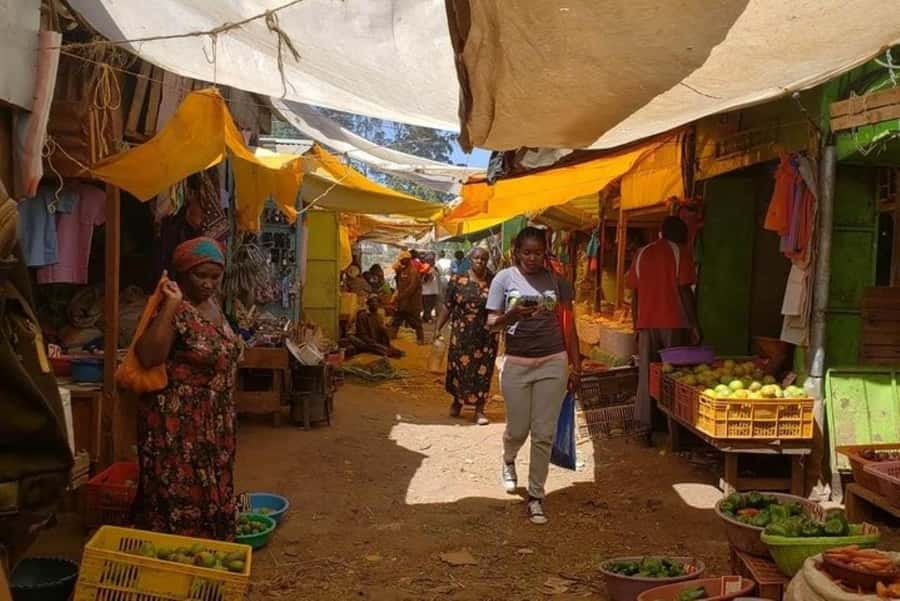
- A market comes first: Meet at K Mall Komarock parking lot, then shop for fresh local supplies before cooking.
- Kenyan and Indian influences: The meal can include curry, ugali, chapati, and pilau.
- Private four-hour session: Your party receives personal attention in English or Swahili.
- Home setting: You cook and eat at the host’s home, giving the experience a personal feel.
- Hands-on, but not fully hands-on: Space limits mean the host handles much of the cooking.
- Food and drinks included: The price covers the meal, soda, fruit, and water, while Uber costs are extra.
Start at K Mall Komarock parking lot
Your meeting point is the parking lot at K Mall Komarock. From there, you head to a local market with the host before going on to the cooking location.
That order matters. You are not simply handed premeasured ingredients in a classroom. You first see where the food comes from and help choose what will go into the meal. The market visit gives the cooking lesson a useful setting, since you can connect the finished dishes with the produce and supplies bought earlier.
The meeting point is practical, but you should plan your route carefully. The activity includes transport to and from the market, but Uber fees are not included. If you use a ride-hailing service to reach K Mall Komarock or return afterward, that cost comes from your own pocket.
The exact market name and detailed transfer arrangements are not provided, so ask for clear pickup instructions before the day. Confirm the meeting time as well, since starting times depend on availability.
More Cooking Classes with a Market Tour in the world:
- Hanoi Cooking Class: Culture, Local Market & Meaning CSR Impact
★ 5.0 · 5,147 reviews - 5 Traditional Dishes Hanoi Cooking Class with Market Trip
★ 5.0 · 4,890 reviews - Cooking Class and Lunch at a Tuscan Farmhouse with Local Market Tour from Florence
★ 5.0 · 4,831 reviews
Seeing Nairobi through its food market
The market is the first real lesson. You can expect to see the host selecting ingredients for the meal, explaining what is being bought, and pointing out food used in Kenyan home cooking.
The appeal here is not a checklist of sights. It is the chance to watch an ordinary food errand become part of a cultural exchange. You get a better sense of how a meal begins, what ingredients matter, and how shopping connects with cooking at home.
This is especially useful if you want more than a restaurant meal. A restaurant shows you the finished dish. The market helps explain the choices behind it. You may also find the pace less polished than a formal food tour, which is part of the point. The experience is built around daily life rather than a staged performance.
The market portion is also where your private group can ask questions. The guide speaks English and Swahili, and a private booking allows the conversation to follow your interests. If you want to know more about a certain ingredient, dish, or cooking method, this is the time to ask.
Do not expect a long sightseeing tour of Nairobi during these four hours. The market is a working stop tied to the meal, not a general city tour. Its value comes from context and contact, not from major monuments or a set of city views.
Cooking in a small home kitchen
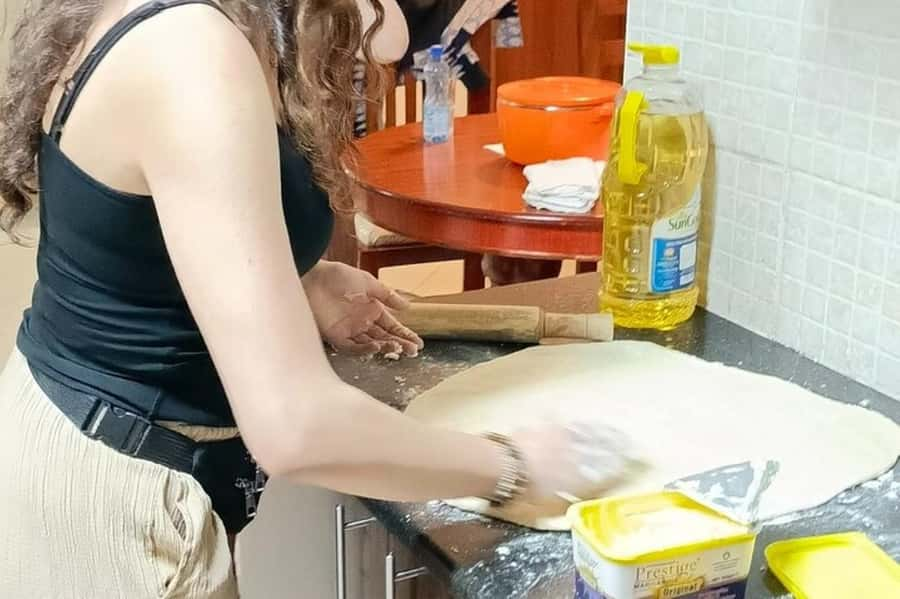
After the market, you go to the host’s home and begin preparing the food. This is where the experience feels most personal.
The class is designed to give you one-to-one guidance, but the kitchen has limited space. The host therefore does most of the cooking, while you help where there is room and learn by watching closely. That detail is important. If you want to prepare every dish from start to finish yourself, this may feel less active than expected.
I would treat it as a home cooking demonstration with participation, not as a professional cooking school. You can help with preparation and take part in the process, but the host remains in charge of the stove and the overall meal.
That setup has a good side. The host can focus on your party instead of dividing attention among a large class. The small kitchen also keeps the setting informal. You are seeing how food is made in a real home, with the practical limits that come with it.
One useful detail from the experience is the chance to prepare chapati together. This flatbread takes attention and practice, and making it gives you a clear, memorable task. You may also help with ugali and other parts of the meal, depending on the day’s menu.
The exact dishes are not fixed in the details provided. The meal may include Kenyan and Indian influences, with curry, ugali, chapati, and pilau named as examples. Ask ahead if you have a particular dish in mind, since the market purchases and the host’s plan determine what you will cook.
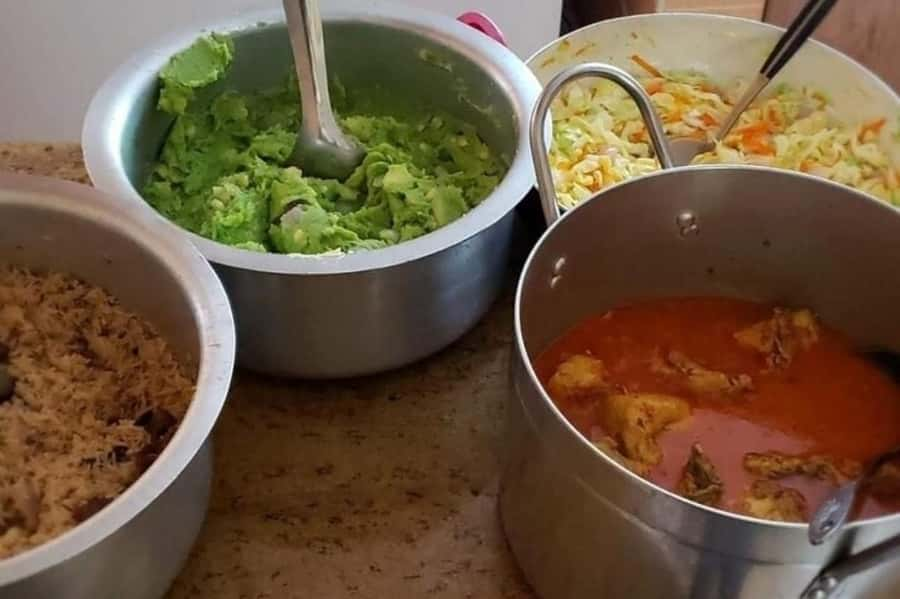
Ugali, chapati, pilau, and curry on the table
The food is the heart of the experience. Ugali, a firm cornmeal dish, is a familiar part of Kenyan cooking and is often served as an accompaniment rather than treated as a standalone course. Preparing it helps you understand a staple that can seem simple on the plate but requires the right texture.
Chapati brings a different style to the meal. You can learn how the dough is prepared and help with the process. The activity description places special attention on this traditional bread, and the home setting makes it easier to ask questions as you work.
Pilau adds spice and depth to the menu, while curry reflects the Indian influence included in the cooking style. Together, these dishes give you a broader picture than a single recipe would. You get a meal that shows how Kenyan home cooking can include several cultural influences at once.
After preparation, you eat the food you have helped make. Food, soda, fruit, and water are included in the price. That makes the meal more than a sample at the end of a class. It is the payoff for the market trip and kitchen work.
The menu should not be treated as guaranteed in every detail. Curry, ugali, chapati, and pilau are examples of what may be prepared, so confirm the planned dishes if you have dietary concerns or a strong preference.
More cooking classes around the world:
- Half-Day Thai Cooking Class at Organic Farm in Chiang Mai
★ 5.0 · 19,087 reviews - Florence: Pasta Cooking Class with Unlimited Wine
★ 4.9 · 10,285 reviews - 3 in 1 Cooking Class near Navona: Fettuccine, Ravioli & Tiramisu
★ 5.0 · 7,376 reviews - Florence: Pasta & Tiramisu Cooking Class with Unlimited Wine
★ 4.9 · 6,708 reviews
Conversation is part of the meal
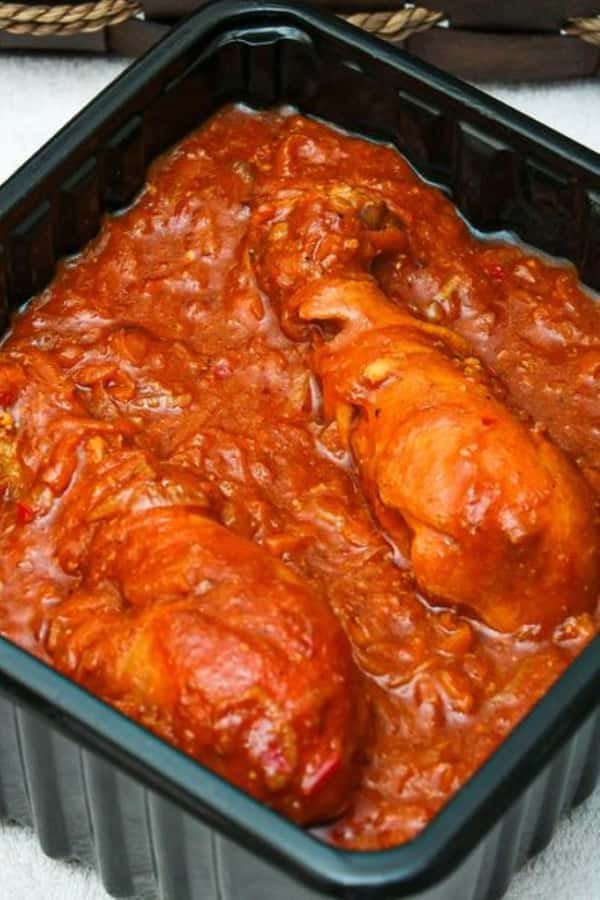
The best part of a home cooking session may be the conversation around it. You have time to talk with the host about food, culture, and everyday life in Nairobi while the meal comes together.
One account describes cooking preparations taking place together on the sofa and sharing personal stories during the session. That detail gives you a sense of the tone: informal, social, and closer to being welcomed into a home than attending a formal demonstration.
This is a good choice if you enjoy asking questions and taking your time. The host can explain cooking habits, ingredients, and cultural details in a more personal way than a large group guide usually can.
It is less suitable if you prefer a tightly timed class with printed recipes, several workstations, and a professional kitchen. None of those features are promised here. The strength is the contact with the host and the home setting, not technical instruction at a culinary school level.
The host’s language options are English and Swahili. That gives English-speaking visitors a clear way to follow the lesson, while Swahili speakers can communicate in that language. If you need detailed help with food allergies or special diets, raise the issue before booking rather than waiting until the market visit.
What four hours feels like
Four hours is enough time for the market, the trip to the home, cooking, conversation, and eating without rushing through every part. The schedule is not broken into exact times, so the pace may depend on shopping and preparation.
You should allow the full four-hour block. This is not a quick market stop followed by a short tasting. The value comes from the full sequence, from buying ingredients to eating the finished meal.
The activity is listed for a private group. That means your party does not share the cooking session with strangers, which is useful for couples, families, and small groups who want a more relaxed exchange.
The private format can also affect the price calculation. At $55 per person, you are paying for four hours, food, drinks, market transport, a private guide, and a home cooking session. For someone who would otherwise book a market tour and a meal separately, the combined format offers solid value.
The price is less compelling if you only want to eat Kenyan food or watch a short demonstration. You are paying for the full cultural activity, including the market and personal time with the host. If that is what you want, the cost is reasonable. If you want a restaurant meal with no preparation, spend less time and money elsewhere.
Practical details worth sorting out
The activity allows free cancellation up to 24 hours before the start for a full refund. You can also reserve now and pay later, which is helpful when you are still arranging your Nairobi plans.
Check the available starting times before committing. The duration is fixed at four hours, but the actual start time is not stated in the supplied details.
The meeting point is K Mall Komarock parking lot. Transport to and from the market is included, but Uber costs are not. Ask exactly where the host will meet you and how the return from the market fits into the plan.
There is also a small naming detail worth clearing up. The experience provider is listed as Evaline Mbugua, while the written feedback refers to Mary Evelyn. This may be a variation in the host’s name, but I would confirm the person you will meet before the activity.
Because the cooking takes place in a small home kitchen, wear comfortable clothes and keep your expectations realistic. The information does not promise special equipment, printed recipes, or a large cooking workspace. You are joining a home meal rather than entering a commercial kitchen.
Who will enjoy this Nairobi experience most
I would recommend this to you if food is your way into a culture. The market gives you a starting point, the kitchen adds practical detail, and the meal gives you time to talk with the host.
It works well for:
- Couples who want a private activity with conversation
- Families interested in simple, familiar food preparation
- Small groups looking for a home-based experience
- Anyone curious about ugali, chapati, pilau, or Kenyan curry
- People who prefer local contact over a standard restaurant meal
- First-time visitors who want a focused introduction to Kenyan food
I would think twice if you need a fully hands-on cooking class. Limited kitchen space means the host does much of the work. You will participate, but you may spend as much time watching and talking as chopping and cooking.
I would also ask questions before booking if you have strict dietary needs. Food is included, but no specific allergy, vegetarian, vegan, or religious-diet arrangements are stated.
Should you book the market and cooking class?
Book it if you want a personal food experience rather than a polished culinary course. The combination of market shopping, home cooking, and a shared meal gives you a clear look at food in daily life. Chapati preparation, the Kenyan and Indian menu, and the chance to talk with the host are the strongest reasons to go.
Skip it if your priority is a large professional kitchen, a recipe-heavy lesson, or complete control over every dish. The four-hour format and $55 price make sense when you value the market visit and personal exchange as much as the food itself.
Before paying, confirm the host’s name, meeting instructions, starting time, and planned menu. With those points clear, this is a good fit for a private half-day in Nairobi that keeps its attention on food, conversation, and ordinary home life.
FAQ
Where does the activity begin?
You meet at the K Mall Komarock parking lot before going to the local market.
How long does the experience last?
The experience lasts four hours.
What languages does the host speak?
The live tour guide speaks English and Swahili.
Is this a private activity?
Yes. The activity is offered for a private group.
What food might I learn to prepare?
The meal may include Kenyan and Indian-influenced dishes such as curry, ugali, chapati, and pilau.
Will I do all the cooking?
No. You help prepare the meal and receive guidance, but limited kitchen space means the host does most of the cooking.
What is included in the price?
Food, soda, fruit, water, and transport to and from the market are included.
Are Uber costs included?
No. Uber fees are not included.
Can I cancel for a full refund?
Yes. You can cancel up to 24 hours in advance for a full refund.
New cooking classes around the world
- Shinjuku Tokyo: Authentic Japanese Home-Style Culinary Class★ 4.9 · 125 reviews
- Shibuya Tokyo: Onigiri & Tamagoyaki Cooking Class★ 5.0 · 4 reviews
- M.O.M COOKING CLASS★ 4.8 · 6 reviews
- Seville: Paella-Cooking Experience with Sangria & Full Meal★ 4.9 · 42 reviews
- Shanghai: Authentic Chinese Cooking Class with Master Chef★ 5.0 · 2 reviews
- Sestri Levante: Pesto & Cooking Classes, Wine Tasting★ 4.9 · 56 reviews
- Seville: Paella Cooking Class & 30-Min Local Expert Q&A★ 4.8 · 37 reviews
- Seoul: Korean Kimchi Cooking Class in the Heart of the City★ 5.0 · 3 reviews
Cooking Classes with a Market Tour, side by side.
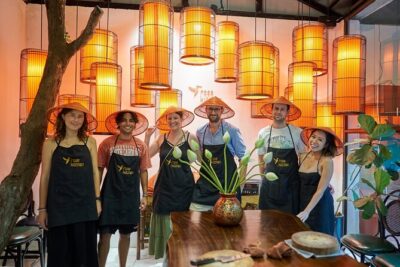
Hanoi Cooking Class: Culture, Local Market & Meaning CSR Impact
Read our review →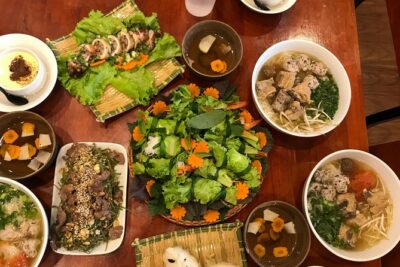
5 Traditional Dishes Hanoi Cooking Class with Market Trip
Read our review →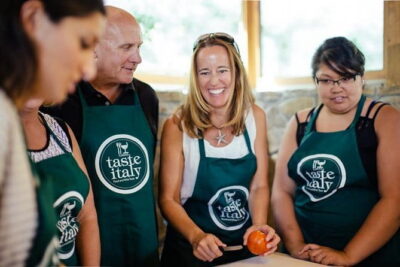
Cooking Class and Lunch at a Tuscan Farmhouse with Local Market Tour from Florence
Read our review →
Chiang Mai: Cooking Class, Market & Thai Herbs Garden Tour
Read our review →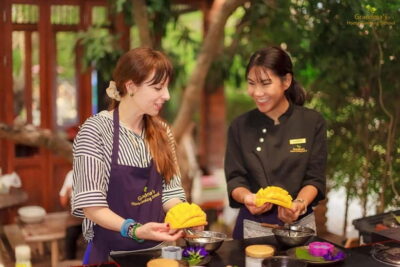
Chiang Mai: Authentic Cooking Class with Market & Farm Visit
Read our review →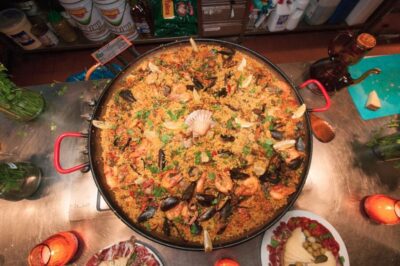
Barcelona: Paella Cooking Experience & Boqueria Market Tour
Read our review →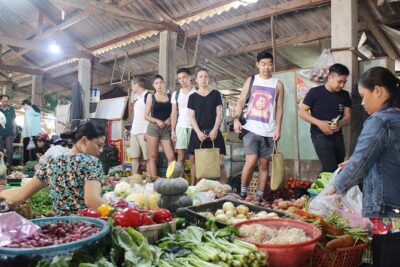
Cooking Class Hoi An:Local Market, Basket Boat, Fishing & Cooking
Read our review →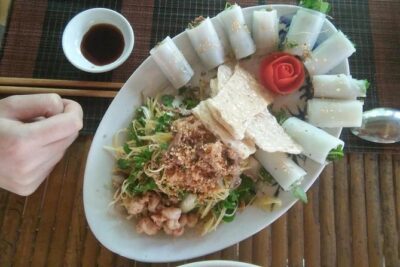
Hoi An Cooking Class(Market,BasketBoat Crabfishing&Cooking Class)
Read our review →This kitchen also appears in