
Review · COOKING CLASSES WITH A MARKET TOUR
Nairobi Traditional Cooking Classes and Local Market Visit
The best part of this Nairobi experience is the move from market stall to family kitchen. You shop for produce with your host, then use those ingredients in a modest home kitchen outside the city. It feels more personal than a restaurant meal or a cooking demonstration where you only watch.
I like the chance to choose from several Kenyan dishes, and I like the food stops on the way home, from smocha and smokie to roasted maize and sugarcane. The main consideration is transport: the host’s home is not easy to reach by public transport, so confirm exactly what is covered and budget for Uber, a taxi, or the host’s paid transport option if needed.
Key points to know before booking
- Shop for ingredients at a Nairobi farmer’s market during the first hour, with time to see how everyday food is bought and sold.
- Cook in a local home outside the city, rather than in a formal cooking school or hotel kitchen.
- Ask for Tasha if available, the cook praised for being funny, active, and able to make a tasty beef stew with ugali.
- Try a long list of Kenyan dishes, including pilau, mukimo, chapati, githeri, mandazi, matoke, fish, and sweet potatoes.
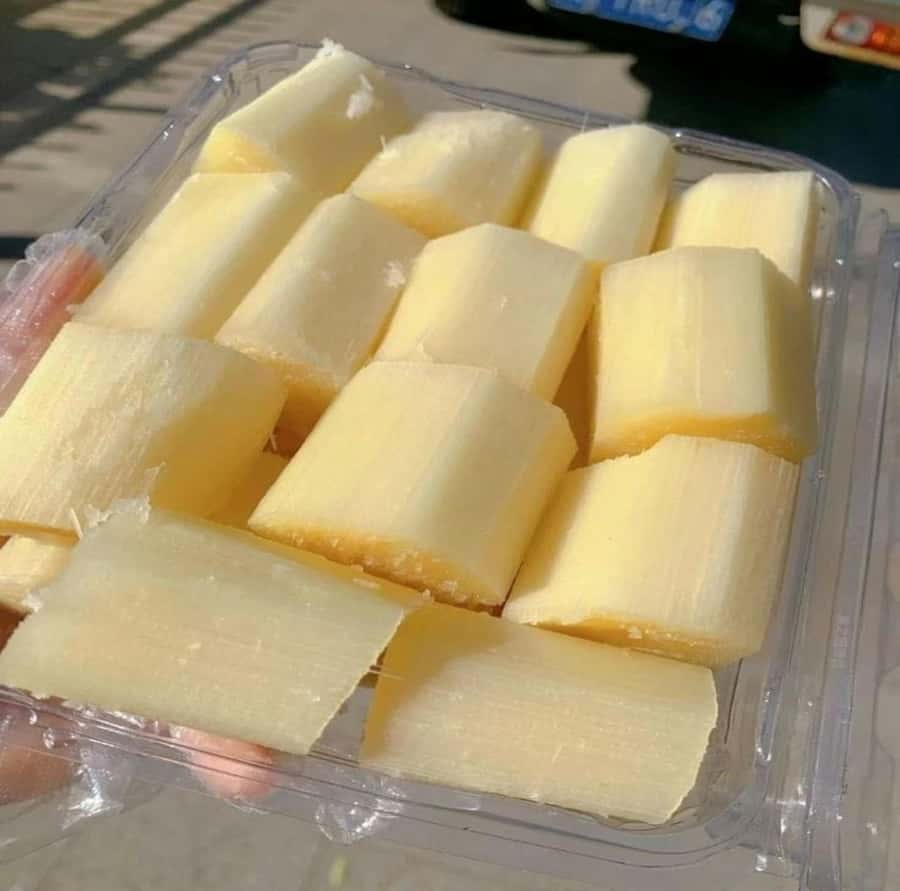
- Save room for street food, with stops for smocha, smokie, boiled eggs, roasted maize, and sugarcane.
- Use the private pickup and drop-off from Karen, Westlands, or Parklands, but clarify any extra transport charges before you go.
Why this five-hour Nairobi food tour feels different
Many city food activities keep you at a restaurant or market. This one links three parts of daily life: buying food, preparing it, and eating it. That simple sequence gives you a better sense of how Kenyan meals come together.
The first hour takes place at a local food market. You are not just being shown a row of prepared dishes. You shop for fresh ingredients with your host, which gives the market visit a clear purpose. You can see the food before it reaches the cooking pot and learn how it fits into the meal ahead.
Then you travel to a local family home outside Nairobi. The kitchen is modest in size, and the cooking is led mainly by your host. You will have chances to help where possible, so this is interactive, but it is not a formal class in which every guest prepares every dish from start to finish.
That distinction matters. If you want a technical lesson with your own chopping board, measurements, and individual cooking station, this may feel relaxed rather than structured. If you want conversation, food, and a look at a typical household, the setup is a strong match.
More Cooking Classes with a Market Tour in the world:
- Hanoi Cooking Class: Culture, Local Market & Meaning CSR Impact
★ 5.0 · 5,147 reviews - 5 Traditional Dishes Hanoi Cooking Class with Market Trip
★ 5.0 · 4,890 reviews - Cooking Class and Lunch at a Tuscan Farmhouse with Local Market Tour from Florence
★ 5.0 · 4,831 reviews
The market visit: one hour of shopping and local food
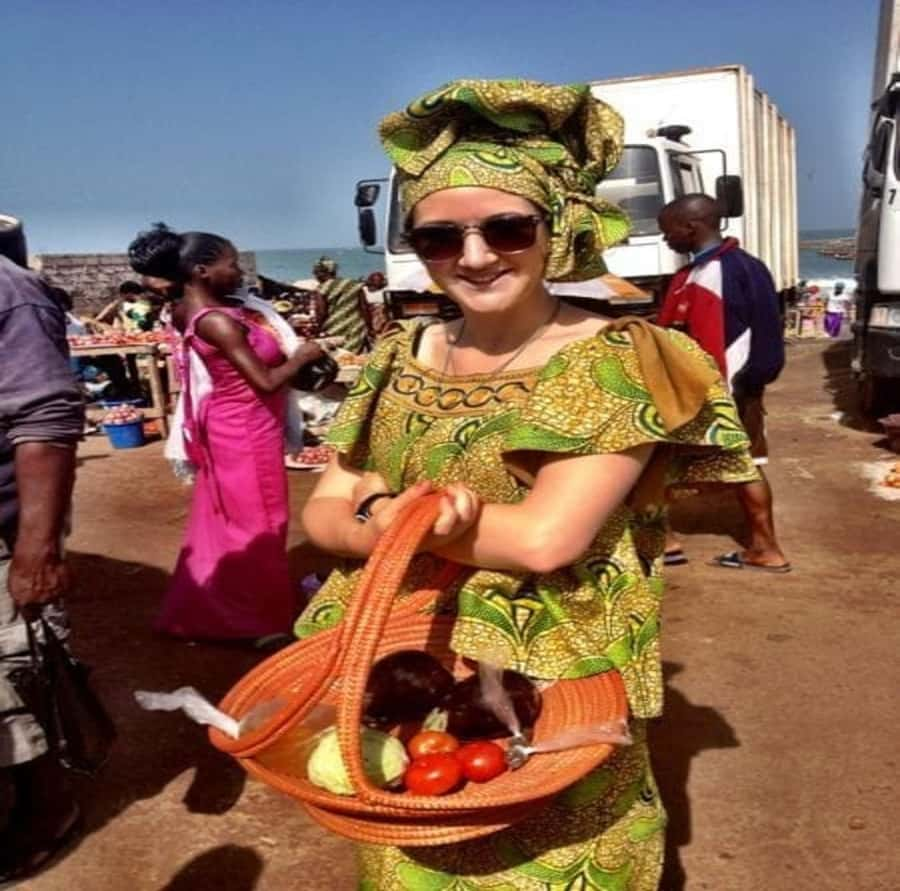
Your day begins with pickup from Karen, Westlands, or Parklands. From there, you head to a Nairobi farmer’s market for about an hour. The market is the foundation of the meal, since you help select the fresh ingredients used later.
I like this arrangement because it gives you something to notice as you walk around. Potatoes, greens, corn, sweet potatoes, and other staples are not just names on a menu. You see them in their everyday setting, then encounter them again in cooked form.
The market is also a good place to ask questions. Your host can explain which ingredients are used for dishes such as mukimo, githeri, pilau, or chapati. The experience is in English, and the emphasis is on local food and ordinary routines rather than a polished performance.
Do not expect an extended shopping expedition. One hour passes quickly, especially if you stop to look, ask questions, and make choices. The schedule gives you enough time to get a feel for the market, but the cooking session is the main event.
Comfortable shoes are sensible. You will want to move easily through the market, and comfortable clothes are recommended for the full five-hour outing.
Cooking in a local home outside Nairobi
After shopping, you travel to the host’s home just outside the city. This change of setting is one of the most useful parts of the experience. A home kitchen shows you more about daily life than a restaurant dining room can.
The kitchen is modestly sized, so the group may need to work closely together. The host handles much of the cooking, while you help when there is an opening. You may assist with preparation, observe cooking methods, and take part in assembling the meal.
The pace sounds informal. You are there to cook, but also to listen to stories about Kenyan heritage and family life. That makes the experience suitable for people who want cultural context along with food. It is less suited to anyone expecting a strict professional lesson with detailed recipes and constant hands-on work.
One cook named in the experience is Tasha. She offers guests a few choices, and one recent menu included beef stew with ugali. Her role matters because the personality of the cook can shape the whole visit. Tasha was described as funny, proactive, and a good cook, which fits the friendly, social nature of the class.
Since the cooking takes place in a private home, it is worth treating the setting with respect. Follow your host’s lead, ask before photographing people or the kitchen, and expect the visit to feel more like being welcomed into someone’s routine than attending a commercial workshop.
What you may eat: from ugali to mandazi
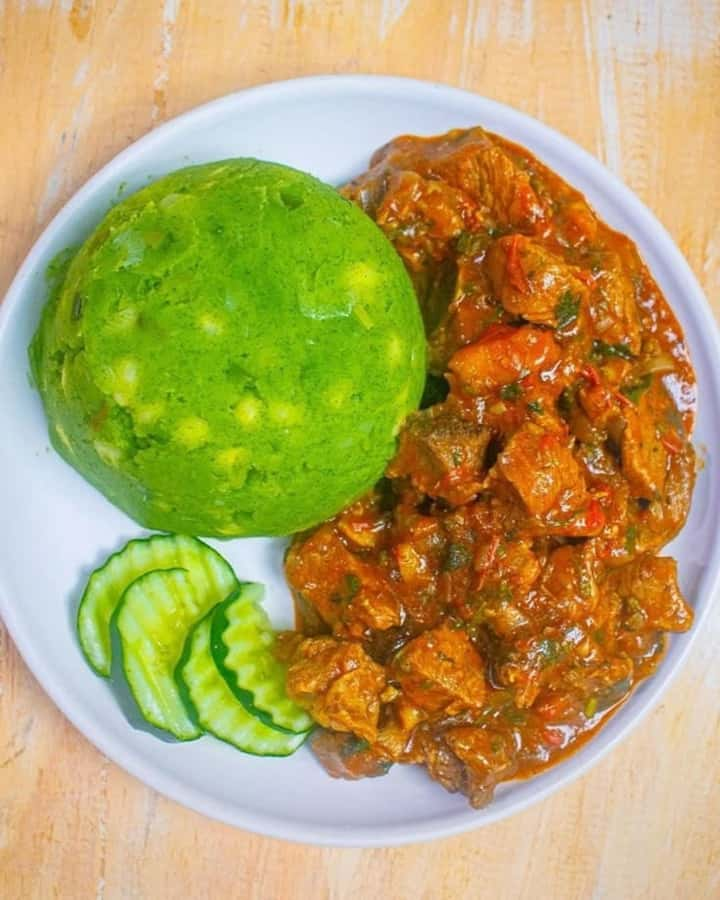
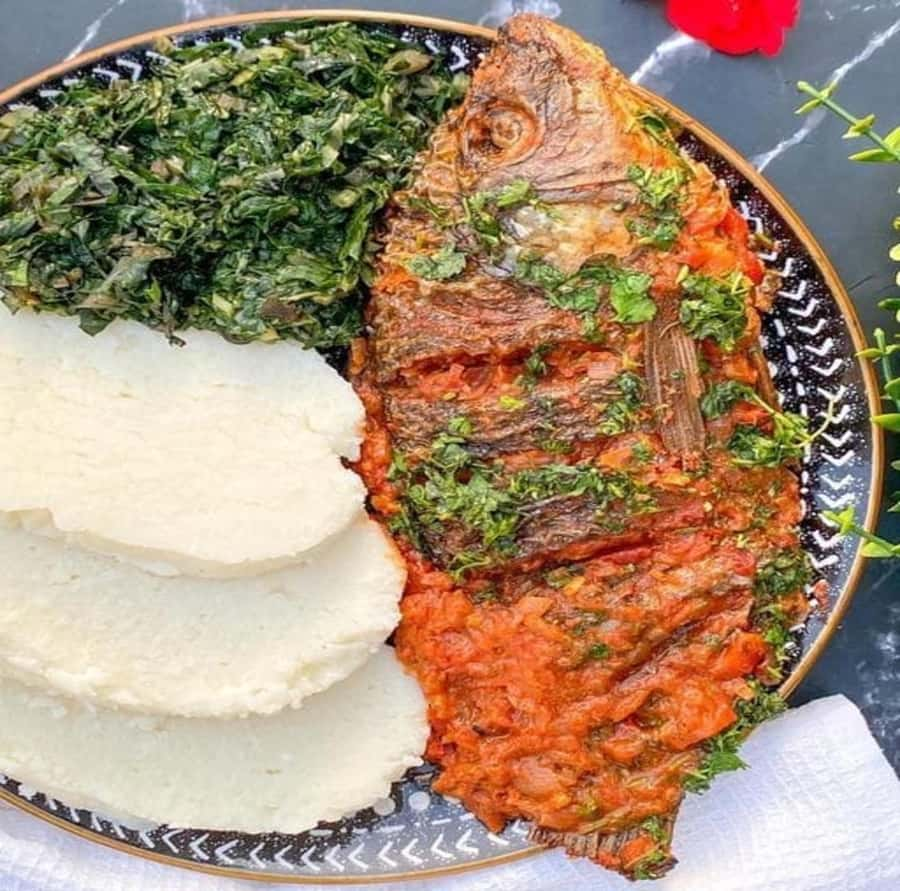
The possible menu is wide. It includes boiled potatoes, ugali, Kenyan pilau, mukimo, chapati, sweet potatoes, mandazi, fish, githeri, fresh corn, and matoke.
You may not prepare every item in that list during one visit. The final selection can depend on the ingredients bought and the choices offered by the host. Still, the range gives you a good idea of the food traditions covered.
Ugali is a firm maize dish often served with stews or other savory foods. It is filling and central to many Kenyan meals. Pilau brings spiced rice to the table, while chapati provides a soft, flat bread that works well with saucy dishes.
Mukimo and githeri are especially useful dishes to encounter in a home setting. They show how grains, legumes, vegetables, and other basic ingredients can become a substantial meal. Mandazi adds a sweet note, and matoke brings another familiar staple to the menu.
The meal is included, so you eat what you helped prepare. Bottled water is also included. Alcohol and other drinks are not, so plan to pay separately if you want anything beyond the supplied water.
More cooking classes around the world:
- Half-Day Thai Cooking Class at Organic Farm in Chiang Mai
★ 5.0 · 19,087 reviews - Florence: Pasta Cooking Class with Unlimited Wine
★ 4.9 · 10,285 reviews - 3 in 1 Cooking Class near Navona: Fettuccine, Ravioli & Tiramisu
★ 5.0 · 7,376 reviews - Florence: Pasta & Tiramisu Cooking Class with Unlimited Wine
★ 4.9 · 6,708 reviews
Street food on the way back
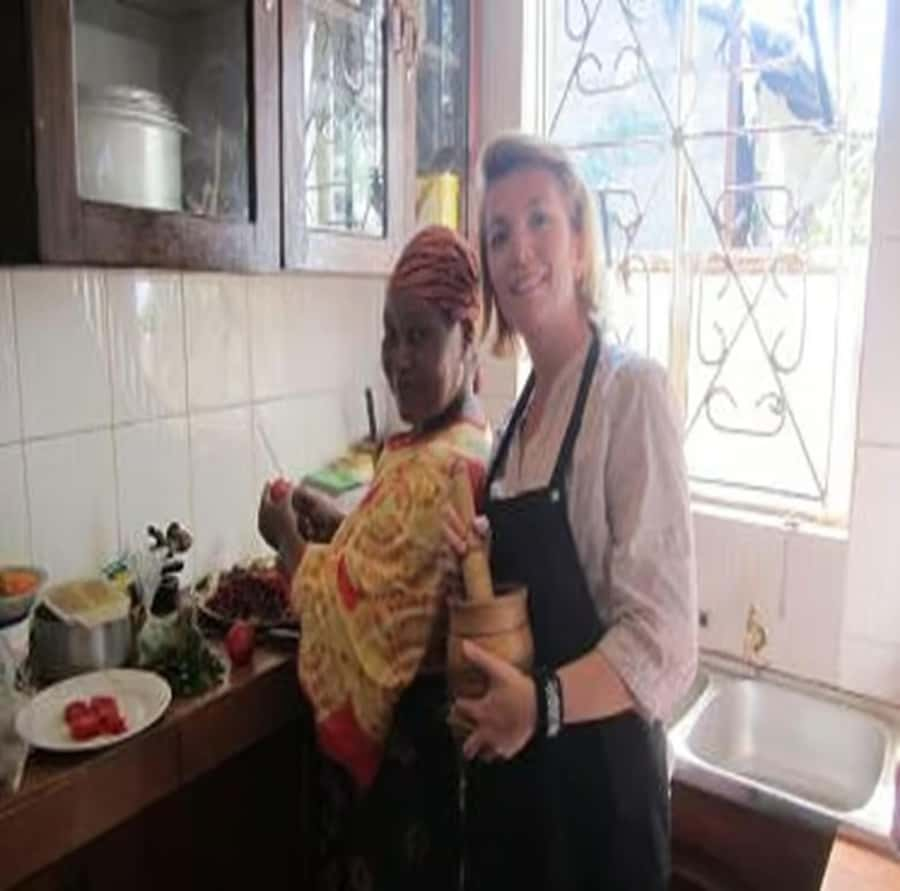
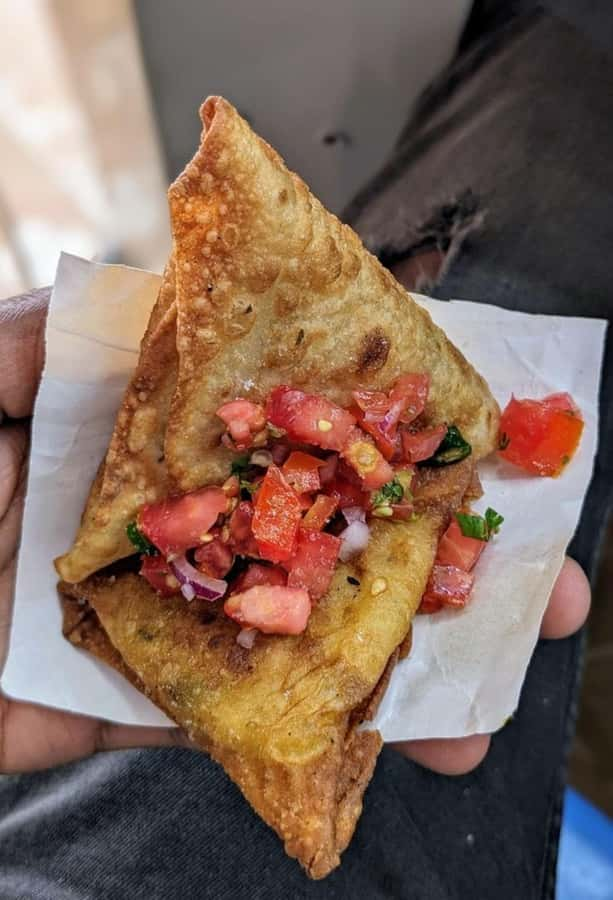
The final hour adds a second food experience. As you head toward drop-off, you can try Kenyan street food such as smocha, smokie, boiled eggs, roasted maize, and sweet sugarcane.
This part changes the mood. The home meal is slow and social. Street food is more casual and direct. You get to sample small, familiar foods without turning the day into another formal meal.
Smocha combines a samosa with other ingredients, while smokie refers to a sausage-style snack. Boiled eggs, roasted maize, and sugarcane are straightforward choices, but they help complete the picture of what people eat beyond the home kitchen.
Because this stop takes place while returning to the city, the exact rhythm may depend on the route and timing. You should not assume every item will be served as a full tasting course. Think of it as a chance to sample snacks along the way.
If you are cautious about unfamiliar food, you can take small portions and choose what suits you. If you enjoy trying local snacks, this is one of the strongest reasons to choose this activity over a cooking class that ends at the dining table.
Is $100 a fair price?
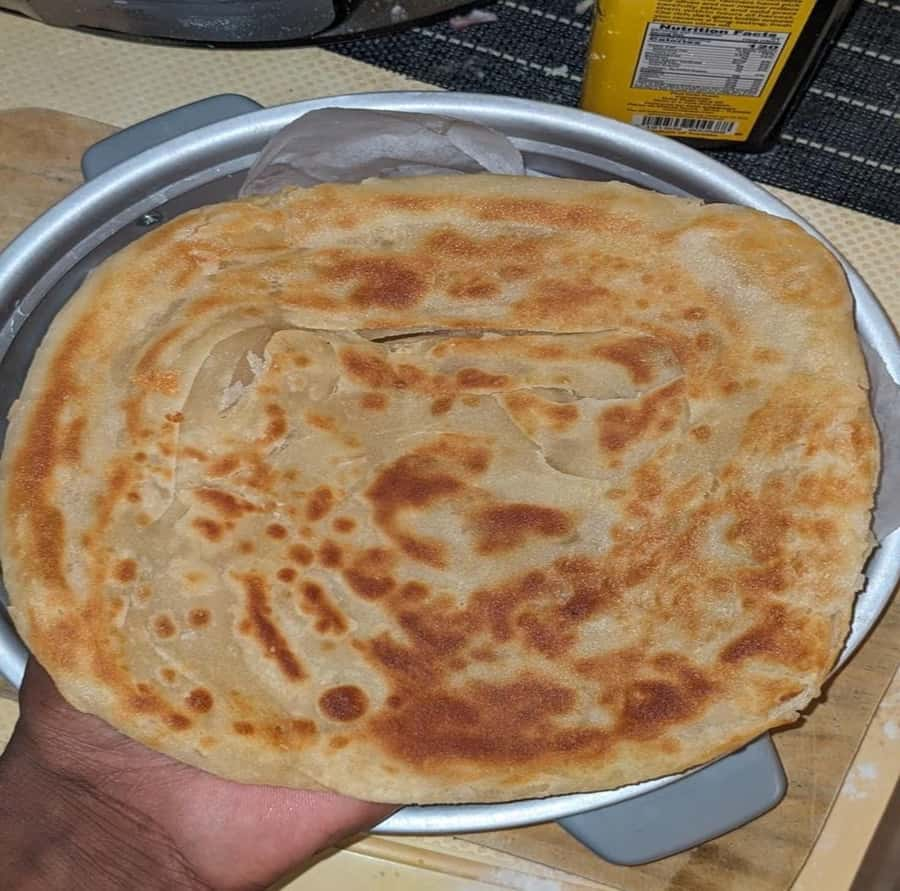
At $100 per person, this is not the cheapest way to eat in Nairobi. You are paying for five hours, private transport from a listed pickup area, the market visit, the home cooking session, lunch, street food, bottled water, and a local guide.
The value depends on how much you want included. If you arrange a market visit, taxi rides, lunch, and street food separately, the costs and planning can add up. This tour puts those pieces into one private experience and gives you access to a local home, which is not something you can easily arrange on your own.
The price is easier to justify for a small private group, especially if you care about convenience and conversation. It is less compelling if your main goal is to learn advanced cooking skills or simply eat as cheaply as possible.
Ask about the transportation details before payment. Pickup and drop-off are listed for Karen, Westlands, and Parklands, and transport to and from the market is included. At the same time, the home is not easy to reach by public transport, Uber and taxis are available, and the host can arrange transport for an additional cost. Clarifying this point prevents an unwelcome surprise.
Pickup areas, timing, and group size

The listed pickup points are Karen, Westlands, and Parklands. The same three areas are used for drop-off. If you are staying elsewhere, you may need to arrange your own connection to one of these areas or ask about an added transport charge.
The activity lasts five hours. The market takes about one hour, cooking and lunch take about three hours, and street food takes about one hour. Starting times depend on availability, so check the schedule before booking.
A private group option is available. This is useful in a home kitchen, where too many people could make the cooking feel crowded. A private setting also makes it easier to ask about ingredients, family customs, and the dishes you are preparing.
The tour is led in English. Wheelchair access is listed, but the home’s location and kitchen layout may still matter to you in practical terms. If you use a wheelchair, confirm the exact access arrangements before the day.
Who will enjoy this experience most?
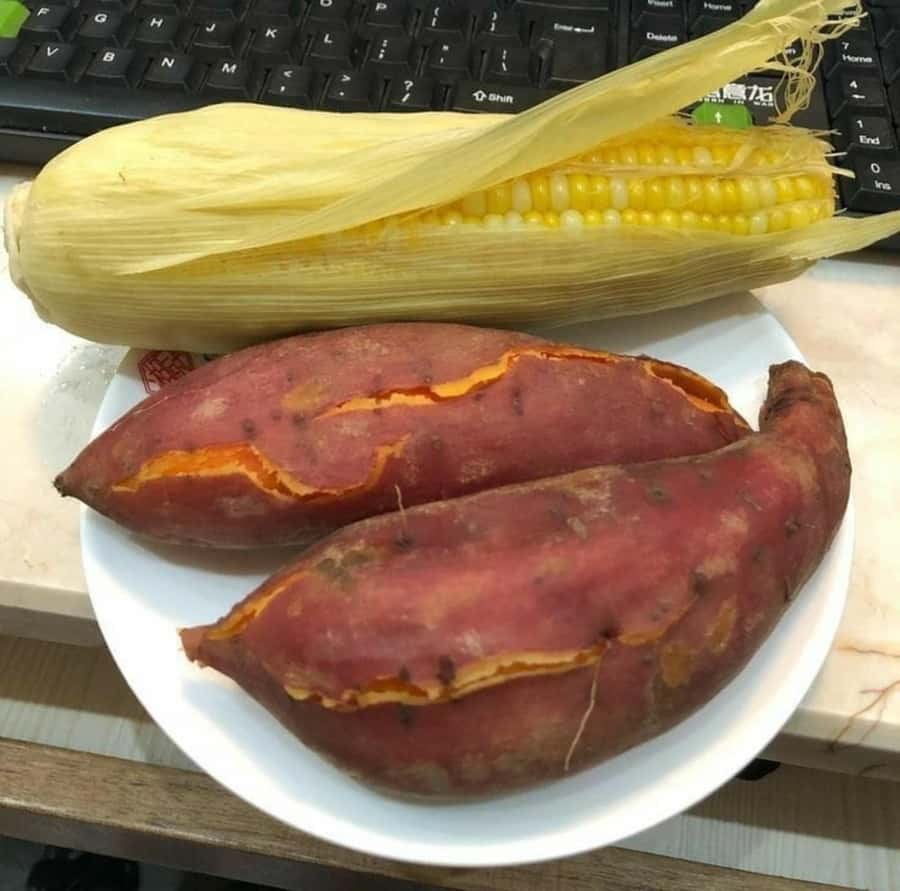
I would recommend this for you if food is a way to understand a place. You get a market, a home, a shared meal, and street snacks in one outing, with time for conversation between each part.
It also suits curious eaters who want to try several staples rather than focus on one dish. You can encounter ugali, pilau, chapati, mukimo, githeri, mandazi, and other foods in a single visit.
Families and private groups may appreciate the flexible feel. The host offers food choices, and the private format lets you set a comfortable pace. The cooking is also social rather than highly technical, so it can work for people with different levels of kitchen experience.
I would be more cautious if you need a very structured lesson. The host does most of the cooking, and the amount of hands-on work may vary. This is also not ideal if you dislike home visits, local transport arrangements, or trying street food.
Practical ways to get more from the visit

Come hungry, but not so hungry that you rush through the market. You will have a meal during the cooking session and more food on the way back.
Wear comfortable clothes and shoes. The day involves a market visit, travel, time in a kitchen, and street food stops. Bring any requested ingredients, since the practical information for the activity lists ingredients among the things to bring.
Ask at the start which dishes you will prepare. If you particularly want to make pilau, chapati, or mandazi, say so early. The menu can include many options, but the actual cooking plan may be narrower.
Keep a little flexibility in your schedule. The day includes several moving parts, and the host’s home is outside Nairobi. The five-hour duration is clear, but the exact timing of market shopping, cooking, and food stops may shift.
Cancellation is free up to 24 hours before the activity for a full refund, and you can reserve now and pay later. That is useful if your Nairobi schedule is still changing.
Should you book the Nairobi cooking class?
Book it if you want more than a meal. The strongest feature is the connection between market shopping, cooking in a local home, and eating Kenyan food with the person who prepared it. Tasha’s friendly style and the beef stew with ugali option add a personal touch, though the available cook and menu should be confirmed.
At $100, the price is fair when you value private transport, a five-hour schedule, lunch, street food, and cultural conversation. Just confirm the home transport arrangements and understand that the session is guided home cooking, not a formal chef’s course.
For an easy, food-centered look at everyday life in Nairobi, I would book it. For advanced cooking instruction or a quick inexpensive lunch, choose something more focused.
FAQ
How long does the Nairobi cooking experience last?
The activity lasts five hours. The market visit takes about one hour, the cooking and lunch session about three hours, and the street food portion about one hour.
Where can pickup and drop-off take place?
Pickup and drop-off are available in Karen, Westlands, and Parklands.
Is transportation included?
Private transport from your pickup location and back is included, along with transport to and from the local market. The host’s home is not easy to reach by public transport, so ask about any extra cost for transport arranged by the host.
What language is the tour conducted in?
The live tour guide and cooking experience are provided in English.
What foods might I prepare?
Possible dishes include boiled potatoes, ugali, Kenyan pilau, mukimo, chapati, sweet potatoes, mandazi, fish, githeri, fresh corn, and matoke. The exact menu can vary.
Is lunch included?
Yes. Lunch is the traditional Kenyan meal prepared during the cooking experience.
What street food can I try?
The street food options include smocha, smokie, boiled eggs, roasted maize, and sweet sugarcane.
What should I bring?
Bring comfortable shoes, comfortable clothes, and ingredients as requested for the activity.
Is the experience wheelchair accessible?
The activity is listed as wheelchair accessible. Since the cooking takes place in a home outside the city, confirm the practical access details before booking.
Can I cancel for a refund?
You can cancel up to 24 hours in advance for a full refund. You can also reserve now and pay later.
New cooking classes around the world
- Shinjuku Tokyo: Authentic Japanese Home-Style Culinary Class★ 4.9 · 125 reviews
- Shibuya Tokyo: Onigiri & Tamagoyaki Cooking Class★ 5.0 · 4 reviews
- M.O.M COOKING CLASS★ 4.8 · 6 reviews
- Seville: Paella-Cooking Experience with Sangria & Full Meal★ 4.9 · 42 reviews
- Shanghai: Authentic Chinese Cooking Class with Master Chef★ 5.0 · 2 reviews
- Sestri Levante: Pesto & Cooking Classes, Wine Tasting★ 4.9 · 56 reviews
- Seville: Paella Cooking Class & 30-Min Local Expert Q&A★ 4.8 · 37 reviews
- Seoul: Korean Kimchi Cooking Class in the Heart of the City★ 5.0 · 3 reviews
Cooking Classes with a Market Tour, side by side.
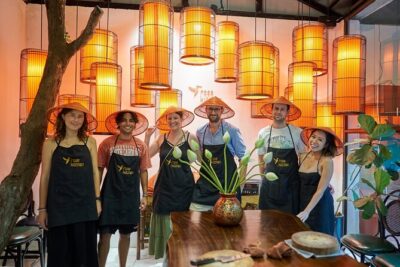
Hanoi Cooking Class: Culture, Local Market & Meaning CSR Impact
Read our review →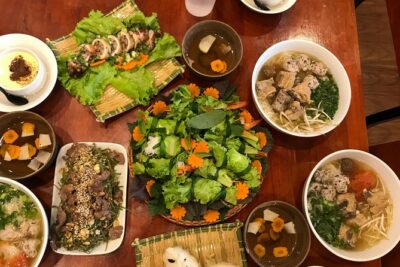
5 Traditional Dishes Hanoi Cooking Class with Market Trip
Read our review →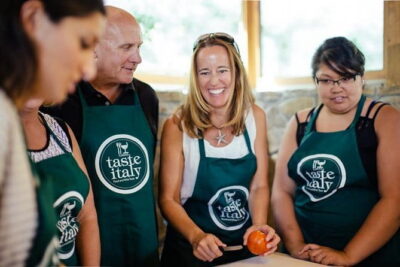
Cooking Class and Lunch at a Tuscan Farmhouse with Local Market Tour from Florence
Read our review →
Chiang Mai: Cooking Class, Market & Thai Herbs Garden Tour
Read our review →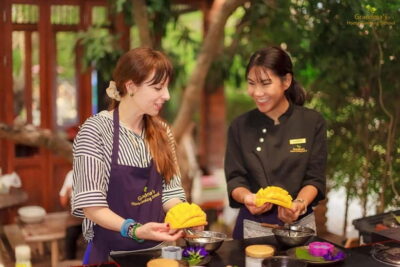
Chiang Mai: Authentic Cooking Class with Market & Farm Visit
Read our review →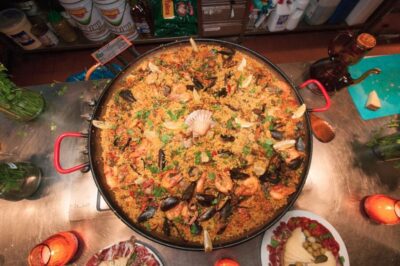
Barcelona: Paella Cooking Experience & Boqueria Market Tour
Read our review →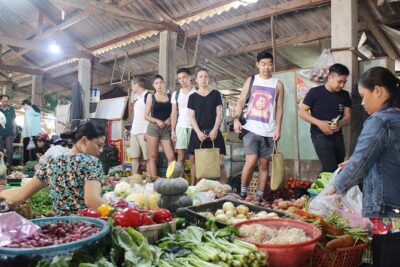
Cooking Class Hoi An:Local Market, Basket Boat, Fishing & Cooking
Read our review →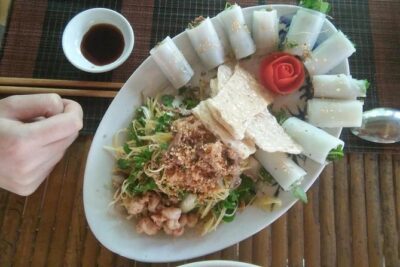
Hoi An Cooking Class(Market,BasketBoat Crabfishing&Cooking Class)
Read our review →This kitchen also appears in