
Review · NEW ORLEANS
New Orleans: Food Walking Tour & Cooking Class Experience
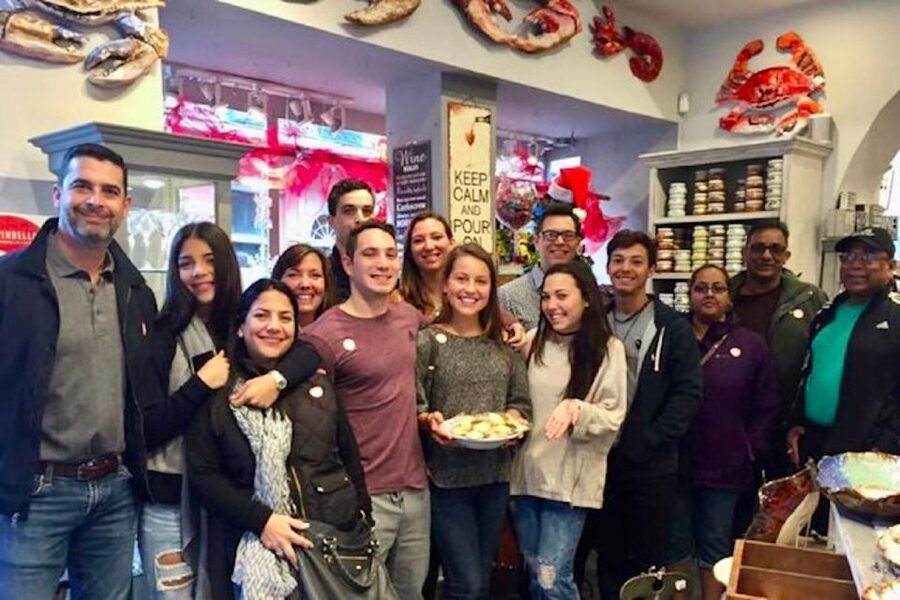
New Orleans cooking is best understood one bite at a time, and this experience gives you plenty of them. You’ll visit French Quarter eateries, hear how food connects to local culture, then settle in for a cooking demonstration with Chef Tom at New Orleans Cooking School. Six to seven tastings and lunch make this more than a quick snack walk.
I like the mix of street-level food stops and hands-on culinary context, even though the class is a demonstration rather than a practical cooking lesson. I also like the amount of food packed into one outing, from jambalaya and gumbo to pralines and Bananas Foster. The main consideration is dietary flexibility: the set menu includes pork and does not offer vegetarian, vegan, pescatarian, or gluten-free options.
Key points
- Three hours in the French Quarter: Visit well-known eateries and food stops while learning about New Orleans through what people eat.
- Six to seven tastings: Possible samples include jambalaya, gumbo, étouffée, muffuletta, pralines, soup, and Abita beer.
- Two-hour cooking demonstration: Watch Louisiana dishes being prepared at New Orleans Cooking School and take home recipes.
- Guides with strong local food knowledge: Susan and Nate have led the tour, while Chef Tom has hosted the cooking portion.
- A full 330-minute outing: The tasting tour and cooking class together fill about five and a half hours.
- Important dietary limits: Set tastings can change, and the standard format is not designed for vegetarian, vegan, pescatarian, or gluten-free diets.
Starting at Roux Royale on Royal Street
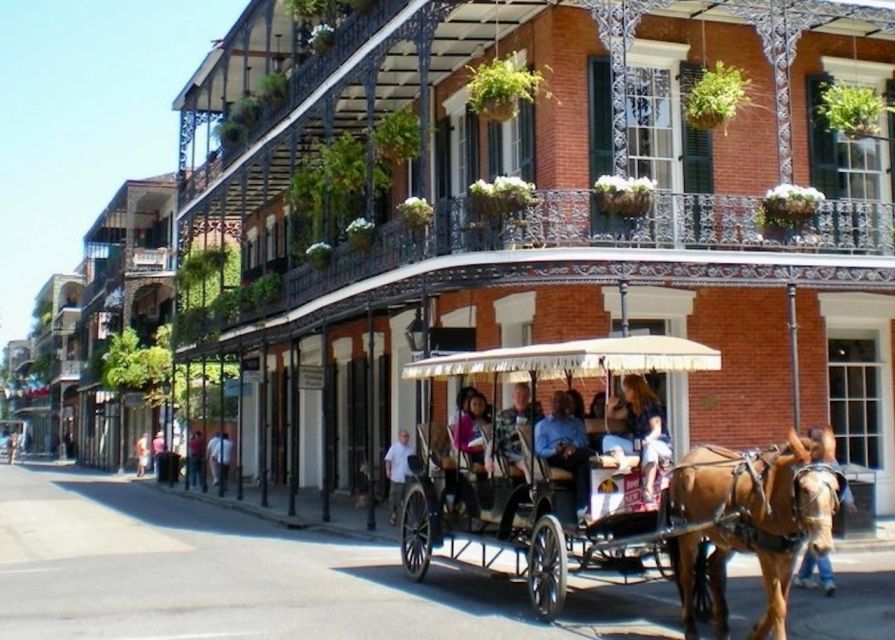
The experience begins inside Roux Royale at 600 Royal Street. This central French Quarter meeting point puts you close to the food streets, restaurants, and historic buildings that give the neighborhood its unmistakable character.
You’ll spend the first three hours walking between eateries and tasting stops. This is not simply a list of samples. Your guide explains the food and the people behind it, giving you a better sense of why New Orleans cooking draws from several traditions.
Susan has led this outing with an easy, informative style, while Nate has also guided the walking portion. Their role matters because a food tour can feel thin if it only tells you what is on the plate. Here, the aim is to connect each dish with the city around you.
Wear comfortable shoes. The walking section lasts three hours, and the tour operates rain or shine unless a major weather event affects the area. An umbrella and water bottle are sensible additions when the forecast calls for rain or heat.
More cooking classes around the USA:
- New Orleans Demonstration Cooking Class with Meal
★ 5.0 · 3,000 reviews - New Orleans Hands-On Cooking Class with Meal
★ 5.0 · 1,183 reviews - Undiscovered Charleston: Half Day Food, Wine & History Tour with Cooking Class
★ 5.0 · 948 reviews
Tasting the French Quarter, one classic at a time
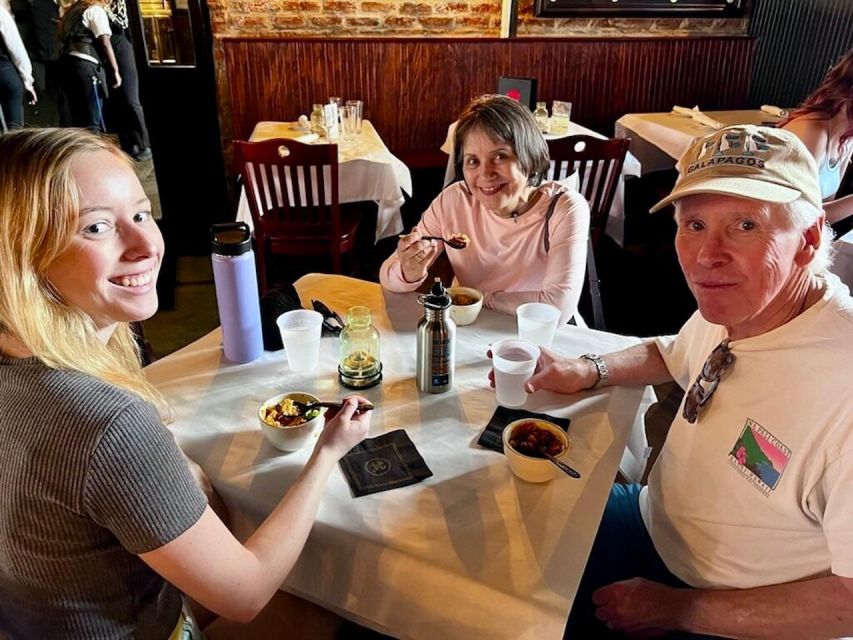
The sample menu gives you a useful introduction to Louisiana food rather than focusing on just one kind of dish. You might taste shrimp and artichoke soup, corn and crab bisque, jambalaya, gumbo, crawfish or chicken étouffée, boudin balls, muffuletta, pralines, and Bananas Foster.
That list covers several important parts of the local table. Soups and bisques show off seafood and seasoning. Jambalaya and gumbo offer two different ways of building a filling dish around rice, meat, seafood, and a strongly seasoned base. Étouffée gives you another view of the region’s love for sauce and slow-cooked flavor.
You may also encounter Creole brisket, praline cookies, and Abita beer. The point is not to treat this as a fixed restaurant meal. Menu items and stops can change without notice, so you should book it for the chance to sample a broad range of New Orleans food, not for one promised dish.
The muffuletta is especially useful for understanding the city’s sandwich culture, while pralines and Bananas Foster provide a sweet finish. Boudin balls introduce another Louisiana specialty that many visitors may not order on their own.
The tasting portions are part of a longer day, so you are not expected to choose one large entrée at each stop. Still, you should arrive ready to eat. By the end of the walking portion, the food adds up to a substantial amount.
Why the food stories matter
A good food walk helps you make better choices for the rest of your New Orleans stay. You’ll learn which dishes appeal to you, pick up restaurant ideas, and gain enough context to read a menu with more confidence.
One participant who already knew the New Orleans food scene still found Susan’s suggestions useful. That is a good sign for repeat visitors. You do not need to be new to the city to get value from a guide who can point you toward places to try after the tour.
The food also offers a practical route into local culture. Instead of studying the city only through buildings and museums, you’ll see how recipes, ingredients, and family traditions shape daily life. The tour’s food stops are said to include places featured in cookbooks, along with less obvious choices in the French Quarter.
Keep your expectations grounded. This is a guided tasting route, not a private restaurant crawl where you select every stop. The providers can change the menu and locations, so the experience works best if you enjoy variety and a little uncertainty.
From food walk to New Orleans Cooking School
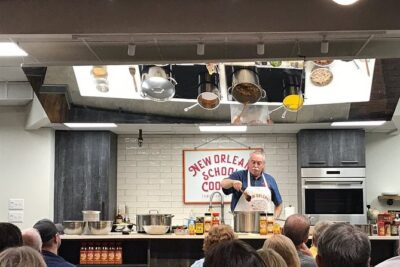
After about three hours on foot, the experience shifts to a two-hour cooking demonstration at New Orleans Cooking School. This change of pace is one of the strongest reasons to choose this tour instead of a standard food walk.
You’ll sit back and watch Louisiana favorites being prepared in a relaxed class setting. Chef Tom has led the cooking portion, and the demonstration gives you a chance to see how the dishes fit together rather than merely tasting finished samples.
The class includes recipes, refreshments, and lunch. That makes the second half useful even if you rarely cook at home. You can take away a written reminder of the dishes and a clearer idea of how Louisiana food is built.
Be clear about the format: this is a cooking demonstration, not a fully practical workshop where each person prepares a separate dish. If you want to chop, stir, and cook your own plate, this may feel less active than expected. If you prefer to watch, ask questions, eat, and learn without a kitchen assignment, the format should suit you well.
The cooking portion also gives your feet a break. After three hours of walking and tasting, a seated demonstration followed by lunch is a sensible way to finish the day.
Same kitchen, a different dish:
- New Orleans: Cajun and Creole Cooking Class
★ 4.9 · 730 reviews - Hands-on Cajun Roux Cooking Class in New Orleans
★ 5.0 · 356 reviews - Atlanta: Historic Market Food Tour and Biscuit Cooking Class
★ 4.9 · 25 reviews - New Orleans: Cooking Class & Cocktail Walking Tour
★ 4.7 · 16 reviews
A closer look at the possible menu
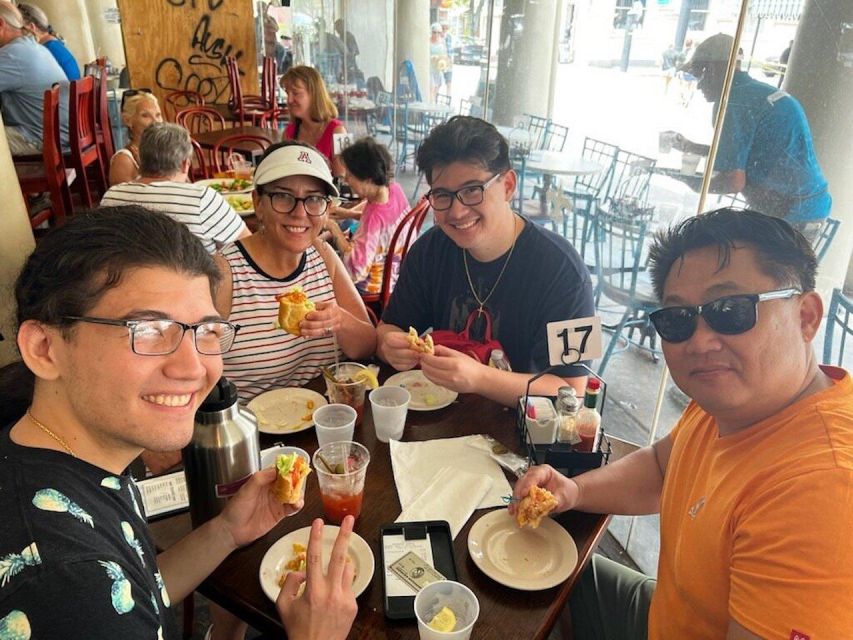
Here is what the listed food selection tells you about the experience:
- Jambalaya: A filling rice dish that gives the class and walking tour a clear Louisiana anchor.
- Gumbo: One of the best-known local dishes, useful for understanding the area’s fondness for layered seasoning and slow cooking.
- Crawfish or chicken étouffée: The protein may vary, so do not count on crawfish specifically.
- Shrimp and artichoke soup or corn and crab bisque: Seafood appears in more than one form, but the exact soup may change.
- Boudin balls: A distinctly regional bite that may be unfamiliar to many visitors.
- Muffuletta: A hearty sandwich option tied to New Orleans food culture.
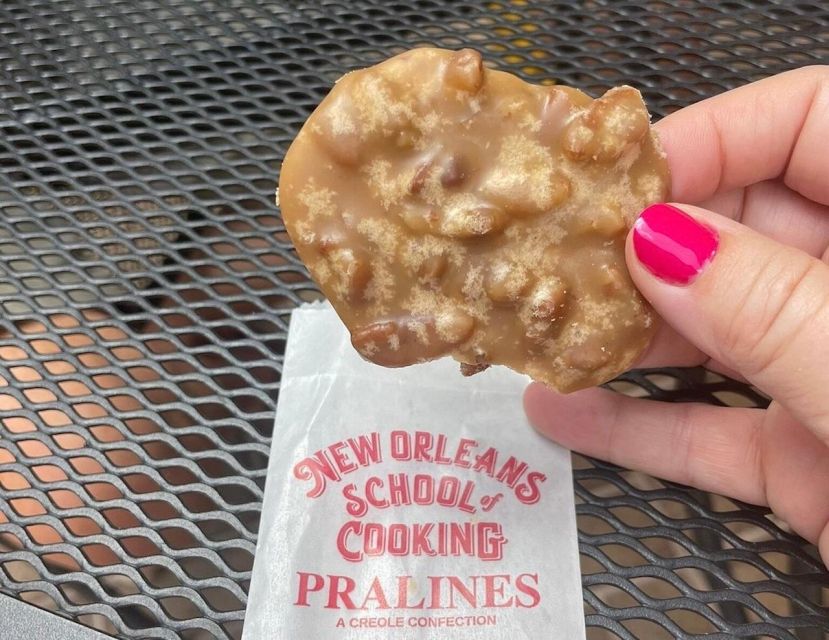
- Pralines, praline cookies, and Bananas Foster: Several sweet tastes give the day a dessert-focused finish.
- Creole brisket: Another possible savory sample, showing that the menu can range beyond seafood.
- Abita beer: Beer may be included as part of the tasting, but extra alcoholic drinks are not covered.
This menu is broad, but it is not designed around special diets. Many authentic Louisiana dishes contain pork, and the tour warns that its standard tastings do not provide gluten-free, vegetarian, vegan, or pescatarian choices.
True food allergies may be accommodated, but you must tell the provider during booking and confirm the issue directly with your guide. Do not rely on a last-minute request at the first stop. If your allergy is serious, ask for clear ingredient information before committing.
Who will get the most from the $127 price
At $127 per person, this is not a budget snack walk. The value comes from the length and the combination of services: three hours of guided tastings, six to seven food and beverage samples, a two-hour cooking demonstration, recipes, refreshments, and lunch.
If you booked separate meals, a food walk, and a cooking class, the cost could rise quickly. This package also saves you from planning several French Quarter stops yourself. You pay for an organized day with a guide, a structured menu, and a class at a recognized cooking school.
The price is easier to justify if you want food to be a central part of your New Orleans visit. It is less compelling if you only want one or two iconic tastes, or if you already have restaurant plans that fill the same afternoon.
Alcohol is limited. An Abita beer may be included, but additional alcoholic drinks cost extra. Participants must be at least 21 to consume alcohol and may need to show valid identification.
Because the full activity lasts 330 minutes, you should treat it as a major half-day commitment. Do not schedule a museum reservation, show, or long-distance outing too close to the start or finish. The walking tour and class together leave little spare time.
Timing, weather, and the practical details
Starting times vary, so check availability before booking. Tours require a minimum number of participants. If that number is not reached, the provider may move you to another time or date.
The tour is wheelchair accessible, which is important for anyone comparing French Quarter food walks. You should still contact the provider in advance if you have specific mobility needs or require allergy arrangements, since the experience includes several food stops and a walking section.
Parking validation is not provided for hotels or other locations. If you drive, confirm your parking plan separately rather than assuming the meeting point includes validation.
The experience runs in ordinary rain, so dress for the weather and bring an umbrella if needed. A major weather event in the area is the exception, and in that case the activity may be canceled with a full refund.
Cancellation is flexible up to 24 hours before the start for a full refund. You can also reserve now and pay later, which helps if your New Orleans schedule is still shifting.
Minors may attend with a parent or guardian. The adult must remain responsible for the minor throughout the tour and may not leave the child unattended.
How the guides shape the day
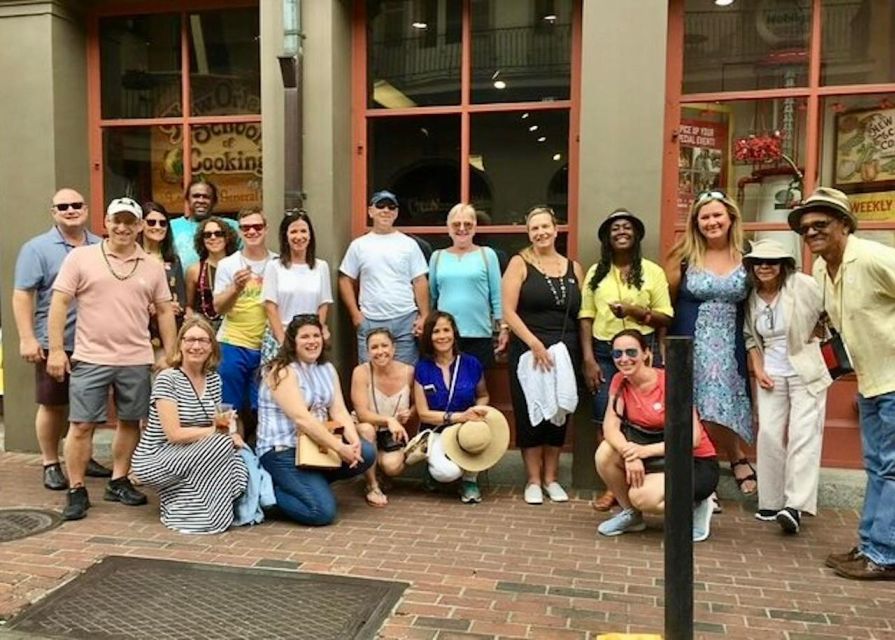
Food tours depend heavily on the people leading them. The strongest comments about this experience focus on the guides’ ability to explain New Orleans food and offer useful suggestions beyond the scheduled stops.
Susan has been singled out for her food advice and lively presentation. Nate and Chef Tom have also been praised for their parts of the experience. That combination gives you two different forms of instruction: walking commentary in the French Quarter and a more focused cooking demonstration indoors.
You should expect the exact guide assignment to vary. Still, the named hosts indicate that the experience is built around personal explanation rather than an audio guide or a self-directed tasting sheet.
The language is English. If you want a tour in another language, this is not the right choice based on the available information.
Is this a good first-day New Orleans activity?
It can be, especially if food is one of your main reasons for visiting. A food walk early in your stay gives you restaurant ideas and helps you recognize dishes when you see them later.
The 330-minute length is the trade-off. You’ll spend most of an afternoon on one organized experience, so it may not fit well on a day when you want to cover several neighborhoods.
I would also think carefully about your appetite and diet before booking. The menu is generous and includes dishes made with pork, seafood, and other ingredients that may not work for everyone. The provider says allergies may be accommodated, but the regular menu is not built for dietary substitutions.
For families, the minor policy allows children to attend with a parent or guardian. The amount of walking and the food-focused format may suit older children better than very young ones, but the available information does not specify an age range or child pricing.
Should you book the French Quarter food and cooking experience?
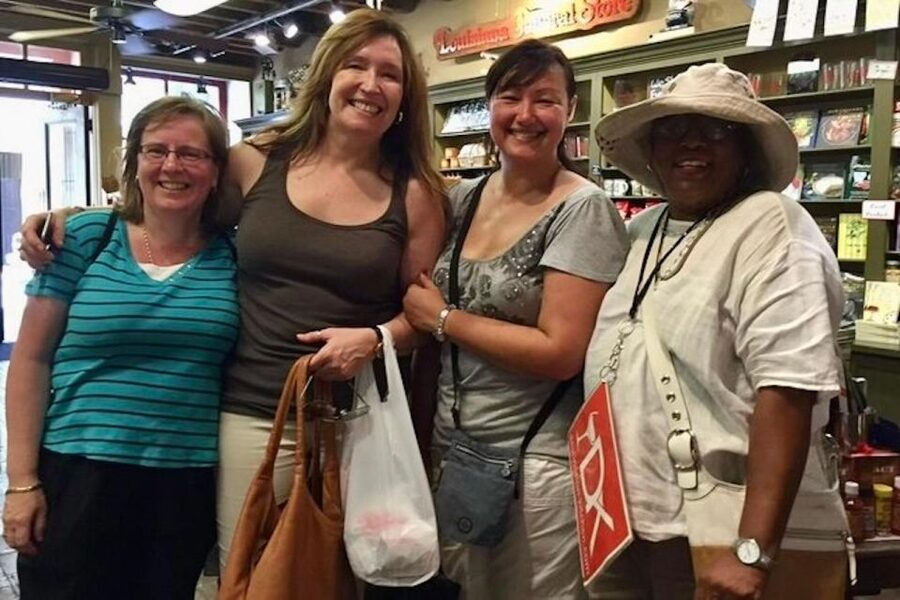
Book it if you want a full food-focused half-day, enjoy trying several regional dishes, and like learning through both tasting and demonstration. The combination of French Quarter stops, recipes, refreshments, lunch, and a cooking class gives you more substance than a short sample walk.
I would skip it if you need vegetarian, vegan, pescatarian, or gluten-free food, or if you want a hands-on class where you personally cook. I would also skip it if your schedule is tight or you prefer choosing every restaurant yourself.
For everyone else, the $127 price is reasonable when you value structure and variety. Bring comfortable shoes, arrive hungry, allow the full five and a half hours, and treat the menu as a changing tour of Louisiana classics rather than a fixed promise of every listed dish.
FAQ
Where does the New Orleans food tour meet?
Meet inside Roux Royale at 600 Royal Street in New Orleans.
How long does the experience last?
The activity lasts 330 minutes, or about five and a half hours. It includes a 3-hour food walking tour and a 2-hour cooking demonstration class.
What is included in the price?
The price includes a tour guide, the 3-hour food walk, the 2-hour cooking demonstration, six to seven food and beverage tastings, recipes, refreshments, and lunch.
Are additional alcoholic drinks included?
No. Additional alcoholic drinks are not included. Participants must be over 21 to consume alcohol and may be asked to show valid identification.
What foods might be served?
Possible tastings include praline cookies, shrimp and artichoke soup, jambalaya, corn and crab bisque, crawfish or chicken étouffée, gumbo, boudin balls, pralines, muffuletta, Bananas Foster, Creole brisket, and Abita beer. Menu items and stops may change without notice.
Does the tour offer vegetarian, vegan, pescatarian, or gluten-free options?
The standard tasting menu does not offer gluten-free, vegetarian, vegan, or pescatarian options. Many Louisiana dishes may also include pork.
Can food allergies be accommodated?
Food allergies may be accommodated. Tell the activity provider during booking and confirm your needs with the guide in person.
Is the tour wheelchair accessible?
Yes, the activity is listed as wheelchair accessible.
What happens if I need to cancel?
You can cancel up to 24 hours in advance for a full refund. You can also reserve now and pay later.
New cooking classes around the USA
- San Diego: 2-Hour Pasta Cooking Class at a Local Brewery★ 5.0 · 2 reviews
- San Francisco: Dumpling Cooking Class & 3-Course Dinner★ 5.0 · 10 reviews
- New Orleans: Hands-on Cajun Roux Cooking Class★ 4.9 · 7 reviews
- New Orleans: Traditions Cooking Class★ 5.0 · 9 reviews
- New Orleans: Cooking Class & Cocktail Walking Tour★ 4.7 · 16 reviews
- Atlanta: Historic Market Food Tour and Biscuit Cooking Class★ 4.9 · 25 reviews
- Chinese Dumplings Cooking Class in NYC – Fun & Delicious!★ 5.0 · 4 reviews
- Private Palm Springs Cooking Class with a Fun Local Chef Stephen★ 5.0 · 7 reviews
New Orleans Cooking Classes, side by side.
New Orleans Demonstration Cooking Class with Meal
Read our review →
New Orleans Hands-On Cooking Class with Meal
Read our review →
Hands-on Cajun Roux Cooking Class in New Orleans
Read our review →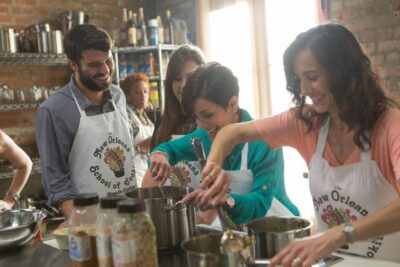
New Orleans: Cooking Class & Cocktail Walking Tour
Read our review →
Private New Orleans Cajun Cooking Class with a Local Courtland
Read our review →
This kitchen also appears in