
Review · NEW ORLEANS
New Orleans: Hands-on Cajun Roux Cooking Class
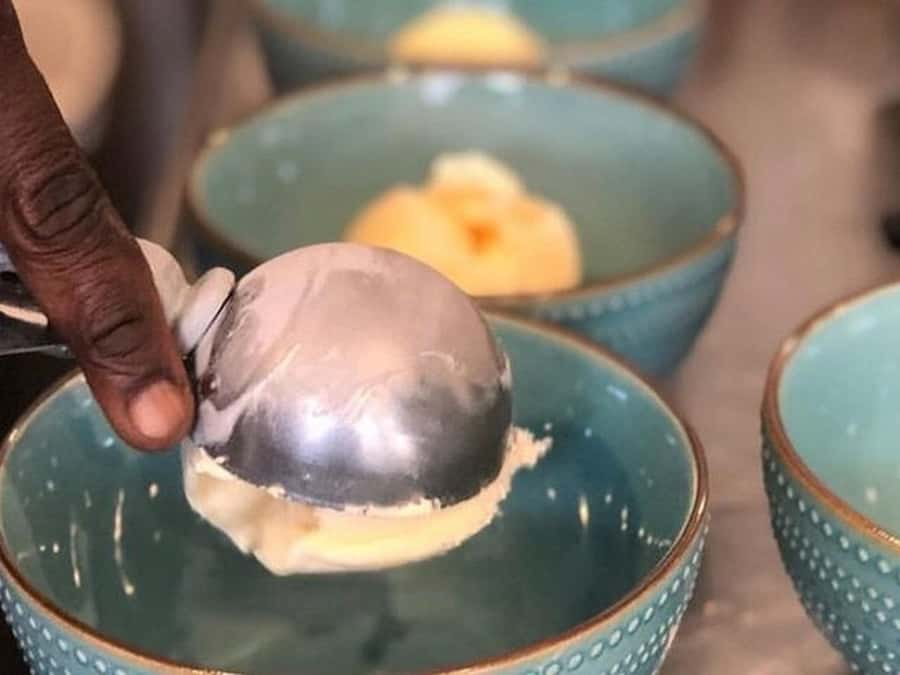
The real lesson here is the dark roux. You are not simply watching a chef stir a pot. You are learning how to build the deep, toasted base that gives gumbo its character, then using a lighter roux for shrimp etouffee. That makes this class more useful than a standard eat-and-leave food stop.
I like the hands-on format and the small group of no more than 10. I also like the full meal: chicken and andouille sausage gumbo, shrimp etouffee, and bananas Foster, with wine, beer, soft drinks, and water included. The main consideration is the $157 price, which is a fair spend only if you want instruction and participation, not just a meal.
Key points to know
- Two roux lessons: You make a dark roux for gumbo and a light roux for shrimp etouffee.
- Three-course cooking session: Prepare gumbo, shrimp etouffee, and bananas Foster, then eat what you make.
- Small French Quarter class: The group is limited to 10, so you should have room to take part.
- English instruction with named chefs: Chef Raymond, Chef Mark, and Chef Jason have led recent classes.
- Drinks are included: Wine, beer, sodas, and bottled water are available during the class.
- Suitable for cooks age 10 and older: Children must be willing to participate and enjoy cooking.
Why the roux is the heart of this New Orleans class
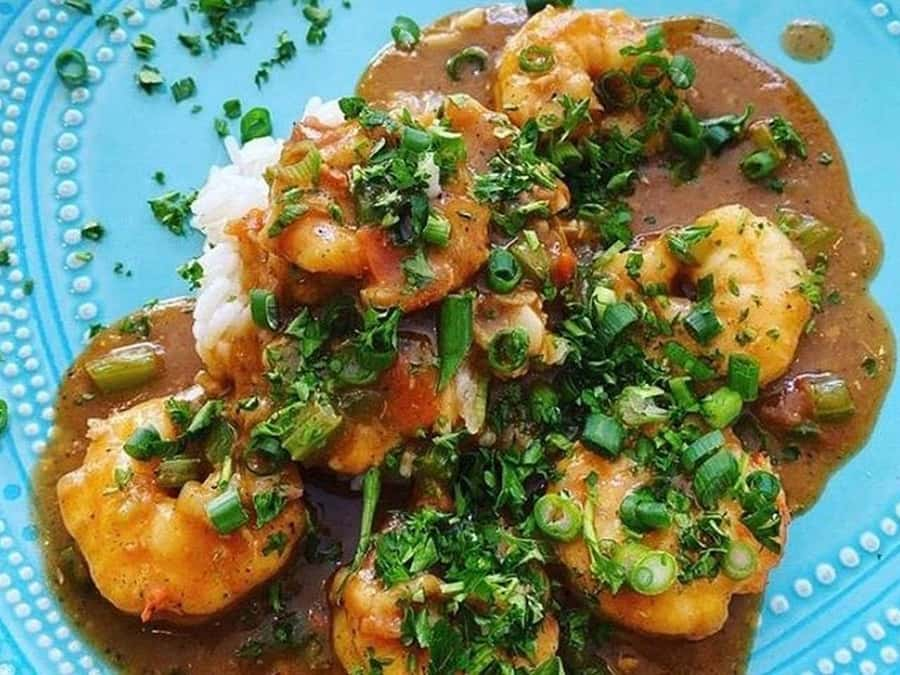
Many cooking classes give you a recipe and send you home. This one focuses on the step that most often makes home cooks nervous: roux. You will learn how to start the dark roux for gumbo, then prepare a lighter roux for shrimp etouffee.
That contrast is the useful part. You can see how changing the color and cooking stage of the roux affects two classic Louisiana dishes. The class also covers seasonings and the Cajun Holy Trinity, an essential part of the preparation.
You begin by getting acquainted with the other people in the group, then put on an apron and start cutting and prepping. The emphasis is on mise en place, or having everything ready before the cooking begins. That may sound like a small point, but it is one of the best habits you can take home. Roux waits for no distracted cook.
The instructor also explains the background of the dishes as you work. This gives the food a sense of place without turning the class into a lecture. You learn why the dishes matter while your hands stay busy.
More cooking classes around the USA:
- New Orleans Demonstration Cooking Class with Meal
★ 5.0 · 3,000 reviews - New Orleans Hands-On Cooking Class with Meal
★ 5.0 · 1,183 reviews - Undiscovered Charleston: Half Day Food, Wine & History Tour with Cooking Class
★ 5.0 · 948 reviews
Starting with the Cajun Holy Trinity
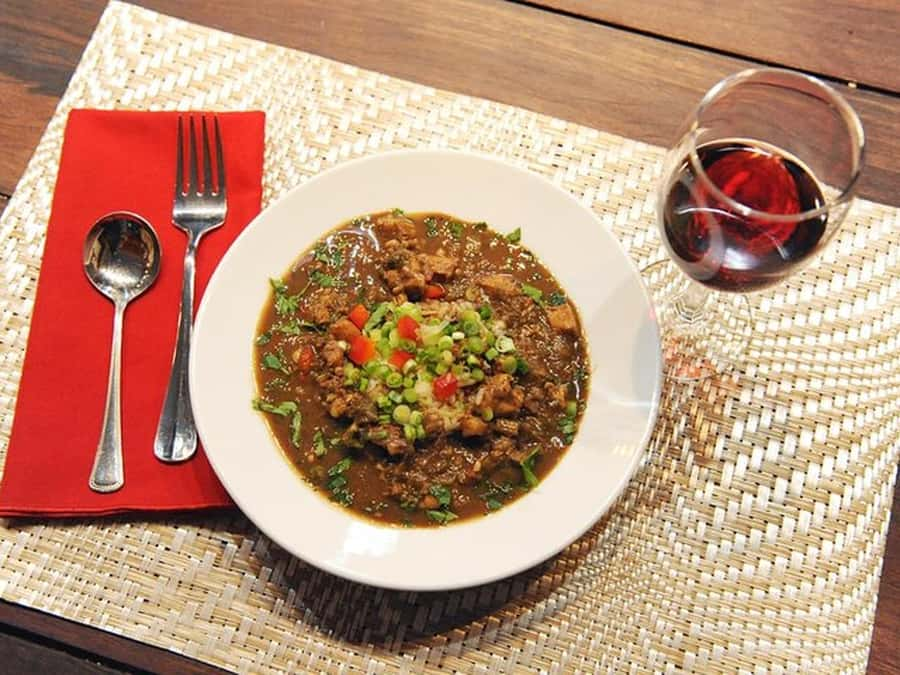
Early in the class, you prepare the Cajun Holy Trinity. The activity information does not list every ingredient or knife step, so you should expect instruction at the station rather than a printed lecture about technique. The key point is that the base is chopped before the roux work begins.
This is where the class should feel most like a working kitchen. You are not merely tasting a finished dish. You are building the flavor from the start, with the instructor explaining seasoning choices and professional methods.
Once the chopping is done, you get a short break and can enjoy your first glass of wine. Beer, sodas, and bottled water are also included. That break helps pace the three-hour session, especially because the cooking continues through several dishes.
I like this rhythm. It keeps the class social without allowing the drinks to become the main event. If you are attending with a partner or friends, you can talk while preparing food, but you still have a clear job to do.
Making chicken and andouille sausage gumbo
The gumbo is the centerpiece. After the prep work, you begin the dark roux. This is the stage that calls for attention, since the color matters and the roux is the foundation of the dish.
The class teaches you how to handle this step rather than simply handing you a prepared base. That is valuable for anyone who has tried gumbo at home and ended up with a thin or flat result. You get to see the process that creates the darker, fuller flavor associated with this style of gumbo.
Chicken and andouille sausage give the dish a familiar Louisiana profile. The class does not promise a specific recipe packet or take-home ingredients, so you should pay close attention and take notes if you want to repeat the dish later.
The instructors bring different personalities to the teaching. Chef Raymond is described as enthusiastic and uses music to keep the room lively. Chef Jason combines cooking instruction with stories and lessons about New Orleans Creole and Cajun food. Chef Mark has been praised for explaining each step carefully. Your instructor may be one of these chefs, but the booking information does not guarantee a particular person.
That variety is worth noting. You are signing up for the cooking school experience rather than a guaranteed chef-led performance. The common thread is active instruction and participation.
Moving from dark roux to shrimp etouffee
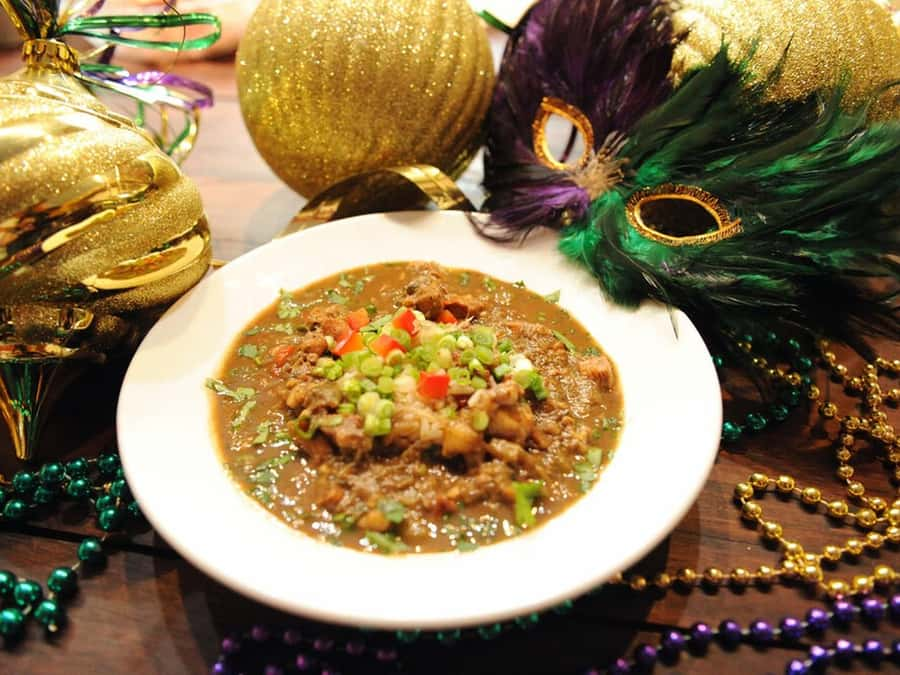
After gumbo, the focus shifts to shrimp etouffee and a light roux. This is a smart second dish because it lets you compare two roux styles during the same class.
The lighter roux gives you another lesson in timing and flavor. You can see that Louisiana cooking is not built around one single sauce or one fixed color. Small changes in the cooking process create a different result.
Shrimp also changes the pace. Gumbo is a slow, layered dish, while etouffee brings seafood into the plan and gives you another way to use the seasoning base. You prepare the dish, plate the meal, and then sit down to eat.
The meal is included in the $157 price, along with alcoholic and nonalcoholic drinks. For me, that makes the cost easier to understand. You are paying for a three-hour lesson, a full lunch or dinner, the ingredients used in class, and a social activity in the French Quarter. It is not a bargain if your only goal is to get fed, but it has stronger value if you want to learn dishes you have never made before.
One useful tip: come hungry. The class includes substantial food, and you will be cooking more than one main dish before dessert.
Same kitchen, a different dish:
- New Orleans: Cajun and Creole Cooking Class
★ 4.9 · 730 reviews - Hands-on Cajun Roux Cooking Class in New Orleans
★ 5.0 · 356 reviews - Atlanta: Historic Market Food Tour and Biscuit Cooking Class
★ 4.9 · 25 reviews - New Orleans: Cooking Class & Cocktail Walking Tour
★ 4.7 · 16 reviews
Ending with bananas Foster
The final lesson is bananas Foster. It provides a lighter finish after the two savory dishes and gives you a dessert you can make for friends or family.
The instructor teaches a simple method intended to be reliable at home. The exact equipment and technique are not specified, so listen closely during this part and ask questions if you want to reproduce it. Dessert demonstrations can move quickly, especially after the main meal is plated.
I like that bananas Foster is included as a complete third recipe rather than treated as an afterthought. You leave with three Louisiana dishes to remember: gumbo, shrimp etouffee, and bananas Foster. The class therefore has a useful arc, from chopping and roux to plating and dessert.
What the three-hour format feels like
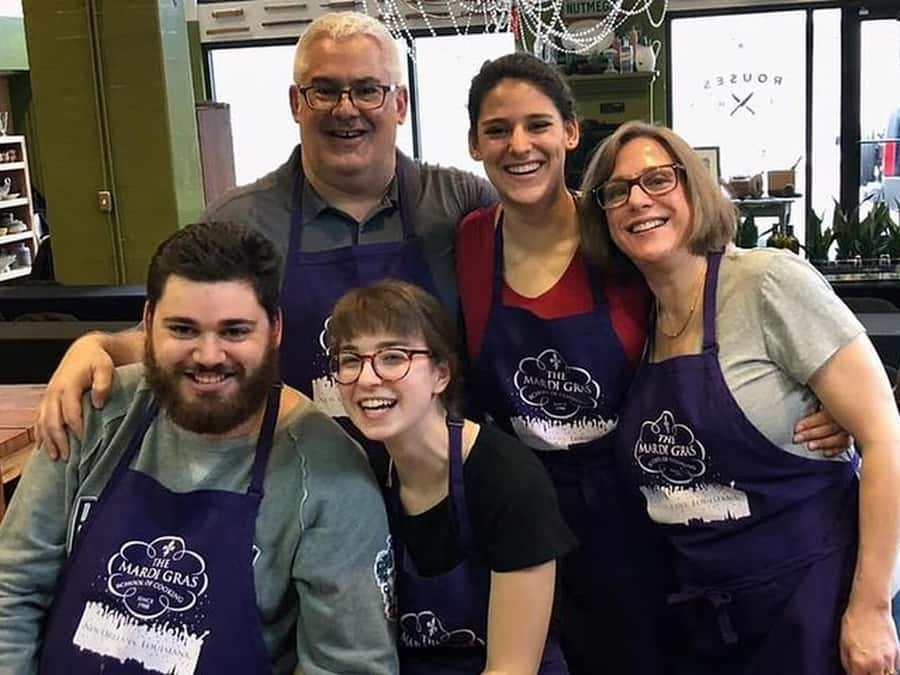
Three hours is long enough to teach several recipes without turning the activity into a full-day commitment. You should expect a steady session with prep, cooking, breaks, drinks, and a sit-down meal.
The class is limited to 10 participants. That is a meaningful detail. A small group gives you a better chance to take part in chopping, roux preparation, seasoning, and plating instead of standing behind a crowd. It also makes it easier to ask about substitutions or technique, though no special dietary arrangements are listed.
The atmosphere is intended to be relaxed and social. Music may be part of the experience, and Chef Raymond is particularly associated with keeping the room upbeat. Still, this is a cooking class first. You need to be willing to participate, not simply sit back with a drink.
English is the teaching language. The class is wheelchair accessible, and the meeting point is Suite 101 on the ground level. Transportation to the venue is not included, so you will need to arrange your own way there. The supplied information does not give a street address, so confirm the exact location before setting out.
The instructors and teaching style
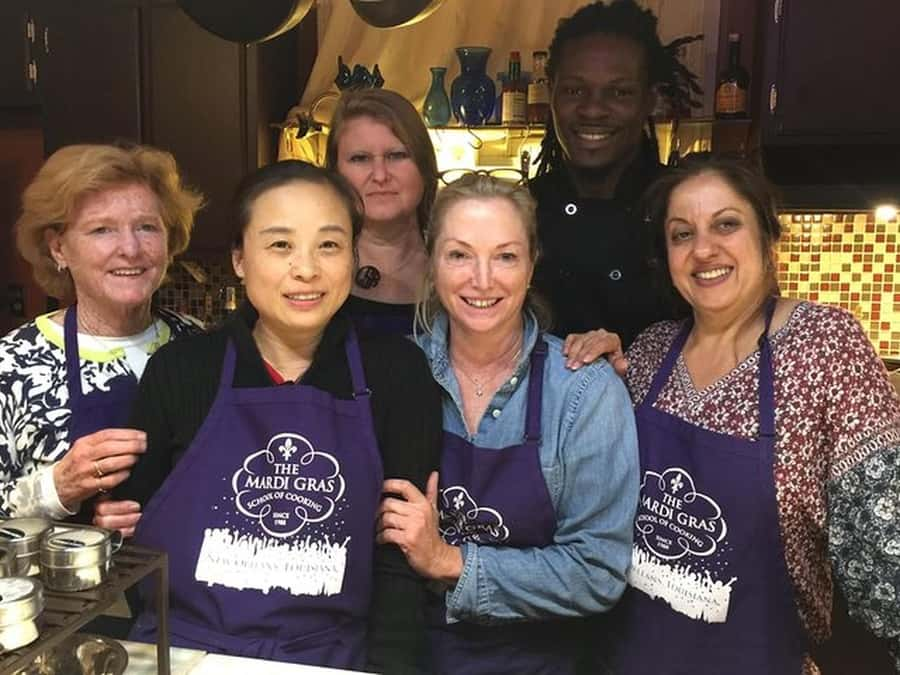
Recent classes have been led by Chef Raymond, Chef Mark, and Chef Jason. Each name comes with a different strength in the available descriptions.
Chef Raymond brings enthusiasm and music into the cooking room. If you enjoy a lively class with a relaxed kitchen feel, that approach may suit you. Chef Mark is associated with clear explanations and careful instruction, useful if you want to understand the method rather than copy a few motions. Chef Jason adds jokes, stories, and lessons about Cajun and Creole cooking while keeping people involved.
You cannot select a specific chef from the details provided. For that reason, book this as a school-led class rather than a private lesson with one named instructor.
The strongest feature is the active format. You are expected to chop, prepare, cook, and plate. That makes the class a better fit for someone who wants practical skills than for someone looking for a formal demonstration.
Is $157 a good value?
At $157 per person, this is a premium food activity. The price makes more sense when you count what is included: three hours of instruction, a full meal, alcoholic drinks, sodas, and water.
You are also paying for access to a cooking setup and guidance on three dishes that can be difficult to learn from a short recipe. The dark and light roux comparison alone gives the class a clear teaching purpose. Add the gumbo, etouffee, dessert, and food history, and the experience offers more than a restaurant meal.
Still, the price will not suit everyone. If you want to sample Cajun food cheaply, a restaurant is the better choice. If you already cook these dishes often, the class may feel less useful unless you want the social setting or a refresher on technique.
I would judge the value by asking one question: will you cook these recipes again at home? If the answer is yes, the class has a stronger return. If you only want to eat in the French Quarter, spend less on a meal elsewhere.
Who should book this cooking class?
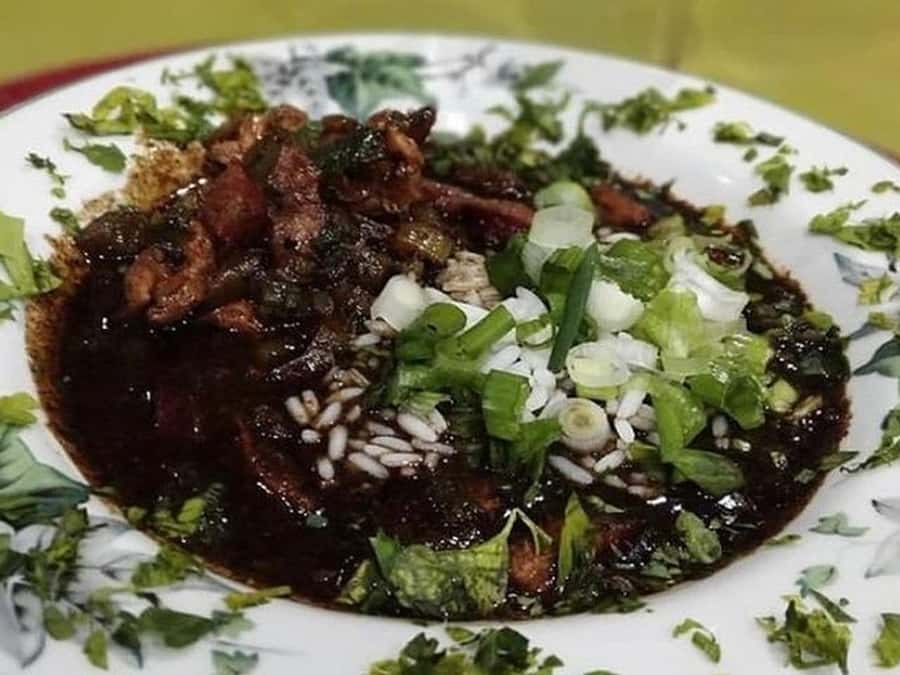
This class suits adults, couples, friends, and families with children over 10 who genuinely like cooking. The age rule matters. Children are allowed only if they are willing to take part and enjoy the work, so this is not a passive family show.
It also suits first-time Louisiana cooks. You learn the Cajun Holy Trinity, roux technique, seasonings, gumbo, etouffee, and bananas Foster in one session. That gives you a solid introduction to the local kitchen.
You may also like it if you want a break from sightseeing. Three hours in the French Quarter, with food preparation and conversation, offers a different way to experience New Orleans. The setting adds local flavor, but the real value is what happens at the cooking station.
This is less suitable for anyone who dislikes group activities, cannot participate in kitchen work, or wants a quiet meal without instruction. The small group helps, but it remains a shared class.
Practical details before you reserve
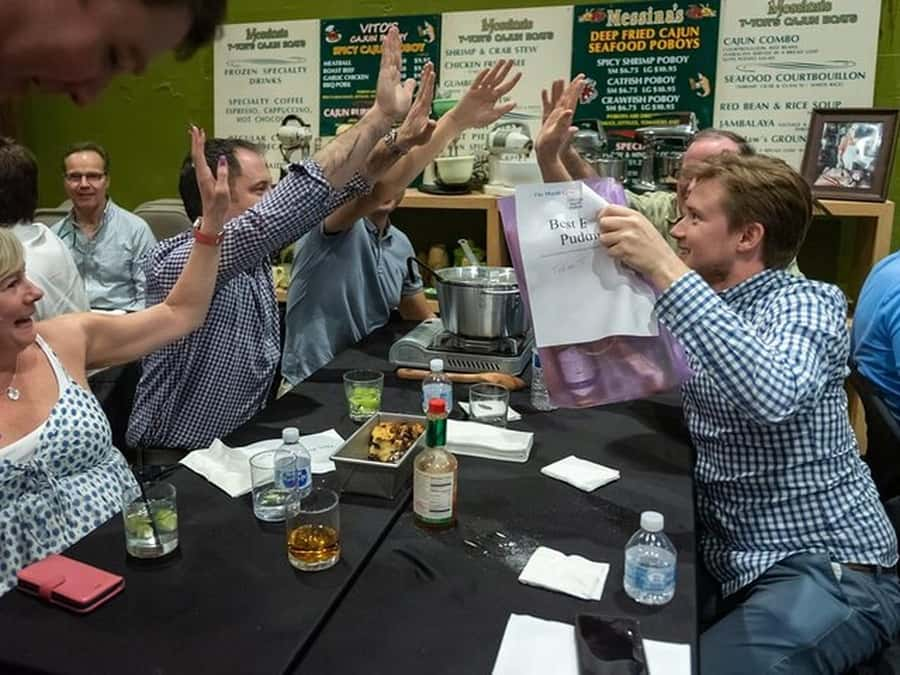
The experience lasts three hours, with starting times based on availability. It includes lunch or dinner, depending on the scheduled session. Alcoholic drinks, soda, and bottled water are included.
You meet at Suite 101 on the ground level. Transportation is not included, and personal expenses and souvenirs are also outside the price. The class is wheelchair accessible.
You can cancel up to 24 hours in advance for a full refund. A reserve-now, pay-later option is available, which helps if your New Orleans schedule is still shifting.
The overall rating is 4.9 from seven reviews, and the most consistent praise centers on the welcoming atmosphere, clear instruction, enthusiastic chefs, and food that people had not made before. That matches the design of the experience: it is a friendly, practical class built around cooking together.
Should you book the Mardi Gras School of Cooking?
Book it if you want to learn the mechanics behind New Orleans food, especially roux, and you like the idea of preparing your own meal in a small group. The combination of gumbo, shrimp etouffee, and bananas Foster gives you plenty to do, and the included drinks make the long session comfortable.
Skip it if $157 feels high for a meal or if you would rather spend your French Quarter time eating at your own pace. For the right person, though, this is a useful and sociable introduction to Cajun and Creole cooking. Come hungry, bring a willingness to work, and pay close attention when the roux begins to change color.
FAQ
How long does the New Orleans Cajun roux cooking class last?
The class lasts three hours.
What dishes will I prepare?
You will prepare chicken and andouille sausage gumbo, shrimp etouffee, and bananas Foster.
Are drinks included?
Yes. Wine, beer, sodas, and bottled water are included.
What language is the class taught in?
The class is taught in English.
Can children attend the class?
Children over 10 may book if they are willing to participate and enjoy cooking. Children under 10 are not suitable for this activity.
Is the class wheelchair accessible?
Yes, the class is wheelchair accessible, and the meeting point is Suite 101 on the ground level.
New cooking classes around the USA
- San Francisco: Dumpling Cooking Class & 3-Course Dinner★ 5.0 · 10 reviews
- San Diego: 2-Hour Pasta Cooking Class at a Local Brewery★ 5.0 · 2 reviews
- New Orleans: Food Walking Tour & Cooking Class Experience★ 5.0 · 8 reviews
- New Orleans: Traditions Cooking Class★ 5.0 · 9 reviews
- New Orleans: Cooking Class & Cocktail Walking Tour★ 4.7 · 16 reviews
- Atlanta: Historic Market Food Tour and Biscuit Cooking Class★ 4.9 · 25 reviews
- Chinese Dumplings Cooking Class in NYC – Fun & Delicious!★ 5.0 · 4 reviews
- Private Chef, Catering and Cooking Classes★ 5.0 · 7 reviews
New Orleans Cooking Classes, side by side.
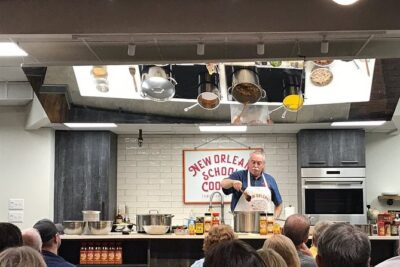
New Orleans Demonstration Cooking Class with Meal
Read our review →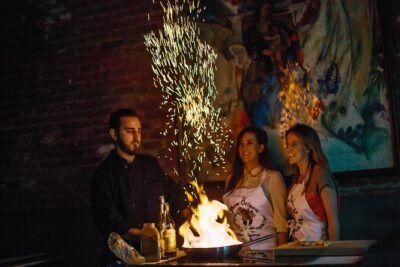
New Orleans Hands-On Cooking Class with Meal
Read our review →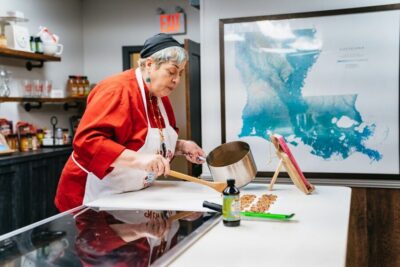
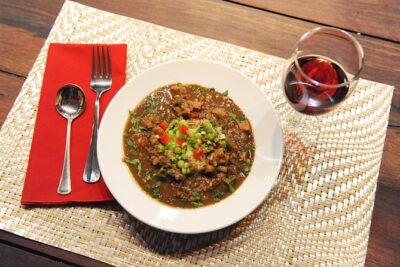
Hands-on Cajun Roux Cooking Class in New Orleans
Read our review →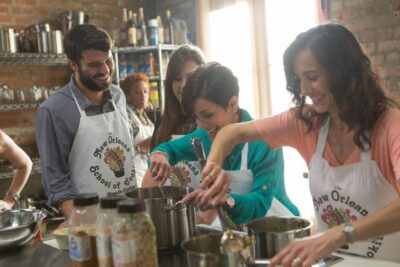
New Orleans: Cooking Class & Cocktail Walking Tour
Read our review →
Private New Orleans Cajun Cooking Class with a Local Courtland
Read our review →
New Orleans: Food Walking Tour & Cooking Class Experience
Read our review →This kitchen also appears in