
Review · NEW ORLEANS
New Orleans: Traditions Cooking Class
New Orleans cooking is built on bold seasoning, patient preparation, and the smart use of whatever is in the pot. This three-hour class at the Mardi Gras School of Cooking lets you make three Louisiana classics yourself: New Orleans barbecue shrimp, chicken and andouille sausage jambalaya, and chocolate bread pudding with brandy mocha sauce.
I like the small class size, capped at 10 people, because it gives the chef room to answer questions and correct mistakes. I also like that the meal comes with wine, beer, sodas, and water, so the class feels like both a lesson and a proper lunch or dinner.
The main consideration is the price: at $157 per person, this is not a cheap meal. You are paying for instruction, food, drinks, and a three-hour hosted experience, so it makes the most sense if you want to learn the dishes rather than simply eat them.
Key points to know before booking
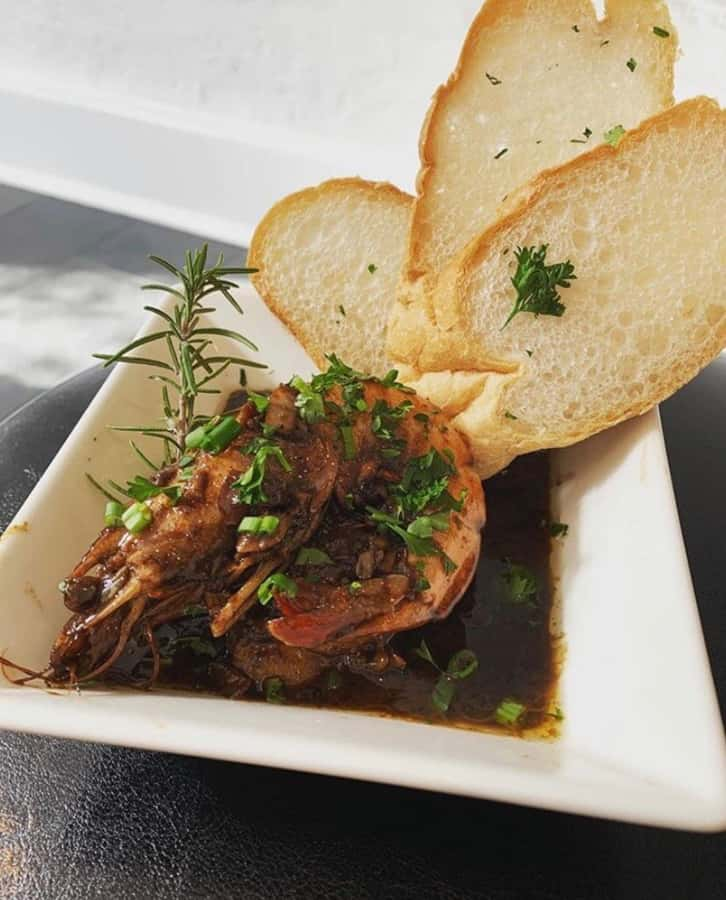
- Three classic Louisiana dishes: Make New Orleans-style barbecue shrimp, chicken and andouille sausage jambalaya, and chocolate bread pudding.
- A small class of up to 10: The format allows for personal help and plenty of questions.
- Chefs who teach as well as cook: Raymond, Erika, and Coach are praised for clear instruction, humor, and local food knowledge.
- Food history is part of the lesson: You learn how Cajun and Creole cooking differ and why these dishes matter in Louisiana.
- Drinks are included: Wine, beer, sodas, and water come with the class and meal.
- A full three-hour activity: This is best treated as a planned meal and cultural experience, not a quick cooking demonstration.
Cooking New Orleans classics, one pot at a time
The class begins in a relaxed setting, where you meet the other people in your group before putting on an apron. That opening matters more than it may sound. Cooking beside strangers can feel awkward if the format is rushed, but the small group and friendly teaching style help turn the room into a shared table.
The chefs guide you through selected recipes instead of tossing you into a kitchen with a printed recipe sheet and a hurried explanation. You learn professional cooking techniques, seasoning choices, and ways to avoid common mistakes. One useful feature is the practical advice on fixing a dish when something goes wrong, a skill that can save many future pots of jambalaya.
The class is taught in English. Past instructors include Chef Raymond and Erika, while another well-liked teacher goes by Coach. The teaching style appears to be warm and direct, with humor mixed into the instruction. That suits New Orleans food well. This is not a stiff culinary exam. You should expect a social class where learning and eating happen together.
More cooking classes around the USA:
- New Orleans Demonstration Cooking Class with Meal
★ 5.0 · 3,000 reviews - New Orleans Hands-On Cooking Class with Meal
★ 5.0 · 1,183 reviews - Undiscovered Charleston: Half Day Food, Wine & History Tour with Cooking Class
★ 5.0 · 948 reviews
New Orleans barbecue shrimp is the first surprise
Barbecue shrimp is a good example of why this class offers more than a standard cooking lesson. The name can mislead you. New Orleans-style barbecue shrimp is not simply shrimp cooked on an outdoor grill. The dish is known for its seasoned, buttery sauce, and the class presents it as one of the city’s signature preparations.
You learn how the seasonings work together and how the dish gets its distinctive New Orleans character. The class description promises a version that may surprise anyone who has not tried it before, and this is likely the most memorable recipe for many people because it differs from the usual idea of barbecue shrimp.
I like starting with a dish that has a story and a local identity. It gives you a taste of how Louisiana cooking often depends on a name, a technique, and a regional tradition rather than a simple list of ingredients. You are not just making shrimp. You are learning why the dish belongs to New Orleans.
This part can also be useful at home. Shrimp cooks quickly, and a good sauce can turn a simple meal into something special. The instructor explains the process step by step, so you can pay attention to timing and seasoning instead of trying to copy a chef working several feet away.
Jambalaya brings Cajun technique to the class
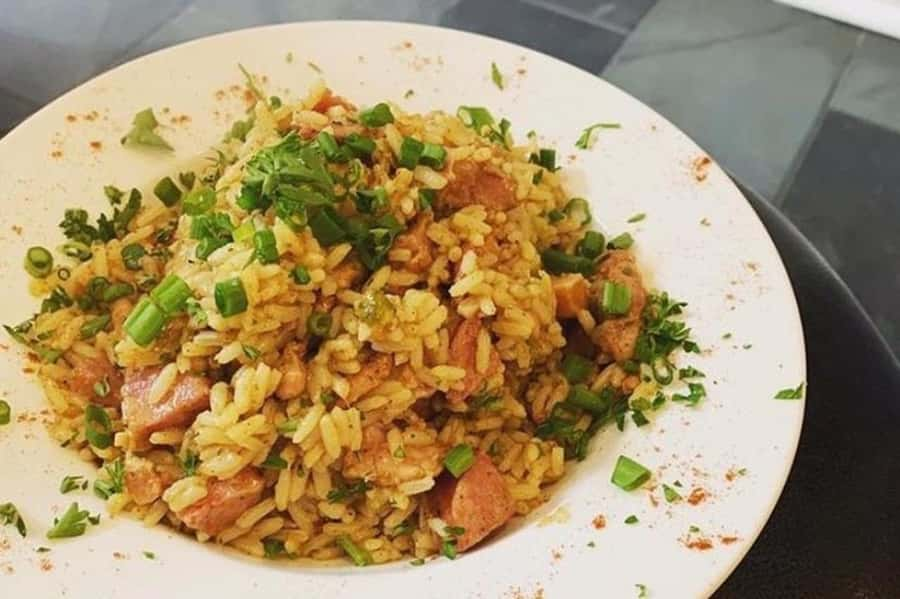
Next comes chicken and andouille sausage jambalaya, one of the most recognizable dishes in Louisiana cooking. Andouille brings a smoky, savory quality, while chicken gives the dish substance. The rice ties everything together, but getting the balance right is the real lesson.
The chef explains the seasoning and preparation rather than treating jambalaya as a one-pot shortcut. You learn how the meats and spices build flavor and how the ingredients work together. That information is valuable because jambalaya is forgiving in some ways but easy to make bland or overly salty in others.
The class uses classic Cajun and Creole meats, giving you a chance to see how regional cooking traditions overlap and differ. The setting also gives the chef time to explain the distinction between Cajun and Creole styles in plain terms. You will not leave with a full academic course in Louisiana food, but you will have a better sense of the traditions behind the dishes on your plate.
I like that jambalaya is practical. It is the sort of recipe you can make for a family meal or a group of friends, and the cooking lessons transfer well to other rice dishes. If you want a souvenir that takes up no space in your luggage, a recipe and a better feel for seasoning beat another T-shirt.
Chocolate bread pudding finishes the meal properly
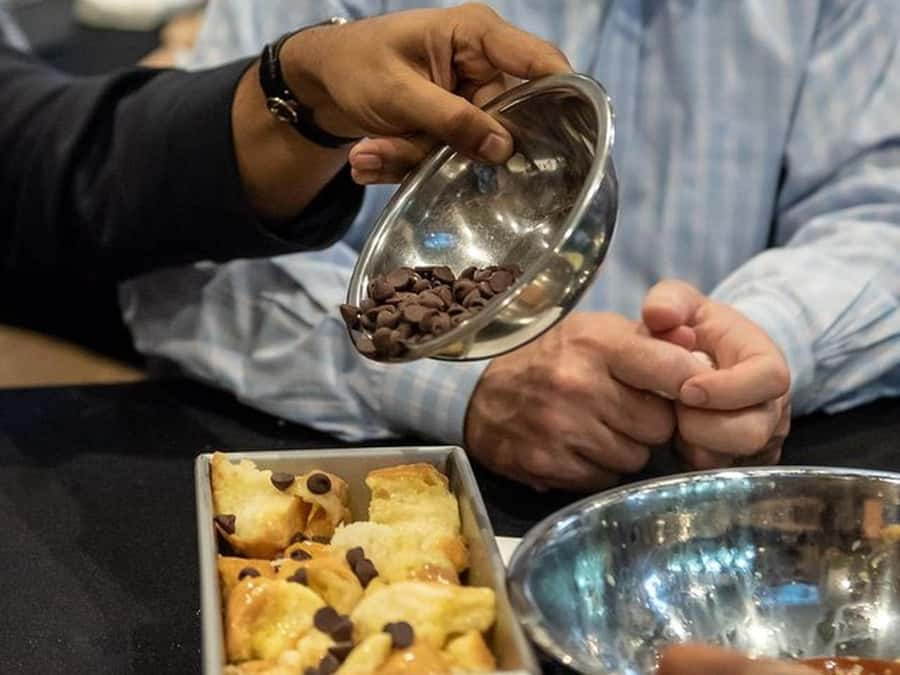
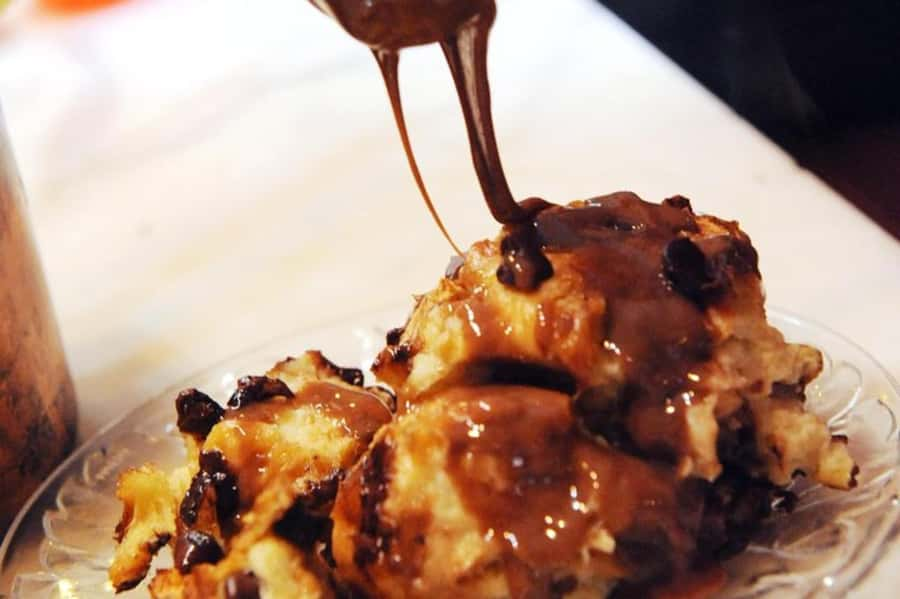
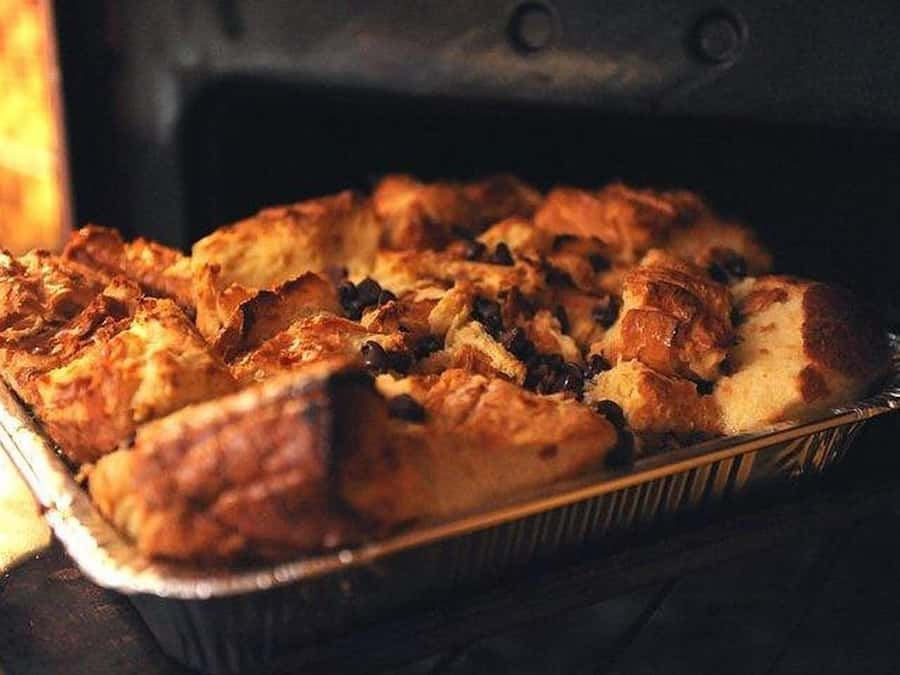
Dessert is chocolate bread pudding with a brandy mocha sauce. Bread pudding is a classic way to turn a humble ingredient into a rich dessert, and the chocolate version gives this course a fittingly indulgent finish.
The brandy mocha sauce adds another lesson in balancing flavors. You get sweetness, chocolate, coffee notes, and the warmth of brandy in one final dish. Because dessert comes after the savory food, you also see how a Louisiana meal can move from spice and smoke to something soft, sweet, and comforting.
I appreciate the dessert choice because it gives the class a complete arc. You are not just learning two main dishes and then receiving a token sweet at the end. You make a dessert with its own technique and character, then sit down to enjoy the full meal.
Keep the three-hour timing in mind. This is a substantial amount of food, and the combination of shrimp, sausage, rice, dessert, and drinks can make the experience feel like a full lunch or dinner. Plan your day around it rather than booking another major meal immediately afterward.
Same kitchen, a different dish:
- New Orleans: Cajun and Creole Cooking Class
★ 4.9 · 730 reviews - Hands-on Cajun Roux Cooking Class in New Orleans
★ 5.0 · 356 reviews - Atlanta: Historic Market Food Tour and Biscuit Cooking Class
★ 4.9 · 25 reviews - New Orleans: Cooking Class & Cocktail Walking Tour
★ 4.7 · 16 reviews
The chefs make the difference
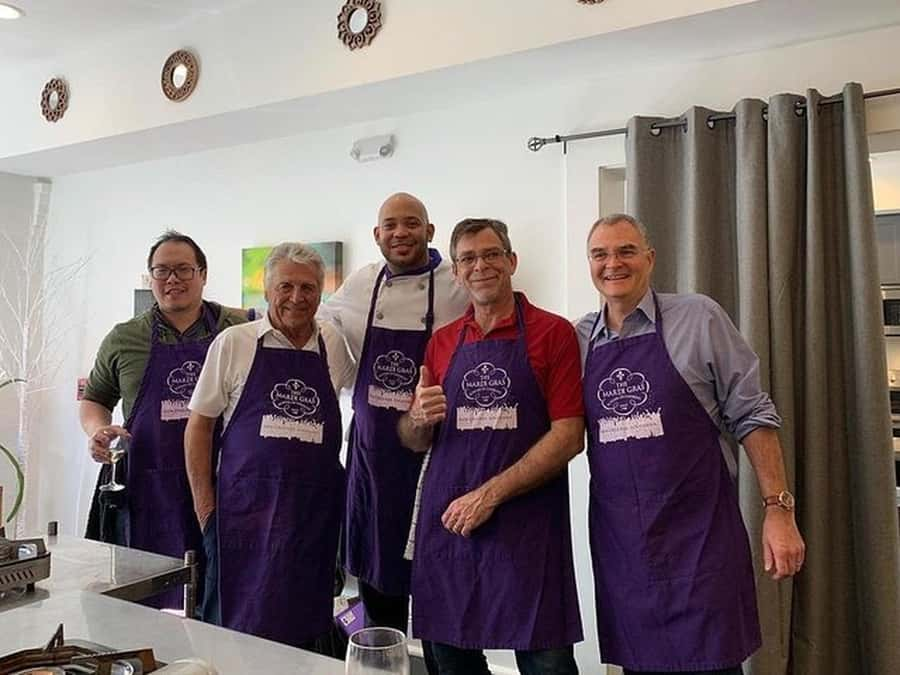
A cooking class succeeds or fails on the instructor. Recipes alone are not enough. The chef needs to explain what to do, show why it matters, and keep the room moving without making anyone feel slow.
Chef Raymond receives especially strong praise for being clear, entertaining, and generous with years of practical experience. Erika is also noted for explaining Cajun and Creole cooking, the different cooking styles, and the history behind the food. Coach is described as warm, funny, and helpful when students run into common cooking problems.
Those details matter when you compare this class with a demonstration where you only watch. Here, you are expected to take part. The instructors help you understand not just the next step but the reason for it. That makes the recipes more useful after you return home.
The small group limit of 10 is another real advantage. A larger cooking class can leave you watching from the back or waiting for a turn. With 10 or fewer people, you have a better chance to ask about seasoning, texture, substitutions, and mistakes. I would still remember that the exact instructor may vary, so book this for the teaching format and menu rather than for a guarantee of one particular chef.
Drinks and the shared meal add real value
Wine, beer, sodas, and water are included with the class and meal. That is a practical benefit, since you do not need to budget separately for a drink while you eat what you have prepared.
The drinks also fit the social nature of the class. Cooking alongside a small group and then sharing the finished dishes feels more like a hosted meal than a detached lesson. You get time to enjoy the food instead of rushing out as soon as the last pan is finished.
Still, the drinks should not be the main reason you book. The strongest value comes from the combination of instruction, food, and a relaxed meal. If you only want a filling dinner, several New Orleans restaurants may offer better value. If you want to learn three local recipes and have the chef explain them as you cook, the calculation changes.
Is $157 a fair price?
The cost is $157 per person. That price includes the cooking class, the food you prepare, lunch or dinner, and alcoholic and nonalcoholic drinks. Personal expenses, transportation to and from the venue, and gratuity are not included.
I would judge the price against other paid activities in New Orleans, not against the cost of buying shrimp, sausage, rice, and dessert ingredients at a grocery store. The meal itself cannot justify the entire fee. The value comes from the teaching, the small group, the local food context, and the chance to recreate the dishes later.
For a couple or a food-focused visitor, this can be a worthwhile splurge. It gives you a three-hour activity with a clear beginning, practical instruction, and a complete meal at the end. For a larger family trying to keep daily costs low, the price may feel steep, especially since children under 10 cannot take part.
One helpful point is that you can reserve now and pay later, which gives you some flexibility while planning. You can also cancel up to 24 hours before the class for a full refund. Check the available starting times before building the rest of your day around it.
Who will enjoy this class most?
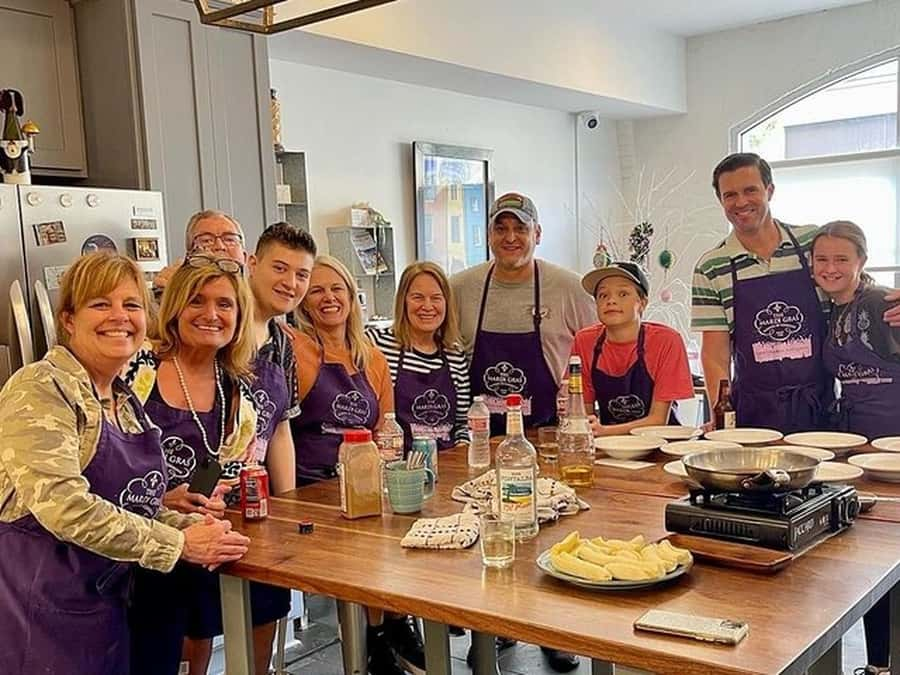
I would choose this experience if you enjoy food, like meeting people through a shared activity, or want to take home a few real Louisiana recipes. It is also a smart rainy-day plan, since the class gives you a focused indoor activity with a meal built in.
It suits couples, friends, solo visitors, and small groups who enjoy hands-on learning. The English instruction and limited group size make it a practical choice if you want to ask questions without feeling lost in a crowd.
It is less suitable if you dislike cooking, want a quiet meal, or have only a short window between other New Orleans plans. The class lasts three hours, and participation is part of the point. You should also skip it for children under 10, since they are not permitted to join.
The experience is wheelchair accessible. The meeting point is Suite 101 on the ground level, which is useful to know when arranging your arrival. Transportation is not provided, so you need to make your own way there.
How to get the most from the three hours
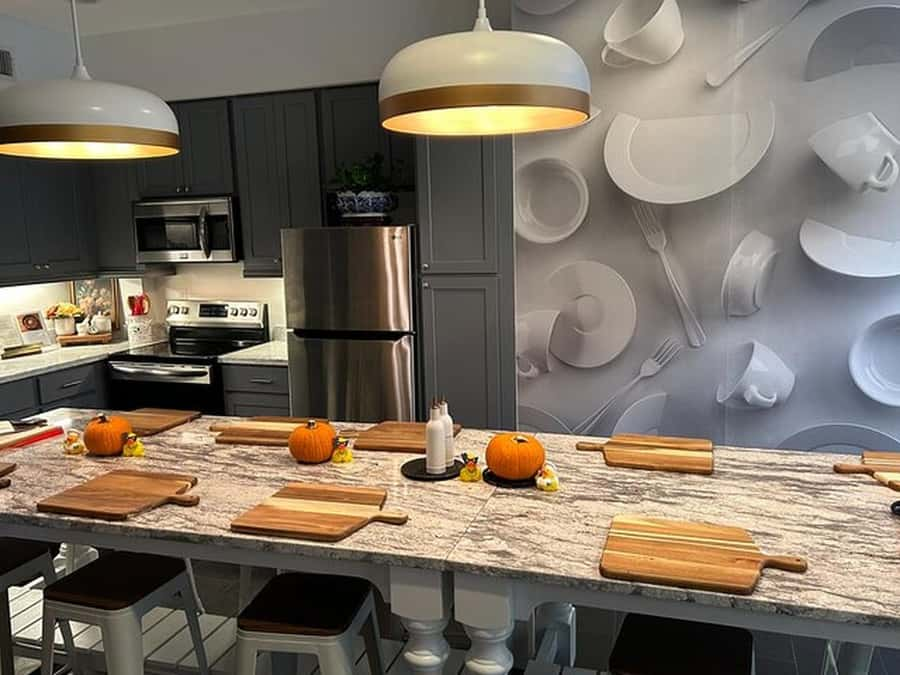
Arrive ready to take part rather than simply watch. Pay close attention when the chef explains seasoning, since those small choices often make the difference between a flat dish and one that tastes like New Orleans.
Ask questions as they come up. The instructors are set up to explain cooking styles, local traditions, and ways to correct mistakes, so use the opportunity. If you cook at home, ask yourself what part of each recipe you are most likely to repeat and focus on the technique behind it.
Come hungry enough for a full meal, but not so hungry that you cannot concentrate. With barbecue shrimp, jambalaya, bread pudding, and drinks included, this is more than a tasting session.
I would also leave room in your evening. The class is designed to end with sitting down and enjoying the food together, and that final meal is part of the experience rather than an afterthought.
Should you book the New Orleans Traditions Cooking Class?
Book it if you want to understand New Orleans food by making it yourself. The small group, hands-on format, clear instruction, and included drinks give you more than a restaurant meal, while the three recipes offer useful take-home skills.
I would be especially happy to recommend it to food lovers who want local context without committing to a long culinary program. Chef Raymond, Erika, and Coach bring the kind of personal teaching that can turn a recipe into a memory, and the menu covers seafood, meat, rice, and dessert in one sitting.
Skip it if $157 is beyond your budget, if you are looking only for dinner, or if your schedule cannot spare three hours. For everyone else, this is a strong pick for a New Orleans day, with enough food, instruction, and personality to justify making room for it.
FAQ
How long does the New Orleans Traditions Cooking Class last?
The class lasts three hours.
What dishes will I make?
You will make New Orleans-style barbecue shrimp, chicken and andouille sausage jambalaya, and chocolate bread pudding with a brandy mocha sauce.
Are drinks included?
Yes. Wine, beer, sodas, and water are included with the class and meal.
Is a meal included?
Yes. Lunch or dinner is included, and you eat the dishes prepared during the class.
How many people can join the class?
The class is limited to 10 participants.
Is the class taught in English?
Yes. The instructor language is English.
Are children allowed to participate?
Children under 10 are not permitted to join the class.
Is the activity wheelchair accessible?
Yes, the activity is wheelchair accessible, and the meeting point is Suite 101 on the ground level.
Can I cancel or pay later?
You can cancel up to 24 hours in advance for a full refund. You can also reserve your place and pay later.
New cooking classes around the USA
- San Diego: 2-Hour Pasta Cooking Class at a Local Brewery★ 5.0 · 2 reviews
- San Francisco: Dumpling Cooking Class & 3-Course Dinner★ 5.0 · 10 reviews
- New Orleans: Food Walking Tour & Cooking Class Experience★ 5.0 · 8 reviews
- New Orleans: Hands-on Cajun Roux Cooking Class★ 4.9 · 7 reviews
- New Orleans: Cooking Class & Cocktail Walking Tour★ 4.7 · 16 reviews
- Atlanta: Historic Market Food Tour and Biscuit Cooking Class★ 4.9 · 25 reviews
- Chinese Dumplings Cooking Class in NYC – Fun & Delicious!★ 5.0 · 4 reviews
- Private Chef, Catering and Cooking Classes★ 5.0 · 7 reviews
New Orleans Cooking Classes, side by side.
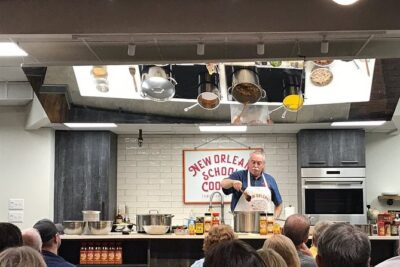
New Orleans Demonstration Cooking Class with Meal
Read our review →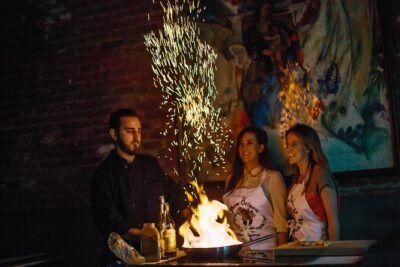
New Orleans Hands-On Cooking Class with Meal
Read our review →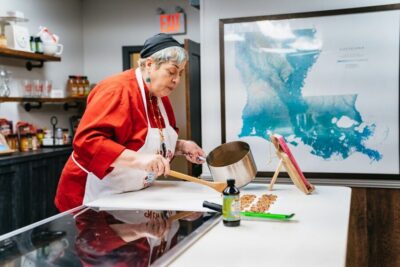
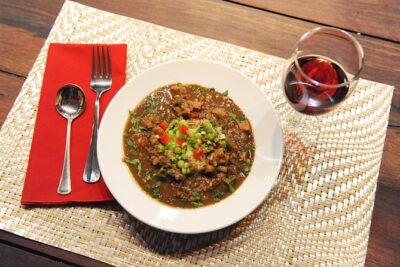
Hands-on Cajun Roux Cooking Class in New Orleans
Read our review →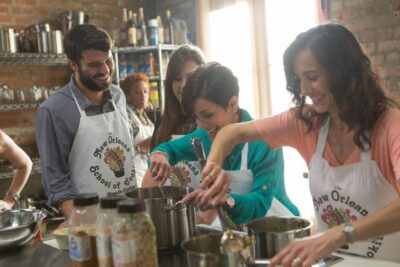
New Orleans: Cooking Class & Cocktail Walking Tour
Read our review →
Private New Orleans Cajun Cooking Class with a Local Courtland
Read our review →
New Orleans: Food Walking Tour & Cooking Class Experience
Read our review →This kitchen also appears in