Review · OAXACA CITY
Oaxaca: Traditional Oaxacan Cooking Class with Market Visit
Oaxacan cooking makes the most sense when you begin at the market. You see the ingredients before they reach the cooking pot, then carry them into a family kitchen and turn them into mole, tamales, soup, tortillas, or another regional dish. I like the market-to-table format and the chance to cook in a real home rather than a polished culinary studio. The included transport is another plus, especially when the class takes you beyond Oaxaca City.
The strongest part is the warm, personal welcome from hosts such as Sandra and Samuel, Alicia and Silvia, or Gerardo, depending on the day. I also like that the class can include wood fires, clay cookware, handmade tortillas, tejate, chilacayota, and mezcal drinks. The main caution is that the experience can vary by host, and one account found the translation weak and the cooking pace slow.
Key points at a glance
- Market shopping comes first: Walk with your cook and choose ingredients before preparing the meal.
- The kitchen is often a family home: Some sessions take place in homes connected to textile weaving and wool dyeing.
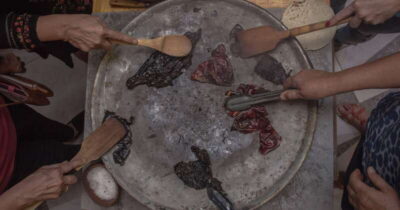
- Cooking methods are traditional: Expect handmade tortillas, clay pots, wood fires, grilling, chopping, and sauces made from scratch.
- Menus are not fixed: Past sessions have included mole, tamales, soup, stuffed peppers, guacamole, chocolate, and local drinks.
- Transport is part of the package: Hotel pickup and drop-off, air-conditioned transport, a driver, and a bilingual instructor are included.
- The experience is highly rated: It carries a 4.9 rating from 80 reviews, with particularly strong praise for hospitality, food, and cultural connection.
From Oaxaca market stalls to a family table
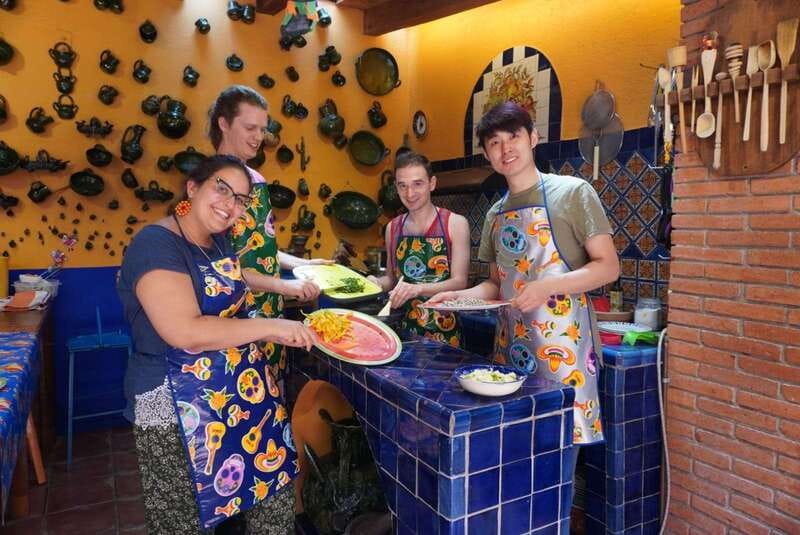
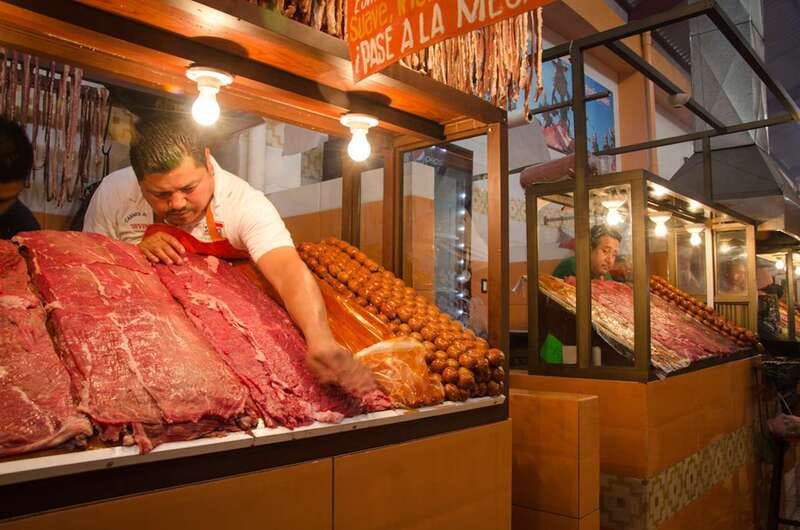
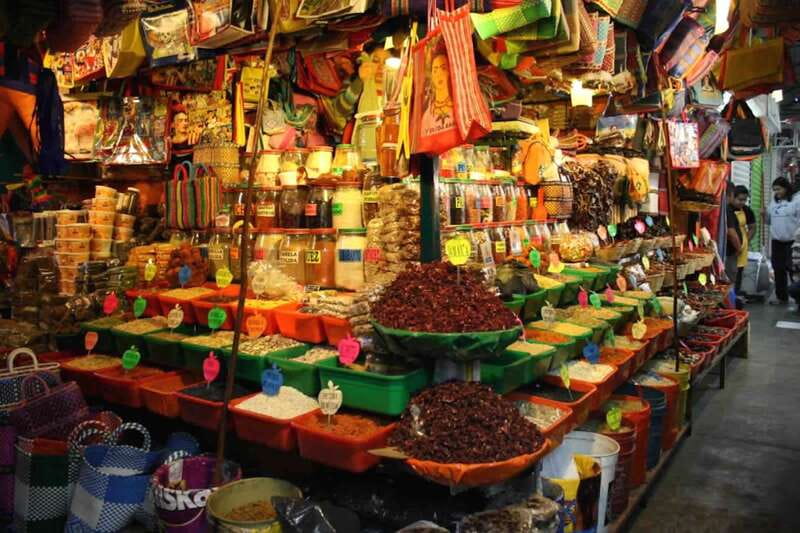
This is not simply a lesson in following a recipe. You begin by learning how the ingredients fit into daily life in Oaxaca. A cook guides you through one of the area markets, points out the best produce, and helps you select what is fresh for the day’s menu.
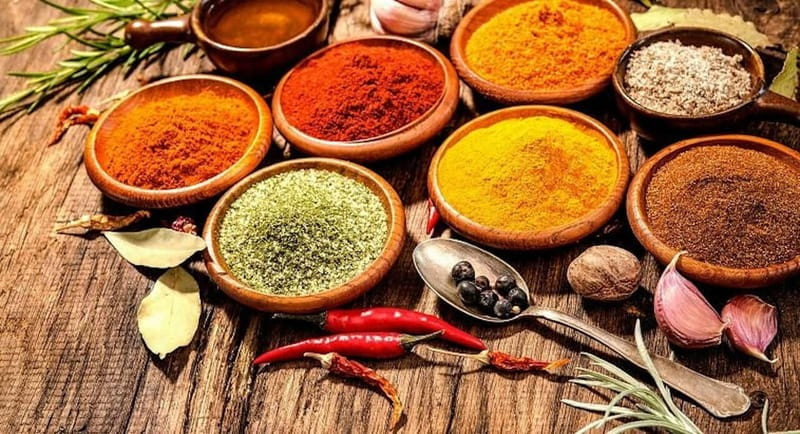
That opening walk gives the food a useful setting. Instead of meeting a dried chile or unfamiliar herb only after it has been measured into a bowl, you see it among the other foods of the market. You can ask what locals use, which ingredients matter most, and how the final dish will come together.
The exact market and menu can vary. Some groups have gone to a market in or near Teotitlán, while others have visited a village market before continuing to the host’s home. One group went to Teltitlán in the mountains, and another traveled about 35 minutes to Teotitlán. Your pickup and route should therefore be treated as part of the local setting, not as a fixed city-center walking tour.
More Cooking Classes with a Market Tour in Mexico
- Puerto Vallarta Cooking Class Experience with Market Tour
★ 5.0 · 698 reviews - Mexican Cooking Class with Food Market Visit in Mexico City
★ 5.0 · 506 reviews - Flavors of Oaxaca: Cooking Class with No Set Menu and Local Market Tour
★ 4.5 · 333 reviews
Meeting the cooks who make the class personal
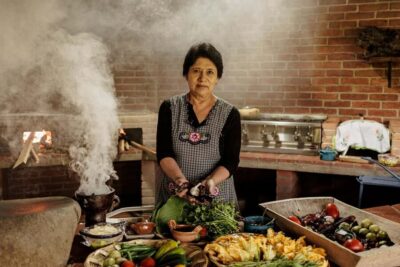
The hosts are one of the main reasons this experience feels different from a standard cooking lesson. Sandra and Samuel have welcomed families into their home, while Alicia and Silvia have taught visitors in a setting connected to their family’s textile work. Gerardo has led market visits and cooking lessons for couples and small groups.
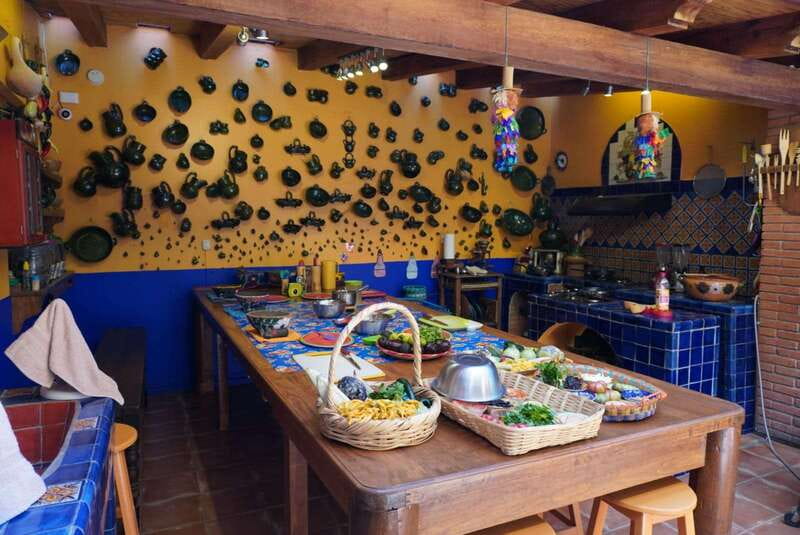
The names matter because the experience is built around individual hosts rather than a single large cooking school. One day may involve a chef in a beautiful kitchen. Another may take you outdoors, where vegetables are chopped, tortillas are pressed, and food cooks over a wood fire.
Several sessions have included a look at family weaving, wool dyeing, and textile production. This is a valuable extra because it links the meal to local work and family tradition. You may also have the chance to buy handmade goods, and one host family accepted card payments. That opportunity is not listed as a guaranteed part of every session, so consider it a possible bonus rather than a promise.
The setting can be especially rewarding for families. Children have enjoyed the hands-on work and the chance to eat with the host family. Couples and small groups also get plenty of personal attention, though the pace may feel slower if several hosts are preparing different parts of the meal.
Choosing ingredients in the market
The market visit is meant to be active. You do not simply follow a guide while someone else shops. The cook helps you identify suitable ingredients and may give you a choice between two suggested dishes.
That choice is a useful touch. It lets you take part in shaping the meal, while still keeping the menu within the cook’s experience and available supplies. If you have a strong preference, ask early. The menu is not presented as one fixed recipe for every departure.
Past cooking sessions have included mole, tamales, soup, stuffed peppers, guacamole, and chocolate. That variety explains why the experience can feel different from one booking to the next. Some groups learned six dishes during five hours, while another prepared three main items plus guacamole.
There is also a practical point here. One less-positive account found that only three items were bought at the market and that much of the food was already in the kitchen. For that person, the shopping section felt short and the class had periods of waiting. If the market visit is your main reason for booking, ask your guide how much shopping is planned when you are picked up.
Cooking over wood fires and pressing tortillas
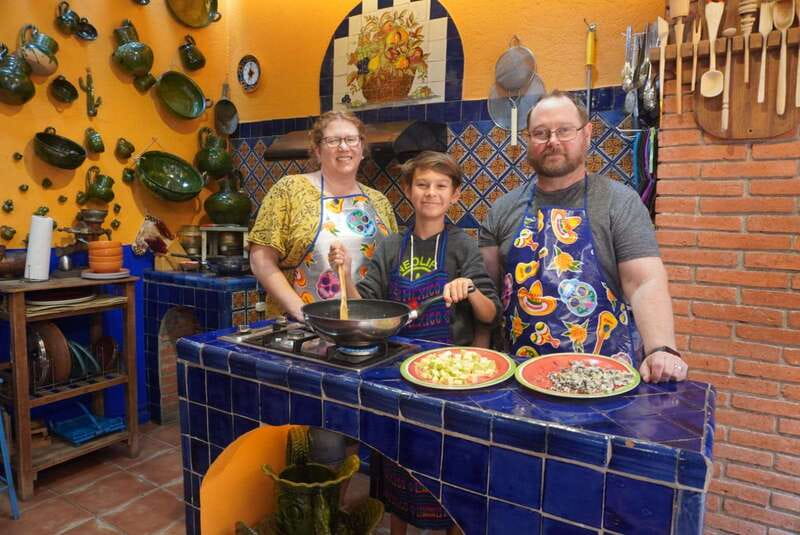
The cooking itself is hands-on, but it is not a fast restaurant demonstration. You may grind, chop, mix, grill, fill, stir, and shape the food with guidance from the cook. Handmade tortillas are part of the planned experience, and making them gives you one of the clearest connections to everyday cooking in Oaxaca.
Some classes use traditional clay cookware and wood fires. That adds smoke, heat, and a slower rhythm to the meal. It also means the cooking area may be more rustic than a modern teaching kitchen. One group described cooking outdoors, grilling vegetables, and pressing tortillas rather than working at a conventional counter.
The benefit is a stronger sense of place. You are learning techniques in the kind of family setting that gives the food its meaning. The tradeoff is that traditional cooking takes time. A soup or mole cannot always be hurried, and several people may be working on one dish at once.
If you prefer constant activity, ask to take part whenever a task is available. One group felt that several techniques became repetitive and that too much time was spent waiting while family members completed jobs. A good guide can fill those pauses with explanations about ingredients, customs, and the reasons behind each step. The quality of that explanation depends on the individual instructor and translator.
Same kitchen, a different dish:
- Cabo San Lucas Mexican Cooking Class Experience and Local Markets
★ 5.0 · 915 reviews - Mexican Cooking from Scratch in a Local Home in Tulum
★ 5.0 · 585 reviews - Authentic Mexican Legacy Cooking Class in Cabo San Lucas
★ 5.0 · 530 reviews - Authentic Mayan Cooking Class in Cozumel
★ 5.0 · 344 reviews
Tasting mole, tamales, and regional drinks
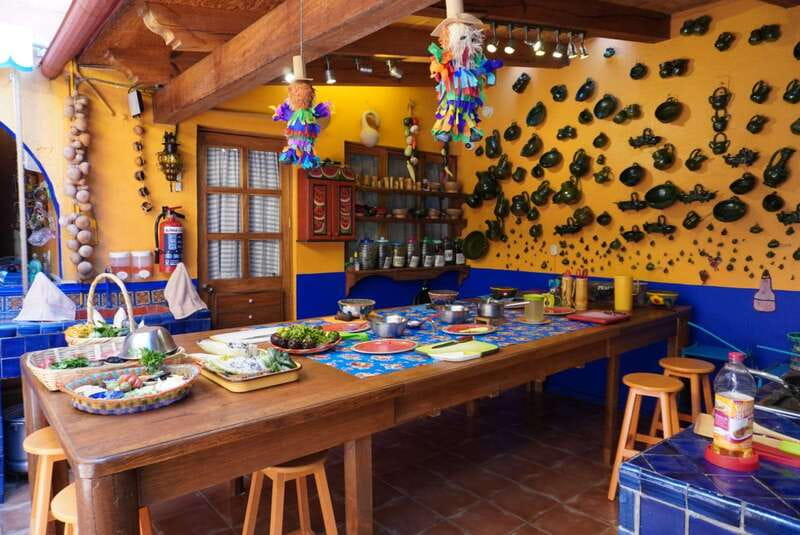
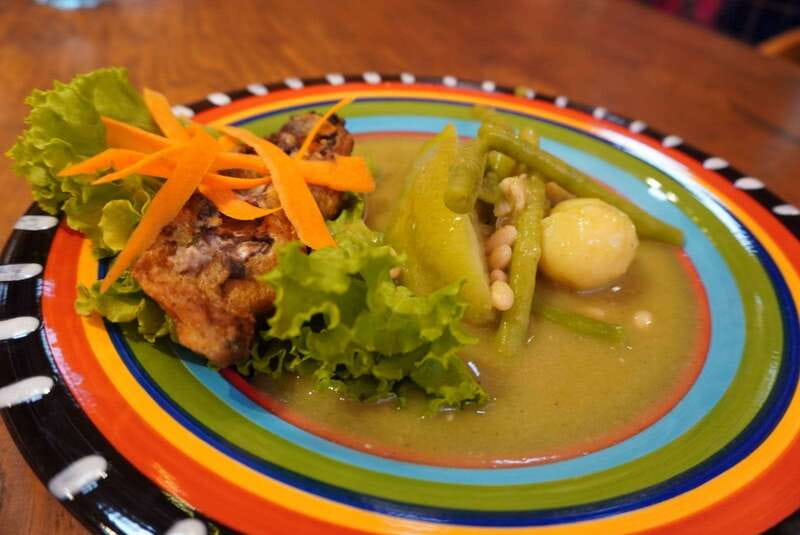
The meal is the reward for the work, but it is also another lesson. Mole can involve many ingredients and careful preparation, while tamales show how dough, filling, and wrapping work together. Other groups prepared soup, stuffed peppers, guacamole, and chocolate from scratch.
The drink choices make the meal feel distinctly Oaxacan. You may prepare tejate, a local corn and cacao drink; chilacayota, a sweet fruit drink; or margaritas with mezcal. Beer and mezcal have also been served during some sessions.
Dietary needs should be raised before cooking begins. One participant could not tolerate spicy food and received an adapted meal while still taking part in the preparation. That is a good sign, but the information does not promise every dietary adjustment, so you should discuss your needs in advance rather than assume the menu can be changed.
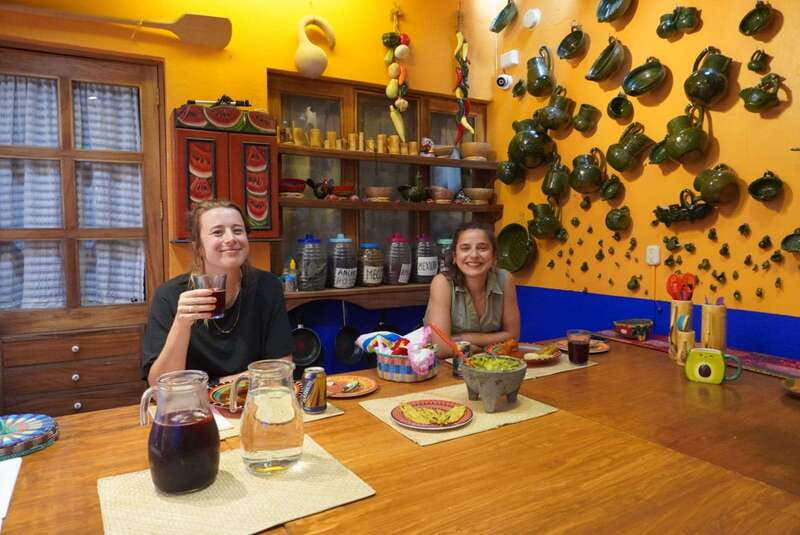
You eat what you helped prepare, often with the host family. That shared meal is the most personal part of the day. You are not only tasting a regional dish. You are sitting in the setting where the family cooks, works, and welcomes people into its daily life.
Transport, timing, and the shape of the day
The experience lasts about 5.5 hours. Hotel lobby pickup and drop-off are included, along with air-conditioned transportation, a driver, and a bilingual instructor. The exact starting time depends on availability.
This transport is important because some sessions take place outside Oaxaca City. It removes the need to arrange a taxi to an unfamiliar village and gives you a guide during the trip. Past pickups were described as timely, and drivers including Edgar and David were praised for clean transport and professional service.
The drive also gives you a chance to ask about the area. One host, Samuel, explained Oaxaca and the surrounding region on the way to the market. That conversation can make the trip feel less like a transfer and more like part of the experience.
Still, allow the full 5.5 hours. A market visit, travel, cooking, eating, and possible textile viewing make this a full half-day. If your schedule is packed with museum visits or an afternoon departure, place the class where you have some breathing room.
The activity is listed as wheelchair accessible, but the experience can involve markets, family homes, outdoor cooking areas, and traditional equipment. If you use a wheelchair, confirm the specific setup and route before booking so the host can prepare appropriately.
What the $133 price really covers
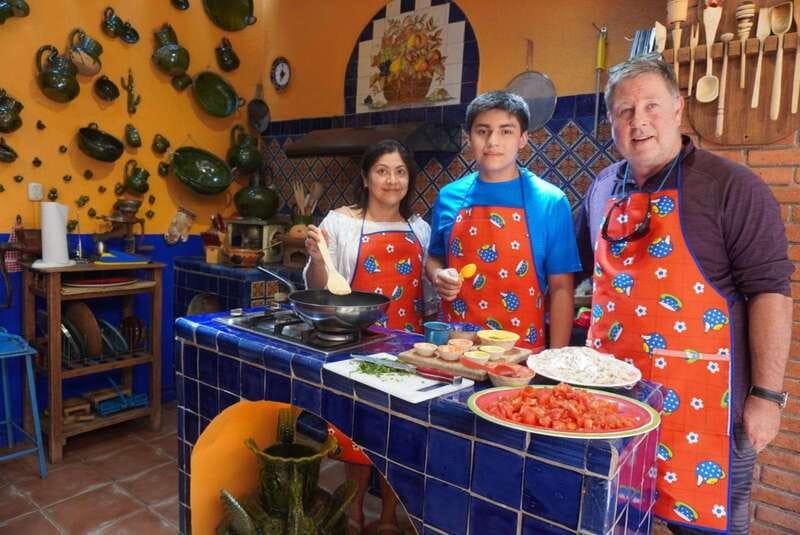
At $133 per person, this is not the cheapest way to eat lunch in Oaxaca. You are paying for more than food. The price includes hotel transportation, an English or Spanish instructor, a driver, ingredients, food, drinks, and liability insurance.
The value is strongest if you want a planned cultural outing with transport and personal instruction. A market visit on your own costs little, and you could eat a good meal for far less. What you cannot easily reproduce is the combination of shopping with a cook, preparing several dishes in a family home, and sharing the final meal with local hosts.
The price also makes more sense for small groups. Past bookings have included couples and families of four, with enough attention for everyone to participate. If you are mainly seeking a formal chef-led lesson with exact recipes and restaurant-style equipment, this may not be the best use of your money.
Some people leave with recipe copies, which is useful if you want to repeat the dishes at home. That is not described as guaranteed for every host, so ask before you count on it.
The main strengths and the limits
The hospitality is the clearest strength. Sandra and Samuel are repeatedly described as welcoming, patient, and generous, while Alicia, Silvia, Gerardo, and other family members have helped create a relaxed setting. The experience often feels like being invited into someone’s home rather than attending a commercial class.
The food is another strong point. You take part in making it, and the meal is served soon after the work is finished. Traditional cookware, wood fires, handmade tortillas, mole, tamales, and local drinks give the class a clear connection to Oaxaca.
The main weakness is inconsistency. Hosts, dishes, kitchens, and the amount of textile viewing can differ. One group had an excellent day with a strong English-speaking family member, while another found the translator distracted and had to rely on another participant for much of the translation.
There can also be waiting. If four hosts are managing one meal, you may not have a task every minute. I would treat this as a relaxed family cooking visit, not a tightly timed professional workshop.
Who will enjoy this Oaxacan cooking class?
I would choose this for you if you want food tied to people and place. It suits couples, families, small groups, and anyone who would rather learn by doing than watch a chef perform.
It is especially good for people curious about daily life, textile work, local markets, and traditional cooking methods. Children can take part, though adults should be ready for heat, knives, smoke, and a longer meal preparation.
You may want another type of class if you need a fixed menu, rapid instruction, guaranteed city-center access, or a polished commercial kitchen. You should also ask about the day’s host, menu, translation, and accessibility if any of those are essential to your plans.
Cancellation is free up to 24 hours before the activity, and you can reserve while paying later. Bring comfortable shoes and clothes, cash, and a camera. Pets and oversize luggage are not allowed.
Should you book it?
Yes, if you see cooking as a way to meet people rather than simply learn recipes. The market visit, family setting, wood-fire methods, and shared meal give this class a strong sense of place, and the included transport makes the trip easy to arrange.
Book with realistic expectations. Your menu and host may differ from someone else’s, the pace can be slow, and translation quality may vary. Ask about dietary needs and the day’s plan ahead of time. If you do that, the $133 price buys a personal half-day experience that reaches well beyond a plate of food.
FAQ
How long does the cooking class last?
The experience lasts 5.5 hours, including transportation, the market visit, cooking, and the meal.
Is hotel pickup included?
Yes. Hotel lobby pickup and drop-off are included, along with air-conditioned transportation.
Which languages are available?
The instructor service is available in English and Spanish.
What dishes will I prepare?
The menu can vary. Past sessions have included mole, tamales, soup, stuffed peppers, guacamole, chocolate, and handmade tortillas.
Are food and drinks included?
Yes. Ingredients, the prepared meal, and drinks are included. Possible drinks include tejate, chilacayota, and margaritas with mezcal.
Is the activity wheelchair accessible?
The activity is listed as wheelchair accessible. Because routes and host homes may differ, confirm the specific setup before booking if you need accessible arrangements.
What should I bring?
Bring comfortable shoes, comfortable clothing, a camera, and cash. Pets and oversize luggage are not allowed.
New cooking classes around Mexico
- San Miguel de Allende: Mexican Cooking Class | Mole & Salsas★ 4.8 · 7 reviews
- San José del Cabo:Cooking Class +Margaritas & Mezcal tasting★ 4.8 · 12 reviews
- Puerto Escondido: Mexican Cooking Class, enjoy mexican food★ 5.0 · 9 reviews
- Playa del Carmen: Isa’s Authentic Mexican Cooking Class★ 4.9 · 18 reviews
- Playa del Carmen: Mexican Cooking Class★ 5.0 · 16 reviews
- PDC Traditional Mexican Cooking Experience★ 5.0 · 6 reviews
- Oaxaca: Vegetarian Cooking Class★ 4.8 · 139 reviews
- Oaxaca: Traditional Oaxacan Food Cooking Class★ 5.0 · 10 reviews
Oaxaca City Cooking Classes, side by side.
Flavors of Oaxaca: Cooking Class with No Set Menu and Local Market Tour
Read our review →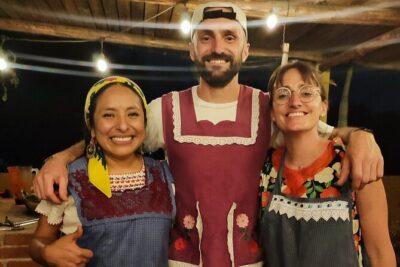
Traditional Oaxaqueña Cooking with Grandma’s Recipes
Read our review →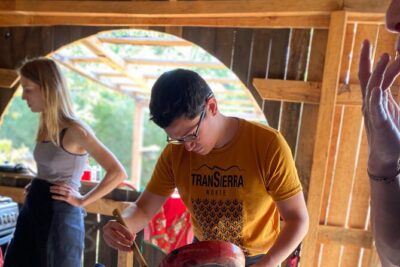
The Real Traditional Oaxaca culinary Cooking experience
Read our review →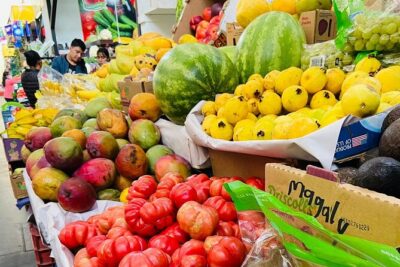
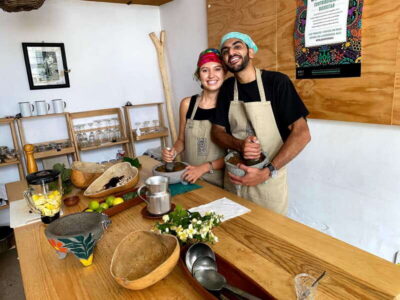
Oaxaca de Juarez: Traditional Oaxacan Cooking Class
Read our review →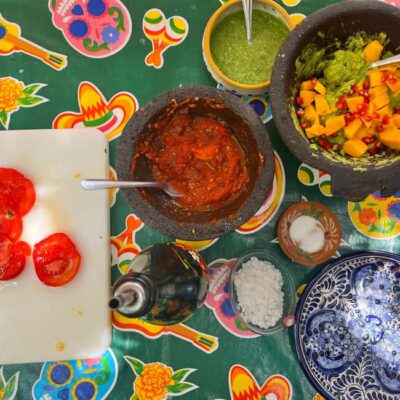
Oaxaca: 10 Mexican Salsas Cooking Class with Taco Tasting
Read our review →