
Review · COOKING CLASSES WORLDWIDE
Krakow Pierogi Cooking Class
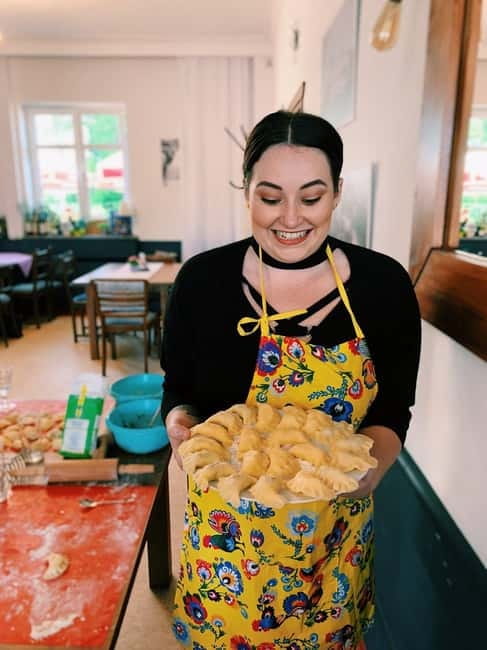
The best part of this Krakow cooking class is that you make pierogi from scratch, rather than simply watching someone fold them. You mix the dough, prepare one savory filling and one sweet filling, shape the dumplings, boil them, and sit down to eat with a local beer or glass of wine.
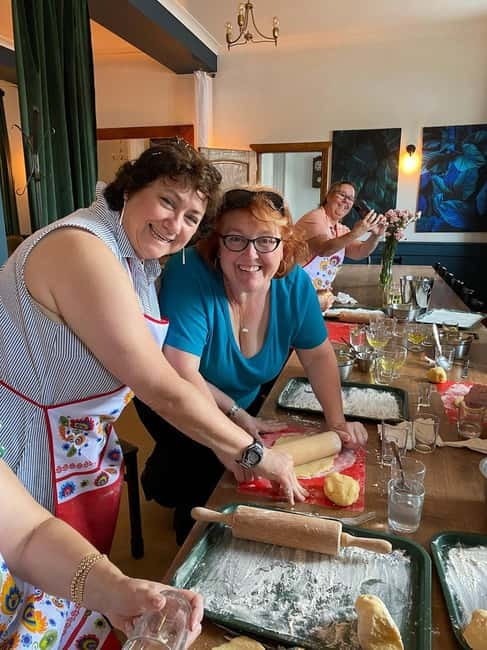
I like the small-group format, which gives you room to ask questions and get help with tricky dough. I also like the family touch: instructors such as Magda, Olga, and Sylwia share tips from their mothers’ and grandmothers’ kitchens, along with stories about Polish food and family life.
The main thing to consider is finding the venue. It is near Krakow’s city center, but one participant had trouble spotting it because the outside had no lights or sign. Give yourself extra time and check the meeting details carefully before setting out.
Key points at a glance
- Two fillings in one class: You prepare both a savory and a sweet version, so the session covers more than one style of pierogi.
- Every step is hands-on: You make the dough, prepare the fillings, shape the dumplings, boil them, and eat what you cook.
- Local instructors lead the way: Magda, Olga, and Sylwia have each received warm praise for clear teaching, friendly conversation, and practical help.
- A real meal is included: Your finished pierogi come with a local beer or a glass of wine.
- Good for beginners: All equipment, ingredients, and instruction are supplied, so you do not need prior cooking skill.
- Plan for the venue: The location is near central Krakow, but the entrance may be hard to spot after dark.
Why making pierogi beats simply ordering them
Pierogi are easy to order all over Krakow. You will find them on restaurant menus, in milk bars, and at casual food spots. But ordering a plate tells you very little about the work behind those neat half-moons of dough.
Here, you handle the whole process. That matters because the dough is the part many first-time cooks find hardest. It needs to be soft enough to roll and seal, but sturdy enough to hold its filling in boiling water. You get to see how small changes in pressure, flour, or filling affect the final result.
You also make two fillings. The savory option gives you the familiar Polish comfort-food side of pierogi, while the sweet version shows how flexible the dish can be. The contrast makes the class more interesting than a session focused on only one recipe.
I like this setup for a second reason: you leave with skills, not just a full stomach. The instructors share family methods and recipe tips that you can try at home. You may not reproduce every detail perfectly on your first attempt, but you will understand the basic rhythm of the dish.
More cooking classes around the world:
- Half-Day Thai Cooking Class at Organic Farm in Chiang Mai
★ 5.0 · 19,087 reviews - Florence: Pasta Cooking Class with Unlimited Wine
★ 4.9 · 10,285 reviews - 3 in 1 Cooking Class near Navona: Fettuccine, Ravioli & Tiramisu
★ 5.0 · 7,376 reviews
A two-hour route from dough to dinner
The class lasts two hours, which is enough time to cook and eat without turning the activity into an all-day commitment. It fits neatly into a Krakow sightseeing schedule, especially if you want a food activity near the city center.
Starting with dough made by hand
The first stage is making the dough from scratch. This is where your instructor sets the pace and explains the techniques used in family kitchens. You are not expected to arrive with culinary training. The class supplies the ingredients, tools, and guidance.
For a beginner, this is useful because dough can seem simple until you work with it. You learn how it should feel and how to handle it before the filling and shaping begin. Pay attention here, since the dough determines how easy the later steps will be.
The class is led in English, and the instructors are used to helping people with different levels of cooking experience. Magda has been praised for clear explanations, while Olga has been described as engaging and easy to follow. Those qualities matter in a practical class, where a friendly correction can save a batch of dumplings.
Preparing savory and sweet fillings
Next, you prepare two fillings, one savory and one sweet. The exact ingredients are not specified, so you should not book this expecting a particular recipe or a guaranteed filling choice. What you can count on is a useful comparison between two very different flavor directions.
The savory filling connects the dish to everyday Polish cooking. The sweet filling gives the meal a lighter finish and shows why pierogi are not limited to one role. Together, they make the class feel like a small tour of Polish home cooking rather than a single recipe demonstration.
This is also a good point to ask questions. The instructors share family secrets and stories from their own mothers’ and grandmothers’ kitchens. Sylwia, for example, has talked with participants about her Polish family background and memories of making pierogi with her mother and grandmother.
Same kitchen, a different dish:
- Florence: Pasta & Tiramisu Cooking Class with Unlimited Wine
★ 4.9 · 6,708 reviews - Florence: Pasta Cooking Class with Unlimited Wine
★ 5.0 · 6,413 reviews - Hanoi Cooking Class: Culture, Local Market & Meaning CSR Impact
★ 5.0 · 5,147 reviews - 5 Traditional Dishes Hanoi Cooking Class with Market Trip
★ 5.0 · 4,890 reviews
Folding, sealing, and boiling
Once the dough and fillings are ready, you shape the pierogi. This is the most social part of the class. You work with your hands, compare shapes, and learn how to close each dumpling so the filling stays inside.
The class does not require perfect results. A first pierogi may look a little uneven, and that is part of the fun. Your instructor can show you how much filling to use and how to press the edge closed. These are simple skills, but they make a real difference when you try the recipe at home.
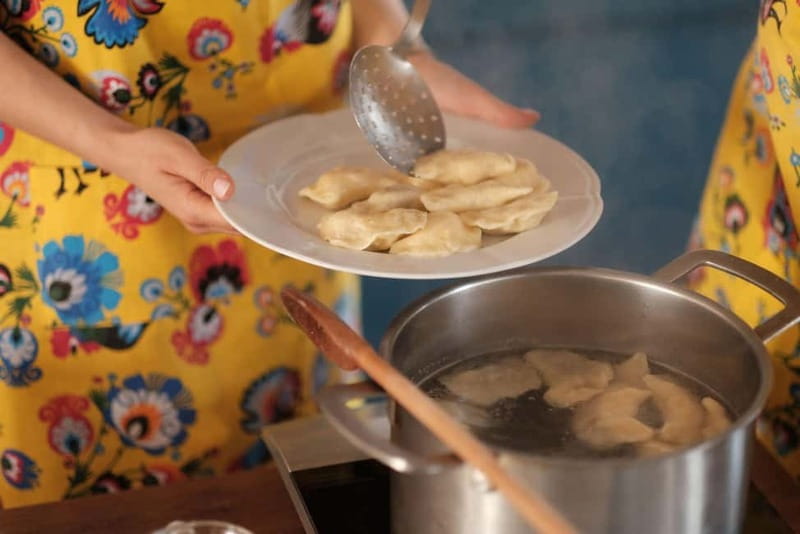
The dumplings are then boiled. This is the moment when careful sealing pays off. You get to see the finished pieces go from raw dough to a proper meal, with the instructor guiding you through the process.
Sitting down to eat
The final stage is the reward: you eat your homemade pierogi with a local beer or glass of wine. The serving is described as generous, so this is more than a tiny sample before dinner. If you are planning this during a full sightseeing day, it can function as a light meal or substantial snack.
Eating together also gives the class a relaxed finish. Instead of rushing away after the cooking ends, you have time to talk with the instructor and ask about Polish food, family traditions, or Krakow. Sylwia has also offered suggestions for other things to do during a Krakow visit, which can be useful if you want local ideas beyond the classroom.
The people who make the class work
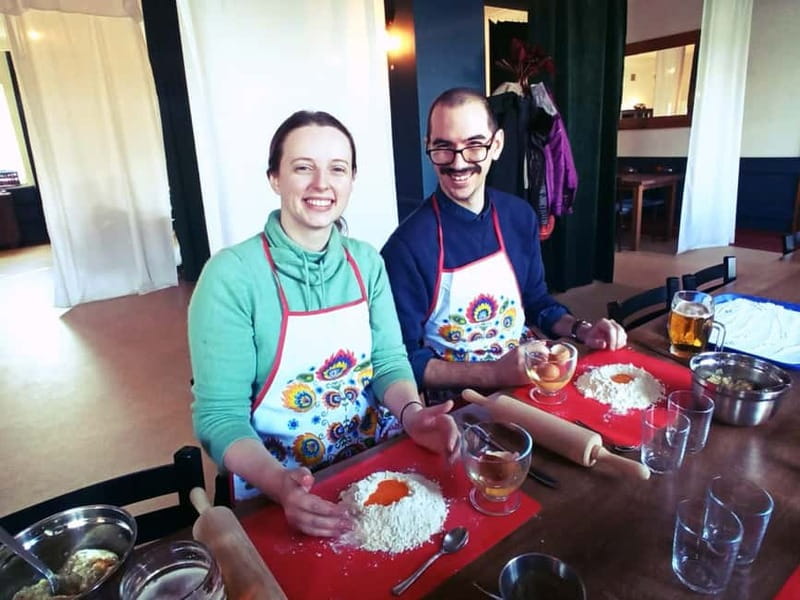
The strongest part of this activity is the teaching. Cooking classes can feel mechanical when the instructor races through the steps or gives only basic directions. That does not seem to be the pattern here.
Magda is described as charming, informative, and engaging. One small group also found her explanations clear and appreciated the chance to make both sweet and savory pierogi. Olga has earned similar praise for her teaching and for helping participants leave with a better understanding of the dish.
Sylwia has been especially good at making the class feel personal. In a very small session, she had time to talk about Polish family history, answer questions, and discuss plans for the rest of a visit. That kind of conversation depends on group size, so you should not assume every class will feel private, but it shows what the format can offer when numbers are low.
The class can also handle a larger group. Sylvia has been praised for managing one well while keeping the atmosphere friendly and engaging. That is worth noting if you are booking for a family, office group, or several friends.
How group size changes the experience
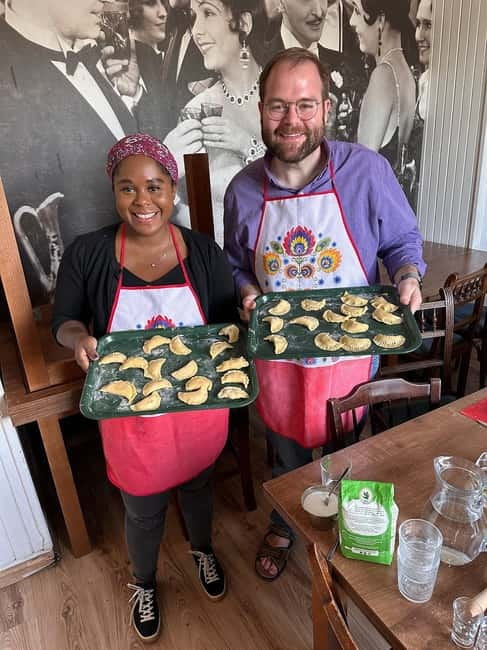
The activity is presented as a small-group class, and one session had only six people. That is a comfortable size for a hands-on lesson. You can see the instructor’s demonstration, get help with shaping, and still have room to chat with the people around you.
A smaller group may give you more personal attention and longer conversations. If you happen to be the only booking that evening, the class can feel almost like a private lesson, with more time for questions and stories.
A larger group will have a different rhythm. You may spend more time working alongside other participants and slightly less time in one-to-one conversation. Still, the teaching appears adaptable, and the class remains practical rather than turning into a demonstration that you only watch.
If personal attention is your top priority, choose a less busy time when possible. If you mainly want to cook, eat, and enjoy a social evening, a fuller group can work well too.
What the $89 price gets you
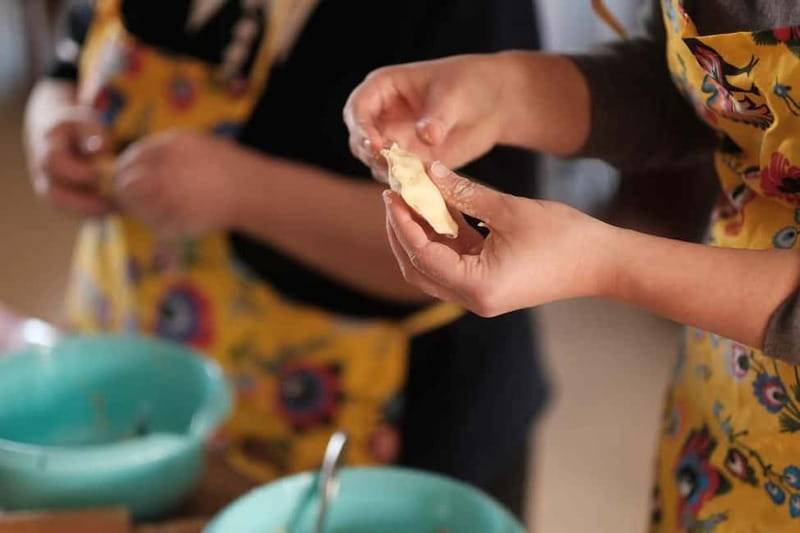
At $89 per person, this is not the cheapest way to eat pierogi in Krakow. You can order a plate for much less. The value comes from the combination of instruction, a full hands-on activity, two fillings, equipment, ingredients, cultural conversation, and a drink.
I would compare it with other paid food activities rather than with a normal restaurant meal. You are paying for two hours of guided time and the chance to learn a recipe you can make again. For couples, families, or friends who enjoy cooking together, that can be a fair price.
The price is easier to justify if you care about the process. If you only want to taste traditional Polish food, a restaurant or food tour may offer better value. If you want a relaxed activity with something useful to take home, this class makes more sense.
The recipe tips also give the session some value after Krakow. You can try the dish in your own kitchen, adjust the fillings, and teach someone else the folding method. That follow-up use is one reason I would rate the class as more than a one-time meal.
Who will enjoy this most
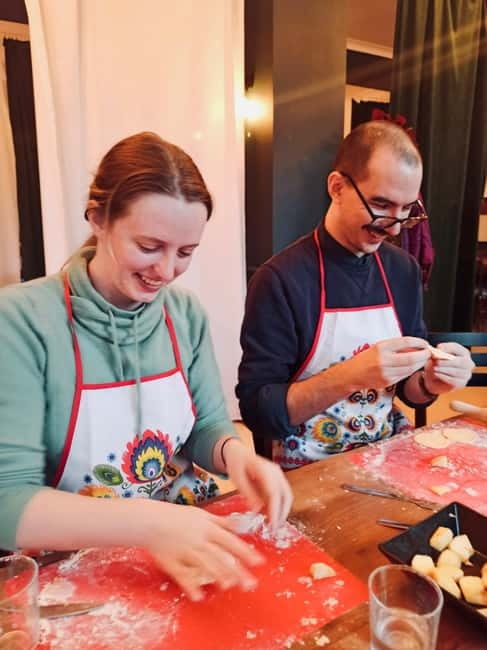
This is a good choice for first-time cooks. You receive the materials, equipment, ingredients, and guidance, and the instructors are ready to help at each stage. You do not need to know how to make dough or have previous Polish cooking experience.
It also suits people who like food with a story. The instructors do not just explain measurements. They connect pierogi with family kitchens, Polish customs, and memories of cooking with older generations.
Families and mixed-age groups may enjoy the hands-on format, though the supplied information does not specify a minimum age. If you are booking with children, check the age details before paying.
Couples and solo visitors can also make good use of the class. A solo participant may find the shared cooking table an easy way to meet people, while a couple can treat it as a casual meal activity with a local guide.
You may want to skip it if your schedule is packed or if you dislike group activities. Two hours is not a huge commitment, but the class works best when you allow enough time to cook at a relaxed pace rather than watching the clock.
Practical details before you go
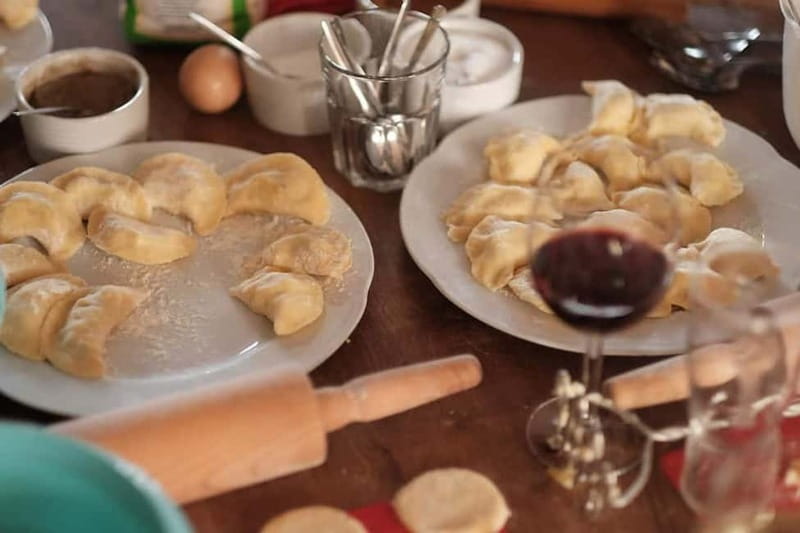
The class is held at a local restaurant near Krakow’s city center. The central location is convenient, but do not assume the entrance will be obvious. One participant found the venue difficult to locate because there were no exterior lights or signs.
I would arrive early, especially for an evening session. Check the address and meeting information before leaving your hotel, and keep your phone ready in case you need to confirm the entrance. This is a small point, but it can prevent an avoidable start to an otherwise relaxed activity.
The class is offered in English. The instructors named in the information include Magda, Olga, and Sylwia, though you may not receive a particular teacher unless that is confirmed when you book.
Cancellation is free up to 24 hours before the start time, and you can reserve now and pay later. Those terms help if your Krakow plans are still changing, but you should still check the available start times before building the class into your day.
Final call: should you book it?
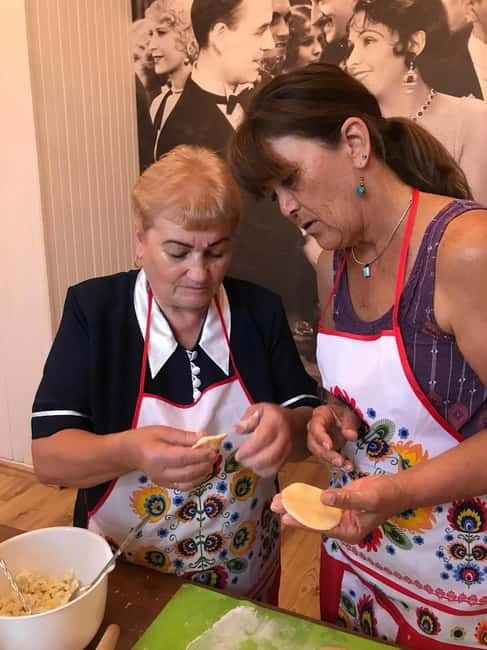
Book this class if you want to do more than eat pierogi. You will make the dough, handle two fillings, shape and boil the dumplings, and enjoy the result with a local drink. The instructors add family stories and practical advice, which gives the meal a personal Polish connection.
The strongest reasons to book are the hands-on format, the two contrasting fillings, and the quality of the teaching from people such as Magda, Olga, and Sylwia. The main cautions are the $89 price and the possibly hard-to-find entrance.
For a food-focused visitor, a beginner cook, or anyone looking for an easy social activity near central Krakow, I think it is a solid choice. If you only want the cheapest plate of pierogi, eat at a local restaurant instead.
FAQ
How long does the Krakow pierogi cooking class last?
The class lasts two hours, including preparation, cooking, and time to eat your homemade pierogi.
What will I make during the class?
You will make pierogi from start to finish. This includes preparing dough from scratch, making one savory filling and one sweet filling, filling and shaping the dumplings, boiling them, and eating them.
Is a drink included?
Yes. You can enjoy your homemade pierogi with a local beer or a glass of wine.
Is the class taught in English?
Yes. The instructor language is English.
Are ingredients and cooking equipment provided?
Yes. Materials and equipment are included, along with instruction and guidance from the local instructors.
Can I cancel the booking for a full refund?
Yes. You can cancel up to 24 hours in advance for a full refund. You can also reserve your place and pay later.
New cooking classes around the world
- Shinjuku Tokyo: Authentic Japanese Home-Style Culinary Class★ 4.9 · 125 reviews
- Shibuya Tokyo: Onigiri & Tamagoyaki Cooking Class★ 5.0 · 4 reviews
- M.O.M COOKING CLASS★ 4.8 · 6 reviews
- Seville: Paella-Cooking Experience with Sangria & Full Meal★ 4.9 · 42 reviews
- Shanghai: Authentic Chinese Cooking Class with Master Chef★ 5.0 · 2 reviews
- Sestri Levante: Pesto & Cooking Classes, Wine Tasting★ 4.9 · 56 reviews
- Seville: Paella Cooking Class & 30-Min Local Expert Q&A★ 4.8 · 37 reviews
- Seoul: Korean Kimchi Cooking Class in the Heart of the City★ 5.0 · 3 reviews