
Review · KATHMANDU
Kathmandu: 3-Hours of Cooking Class with Meals
Kathmandu’s best food lesson here is hands-on: you choose ingredients, cook traditional Nepali dishes from scratch, then eat the hot meal you made. I like the fresh shopping stop, when available, and the chance to adjust chili and other flavors to suit your own taste. The famous momos are included, too, so you get a proper taste of one of Nepal’s favorite foods.
I also like the warm, practical teaching style. The chef and assistant guide you one step at a time, and you do not need cooking experience. The main caution is timing: the activity is advertised as three to four hours, but one booking note found the actual cooking time shorter than four hours. Festival dates can also prevent the market visit.
Key points to know before booking
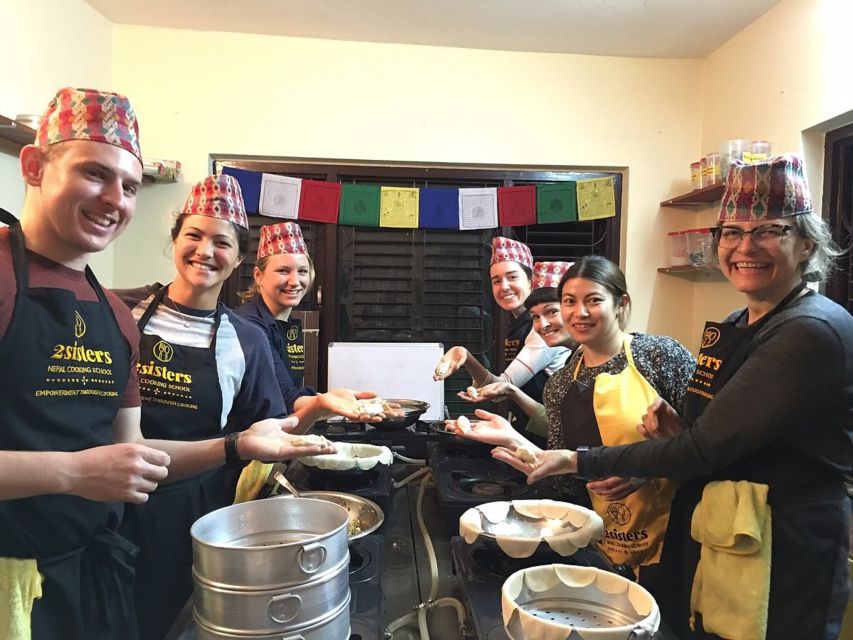
- Three menu choices: Each menu includes four traditional Nepali dishes, giving you some control over what you cook and eat.
- Momos are included: You will not miss Nepal’s best-known dumpling, even if you choose another menu.
- Fresh ingredients may be part of the outing: A market or shop visit is possible, but it is not guaranteed during festival periods.
- Hotel pickup and drop-off: Be in your lobby five minutes before the arranged pickup time.
- Friendly instruction for beginners: English and Hindi are spoken, and no prior cooking skill is required.
- Very low listed price: At $2.15 per person, the value looks exceptional, but confirm the current price and inclusions before paying.
Starting with a Nepali menu
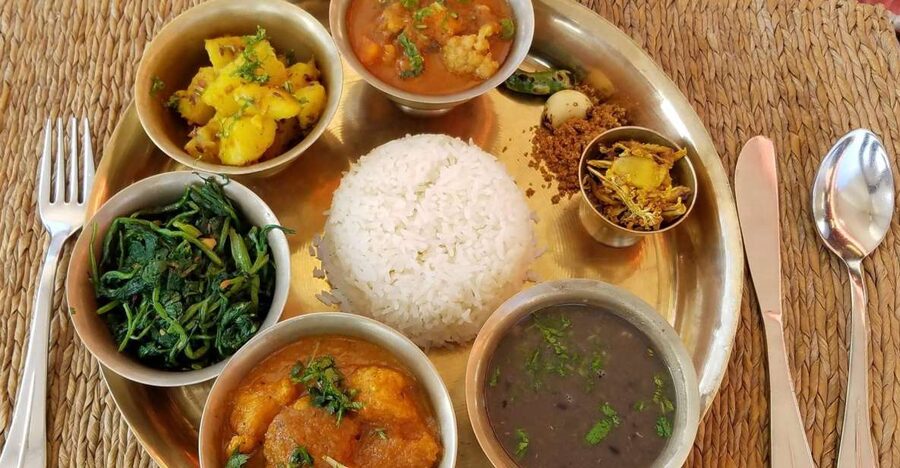
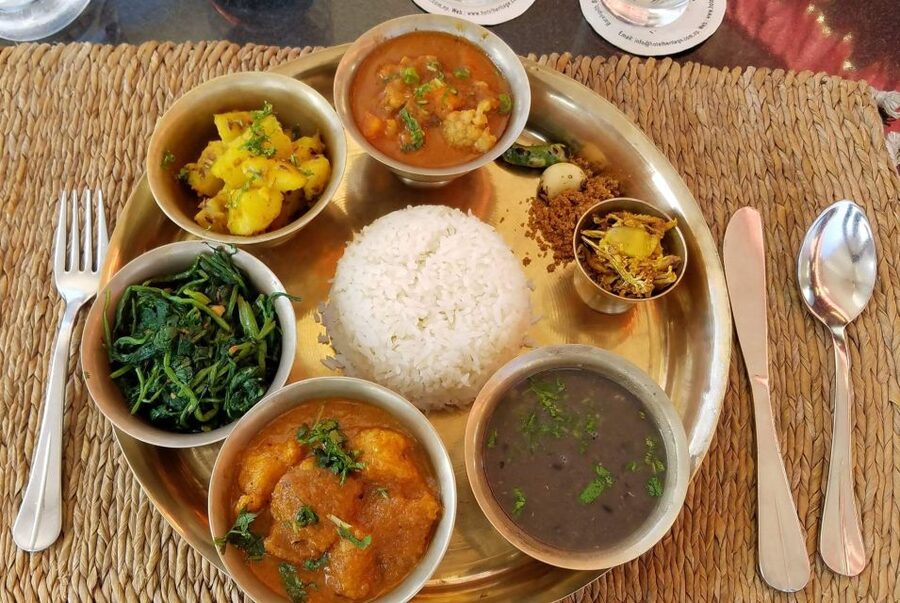
The class begins with a choice among three menus. Each menu contains four traditional Nepali dishes, so this is not just a quick lesson in making one plate of food. You get a broader look at how Nepali meals combine different tastes and textures.
The menu choice matters because you can pick food that suits your group. If you like heat, you can add more chili. If you prefer gentle flavors, you can keep the seasoning mild. That small freedom makes the meal feel personal rather than like a fixed demonstration.
I would tell you to arrive hungry. Lunch is included, along with masala tea, and the food is prepared and eaten during the class. You are not watching a chef cook a meal for someone else. You make a course, eat it fresh, and continue through the remaining dishes.
That rhythm gives the lesson a nice practical shape. You learn a technique, see how the ingredients come together, and then find out how the finished food tastes. It also means you can ask questions while the dish is still in front of you.
More cooking classes around Kathmandu:
- Half day cooking class in Thamel kathmandu
★ 5.0 · 607 reviews - Kathmandu: Local Women-Led Nepali Cooking & Momo Class
★ 4.9 · 360 reviews - Kathmandu: Local Lead Nepali Cooking & Momo-Making Class
★ 5.0 · 212 reviews
Shopping for fresh ingredients in Kathmandu
A notable part of the experience is the chance to visit local shops and see the ingredients before cooking. This adds useful context. Nepali food is not just a list of recipes. The ingredients, spice levels, and cooking steps help explain how everyday food reaches the table.
The shopping stop is not guaranteed. Festival season can change the plan, and one booking during that period did not include the market visit. If seeing ingredients before class is important to you, ask about the schedule when you book.
Even without the shopping visit, the cooking remains the central activity. All ingredients and equipment are supplied, so you do not need to search Kathmandu for a particular spice or bring kitchen tools from home.
The market element should be treated as a welcome extra, not the main reason to book. That keeps your expectations sensible and prevents a seasonal change from spoiling the afternoon.
Cooking four traditional dishes by hand
The chef leads you through the recipes step by step. You will work through the dishes rather than simply copy a fast demonstration, which is especially helpful if you are new to Nepali cooking.
The class is designed for beginners. You do not need to know how to fold dumplings, balance spices, or prepare a Nepali meal. The instruction is there to keep the process manageable, and the friendly atmosphere suits people who want to learn without feeling tested.
At the same time, experienced home cooks should find enough freedom to adjust flavors. The activity specifically allows you to add chili or reduce it, which gives you a little room to cook for your own palate. That is useful in a group where one person likes heat and another does not.
The four-dish format also gives you more value than a single-recipe workshop. You leave with a better idea of how several Nepali dishes fit together as a meal. You also have more chances to practice, make decisions, and ask questions.
Making momos, Nepal’s familiar favorite
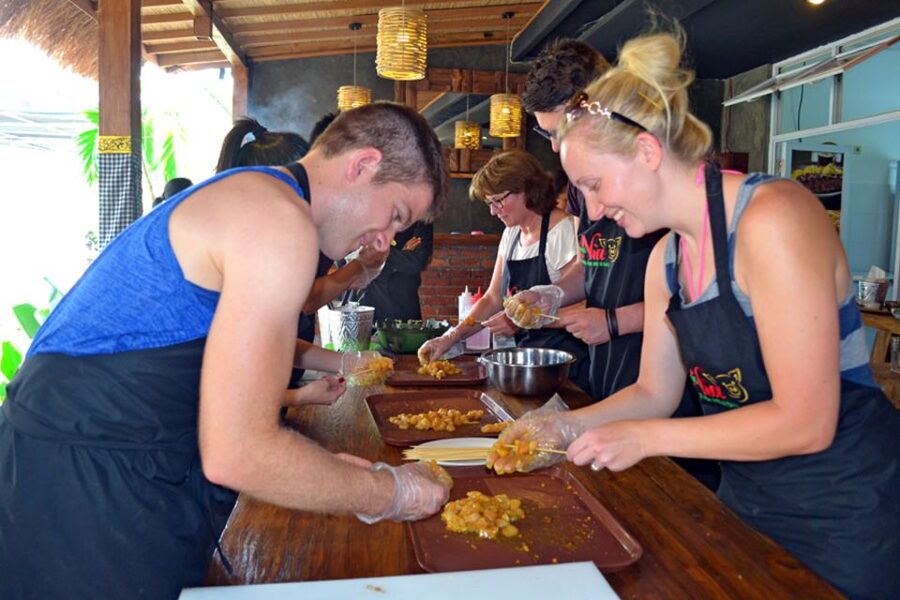
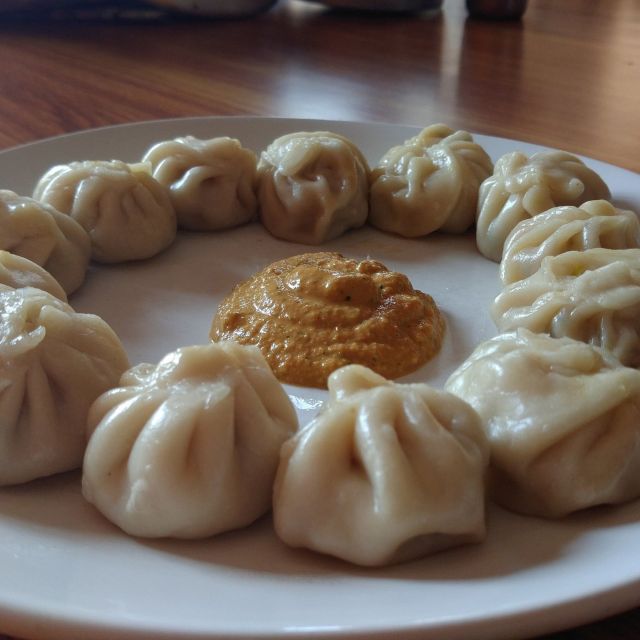
Momos are one of the main reasons to choose this class. These Nepali dumplings are included in the food experience, giving you a chance to work with a dish that many visitors seek out in Kathmandu.
The supplied details do not specify the exact filling or folding method, so I would not promise a particular momo style. What is clear is that momos are part of the class and that you prepare food under the chef’s guidance.
For many people, momos will be the most memorable dish because they are both recognizable and hands-on. Folding them takes more participation than simply stirring a pot, and the result is easy to enjoy at the table.
If you have never made dumplings, do not worry about producing perfect shapes. This is a cooking class, not a contest. The point is to learn the process and eat what you make.
Same kitchen, a different dish:
- Local Women Lead Nepali Cooking Class
★ 5.0 · 125 reviews - Kathmandu: Local Women-Lead Nepali Cooking & Momo Class
★ 4.9 · 45 reviews - Kathmandu: Local Lead Nepali Cooking & Momo Making Class
★ 4.9 · 40 reviews - Kathmandu: Women-Led Cooking Class & Momo Making-Local Taste
★ 4.8 · 15 reviews
Eating the food while it is still fresh
The class includes lunch, and you eat the dishes you prepare. That sounds simple, but it changes the feel of the activity. You can taste the effect of extra chili, compare the dishes, and notice how the ingredients work together.
Masala tea is also included. It gives you a warm, familiar drink during the meal and adds another small taste of local food culture. Cold and alcoholic drinks are not included, so bring cash if you want to cover personal purchases.
The experience is especially useful for people who want more than a restaurant meal. In a restaurant, you can enjoy Nepali food, but you may not learn why each step matters or how the dish was assembled. Here, the cooking and eating are part of the same activity.
I also like that the meal is not treated as an afterthought. You cook one course and enjoy it hot before moving along. That keeps the class active and gives each stage a clear purpose.
What the four-hour schedule really means
The activity is described as lasting three to four hours, with the booking information also listing a four-hour duration. Allow time for the full block, but do not assume that every minute will be spent cooking.
One person found that the cooking class was not a full four hours. That is a useful warning for anyone planning a tightly timed day. Pickup, ingredient shopping, preparation, eating, and short pauses may all be part of the total activity time.
The schedule can also change during festival season. A planned shopping visit may be left out, as happened during one festival-period booking. This is not necessarily a problem, but it means the experience is better suited to a flexible afternoon than to a schedule with a flight or another fixed appointment immediately afterward.
Hotel pickup and drop-off make the timing easier. Be ready in your hotel lobby five minutes before the scheduled pickup time and keep your bag small. Large bags and luggage are not allowed.
Cost, transport, and what is included
The listed price is $2.15 per person, which would be an extraordinary bargain for transport, instruction, ingredients, lunch, tea, and equipment. Because prices can change and the figure is unusually low for a hotel pickup cooking class, check the current amount and final inclusions before booking.
The value is strongest if you want several things in one outing: a cultural activity, practical food instruction, and a meal. You are not paying separately for kitchen equipment or the basic ingredients, and the pickup reduces the need to arrange local transport.
Personal expenses are not included. Cold drinks and alcoholic drinks also cost extra. Carry cash, as requested, and keep your belongings simple.
Free cancellation is available up to 24 hours before the activity for a full refund. You can also reserve now and pay later, which helps if your Kathmandu schedule is still changing.
Who will enjoy this cooking class?
This is a good choice for couples, families with older children, solo visitors, and small groups who like to learn by doing. It is family-friendly, but children under five are not suitable for the activity.
You do not need cooking experience, so I would recommend it to anyone who feels unsure in a kitchen. The step-by-step format takes away much of the pressure. You can focus on learning, tasting, and enjoying the meal.
Food lovers will get the most from the range of dishes and the chance to change the seasoning. It also suits people who want contact with local food culture rather than another sightseeing stop.
It is less suitable if you have a mobility impairment, need a fully fixed schedule, or want a private lesson with guaranteed market access. The supplied information does not state the group size, so ask if that detail matters to you.
Practical tips for a smoother class
Wear comfortable clothes. Cooking involves preparation and handling ingredients, so an outfit you can move in is more useful than something formal.
Bring a camera if you want to record the dishes or the ingredient-shopping portion. Do not bring luggage or a large bag, since those are not allowed.
Tell the chef how much chili you prefer. The class is built to let you customize flavors, and speaking up early will help the meal suit you better.
Use the English or Hindi instruction that works best for you. Both languages are offered, and the chef and assistant guide the class through the recipes.
Finally, leave extra time around the activity. The advertised duration varies between three and four hours, and the market portion may change during festivals. A relaxed schedule will make the class more enjoyable.
My take on the people behind the class
The strongest part of the experience is the human teaching. The chef and assistant are described as funny, kind, and helpful, and the class is built around working together rather than watching from the side.
That matters in a cooking lesson. Clear instruction is useful, but a relaxed teacher makes it easier to ask basic questions, try unfamiliar steps, and admit that your first momo does not look like the chef’s.
The staff also help connect food with culture. You are not only learning a recipe. You are seeing how ingredients are chosen, how flavors can be changed, and how a meal is prepared as a shared activity.
The tone seems friendly rather than formal. That should suit most people, though anyone wanting a long technical course may find the short format limited.
Should you book it?
I would book this class if you want an easy, good-value way to learn about Nepali food while eating lunch. The fresh ingredients, four-dish menus, momo preparation, flexible seasoning, and friendly instruction give you more substance than a standard restaurant meal.
Book it with three expectations in mind: the activity may last closer to three hours than four, the market stop can disappear during festivals, and the price should be checked before payment. If those points are fine with you, this is a strong pick for a relaxed Kathmandu afternoon and a useful introduction to cooking Nepali food at home.
FAQ
How long does the cooking class last?
The activity is described as lasting three to four hours, with a four-hour duration listed in the booking information. The exact timing can vary.
What food will I cook?
You can choose from three menus, and each menu includes four traditional Nepali dishes. Momos are included.
Is lunch included?
Yes. You eat the food you prepare, and lunch is included in the activity.
Is masala tea included?
Yes. Masala tea is included. Cold drinks and alcoholic beverages are not included.
Do I need previous cooking experience?
No. The class is suitable for beginners, and the chef provides step-by-step instruction.
Is hotel transportation included?
Yes. Hotel pickup and drop-off are included. You should be ready in your hotel lobby five minutes before the scheduled pickup time.
Is the market visit guaranteed?
No. A visit to local shops for fresh ingredients may be part of the experience, but festival-season schedules can prevent it.
Can I cancel the booking?
Yes. You can cancel up to 24 hours in advance for a full refund. Reserve now and pay later is also available.
New cooking classes around Kathmandu
- Local Women Led Nepali Cooking Class★ 5.0 · 6 reviews
- Kathmandu: Nepali Cooking Class with Hotel Pickup★ 4.1 · 5 reviews
- Kathmandu: Women-Led Cooking Class & Momo Making-Local Taste★ 4.8 · 15 reviews
- Kathmandu: Local Women-Lead Nepali Cooking & Momo Class★ 4.9 · 45 reviews
- Cook with Lisha: Nepali and Newari Cooking Class★ 5.0 · 2 reviews
- Kathmandu: Local Lead Nepali Cooking & Momo Making Class★ 4.9 · 40 reviews
- Kathmandu: About 3-hour Cooking Class Experience near Thamel★ 5.0 · 3 reviews
- Kathmandu: Cooking Class in Nepal★ 5.0 · 2 reviews
Kathmandu Cooking Classes, side by side.
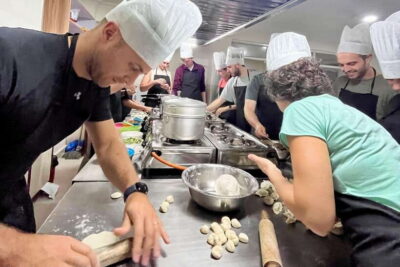
Kathmandu: Women-Led Cooking Class & Momo Making-Local Taste
Read our review →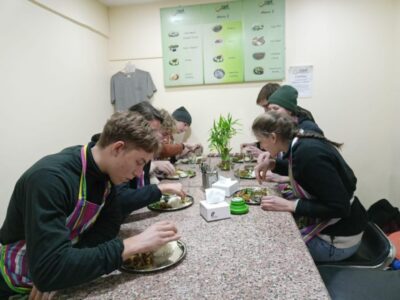
Half Day Cooking Class in Thamel with Local Market Visit
Read our review →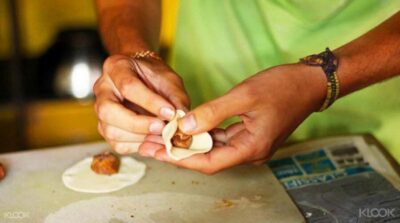
Kathmandu: Nepali Cooking Class with Hotel Pickup
Read our review →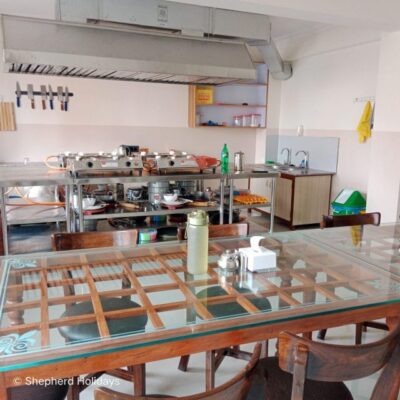
Kathmandu: About 3-hour Cooking Class Experience near Thamel
Read our review →This kitchen also appears in