
Review · MOROCCO
Rabat: Authentic Moroccan Cooking Class with Expert Chefs
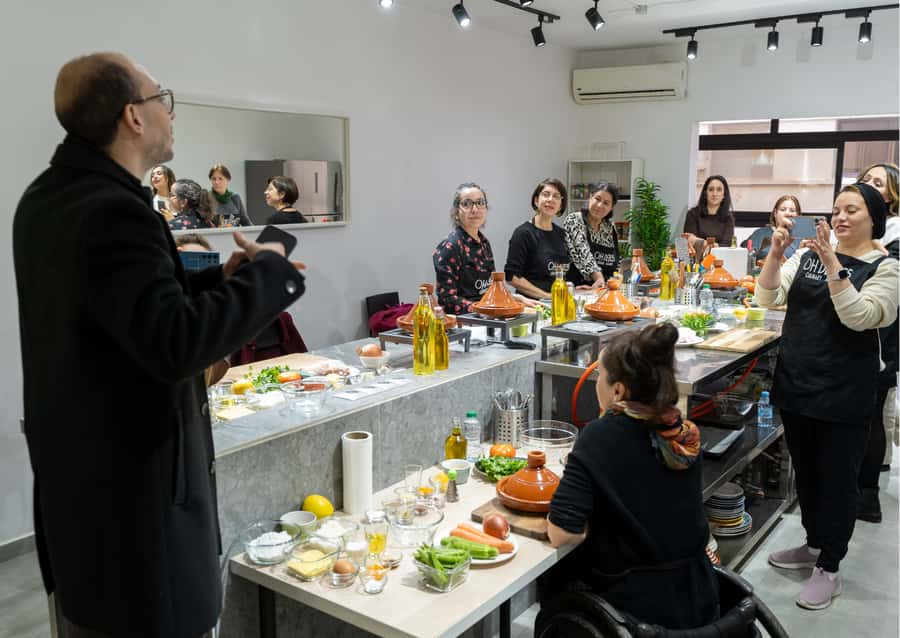
Moroccan cooking is all about small details, and this class lets you handle the ingredients that make the food taste truly Moroccan. You may work with preserved lemon and fermented butter, then turn them into a chicken tagine or another dish chosen for your group.
I like the full meal format, from starter through dessert, and I like that you receive recipes to try again at home. The small group, limited to 10 people, gives you room to ask questions rather than simply watch a chef work.
The main consideration is the language setup. The lead chef may speak French, with an English-speaking assistant translating. Also, the spices cling to clothing, so wear something practical and avoid making this your last activity before a special dinner.
Key points to know before cooking
- Traditional ingredients: Work with preserved lemon, fermented butter, Moroccan spices, and other seasonal ingredients.
- A complete three-hour meal: Prepare food from starter to main course and dessert, then sit down to eat it.
- Chefs and translators: Chefs including Loubna and Najat lead sessions, with English and French support available.
- Small-group setting: The class is limited to 10 participants, making hands-on help easier.
- Recipes for home: You receive the recipes and practical tips for recreating the dishes later.
- Easy planning: The class costs $65 per person, includes ingredients and the meal, and allows free cancellation up to 24 hours ahead.
Starting with the ingredients that define Moroccan food
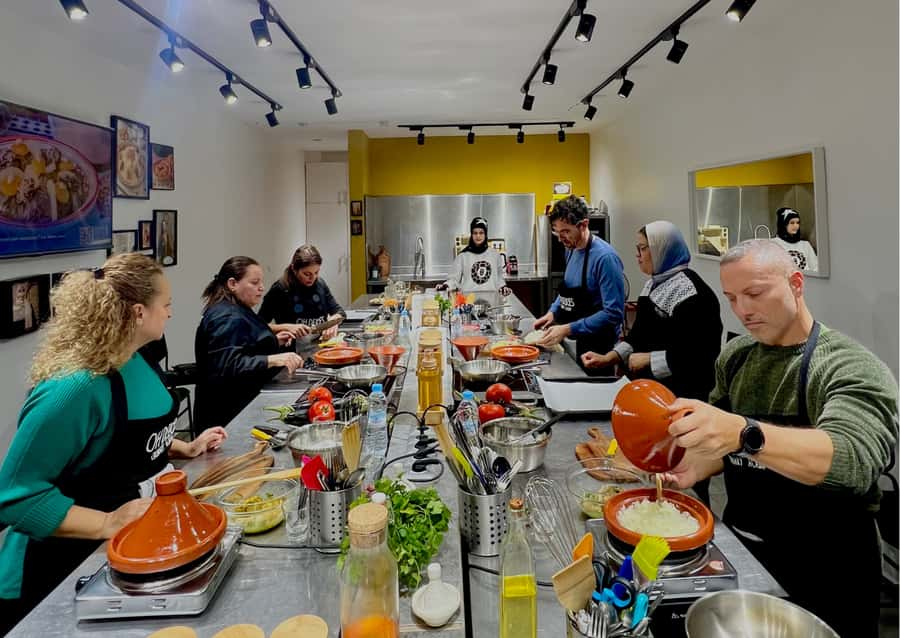
At OhDelices Culinary Academy, the lesson begins with more than a list of ingredients. You learn how Moroccan cooks build flavor by balancing spices, preserved foods, herbs, vegetables, meat, and sweet elements.
That matters because Moroccan food can look simple on the plate. A tagine may contain only a few major ingredients, yet preserved lemon, fermented butter, and carefully measured spices give it a much deeper taste. I like this approach because it explains the food instead of treating the recipe as a set of instructions to copy blindly.
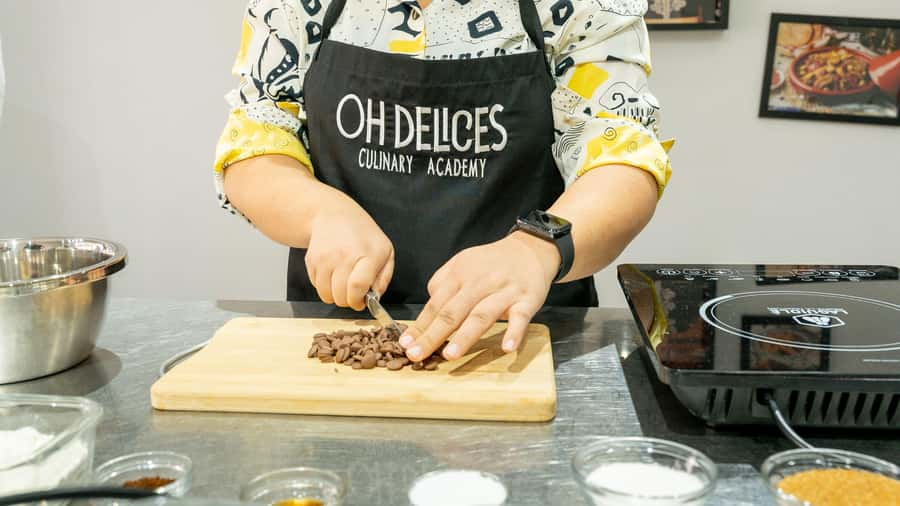
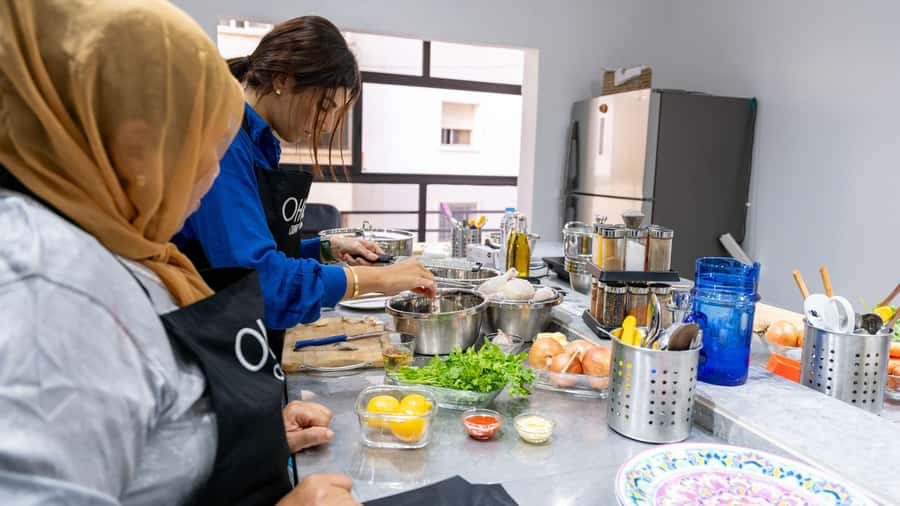
You work with fresh, seasonal ingredients and cooking equipment supplied by the academy. You do not need to shop for anything before arriving, and you do not need to bring knives or special tools. Wear comfortable clothing and shoes suitable for standing and cooking.
The activity is held in Rabat, near the Goethe Center building. Transportation is not included, so you need to arrange your own way to the culinary studio. The exact starting time depends on availability, and the class lasts about three hours.
More Moroccan Cooking Classes around Morocco:
- Marrakech: Moroccan Cooking Class with Pickup
★ 4.6 · 1,862 reviews - Marrakech: Traditional Moroccan Cooking Class & Market Visit
★ 4.8 · 1,861 reviews - Marrakesh: Moroccan Dishes Cooking Class with a Local Chef
★ 5.0 · 1,615 reviews
A hands-on lesson, not a cooking demonstration
The strongest part of this experience is that you help make the food. You are not simply seated while a chef prepares a polished plate in front of you.
The class is suitable for beginners, but experienced home cooks should also find useful details here. The chefs explain techniques, offer corrections, and share tips for preparing the dishes again. The pace is designed to be relaxed and social, with room for questions along the way.
Chef Loubna has led sessions with an organized, careful style, while Chef Najat has guided participants through dishes such as eggplant starter, beef tagine, and a pastry dessert. Hannane and Fatimah have also led classes, helping create an easygoing kitchen atmosphere. Since the chef assigned to your session can vary, the exact teaching style may differ slightly.
The class also asks what you would like to cook. The final menu can change depending on the preferences of the group, so do not expect every session to follow one fixed recipe list. This is a benefit if you have a particular interest, such as tagine or Moroccan sweets, but you should mention your preferences in advance.
Tagine, couscous, msemen, and pastilla
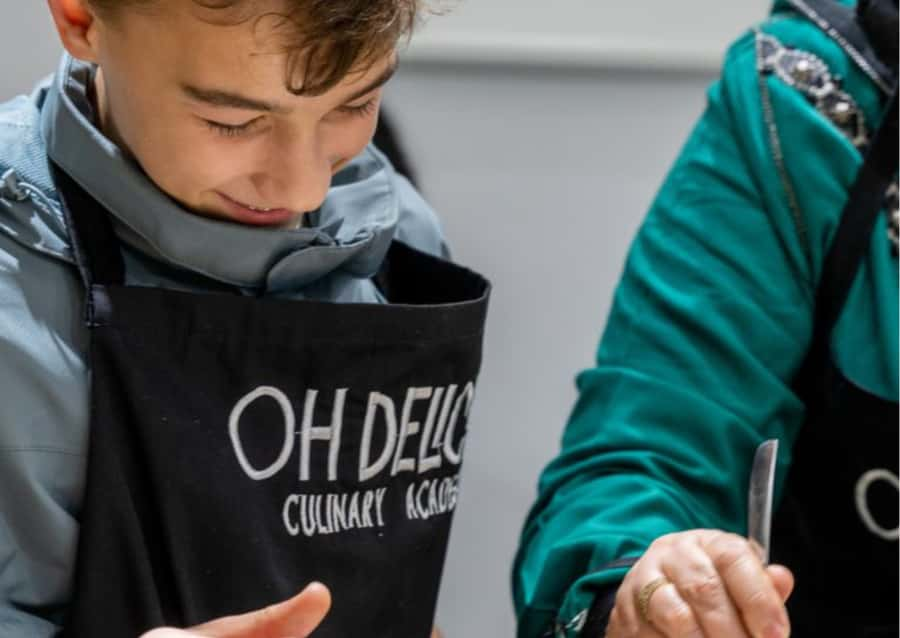
Tagine is one of the main reasons many people book this class. You learn how Moroccan cooks combine meat or vegetables with spices, aromatics, and ingredients such as preserved lemon. Chicken with preserved lemon is one possible preparation, while beef tagine is another dish that has been taught.
The value here is practical. You learn how the ingredients fit together before tasting the final result. A tagine is not only about adding spices. It depends on balance, timing, and the way the ingredients release their flavor as they cook.
Couscous and msemen are also listed among the Moroccan staples you may prepare. Couscous gives you a chance to work with one of Morocco’s best-known dishes, while msemen introduces the layered, pan-cooked flatbread often served at breakfast or with tea.
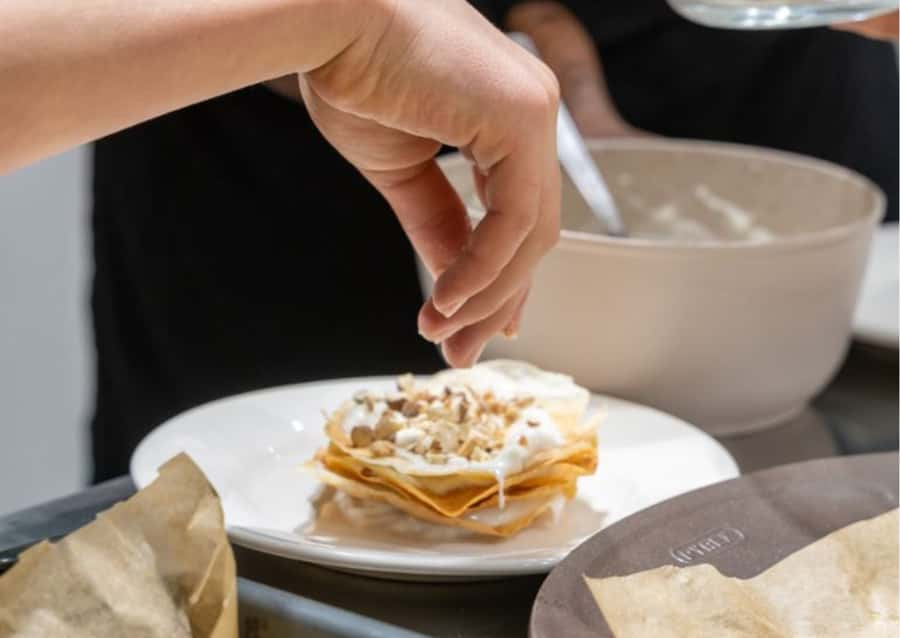
Pastilla brings a different lesson. It combines crisp pastry with a seasoned filling and a sweet-savory character. Traditional breads and pastries help show how broad Moroccan home cooking can be. You are not learning only one famous dish, but a set of techniques that covers savory cooking, dough, pastry, and dessert.
Because the menu can be adjusted for the group, the dishes you make may not include every item listed. I would choose one or two priorities before the class and tell the academy about them when booking.
From starter to dessert in one sitting
The three-hour format is long enough for a full meal without turning the activity into an all-day commitment. You may prepare a starter, a main course, and dessert, then eat the food you have made.
A starter can be something such as eggplant, which teaches you how vegetables carry spice and seasoning. The main course may be chicken or beef tagine, couscous, or another Moroccan staple. Dessert can include a sweet pastry or another traditional Moroccan treat.
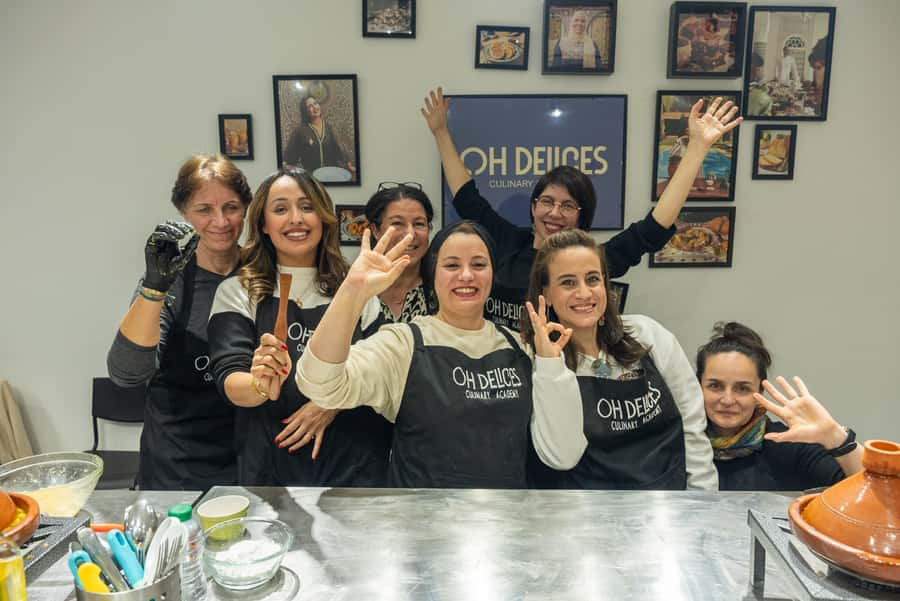
This structure works well for couples and families because everyone has something to do. It also suits solo visitors who want a social evening in Rabat without joining a large tour group. With a maximum of 10 participants, the session should feel more personal than a large demonstration.
The finished meal is part of the price, as are the ingredients and equipment. At $65 per person, I consider this fair value if you want both instruction and dinner. A restaurant meal alone may cost less, but it will not show you how the food is made or give you recipes to take home. The class makes more sense for people who value the cultural and practical side of eating.
More cooking classes around Morocco:
- Moroccan Cooking Class & Marrakech Market Visit with Chef Khmisa
★ 5.0 · 1,504 reviews - Half-Day Cooking Class with Local Chef Laila in Marrakech
★ 5.0 · 952 reviews - Marrakech: Moroccan Cooking Class with a Local Family
★ 4.9 · 668 reviews - Marrakech: Moroccan Cuisine Cooking Class in Local Home
★ 4.8 · 508 reviews
Mint tea and the stories around the table
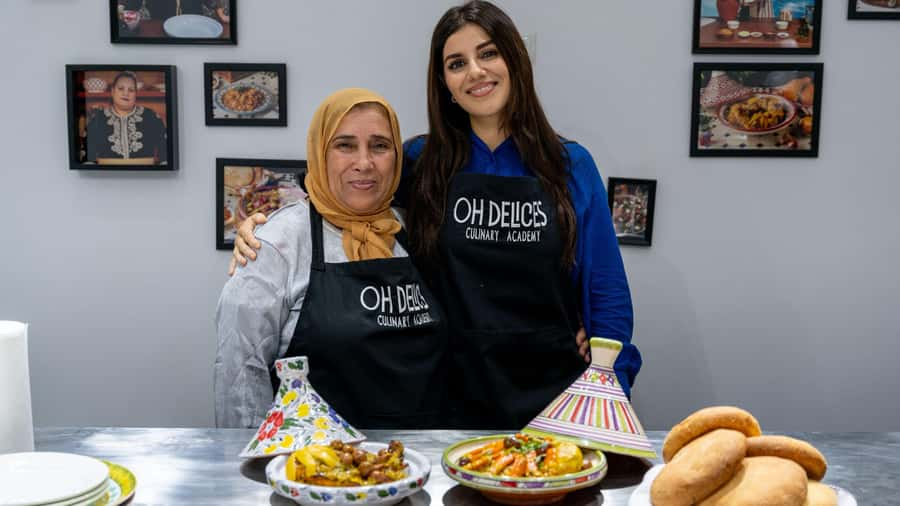
After the cooking, you sit down to eat the meal you helped prepare. Moroccan mint tea is included, and the table becomes a chance to talk about the dishes, local customs, and the cooking traditions behind them.
I like this closing meal because it gives the class a proper finish. You have spent time preparing the food, so the meal feels connected to the work rather than added as an unrelated restaurant service.
The social side also matters. You can meet local cooks and share the meal with the other participants. The atmosphere has been described as relaxed and friendly, with the staff helping keep the class moving while still allowing time for questions.
Do not expect a silent, highly formal lesson. The cultural exchange is part of the experience. If you want a precise culinary school course focused only on professional technique, this may feel informal. If you want to understand Moroccan food through people, ingredients, and shared eating, the format is a good fit.
Language support and the role of the translator
Classes are available in Arabic, English, and French. The lead chef may teach in French, with a translator or assistant helping in English. Malak and Oumaima have provided translation and assistance in past sessions, while Fatima has helped keep the class organized.
This arrangement should work for most English-speaking visitors, but it is worth understanding before you book. You may not receive every explanation directly from the head chef in English. Instead, instructions can pass through the translator.
I would ask questions as they arise and confirm key steps before moving on. Cooking terms, spice names, and dough techniques can be easy to misunderstand when translated quickly. The small group helps here because you have a better chance to ask for clarification.
French speakers should find the class especially straightforward. Arabic is also supported. If you have food allergies or dietary preferences, tell the academy in advance rather than waiting until the class begins.
What the class is like for different types of visitors
This activity fits first-time cooks because the chefs provide guidance and the recipes are explained step by step. You do not need professional experience.
It also works for couples looking for an activity with more substance than a sightseeing stop. You prepare food together, sit down to eat, and take home recipes that can bring back memories of Rabat.
Families can enjoy the class as well, though parents should consider the three-hour duration and the need for comfortable cooking clothes. The activity is wheelchair accessible, which is useful for visitors who need an accessible venue.
For solo visitors, the limited group size makes it easier to meet people without the pressure of a large organized outing. The class is also a good choice early in a Rabat visit. It can give you a useful introduction to Moroccan flavors before you encounter more dishes in restaurants and markets.
I would be more cautious if you dislike group activities, have severe food restrictions, or want complete control over the menu. The group’s choices can influence the dishes, and the session is designed as a shared experience.
Practical details that affect your day
The studio is next to the Goethe Center building. Since transport is not included, check the route and allow enough time to arrive without rushing.
Wear comfortable clothes and shoes. You will be cooking for much of the three-hour session, so bare feet, loose impractical clothing, and formal footwear are poor choices. Smoking, vaping, alcohol, drugs, weapons, and sharp personal objects are not allowed.
One useful warning comes from the ingredients themselves: spice smells may remain on your clothes. I would wear something washable and avoid scheduling a formal evening afterward. This is not a serious flaw, but it is the sort of small detail that can affect your plans.
The activity is limited to 10 participants. That number gives the chefs and assistants a better chance to provide individual help, though the exact atmosphere depends on how many people book your date.
Cancellation is free up to 24 hours before the class for a full refund. You can also reserve and pay later, which helps if your Rabat schedule is still changing.
How the $65 price compares with the experience
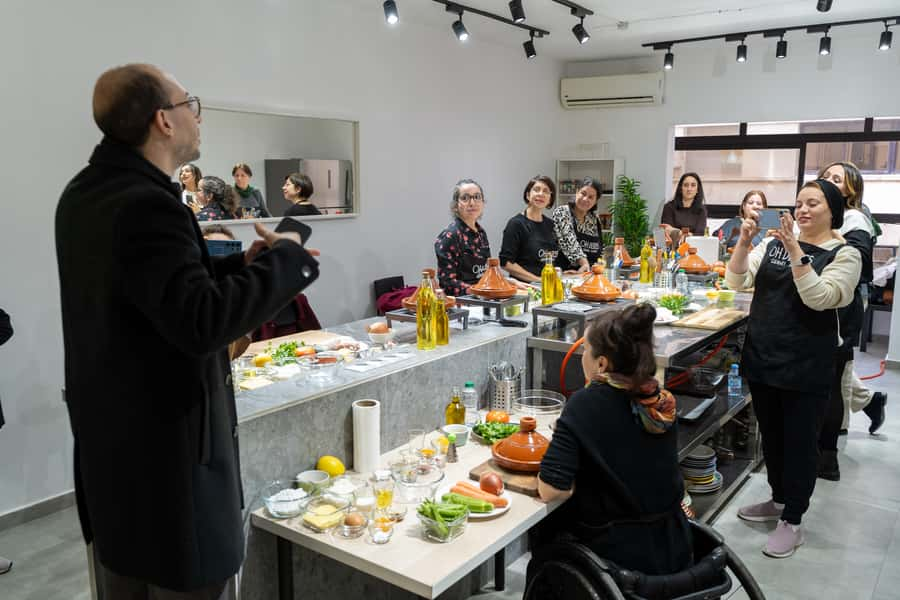
The $65 fee includes all ingredients, equipment, professional instruction, the meal, mint tea, and recipes. That is a solid package for a three-hour activity in which you both cook and eat.
The value is highest if you want to learn techniques you can use at home. Working with fermented butter, preserved lemon, Moroccan spice mixtures, flatbread, and pastry gives the class more substance than a simple meal with a short demonstration.
The value is lower if you mainly want dinner. You could spend less on a basic restaurant meal, and the class requires more time and participation. You are paying for instruction, cultural context, and the chance to make the food yourself.
I also like that the meal is not a small tasting. The class is built around a full traditional spread, so you should leave properly fed. The exact quantity and menu can vary, but the format includes starter, main course, dessert, and tea.
Who should book this Rabat cooking class
I would recommend it to anyone who wants a hands-on introduction to Moroccan food rather than another passive sightseeing stop. It is especially useful during your first days in Rabat, when learning the basic flavors can improve the rest of your meals.
Book it if you enjoy cooking, want recipes to take home, or like meeting local people through food. It is also a strong choice for couples, families, small groups, and solo visitors who want an activity with conversation built in.
Think twice if your schedule is tight, since three hours is a real block of time. Also consider the French-led instruction and translation arrangement, the possibility of a changing menu, and the lingering spice smell on clothing.
For most visitors, I think the combination of hands-on cooking, a full meal, and personal guidance makes the price reasonable. Choose the class if you want to leave Rabat with more than photographs. You will take home recipes, new cooking skills, and a better sense of how Moroccan food is built.
FAQ
Where does the cooking class take place?
The class takes place at OhDelices Culinary Academy in Rabat. The building is next to the Goethe Center building.
How long does the activity last?
The cooking class lasts three hours. Starting times vary, so check availability for the date you want.
How much does the class cost?
The price is $65 per person.
What food can I learn to prepare?
Possible dishes include tagine, couscous, msemen, pastilla, traditional breads, Moroccan starters, and sweet desserts. The menu may change based on group preferences.
Is a meal included?
Yes. You prepare and eat a full meal that can include a starter, main course, dessert, and Moroccan mint tea.
Are ingredients and equipment provided?
Yes. All ingredients and cooking equipment are included.
Are recipes provided after the class?
Yes. You receive recipes to take home, along with practical cooking tips.
What languages are available?
The activity supports Arabic, English, and French. Some classes use a translator to provide English support when the lead chef teaches in French.
Can I request dietary changes?
Yes. Tell the academy about dietary restrictions or food preferences in advance.
Is the activity suitable for wheelchair users?
Yes. The cooking class is wheelchair accessible.
What should I wear?
Wear comfortable clothing suitable for cooking and comfortable shoes. Spice odors may remain on clothing, so washable clothes are a practical choice.
Can I cancel the booking?
Yes. You can cancel up to 24 hours in advance for a full refund. You can also reserve now and pay later.
New cooking classes around Morocco
- Rabat: Cooking Class in a Family Home★ 5.0 · 27 reviews
- From Marrakech: Ouzoud Waterfalls Guided Hike and Boat Trip★ 4.9 · 75 reviews
- Moroccan Food Cooking Class with a Local Chef in Marrakech★ 4.7 · 90 reviews
- Moroccan Food Cooking Class with a Local Chef in Marrakech★ 4.7 · 6 reviews
- Marrakech: 3-Hour Open-Air Moroccan Cooking Course★ 4.9 · 74 reviews
- Moroccan cooking class in Marrakech with berber chef★ 5.0 · 16 reviews
- Edgy 8 Dish Private, Fusion Cooking Class, Menu Plan, Market★ 4.9 · 31 reviews
- From Marrakech: Atlas Mountains & Berber Lunch★ 5.0 · 6 reviews
Morocco Cooking Classes, side by side.

Marrakech: Moroccan Cooking Class with Pickup
Read our review →
Marrakech: Traditional Moroccan Cooking Class & Market Visit
Read our review →
Marrakesh: Moroccan Dishes Cooking Class with a Local Chef
Read our review →
Moroccan Cooking Class & Marrakech Market Visit with Chef Khmisa
Read our review →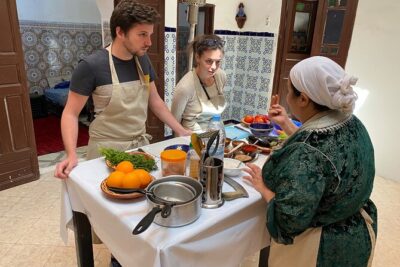
Half-Day Cooking Class with Local Chef Laila in Marrakech
Read our review →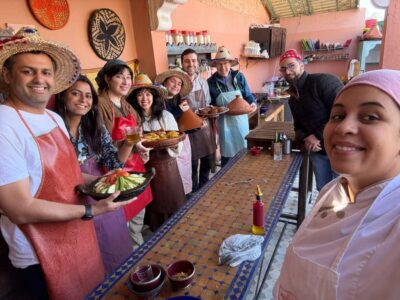
Marrakech: Moroccan Cooking Class with a Local Family
Read our review →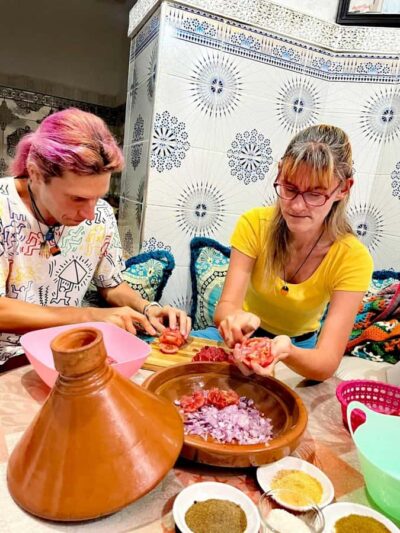
Marrakech: Moroccan Cuisine Cooking Class in Local Home
Read our review →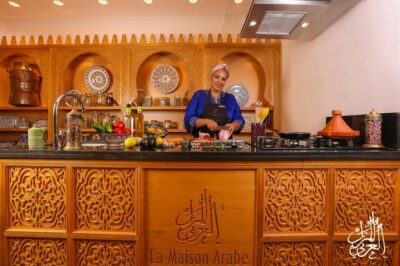
Marrakech: Moroccan Cooking Workshop at La Maison Arabe
Read our review →This kitchen also appears in