Review · MARRAKECH
Marrakech: Moroccan Cooking Class with a Local Family
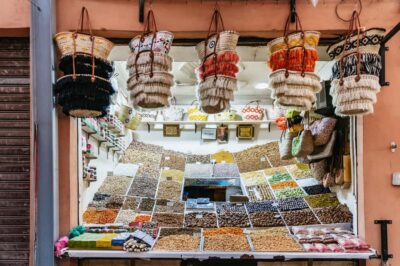
Moroccan food makes more sense once you have handled the spices, cut the vegetables, and watched a tagine take shape. This four-hour class brings you into a local family setting in the Medina, where Fatima, Yasser, or another host guides you through the meal before you sit down and eat it together. I especially like the hands-on format and the useful spice advice for shopping in the souks.
I also like that families and mixed-skill groups can take part without feeling out of place. Children get tasks, experienced cooks can pick up new knife techniques, and vegetarian or vegan requests are welcome. The main consideration is that the advertised market visit may not happen, and some sessions take place on a rooftop, so a jacket can help in cooler months.
Key points to know before booking
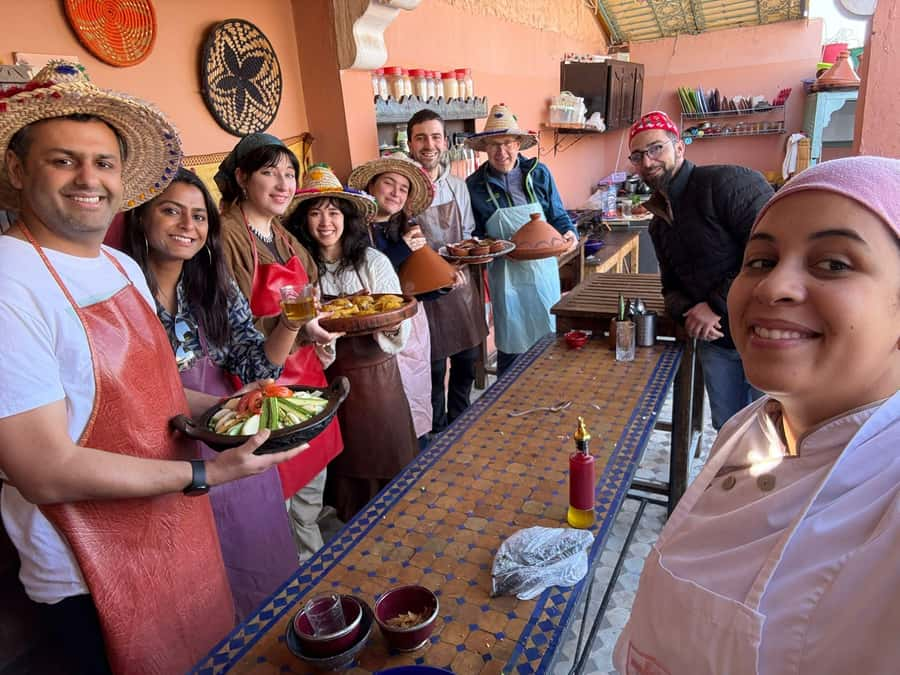
- You cook the full meal: Prepare Moroccan salads or briwat, a main dish such as tagine or couscous, and dessert.
- The class takes place in a family setting: Expect a Medina house or riad, Moroccan tea, and conversation with the local family.
- Fatima and Yasser are frequent hosts: Both are praised for clear teaching, humor, patience, and making sure everyone gets involved.
- The spice lesson has practical value: You learn what common spices taste like and how to choose them at local souks.
- The meal is included: Drinks, equipment, the cooking lesson, and the food you prepare are covered in the $33 price.
- The market visit is not guaranteed: Fresh vegetables may already be on hand, with the class time focused on cooking instead.
Why this cooking class is worth your Marrakech afternoon
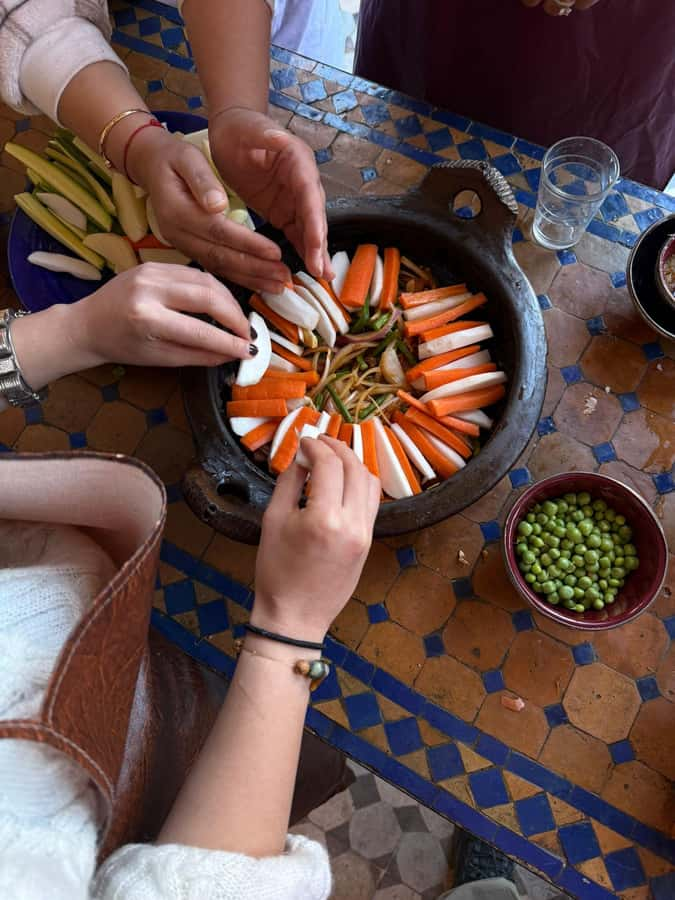
Marrakech can make Moroccan food look simple. A tagine arrives at the table, the lid comes off, and the aroma does the rest. This class shows you the work behind that moment: how spices are balanced, how vegetables are prepared, how Moroccan salads are seasoned, and how a shared meal comes together.
You are not placed at a counter for a short demonstration. The plan is to get you involved in preparing several parts of the meal. That matters because Moroccan cooking depends on small choices that are easy to miss in a restaurant. You can taste the spices, handle the ingredients, and ask why a dish is prepared in a certain way.
The price is $33 per person for about four hours. That is strong value in Marrakech because it covers a meal, drinks, instruction, equipment, and recipes to take home. You also get something that a restaurant cannot provide easily: an explanation of how the food fits into everyday Moroccan life.
More Home Cooking Classes in Morocco
- Marrakech: Moroccan Cuisine Cooking Class in Local Home
★ 4.8 · 508 reviews - Fez: Souk Tour and Traditional Home Cooking Class
★ 4.9 · 186 reviews - Old local Market visit+Moroccan cooking class with a local family
★ 5.0 · 84 reviews
Meeting near Andalusia Restaurant and entering the Medina
The meeting point is in front of Andalusia Restaurant, next to Mohamed 5 High School. The location is meant to be easy to reach, but you should still allow a little extra time. One person had trouble with a different map location, and a riad can be tucked into the Medina maze once you leave the main street.
From the meeting point, the host takes you to an authentic Moroccan house in the heart of the Medina. Depending on the session, the setting may be a family home, a riad, or a rooftop cooking area. These are working local spaces rather than a polished culinary school, which gives the class its character.
That setting also brings a practical point. Some sessions are held outdoors on a rooftop, and the air can feel cool in winter or later in the day. Bring a light sweater or jacket during colder months. The activity is listed as wheelchair accessible, but you should still confirm the exact route and room arrangement when booking, since Medina access and riad layouts can vary.
Tea, conversation, and a look at family life
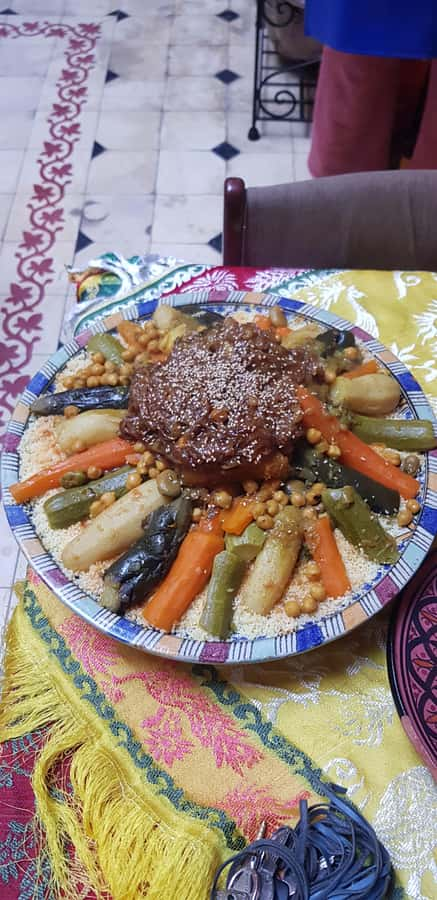
The class begins with Moroccan tea, coffee, or juice, along with cookies. This is not just a quick welcome drink. It gives you time to meet the host and family and ask about food, customs, and daily life.
Hosts include Fatima, Yasser, and Leila, with English, French, and Arabic available. Fatima is praised for her calm, patient teaching, while Yasser is known for humor and for keeping a mixed group involved. The teaching style can vary by host, but the shared aim is clear: no one should be left watching from the side.
This opening is especially useful if you are new to Morocco. Food is a natural way to ask about family habits, Ramadan, local ingredients, and the difference between a home-cooked dish and a restaurant version. The class does not feel like a lecture. Conversation is part of the meal preparation.
The spice lesson before the chopping starts
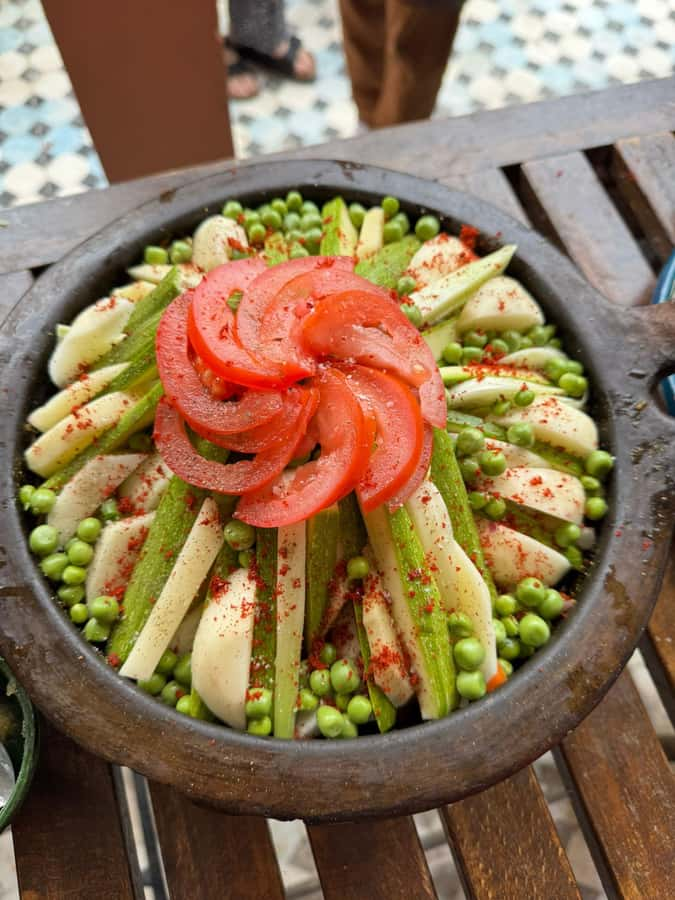
Before the cooking begins, you are introduced to spices and some of the vegetables used in Moroccan food. You can taste and compare ingredients rather than simply hearing a list of names.
I see this as one of the most useful parts of the afternoon. The souks are full of spice stalls, and it is easy to buy too much of something you do not recognize. Learning the basic flavors first helps you shop with more confidence. You also receive practical advice about choosing ingredients and avoiding inflated prices.
The class may cover familiar Moroccan flavors used in tagines, salads, and other dishes. The exact menu changes, so do not book expecting one fixed recipe every time. The flexibility is useful because the host can suggest dishes and adapt the meal to the group.
More Moroccan Cooking Classes around Marrakesh:
- Marrakech: Moroccan Cooking Class with Pickup
★ 4.6 · 1,862 reviews - Marrakech: Traditional Moroccan Cooking Class & Market Visit
★ 4.8 · 1,861 reviews - Marrakesh: Moroccan Dishes Cooking Class with a Local Chef
★ 5.0 · 1,615 reviews - Marrakech: Moroccan Cooking Workshop at La Maison Arabe
★ 5.0 · 446 reviews
Preparing salads, briwat, and the main dish
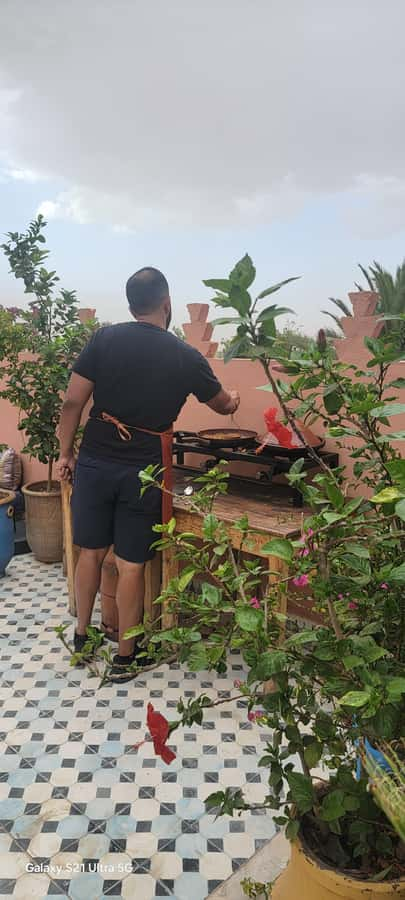
The starter is usually Moroccan salads or briwat. Salads in Morocco are not limited to a bowl of raw leaves. They can involve cooked vegetables, seasoning, texture, and careful presentation. Briwat adds a different skill, with pastry folded around a filling.
The main course can include tagine, couscous, or tanjia. A tagine lesson is particularly helpful because the cooking vessel is central to Moroccan food and easy to misunderstand. You learn how ingredients are arranged, how seasoning is added, and how the dish develops rather than simply watching someone lift the lid at the end.
The class is genuinely hands-on. People are given jobs such as chopping, seasoning, assembling, and preparing side dishes. The teaching is designed to include beginners, but experienced cooks can also pick up small improvements, especially in knife work and ways to reduce food waste.
One useful detail is that not every cooking step is necessarily done by the participants. In one session, assisting staff handled cleaning the chicken and heating some dishes. That is normal for a group class, but it means hands-on does not mean every person performs every technical step from start to finish.
A family meal that completes the lesson
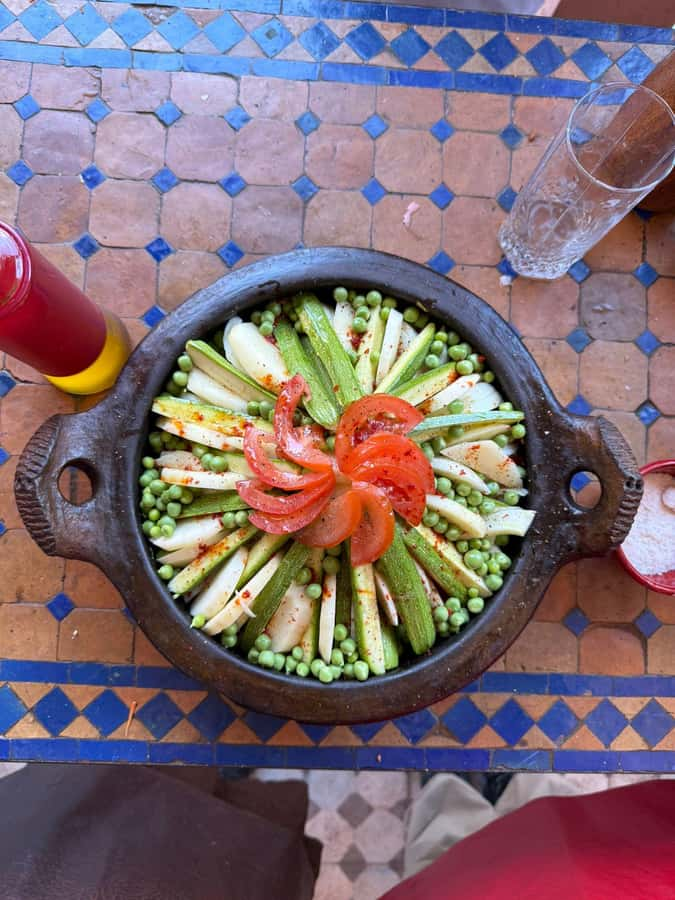
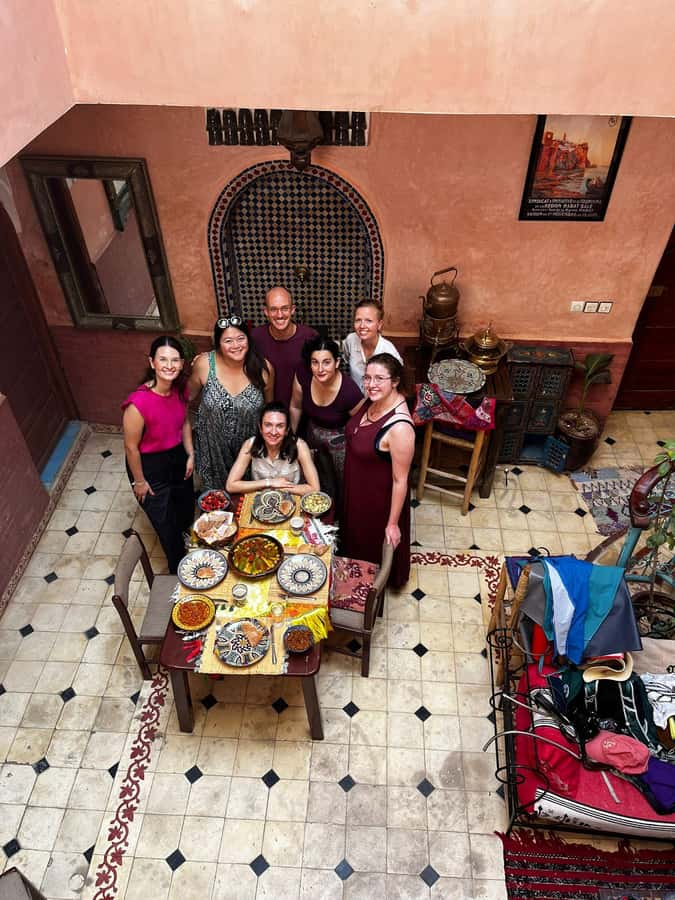
Once the food is ready, you eat the meal together with the family and the rest of the group. This is where the afternoon pays off. You are tasting dishes that you helped prepare, so the flavors have more meaning than a standard restaurant meal.
The menu can include several side dishes, a chicken or vegetable tagine, and a light dessert. Vegetarian and vegan cooking is available, and allergies are not presented as a problem, but you should explain your needs clearly when booking and again at the start.
The meal is also a chance to compare techniques. You may notice how a dish differs from one you ordered elsewhere in Marrakech. Several participants have found the home-prepared food better than restaurant tagines, but taste is personal and menus change. The reliable point is that the food is fresh, shared, and tied directly to the lesson.
Takeaway food may sometimes be available, though it should not be treated as a guaranteed part of the package. The included meal is the main food benefit.
What happens with the market visit
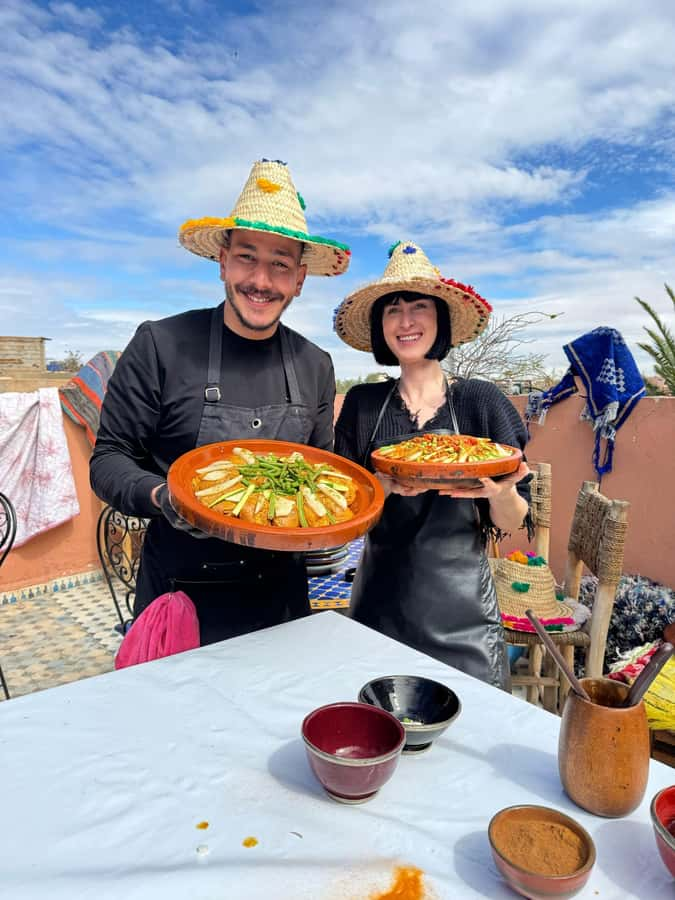
The class description suggests learning about ingredients for shopping in the souks, and some people may expect an actual market walk. That is not consistent. Several sessions do not include a market visit, especially when fresh vegetables have already been bought in the morning.
This is the clearest gap between expectation and reality. If you want a dedicated food market tour, choose an activity built around that. If your priority is cooking time, the missing market stop may be a fair trade. In fact, some groups preferred spending the full afternoon learning knife skills and preparing the meal.
The spice instruction still gives you useful shopping help. You can ask what to look for, what different spices should smell and taste like, and how to buy ingredients locally. Just do not assume that you will visit a stall with the host.
Group size, teaching style, and family suitability
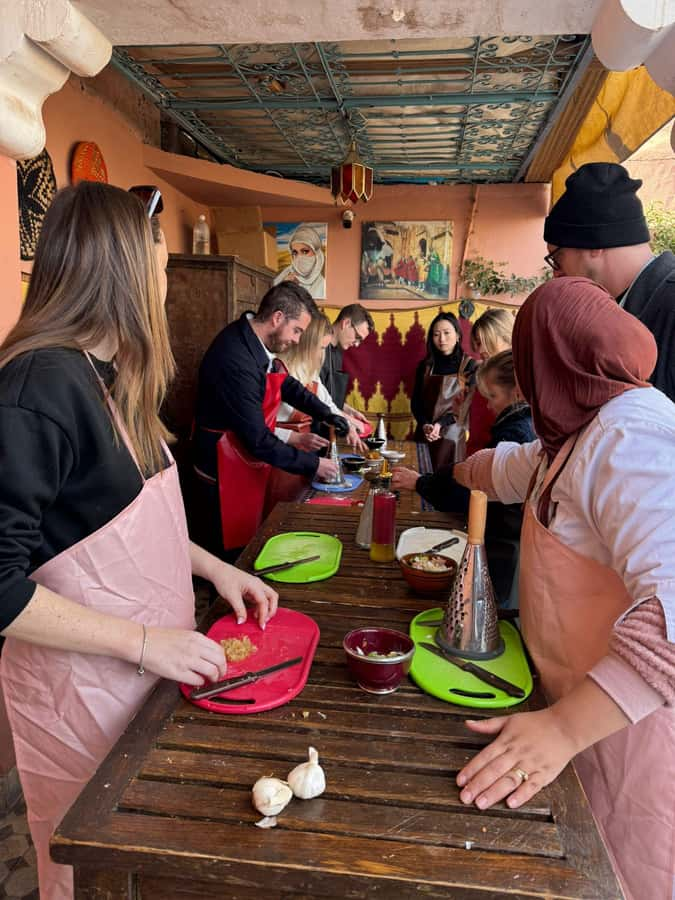
The class works for couples, solo visitors, families, and mixed groups. Some sessions have around ten people, while others are smaller. A small group gives you more time with the chef, but even larger groups are organized around shared tasks.
Families are a strong match. Children can help prepare ingredients, and the hosts make an effort to include different ages and cooking abilities. The class is also social without requiring you to arrive with a group. You meet people from several countries and often have time to exchange Marrakech tips while the food cooks.
Yasser is especially good at building group energy, using humor and simple explanations to keep the pace moving. Fatima is praised for patience and for helping people learn without making beginners feel awkward. The exact experience depends on the host assigned that day, so expect a friendly local cooking lesson rather than a formal chef certification course.
Recipes, videos, and what you take home
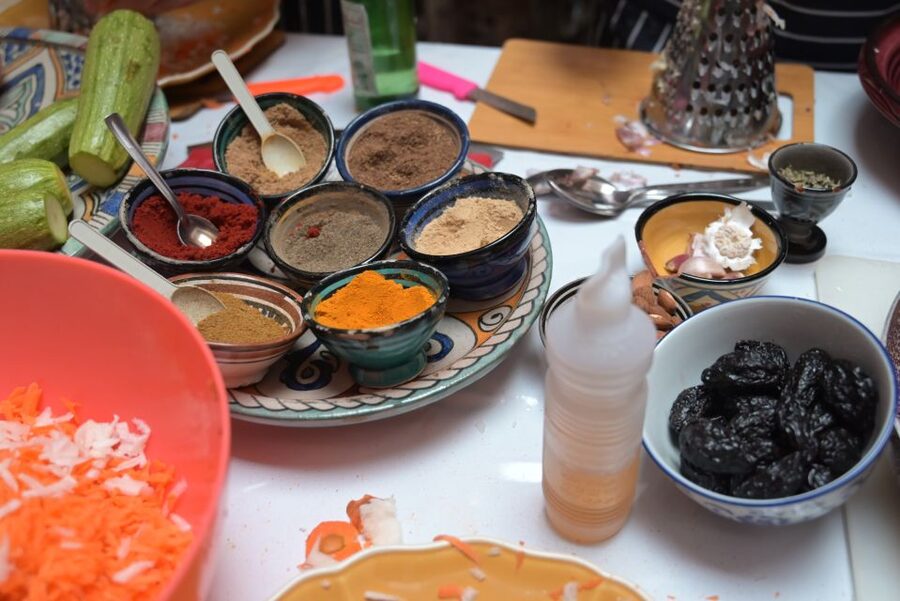
The experience continues after lunch or dinner because recipes are sent afterward. Some participants also receive videos showing how to prepare the dishes at home. This is a valuable extra, since Moroccan cooking often relies on visual clues such as texture, color, and the right amount of liquid.
You may also receive practical tips about buying spices and cooking with a tagine. One person even took home freshly milled spices. That is not listed as a standard inclusion, so treat it as a possible bonus rather than something guaranteed.
If you plan to recreate the food, take notes during the class. Ask about substitutions, heat levels, cooking times, and the size of the tagine used. The recipes give you a foundation, while the live explanations help fill in the gaps.
Price, timing, and booking flexibility
At $33 per person, the value is easy to understand. You receive four hours of instruction, drinks, equipment, a multi-part meal, and recipes. A standard meal in Marrakech may cost less, but it will not teach you how to make it or give you time with a local family.
The four-hour length is long enough for a proper meal without taking over your entire day. A morning session can work well before an afternoon in the souks, while an afternoon class can lead into dinner. Check the available start times because they vary.
Transport is not included. You make your own way to the meeting point, so factor in a taxi or walking time if your accommodation is outside the central Medina. The activity offers free cancellation up to 24 hours before the start, and you can reserve now and pay later, which helps if your Marrakech plans are still shifting.
Who should book this experience
I would choose this class if you want food to be your way into Moroccan culture. It suits you especially well if you:
- Want to cook rather than only watch a demonstration
- Enjoy learning through conversation with local people
- Are traveling with children or a mixed-ability family group
- Need vegetarian or vegan options
- Want recipes and spice-buying advice to use after the trip
- Prefer a social activity where arriving alone is not a problem
I would look elsewhere if your main goal is a guided market tour, a highly technical chef lesson, or a quiet private class. The menu can change, some preparation may be handled by assistants, and the group format means you will share tasks.
Should you book the Marrakech family cooking class?
Yes, if you want an affordable, practical introduction to Moroccan food and family life. The strongest parts are the hands-on preparation, the warm teaching from hosts such as Fatima and Yasser, the shared meal, and the recipes you can use at home.
Book it early in your Marrakech stay if you want spice and cooking tips to guide later meals and souk shopping. Go in expecting a local home or riad, not a market excursion, and bring a jacket if your class may take place on a rooftop. With those expectations, this is one of the better-value ways to spend four hours in Marrakech.
FAQ
How long does the Moroccan cooking class last?
The class lasts about four hours. Check the available start times when booking because they can vary.
Where is the meeting point?
Meet in front of Andalusia Restaurant, next to Mohamed 5 High School. The host then takes you to a Moroccan house or riad in the Medina.
What food will I cook?
The menu can include Moroccan salads or briwat, a main dish such as tagine, couscous, or tanjia, and a Moroccan dessert. The exact dishes may change.
Are vegetarian, vegan, and allergy-friendly options available?
Yes. Vegetarian, vegan, and allergy requirements can be accommodated. Tell the host about your needs in advance.
Is a market visit included?
A market visit is not guaranteed. Some sessions use vegetables bought earlier in the day and focus the full class on cooking and learning about ingredients.
What is included in the price?
The $33 price includes the cooking lesson, equipment, drinks, cookies, and the meal you prepare. Transport to the meeting point is not included.
More Home Cooking Classes in Marrakesh
- Khmer Cooking Class at a Local’s Home in Krong Siem Reap
★ 5.0 · 2,731 reviews - Porto: Pastel de Nata Cooking Class with Grandma’s Recipe
★ 5.0 · 1,565 reviews - Siem Reap: Khmer Cooking Class at a Local’s Home
★ 5.0 · 1,108 reviews - Local Home Korean Cooking Class & Market Adventure in Seoul
★ 5.0 · 1,024 reviews
New cooking classes around Marrakesh
- Moroccan Food Cooking Class with a Local Chef in Marrakech★ 4.7 · 90 reviews
- Marrakech: 3-Hour Open-Air Moroccan Cooking Course★ 4.9 · 74 reviews
- Moroccan cooking class in Marrakech with berber chef★ 5.0 · 16 reviews
- Edgy 8 Dish Private, Fusion Cooking Class, Menu Plan, Market★ 4.9 · 31 reviews
- Marrakesh: Private Cooking Class & Local Market Shopping★ 4.7 · 15 reviews
- Marrakech: Moroccan Cooking Class for vegetarians and vegan★ 4.9 · 156 reviews
- Marrakech: Moroccan Cooking Class with Amazing Local Chef!★ 4.9 · 100 reviews
- Marrakech: Moroccan Cooking Class with Local Chef★ 4.6 · 87 reviews
Marrakech Cooking Classes, side by side.

Marrakech: Moroccan Cooking Class with Pickup
Read our review →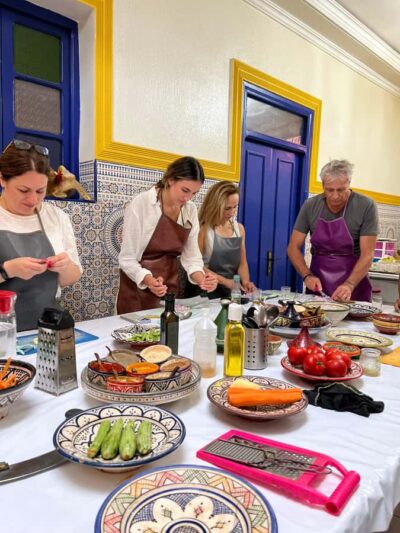
Marrakech: Traditional Moroccan Cooking Class & Market Visit
Read our review →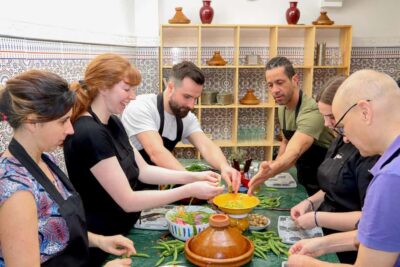
Marrakesh: Moroccan Dishes Cooking Class with a Local Chef
Read our review →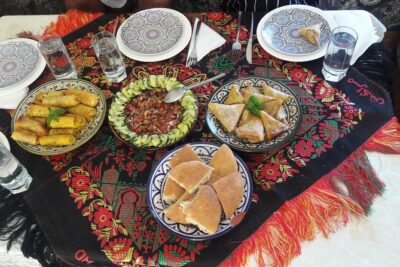
Moroccan Cooking Class & Marrakech Market Visit with Chef Khmisa
Read our review →
Half-Day Cooking Class with Local Chef Laila in Marrakech
Read our review →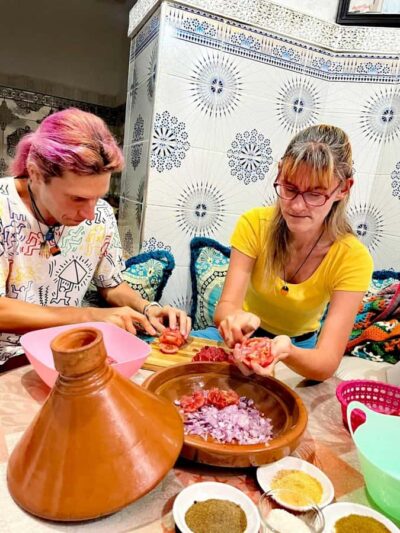
Marrakech: Moroccan Cuisine Cooking Class in Local Home
Read our review →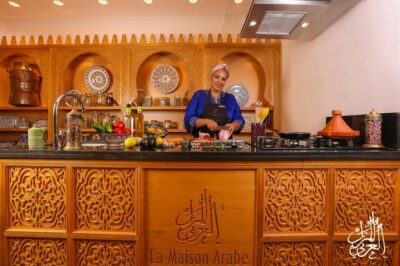
Marrakech: Moroccan Cooking Workshop at La Maison Arabe
Read our review →