
Review · TOKYO
Ramen Making from Scratch +Akihabara Tour –Cooking Class
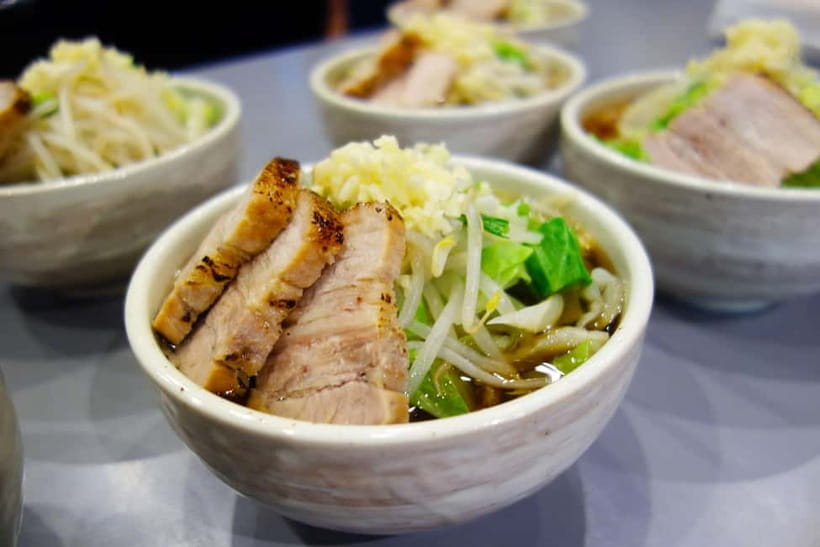
Akihabara is best known for anime, electronics, and bright signs, but this three-hour experience takes you past the usual shopping trail and into modern Japanese food culture. You start with a short walk through the district, inspect ramen ingredients at a local supermarket, then make your own Jiro-style ramen from flour in a central Tokyo kitchen.
I like the useful supermarket stop, where your guide explains the ingredients used that day. I also like the small group size, limited to six, and the fact that the class is taught in English. The main drawback is that this is not a full Akihabara tour, and the activity finishes at the kitchen studio rather than returning to the station.
Key points to know before booking
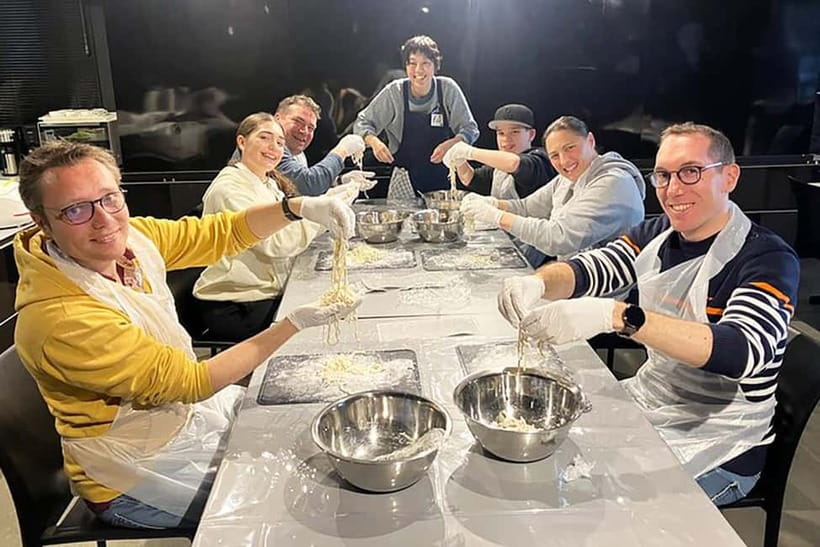
- Fresh noodles made by hand: You prepare the noodles from flour instead of simply assembling a prepared meal.
- A real supermarket stop: The guide explains Japanese ramen ingredients before you cook with them.
- Jiro-style ramen in English: This is a rare chance to learn this particular ramen style with English instruction.
- Small class of six or fewer: The format gives you more direct help while working with dough, broth, and toppings.
- Akihabara plus cooking: You get a short neighborhood walk before leaving the electric town for the kitchen.
- Plan your return: The class ends at Patia Kitchen Studios, not at JR Akihabara Station.
Why this ramen class is different from a standard cooking lesson
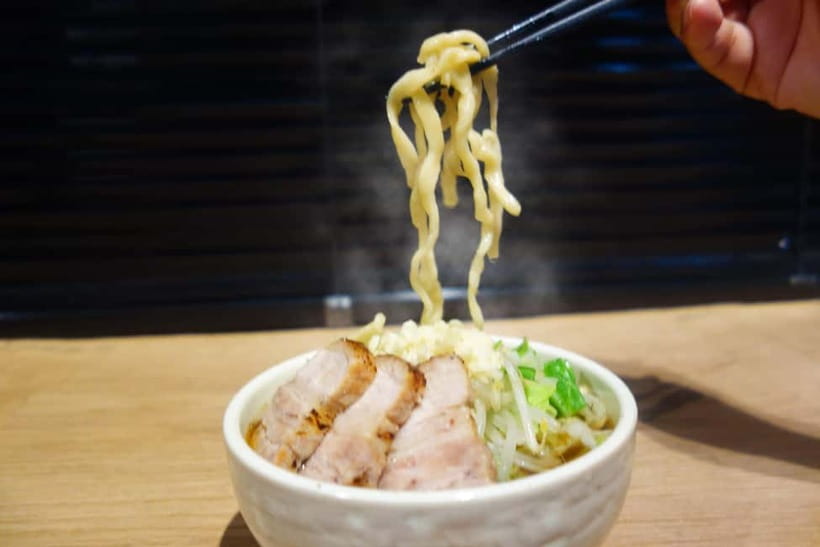
Many Japanese cooking classes focus on sushi, tempura, or a broad menu of familiar dishes. This one keeps its attention on ramen, and not just on assembling a bowl from store-bought components. You make the noodles, prepare the broth, and handle the toppings before eating the finished dish.
That matters because ramen is a combination of small decisions. The noodles need the right texture. The broth supplies the base flavor. The toppings give the bowl its weight and character. You get to see how those parts come together rather than treating ramen as a single mystery dish.
The class focuses on Jiro-style ramen, a hearty style known for fresh noodles, strong flavors, and generous toppings. The supplied information does not give a detailed recipe or portion size, so you should not book expecting a specific broth formula or a restaurant-style production line. What you can count on is a practical lesson built around making noodles, broth, and toppings from the beginning.
The experience also connects food with daily life in Japan. The supermarket visit is not filler. It gives you a look at the ingredients Japanese shoppers see in an ordinary food shop, along with an explanation of how those ingredients are used in the bowl you will cook.
More cooking classes around Tokyo:
- Ramen & Gyoza Cooking Class in Tokyo with Local Supermarket Visit
★ 5.0 · 823 reviews - Tokyo: Easy Ramen Cooking Experience in Kabukicho, Shinjuku
★ 4.6 · 321 reviews - Ramen and Sushi Cooking Class with Sake Pairing Set in Tokyo
★ 5.0 · 291 reviews
Starting at 11 AM in Akihabara
Your meeting time is 11 AM outside the Central Ticket Gate at JR Akihabara Station. This location is easy to understand once you are at the station, but be careful with the wording: you need to meet outside the central ticket gate, not simply somewhere inside the station.
Arrive early. If you are more than 10 minutes late, the group can leave without you, and no refund is provided for a missed departure. That rule matters because the first part is a walking tour, not a fixed cooking appointment where you can easily catch up.
The activity begins with about 20 minutes in Akihabara. Your guide leads you through some of the famous streets and popular spots on the way to the supermarket. You will see the district’s familiar mix of gadgets, anime, and pop culture, but this is a short orientation walk rather than a detailed history tour.
I like this opening because it gives the cooking lesson a sense of place. You are not simply dropped at a kitchen studio with no connection to Tokyo. You begin in one of the city’s most recognizable districts, then shift from screens and shopping to food and ingredients.
Keep your expectations measured. If you want hours of browsing electronics stores or visiting anime landmarks, you will need to plan that separately. The walk is about 20 minutes, so it works best as a compact introduction before the food portion.
Seeing Japanese ingredients at a local supermarket
The supermarket visit lasts about 20 minutes. Your guide takes you through the store and points out the ingredients used for the ramen prepared that day. This is a useful part of the experience for anyone who has stood in a Japanese supermarket and wondered what half the labels mean.
You can expect the guide to explain how the ingredients fit into Japanese cooking, though the exact products may vary. The class description says the ingredients used that day are explained, which suggests the shopping stop connects directly to the recipe rather than being a general grocery tour.
This is also where the experience feels most rooted in present-day Japan. A supermarket shows you ordinary food habits more clearly than a souvenir shop does. You see the practical side of cooking, including the packaged and fresh items used in everyday meals.
The stop is short, so it will not answer every question about Japanese cuisine. If you are hoping for a full food tour with tastings, this is not that. You visit the store to understand the ramen ingredients, then move on to cook.
Taking the train to the Patia kitchen studio
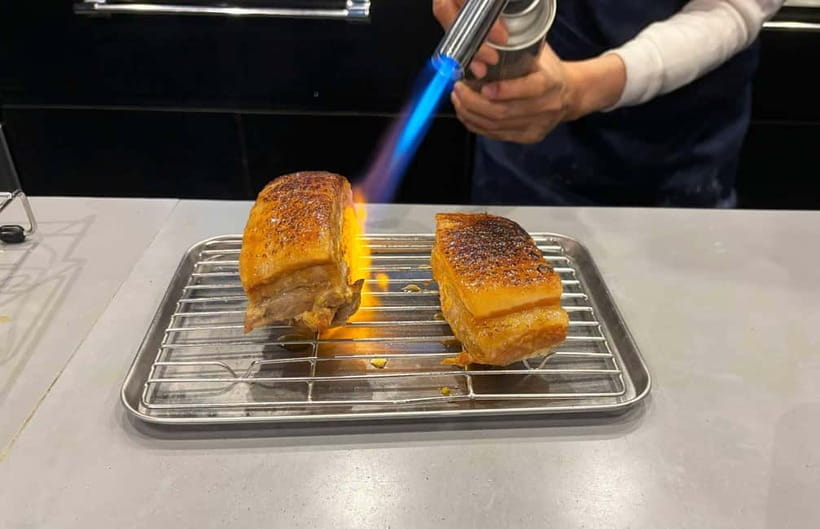
After the supermarket, you travel by train to the cooking venue. The ride takes about 15 to 30 minutes, depending on the route and conditions. The transportation from Suehirocho Station to the studio is not included in the price, so you need to use your own Suica or another IC card.
If you do not have an IC card, the guide will help you buy a ticket. Still, I recommend arriving in Tokyo with your payment method ready. A small transportation step can become a nuisance when you are trying to keep up with a group, especially if you are unfamiliar with Japanese ticket machines.
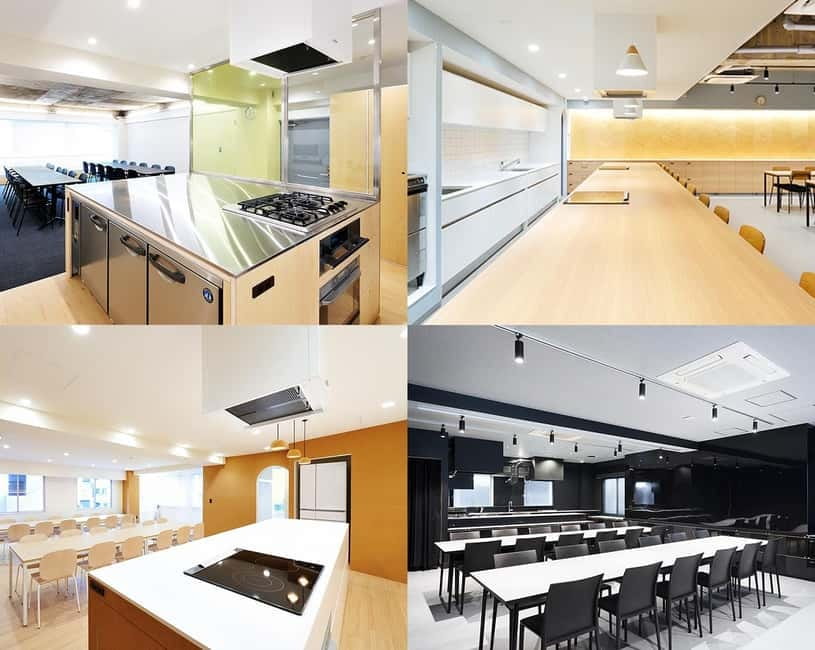
The cooking venue is a Patia Kitchen Studio, described as a modern, spacious studio in central Tokyo. It is a few minutes from the nearest station and has been used for Japanese television programs. The supplied information does not identify the exact studio branch or provide a return route, so you should check the meeting and end locations carefully before booking another activity afterward.
The class ends at the kitchen studio. It does not return to Akihabara Station, and hotel pickup and drop-off are not included. Allow extra time after the three-hour experience to find your next train or appointment.
Same kitchen, a different dish:
- Tokyo Tsukiji Fish Market Tour and Sushi Making Lesson
★ 5.0 · 390 reviews - Private Home Cooking in Yanaka – Local Flavors in a Warm Setting
★ 5.0 · 173 reviews - Unique Private Cooking Class with a Tokyo Local Emi
★ 5.0 · 131 reviews - Shinjuku Tokyo: Authentic Japanese Home-Style Culinary Class
★ 4.9 · 125 reviews
Making noodles, broth, and toppings in 90 minutes
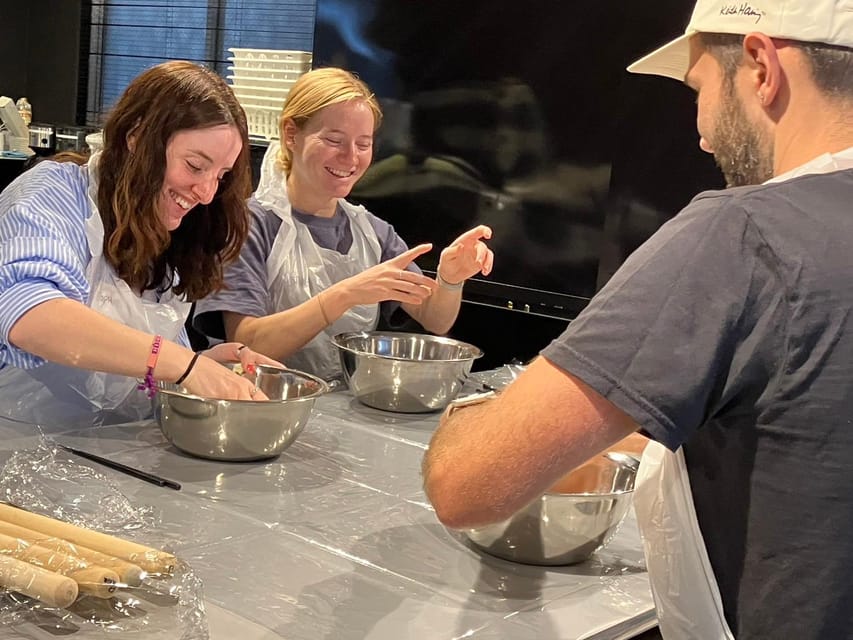
The cooking class takes about 90 minutes. An English-speaking instructor guides you through the process, including fresh noodles, broth, and toppings. Since the group is limited to six people, you are likely to have a more personal format than in a large demonstration class.
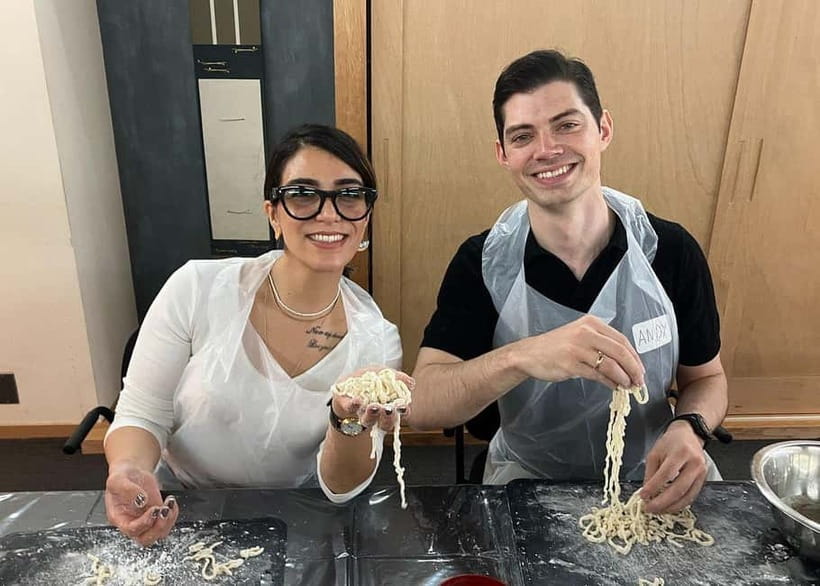
The hands-on noodle work is the central appeal. You begin with flour and turn it into ramen noodles rather than working with a prepared packet. That gives you a better sense of the labor behind the dish and the texture that separates fresh ramen from an ordinary instant meal.
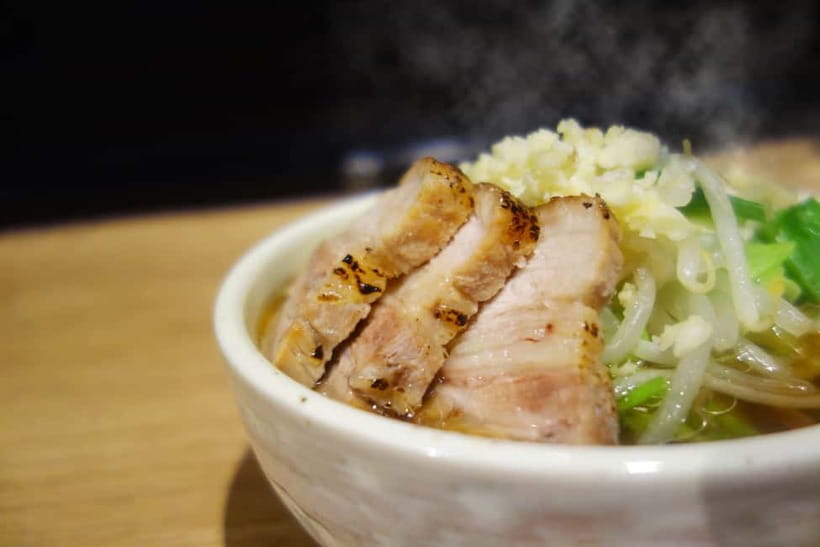
The broth and toppings are also prepared during the class. The information does not specify every ingredient or technique, so I would not assume that you will learn a restaurant kitchen’s entire process. Instead, think of it as a focused introduction to one bowl of Jiro-style ramen, with the instructor showing you how its main parts are prepared.
You will need to follow instructions, work with food, and possibly spend time standing. The experience is not suitable for people with back problems, wheelchair users, or children under five. Baby strollers are not allowed, and smoking is prohibited.
The instructor’s English is an important selling point. Food vocabulary can be difficult when a class moves quickly, and clear guidance helps when you are mixing dough or preparing several components at once. The class is specifically presented as an English-language Jiro-style ramen lesson, which makes it more useful for English-speaking visitors than a class where you simply watch a demonstration.
Eating the bowl you made yourself
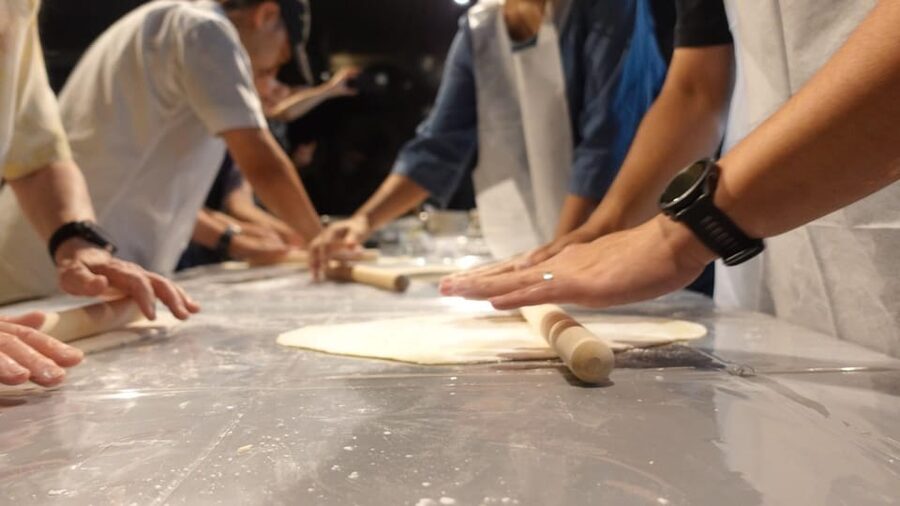
At the end, you eat the ramen you prepared. That final bowl is more than lunch. You have seen the ingredients, made the noodles, worked on the broth, and assembled the toppings. The meal gives the lesson a clear finish.
The style is described as Jiro-style, so expect a substantial ramen experience rather than a delicate tasting menu. The precise serving size and spice level are not provided. If you are sensitive to strong flavors or large portions, ask the instructor what to expect when the class begins.
The strongest praise for this experience centers on the food itself and the quality of the teaching. One Canadian participant described the homemade ramen as the best ramen eaten during a Japan trip, while Italian participants highlighted the guide, chef, and explanations of Japanese ingredients. Those comments point to the class’s two strongest features: you learn something practical, and the result can be genuinely satisfying.
The cooking studio setting also helps. A spacious, modern room is more comfortable for a hands-on lesson than a cramped home kitchen, especially when several people are working with dough and cooking equipment.
What the $120 price gets you
At $120 per person, this is not the cheapest way to eat ramen in Tokyo. You can find a bowl of ramen for far less. The value comes from combining several activities: a short Akihabara walk, a supermarket visit, train travel to the studio, an English-led cooking class, the meal, and downloadable photographs taken during the experience.
I think the price makes sense if you want a participatory food activity rather than a simple restaurant meal. You are paying for instruction, ingredients, a prepared venue, the guide’s time, and the chance to make fresh noodles. The small group limit of six also gives the class a more personal scale.
The value is weaker if your main goal is sightseeing in Akihabara. The neighborhood walk lasts about 20 minutes, and the tour does not include hotel transport or a return to the station. It is also not a good choice for vegetarians or vegans, since neither option is available.
A useful detail is the pork substitution. If you notify the provider more than 48 hours in advance, the chashu can be changed from pork to chicken. That helps some meat-eating visitors, but it does not make the class vegetarian or vegan.
Who will enjoy this most
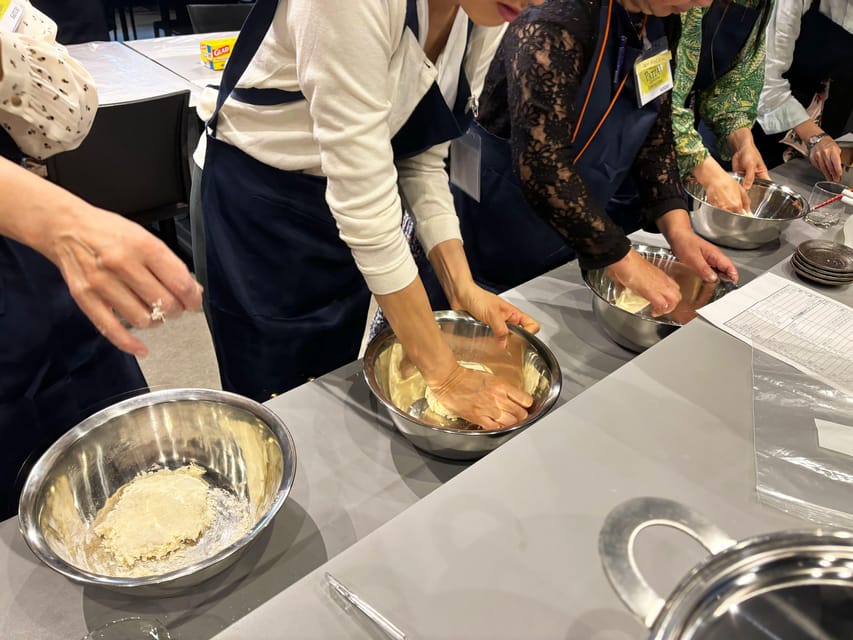
I would recommend this experience to you if you like learning by doing. It suits visitors who want to understand a Japanese dish at close range, rather than simply photograph it or eat it at a restaurant.
It is especially good for:
- Couples who want a shared activity in Tokyo
- Small groups interested in Japanese food
- English-speaking visitors who want direct instruction
- Ramen fans curious about making noodles from flour
- Repeat Tokyo visitors looking for something beyond shopping and temples
- Families with older children, provided everyone can stand and work comfortably
The minimum reservation is two people, so solo visitors cannot book this as a one-person activity. Children under five are not permitted, and the physical setup is unsuitable for wheelchair users or people with back problems.
Vegetarians and vegans should skip it. The available food is not suitable for those diets, and the chicken substitution only replaces the pork chashu. It does not turn the full recipe into a meat-free meal.
Timing, cancellation, and practical planning
The total duration is three hours, but the day does not end back at your meeting point. Build in extra time after the class because you finish at the studio. Do not schedule a tight reservation immediately afterward.
You can cancel up to 24 hours before the activity for a full refund. The reserve-now, pay-later option can help if your Tokyo plans are still shifting. Check the available starting time when booking, although the stated meeting time for this departure is 11 AM.
Wear clothing that allows you to work comfortably in a kitchen. The supplied information does not specify a dress code, but practical clothes are sensible for a class involving dough, broth, and toppings. Since the experience includes walking and train travel before the cooking begins, comfortable shoes will also make the morning easier.
Photography is part of the inclusions, with photographs available to download later. That is a pleasant extra for a hands-on activity, particularly if you would rather focus on cooking than taking pictures during the class.
Should you book the Akihabara ramen experience?
Book it if you want a small, English-language cooking class built around fresh noodles and a filling bowl of Jiro-style ramen. The supermarket stop gives the activity a useful local angle, and the short Akihabara walk adds a sense of place without taking over the morning.
Skip it if you want a full Akihabara sightseeing tour, a vegetarian meal, a wheelchair-accessible activity, or a class that returns you to the station. At $120, the experience earns its price through instruction and participation, not through the food alone.
For ramen fans, food-curious visitors, and couples looking for a practical Tokyo activity, this is a strong choice. Arrive early, bring your IC card, allow time for the train ride and the journey home, and remember that the final bowl is only part of what you are paying for. You are also learning how it comes together.
FAQ
Where does the ramen experience begin?
You meet at 11 AM outside the Central Ticket Gate at JR Akihabara Station.
Where does the experience finish?
The class ends at the Patia kitchen studio, which is a different location from the Akihabara meeting point.
How long does the activity last?
The experience lasts about three hours. This includes the Akihabara walk, supermarket visit, train ride, and approximately 90 minutes of cooking.
Is the class taught in English?
Yes. The activity includes an English-speaking guide and an English-speaking instructor.
Is train transportation included?
No. The train ride from Suehirocho Station to the studio is not included. You should use a Suica or another IC card, or buy a ticket with help from the guide.
Can the pork chashu be changed to chicken?
Yes. You must request the change more than 48 hours in advance. Vegetarian and vegan versions are not available.
Can a solo visitor book this experience?
No. A minimum of two people is required for each reservation.
Is the class suitable for children or wheelchair users?
Children under five are not permitted, and the activity is not suitable for wheelchair users or people with back problems. Baby strollers are also not allowed.
New cooking classes around Tokyo
- Shinjuku Tokyo: Authentic Japanese Home-Style Culinary Class★ 4.9 · 125 reviews
- Shibuya Tokyo: Onigiri & Tamagoyaki Cooking Class★ 5.0 · 4 reviews
- Japanese Knife Skills & Tuna Don/Sushi Workshop in Tokyo★ 5.0 · 3 reviews
- AKEMI’s SUSHiKiTCHEN: A fun sushi cooking lesson in Tokyo★ 5.0 · 5 reviews
- Tokyo: Private Japanese Cooking Class with a Local Chef★ 5.0 · 81 reviews
- Unique Private Cooking Class with a Tokyo Local Emi★ 5.0 · 131 reviews
- Japanese Home Cooking Class & Walk in Todoroki Temple Tokyo★ 5.0 · 88 reviews
- Private Home Cooking in Yanaka – Local Flavors in a Warm Setting★ 5.0 · 173 reviews
Tokyo Cooking Classes, side by side.

Ramen & Gyoza Cooking Class in Tokyo with Local Supermarket Visit
Read our review →
Tokyo Tsukiji Fish Market Tour and Sushi Making Lesson
Read our review →
Tokyo: Easy Ramen Cooking Experience in Kabukicho, Shinjuku
Read our review →
Ramen and Sushi Cooking Class with Sake Pairing Set in Tokyo
Read our review →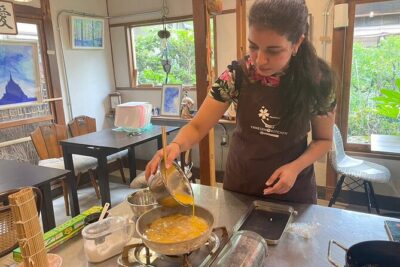
Private Home Cooking in Yanaka – Local Flavors in a Warm Setting
Read our review →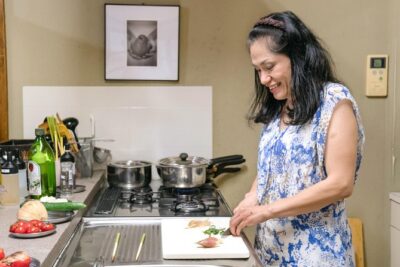
Unique Private Cooking Class with a Tokyo Local Emi
Read our review →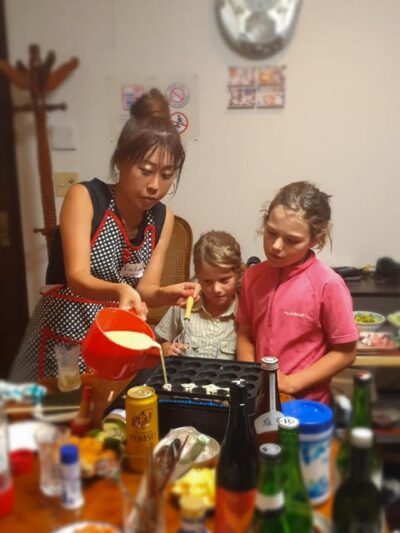
Shinjuku Tokyo: Authentic Japanese Home-Style Culinary Class
Read our review →
Japanese Home Cooking Class & Walk in Todoroki Temple Tokyo
Read our review →This kitchen also appears in