
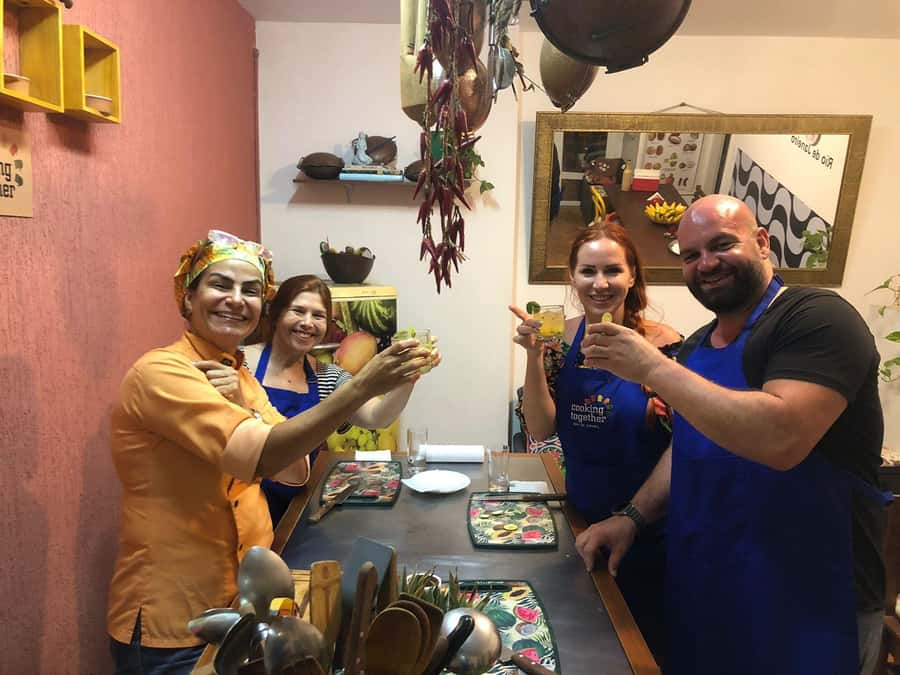
Review · COOKING CLASSES WORLDWIDE
Rio de Janeiro: Brazilian Cooking Class with Hotel Pickup
Brazilian cooking is the real star here. In a Copacabana kitchen, you choose between feijoada, the famous black bean and pork stew, and seafood moqueca, then prepare a full meal with a local chef. The class also brings in cachaça, coalho cheese, pepper jelly, brigadeiro, and two traditional drinks.
I like the hotel pickup and return, which take some of Rio’s transport hassle out of an afternoon. I also like the cultural side: chefs such as Carina and Simone explain why the dishes matter, not just how to chop and stir. The main consideration is traffic, especially in high season, when a four-hour outing can run longer.
Key points to know before booking
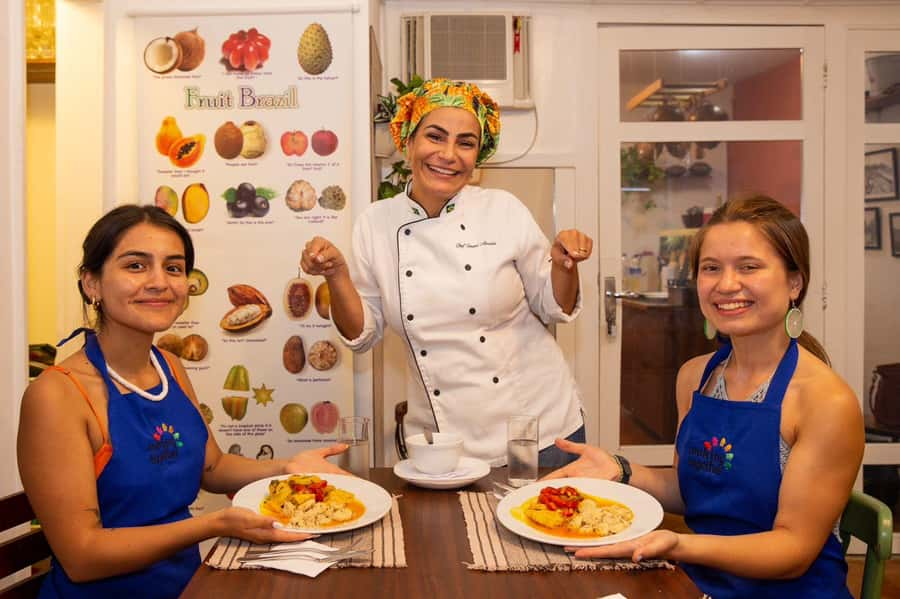
- Choose your main dish: Make feijoada with black beans and pork, or seafood moqueca with fish, coconut milk, and Brazilian seasoning.
- Cook a full Brazilian meal: Side dishes include coalho cheese with pepper jelly, sausage with onion flambéed in cachaça, and brigadeiro.
- Mix your own drinks: Prepare a classic caipirinha and a coconut shake as part of the cooking session.
- Pickup covers central Rio: Service is offered from most hotels in Leblon, Ipanema, Copacabana, Leme, Botafogo, Flamengo, and Centro, plus the cruise port.
- Expect a cultural lesson: Carina and Simone have been praised for patient teaching and clear explanations of Brazilian food traditions.
- Allow extra time in busy periods: High-season traffic and city crowds may stretch the four-hour schedule.
Why this Copacabana cooking class is worth your afternoon
This is more than a meal with a recipe card. You spend the afternoon learning how several familiar Brazilian foods fit together, then sit down to eat the results. That makes the experience a good choice if you have already seen Rio’s main sights and want something tied to daily culture rather than another lookout or beach stop.
The price is $117 per person. That is not a bargain cooking lesson, but it includes round-trip transportation, the chef-led class, and ingredients for all the dishes. In Rio, the transport alone has practical value, particularly if you are staying in one of the listed neighborhoods or arriving by cruise ship. You are also paying for instruction, a substantial meal, and the chance to ask questions while you cook.
I would view the price as fair for someone who wants a structured afternoon with little planning. It is less appealing if your main goal is simply to eat cheaply, since local restaurants will cost less. The value comes from the hands-on work, the food background, and the door-to-door transfer.
More cooking classes around the world:
- Half-Day Thai Cooking Class at Organic Farm in Chiang Mai
★ 5.0 · 19,087 reviews - Florence: Pasta Cooking Class with Unlimited Wine
★ 4.9 · 10,285 reviews - 3 in 1 Cooking Class near Navona: Fettuccine, Ravioli & Tiramisu
★ 5.0 · 7,376 reviews
From your hotel to a Copacabana kitchen
Pickup takes place in the afternoon. The service covers most hotels in Leblon, Ipanema, Copacabana, Leme, Botafogo, Flamengo, and Centro, and pickup is also available at the cruise port. You need to provide your location and confirm the pickup time in advance.
That coverage makes this easier to fit into a Rio itinerary. You do not need to find an unfamiliar kitchen on your own, and you can finish the meal without arranging a separate ride back. The transfer is also useful after a long day in the city, when navigating buses, taxis, or ride apps may feel like one task too many.
One practical warning: Rio traffic can be slow. In high season, the outing may last longer than four hours because of traffic and the large number of people in the city. I would avoid scheduling a tight evening reservation or airport transfer immediately afterward.
A driver was described as easy to spot and safe during one booking, which is helpful at pickup. Still, you should confirm the meeting details rather than assume the driver will find you instantly. Hotel entrances can be busy, and the service needs your correct location.
Choosing between feijoada and seafood moqueca
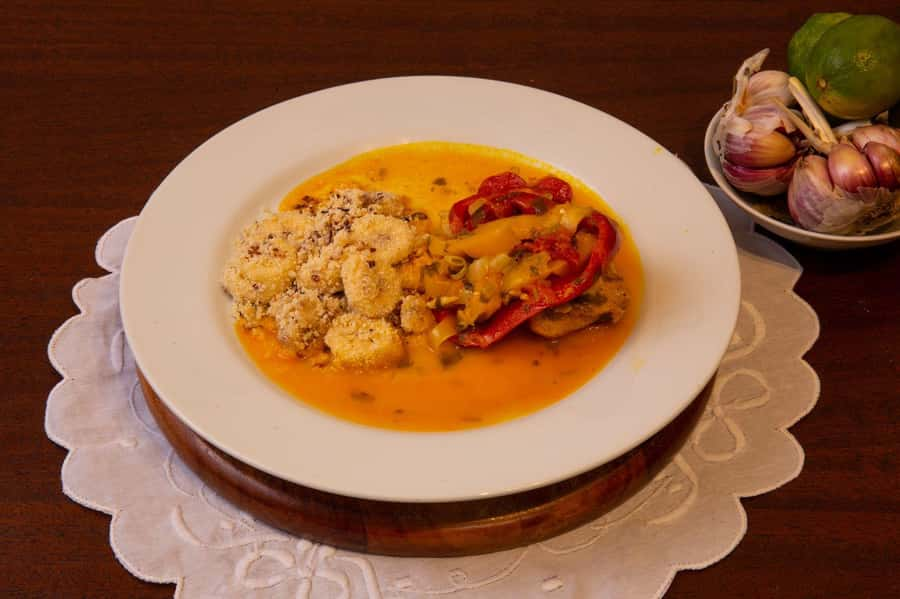
Before cooking, you choose the main dish. The two options give the class a useful split between Brazil’s inland and coastal food traditions.
Feijoada is a hearty black bean stew made with pork. It is filling, earthy, and built for a slow meal. If you want to understand the dish most often linked with Brazilian food abroad, this is the natural choice. The class gives you a chance to see how the ingredients come together instead of meeting feijoada only as a finished bowl.
Seafood moqueca offers a different profile. It is a fish stew made with coconut milk, giving the dish a softer, fragrant character. Choose it if you prefer seafood or want a taste associated with Brazil’s coastal cooking. It should also pair naturally with the class’s drink-making portion, though the exact ingredients and methods depend on the chef and the day.
The choice matters because the main dishes are quite different. Feijoada is substantial and pork-based, while moqueca is lighter in style and seafood-centered. If you have dietary restrictions, ask before booking or as soon as your pickup is confirmed. The information provided does not promise vegetarian, vegan, or allergy-specific substitutions.
The chef presents fresh ingredients and talks about how to select good produce. That small lesson has value beyond this meal. You get a practical look at what to notice when shopping for Brazilian ingredients, rather than simply following instructions with ingredients already measured out.
Cooking with Carina, Simone, and the local chefs
Instruction is available in Portuguese, Spanish, and English. That language range matters in a cooking class, where a missed phrase can mean a missed step. You should be able to follow the work and ask questions in one of those languages.
Carina has been praised as a fun teacher who helps both home cooks and people with little cooking experience learn something useful. That suggests a relaxed class pace rather than a lesson aimed only at serious cooks. You will still handle the food yourself, but you do not need to arrive with advanced knife skills.
Chef Simone has been described as thoughtful, patient, and clear about the cultural meaning of each dish. Her approach is especially useful if you want context along with recipes. Brazilian food is not just a list of ingredients, and learning why a dish matters can make the meal more memorable once you return home.
One couple had a private hands-on class, but you should not assume every departure is private unless that is confirmed for your booking. The experience is designed for participation, and the amount of direct time with the chef can depend on the group.
You may bring your own knives if you prefer. This is optional, not a requirement. Most people will likely find the provided kitchen equipment sufficient, but cooks who are particular about their tools may appreciate the option.
Same kitchen, a different dish:
- Florence: Pasta & Tiramisu Cooking Class with Unlimited Wine
★ 4.9 · 6,708 reviews - Florence: Pasta Cooking Class with Unlimited Wine
★ 5.0 · 6,413 reviews - Hanoi Cooking Class: Culture, Local Market & Meaning CSR Impact
★ 5.0 · 5,147 reviews - 5 Traditional Dishes Hanoi Cooking Class with Market Trip
★ 5.0 · 4,890 reviews
The side dishes add variety to the meal
The main course is only part of the afternoon. You also prepare several smaller dishes that show off different Brazilian flavors and techniques.
Coalho cheese with pepper jelly brings a simple sweet-and-spicy contrast. Coalho is a Brazilian cheese often associated with grilling, and the pairing gives you a quick taste of how a few strong flavors can work together.
The sausage with onion flambéed in cachaça is the more theatrical side dish. Cachaça is Brazil’s sugarcane spirit, best known as the base of a caipirinha. Flambéing adds a bit of show to the cooking, but you should still pay attention to the chef’s instructions because working with alcohol and heat requires care.
Brigadeiro rounds out the menu with a beloved Brazilian sweet. The activity description places brigadeiro among the dishes you prepare. However, the booking information also says dessert is not included, so I would confirm exactly how the brigadeiro portion is handled before you go. That clarification is worth making if dessert is important to you or if you have dietary restrictions.
Together, these side dishes make the class feel like a complete Brazilian dinner rather than a single-recipe demonstration. You move between savory, sweet, creamy, spicy, and spirit-based flavors. That variety also gives you more ideas to recreate at home.
Caipirinha and coconut shake
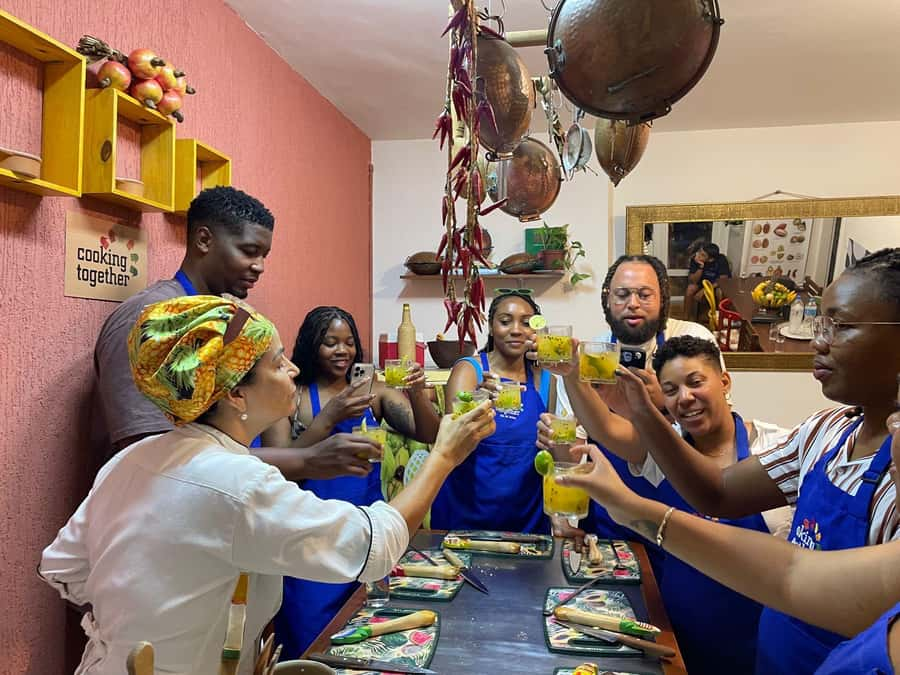
You do not just receive drinks with the meal. You mix a traditional caipirinha and a coconut shake during the class.
The caipirinha is Brazil’s best-known cocktail, made with cachaça. Learning to mix it yourself lets you adjust the balance of spirit, sweetness, and citrus to your taste. It also connects directly with the cachaça used in the flambéed sausage.
The coconut shake offers a cooler, non-cocktail contrast. It gives the drink portion a wider appeal, especially for people who do not want alcohol with every part of the meal. Both drinks are listed among the class activities, while additional drinks are not included.
That distinction matters. The ingredients for the planned dishes are covered, but any drinks beyond the included caipirinha and coconut shake may cost extra. If you are planning your budget closely, ask what counts as an additional drink before ordering anything else.
Sitting down to eat what you prepared
After the cooking, you sit down and eat the meal in a social setting. This is where the afternoon pays off. You are not watching a chef prepare food for someone else, then leaving hungry. You have worked through the dishes and can connect each flavor to a step you handled.
The meal also gives you time to share stories with the chef and other participants. One booking involved only a husband and wife, which shows that a small or private format can occur. Group size is not specified, so do not book on the assumption that you will have either a private class or a large group.
I like this format for couples, families, and solo visitors who want a social activity with a clear focus. It is also a good fit for repeat visitors to Rio. One couple who had already visited the city chose the class specifically for a different kind of experience, and it gave them a new way to spend an afternoon.
You should be comfortable with an active meal. This is not the right pick if you want to sit back while someone else does all the work. The cooking is the point, and the final meal is part of the reward.
Timing, language, and extra costs
The advertised duration is four hours, including the transfer, cooking, and meal portions as arranged by the operator. High-season traffic can extend the schedule. Give yourself breathing room before your next fixed appointment.
Pickup from the main listed neighborhoods is included. Pickup from Barra da Tijuca or Recreio dos Bandeirantes costs an additional $10 or 40 BRL per person. An adapted vehicle costs an additional $100 or 500 BRL, and you should notify the operator in advance if you use a wheelchair or have reduced mobility.
The class is offered in Portuguese, Spanish, and English. Confirm your preferred language when arranging pickup. That is especially important for a hands-on lesson, where small instructions affect the final dish.
Cancellation is flexible up to 24 hours before the activity for a full refund. You can also reserve now and pay later, which helps if your Rio plans are still shifting. These terms are useful, but I would still read the final booking conditions carefully before payment.
Who should book this Rio food experience?
I would recommend it most strongly to:
- People who want an active cultural experience: You cook, ask questions, and learn why the dishes matter.
- Repeat visitors to Rio: The class offers a change from the standard sightseeing circuit.
- Couples and small groups: The format works well for shared cooking and a long meal.
- Home cooks: You get recipes, ingredient guidance, and techniques you can try again.
- First-time cooks: The teaching is designed to be patient and approachable.
- Cruise passengers: Cruise-port pickup adds practical value if the timing fits your port schedule.
I would be more cautious if you have strict dietary needs, dislike seafood and pork, or want a short activity with no traffic risk. The two main choices are feijoada and seafood moqueca, and the provided information does not promise alternative menus. I would also skip it if you have a tight evening schedule during high season.
Should you book the Copacabana cooking class?
Book it if you want to understand Brazilian food by making it yourself. The combination of feijoada or moqueca, several side dishes, brigadeiro, caipirinha, and coconut shake gives you a broad introduction in one afternoon. Hotel pickup and return make the $117 price easier to justify.
The strongest reason to choose it is the teaching. Carina and Simone bring patience, cultural context, and a personal touch, which matters far more than simply being handed a recipe. Just confirm the pickup point, language, group format, and dessert details, then allow extra time for Rio traffic.
FAQ
How long does the Brazilian cooking class last?
The scheduled duration is four hours. High-season traffic and heavy city traffic can make the outing take longer.
What dishes can I choose to prepare?
You can choose between feijoada, a black bean and pork stew, and seafood moqueca, a fish stew made with coconut milk.
What other foods are prepared during the class?
The class includes side dishes such as coalho cheese with pepper jelly, sausage with onion flambéed in cachaça, and brigadeiro.
Are drinks included?
The class includes making a caipirinha and a coconut shake. Additional drinks are not included.
Where is hotel pickup available?
Pickup is offered from most hotels in Leblon, Ipanema, Copacabana, Leme, Botafogo, Flamengo, and Centro. Pickup is also available from the cruise port. Barra da Tijuca and Recreio dos Bandeirantes require an additional fare.
What languages does the chef speak?
Instruction is available in Portuguese, Spanish, and English.
New cooking classes around the world
- Shinjuku Tokyo: Authentic Japanese Home-Style Culinary Class★ 4.9 · 125 reviews
- Shibuya Tokyo: Onigiri & Tamagoyaki Cooking Class★ 5.0 · 4 reviews
- M.O.M COOKING CLASS★ 4.8 · 6 reviews
- Seville: Paella-Cooking Experience with Sangria & Full Meal★ 4.9 · 42 reviews
- Shanghai: Authentic Chinese Cooking Class with Master Chef★ 5.0 · 2 reviews
- Sestri Levante: Pesto & Cooking Classes, Wine Tasting★ 4.9 · 56 reviews
- Seville: Paella Cooking Class & 30-Min Local Expert Q&A★ 4.8 · 37 reviews
- Seoul: Korean Kimchi Cooking Class in the Heart of the City★ 5.0 · 3 reviews