
Review · TIRANA
Tirana: Traditional Cooking Class with Wine & Raki Tasting
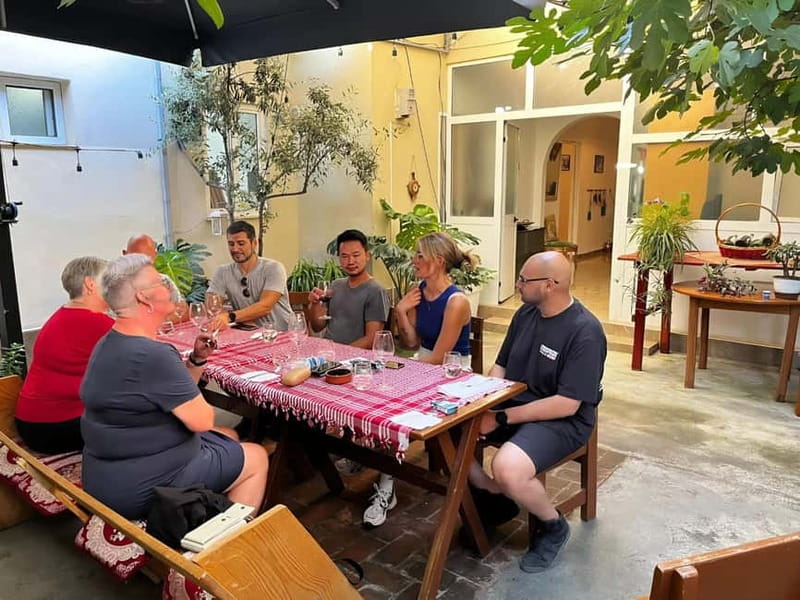
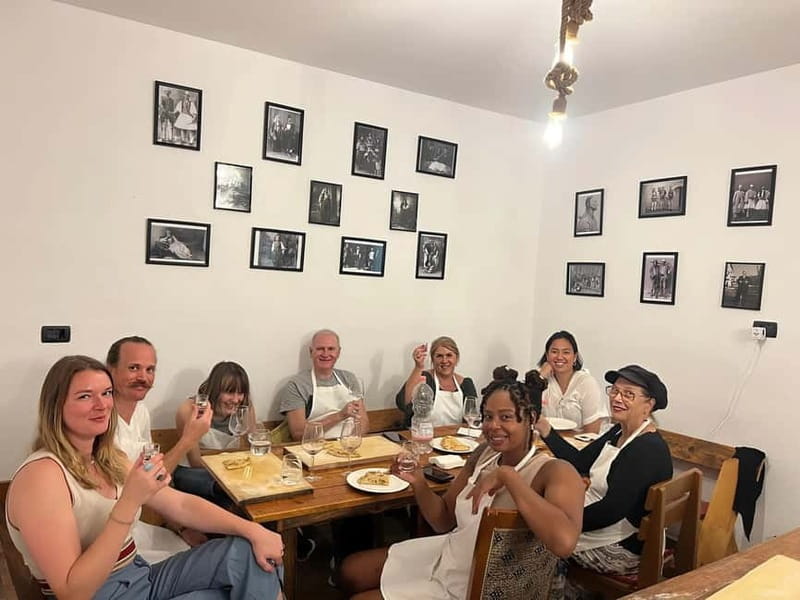
Albanian cooking comes with a generous table, and this four-hour Tirana class gives you a useful seat at it. Sindi leads the session with a warm, patient style, while family recipes, local ingredients, homemade wine, and raki turn a cooking lesson into a relaxed cultural afternoon.
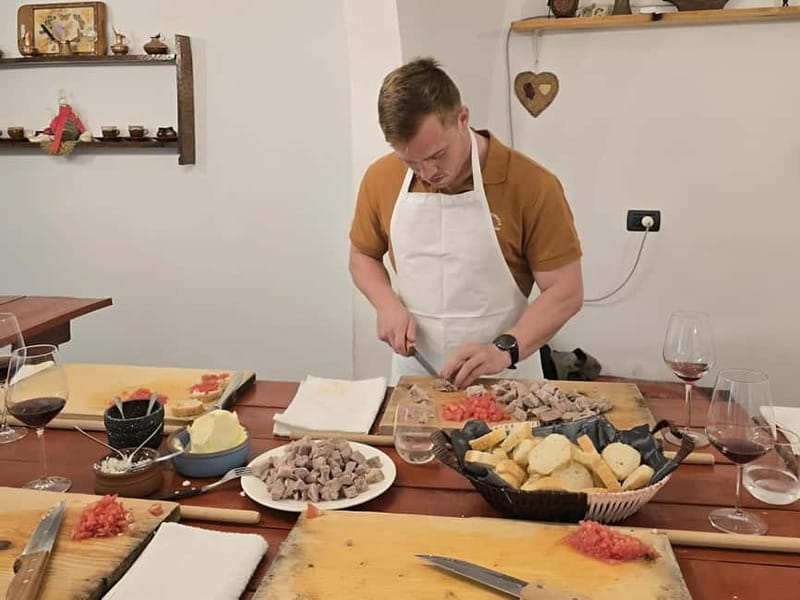
I like two things in particular: you learn dishes you can reasonably make at home, and the food keeps coming. The class covers Tave Kosi, lakror, appetizers, and dessert, with recipes provided afterward. The main thing to know is that you usually work as part of a team, so you may not personally make every dish from beginning to end.
Key details before you book
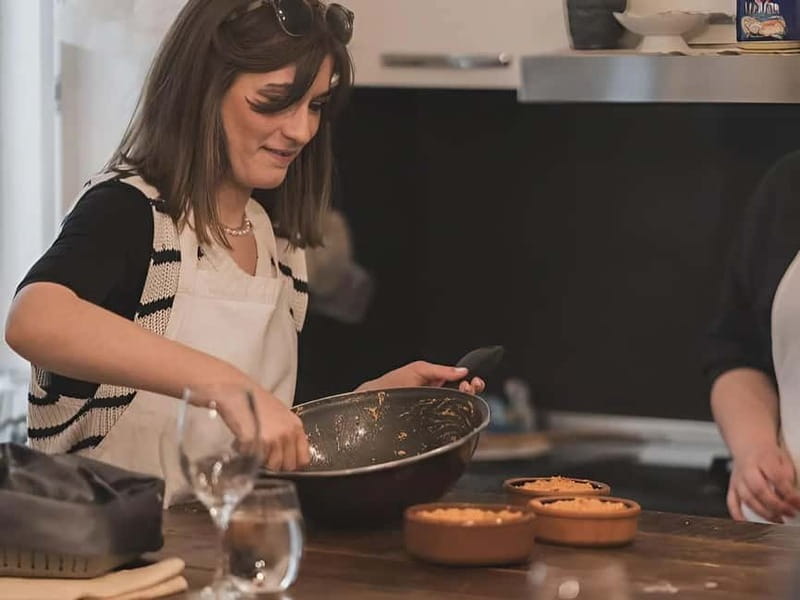
- Tave Kosi is the main event: Learn the lamb-and-rice dish linked with Ismail Qemali, Albania’s first prime minister.
- Sindi makes beginners feel at ease: Clear English instruction, patient explanations, and a light sense of humor help even reluctant cooks.
- Lakror is made from scratch: You prepare Albania’s own version of byrek, including the dough and filling.
- The meal is substantial: Plan for three or four courses, local appetizers, dessert, wine, and raki.
- The setting is social: Group size can vary, from a small gathering of three to a larger class of about nine.
- The price covers nearly everything: At $41 per person, ingredients, equipment, teaching, and drinks are included. Hotel transport is not.
Why this class works so well in Tirana
Tirana has plenty of cafés and restaurants, but a meal out often tells you only what Albanian food tastes like. This class gives you a better sense of how it is put together, why certain cooking habits matter, and how food fits into Albanian hospitality.
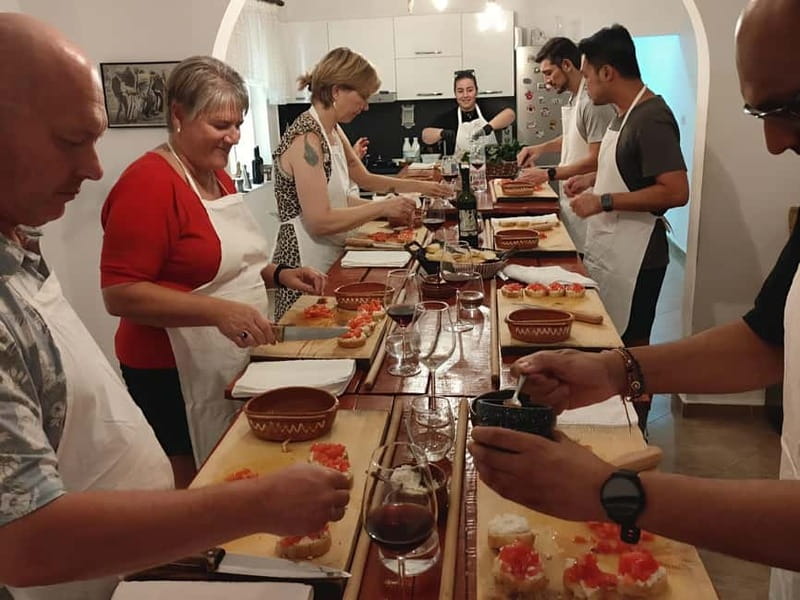
The family-run format helps. You are not simply watching a chef perform behind a counter. You meet the brother-and-sister team, hear about recipes passed down through the family, and take part in the preparation. Sindi handles the teaching with confidence, but the tone remains informal rather than school-like.
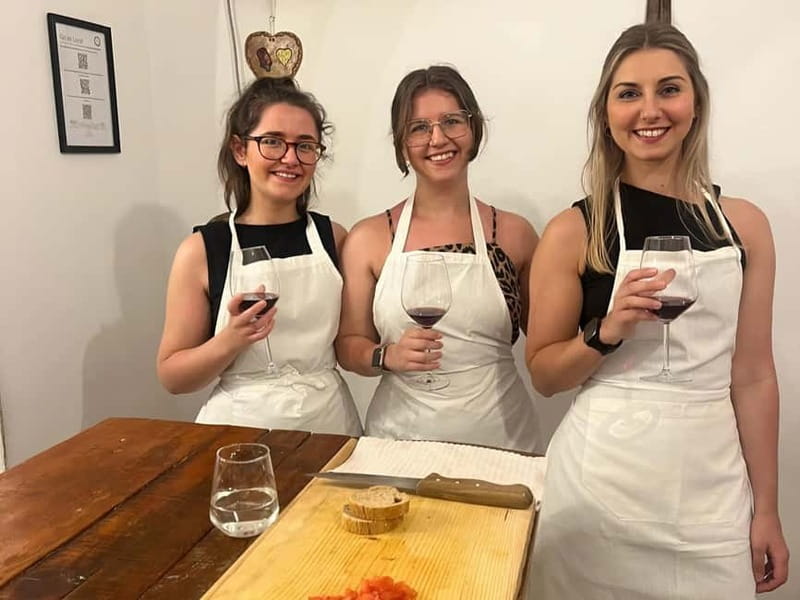
I also like the balance between instruction and conversation. You spend time chopping, mixing, rolling, and assembling food, then sit down to eat it with the group. Wine and raki are part of the experience, not an afterthought. The homemade red wine, produced by Sindi’s father, receives particular attention, and raki is served for those who want to try Albania’s best-known spirit.
This is a good choice for a rainy afternoon, a free day between sightseeing plans, or an evening when you want more than another restaurant meal. It can also be a useful introduction to Albanian food near the beginning of your stay, since you leave with recipes and a clearer idea of what to order elsewhere.
More Cooking Classes with Wine Tasting in the world:
- Florence: Pasta Cooking Class with Unlimited Wine
★ 4.9 · 10,285 reviews - Florence: Pasta & Tiramisu Cooking Class with Unlimited Wine
★ 4.9 · 6,708 reviews - Florence: Pasta Cooking Class with Unlimited Wine
★ 5.0 · 6,413 reviews
Meeting Sindi and getting settled
The class begins with introductions and a short explanation of the family connection behind the food. Clear meeting directions are sent in advance, and the kitchen has been described as clean, spacious, and well prepared. You do not need to bring ingredients, pans, utensils, or special equipment. Show up ready to cook.
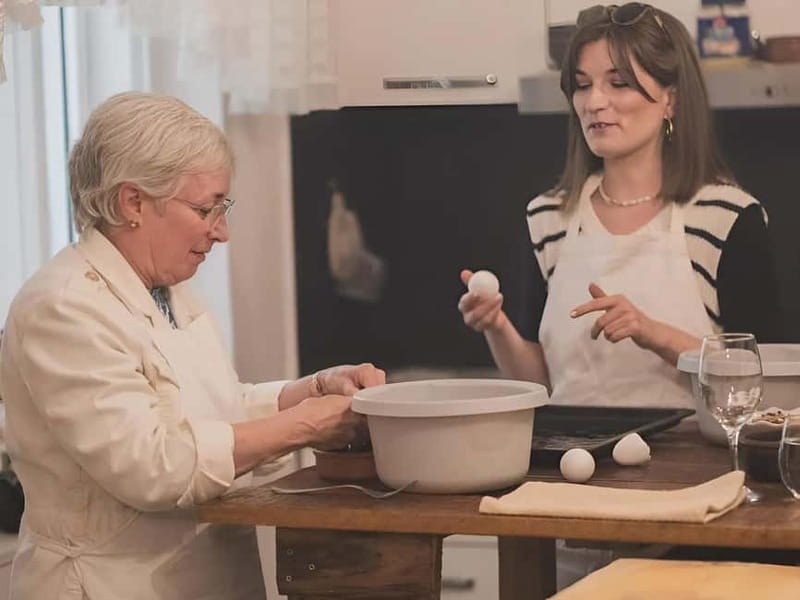
Sindi’s English is strong, including food vocabulary, so instructions are easy to follow. She explains each stage rather than rushing through a list of commands. That matters if you are not a confident cook. Several dishes are simple enough for beginners, and the class is designed to let you learn by doing without making you feel tested.
The atmosphere is one of the strongest parts of the experience. Sindi checks about allergies, food intolerances, and vegan preferences when planning the menu. That does not mean every dietary need can automatically be met, so you should still share your requirements in advance, but the attention is a useful sign of careful hosting.
You might work at an individual station or share tasks with a small team, depending on the group. That makes the class more social, but it also creates the one real limitation: you may help with one part of a recipe while another person handles the next step. If you want a full end-to-end lesson in each dish, this is not quite that format.
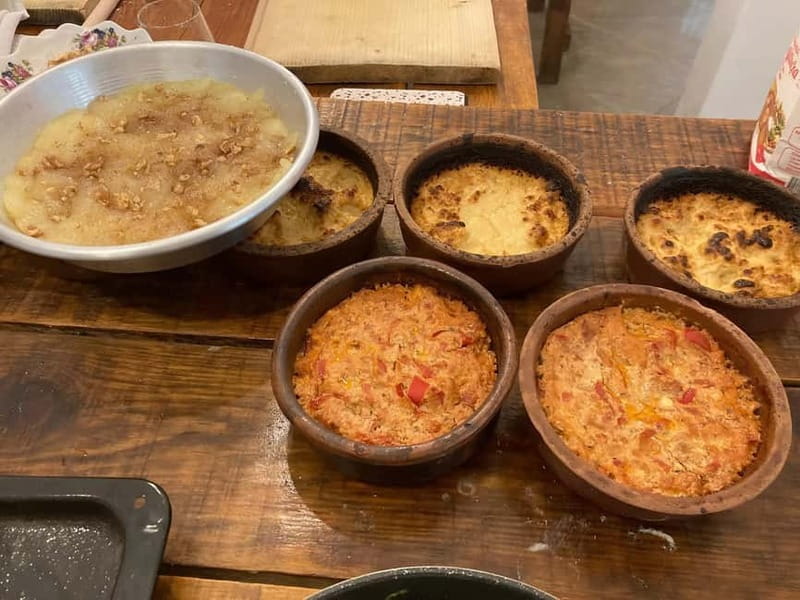
Tave Kosi, Albania’s hearty national dish
Tave Kosi is the centerpiece. It combines lamb and rice with a baked mixture that turns soft and savory in the oven. The dish is closely tied to Albanian national identity and is known as the Independence Dish because it was a favorite of Ismail Qemali, Albania’s first prime minister.
The history is brief, but it gives the food a useful sense of place. You are not just preparing a random local casserole. You are learning one of the dishes most often used to represent Albanian home cooking.
The class explains the rules behind Albanian cooking as well as the steps themselves. That can include how ingredients are combined, how food is seasoned, and why certain methods have been handed down. The value is practical: instead of memorizing a recipe with no context, you get a little insight into the habits behind it.
Tave Kosi is filling, so take the early warning seriously when Sindi suggests avoiding dinner plans afterward. The cooking may feel light and social, but the finished meal is not a small tasting menu. You may want a modest breakfast or lunch before attending, especially if your class begins later in the day.
Rolling out lakror from scratch
The second major lesson is lakror, an Albanian pastry related to byrek. The dough is prepared from scratch, then filled with ingredients such as spinach and cottage cheese. Rolling the dough is part of the fun, and it gives the class a more hands-on feel than simply assembling pre-made pastry.
This is also where the family cooking traditions come through most clearly. Homemade food often depends on texture and feel, not just exact measurements. Sindi can show you how the dough should look and behave, which is hard to learn from a recipe alone.
You may find that the group divides the work. One person rolls, another prepares the filling, and someone else handles the next stage. That shared approach keeps the pace manageable and gives everyone a role, but it means your personal contribution may be only one section of the finished lakror.
The good news is that you receive the recipes afterward. Even if another person in your group handled the final assembly, you can recreate the dish at home. For many people, that is a better souvenir than a small packaged food item.
More cooking classes around the world:
- Half-Day Thai Cooking Class at Organic Farm in Chiang Mai
★ 5.0 · 19,087 reviews - 3 in 1 Cooking Class near Navona: Fettuccine, Ravioli & Tiramisu
★ 5.0 · 7,376 reviews - Hanoi Cooking Class: Culture, Local Market & Meaning CSR Impact
★ 5.0 · 5,147 reviews - 5 Traditional Dishes Hanoi Cooking Class with Market Trip
★ 5.0 · 4,890 reviews
Dessert, appetizers, and the full Albanian table
The meal does not stop with the two signature dishes. Depending on the menu, you can prepare a traditional dessert such as sheqerpare, a sweet baked treat, along with several savory items. Homemade appetizers may include local sausage, honey, cheese, or other small tastes.
The exact menu can vary, so do not book expecting a fixed restaurant-style sequence. The consistent idea is a full spread of Albanian dishes rather than a single cooking demonstration. Some sessions produce three courses, while others are described as four courses with dessert.
That variation is worth considering if you have strict food preferences. At the same time, it gives the hosts room to work with seasonal produce and the needs of the group. The ingredients are described as fresh, local, and often organic when possible. Herbs and vegetables may come from the family garden, while wine and raki are made at home.
After the cooking, you sit down and eat what the group has prepared. This is not a quick final tasting before everyone leaves. The meal is part of the class, with time for conversation, wine, raki, and local food samples. You can expect to leave full.
Homemade wine and raki are part of the lesson
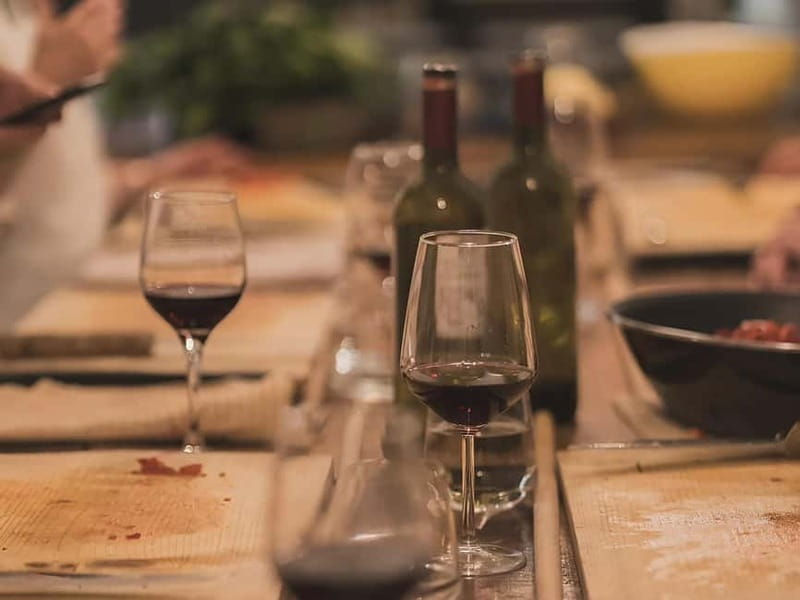
The drinks add a distinctly Albanian touch. Homemade red wine from Sindi’s father is served throughout the session, and raki is available for tasting. The wine has been described as a favorite feature, but you should remember that homemade alcohol varies in strength and style.
You do not have to drink. The class is still worthwhile for the food and instruction, and you can pace yourself. If you do try both drinks, keep in mind that four hours of cooking can pass quickly when conversation and refills are involved.
The drink service also changes the feel of the class. You are not being hurried through a demonstration so the next group can enter. The shared table encourages conversation among people from different countries, and the setting can feel more like being welcomed into a family kitchen than attending a formal course.
That social side is ideal if you are traveling alone or want an easy way to meet people. It may be less appealing if you prefer quiet, highly structured instruction. The class has lively energy, and the group dynamic is part of what you pay for.
What the $41 price really includes
At $41 per person, the value is strong because the price includes the cooking lesson, instructor, ingredients, equipment, and drinks. You are also receiving a full meal, dessert, homemade appetizers, and the chance to take the recipes home.
The comparison is not simply with the price of lunch in Tirana. A restaurant meal may cost less or more depending on where you eat, but it will not give you the preparation lesson, family stories, or recipes. A formal cooking school could offer more individual technique, but may not include the same relaxed hospitality and homemade drinks.
Hotel pickup and drop-off are not included. You need to make your own way to the meeting point, and the class provider sends directions. Build in enough time to find the location rather than arriving at the last minute with flour already flying.
Free cancellation is available up to 24 hours before the start time, and you can reserve now and pay later. Those terms are useful if your Tirana plans are still shifting, though the practical details of start times depend on the date you select.
Who will enjoy this most
I would recommend this class to first-time visitors who want a direct introduction to Albanian food. It also fits couples, solo visitors, families with older children, and small groups looking for a shared activity that is more personal than a standard food tour.
Beginners should feel comfortable. The recipes are not presented as difficult projects, and Sindi is patient about explaining each stage. You do not need to be someone who cooks regularly. In fact, the class seems especially useful if you usually avoid cooking but want to try something low-pressure.
Food lovers will appreciate the local ingredients and traditional recipes. People interested in Albanian culture will get extra value from hearing why certain cooking rules exist and how the recipes moved through the family.
I would think twice if you want precise one-on-one tuition or need to control every ingredient yourself. Shared preparation means you may miss part of a recipe in the moment, and the menu can change. You also need to be comfortable around wine and raki, even though drinking is not required.
Practical tips for a better afternoon
- Do not plan dinner afterward: The portions are generous, and the meal may include three or four courses.
- Tell the host about dietary needs: Sindi asks about allergies, intolerances, and vegan preferences, but early notice is still sensible.
- Bring an appetite, not equipment: Ingredients, cookware, and lesson materials are supplied.
- Pace the alcohol: Homemade wine and raki are available, but you can simply taste or decline them.
- Expect teamwork: You may prepare one part of a dish rather than complete every recipe alone.
- Save room for dessert: Sheqerpare and other sweets may appear after the savory courses.
- Keep the recipes: The written recipes give the experience value after you return home.
- Allow the full four hours: The final meal and conversation are important parts of the class, not spare time.
Should you book this Tirana cooking class?
Book it if you want a warm, social introduction to Albania through food, especially if Tave Kosi and lakror are new to you. The strongest reasons are Sindi’s clear English instruction, the family recipes, the substantial meal, and the chance to taste homemade wine and raki in a relaxed setting.
Skip it if your ideal cooking class requires private instruction, exact control of the menu, or a short demonstration with no group conversation. For most people, though, $41 is a fair price for four hours of teaching, food, drinks, and cultural context. Just arrive hungry, expect to share the work, and leave your evening open.
FAQ
How long does the Albanian cooking class last?
The class lasts four hours, including the cooking lesson, meal, drinks, and time to talk with the hosts and group.
How much does the experience cost?
The listed price is $41 per person.
Who teaches the class?
Sindi leads the class, working with the family team that runs the experience. The recipes come from family cooking traditions passed down through generations.
Is the class taught in English?
Yes. The instructor language is English.
What dishes will I learn to cook?
The class includes Tave Kosi and lakror. You may also prepare a traditional dessert such as sheqerpare, along with appetizers and additional local dishes.
What is Tave Kosi?
Tave Kosi is a traditional Albanian dish made with lamb and rice. It is associated with Ismail Qemali and is known as the Independence Dish.
Is food and drink included?
Yes. Ingredients, equipment, the cooking lesson, homemade wine, raki, and the food prepared during the class are included.
Do I need to bring cooking equipment?
No. The hosts provide the ingredients and equipment.
Is hotel pickup included?
No. Hotel pickup and drop-off are not included, so you need to reach the meeting point yourself.
Can I cancel the booking?
You can cancel up to 24 hours in advance for a full refund. The reserve-now, pay-later option also lets you hold a place without paying immediately.
New cooking classes around the world
- Shinjuku Tokyo: Authentic Japanese Home-Style Culinary Class★ 4.9 · 125 reviews
- Shibuya Tokyo: Onigiri & Tamagoyaki Cooking Class★ 5.0 · 4 reviews
- M.O.M COOKING CLASS★ 4.8 · 6 reviews
- Seville: Paella-Cooking Experience with Sangria & Full Meal★ 4.9 · 42 reviews
- Shanghai: Authentic Chinese Cooking Class with Master Chef★ 5.0 · 2 reviews
- Sestri Levante: Pesto & Cooking Classes, Wine Tasting★ 4.9 · 56 reviews
- Seville: Paella Cooking Class & 30-Min Local Expert Q&A★ 4.8 · 37 reviews
- Seoul: Korean Kimchi Cooking Class in the Heart of the City★ 5.0 · 3 reviews
Tirana Cooking Classes, side by side.
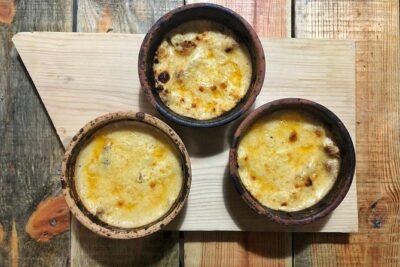
Cooking Classes and Traditional food tasting in Tirana
Read our review →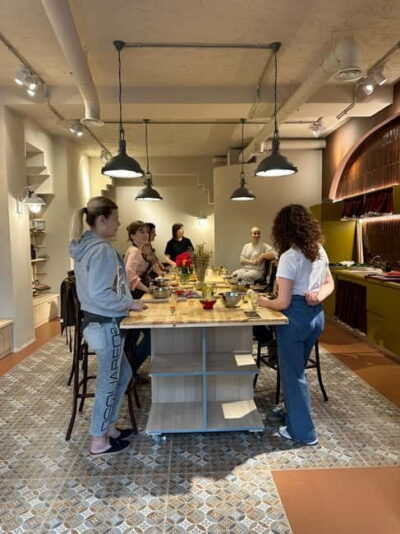
Traditional Albanian Cooking Class in Tirana & Raki Tasting
Read our review →This kitchen also appears in