
Review · TOKYO
Tokyo: Easy Ramen Cooking Experience in Kabukicho, Shinjuku
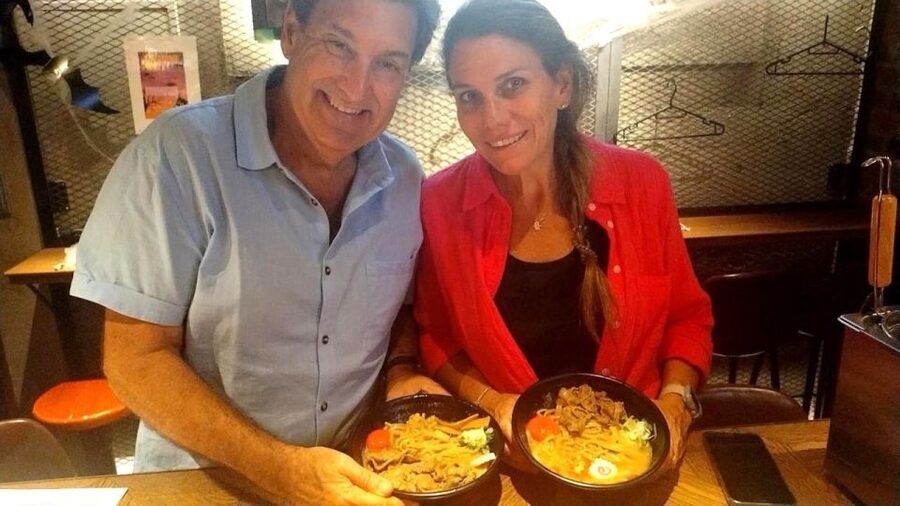
Ramen is more than noodles dropped into hot soup here. In about an hour at Shinjuku Ale, you learn how the dish is built, choose your soup and toppings, boil your noodles, and eat the bowl you assembled yourself. I especially like the small-group format and the way guides such as Tak, Hinata, and Mikhail make room for questions about Japanese food and Tokyo.
I also like the setting: a quirky upstairs bar in the middle of Kabukicho, close to the Godzilla statue. The main thing to know is that this is a shortened ramen lesson, not a full broth-and-noodle workshop. Real ramen stock and noodles can take many hours or days, and the broth is prepared in advance.
Quick points before you book
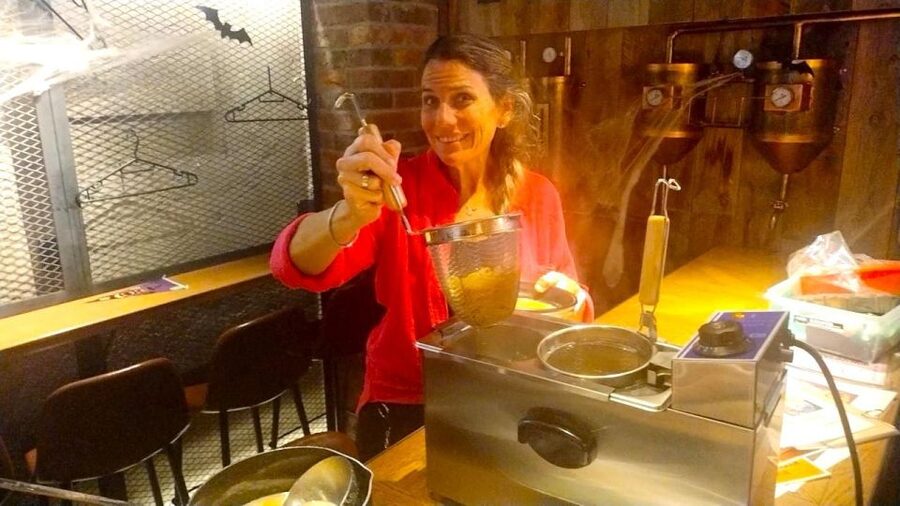
- You cook and eat your own bowl: Choose soup, boil noodles, add ingredients, and finish with toppings.
- The full ramen process is shortened: You learn how it works, but you do not make every broth and noodle component from scratch.
- The class is usually intimate: Groups can be as small as one person and are limited to about six.
- The price is reasonable: At $29, you get a one-hour lesson and a filling meal, with drinks and extras separate.
- The location is easy to pair with sightseeing: Shinjuku Ale is near Kabukicho’s Godzilla statue, so you can fit the class into a Shinjuku afternoon or evening.
- Check the restrictions: The class is not suitable for vegans, vegetarians, or people with gluten intolerance, and the venue is on the second floor without an elevator.
Ramen basics in the heart of Kabukicho
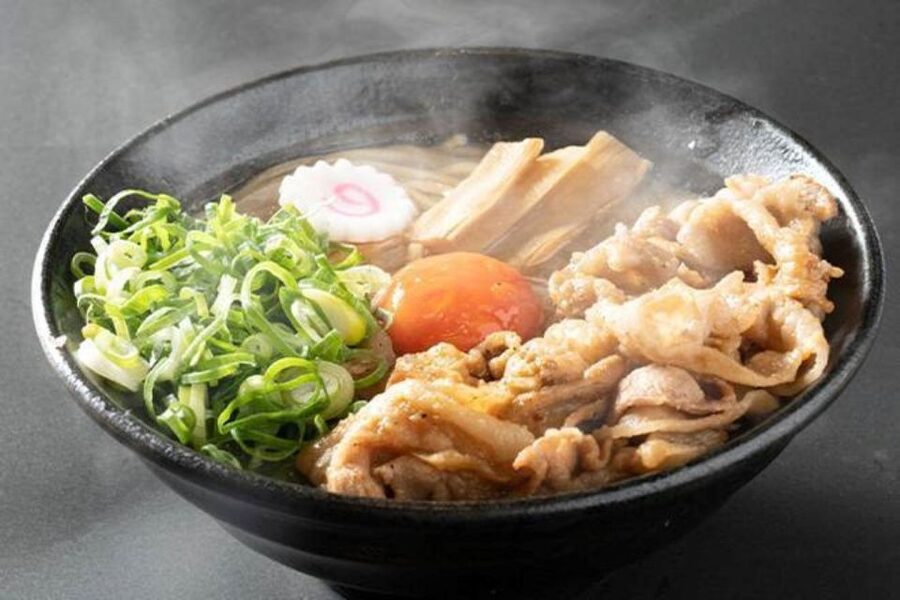
This experience gives you a useful introduction to one of Japan’s most adaptable dishes. Ramen combines noodles, soup, meat, eggs, vegetables, and other toppings in a single bowl, but the balance between those parts is what makes the dish work.
The session begins with an easy explanation of ramen’s background and the steps involved in producing it. You learn that a proper bowl is not a quick one-pot meal. The soup and noodles require preparation, and the stock may take many hours or several days to develop.
That context matters. You will not leave thinking ramen is simply instant noodles with a few toppings. You will understand why ramen shops guard their soup recipes and why a shortened home-style class has to prepare some elements before you arrive.
The explanation is designed for beginners. You do not need cooking experience, and the practical work is broken into clear stages. Guides have included Tak, Hinata, Mikhail, Michail, Nina, Chihiro, Shuma, and Kai. English ability varies by staff member, so a translation machine may be used, but the cooking steps are simple enough to follow.
More cooking classes around Tokyo:
- Ramen & Gyoza Cooking Class in Tokyo with Local Supermarket Visit
★ 5.0 · 823 reviews - Ramen and Sushi Cooking Class with Sake Pairing Set in Tokyo
★ 5.0 · 291 reviews - Private Home Cooking in Yanaka – Local Flavors in a Warm Setting
★ 5.0 · 173 reviews
Choosing soup and building your bowl
After the introduction, you begin assembling the meal. You choose your soup, boil the noodles, and add the ingredients to your bowl. The point is not to test your restaurant skills. It is to help you understand how each part affects the final taste.
The customization gives the class some personality. You can adjust the contents to your preference, and one session specifically praised the option to make a spicy ramen bowl. Guides help you decide how to arrange the ingredients and explain the role of the seasonings and toppings.
The broth contains pork, chicken, and beef. It is a secret recipe, so the staff cannot provide a full ingredient list. This is an important detail for anyone with allergies or strict dietary requirements. The supplied information also identifies the class as unsuitable for vegetarians, vegans, and people with gluten intolerance.
The cooking itself is approachable. You boil the noodles, prepare the provided ingredients, and bring everything together in the bowl. A family with teenagers can take part, and even a 10-year-old was able to make ramen with help from a guide. Children under four are not accepted, and anyone under 20 must be accompanied by a parent or guardian.
What the one-hour schedule really includes
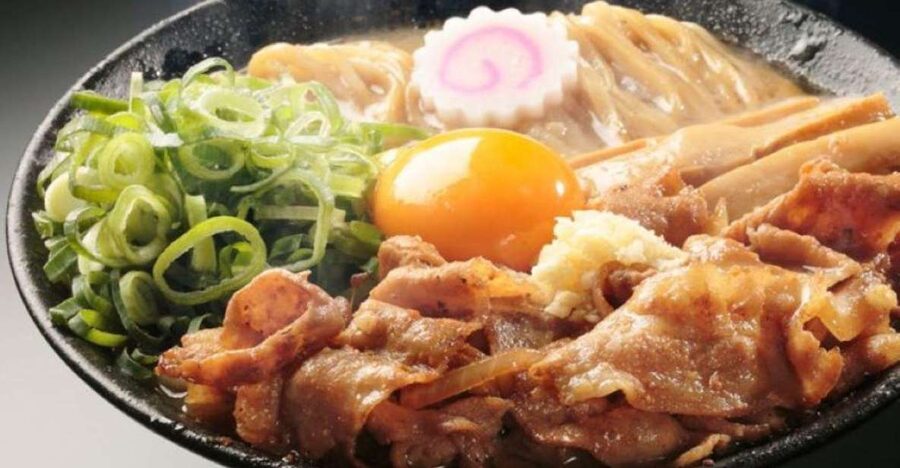
The one-hour format is the main reason this class fits neatly into a Tokyo itinerary. You receive the food lesson, hands-on preparation, and meal without giving up half a day.
The tradeoff is scope. You do not spend hours simmering stock or several days making noodles. Those steps take too long for a short class, so the experience uses a shortened recipe. You still learn what goes into the soup and how the dish is put together, but the class is closer to a guided ramen assembly and cooking lesson than a professional culinary course.
That is not a flaw if you book it for the right reason. I would choose this class to gain a practical understanding of ramen and enjoy a meal in an entertaining setting. I would not choose it if my main goal were to learn a complete broth recipe that I could reproduce from raw ingredients at home.
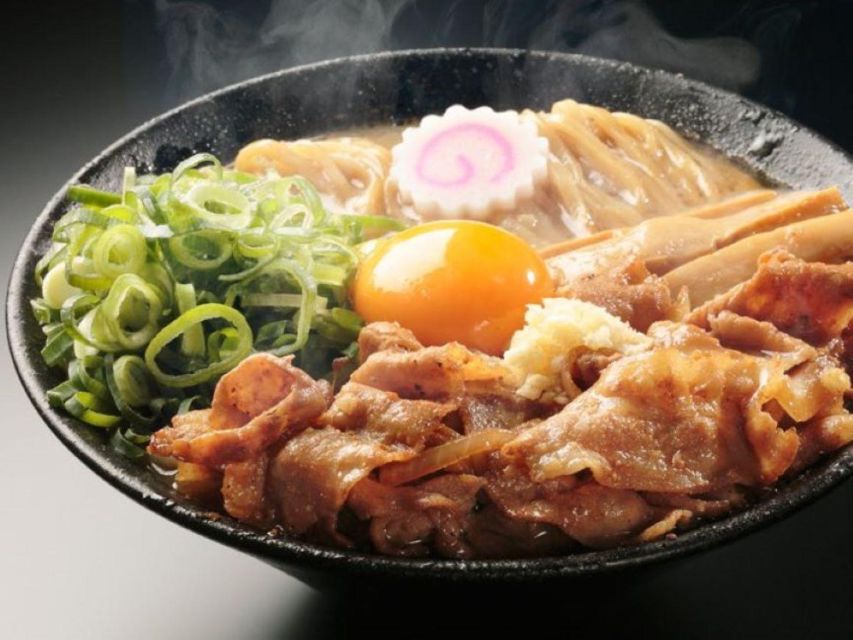
The final eating period is part of the activity, not an afterthought. You sit down with the bowl you made, taste the balance of soup, noodles, meat, and toppings, and finish when you have eaten. The meal is described as filling, and several sessions included enough food to serve as a proper lunch or light dinner.
A small class with room for conversation

The group size can be as large as six, but sessions may be smaller. Some people have had a private class alone, while other groups have included four participants. That size gives you more space to ask questions and makes the cooking easier to follow than a large demonstration.
The guides are one of the strongest parts of the experience. Tak has helped families, late arrivals, and first-time cooks. Hinata has carefully explained the difference between the full ramen process and the shortened version. Mikhail and Michail have been praised for clear explanations and practical tips, while Nina and Shuma have led friendly, engaging sessions.
English support depends on the staff member working that day. Some guides speak excellent English, while others may rely on a translation device. You should be able to follow the cooking steps, but do not expect every session to feel like a polished English-language lecture.
The informal setting also makes it easy to ask about Japan beyond ramen. Guides have offered suggestions for other Japanese dishes and places to see in Tokyo. That can be a useful bonus if you are still deciding what to eat or visit next.
Same kitchen, a different dish:
- Tokyo Tsukiji Fish Market Tour and Sushi Making Lesson
★ 5.0 · 390 reviews - Unique Private Cooking Class with a Tokyo Local Emi
★ 5.0 · 131 reviews - Shinjuku Tokyo: Authentic Japanese Home-Style Culinary Class
★ 4.9 · 125 reviews - Japanese Home Cooking Class & Walk in Todoroki Temple Tokyo
★ 5.0 · 88 reviews
Shinjuku Ale and the Godzilla landmark
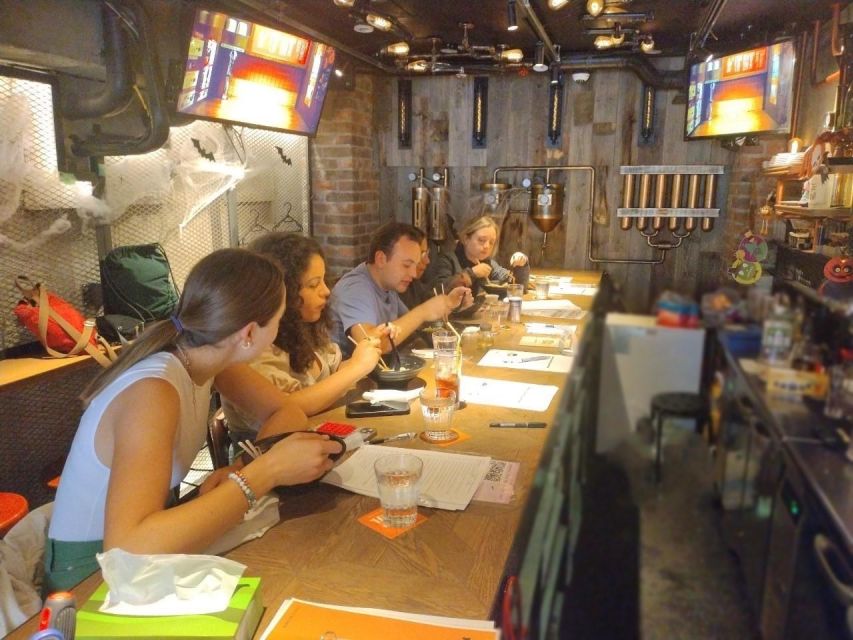
The meeting point is Shinjuku Ale, an upstairs venue in Kabukicho. The bar has a quirky, characterful feel, with decorative details and unusual bottles on display. You may see habushu, a Japanese snake-infused liquor, behind the bar.
The location is practical for sightseeing. It is near the Godzilla statue, and the surrounding Kabukicho streets give you plenty to look at before or after class. You can combine the lesson with a walk through Shinjuku without arranging extra transportation.
Give yourself time to find the building. Shinjuku Station is famously complicated, and one participant arrived late after leaving early because the station took longer to navigate than expected. The meeting point is upstairs on the second floor, and there is no elevator.
When you arrive, tell the staff that you are there for the ramen trial reservation. Bring an ID card, with a copy accepted according to the activity information. Transportation to the venue is not included, so you make your own way there.
Price, extras, and what you actually receive
At $29 per person, this is good value if you want both a food activity and a meal. A one-hour cooking class in central Tokyo can easily cost more when it includes a full meal, and this one also gives you direct help from a guide.
The value is strongest for first-time visitors who want an activity that is easy to fit between Shinjuku sights. You are not paying for a long technical workshop. You are paying for a friendly introduction, hands-on preparation, and a bowl of ramen you helped create.
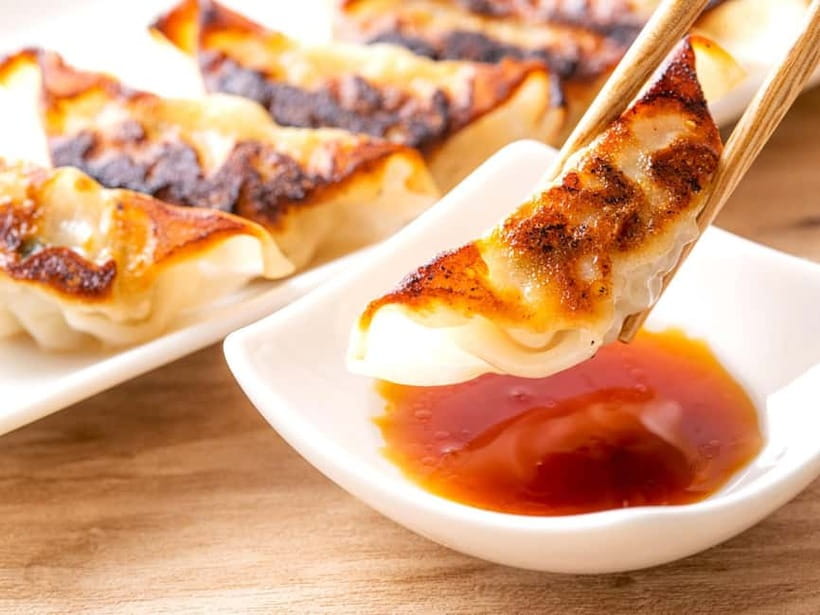
Bottled drinks, extra food, and additional drinks are not included. Some bookings have offered add-ons such as gyoza and an alcoholic drink. One group received five gyozas per person, which made the extra option more substantial than expected. Ask about the current choices and prices before ordering, especially if you are watching your budget.
Alcohol is forbidden by law for anyone under 20. The standard meal includes ramen, but do not assume drinks or gyoza are part of the $29 price.
Free cancellation is available up to 24 hours before the activity for a full refund, and you can reserve now and pay later. Those terms are useful when your Tokyo schedule is still changing, though modifications remain subject to the booking conditions.
Taste, salt, and dietary limits
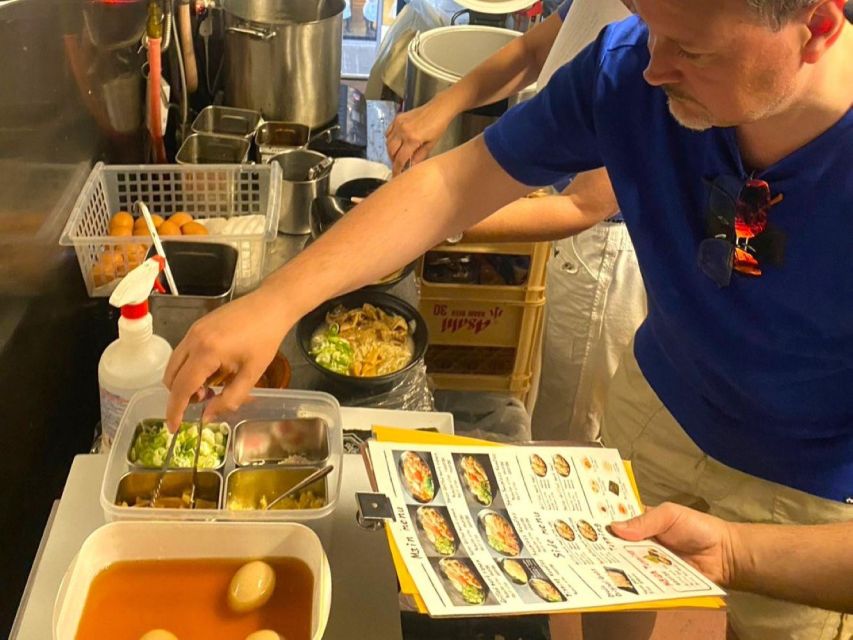
The ramen is generally designed to be satisfying rather than delicate. You choose the soup and toppings, and the finished bowl can be customized to suit your taste. The spicy option is worth asking about if you prefer more heat.
There is one useful caution about the broth. One bowl was considered too salty, and the stock available in that session was pork-based. Since the recipe is secret and contains pork, chicken, and beef, this class is not a fit for anyone needing a specific meat-free or medically controlled broth.
You also cannot avoid the wheat noodles if you have gluten intolerance. The class is specifically unsuitable for people with gluten intolerance, vegans, and vegetarians. For everyone else, the meal is substantial enough that you probably do not need to plan a second lunch immediately afterward.
Professional photos may be offered at the end for an additional purchase. This is optional, not part of the included activity. You may also receive water or a takeaway container if needed, though those small extras should not be treated as guaranteed features.
Who will enjoy this ramen class
I would recommend it most strongly to:
- First-time visitors who want a simple introduction to Japanese food culture.
- Couples and families looking for a short activity in Shinjuku.
- Teenagers and older children who enjoy making their own meal.
- People who like asking guides about food, local dishes, and Tokyo.
- Anyone who wants a break from restaurant meals without committing to a full cooking school.
- Ramen fans who want to understand the parts of the dish, not only eat it.
It is less suitable for serious cooks seeking a complete ramen recipe. The broth and some noodle work happen before the class, so you will not gain full control over every stage.
It is also not a good choice for strict vegetarians, vegans, people with gluten intolerance, or anyone who needs a complete ingredient list. The meat content and secret recipe make that limitation clear.
My verdict: book it for a fun meal, not a full culinary course
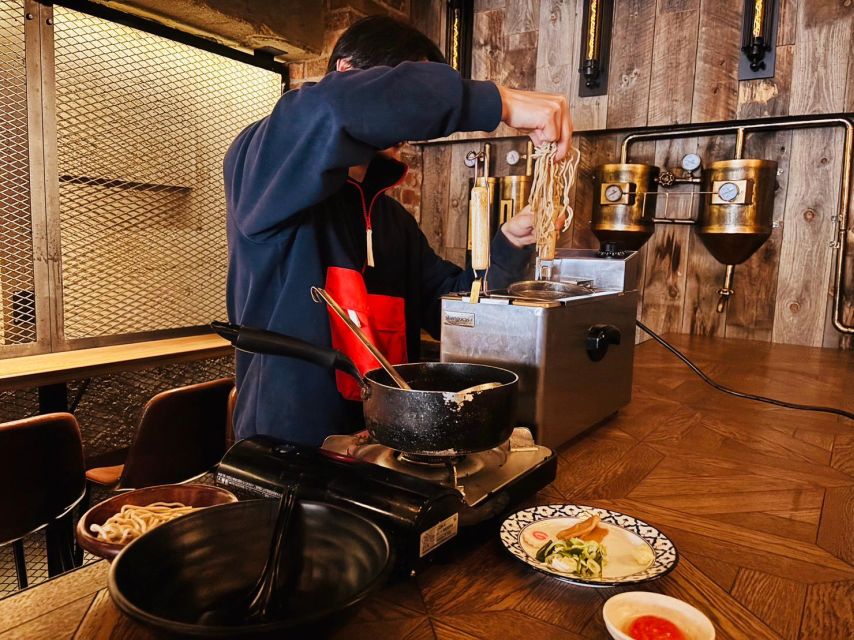
I would book this class if I wanted a relaxed Shinjuku activity with a clear result: a hot bowl of ramen that I helped prepare. The short length, central location, small groups, and friendly guides make it easy to add to a day around Kabukicho.
The class earns its price through participation, not technical depth. You boil the noodles, choose the soup, add the toppings, and learn why the long ramen-making process is shortened for visitors. That is enough to make the meal feel personal without pretending you have mastered professional ramen production.
Book it if you want an approachable food experience, a filling meal, and a chance to chat with guides such as Tak, Hinata, or Mikhail. Skip it if you need vegetarian or gluten-free food, dislike the idea of a prepared broth, or want to spend hours making stock from the beginning.
FAQ
How long does the ramen cooking experience last?
The activity lasts about one hour, including the explanation, cooking, and time to eat your ramen.
Where does the class take place?
It takes place at Shinjuku Ale in Kabukicho, Shinjuku. The venue is on the second floor and has no elevator.
What do I do during the class?
You learn about ramen, choose your soup, boil the noodles, add the ingredients and toppings, and eat the bowl you make.
Do I make the ramen broth and noodles completely from scratch?
No. The full process takes many hours or days, so the class uses a shortened recipe. Some soup and noodle preparation is completed before the session.
Does the ramen contain meat?
Yes. The soup contains pork, chicken, and beef. The full recipe is secret, so the staff cannot provide every ingredient.
Is the experience suitable for vegetarians or vegans?
No. The activity is not suitable for vegetarians or vegans.
Is the class suitable for people with gluten intolerance?
No. The activity is not suitable for people with gluten intolerance.
Are drinks and gyoza included?
The included package covers the ramen cooking experience and meal. Bottled drinks, additional food, and drinks are not included. Some booking options may offer gyoza and alcohol at an extra cost.
Can children join the class?
Children under four cannot join. Participants under 20 must be accompanied by a parent or guardian, and anyone under 20 is legally prohibited from drinking alcohol.
New cooking classes around Tokyo
- Shinjuku Tokyo: Authentic Japanese Home-Style Culinary Class★ 4.9 · 125 reviews
- Shibuya Tokyo: Onigiri & Tamagoyaki Cooking Class★ 5.0 · 4 reviews
- Ramen Making from Scratch +Akihabara Tour –Cooking Class★ 5.0 · 25 reviews
- Japanese Knife Skills & Tuna Don/Sushi Workshop in Tokyo★ 5.0 · 3 reviews
- AKEMI’s SUSHiKiTCHEN: A fun sushi cooking lesson in Tokyo★ 5.0 · 5 reviews
- Tokyo: Private Japanese Cooking Class with a Local Chef★ 5.0 · 81 reviews
- Unique Private Cooking Class with a Tokyo Local Emi★ 5.0 · 131 reviews
- Japanese Home Cooking Class & Walk in Todoroki Temple Tokyo★ 5.0 · 88 reviews
Tokyo Cooking Classes, side by side.
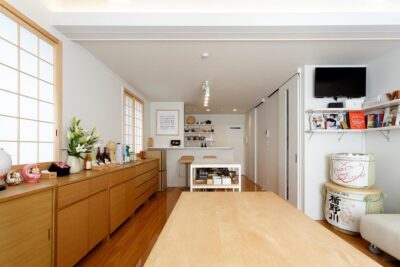
Ramen & Gyoza Cooking Class in Tokyo with Local Supermarket Visit
Read our review →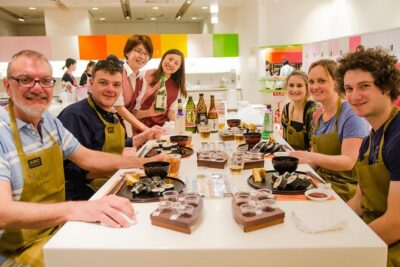
Tokyo Tsukiji Fish Market Tour and Sushi Making Lesson
Read our review →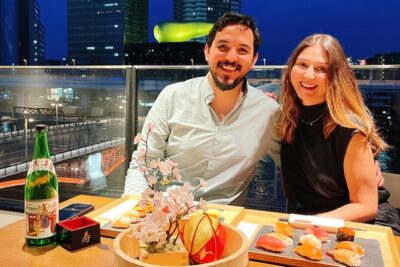
Ramen and Sushi Cooking Class with Sake Pairing Set in Tokyo
Read our review →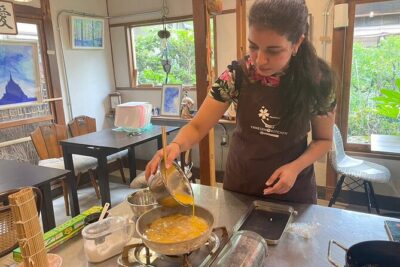
Private Home Cooking in Yanaka – Local Flavors in a Warm Setting
Read our review →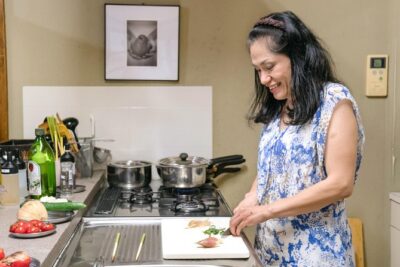
Unique Private Cooking Class with a Tokyo Local Emi
Read our review →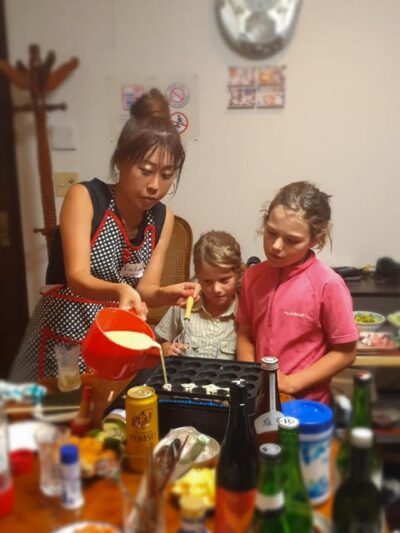
Shinjuku Tokyo: Authentic Japanese Home-Style Culinary Class
Read our review →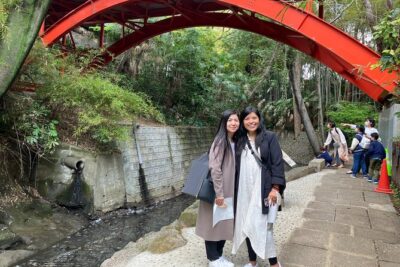
Japanese Home Cooking Class & Walk in Todoroki Temple Tokyo
Read our review →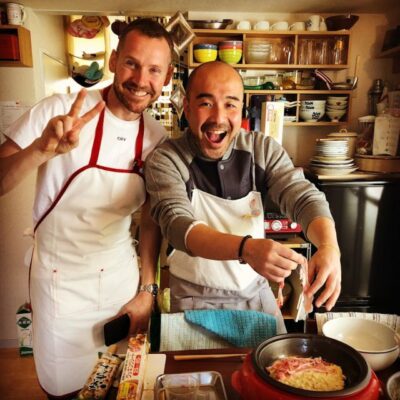
Tokyo: Private Japanese Cooking Class with a Local Chef
Read our review →This kitchen also appears in