Review · CASABLANCA
Old local Market visit+Moroccan cooking class with a local family
The best part of this Casablanca experience is the change of setting: you begin in a working neighborhood market, then carry those ingredients into a local family home and cook with them. Inas or her brother leads the market visit, and Inas teaches recipes passed down through her mother and grandmother. I like the market shopping and the chance to choose your dish, and I like that the meal is made by your own hands rather than simply served to you.
The main thing to consider is that this is a home visit, not a polished cooking school. You will be in a family apartment, with a relaxed pace and personal conversation. That is the appeal, but anyone expecting a restaurant-style kitchen or a tightly timed professional class may find the format informal.
Key points to know before booking
- The souk comes first: Shop for fresh ingredients and spices with Inas or her brother, with the market purchases included in the price.
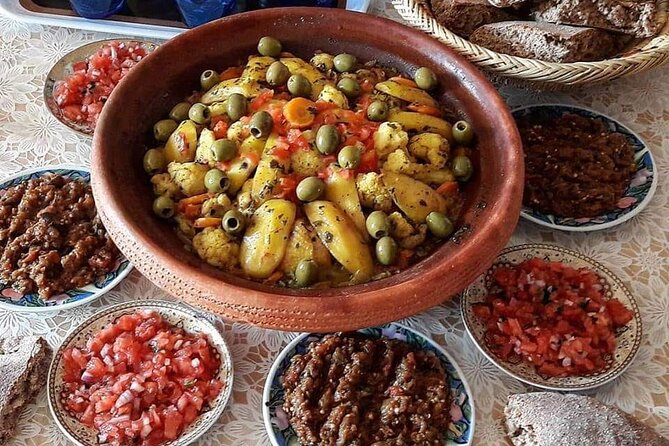
- You choose the main dish: The class can focus on tagine, couscous, pastilla, or another Moroccan preparation discussed with your host.
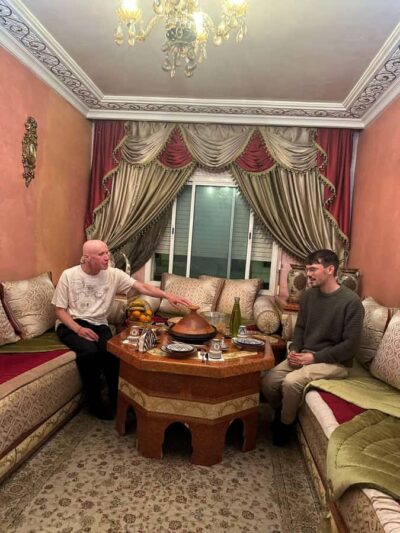
- The family home is part of the experience: You meet Inas’s parents and share food, tea, music, and conversation in a personal setting.
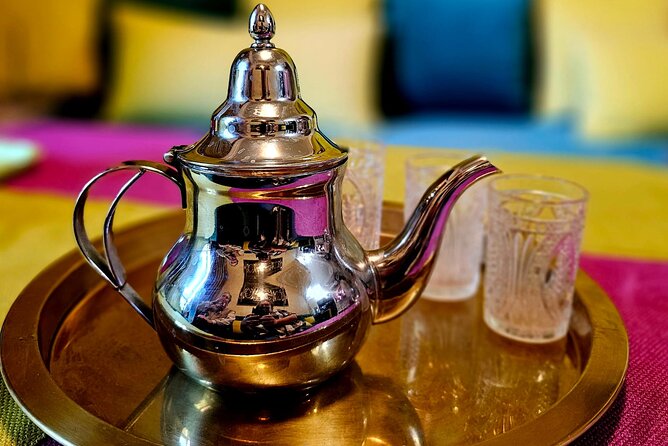
- Moroccan tea gets its own lesson: You prepare mint tea step by step, then serve it with Moroccan sweets.
- Vegetarian and vegan guests are welcome: Inas can adjust the cooking around dietary needs and intolerances.
- The group is small: The stated maximum is six people, which gives you more room to ask questions and work at the counter.
Why this Casablanca cooking class feels different
Many food classes teach you how to follow a recipe. This one also shows you where the recipe begins. You meet at HFGJ+9RG in Casablanca, then head to a popular neighborhood souk to buy the food for the meal. The ingredients are included, so you are not standing at a market stall wondering how much money to hand over.
I like this order. First, you see vegetables, spices, meat, and other market goods in their daily setting. Then you learn how those ingredients fit together in Moroccan cooking. The market is not treated as a backdrop for photographs. It is part of the lesson.
Inas is the main host, and her brother may help with the market visit. Her parents may also be at home when you arrive. The tone is family-based and conversational. You can ask about food, daily routines, Moroccan customs, and the difference between dishes you have already tried in restaurants and the food prepared at home.
The setting also keeps the group small. The listed maximum is six people, a useful limit for a kitchen class where everyone is expected to chop, stir, season, and handle ingredients. It should feel more personal than a large class where you watch from the back of the room.
More Cooking Classes with a Market Tour in Morocco
- Marrakech: Traditional Moroccan Cooking Class & Market Visit
★ 4.8 · 1,861 reviews - Moroccan Cooking Class & Marrakech Market Visit with Chef Khmisa
★ 5.0 · 1,504 reviews - Marrakech: Moroccan Cooking Class with Market Visit and Meal
★ 4.9 · 347 reviews
Starting at a working Casablanca souk
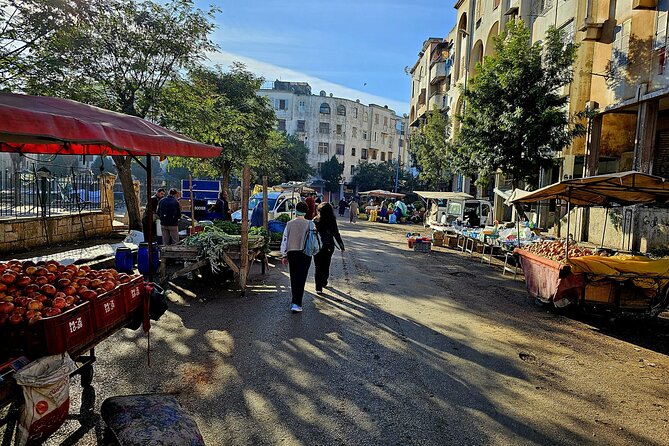
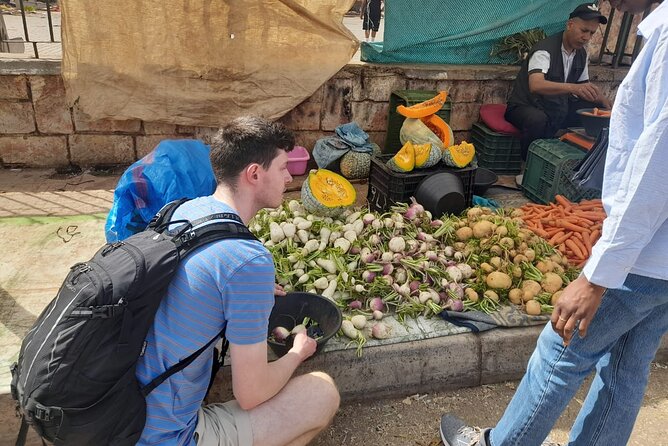
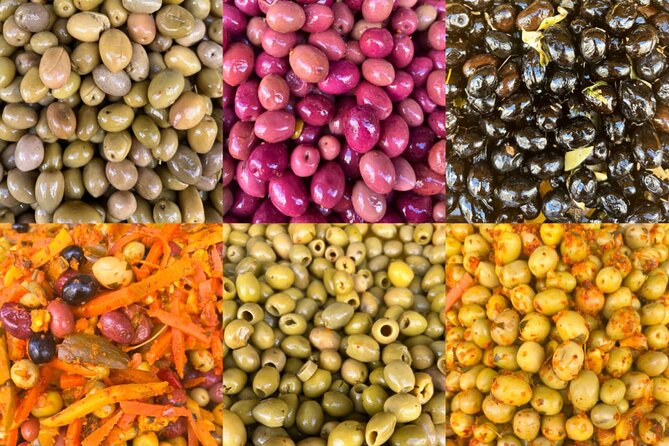
The market visit is one of the strongest reasons to book this experience. Inas or her brother takes you through a local souk to buy the fresh ingredients needed for the meal. You get a look at how food is displayed and sold, including produce, spices, and meat.
This is a good place to ask practical questions. What makes a spice blend suitable for tagine? How do Moroccan cooks select vegetables? Which ingredients are used for couscous, and which belong in a pastilla? The point is not just to see unfamiliar food. It is to connect the sights and smells of the market with the cooking that follows.
The market also gives you a more ordinary view of Casablanca. You are not touring a monument or moving from one landmark to another. You are seeing a place where people shop for dinner. For many visitors, that everyday contact says more about local life than a quick stop at a tourist-oriented food shop.
Plan around Friday. The local market closes that day, so the market portion cannot operate normally then. This is the most important scheduling detail in the entire experience. If you are in Casablanca only briefly, check the day before booking.
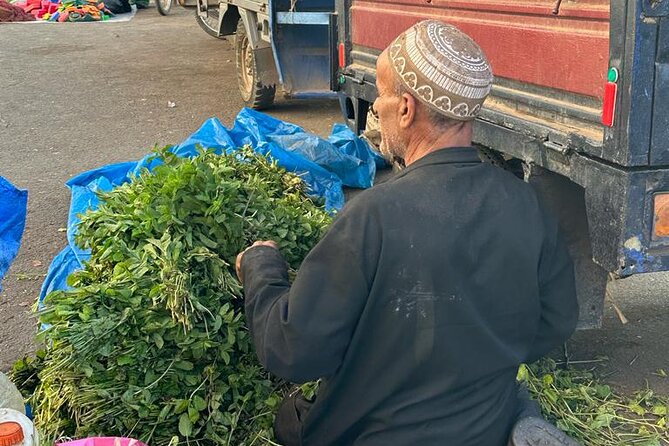
The market can also be the least controlled part of the outing. It is a real local shopping stop, not a staged display. Expect activity, noise, and changing conditions rather than a quiet, carefully arranged walk. That is useful if you want a genuine look at daily life, but it may feel less comfortable if you prefer a highly organized tour.
Bringing market ingredients into a family kitchen
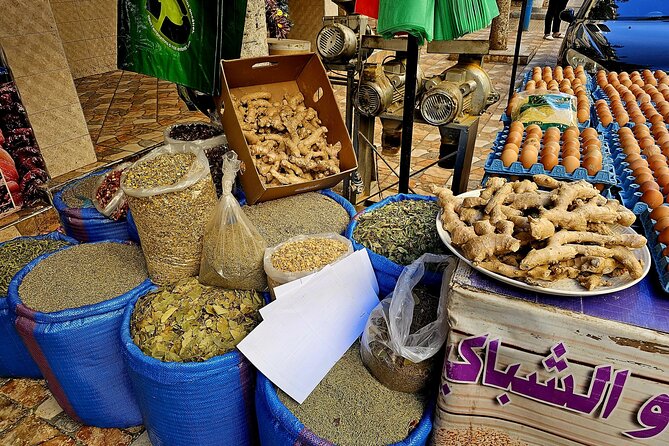
After shopping, you return to the family home and begin the cooking class. This transition is what gives the experience its shape. You have just seen the raw ingredients, and now you learn how they are handled, seasoned, and cooked.
The class uses traditional methods and techniques passed down through the family. Inas has learned from her mother and grandmother, and she shares those family recipes while guiding you through each stage. You are not only watching her work. The stated plan is hands-on, with participants taking part in all the steps.
The menu can include tagine, couscous, or pastilla. The exact choice is flexible, which is useful if you have already eaten one dish several times during your trip. You can also discuss dietary needs in advance. Vegetarian and vegan participants are welcome, and the host has worked around dietary intolerances.
That flexibility is important because Moroccan food is not one single flavor or format. A tagine may be slow-cooked and warmly spiced. Couscous brings a different texture and preparation method. Pastilla shows another side of Moroccan cooking, with its pastry layers and carefully balanced filling. The class gives you a chance to focus on the style of food that interests you most.
You should expect to work in a home kitchen rather than a commercial teaching space. That means the rhythm may include pauses while food cooks. Those pauses are not wasted time. They can become part of the social side of the experience, with tea, music videos, and conversation while the meal comes together.
Learning the small details behind Moroccan dishes
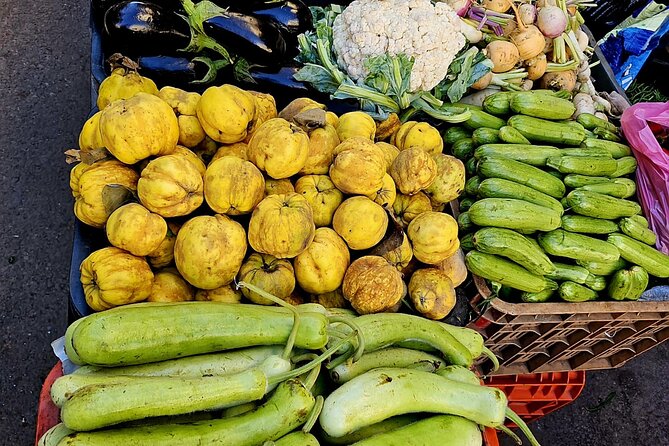
The value here is in the practical tips. Moroccan food can look simple on a plate, but the result depends on timing, spice balance, and the way ingredients are handled. Inas explains the steps as you work, giving you techniques you can try at home.
A class like this can be especially useful early in your trip. You learn what flavors to look for in restaurants and markets, and you can ask questions while the food is being prepared. If you take the class near the start of your Moroccan holiday, you may understand later meals more clearly.
I also like that the class is designed for future use. You are not simply eating a dish that someone else has made. You learn enough of the method to show the recipe to family and friends later. You may leave with a better sense of how Moroccan cooks build a dish, even if you do not become an expert after one afternoon.
The class is also adaptable for people who do not eat meat. The description specifically welcomes vegan and vegetarian participants, and the host has adjusted recipes for dietary intolerances. Still, you should communicate those needs before the class so the menu can be planned properly.
More Home Cooking Classes in Morocco
- Marrakech: Moroccan Cooking Class with a Local Family
★ 4.9 · 668 reviews - Marrakech: Moroccan Cuisine Cooking Class in Local Home
★ 4.8 · 508 reviews - Fez: Souk Tour and Traditional Home Cooking Class
★ 4.9 · 186 reviews - Tangier Private Cooking Class With a Local Family
★ 4.5 · 49 reviews
Mint tea, sweets, and the family table
Moroccan tea is given its own place in the experience. Inas teaches you how to prepare it step by step, then serves it with Moroccan sweets. This is more than an extra drink at the end of lunch. Tea is part of the social rhythm of a Moroccan home, and learning to make it helps you understand how food and hospitality fit together.
The tea lesson also offers a break from chopping and cooking. You may have time to sit, talk, and watch Moroccan music videos while the main dish finishes. Past visitors have enjoyed these informal moments because they add context without turning the afternoon into a formal lecture.
The meal follows the preparation, and you eat together in a family atmosphere. Inas’s parents may join you, and the home setting makes the meal feel closer to a visit with relatives than a standard restaurant booking. That personal contact is the most praised feature of the experience.
You should keep your expectations realistic. The family atmosphere cannot be guaranteed to feel the same for every group, and the class depends on communication between you and your host. But the format is clearly built around warmth, conversation, and shared food rather than a quick demonstration followed by a rushed meal.
What $59 includes, and what it does not
At $59 per person, the experience offers four hours of market shopping, instruction, food preparation, tea, sweets, and a meal. The ingredients purchased at the souk are included, which makes the price easier to judge. You are paying for more than dinner, but you are also not paying a separate market bill as the class progresses.
The value is strongest if you want personal contact with a Moroccan family. A restaurant meal may cost less, especially if you choose a simple place, but it will not usually include market shopping, recipe instruction, and the chance to prepare the food yourself. A formal cooking school may offer better equipment, but it may feel less connected to ordinary family life.
The price is less compelling if you only want to eat Moroccan food or if you already plan to spend several hours in cooking classes. This outing works best when you want a cultural activity that happens to end in dinner, not merely a meal with a recipe attached.
The four-hour duration matters. The market, cooking, tea, and meal need time, and this is not a quick stop between sightseeing appointments. Leave room in your Casablanca schedule. You will get more from the experience if you do not spend the whole afternoon watching the clock.
Getting there and planning the day
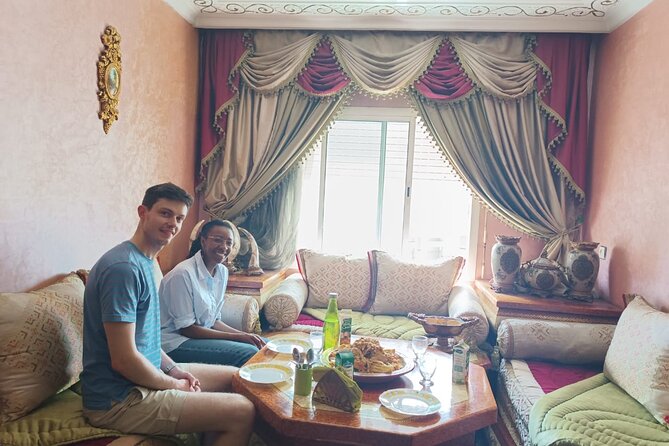
The meeting point is HFGJ+9RG, Casablanca 20250, Morocco, and the activity ends back there. The location is near public transportation. One group found the tram particularly easy, with a stop close to the home, but you should still follow the host’s directions carefully.
Communication appears to be an important part of the planning. Inas has provided clear directions and pictures to help people find the home, including those arriving from a cruise ship. If you are coming from the port, using public transportation, or working with a short schedule, contact the host before the day of the class.
A mobile ticket is provided, and confirmation comes at booking. Service animals are allowed. The group limit is six, but check your confirmed booking if your party size is unusual, since the home kitchen has less flexibility than a large venue.
The market closes on Friday, so choose another day if shopping is central to your plans. You can cancel for a full refund up to 24 hours before the local start time. Cancellations or changes made inside that window are not refunded or accepted.
Who will enjoy this experience most
I would choose this class if you want to understand Casablanca through food rather than just pass through it. It suits curious eaters, couples, families, solo visitors, and small groups who enjoy asking questions and taking part.
It is particularly good for:
- First-time visitors to Morocco who want a friendly introduction to food and home life.
- Home cooks who want recipes and methods they can repeat.
- Vegetarian and vegan guests who need a flexible menu.
- Cruise passengers who need clear directions and a four-hour activity near public transportation.
- People who prefer small groups to large demonstrations.
- Visitors who have already eaten tagine and want to understand how it is prepared.
You may want another activity if you dislike home visits, prefer a strict timetable, or want a professional kitchen with restaurant-level equipment. This is a social experience, and the value depends partly on how much you enjoy conversation and shared time.
Should you book the Casablanca family cooking class?
I would book it if your idea of a good food experience includes the market, the people, and the cooking, not just the final plate. The strongest elements are the neighborhood souk, the included ingredients, the flexible choice of dish, and the chance to learn from Inas’s family recipes in a real home.
The main cautions are simple: do not schedule it on Friday, allow the full four hours, and tell Inas about dietary needs early. At $59, it is a fair buy for a small-group cultural outing that includes food, instruction, and a shared meal.
If you want a polished cooking school, choose a different format. If you want to feel briefly welcomed into Casablanca family life, this is one of the more personal ways to spend an afternoon.
FAQ
How long does the Casablanca cooking experience last?
The experience lasts approximately four hours, including the market visit, cooking class, tea, and shared meal.
Where does the activity begin and end?
It begins at HFGJ+9RG, Casablanca 20250, Morocco, and ends back at the same meeting point.
What does the $59 price include?
The price includes the market ingredients, cooking instruction, Moroccan tea, Moroccan sweets, and the meal prepared during the class.
Which Moroccan dishes can I learn to cook?
You can choose from dishes such as tagine, couscous, and pastilla, depending on the plan made with your host.
Are vegetarian and vegan guests welcome?
Yes. Vegetarian and vegan guests are welcome, and the host can work around dietary intolerances.
Is the market open every day?
The local market closes on Friday. Book the experience on another day if you want the market visit.
How many people can join the class?
The activity has a stated maximum of six participants.
Can I cancel for a full refund?
Yes. You can cancel at least 24 hours before the local start time for a full refund. Cancellations and changes made less than 24 hours before the start are not accepted or refunded.
More Moroccan Cooking Classes around Morocco
- Marrakech: Moroccan Cooking Class with Pickup
★ 4.6 · 1,862 reviews - Marrakesh: Moroccan Dishes Cooking Class with a Local Chef
★ 5.0 · 1,615 reviews - Marrakech: Moroccan Cooking Workshop at La Maison Arabe
★ 5.0 · 446 reviews - Marrakech: Tajine Cooking Class in a Traditional Riad
★ 4.8 · 424 reviews
New cooking classes around Morocco
- Rabat: Authentic Moroccan Cooking Class with Expert Chefs★ 5.0 · 17 reviews
- Rabat: Cooking Class in a Family Home★ 5.0 · 27 reviews
- From Marrakech: Ouzoud Waterfalls Guided Hike and Boat Trip★ 4.9 · 75 reviews
- Moroccan Food Cooking Class with a Local Chef in Marrakech★ 4.7 · 90 reviews
- Moroccan Food Cooking Class with a Local Chef in Marrakech★ 4.7 · 6 reviews
- Marrakech: 3-Hour Open-Air Moroccan Cooking Course★ 4.9 · 74 reviews
- Moroccan cooking class in Marrakech with berber chef★ 5.0 · 16 reviews
- Edgy 8 Dish Private, Fusion Cooking Class, Menu Plan, Market★ 4.9 · 31 reviews
Casablanca Cooking Classes, side by side.
Private Casablanca Market Tour and Cooking Class with Chamsi
Read our review →