
Review · LIMA
#1 Rated Cooking Classes with Local Market Tour & Pickup
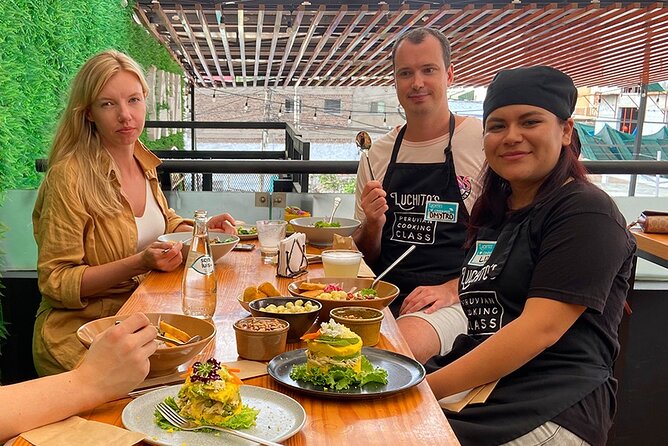
Lima’s best introduction to Peruvian food may begin not at a restaurant, but among the produce stalls of Mercado Nro. 1 de Surquillo. You’ll look at unfamiliar fruits, herbs, meats, and cheeses before using local ingredients to prepare ceviche and causa. I like the market-first format, and I like that the class stays small, with no more than 12 people. The main caution is the listed duration of about one hour, which makes the schedule sound very tight for a market visit, cooking session, cocktail, and meal.
I also like the human touch. Camila, Dasha, Lucho, and other local instructors are singled out by name, and their roles can vary between the market and kitchen. You should expect friendly teaching, a pisco cocktail, bottled water, recipes, and a certificate, but plan to pay extra for other drinks and gratuities.
Key points at a glance
- Surquillo comes first: See and sample Peruvian produce before cooking with it.
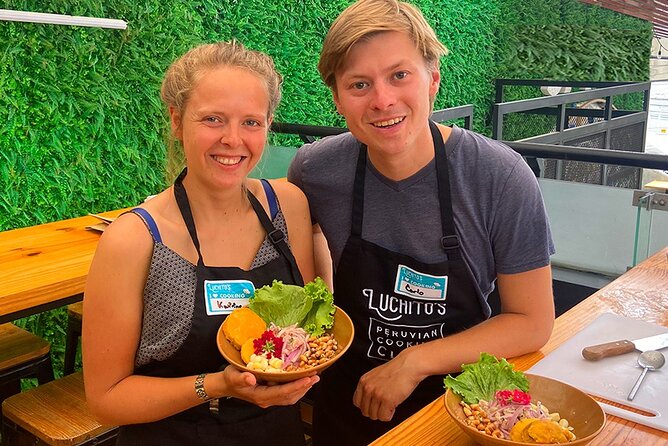
- Ceviche and causa are the stars: You prepare two classic dishes step by step with a local chef.
- Small groups help: The maximum is 12 people, so you should have room to ask questions.
- Guides add personality: Camila, Dasha, and Lucho are named instructors associated with the market and kitchen.
- The price covers plenty: At $66.75, transportation, guiding, a pisco cocktail, water, a two-course meal, recipes, and a certificate are included.
- Book ahead: This activity is often reserved about 35 days in advance.
Why Surquillo Market makes a better classroom
A cooking class can feel detached from daily life if every ingredient is already measured and waiting in neat bowls. This one begins at Surquillo Market, where you can see the raw materials in their natural setting and learn what Peru actually puts on its tables.
The market visit is guided, not a quick walk-through. Camila and Dasha are associated with tours that explain local fruits, vegetables, herbs, meats, and other foods for sale. You may also sample items such as unfamiliar fruits and cheese, which gives the visit a useful tasting element rather than making it only a visual stop.
I like this part because it gives context to the recipes. Ceviche is not simply fish with lime, and causa is not just a potato dish. The market helps connect those plates to Peru’s varied produce and food traditions. Even if you cook very little at home, you’ll leave with a better sense of how ingredients are selected and used.
The market also has a practical advantage. You can ask what a fruit is, how it is eaten, or how an herb fits into Peruvian cooking while the food is right in front of you. That is more useful than hearing a list of ingredients in a classroom after the fact.
Do keep your expectations sensible. The information provided does not specify the exact market route, the number of tastings, or how long you spend at each stall. You may find that the market portion is more about explanation and sampling than shopping. Transportation is included, but the meeting details identify a 12:30 pm start rather than spelling out the exact pickup arrangement, so confirm that point when booking.
More Cooking Classes with a Market Tour in Peru:
- Cusco: Peruvian Cooking Class, Cocktails & Local Market Tour
★ 4.9 · 512 reviews - Cooking class and market tour with a local chef
★ 5.0 · 186 reviews - Market Tour, Tasting of 35 Fruits, and 4-Course Peruvian Cooking Class in Lima
★ 5.0 · 86 reviews
Cooking ceviche and causa with a local chef
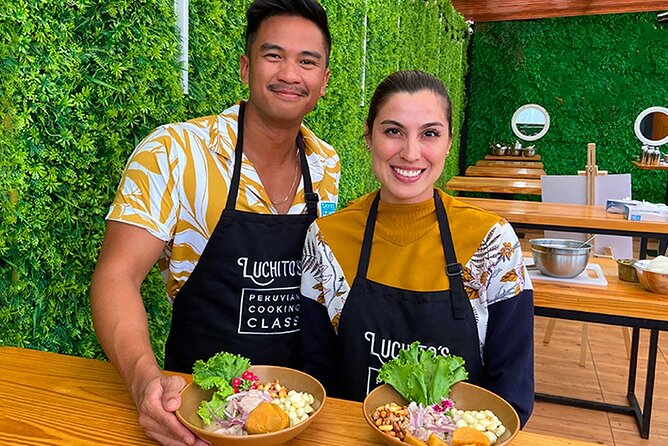
After the market, you move into the cooking portion, where the emphasis is on making food yourself. Ceviche and causa are the featured dishes, and the preparation is taught step by step.
Ceviche is an especially good choice for a first Peruvian cooking class. It is famous, closely tied to the country’s food culture, and built around fresh ingredients and careful balance. You can watch how the chef handles the components, then taste the result while the flavors are at their best.
Causa offers a useful contrast. It gives you a chance to work with a potato-based dish rather than preparing two similar seafood plates. Together, the recipes show different sides of Peruvian cooking: one fresh and sharp, the other softer and more composed.
Camila is described as clear when explaining recipes, while Lucho is associated with both Peruvian food and the country’s history. Dasha is also praised for creating an easygoing class atmosphere and for her drink-making skills. Since the guides may not be assigned in exactly the same way for every booking, you should treat these names as examples of the teaching team rather than a guarantee of one particular instructor.
The class sounds hands-on, but the supplied details do not state that every participant prepares every step independently. If you want intensive individual instruction, ask how the group shares preparation tasks. With a maximum of 12 people, the setting should be more manageable than a large demonstration, though the actual feel depends on the day’s group size.
What the meal and cocktail add to the price
The $66.75 price is not just for a lesson. It includes transportation, the guided market visit, a two-course meal, a pisco cocktail, bottled water, recipes, and a certificate.
That makes the value fairly strong for someone who wants several parts of the afternoon handled in one booking. You are paying for a market introduction, instruction, ingredients, food, and a drink, rather than buying a bare cooking demonstration. The included meal also means you do not need to plan a separate lunch around the activity.
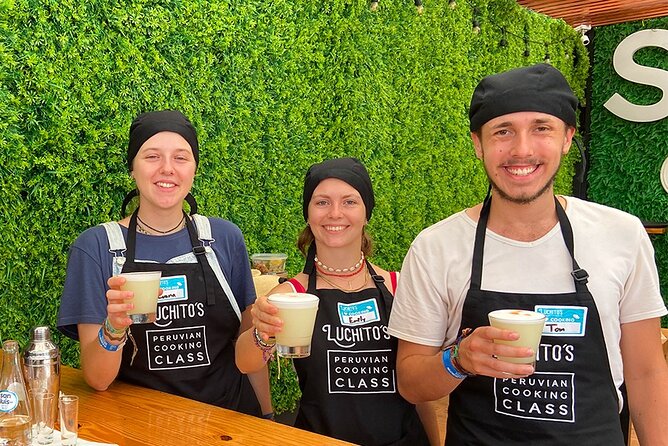
The pisco cocktail is a nice cultural extra. It gives you a taste of Peru’s best-known national spirit in a social setting, while the bottled water is a small but useful inclusion. Additional drinks are not covered, so keep a little extra money available if you want anything beyond the included cocktail and water. Gratuities are also excluded.
The certificate and recipes may sound minor, but they improve the long-term value. A certificate is a pleasant reminder, while the recipes give you a chance to repeat the dishes after returning home. The recipes matter most if you enjoy the class as a practical lesson rather than simply a meal with entertainment.
One point deserves clarification: the experience is listed as lasting approximately one hour. That is a short window for transportation, a guided market tour, cooking two dishes, enjoying a cocktail, and eating a two-course meal. The detailed descriptions suggest a fuller activity, but you should confirm the expected total timing before fitting it tightly between other Lima plans.
How the small group changes the class
The maximum group size is 12 people. That is small enough to make questions possible and large enough to create a social cooking session without requiring you to carry the conversation alone.
If you book alone, a small group can make the activity less awkward. If you come with friends, the format gives you something clear to do together, with the market visit providing an easy start before everyone begins cooking.
I especially like the way the experience seems to balance instruction and fun. Dasha is associated with a warm, upbeat style, while Camila is noted for clear explanations. Lucho brings food and cultural background into the lesson. These differences matter because a cooking class can be technically accurate yet dull if the instructor does not connect with the group.
Still, the group limit is a maximum, not a promise that your session will contain only a handful of people. Ask about the expected size if personal attention is your main reason for booking. The 12-person limit is reassuring, but it does not tell you how much individual cooking time you’ll receive.
More cooking classes around Peru:
- Miraflores: Amazing Peruvian Cooking Class Ceviche Seafood and Pisco Sour
★ 4.9 · 57 reviews - Cook with Maido’s creative chef and chef de cuisine
★ 5.0 · 53 reviews - Cusco: Peruvian Cooking Class & Market Tour
★ 4.9 · 19 reviews - Lima: Cooking Workshop and Water Circuit Tour
★ 5.0 · 16 reviews
Timing, transport, and the 12:30 pm start
The stated start time is 12:30 pm, making this a natural midday activity. It works well for someone who wants to combine sightseeing in Lima with a meal-centered afternoon, provided the timing is confirmed.
Transportation is included, and the activity is near public transportation. That gives you two practical ways to approach the day, although the information does not specify the pickup zones, vehicle type, or exact meeting instructions. Your confirmation should settle those details.
The booking confirmation is issued at the time of reservation. Since the activity is often reserved about 35 days ahead, I would not leave it until the last moment if your Lima schedule is fixed. The high booking pace may also make it harder to obtain a particular date or preferred instructor close to arrival.
Most people can participate, and the group is capped at 12. The available information does not give detailed accessibility notes, dietary arrangements, or ingredient substitutions. If you have food allergies, dietary restrictions, or mobility concerns, contact the provider before paying rather than assuming the class can adjust.
Cancellation is flexible up to a point. You receive a full refund if you cancel at least 24 hours before the local start time. Cancellations or changes made inside that window are not accepted for a refund.
The strongest reasons to book
I would choose this class for a first visit to Lima if I wanted an activity that combines food, a local market, and direct contact with Peruvian cooking. You get more than a restaurant meal, since you can see ingredients before preparing them and then sit down to eat what you made.
The market component is also a good fit if you are curious about Peruvian produce but do not feel comfortable exploring a local market without help. A guide such as Camila or Dasha can explain what you are seeing, and the tastings make the visit more memorable.
It suits couples, friends, and solo participants. Friends can enjoy the social side, while solo bookers get a structured setting with a small group. It may also appeal to cooks who want recipes they can use at home, especially the ceviche and causa preparation.
The value is less clear if you only want a long, technical cooking lesson. The listed one-hour duration needs clarification, and the class may place as much weight on social interaction, tasting, and the market visit as it does on detailed culinary technique.
Who should skip it or ask questions first
You may want another activity if you dislike group instruction, want to choose every ingredient yourself, or expect a professional kitchen setup with extensive one-to-one coaching.
I would also ask about the schedule if you have a flight, museum booking, or restaurant reservation soon afterward. The combination of transportation, market touring, cooking, and eating sounds likely to need more time than the approximate one-hour listing suggests.
People with dietary needs should contact Luchito’s Peruvian Cooking Class before booking. No specific substitutions or allergy procedures are provided. The same advice applies if you need detailed accessibility information.
Should you book Luchito’s Peruvian Cooking Class?
Yes, if you want an approachable introduction to Peruvian food with a market visit built in. The strongest features are the Surquillo setting, the chance to sample local produce, the preparation of ceviche and causa, and the small group limit. The included cocktail, meal, recipes, transportation, and certificate make $66.75 a reasonable package price.
Before booking, confirm the actual duration and pickup details. If those match your schedule, this is a smart choice for food-minded visitors who want to understand Peru through its ingredients, not just eat a finished plate.
FAQ
Where does the market visit take place?
The market stop is Mercado Nro. 1 de Surquillo in Lima.
What time does the activity start?
The stated start time is 12:30 pm.
What dishes do you prepare?
The class includes preparation of ceviche and causa, along with a two-course meal.
Is transportation included?
Yes. Transportation is included in the activity price.
Is a pisco cocktail included?
Yes. One pisco cocktail and bottled water are included. Additional drinks cost extra.
How many people can join the class?
The activity has a maximum of 12 participants.
Can I cancel for a full refund?
Yes. You can cancel at least 24 hours before the local start time for a full refund. Cancellations or changes made less than 24 hours before the start are not accepted for a refund.
New cooking classes around Peru
- Lima: Peruvian cooking class and tour of Surquillo market★ 5.0 · 2 reviews
- Lima: Market Tour, 35 Fruits Tasting & Cooking Class★ 5.0 · 3 reviews
- Lima: Market Tour and Cooking Class with Pisco Sour★ 5.0 · 3 reviews
- Lima: 4-Course Peruvian Cooking Class in Miraflores★ 5.0 · 4 reviews
- Lima : Cooking Class – A Peruvian Culinary exploration★ 5.0 · 2 reviews
- Lima: Cooking Workshop and Water Circuit Tour★ 5.0 · 16 reviews
- Lima: Demo Cooking Class with Lunch at Cala Restaurant★ 4.1 · 4 reviews
- Cusco: Peruvian Cooking Class & Market Tour★ 4.9 · 19 reviews
Lima Cooking Classes, side by side.
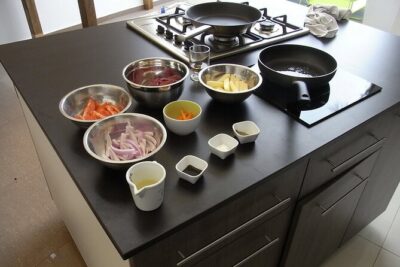
Market Tour, Tasting of 35 Fruits, and 4-Course Peruvian Cooking Class in Lima
Read our review →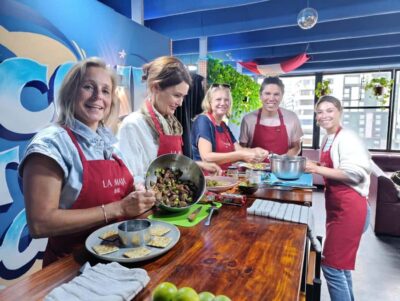
Miraflores: Amazing Peruvian Cooking Class Ceviche Seafood and Pisco Sour
Read our review →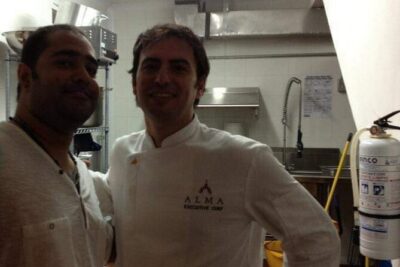
Cook with Maido’s creative chef and chef de cuisine
Read our review →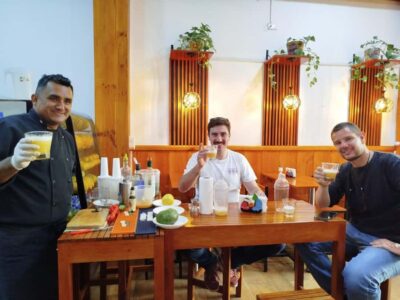
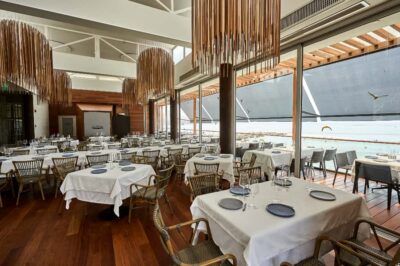
Lima: Demo Cooking Class with Lunch at Cala Restaurant
Read our review →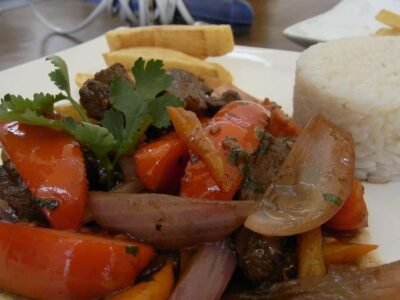
Lima: 4-Course Peruvian Cooking Class in Miraflores
Read our review →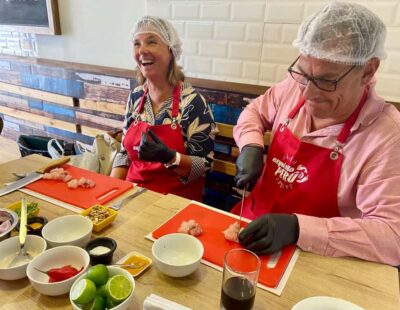
Lima: Market Tour and Cooking Class with Pisco Sour
Read our review →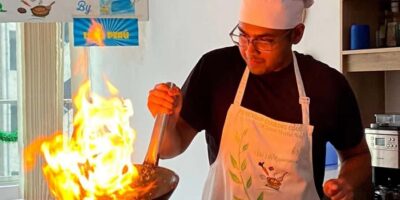
Lima : Cooking Class – A Peruvian Culinary exploration
Read our review →This kitchen also appears in