
Review · MUMBAI
Small Group Authentic Mumbai Virtual Cooking Class with Dessert
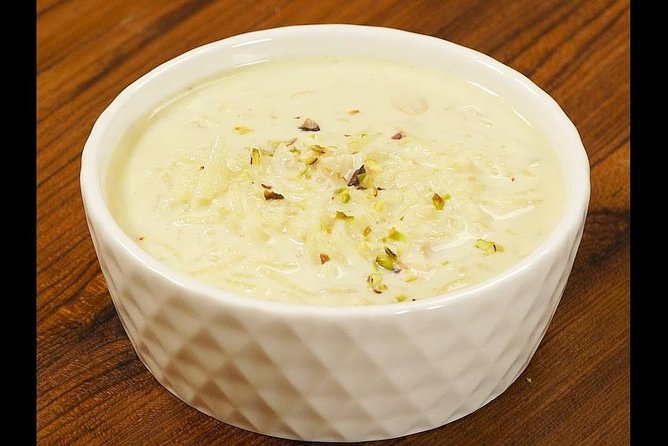
Mumbai arrives in your kitchen as a pan of buttery pav bhaji and a pot of sweet rice kheer. In this live Skype class, local chef Kajal teaches recipes learned from her mother and older sister, while sharing stories from her family home in Mumbai’s largest slum. The food is the doorway, but the family connection is a big part of the hour and a half.
I like two things right away: the small group, limited to six people, gives you a fair chance to ask questions, and the ingredient list arrives before class so you can shop and prepare without guesswork. The main consideration is that this is a home kitchen, not a polished studio. The video may lack professional production, and your internet connection matters.
Key points to know before booking
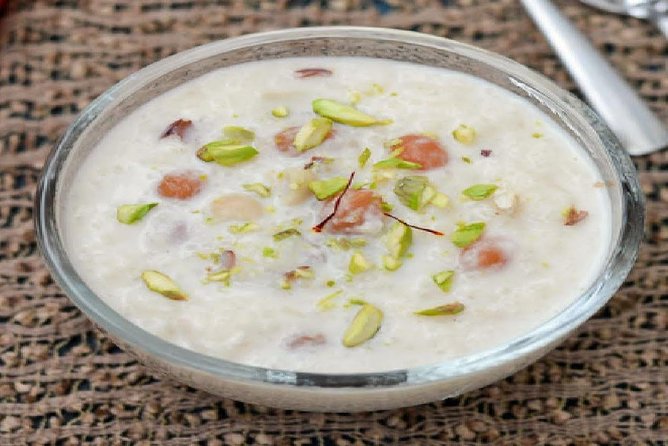
- Cook two Mumbai favorites: Make pav bhaji, a spicy vegetable curry with buttered bread rolls, followed by rice kheer.
- Learn with Kajal: She learned these family recipes from her mother and older sister.
- Join from home: The class takes place live on Skype, so you cook in your own kitchen.
- Keep the group small: No more than six people can join the session.
- Prepare in advance: Check the ingredient list and convert the Indian Standard Time start to your local time.
- Expect a family-style class: Food stories and local culture matter as much as cooking technique.
Kajal’s Mumbai kitchen and the shape of the class
This is a 90-minute virtual class led by Kajal, a Mumbai local who began food tours in 2017. Her cooking comes from home rather than culinary school. She learned the recipes from her mother and older sister, which gives the class a personal link to the food.
You join from your own kitchen through Skype. The session is live, not a recording, so you can ask questions while you chop, stir, season, and taste. That matters more than it may sound. A recorded demonstration can show you a recipe, but it cannot easily respond when your curry looks too thick or your kheer needs more time.
The class has a maximum of six people. That is a useful limit for a virtual lesson. You are not placed in a large online crowd where the chef has to rush past questions. If several people from one family join from separate homes, the format can also work as a shared birthday or family activity.
The timing requires a little care. All available start times are listed in Indian Standard Time, or IST. Check the time difference before you book, especially if you are arranging a morning, evening, or birthday event across several time zones.
More Tiramisu and Dessert Classes in India:
- 3 in 1 Cooking Class near Navona: Fettuccine, Ravioli & Tiramisu
★ 5.0 · 7,376 reviews - Florence: Pasta & Tiramisu Cooking Class with Unlimited Wine
★ 4.9 · 6,708 reviews - Rome: Pasta Making Class with Wine, Limoncello, and Dessert
★ 4.9 · 3,177 reviews
Preparing your kitchen before the Skype call
You receive the ingredient list ahead of time. I would treat this as an important part of the booking, not a minor detail. Buy everything early enough to wash, measure, and lay out your ingredients before Kajal appears on screen.
The dishes use familiar ingredients, but the exact balance and order matter. Pav bhaji includes seasonal vegetables, potatoes, tomatoes, and onions. You will also need pav, the soft bread roll served with the curry, and butter for the bread. Rice kheer is a sweet dessert made with rice.
Set up your device where you can see the screen without constantly turning away from the stove. A phone or tablet can work, but a larger screen may make it easier to follow the demonstration. Keep a spoon, pan, cutting board, and measuring tools nearby, based on the ingredient list and your normal kitchen setup.
You should also test your internet connection. A weak connection can interrupt a live cooking class at exactly the wrong moment, when Kajal is explaining texture or timing. Have the Skype details ready and give yourself a few minutes before the official start time.
Tell the chef about any food allergies before the class. This is especially important when you are cooking along in your own kitchen, since substitutions or warnings need to be discussed before you begin.
Pav bhaji, Mumbai’s buttery street-food classic
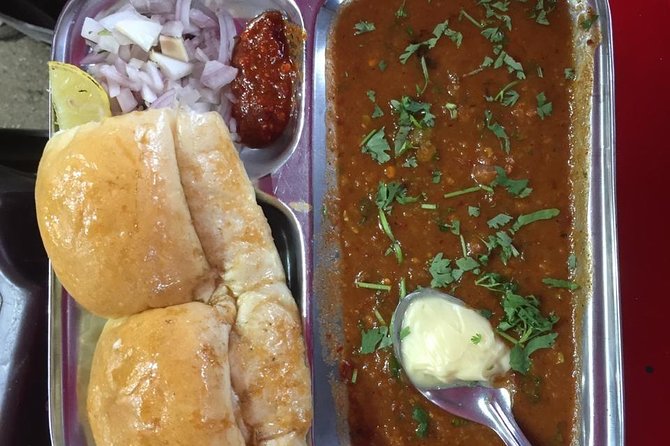
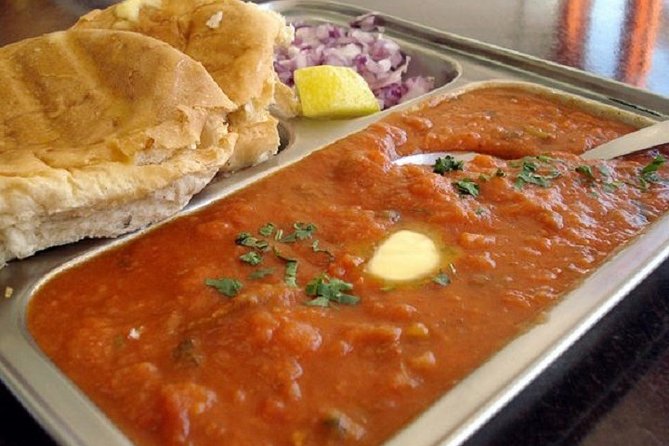
Pav bhaji is the main savory dish. In Maharashtra, you find it at roadside eateries and in large hotels alike. It is a thick vegetable curry made with seasonal vegetables, potatoes, tomatoes, and onions, then served with pav, a bread roll topped with butter.
The dish is soft, savory, and built for a hot serving. The vegetables and potatoes form the body of the bhaji, while the tomatoes and onions help create its strong flavor. The buttered pav gives you something to scoop up the curry with, and the contrast between soft bread and thick vegetables is part of the appeal.
Kajal presents pav bhaji as a Mumbai dish with both everyday and special-occasion reach. It is not treated as a restaurant-only recipe. You are learning food that belongs in ordinary homes as well as in the city’s busy food stalls.
There is a small language lesson tucked into the plate. Pav comes from the Portuguese word for bread, while bhaji means a vegetable dish in Marathi. That detail helps explain how Mumbai food carries traces of different cultures without turning the class into a history lecture.
The cooking itself is a good fit for an online class because you can work through the steps in your own time while watching Kajal. You will be able to ask about the ingredients and the final texture as you go. I would keep your attention on the screen during the key stages, since a thick curry can change quickly once the vegetables soften and combine.
The dish is best served hot. That means you should avoid preparing it too far ahead of the class and then letting it sit. The pleasure here comes from finishing the curry, buttering the pav, and eating while the food is still warm.
Rice kheer gives the class a sweet finish
The second recipe is rice kheer, a traditional Indian dessert prepared for festivals and other occasions. It gives the class a different pace after the savory curry.
Kheer is not simply an extra item added to fill the schedule. It shows how Indian home cooking moves from a hearty main dish to a dessert with its own cultural place. Kajal can explain how the sweet is used around celebrations, while you learn the method at the same time.
Cooking dessert during a live class can be useful because texture is hard to judge from a written recipe. You can ask questions as the rice cooks and compare what you see in your pot with what Kajal shows on screen. Since the class is live, the lesson can include the small adjustments that a recipe card often leaves out.
I would save a clean pot and a little counter space for the kheer before the call begins. The pav bhaji requires its own cooking area, and an organized setup will make the switch between savory dish and dessert less frantic.
More cooking classes around India:
- Pink City Cooking Class
★ 5.0 · 452 reviews - Five Course Cooking Class & Meal
★ 5.0 · 250 reviews - Indian Cooking Class in an Authentic Local Home – Learn 6 Dishes
★ 5.0 · 195 reviews - Private Guided Cooking Workshop Experience in Jodhphur
★ 5.0 · 158 reviews
What the family setting adds
The class takes place from a small home in Mumbai, not from a commercial demonstration kitchen. Kajal also introduces you to her family, home, and food culture. That setting is the point of the activity, but it comes with a clear trade-off.
You will not get professional-level videography. The camera angle, sound, or picture may feel more like a family video call than a television cooking program. If you want close-up shots, studio lighting, and perfectly timed editing, this is not the right format.
I see the informal setting as a fair exchange for direct contact with a local home chef. The class is about how these foods fit into family life, not just how to copy a restaurant plate. You get stories around the recipes and a chance to ask about the culture behind them.
English is another practical consideration. Kajal’s English was described as excellent in a birthday booking, and the class is intended for an international audience. You should still speak up if a step is unclear. The live format gives you the chance to ask rather than quietly guess.
The family approach also makes this a strong choice for a birthday present or a group activity. One booking was arranged as a surprise birthday gift for a mother, while another connected three family members in different locations. You can all cook the same dishes even when you cannot share the same dining table.
The value of $20 for a 90-minute food lesson
At $20 per person, this class costs less than many in-person food activities, though the value depends on what you want from it. You are not paying for a meal in Mumbai or a formal culinary certificate. You are paying for a live lesson, a chance to cook two traditional dishes, and personal contact with Kajal and her family.
The price works best when you actually cook along. If you only watch from the sofa, you lose much of the practical value. Set out your ingredients and use the class to build skills you can repeat after the call ends.
You also avoid transport, restaurant costs, and the need to travel to a cooking school. That makes the class useful when you want a Mumbai food experience but cannot visit India. It also lets people in different homes join the same event.
The group limit helps the price feel fair. With no more than six people, the class is not simply a large online presentation. You have a better chance of asking questions and receiving an answer that fits your own kitchen.
Still, you should be clear about the purchase. This is not a meal delivery service, and no in-person visit to Mumbai is included. It is also not a professional training course. The best return comes from the combination of cooking, conversation, and cultural context.
Who will enjoy this class most
I would recommend it to home cooks who like learning the story behind a dish. You do not need to travel or visit a restaurant to take part, and the recipes offer a useful introduction to Mumbai food.
It also suits families and friends who live apart. The small group size allows a few people to cook together from different locations. A birthday, anniversary, or family night can give the class more meaning than a standard video call.
The class is a good match for anyone curious about Indian cooking but unsure where to begin. Pav bhaji uses vegetables, potatoes, tomatoes, onions, bread, and butter, while rice kheer introduces a traditional dessert. You get a savory dish and a sweet dish in one session.
I would think twice if you need a highly polished production. The hosts clearly explain that the home setup cannot offer professional videography. You should also reconsider if you cannot shop for the ingredients in advance or if your connection is unreliable.
People with food allergies can still ask about the ingredients, but you need to tell Kajal before class. The available information does not promise a specific substitute menu, so discuss your needs early rather than waiting until the cooking starts.
Timing, cancellation, and other practical details
The class begins and ends at the Mumbai meeting point in the booking information, though the actual activity takes place online. Its stated length is about one hour and 30 minutes.
You receive confirmation when you book, and the experience is offered with a mobile ticket. You should confirm your Skype access and internet connection before the start time. Since the schedule uses IST, convert it carefully to your local clock.
Cancellation is free up to 24 hours before the experience begins. Cancel at least 24 hours ahead for a full refund. Inside that window, the payment is not refunded and changes are not accepted. The cut-off follows the local time in Mumbai.
The class has a maximum of six people. That limit is worth remembering if you are planning a family event, since you may need to arrange separate bookings for a larger group.
Should you book this Mumbai cooking class?
Book it if you want a personal food lesson with a local home chef, especially if you enjoy cooking while hearing the family stories around a recipe. The combination of pav bhaji, rice kheer, live questions, and a six-person limit gives you more than a recipe video for $20.
I would choose it as a birthday gift, a family activity across different homes, or a low-cost way to connect with Mumbai food from your own kitchen. Prepare your ingredients early, check the IST time, and expect a warm home setup rather than a studio production.
Skip it if polished filming is essential or if you want an in-person Mumbai tour. For everyone else, Kajal’s class offers a practical way to make two traditional dishes and share a little time with a Mumbai family.
FAQ
How long does the virtual cooking class last?
The class lasts approximately one hour and 30 minutes.
Which dishes will I cook?
You will learn to make pav bhaji, a vegetable curry served with buttered pav, and rice kheer, a traditional Indian rice dessert.
Who teaches the class?
Kajal, a local chef from Mumbai, leads the class. She learned the recipes from her mother and older sister.
How does the online class take place?
The live class takes place on Skype. You cook from your own home and can ask questions in real time.
How many people can join?
The class has a maximum of six participants.
What should I do about ingredients and allergies?
You receive the ingredient list ahead of time, so you can prepare before the class. Tell Kajal about any food allergies before the session.
What is the cancellation policy?
You can cancel at least 24 hours before the start time for a full refund. Cancellations or changes made within 24 hours are not accepted, and the amount paid is not refunded.
New cooking classes around India
- Private Cooking Class In Jodhpur With Family★ 5.0 · 2 reviews
- New Delhi: Indian Cooking Class in a Local Home★ 5.0 · 65 reviews
- New Delhi: Full-Day Cooking Class learn 8 dishes with Locals★ 5.0 · 7 reviews
- New Delhi: 5-Hour Traditional Cooking Class with Local Chef★ 5.0 · 2 reviews
- Mumbai Coastal Cooking: From Fishing Net to Flavourful Plate★ 5.0 · 5 reviews
- Kerala: Cooking Class in Munnar★ 5.0 · 2 reviews
- Kerala Traditional village cooking class (Munnar)★ 4.8 · 15 reviews
- Jodhpur 11 Dishes Cooking Class With REKHA Pick Up & Drop OF★ 5.0 · 24 reviews
Mumbai Cooking Classes, side by side.
Mumbai: Indian Cooking Class & Cultural Delights
Read our review →
Private Vegetarian Indian Cooking Class in Mumbai
Read our review →
Mumbai Coastal Cooking: From Fishing Net to Flavourful Plate
Read our review →This kitchen also appears in