
Review · PERU
Cusco: Peruvian Cooking Class, Cocktails & Local Market Tour
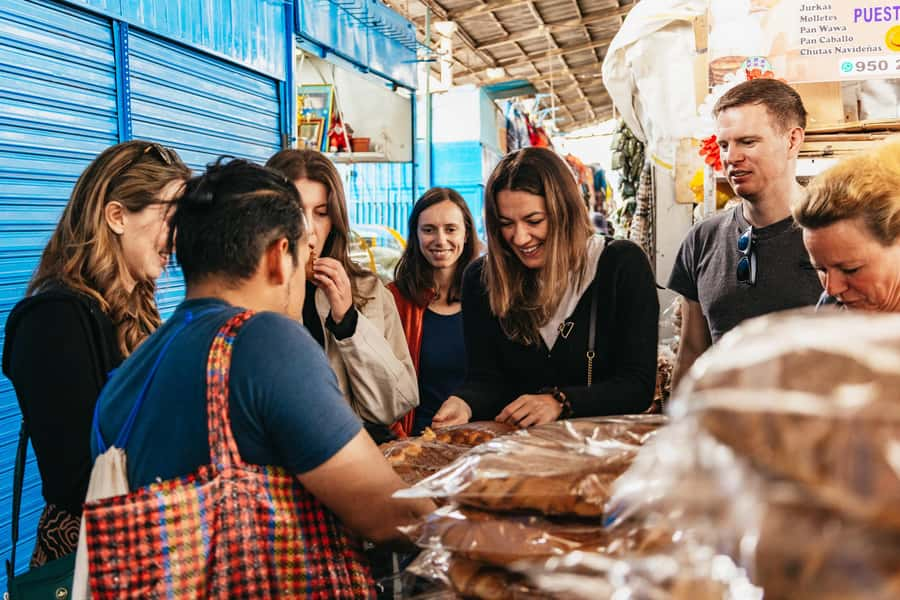
Cusco’s best food lesson may begin before you touch a knife. This four-hour outing starts inside San Pedro Market, where you see the potatoes, quinoa, cacao, fruit, cheese, bread, and other ingredients that shape Peruvian cooking. You then walk to a cooking studio in the historic center and turn those ingredients into a full meal.
I like two things here: the market visit gives the cooking class a real local setting, and the small group, capped at 10 people, leaves room for questions. I also like that Chef Jesus and other named guides such as Jorge and Eric explain the background of each dish instead of treating the class as a simple recipe demo.
The main consideration is that the class is not all hands-on chopping and stovetop work. Some parts involve assembling prepared ingredients, so serious home cooks may want a more technical lesson. Also, dietary needs are usually handled well, but state them clearly when booking and again at the start.
Key points to know before you book
- San Pedro Market comes first: You explore one of Cusco’s oldest markets and may sample cheese, bread, chocolate, fruit, and other local foods.
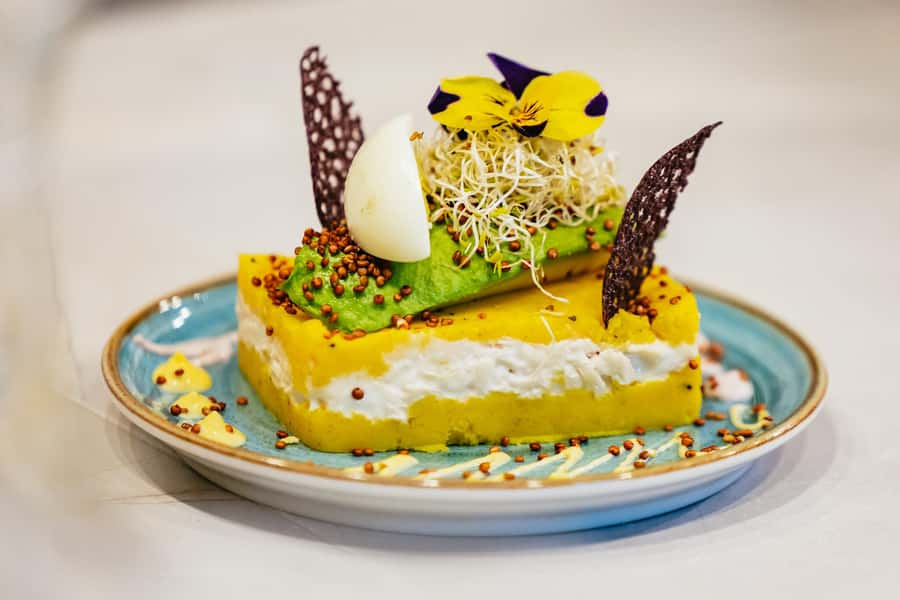
- Four dishes fill the afternoon: You prepare cebiche, causa limeña, quinoa tamales, and finish with picarones and honey.
- Two pisco cocktails are included: Nonalcoholic versions are available, so you do not need to drink alcohol to take part.
- Chef-led and small-scale: The group is limited to 10, with English instruction from a professional chef.
- Dietary options are built in: Vegetarian, vegan, and gluten-free menus are available, with sugar-free options for the picarones.
- Plan for a substantial meal: You eat what you make, so arrive hungry and wear comfortable shoes.
Starting at San Pedro Market
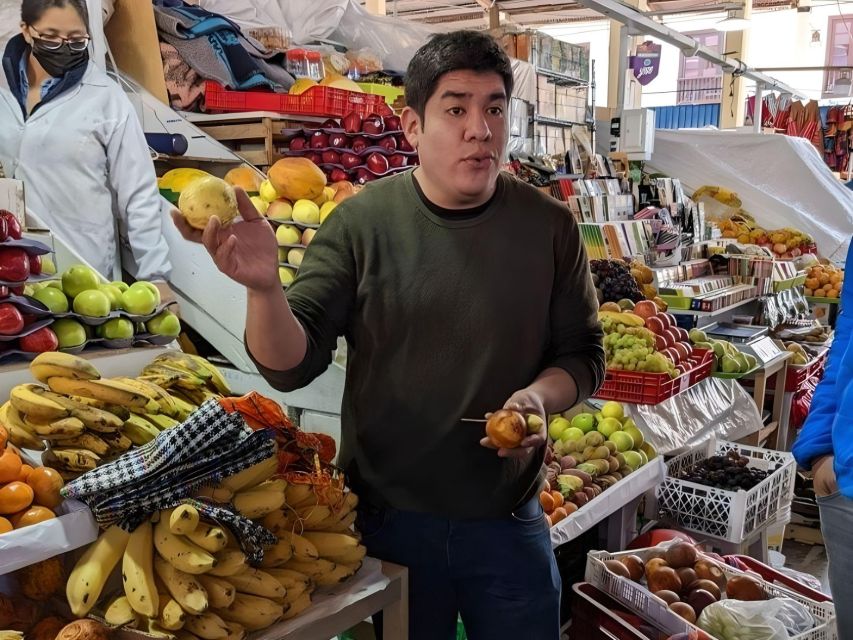
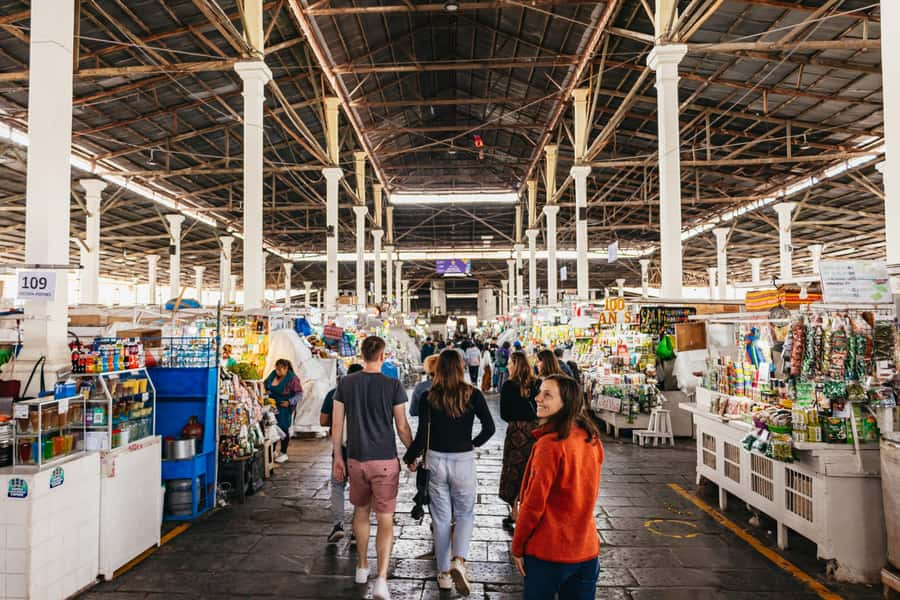
Meet at Door Number 1 of San Pedro Market. This is a useful starting point because the market is not treated as a quick photo stop. The chef guide uses it to explain the ingredients that later appear in your meal.
You can expect to see sections devoted to familiar and less familiar Peruvian foods, including potatoes, quinoa, cacao, chocolate, local cheese, bread, and fruit. The market is especially useful for visitors who have eaten Peruvian food but have not yet connected the finished dishes with their raw ingredients.
The produce is part of the lesson. You might sample cheese, bread, chocolate, coffee, or fruit while learning how local products fit into Peruvian cooking. The guides have also pointed out passion fruit and other ingredients that are easy to miss if you walk through the market without context.
I like this opening because it gives you a better sense of place than a cooking studio alone would provide. You are not simply handed a bowl of ingredients. You see where some of those ingredients are found and how the chef chooses what will be used in class.
The market can be crowded and sensory, and that is part of the setting. If you prefer a quiet, orderly food tour, this may feel busy. The walking portion also means you should wear shoes that are comfortable for standing and moving through the market before the cooking begins.
The market arrangement can change. One class took place while San Pedro was closed for cleaning, and the guide brought the group to a local food market instead. That altered the route but still allowed the chef to show the produce and buy ingredients for the meal. It is worth viewing this as a food experience rather than a promise of one fixed market walk.
More Cooking Classes with a Market Tour in Peru:
- Cooking class and market tour with a local chef
★ 5.0 · 186 reviews - Market Tour, Tasting of 35 Fruits, and 4-Course Peruvian Cooking Class in Lima
★ 5.0 · 86 reviews - #1 Rated Cooking Classes with Local Market Tour & Pickup
★ 5.0 · 69 reviews
Walking to the historic-center cooking studio
After the market visit, you take a short walk to the cooking studio. The kitchen is in Cusco’s historic center, and one detailed account described it as modern and clean, a useful contrast to the traditional market outside.
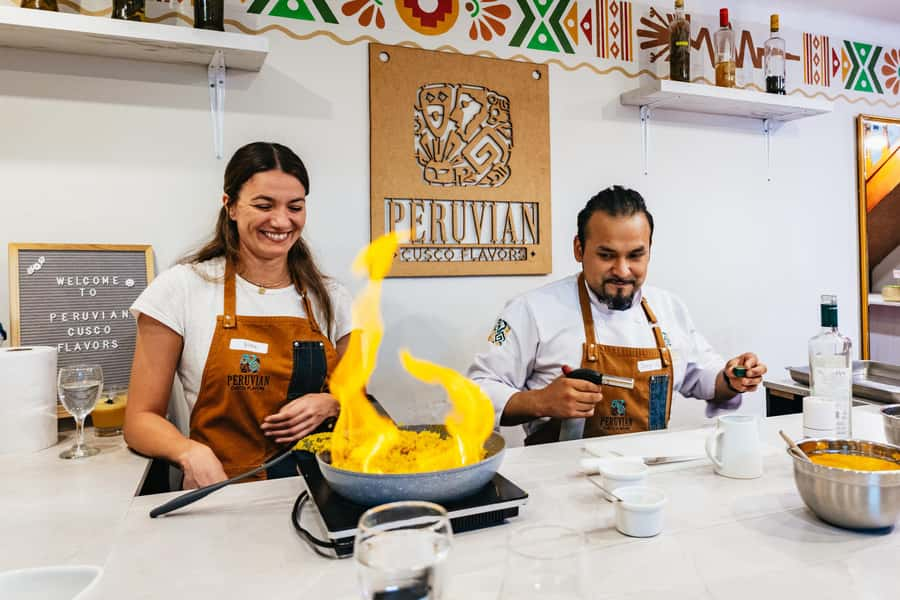
You tie on an apron and settle into the kitchen. The class is designed for beginners, so you do not need professional cooking skills. Chef Jesus, Jorge, Eric, or another assigned instructor leads the group step by step, explains the dishes, and helps with preparation.
The teaching is one of the strongest parts of the experience. The chef does not only explain what to do. You also hear about the background of the dishes and the influences that shaped Peruvian food. This helps you understand why cebiche, causa, quinoa, and pisco belong in the same meal even though they use different methods and ingredients.
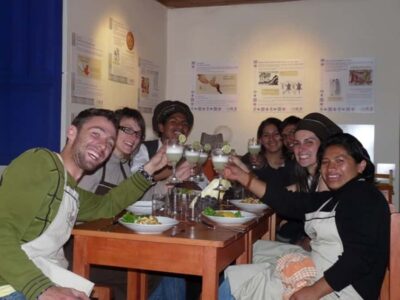
The social setup matters. With no more than 10 participants, the class has enough space for conversation without becoming a large demonstration. Cooking together also gives you a natural way to meet people, especially if you are visiting Cusco alone.
Making two Peruvian cocktails
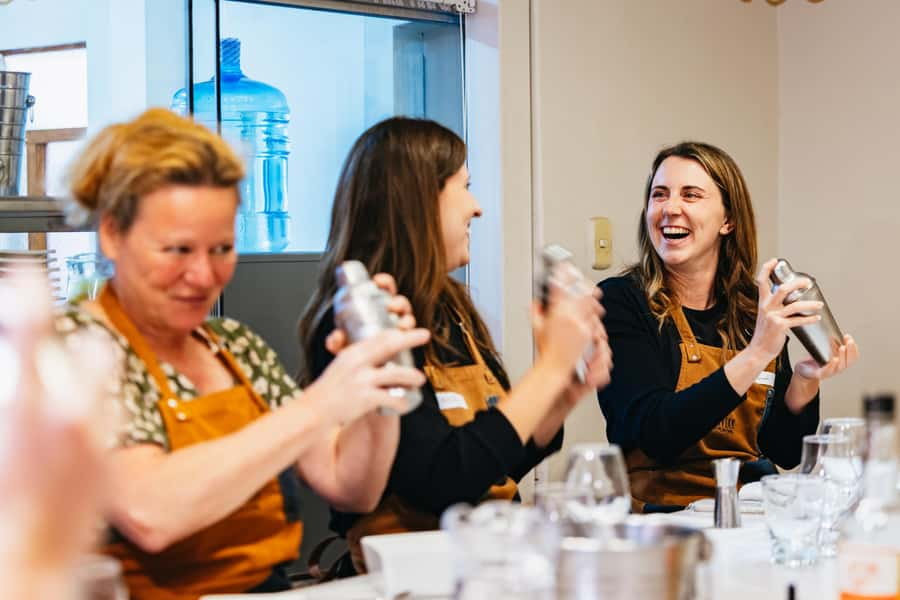
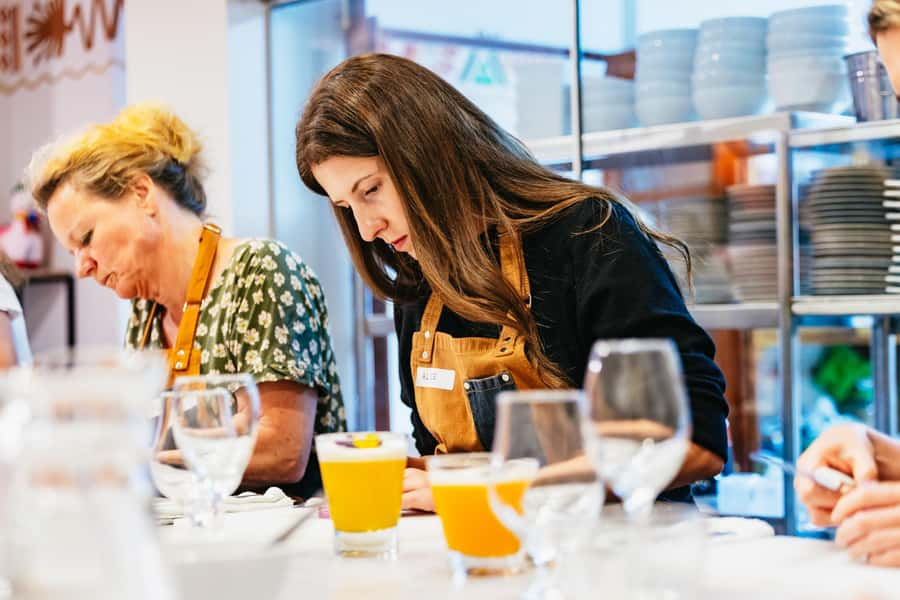
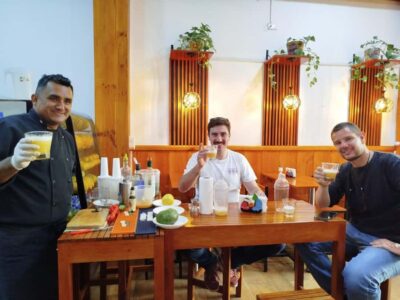
The first kitchen activity is cocktail preparation. You make two pisco-based drinks and sip them during the class. The cocktails add a playful start, but they also introduce one of Peru’s best-known spirits in a practical way.
The class is not limited to drinkers. Nonalcoholic recipes are available, and participants have been able to make mocktails without losing the fun of the activity. This makes the class suitable for people who do not drink, as well as those who want to take it easy at Cusco’s high altitude.
The drinks also help set the pace. You are not rushed straight into a complicated recipe. Instead, you begin with a manageable task, meet the people at your table, and listen to the chef’s explanations.
Keep in mind that this is a food class with cocktails, not a dedicated bartending workshop. You will prepare and enjoy two drinks, but the main focus remains the meal and the story behind the ingredients.
Preparing cebiche, causa, and quinoa tamales
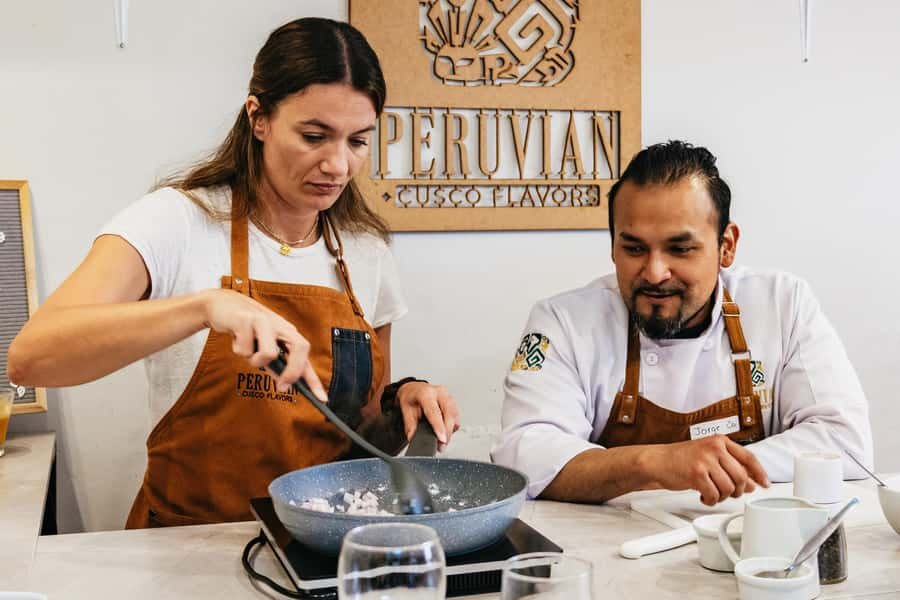
The core menu covers three well-known Peruvian dishes: cebiche, causa limeña, and quinoa tamal. Each gives you a different idea of the country’s cooking.
Cebiche brings together fresh ingredients with the sharp, bright flavor associated with lime and Peruvian seafood preparation. The dish is a good lesson in balance, since acidity, seasoning, and texture all matter. The class explains the process as you prepare it, rather than simply placing a finished plate in front of you.
Causa limeña is built around potato and is often finished with colorful layers and careful presentation. It is one of the more approachable dishes for a home cook because the work involves shaping and assembling as well as seasoning. One participant described feeling like a chef while putting the causa together, which captures the appeal: you can produce an attractive plate without advanced culinary training.
Quinoa tamal brings a highland ingredient into the menu. Quinoa is strongly linked with the Andes, so this dish connects the kitchen lesson to the place you are visiting. It also gives you a different texture and preparation from the potato-based causa and the fresh cebiche.
The class includes plenty of guidance, but do not expect four hours of nonstop knife work. Some ingredients and steps are prepared in advance, and the experience includes demonstration, assembly, tasting, and conversation. That makes it accessible, though people hoping to cook every element from raw ingredients may find the hands-on work lighter than expected.
You finish with picarones, a Peruvian sweet served with honey. The class describes sugar-free and gluten-free options, which helps people with dietary restrictions enjoy the final course too.
More cooking classes around Peru:
- Miraflores: Amazing Peruvian Cooking Class Ceviche Seafood and Pisco Sour
★ 4.9 · 57 reviews - Cook with Maido’s creative chef and chef de cuisine
★ 5.0 · 53 reviews - Cusco: Peruvian Cooking Class & Market Tour
★ 4.9 · 19 reviews - Lima: Cooking Workshop and Water Circuit Tour
★ 5.0 · 16 reviews
How the food and dietary options work
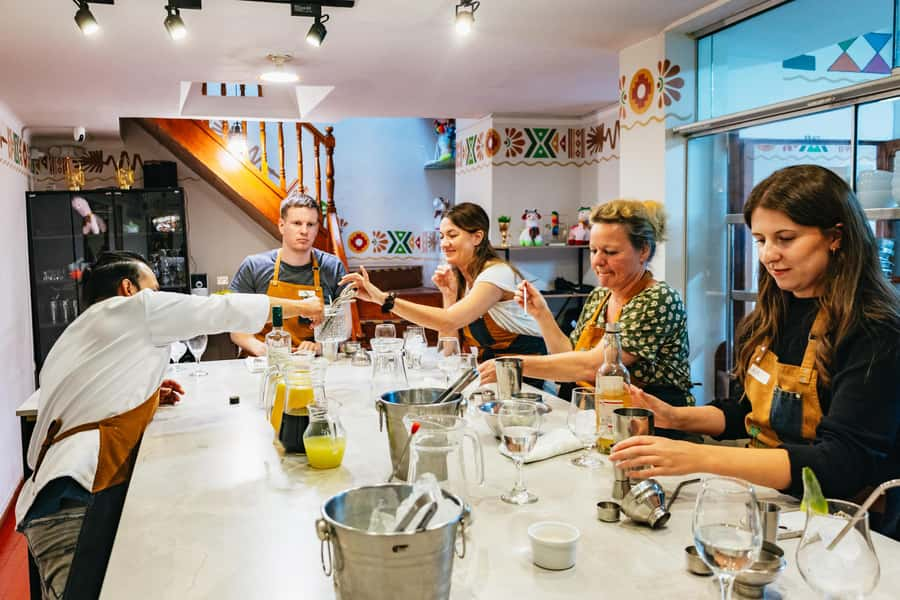
The menu is not limited to one standard plate. Vegetarian, vegan, and gluten-free options are available, and the chefs have adjusted dishes for people with different needs. Nonalcoholic cocktails are also possible.
That flexibility has real value. One group included vegetarian and gluten-free participants, and the dishes were adapted so everyone could take part. Another participant made mocktails and still enjoyed the cocktail portion fully.
I would still be careful about communication. One person reported some confusion about a gluten-free request despite including it in the reservation and stating it at the beginning. The practical lesson is simple: mention your restriction when booking, remind the guide at the market, and repeat it before food preparation begins.
The same advice applies to vegan substitutions. The menu can accommodate them, but the kitchen needs to know exactly what you avoid. If your needs are severe or medically important, ask for confirmation before paying.
The food, the pacing, and the final table
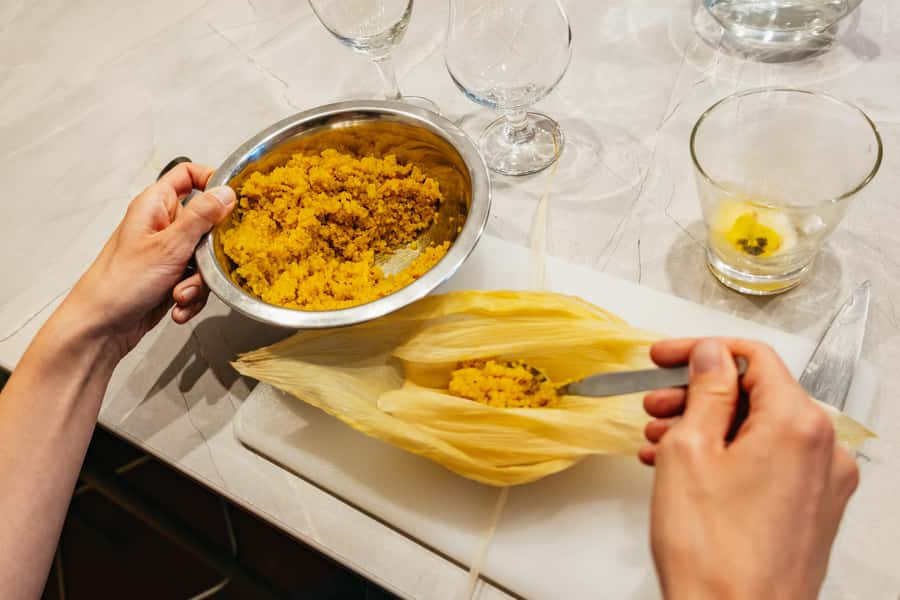
Once the cooking is complete, you sit down and eat the dishes together. This is not a quick tasting. The menu includes the three savory preparations, two cocktails, and picarones, so it becomes a full meal.
Several details make the table portion worthwhile. The chef explains how the dishes should look, helps with plating, and keeps the group moving without turning the class into a race. You also have time to trade stories with your cooking companions, which adds a relaxed social element.
The amount of food matters. One participant advised arriving with an empty stomach, and that is sensible. The class gives you plenty to eat, especially when you include the dessert and drinks.
The meal is also where the value becomes clearer. At $67 per person, you are paying for more than a restaurant plate. The fee covers a professional chef, the market tour, ingredients, two cocktails, three main dishes, picarones, and water. You also leave with a better understanding of what you ate and how the dishes fit into Peruvian culture.
It is not the cheapest way to have lunch in Cusco. If your only goal is to eat cebiche, a restaurant will cost less and take less time. But if you want a market visit, instruction, a social meal, and recipes you can try at home, the price is reasonable for a four-hour activity.
Some participants received the recipes by email, making it possible to recreate the dishes after returning home. That is a useful extra, especially for causa and quinoa preparations that may be new to you.
When to schedule this four-hour class
This activity works well early in a Cusco visit because the pace is gentle and the class gives you a low-pressure introduction to local food. Several people used it while adjusting to the altitude, and the market walk followed by cooking is less physically demanding than a full-day excursion.
You should still pay attention to your energy. Cusco sits at high altitude, and a four-hour food activity involves standing, walking, and eating. Wear comfortable clothes and shoes, drink water, and do not feel obliged to finish alcoholic drinks.
The class also fits nicely before or after major outdoor plans. If you are preparing for the Inca Trail, it can be a pleasant cultural activity on an easier day. Avoid scheduling it when you need a fast meal or have a tight connection, since the full experience takes four hours.
The meeting point is Door Number 1 at San Pedro Market, and the experience is conducted in English. Children under 10 are not accepted. Older children may enjoy it, especially if they like food and can follow kitchen instructions, but the stated age limit applies.
Who will get the most from it
I would recommend this class to you if you want an activity that combines food, culture, and conversation. It is especially good for first-time visitors who want help understanding Peruvian ingredients instead of simply photographing the market.
It also suits couples, friends, and solo visitors who enjoy meeting people around a shared task. The group limit of 10 keeps the setting personal without making it private.
Vegetarians, vegans, and people avoiding gluten can take part, provided they communicate their needs clearly. Non-drinkers are also covered through mocktail options.
I would be more cautious if you want advanced culinary training. The class is focused on accessible preparation, guided assembly, cultural context, and eating together. It is a fun introduction, not a professional kitchen course.
The tour is also not ideal for anyone who dislikes markets, standing, or group activities. The market is an important part of the experience, not an optional add-on.
Should you book the Cusco cooking class?
At $67, this is a good-value choice if you want more than a meal. The combination of San Pedro Market, two cocktails, three Peruvian dishes, picarones, and a professional English-speaking chef gives you a full afternoon with plenty of variety.
I especially like the market-to-kitchen connection. You see local ingredients first, then use them in a clean historic-center studio. The chefs, including Jesus, Jorge, and Eric on different sessions, are praised for clear teaching, humor, and attention to dietary needs.
Book it if you want an approachable cultural activity, a generous meal, and recipes you can take home. Skip it if you need a short stop, dislike group cooking, or expect every part of the meal to be prepared from scratch. For most food-curious visitors to Cusco, this is one of the more useful ways to spend four hours.
FAQ
Where does the Cusco cooking class meet?
Meet at Door Number 1 at San Pedro Market in Cusco.
How long does the experience last?
The activity lasts four hours, including the market visit, walk to the studio, cooking class, cocktails, and meal.
What dishes will I prepare?
You prepare cebiche, causa limeña, and quinoa tamal. Picarones with honey are served as the sweet finish.
Are cocktails included?
Yes. Two pisco cocktails are included. Nonalcoholic recipes are available.
Can I join if I am vegetarian, vegan, or gluten-free?
Yes. Vegetarian, vegan, and gluten-free menus are available. Sugar-free options are also available for the picarones.
Is the class offered in English?
Yes. The live tour guide and cooking instruction are in English.
Can children join the class?
Children under 10 are not permitted to participate.
What should I bring?
Wear comfortable shoes and comfortable clothes. Arriving hungry is also sensible because the experience includes several dishes, dessert, and drinks.
New cooking classes around Peru
- Lima: Peruvian cooking class and tour of Surquillo market★ 5.0 · 2 reviews
- Lima: Market Tour, 35 Fruits Tasting & Cooking Class★ 5.0 · 3 reviews
- Lima: Market Tour and Cooking Class with Pisco Sour★ 5.0 · 3 reviews
- Lima: 4-Course Peruvian Cooking Class in Miraflores★ 5.0 · 4 reviews
- Lima : Cooking Class – A Peruvian Culinary exploration★ 5.0 · 2 reviews
- Lima: Cooking Workshop and Water Circuit Tour★ 5.0 · 16 reviews
- Lima: Demo Cooking Class with Lunch at Cala Restaurant★ 4.1 · 4 reviews
- Cusco: Peruvian Cooking Class & Market Tour★ 4.9 · 19 reviews
Peru Cooking Classes, side by side.
Cooking class and market tour with a local chef
Read our review →
Market Tour, Tasting of 35 Fruits, and 4-Course Peruvian Cooking Class in Lima
Read our review →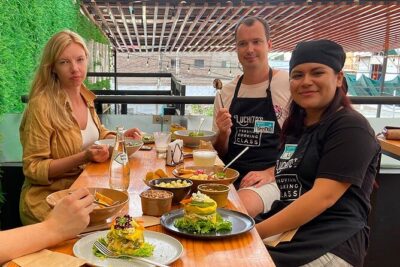
#1 Rated Cooking Classes with Local Market Tour & Pickup
Read our review →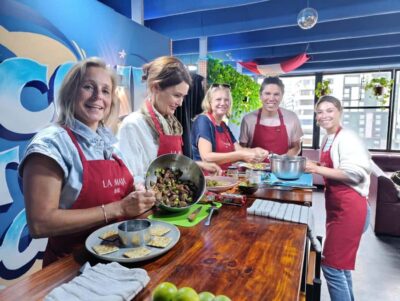
Miraflores: Amazing Peruvian Cooking Class Ceviche Seafood and Pisco Sour
Read our review →
Cook with Maido’s creative chef and chef de cuisine
Read our review →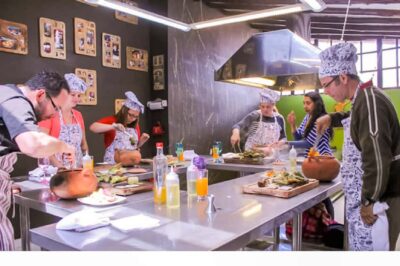
This kitchen also appears in