
Review · NEW ORLEANS
Hands-on Cajun Roux Cooking Class in New Orleans
New Orleans cooking makes more sense once you understand the roux. This hands-on class shows you how to turn flour and fat into the deep, nutty base for gumbo, then use a lighter roux for shrimp étouffée. You do the chopping, stirring, cooking, and plating, then sit down to eat what you made.
I like the small class size, which gives you a real job instead of leaving you to watch a chef work. I also like the relaxed pace: wine or soda during the cooking, local stories from chefs such as Raymond, Mark, Jason, and Connor, and bananas Foster to finish. The main consideration is the price, $163.85 per person. That is a serious meal budget, though it includes instruction, drinks, a full three-course meal, and a skill you can use at home.
Key points at a glance
- Real roux practice: You make both the dark roux for gumbo and the light roux for shrimp étouffée.
- A maximum of 10 people: Small groups make it easier to take part rather than simply watch.
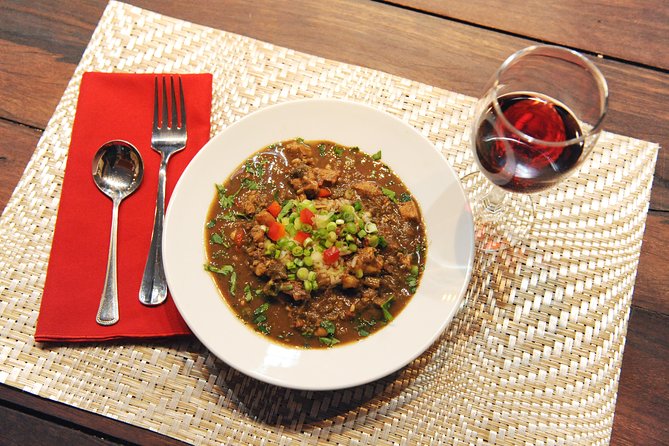
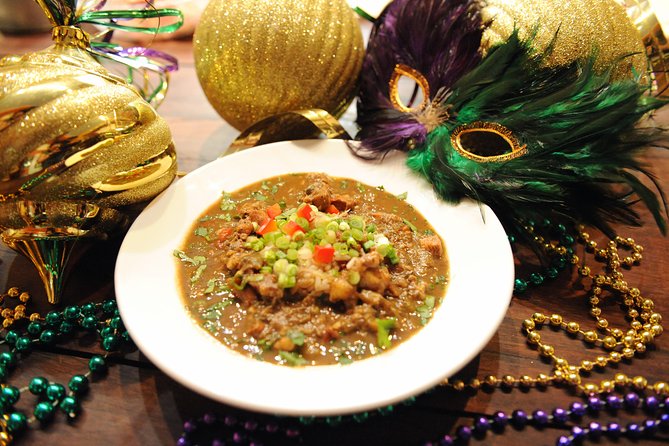
- Three Louisiana dishes: The menu includes chicken and andouille sausage gumbo, shrimp étouffée, and bananas Foster.
- Chefs with different personalities: Raymond is known for stories and humor, while Mark, Jason, Connor, Cam, and Erika have all led warm, practical classes.
- A sit-down meal afterward: You eat the food prepared during class, with wine or soda included.
- Convenient New Orleans location: The class begins and ends at 519 Wilkinson Street, near public transportation.
Why the roux is the heart of this New Orleans class
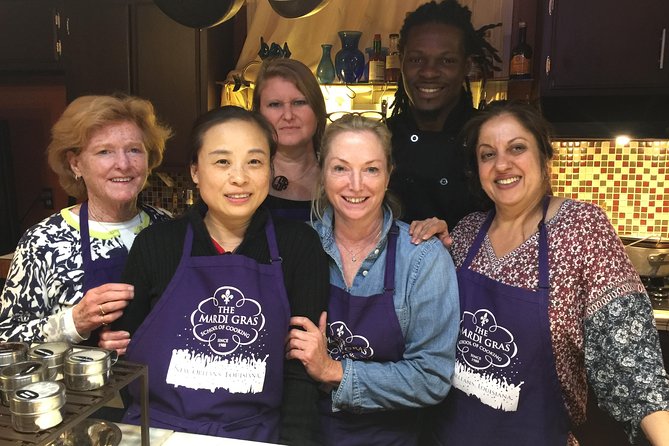
Many cooking classes let you watch a professional make the difficult parts. This one puts you in front of the pan. That matters most with roux, because the color changes slowly, and then suddenly. You need to pay attention.
The class starts with the Cajun Holy Trinity, an essential flavor base in Louisiana cooking. You chop and prepare the ingredients before the cooking begins. This opening work may sound simple, but it gives you a useful lesson: good Cajun food starts with patient preparation, not a last-minute pile of spices.
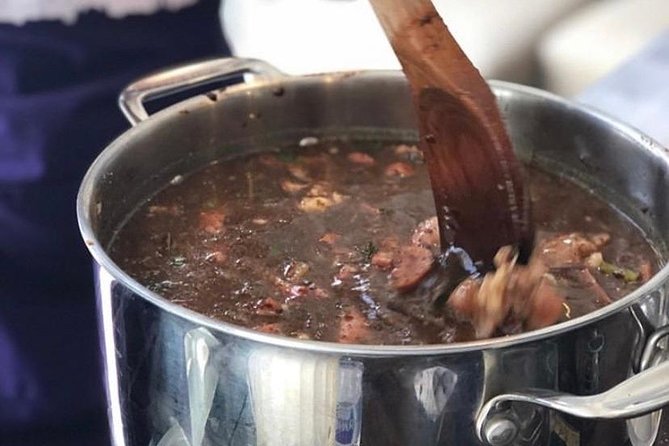
Once everything is ready, you begin the dark roux for the gumbo. The chef guides you through the process and explains the technique as you work. Raymond, Mark, Jason, Connor, Cam, or another instructor may lead your session, so the tone can vary slightly. The common thread is direct instruction, personal attention, and plenty of encouragement for cooks who do not spend much time in the kitchen.
The class then moves to a light roux for shrimp étouffée. Making the two roux side by side helps you understand how color affects flavor. You are not simply memorizing a recipe. You are learning why two dishes from the same region begin with related techniques but taste different.
More cooking classes around the USA:
- New Orleans Demonstration Cooking Class with Meal
★ 5.0 · 3,000 reviews - New Orleans Hands-On Cooking Class with Meal
★ 5.0 · 1,183 reviews - Undiscovered Charleston: Half Day Food, Wine & History Tour with Cooking Class
★ 5.0 · 948 reviews
A three-hour schedule with plenty of time to eat
The experience lasts about three hours. That is long enough to cook several dishes without turning the session into a rushed demonstration.
You begin with an introduction to New Orleans cooking and the role of the Cajun Holy Trinity. After chopping and prepping, the class takes a short break for the first glass of wine. Soda pop is available instead if you prefer not to drink alcohol.
Next comes the gumbo. The dark roux takes care and attention, and this is likely the most useful part of the class for home cooks. You work with chicken and andouille sausage gumbo, a classic combination with smoky, savory flavor. The chef explains the steps while giving you tasks to perform.
After the gumbo, you prepare shrimp étouffée with a light roux. The shift from dark to light roux makes this more than a single-dish lesson. You see two foundations used in different ways, and you get practical instruction that can help with other Southern dishes.
The class then moves to plating. This gives you a chance to see how the dishes come together before everyone sits down to eat. The meal is not an afterthought. It is the payoff for the work you have just done.
Bananas Foster comes at the end. The chef demonstrates a dependable method for making the dessert, which is designed to be manageable at home. It also provides a fun finish after the savory dishes. If you are cooking with friends or family, this is often the part that turns a useful class into a shared occasion.
What you actually cook and eat
The menu is compact but generous:
- Chicken and andouille sausage gumbo
- Shrimp étouffée
- Bananas Foster
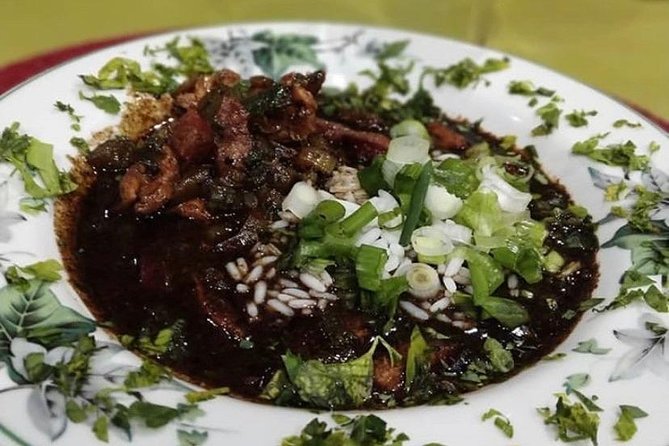
The gumbo is the first major dish and the one most closely tied to the dark roux lesson. Andouille adds a smoky note, while the chicken gives the dish substance. Since the class makes the food together, your final result depends partly on how carefully the group follows the chef’s instructions. That is a good thing. You are learning a method, not receiving a pre-made bowl.
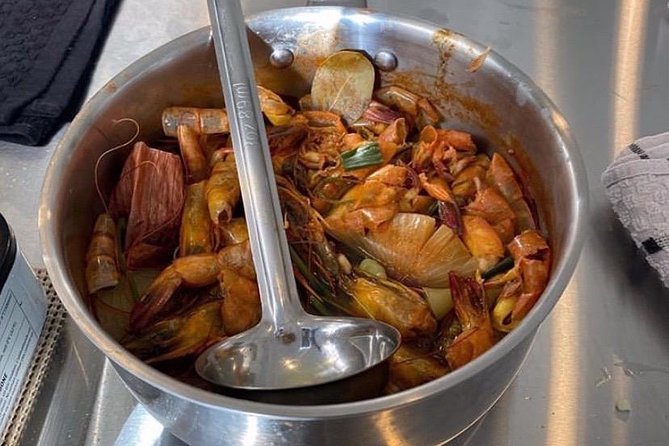
Shrimp étouffée gives the meal a different character. It is built with a lighter roux and lets the shrimp remain the focus. The class structure helps you compare the two dishes while the techniques are still fresh in your mind.
Bananas Foster is a crowd-friendly dessert and an accessible recipe to take home. The chef shows you a fool-proof approach, according to the supplied class description, so you can try it for friends and family after returning from New Orleans.
One practical point: the available information does not promise printed recipes for every dish. One participant wished for the gumbo recipe, while other class members said the instruction made the dishes easy to recreate. If taking home exact recipes is important to you, ask the school about recipe materials before booking.
The instructors shape the feel of the class
The Mardi Gras School of Cooking uses several chefs, and each brings a different style.
Raymond is repeatedly described as funny, patient, and generous with personal stories. He has cooked for the Super Bowl and won cooking competitions, details that add interest without turning the class into a stage show. His teaching style seems especially suited to beginners who want clear steps and reassurance.
Mark brings humor and local stories, along with close guidance through each recipe. He has been praised for keeping small groups involved and for explaining useful cooking tips that apply beyond gumbo and étouffée.
Jason is another lively instructor who focuses on the Cajun roux technique. He has been described as personable and encouraging, which helps if you are unsure about handling a hot pan or judging the color of a roux.
Connor has led classes for couples and families, with a patient, professional manner. That may be a good fit for a group with mixed cooking abilities. Cam is noted for connecting cooking techniques with Cajun and Creole culture, while Erika has also received strong praise for her teaching.
You cannot select the chef from the information provided, so book this for the class format rather than a particular personality. Still, the range of instructors is a plus. The experience does not depend on one individual to make the afternoon work.
Same kitchen, a different dish:
- New Orleans: Cajun and Creole Cooking Class
★ 4.9 · 730 reviews - Atlanta: Historic Market Food Tour and Biscuit Cooking Class
★ 4.9 · 25 reviews - New Orleans: Cooking Class & Cocktail Walking Tour
★ 4.7 · 16 reviews - Private New Orleans Cajun Cooking Class with a Local Courtland
★ 5.0 · 14 reviews
Why the small group matters
The class can include up to 10 people. That is small enough for everyone to have a task, and it avoids the passive feeling of a large demonstration.
This matters most during the roux. If you are standing at the back of a crowded room, you may miss the color changes or the chef’s explanation of timing. In a group of 10 or fewer, you have a better chance to participate, ask questions, and handle part of the preparation yourself.
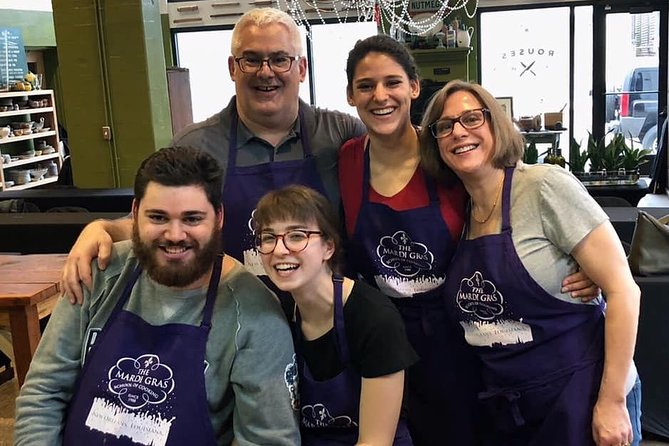
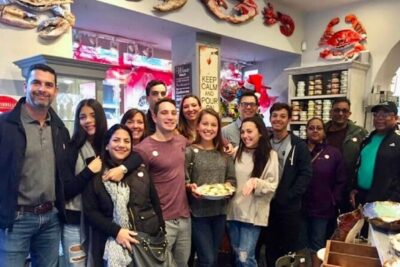
The format also works well for mixed groups. Families with teenagers have enjoyed the class, and a 12-year-old has taken part successfully. Two 17-year-olds also found the lesson engaging. That does not mean every child will enjoy three hours of cooking, but the hands-on setup gives younger participants a real role.
For couples, the class offers more interaction than a standard dinner. For friends, it turns a meal into a shared project. Groups of eight have taken the class together, while smaller groups of four have appreciated the extra chance to cook independently.
The food and drink portion of the value
At $163.85 per person, this is not a budget activity. You should compare it with the cost of a good New Orleans dinner, then add the value of instruction and an organized daytime or evening activity.
The price includes the cooking class, the food you prepare, and wine or soda during the session. You also receive a full meal of gumbo, shrimp étouffée, and dessert. For someone who already plans to spend heavily on dinner, the price can make sense because you are paying for an experience as well as food.
I would not book this only because you want the cheapest way to eat gumbo. New Orleans has less expensive meals. I would book it because you want to understand the cooking, take part in the preparation, and leave with techniques you can use at home.
The class also has value for repeat visitors. You may have already eaten gumbo and étouffée in restaurants, but this gives you a look at how the flavors are built. The lesson can make the rest of your food stops more interesting because you will recognize the work behind the dish.
Location, timing, and practical planning
The meeting point is 519 Wilkinson Street in New Orleans. The activity ends at the same location, and public transportation is nearby.
Allow the full three hours. This is not a quick tasting or a short cooking demonstration. You will be chopping, preparing two roux-based dishes, eating, and making dessert. Arriving with enough time to find the address will make the experience calmer.
The class is offered in English. Confirmation is provided at booking, and it is commonly reserved about 26 days ahead, so you should not wait until the last moment if your New Orleans schedule is fixed.
The experience offers group discounts, though the available information does not state the discount amount or the required group size. Ask for the current terms if you are booking for a larger party.
You can cancel for a full refund if you do so at least 24 hours before the start time. Changes or cancellations made less than 24 hours ahead are not accepted for a refund, and the cut-off uses New Orleans local time.
Who will enjoy this most
I would recommend this class to home cooks who want a practical introduction to Louisiana food. You do not need to be an expert. In fact, the patient teaching style and small group are especially helpful if you are not confident in the kitchen.
It also suits:
- Couples looking for a meal with an activity attached
- Families with older children or teenagers
- Friends who want to cook and eat together
- Food-focused visitors who want more context than a restaurant provides
- Repeat New Orleans visitors searching for a new kind of local experience
You may want to skip it if you dislike group activities, prefer a quick meal, or are mainly looking for a low-cost dinner. Three hours is a meaningful part of your day, and the price is higher than simply ordering the same types of food at a restaurant.
Dietary information is not provided, so ask the school directly about substitutions before booking if you have food restrictions.
Should you book the Cajun Roux class?
Book it if you want to do more than eat New Orleans food. The strongest part is the hands-on roux work, supported by a small group, a full meal, and chefs who teach with humor and patience.
At $163.85, it is best viewed as a cooking lesson, social activity, and dinner in one. I think the value is good for couples, families, and groups who will enjoy the process as much as the plate. If you only want a taste of gumbo and étouffée, spend less at a restaurant. If you want to make them yourself and understand why the dishes taste the way they do, this class earns its place in your New Orleans plans.
FAQ
Where does the Cajun Roux cooking class start?
The class starts at 519 Wilkinson Street, New Orleans, Louisiana 70130, USA.
Where does the experience end?
The activity ends back at the meeting point on Wilkinson Street.
How long does the cooking class last?
The class lasts approximately three hours.
What dishes will I make?
You will prepare chicken and andouille sausage gumbo, shrimp étouffée, and bananas Foster.
Is the class hands-on or demonstration-only?
It is hands-on. You will chop and prepare ingredients, make the dark roux for gumbo, make the light roux for shrimp étouffée, and plate the meal.
Are drinks included?
Yes. Wine is included, and soda pop is available as an alternative.
How many people can join the class?
The class has a maximum of 10 participants.
Can I cancel for a refund?
Yes. You can cancel at least 24 hours before the experience start time for a full refund. Cancellations or changes made less than 24 hours before the start time are not accepted for a refund.
New cooking classes around the USA
- San Diego: 2-Hour Pasta Cooking Class at a Local Brewery★ 5.0 · 2 reviews
- San Francisco: Dumpling Cooking Class & 3-Course Dinner★ 5.0 · 10 reviews
- New Orleans: Food Walking Tour & Cooking Class Experience★ 5.0 · 8 reviews
- New Orleans: Hands-on Cajun Roux Cooking Class★ 4.9 · 7 reviews
- New Orleans: Traditions Cooking Class★ 5.0 · 9 reviews
- New Orleans: Cooking Class & Cocktail Walking Tour★ 4.7 · 16 reviews
- Atlanta: Historic Market Food Tour and Biscuit Cooking Class★ 4.9 · 25 reviews
- Chinese Dumplings Cooking Class in NYC – Fun & Delicious!★ 5.0 · 4 reviews
New Orleans Cooking Classes, side by side.
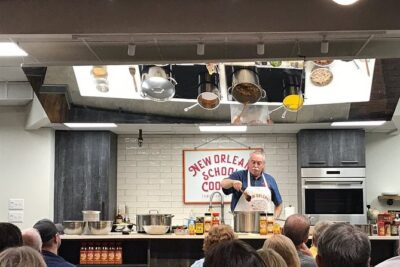
New Orleans Demonstration Cooking Class with Meal
Read our review →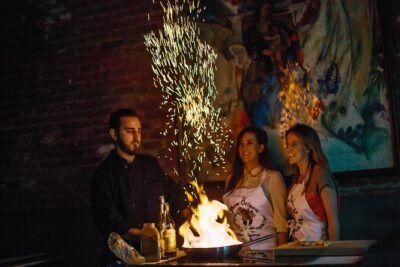
New Orleans Hands-On Cooking Class with Meal
Read our review →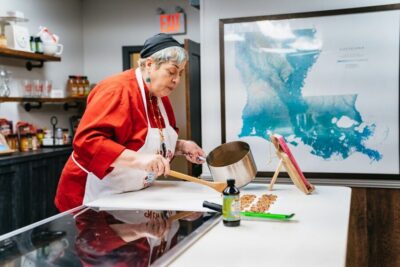
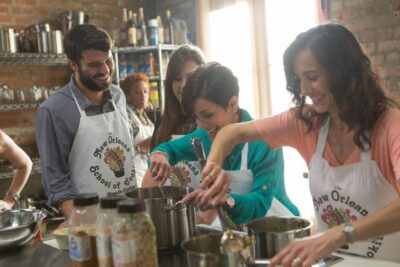
New Orleans: Cooking Class & Cocktail Walking Tour
Read our review →
Private New Orleans Cajun Cooking Class with a Local Courtland
Read our review →
New Orleans: Food Walking Tour & Cooking Class Experience
Read our review →
This kitchen also appears in