
Review · NEW ORLEANS
Private New Orleans Cajun Cooking Class with a Local Courtland
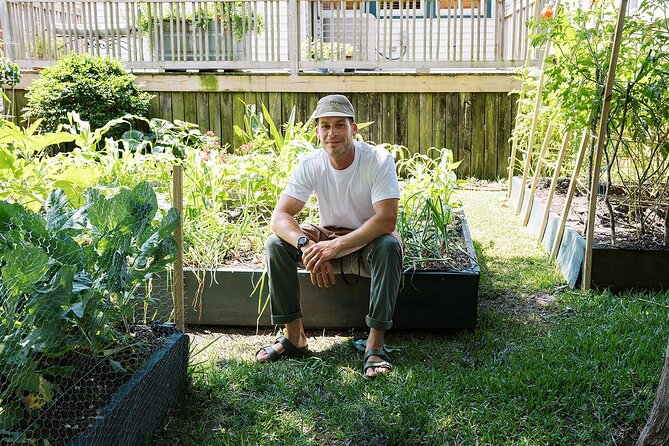
The best part of this New Orleans experience is that you cook in Courtland’s home, not in a polished classroom built for tour groups. He draws on Cajun French family traditions, his grandmother’s lessons, and his father’s famous Cajun parties. You get a real kitchen, a garden, family cookware, and a meal shared at the same table.
I like the private format and the way the class connects food with local life. I also like that Courtland teaches by taste, smell, and sight rather than forcing you to follow a rigid recipe. The main consideration is that this is a home visit, not a commercial cooking school, so the setting and pace are personal rather than highly formal.
Key points at a glance
- Cook in Courtland’s New Orleans home: You visit a residential neighborhood and spend time in a private home and garden.
- Prepare three Cajun dishes: The menu includes an appetizer, a main course with a vegetable side, and dessert.
- Learn family cooking methods: Courtland learned from his grandmother and father, and shares practical Cajun techniques and shortcuts.
- Choose lunch or dinner: The cooking class lasts about 1.5 hours within an experience of roughly three hours.
- Share the finished meal together: Beer or wine is included, along with conversation around the table.
- Request menu changes ahead of time: Vegetarian, gluten-free, and lactose-free diets can be accommodated on request.
A Cajun kitchen in a residential New Orleans neighborhood
This experience begins at 305 Homedale Street in New Orleans, where Courtland welcomes you to the home he shares with his wife and their cat. The location puts you away from the main tourist areas and into a neighborhood where daily New Orleans life carries on at a slower pace.
That change of setting matters. You are not simply watching a chef prepare food while standing behind a counter. You are entering the place where the cooking takes place, seeing the garden, and hearing how Cajun food fits into Courtland’s family life.
The visit starts with a refreshing drink and conversation. Courtland talks about living in New Orleans before moving into the kitchen. This opening gives the class a friendly rhythm, rather than rushing you straight into chopping and stirring.
You should think of the house as part of the experience. The home setting may feel warmer and more personal than a studio, but it also means the class will not have the polished layout or commercial equipment of a dedicated cooking school. For many people, that is the point. You are here for contact with a local cook, not a staged production.
More Private Cooking Classes in the USA
- Cooking Class/Dinner W/ Celebrity French Chef OR Private Chef Ser
★ 4.5 · 9 reviews - Private Chef, Catering and Cooking Classes
★ 5.0 · 7 reviews - Private Palm Springs Cooking Class with a Fun Local Chef Stephen
★ 5.0 · 7 reviews
What you learn during the 1.5-hour cooking lesson
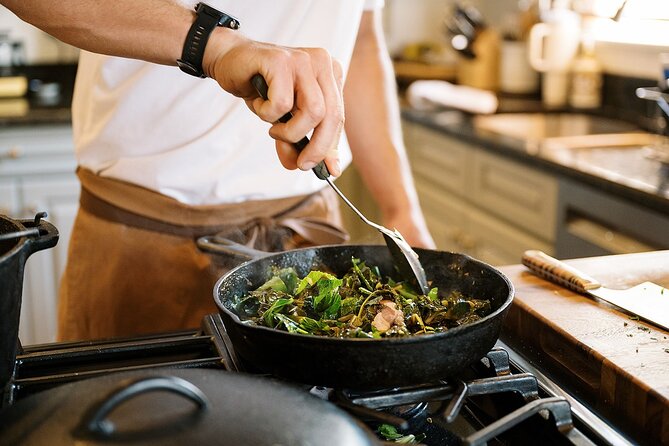
The hands-on lesson combines demonstration with your own work. Courtland shows you the important techniques, then encourages you to pay attention to what you taste, see, and smell. That approach is useful because Cajun cooking often depends on judgment, not just exact measurements.
You learn how the dishes are built and why certain steps matter. Courtland also explains the difference between Cajun and Creole cuisine, a helpful bit of context in a city where the two traditions are often confused.
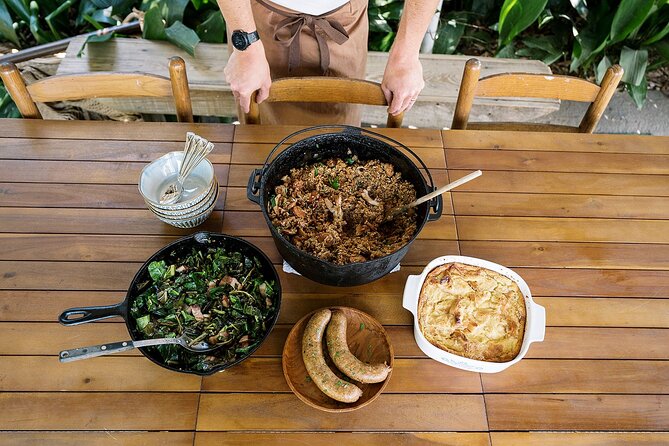
The menu changes with the season, but the meal includes three courses:
- A traditional Cajun starter, such as boudin balls
- A main dish such as jambalaya, gumbo, étouffée, or blackened fish
- A vegetable side and dessert
The menu options cover several familiar New Orleans flavors, but you should not expect to choose every dish yourself. The meal depends partly on the season and on what produce is available. That variation is a plus if you like food that follows the time of year, though it can be less appealing if you have your heart set on one specific dish.
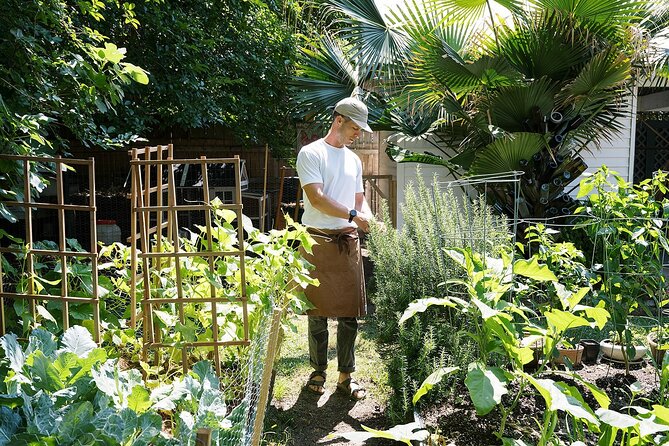
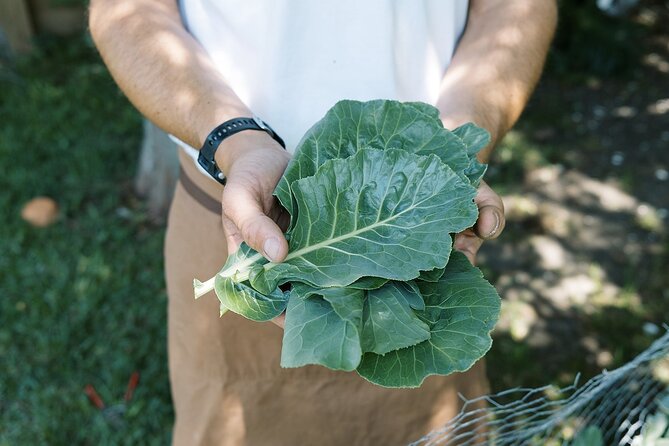
Courtland uses produce from his vegetable garden whenever possible, along with ingredients purchased at local markets. The garden connection gives the lesson a practical edge. You see how fresh ingredients fit into the meal, rather than hearing only general advice about local food.
Family recipes, heirloom cookware, and useful technique
The strongest personal detail here is Courtland’s family background. He learned to cook from his grandmother and father, who still hosts well-known Cajun parties. This is not a menu assembled only for visitors. The recipes and methods come from a family tradition that Courtland is happy to explain.
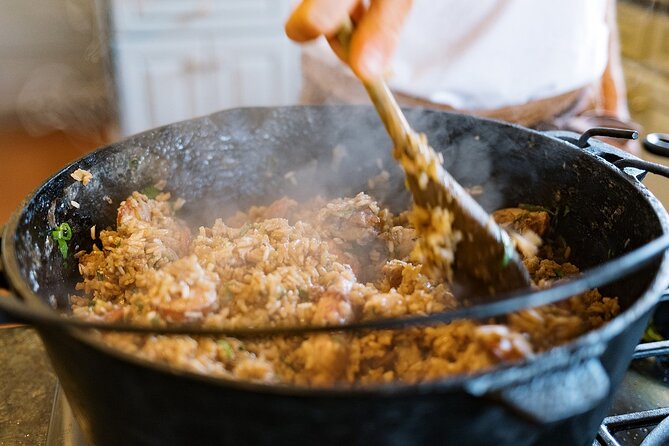
A particularly nice touch is the use of family heirloom cookware. The cookware connects the meal to the people who taught Courtland to cook, and it gives you a glimpse of how food traditions continue inside a family kitchen.
The class is not built around memorizing a recipe card. Courtland wants you to notice how food changes as it cooks. You may be asked to taste, adjust, and judge the dish by its smell or appearance. That makes the lesson more transferable. You leave with a better sense of how to cook Cajun food at home, even if the exact menu changes.
Still, this style may not suit someone looking for a precise, technical pastry class or a professionally staged demonstration. The appeal is the conversation, the shared work, and the chance to learn the logic behind the food.
From boudin balls to jambalaya, gumbo, or étouffée
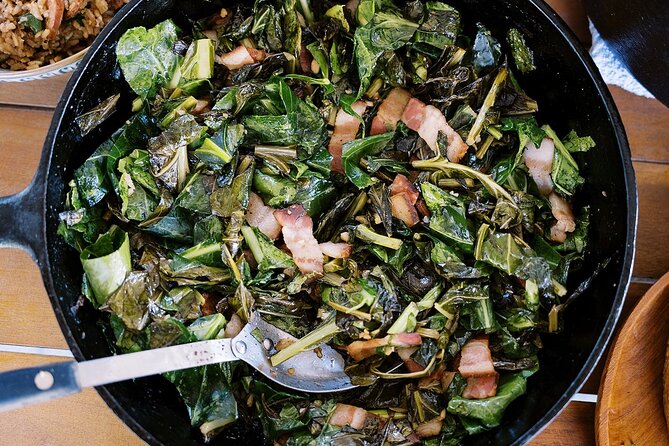
The appetizer sets the tone. Boudin balls are a traditional Cajun choice, and they introduce you to the savory, seasoned side of Louisiana cooking. Depending on the menu, the main course may be jambalaya, gumbo, étouffée, or blackened fish.
These dishes also show why the Cajun and Creole distinction is worth discussing. The cooking traditions overlap, but they are not identical. Courtland uses the meal to explain those differences in a practical way, while you are working with the ingredients in front of you.
A vegetable side accompanies the main course, and the meal ends with dessert. Since the menu may change with the season, the exact sequence is not fixed. Contact Courtland in advance if a dietary need affects your menu, since vegetarian, gluten-free, and lactose-free requests can be accommodated on request.
The food is only part of the reward. The class ends with you sitting down to eat what you helped prepare. That shared table is where the activity becomes more than a lesson. You are not carrying a boxed sample away or eating separately. You are part of the meal.
Beer or wine is included, which adds to the relaxed dinner-party feel. If you select the lunchtime option, the experience still includes the same cooking and shared meal structure, though the atmosphere will naturally be different from an evening gathering.
Same kitchen, a different dish:
- New Orleans Demonstration Cooking Class with Meal
★ 5.0 · 3,000 reviews - New Orleans Hands-On Cooking Class with Meal
★ 5.0 · 1,183 reviews - Undiscovered Charleston: Half Day Food, Wine & History Tour with Cooking Class
★ 5.0 · 948 reviews - New Orleans: Cajun and Creole Cooking Class
★ 4.9 · 730 reviews
Why the private format changes the experience
Only your group takes part. That makes it easier to ask questions, request a slower explanation, or spend more time on a technique that interests you. It also lets Courtland adjust the conversation and cooking pace to your group rather than dividing attention among strangers.
For couples, families, and small groups, the private setup is a major benefit. You can talk freely, work together, and enjoy the meal without being folded into a large class. It may also suit people who feel shy about cooking in front of strangers.
The tradeoff is price. At $64 per person, you are paying for about three hours, private instruction, the meal, beer or wine, and a home-based cultural experience. That is a fair value for a small group that wants personal attention and a full meal. If you are traveling alone, the per-person cost may feel less attractive because the private format is likely most valuable when shared with your own party.
The experience is often booked well ahead, with an average booking time of about 76 days in advance. If the date matters to you, planning early is sensible.
A welcoming host, with a few practical details to note
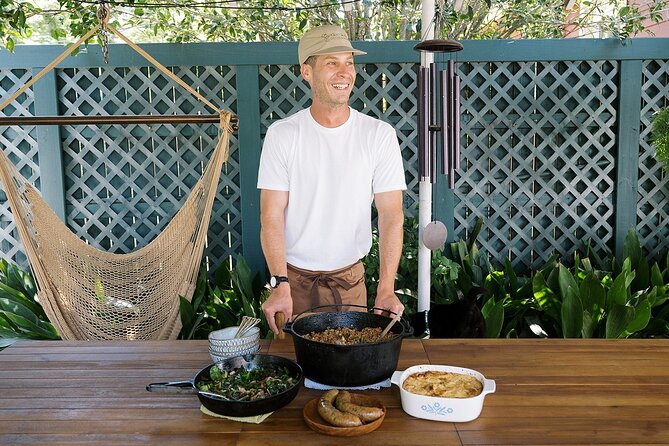
Courtland’s warm welcome is central to the experience. The home, garden, family cookware, and food all connect, so the visit feels personal from the moment you arrive. One especially useful detail is that he shares stories about living in New Orleans before the cooking begins. That gives the meal a local frame instead of treating Cajun food as a collection of isolated recipes.
This is also a good choice if you want food to open a conversation about place. Courtland’s view is that cooking brings people together, and the format supports that idea. You work side by side, then eat together.
You should be comfortable entering a private home and spending time around a cat. Courtland shares the house with his wife and their cat, so people with cat allergies should keep that in mind before booking. Service animals are allowed.
The meeting point is also the ending point. Transportation is not listed as part of the activity, so you need to make your own way to 305 Homedale Street and return from there. The mobile ticket makes it convenient to keep the booking details on your phone.
Timing, menu requests, and cancellation
The total activity lasts about three hours. The cooking portion is about 1.5 hours, followed by the meal and conversation. You can choose a lunchtime or dinner class, giving you some control over how it fits into your New Orleans plans.
The menu depends on the season, and Courtland can accommodate vegetarian, gluten-free, or lactose-free diets when asked in advance. Do not wait until you arrive to mention a serious dietary need. The earlier he knows, the easier it is to plan the meal.
Confirmation is sent within 48 hours of booking, subject to availability. You can cancel for a full refund up to two full days before the local start time. Cancellations or changes made less than two full days ahead are not accepted for a refund, so leave some room in your schedule before booking.
Who will enjoy this New Orleans cooking class most
I would choose this for anyone who values a personal meeting over a standard attraction. It works particularly well for:
- Couples looking for a relaxed meal with a local connection
- Families who enjoy cooking together
- Small groups wanting a private activity
- Food lovers interested in Cajun and Creole differences
- Visitors who have already seen the main tourist sights and want a residential setting
- People who prefer learning through conversation and practice
It may be less suitable if you want a large professional kitchen, a fixed menu, or a fast class focused only on technique. The home setting is the attraction, but it also means you should come ready for a less formal experience.
Should you book Courtland’s Cajun cooking class?
Book it if you want to cook, eat, and talk in a real New Orleans home. The strongest features are the private group format, Courtland’s family connection to Cajun cooking, the use of garden produce and heirloom cookware, and the shared meal at the end.
At $64 per person, the price makes sense when you count the instruction, three-course meal, drinks, and time with a local host. I would book early because dates tend to fill well ahead, and I would send dietary requests before confirmation.
Skip it if you prefer a restaurant meal with no participation or a formal class with exact recipes and professional equipment. For everyone else, this offers a grounded and friendly way to understand New Orleans food through the person who cooks it.
FAQ
Where does the Cajun cooking class begin?
The experience begins at 305 Homedale Street, New Orleans, Louisiana 70124. It ends back at the same meeting point.
How long does the experience last?
The full activity lasts about three hours. The cooking lesson itself lasts about 1.5 hours, followed by the shared meal and conversation.
Is the cooking class private?
Yes. Only your group participates in the activity.
Can I choose lunch or dinner?
Yes. The experience offers a choice of a lunchtime or dinner cooking class.
What dishes might I prepare?
The menu includes a Cajun appetizer such as boudin balls, a main dish such as jambalaya, gumbo, étouffée, or blackened fish, a vegetable side, and dessert. The menu may change with the season.
Are beer and wine included?
Yes. The meal includes beer or wine.
Can dietary requests be accommodated?
Yes. Courtland can accommodate vegetarian, gluten-free, and lactose-free diets when requested in advance.
Is this held in a commercial cooking school?
No. This is a visit to Courtland’s home, where he shares his cooking methods and New Orleans food traditions.
Can I cancel for a full refund?
Yes, if you cancel at least two full days before the experience’s local start time. Cancellations or changes made less than two full days in advance are not accepted for a refund.
New cooking classes around the USA
- San Diego: 2-Hour Pasta Cooking Class at a Local Brewery★ 5.0 · 2 reviews
- San Francisco: Dumpling Cooking Class & 3-Course Dinner★ 5.0 · 10 reviews
- New Orleans: Traditions Cooking Class★ 5.0 · 9 reviews
- New Orleans: Food Walking Tour & Cooking Class Experience★ 5.0 · 8 reviews
- New Orleans: Hands-on Cajun Roux Cooking Class★ 4.9 · 7 reviews
- New Orleans: Cooking Class & Cocktail Walking Tour★ 4.7 · 16 reviews
- Atlanta: Historic Market Food Tour and Biscuit Cooking Class★ 4.9 · 25 reviews
- Chinese Dumplings Cooking Class in NYC – Fun & Delicious!★ 5.0 · 4 reviews
New Orleans Cooking Classes, side by side.
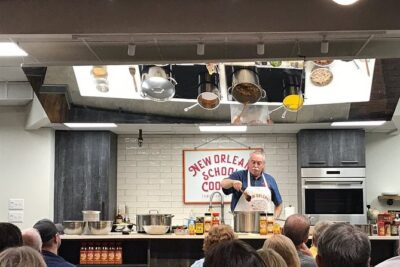
New Orleans Demonstration Cooking Class with Meal
Read our review →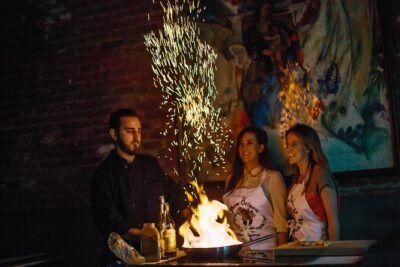
New Orleans Hands-On Cooking Class with Meal
Read our review →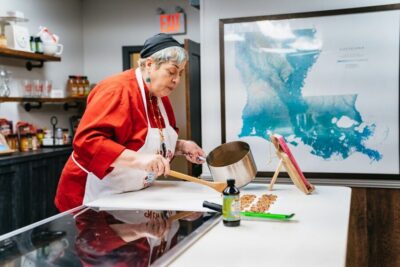
Hands-on Cajun Roux Cooking Class in New Orleans
Read our review →
New Orleans: Cooking Class & Cocktail Walking Tour
Read our review →
New Orleans: Food Walking Tour & Cooking Class Experience
Read our review →This kitchen also appears in