
Review · OAXACA CITY
The Real Traditional Oaxaca culinary Cooking experience
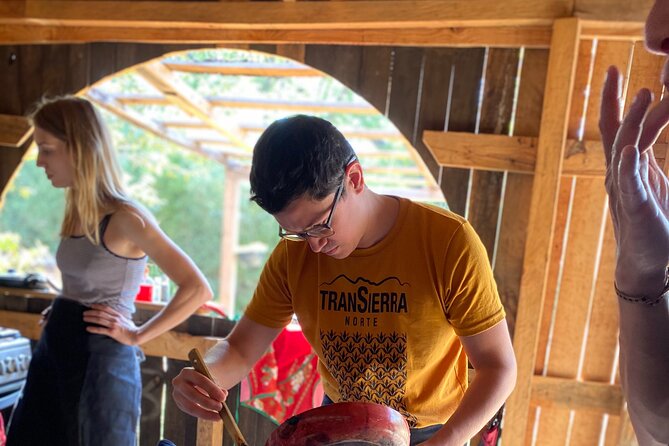
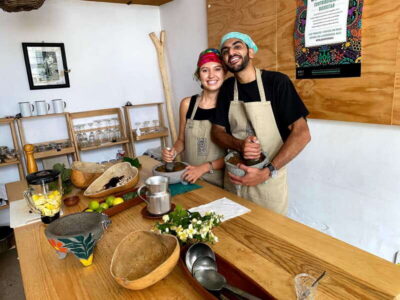
Oaxaca’s food culture makes the most sense when you handle the corn, smell the wood smoke, and taste mole before choosing what to cook. This class takes you to a family-run ranch kitchen in Santa Cruz Xoxocotlan, where you help prepare tortillas, empanadas, memelas, quesadillas, soups, and mole.
I like the fresh-from-the-garden approach and the chance to taste several moles before building your menu. I also like that chefs such as Miguel and Jose explain the reasons behind each step, not just the recipe. The main caution is timing: the published duration is about five hours, but the day may run into the afternoon, and one person found the pace rushed.
Key points
- Nixtamalized corn: Learn how treated corn becomes masa for handmade tortillas and other classic dishes.
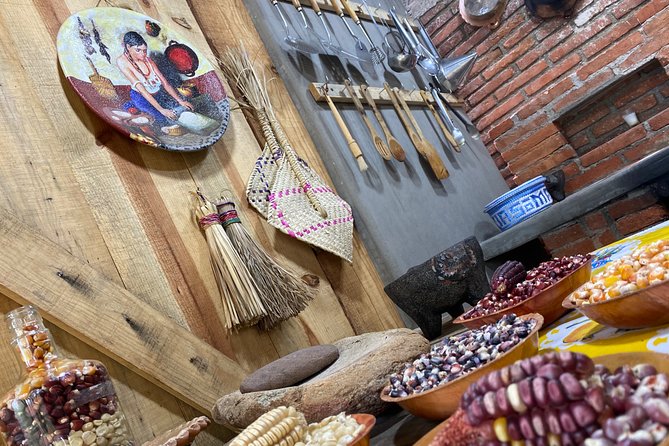
- A working farm kitchen: Cook in an outdoor, wood-fired setting with a garden and traditional methods.
- Market and garden ingredients: Help gather what goes into the meal instead of simply arriving at a prepared demonstration.
- Mole tasting: Sample as many as nine or ten varieties before choosing sauces to make.
- Small-group format: The stated maximum is 10 people, with English instruction and a mobile ticket.
- A filling half-day: At $100.74 per person, the price includes instruction, tastings, cooking, and a substantial meal, though you should keep the afternoon open.
From Oaxaca Centro to a ranch kitchen
The day starts at 9:00 a.m. at 5 de Mayo 210 in central Oaxaca. Roundtrip transportation from your accommodation may be available, which is useful because the cooking takes place in Santa Cruz Xoxocotlan rather than in the historic center.
That change of setting is part of the appeal. You leave the polished streets of central Oaxaca and reach a more personal cooking space, described as a cocina de rancho, or ranch-style kitchen. The setting includes a garden, outdoor cooking areas, and farm animals. Children may especially enjoy seeing the dogs, cats, chickens, goats, and donkey.
The group limit is listed as 10 people. That should give you a better chance to work with the ingredients than you would get in a large demonstration class. Still, the exact feel depends on the day’s group and the kitchen setup. The experience has occasionally felt crowded or rushed for some people, while others have been able to cook nearly every dish themselves.
Arrive early. One major complaint came from a family that reached the meeting point five minutes before departure but was told the group had already left after waiting for late arrivals. The provider’s response was that the group had waited about 15 minutes. The practical lesson is simple: treat 9:00 a.m. as a firm departure time, not a casual gathering time.
More cooking classes around Mexico:
- Cabo San Lucas Mexican Cooking Class Experience and Local Markets
★ 5.0 · 915 reviews - Puerto Vallarta Cooking Class Experience with Market Tour
★ 5.0 · 698 reviews - Mexican Cooking from Scratch in a Local Home in Tulum
★ 5.0 · 585 reviews
Starting with coffee, quesadillas, and the garden
The cooking does not begin with a long lecture. You may start with coffee or hot chocolate and a small bite such as a quesadilla. This gives the chef a chance to talk through the menu and learn what you like to eat.
The menu is flexible. You may help decide which dishes to prepare, including choices based on your tastes and on ingredients you can find at home. That is a useful touch if you want to repeat the recipes after returning to Australia, the United States, or elsewhere. Rather than learning a rigid menu that depends on one particular local chile, you can ask how to adapt the meal.
The garden is another strong part of the visit. You may walk through the property and pick available ingredients before heading to the market for anything missing. This connects the finished plate with the plants, season, and work behind it. It also makes the class feel less like a cooking show and more like being welcomed into someone’s working kitchen.
The setting is informal. Staff members Jose and Vicky have been involved alongside chef and owner Miguel, and the atmosphere is described as warm, funny, and patient. You can expect conversation while chopping, shaping dough, and waiting for food to cook. Mescal cocktails have also been prepared during some sessions, though that should not be treated as a guaranteed part of the menu.
The local market adds useful context
The market visit gives the class a practical middle step. You do not simply appear at the kitchen with neatly measured ingredients. Instead, you see the produce being selected and help gather what is needed for the meal.
That matters in Oaxaca, where ingredients and preparation methods are central to the dish. The market visit can help you understand why the cook chooses one chile, herb, squash blossom, or type of corn over another. It also gives you a short look at everyday food shopping away from the restaurant scene.
The market is not presented as a separate sightseeing tour, so you should not expect a long guided market history lesson. Its value is tied to the cooking: you see what goes into the food and then use those ingredients soon afterward.
Why nixtamalized corn matters
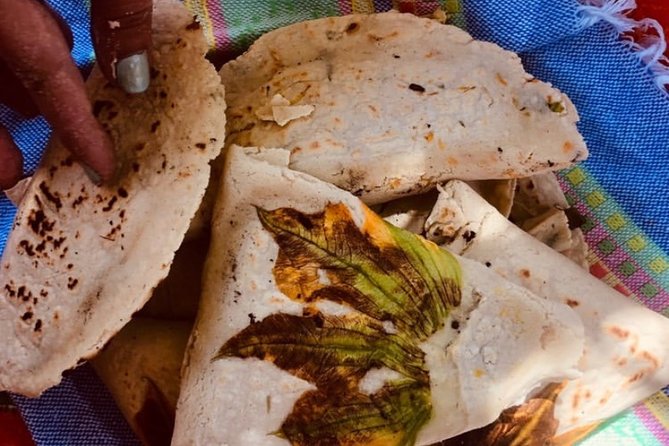
The class’s most useful lesson is the treatment of corn. Nixtamalization uses an alkaline process to prepare the kernels before grinding them into masa. Here, you learn how that masa becomes tortillas and several other Oaxacan staples.
You may shape tortillas by hand, then use the masa for dishes such as empanadas, memelas, quesadillas, and tetelas. Each form looks simple until you try to make it evenly, fill it neatly, and cook it without tearing. That hands-on work gives you a better feel for the food than watching someone else press and cook the dough.
I like this part because it explains the foundation of the meal. Mole may attract the most attention, but corn is what holds much of the table together. If you cook at home, the tortilla lesson is likely to be easier to use than a complex sauce requiring a long list of local ingredients.
You do not need professional cooking experience. At the same time, experienced home cooks should still find useful technique in the masa work, filling, shaping, and traditional cooking methods. The class is designed around participation, so be ready to touch, form, stir, taste, and adjust.
Same kitchen, a different dish:
- Authentic Mexican Legacy Cooking Class in Cabo San Lucas
★ 5.0 · 530 reviews - Mexican Cooking Class with Food Market Visit in Mexico City
★ 5.0 · 506 reviews - Authentic Mayan Cooking Class in Cozumel
★ 5.0 · 344 reviews - Flavors of Oaxaca: Cooking Class with No Set Menu and Local Market Tour
★ 4.5 · 333 reviews
Building the menu: tortillas, soups, and moles
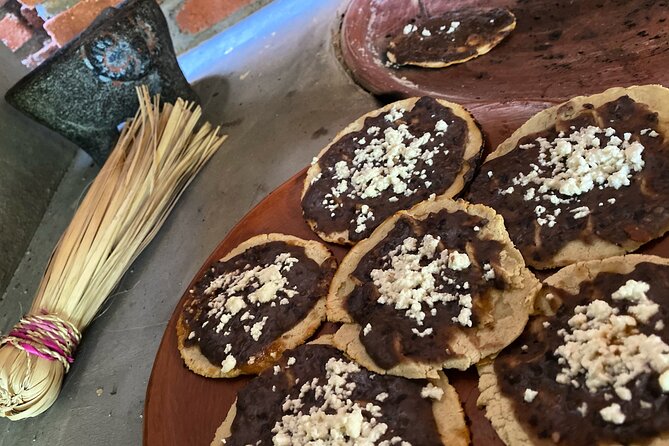
The starter portion can include tortillas, empanadas, memelas, quesadillas, and tetelas, with fillings such as quesillo and squash blossoms. You may not make every possible dish on every visit, since the menu is adjusted to the group and available ingredients.
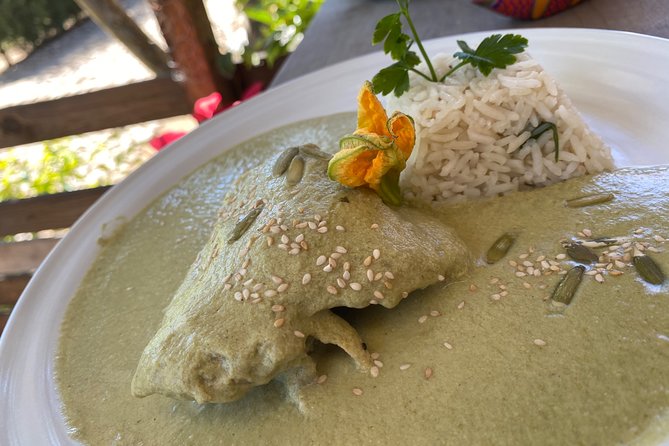
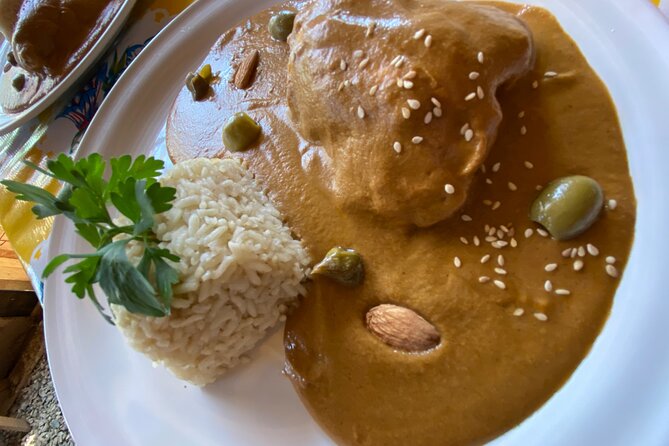
The main cooking centers on soups and moles. The mole tasting is a highlight because you sample a broad range before choosing what to prepare. Different sessions have included tastings of nine or ten moles, followed by making two varieties. That lets you compare flavor, sweetness, spice, texture, and the balance of toasted ingredients before committing to the cooking.
Mole is not a single sauce with one universal recipe. It can involve many ingredients and careful preparation, so tasting first helps you understand what you like. The chef explains the process and the reasons behind it, including the way ingredients are combined and cooked.
One person wanted to make a more traditional mole and felt that the class moved too quickly through parts of the preparation. That is a fair expectation to manage. This is a broad cooking day with several dishes, not a private, three-hour masterclass devoted to one mole. If mole is your main reason for booking, tell the chef early and ask how much of the sauce you will prepare yourself.
The meal may also include salsas and a local soup. At the end, you sit down to eat food made by the group. The quantity appears generous, with several people describing themselves as eating from the start of the day until departure. Bring an appetite, but do not plan a large lunch immediately afterward.
Dessert and the pleasure of making a full meal
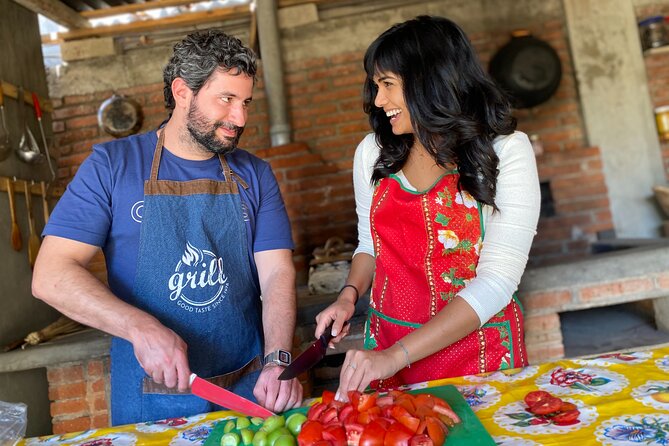
Dessert choices are described as flexible, with several options available. The exact sweet dish is not fixed in the information provided, so you should think of dessert as a menu choice rather than a guaranteed single specialty.
That flexibility suits the class. You are not just learning one headline dish and then leaving. You help assemble a complete meal, from corn-based starters to soup, mole, and dessert. The variety keeps the day moving, though it may also explain why some parts receive less individual attention.
The best way to approach the class is to choose two or three things you most want to learn. If you care most about tortillas, ask to spend time on shaping and cooking them. If you want mole technique, make that clear during the menu planning. You will get more from the day by stating your priorities than by assuming every participant will have equal time on every task.
How much value do you get for $100.74?
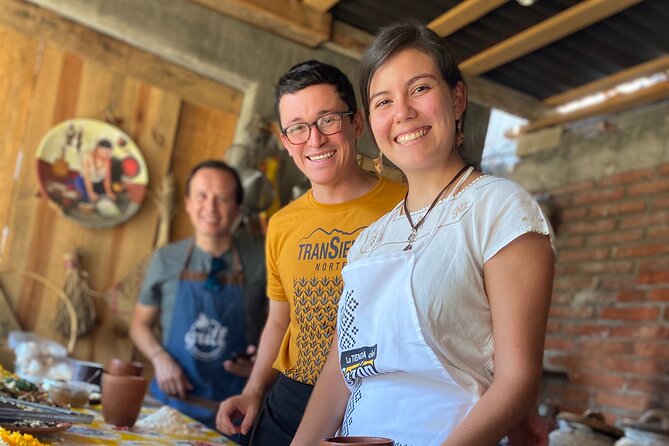
At $100.74 per person, this is not a cheap meal. It is also more than a standard cooking demonstration. The price covers a roughly five-hour experience, market and garden stops, instruction, ingredients, tastings, hands-on preparation, and the meal you make and eat.
I consider that reasonable for visitors who want a full food-centered day rather than a quick class. You are paying for access to a family setting, traditional equipment, several dishes, and the chef’s explanations. The mole tasting alone can turn into a useful lesson in Oaxacan flavor.
The value is lower if you want a tightly timed class focused on one recipe or if you dislike group activities. The schedule can stretch longer than the stated five hours. Several accounts place the finish around 3:00 or 4:00 p.m., even with a 9:00 a.m. start. Keep the rest of your day free, especially if you have an evening bus, flight, or fixed reservation.
The class is offered in English. The group size is listed at a maximum of 10, and confirmation is provided when you book. Service animals are allowed, and the meeting point is near public transportation. Pickup details should be confirmed directly because the information says transportation from accommodations is available, but does not define the exact pickup area or schedule.
Who will get the most from this class?
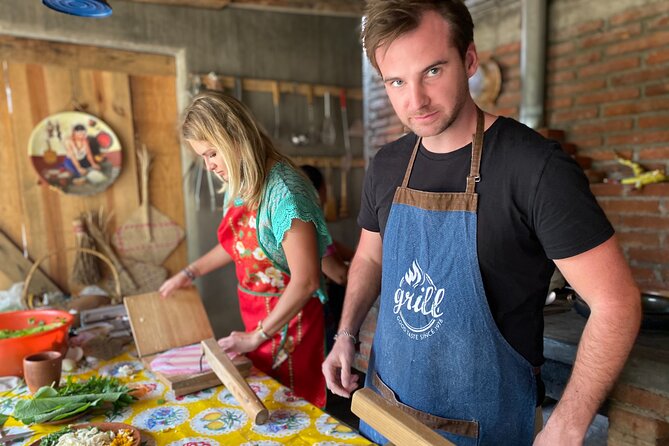
This suits food-focused visitors who want to understand how Oaxacan dishes are made, not merely eat them. It is especially good for people who enjoy working with their hands, tasting unfamiliar sauces, and sharing a long meal with a small group.
Families can also enjoy it. Children have been entertained by the animals and the outdoor setting, though parents should be ready for a full morning and afternoon of cooking rather than a short activity.
Solo visitors may find the communal format helpful. One solo participant ended up cooking with the family after late cancellations, which shows how personal the day can become when the group is small. Couples who normally avoid group activities may also appreciate the relaxed conversation and shared work.
This may be less suitable if you need a precise finish time, want a quiet private lesson, or prefer to watch rather than cook. It is also not ideal for someone who expects every listed dish to appear in one fixed sequence. The menu is shaped around ingredients, group preferences, and what the kitchen can prepare that day.
Practical details before you book
The experience begins at 9:00 a.m. at 5 de Mayo 210 in Oaxaca’s Centro and returns to the meeting point. It is listed at about five hours, but plan for a longer day ending around midafternoon.
The activity uses a mobile ticket and is offered in English. Confirmation arrives at booking, and the stated maximum is 10 people. Because punctuality has caused problems for at least one group, arrive with time to spare.
The cancellation rule is strict. The experience is non-refundable and cannot be changed for any reason after booking. If the provider cancels because the minimum number of people is not reached, you can choose another date or experience, or receive a full refund.
Quinta Brava is the provider. The chef may be referred to as Miguel, Miguel Angel, Mike, or Michael in different descriptions, while Jose and Vicky may also help lead the day. If you want to focus on a particular dish or have dietary needs, raise that when arranging the experience.
Should you book the Quinta Brava cooking day?
I would book this if you want a generous, hands-on introduction to Oaxacan food and can give the day room to run at its own pace. The garden, market, nixtamalized corn, mole tasting, and outdoor kitchen create a fuller experience than a class held in a standard city studio.
I would skip it if your schedule is tight or if you want a private lesson devoted to one recipe. The timing can be longer than advertised, and not every cooking step may receive the same amount of hands-on attention.
For most food lovers, the combination of learning, tasting, shopping, and eating makes the $100.74 worthwhile. Arrive early, bring an appetite, keep your afternoon open, and decide in advance whether tortillas, mole, or the broader food culture is your main goal.
FAQ
Where does the cooking experience take place?
The activity takes place in Santa Cruz Xoxocotlan, at an authentic ranch-style kitchen and property. The meeting point is 5 de Mayo 210 in central Oaxaca.
What time does the experience begin?
The stated start time is 9:00 a.m. You should arrive early because the group may depart at the scheduled time.
How long does the experience last?
The listed duration is approximately five hours. Some sessions have finished around 3:00 or 4:00 p.m., so keep extra time available.
Is transportation included?
Roundtrip transportation from your accommodation is available. Pickup details should be confirmed when arranging the booking.
What food will I learn to make?
Possible dishes include tortillas, empanadas, memelas, quesadillas, tetelas, soups, moles, salsas, and dessert. The menu can be adjusted according to available ingredients and group preferences.
Will I make tortillas from scratch?
Yes. You will work with nixtamalized corn to prepare handmade tortillas and other corn-based dishes.
How many people can join the activity?
The stated maximum is 10 participants.
Is the experience offered in English?
Yes. The experience is offered in English.
Can I cancel or change my booking?
No. The experience is non-refundable and cannot be changed for any reason. If the provider cancels because the minimum number of participants is not reached, you can receive a full refund or select another date or experience.
New cooking classes around Mexico
- San Miguel de Allende: Mexican Cooking Class | Mole & Salsas★ 4.8 · 7 reviews
- San José del Cabo:Cooking Class +Margaritas & Mezcal tasting★ 4.8 · 12 reviews
- Puerto Escondido: Mexican Cooking Class, enjoy mexican food★ 5.0 · 9 reviews
- Playa del Carmen: Isa’s Authentic Mexican Cooking Class★ 4.9 · 18 reviews
- Playa del Carmen: Mexican Cooking Class★ 5.0 · 16 reviews
- PDC Traditional Mexican Cooking Experience★ 5.0 · 6 reviews
- Oaxaca: Traditional Oaxacan Cooking Class with Market Visit★ 4.9 · 80 reviews
- Oaxaca: Vegetarian Cooking Class★ 4.8 · 139 reviews
Oaxaca City Cooking Classes, side by side.
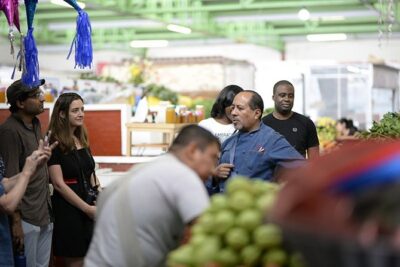
Flavors of Oaxaca: Cooking Class with No Set Menu and Local Market Tour
Read our review →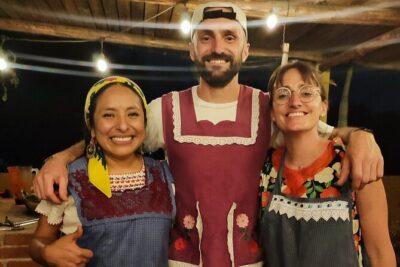
Traditional Oaxaqueña Cooking with Grandma’s Recipes
Read our review →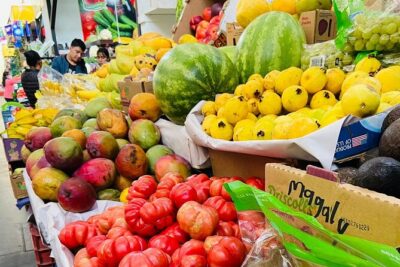
Oaxaca: Traditional Oaxacan Cooking Class with Market Visit
Read our review →
Oaxaca de Juarez: Traditional Oaxacan Cooking Class
Read our review →
Oaxaca: 10 Mexican Salsas Cooking Class with Taco Tasting
Read our review →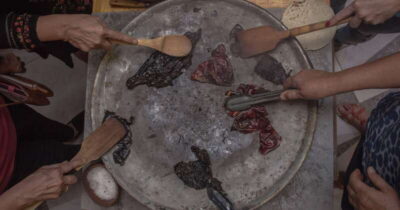
This kitchen also appears in