
Review · CATANIA
Catania: Pizza Cooking Class
Catania’s pizza class gives you more than a meal. You work with the dough, cook your own pizza, prepare scacciata catanese, and finish with a cannolo demonstration. That makes this a useful choice if you want Sicilian food you can recreate after the trip, not just another dish eaten and forgotten.
I like the small group of eight and the hands-on format. I also like that the class includes three distinct Sicilian food experiences: pizza, scacciata, and cannolo. The main consideration is price: at $101.96 per person, this is not a cheap lunch. You are paying for instruction, tasting, and a three-hour activity, so it makes the most sense if you value learning as much as eating.
What makes this Catania class worth your time
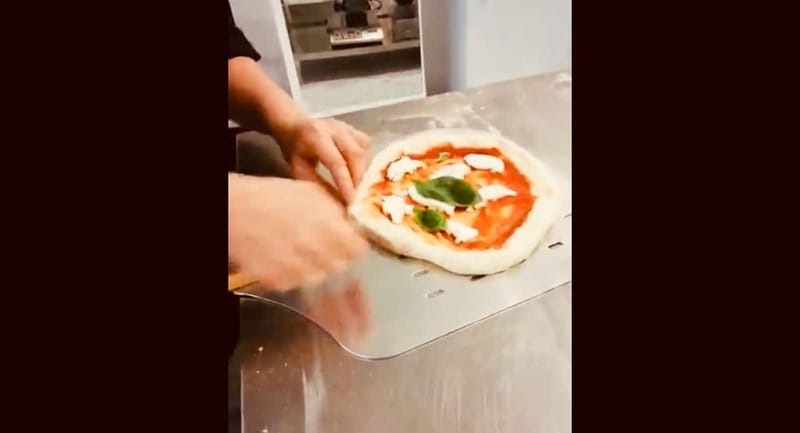
- You prepare your own pizza: The pizzaiolo sets up the ingredients and guides you through the process.
- You make scacciata catanese: This adds a specifically Catanian food to the lesson, rather than focusing only on familiar pizza.
- You get a cannolo demonstration: The class includes the technique for filling the pastry wafers.
- The group is limited to eight: A small class should give you more room to ask questions and follow the steps.
- Italian and English instruction: The class is offered in both languages.
- Three hours gives the food time to matter: This is a full cooking session, not a quick demonstration followed by a snack.
A three-hour lesson built around Sicilian food
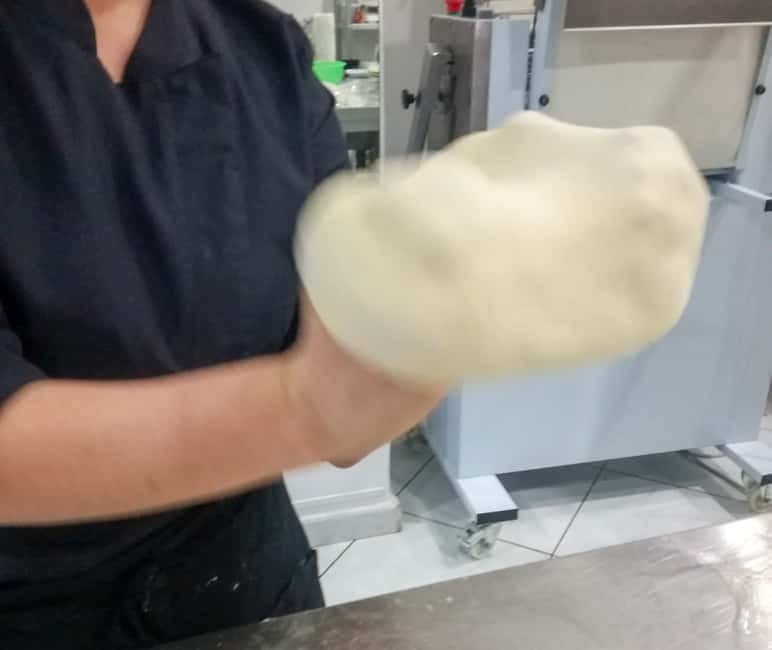
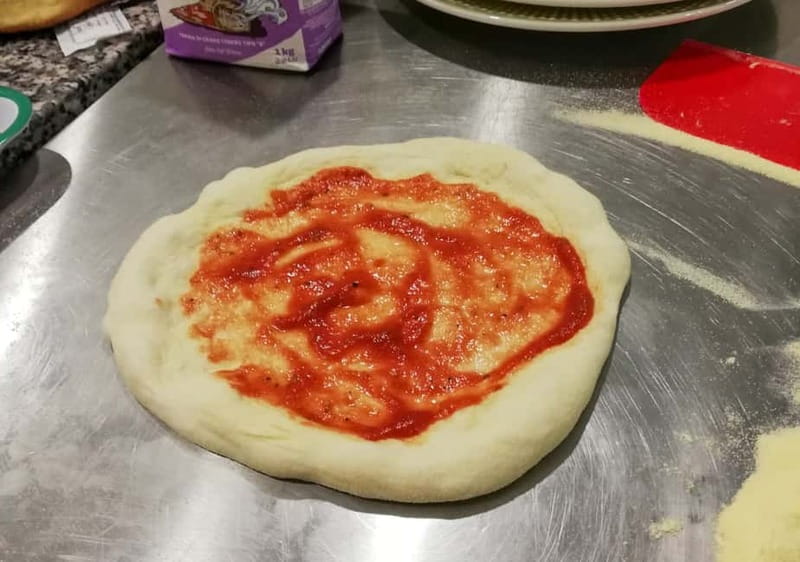
The class begins with the pizzaiolo preparing your station and laying out the ingredients you need. That may sound like a small detail, but it matters in a cooking lesson. You can focus on the methods and food instead of wondering what to fetch next.
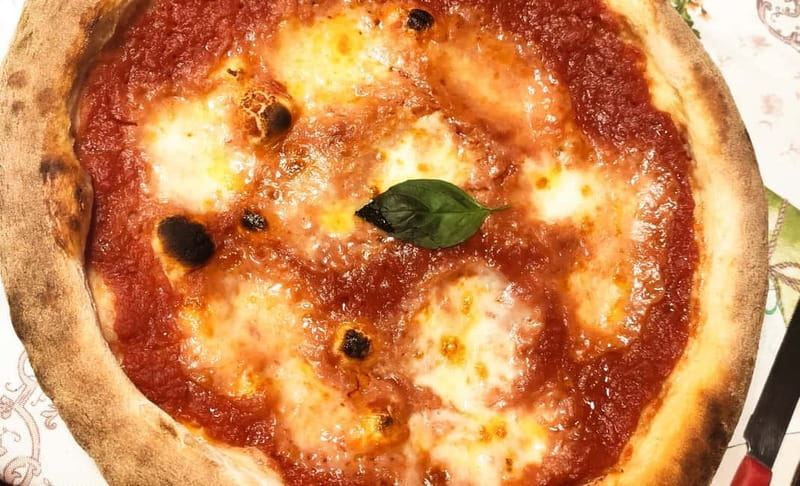
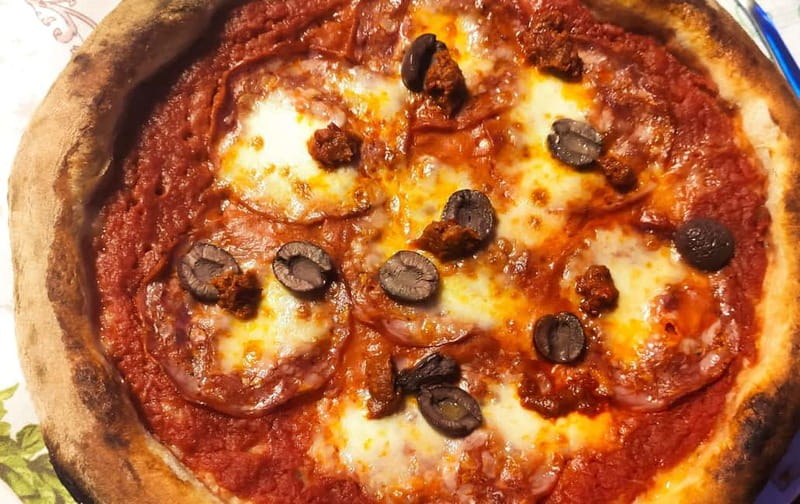
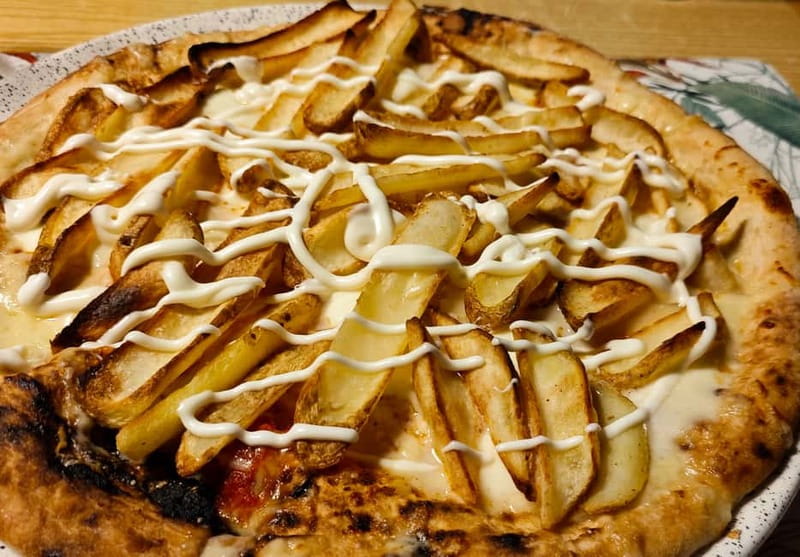
The central task is pizza preparation. You create and cook your own pizza using typical Sicilian ingredients and flavors. The point is not simply to watch someone stretch dough while you sit nearby. You take part in the work, then see the result go from preparation to cooking and tasting.
The supplied details do not specify the exact toppings, baking equipment, or recipe used on the day. I would treat that as a reason to ask questions during the lesson. Sicilian cooking often changes by place and season, and the value here is learning the approach well enough to repeat it at home.
The class also covers scacciata catanese. Scacciata is a baked Sicilian specialty, and its inclusion gives the session a stronger local character than a standard pizza workshop. You are not just learning a globally familiar food. You are also being introduced to a preparation tied to Catania.
The order of the activities may vary, but the experience is built around preparation, cooking, tasting, and a dessert demonstration. Allow the full three hours. This is not the right activity to squeeze into a tight gap before a train or another timed tour.
More Pizza Making Classes in Italy:
- Florence Cooking Class The Art of Making Gelato & Authentic Pizza
★ 5.0 · 2,053 reviews - Cooking Class in the Heart of Rome: Pizza and Tiramisu Making
★ 5.0 · 1,330 reviews - Rome: Traditional Pizza Cooking Class near Piazza Navona
★ 4.7 · 1,241 reviews
Making pizza you can repeat at home
The most practical promise of this class is that you learn a method you can use after Sicily. You prepare your own pizza with guidance from the pizzaiolo, then cook it and taste the finished dish. That connection between instruction and result helps you remember what you did.
I like cooking classes that give you a clear job at each stage. Here, the station is prepared in advance, and the instructor takes care of the lesson from start to finish. You can ask about the dough, the ingredients, and the cooking process rather than trying to copy a fast demonstration from across a crowded room.
Do not expect a professional certification or an advanced culinary course. The description presents this as a practical pizza-making lesson for visitors. Its strength is access: you can learn a Sicilian preparation without needing prior expertise.
The class also has a social advantage. With no more than eight participants, you are not lost in a large group. The instructor can respond to questions, watch what you are doing, and give you a better chance to follow along. If you are traveling with family or friends, this format should make the activity feel shared without becoming chaotic.
At the same time, a small group does not guarantee that every person gets the same amount of individual attention. Cooking lessons move at a set pace, and some parts may involve watching while another person receives help. Still, eight people is a manageable limit for this kind of activity.
Scacciata catanese adds a local touch
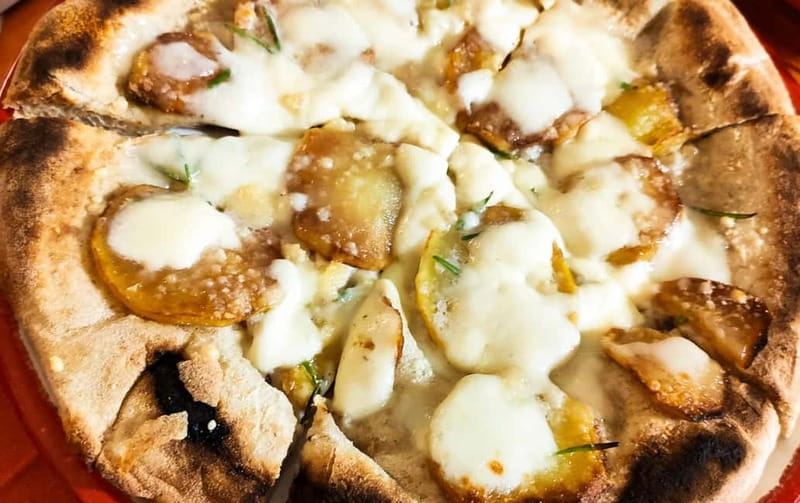
Pizza is the headline, but scacciata catanese may be the more useful reason to book. A familiar pizza class can be found in many Italian cities. A class that also teaches a Catanian specialty gives you a closer link to the food of eastern Sicily.
The exact recipe and fillings are not provided, so I would not book this expecting a specific version unless you confirm it beforehand. What you can count on is preparation of scacciata catanese as one of the named parts of the lesson.
This is also a good chance to ask the pizzaiolo how scacciata differs from pizza, how it is assembled, and when Sicilians typically serve it. The class is more valuable when you treat it as a conversation as well as a cooking session.
I appreciate that the activity does not stop at the most famous Italian food. You get a broader taste of Sicilian cooking in one sitting. That makes the $101.96 price easier to justify for someone who wants food context, not merely a hands-on lunch.
The cannolo demonstration finishes the meal
After the pizza work, the pizzaiolo shows you how a Sicilian cannolo is prepared. The focus is on filling the pastry wafers, so this is a demonstration rather than a separate pastry-making workshop.
That distinction is important. You should expect to learn the filling technique and watch the process, but the supplied information does not promise that each participant makes cannolo shells from scratch. If your main goal is pastry instruction, ask what portion is hands-on before booking.
As a finish, the cannolo demonstration makes sense. You have worked with savory dough and ingredients, then move to one of Sicily’s best-known sweets. The result is a lesson with a clear rhythm: prepare pizza, make scacciata, taste the food, and watch a dessert technique.
The cannolo also gives you a small skill you can use at home. Filled wafers are delicate, and the timing of filling affects texture. Even a short demonstration can help you understand why the pastry is filled close to serving time, though the class details do not state how much theory the instructor covers.
More cooking classes around Italy:
- Florence: Pasta Cooking Class with Unlimited Wine
★ 4.9 · 10,285 reviews - 3 in 1 Cooking Class near Navona: Fettuccine, Ravioli & Tiramisu
★ 5.0 · 7,376 reviews - Florence: Pasta & Tiramisu Cooking Class with Unlimited Wine
★ 4.9 · 6,708 reviews - Florence: Pasta Cooking Class with Unlimited Wine
★ 5.0 · 6,413 reviews
What the instructor adds to the experience
The instructor is described as a pizzaiolo who prepares the station and guides the class. Names appearing in the supplied feedback include Simona, with one comment referring to Simone. Because the names are not fully consistent, confirm the instructor’s name when you book if that matters to you.
The strongest pattern in the feedback is praise for the teaching. Simona is described as thorough, attentive to questions, and enthusiastic about explaining the work. One participant specifically said the class covered everything needed to make pizza, while another praised the instructor’s cooking ability and explanations.
That tells me this class is likely best for people who want to understand the process, not just perform a few entertaining steps. Bring questions. Ask what makes the dough work, how the local flavors are chosen, and what you should change when making the recipe at home.
Instruction is available in Italian and English. That makes the class accessible to English-speaking visitors, though the amount of English explanation can still vary by instructor and group. If you need very detailed technical instruction, tell the provider in advance and take notes during the lesson.
The praise also points to a warm teaching style. Participants describe the host as lovely, attentive, and fun. I would still keep expectations sensible: a friendly instructor cannot control every variable in a group cooking session, and the exact pace may depend on the participants.
Tasting turns the lesson into a meal
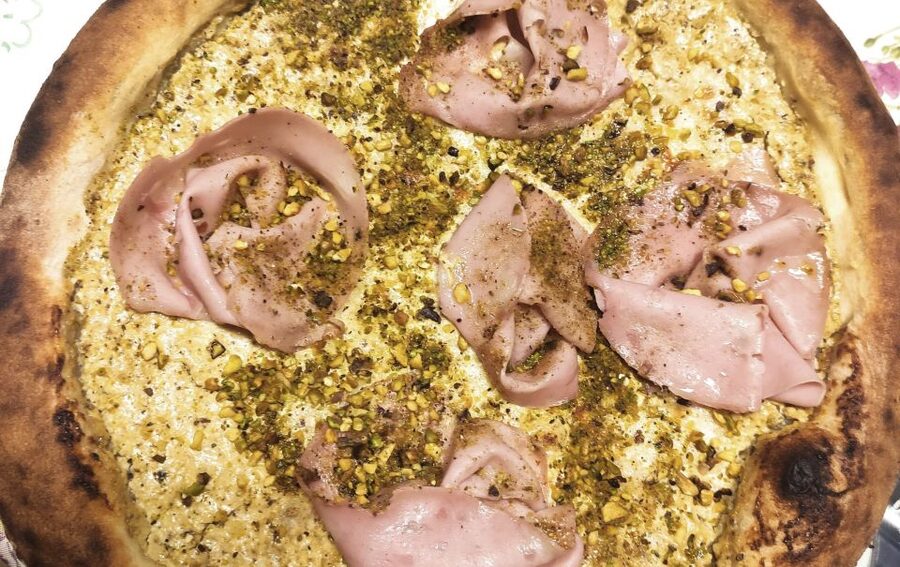
Tasting is one of the listed highlights, and it changes the value calculation. You are not paying for a demonstration alone. You prepare food, cook it, and get to taste the results during the three-hour session.
The meal component may be enough to replace one lunch, although the supplied information does not state the quantity served or whether drinks are included. I would not assume that the tasting covers every meal need. Think of it as the food portion of a cooking experience, with the learning included.
One participant called the tasting amazing, and several comments describe the food as delicious. That fits the structure of the class: you are eating what you helped prepare, with the added appeal of Sicilian ingredients and recipes.
I like that the tasting comes after active work. You have a better sense of the ingredients because you have handled them yourself. It also gives you a chance to compare the finished pizza or scacciata with the steps you followed.
If you are a serious food enthusiast, this may be more satisfying than a restaurant meal because you leave with technique as well as memories. If you simply want a quick and inexpensive lunch, the price may feel high.
Is $101.96 a fair price?
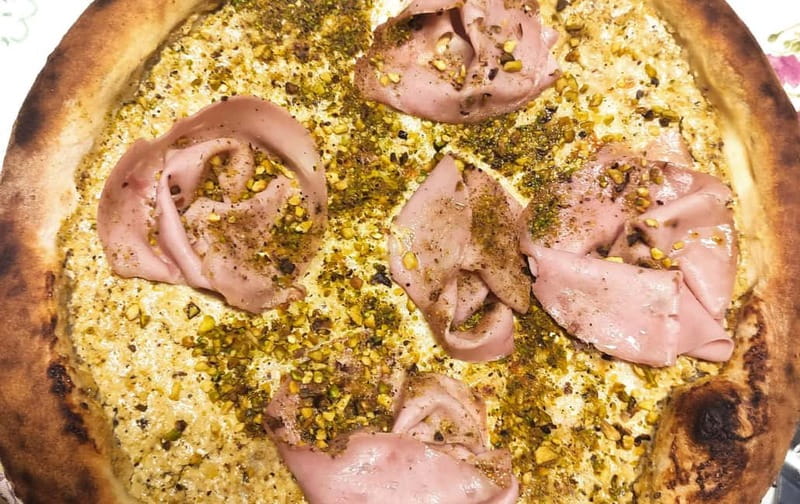
At $101.96 per person, this class sits in the paid experience category rather than the casual activity category. The price covers three hours, instruction, ingredients prepared at your station, cooking, tasting, scacciata, and the cannolo demonstration.
The value depends on how you use the class. I would call it reasonable for someone who wants a focused food activity with a small group and an English option. The price is harder to justify if you mainly want to eat pizza, since Catania offers cheaper ways to do that.
The limited group size helps. Eight participants is small enough to support questions and close attention, and it avoids the feel of a large commercial demonstration. The four-point-nine rating from eighteen reviews also suggests a strong record, though eighteen is still a modest sample. I would treat it as encouraging, not as a guarantee.
The reserve-now-and-pay-later option can help if your schedule is still changing. Free cancellation is available up to 24 hours in advance for a full refund. Those terms reduce the risk of booking early, but you should still check the current conditions at checkout.
Who will enjoy this class most
I would choose this activity for:
- Couples who want a shared food experience rather than another sightseeing stop
- Families seeking a practical activity with a finished meal
- Home cooks who want Sicilian recipes and methods to try later
- Visitors who prefer small groups to large demonstrations
- Food-focused visitors who want pizza plus a local Catanian specialty
- People with three hours available for a relaxed class
It is less suitable if you dislike hands-on cooking, want a quick activity, or need a fully private lesson. It may also disappoint someone looking for a complete cannolo-making workshop, since the cannolo portion is described as show cooking focused on filling the wafers.
The class also makes a good choice for a rainy day in Catania. That is an inference based on the indoor cooking format, so confirm the setting and meeting details before you go. The important point is that the activity gives you a structured use of three hours without relying on outdoor sightseeing.
Practical advice before you book
Check the available starting times before planning the rest of your day. The duration is three hours, and the exact start time is not fixed in the information provided.
Wear clothes you can cook in and arrive ready to take part. The station and ingredients are prepared for you, but this is still a hands-on class. You will get more from it if you ask questions instead of treating it as a performance.
If you have food allergies, dietary restrictions, or strong dislikes, contact the provider before booking. The available information does not specify substitutions or dietary arrangements, so do not assume that every ingredient can be changed.
The class is offered in Italian and English. If your group needs English instruction, make that clear when arranging the booking. The provider is Futuro e Lavoro.
Take note of the names and methods during the lesson. The most useful souvenir here is not only the food you eat in Catania. It is the ability to make a version of the pizza or scacciata after you return home.
Should you book the Catania pizza class?
Book it if you want a small-group cooking lesson with real participation, local food, and enough time to learn at a steady pace. The combination of pizza, scacciata catanese, tasting, and cannolo filling gives you more range than a basic pizza workshop.
I would especially recommend it to home cooks and food-loving visitors who enjoy asking questions. The strong feedback about Simona’s teaching, explanations, and attention to questions is a good sign for anyone who wants instruction rather than a staged demonstration.
Skip it if your priority is the lowest-cost meal in Catania or if you want a full cannolo pastry course. At $101.96, the class earns its price through the teaching and the breadth of the session. For the right person, it is a tasty lesson with a useful souvenir: a few Sicilian techniques you can repeat at home.
FAQ
How long does the Catania pizza cooking class last?
The class lasts three hours. Starting times vary, so check availability when booking.
How much does the class cost?
The listed price is $101.96 per person.
What foods will I prepare?
You will prepare and cook your own pizza and prepare scacciata catanese. The experience also includes tasting.
Is cannolo included?
Yes. The pizzaiolo provides a cannolo demonstration and teaches the technique for filling the pastry wafers.
What languages are available?
The class is offered in Italian and English.
How many people are in the group?
The group is limited to eight participants.
Can I cancel the booking?
You can cancel up to 24 hours in advance for a full refund. A reserve-now-and-pay-later option is also available.
New cooking classes around Italy
- Sestri Levante: Pesto & Cooking Classes, Wine Tasting★ 4.9 · 56 reviews
- Sardinia Cooking Class: Fresh Handmade Pasta★ 5.0 · 53 reviews
- San Gimignano: Tuscan Cooking Class★ 5.0 · 2 reviews
- San Gimignano: Truffle Cooking Class with Wine Tasting★ 5.0 · 5 reviews
- San Gimignano: “Hands in dough” Cooking Class with Lunch★ 5.0 · 6 reviews
- Salento: Authentic Cooking Experience with Fresh Pasta and Local Products★ 5.0 · 8 reviews
- ROME:Hands-On Lasagna & Marsala Tiramisu Cooking Experience”★ 5.0 · 3 reviews
- Rome: Private Wine Tour and Pasta Making Class in a Winery★ 5.0 · 6 reviews
Catania Cooking Classes, side by side.
Catania: Pistachio Ravioli, Pasta Home Cooking Class w/ Wine
Read our review →
Cooking lesson in Catania with lunch or dinner
Read our review →
Catania: Market Tour and Cooking Class with Chef Riccardo
Read our review →
Catania: Pasta & Tiramisu Cooking Class at a Local’s Home
Read our review →
Catania: Private Cooking Class at a Local’s Home
Read our review →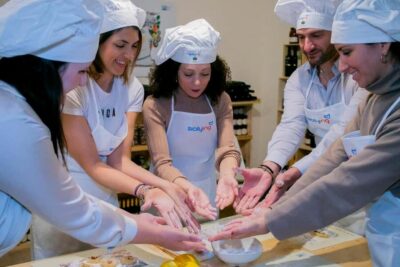
Cooking class, visit to the Catania market and light lunch
Read our review →This kitchen also appears in