
Review · SHANGHAI
2.5hrs Chinese Kitchen Cooking Class: Xiaolongbao Soup Dumplings
Shanghai’s famous xiaolongbao looks like a small dumpling, but it carries a surprise inside: hot, savory soup sealed beneath a delicate skin. This 2.5-hour class shows you how that trick works, from mixing the dough to folding the pleats and cooking the finished dumplings.
I like the small group of up to 15, which gives you a real chance to handle the dough and ask questions. I also like the practical finish: you eat what you make, try the dumplings steamed and pan-fried, and leave with the recipe. The main drawback is the meeting location, which can be confusing in an old lane, so read the directions carefully and allow time to find the studio.
Key points
- Make soup dumplings from scratch: Learn the dough, filling, soup-sealing method, folding technique, and cooking steps.
- Cook them two ways: The class includes both steamed and pan-fried xiaolongbao.
- Work with an English-speaking chef: Cici and Yin are named instructors associated with the class, and both are described as patient, personable, and skilled.
- Small, family-friendly setting: The group is capped at 15, with children welcome and children under 3 listed as free.
- Vegetarian and vegan options: State your preference when booking so the kitchen can prepare accordingly.
- Eat together at the end: Complimentary tea, handmade dumplings, sauce, and a recipe are included.
Why Shanghai soup dumplings deserve a class
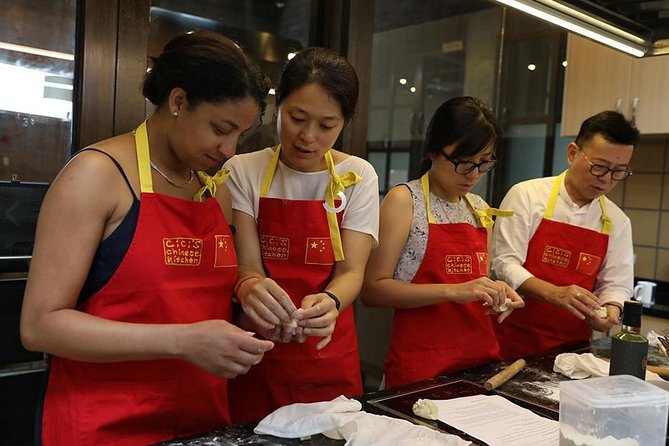
Xiaolongbao is one of Shanghai’s signature foods, and it is more technical than its modest size suggests. The wrapper must be thin but strong. The filling needs the right balance of meat, seasoning, and broth. The pleats must hold everything together until the dumpling reaches your chopsticks.
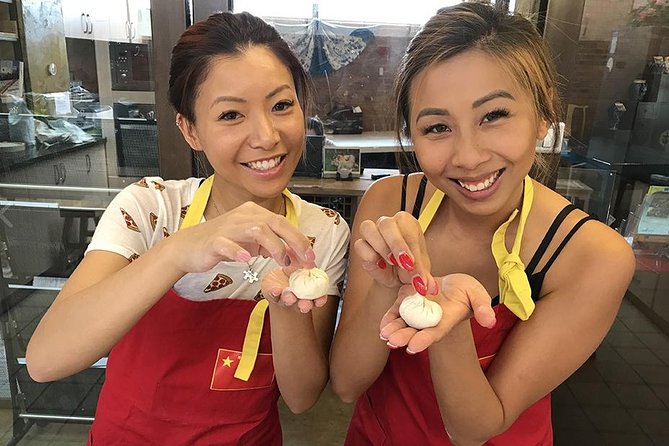
That is why this class offers more than a standard food tasting. At a restaurant, you can admire the neat rows of dumplings in a bamboo steamer. Here, you learn why they work. You see how soup can be wrapped inside dough without leaking all over the work surface, then try the technique yourself.
You should not expect every dumpling to look perfect on the first attempt. That is part of the fun. The class is designed for beginners, and instructor Cici is described as patient with different skill levels. Chef Yin is also praised for clear instruction, hands-on teaching, and an engaging manner.
The reward comes at lunchtime. You sit down with the group and eat the dumplings you have just made. They may have a few irregular pleats, but they are yours, and the soup inside makes the whole process feel worthwhile.
More Chinese Cooking Classes around China:
- Flavors of Beijing: Eat Like A Real Chinese
★ 5.0 · 78 reviews - Online Cooking Class Beijing Dumplings and Cuisine by Sunflowerli Renowned Chef
★ 5.0 · 65 reviews - Shanghai-Cooking Dumpling & Meal in Local Family-w/Vegan
★ 4.9 · 36 reviews
Meeting near Guangyuan Road
The class begins at 10:00 a.m. and ends around 12:30 p.m. The meeting information names Guangyuan Road in Xuhui District, while the general description also refers to nearby Changshu Road as an easily accessible meeting area. Because those details are not identical, confirm the precise meeting instructions before you set out.
The location is near public transportation, which helps. Still, finding the studio may require attention. The cooking space is in an older lane, and the entrance may not look like a polished culinary school. One description of the setting calls the entrance intimidating, with an old kitchen and alley approach, though the studio itself is described as clean, small, and functional.
That contrast is worth understanding. If you expect a glossy cooking studio with a large sign and a reception desk, you may be surprised. If you enjoy seeing a more ordinary side of Shanghai, the old-lane setting adds a local touch. Give yourself extra time, keep your phone ready, and look carefully for the instructor or meeting point.
The activity returns to the same meeting point at the end. Hotel pickup and drop-off are not included, so you handle your own way there and back.
10:00 a.m. introductions and local ingredients
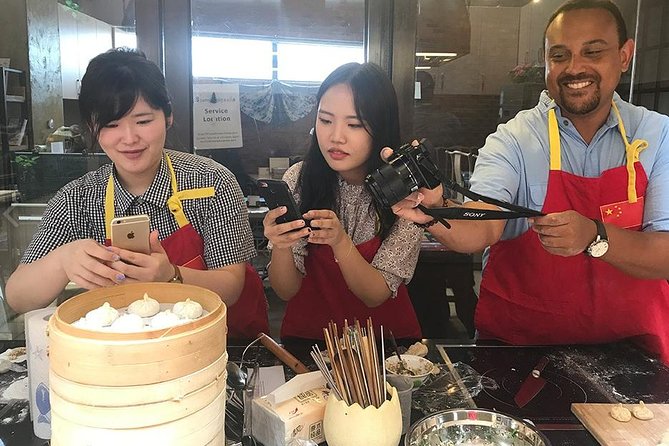
The first part of the class is an introduction to Chinese cooking culture and the local ingredients used in xiaolongbao. This is a useful start because the dumpling is not just a recipe. Its texture and shape come from a series of small decisions about dough, seasoning, filling, and cooking.
Your English-speaking chef explains the process before you begin working. Cici is described as fluent in English, organized, funny, patient, and well informed. Yin is also described as an experienced chef who teaches at a comfortable pace and shares information about Chinese culture along the way.
The tone appears informal and friendly rather than formal or technical. That matters if you are nervous about cooking in front of other people. You can ask questions, watch a demonstration, and then copy the steps at your own pace.
The class welcomes children, making it a practical choice for families. A six-year-old may not fold a perfect dumpling, but the hands-on work gives children something concrete to do. The listed age range is 3 to 100, and children under 3 are listed as free to join. Adult supervision remains sensible, particularly around hot cooking equipment and soup-filled dumplings.
11:00 a.m. mixing dough and preparing the filling
Around 11:00 a.m., the class moves into the main cooking session. You learn to make the dough and filling rather than simply assembling ingredients that someone else prepared.
The dough is the foundation of the dish. It needs to be pliable enough to fold and thin enough to create the delicate wrapper associated with xiaolongbao. The filling brings the savory flavor, with Chinese spices adding fragrance and depth.
The most unusual lesson is how the soup gets inside. The class explains the technique for wrapping soup within the dumpling, then gives you a chance to repeat it. This is the point where the activity becomes a real skill lesson. You are not just copying a shape. You are learning how to protect a liquid center with a thin layer of dough.
Expect a hands-on process. You may roll, fill, pinch, and fold several dumplings while the instructor corrects your technique. The small group size helps here. With no more than 15 people, the chef has a better chance of seeing where a wrapper is too thick, a filling is too generous, or a pleat is not sealed.
The class is not limited to meat eaters. Vegetarian and vegan versions are available on request, and the booking information asks you to write down your food preference. Do this in advance. The description confirms that the class is vegetarian-friendly, but it does not provide a separate vegan menu or list the exact substitutions.
More cooking classes around China:
- Half-Day Chengdu Cooking Class with a Local Market Visit
★ 5.0 · 465 reviews - Chengdu: Cooking Class with Fresh Market Half Day Experience
★ 5.0 · 42 reviews - Private Cooking Class: Make Your Own Dim Sum In Shanghai
★ 5.0 · 27 reviews - Half-Day steamed Buns Cooking Class with a Local Market Visit
★ 5.0 · 26 reviews
Steamed and pan-fried dumplings at noon
You cook the xiaolongbao in two ways, which gives you a useful comparison. Steaming is the classic method and preserves the soft wrapper and hot broth. Pan-frying adds a crisp base and a different texture.
The contrast makes the meal more interesting than a single batch of identical dumplings. You can see how the same dough and filling change with the cooking method. It also gives you something practical to repeat at home once you have the recipe.
The class includes instruction for a Chinese sauce to serve with the dumplings. That small detail matters because xiaolongbao is often paired with a sharp, savory dipping sauce that cuts through the rich filling. You learn the sauce as part of the meal rather than treating it as an afterthought.
At around noon, you sit down and enjoy the food together. Complimentary tea is included. The meal is not a separate restaurant stop, so the class works best as a late breakfast or early lunch. Eat a light breakfast beforehand, or plan for the dumplings to become your main midday meal.
Handle the dumplings carefully when eating. Soup-filled dumplings can be hot, and biting straight through the wrapper is a good way to lose the broth or burn your mouth. Letting one cool briefly and using a spoon is the safer approach.
What the instructors add
The chef is one of the strongest reasons to book this class. Several instructors are named in the available information, including Cici and Yin, so your teacher may vary by date.
Cici is described as fluent in English and especially patient with beginners. Her sense of humor and steady pace are useful qualities in a class where your first folds may look more like small parcels than restaurant dumplings.
Yin is described as a skilled chef who explains the dough clearly and gives hands-on guidance. She also offers local suggestions, including a recommendation for a nearby tea shop. That kind of practical local advice can add value beyond the scheduled cooking lesson.
The teaching style appears personal rather than rushed. One family with children aged 6 and 9 found the class educational and interactive, though the available comment is cut off before its full suggestion is given. That missing detail means you should not assume the class is perfectly suited to every child, but the age policy and hands-on format make it a reasonable family option.
A small group with an informal setting
A maximum of 15 people keeps the class from feeling like a large demonstration. You are likely to work beside other cooks, share the final meal, and watch how different people approach the same folding technique.
The studio itself is small. That can be a plus because it supports a more personal lesson, but it may feel tight if the group reaches its full size. The setting is functional rather than luxurious. The old-lane entrance may also make the first few minutes less comfortable than the cooking session itself.
I would treat the setting as part of the trade-off. You are paying for instruction, food, and a local cooking environment, not for a polished culinary school or a hotel lounge. If a spotless, modern facility is important to you, ask for exact venue details before booking.
The class has earned a 4.8 rating from 12 listed ratings, with 92 percent recommending it. That is a strong result, though the sample is small. The most consistent strengths are the instructors, the enjoyable pace, the quality of the dumplings, and the chance to cook from start to finish.
Is the $98.88 price fair?
At $98.88 per person, this is not the cheapest meal you can buy in Shanghai. You can eat dumplings for far less. The value depends on what you want from the morning.
You are paying for about 2.5 hours of instruction, the ingredients, the meal, tea, a recipe, and the chance to learn a dish that is difficult to reproduce by guesswork. You also get guidance from an English-speaking chef and a small group rather than a crowded public demonstration.
I think the price makes sense for someone who enjoys cooking, wants a hands-on cultural activity, or is looking for something beyond sightseeing. It is less appealing if you only want to taste xiaolongbao. In that case, a restaurant meal will cost less and take much less time.
Group discounts are available, which may improve the value for families or friends booking together. The activity is often booked about 18 days in advance, so do not leave it until the last minute if the class is important to your schedule.
Who should book this class?
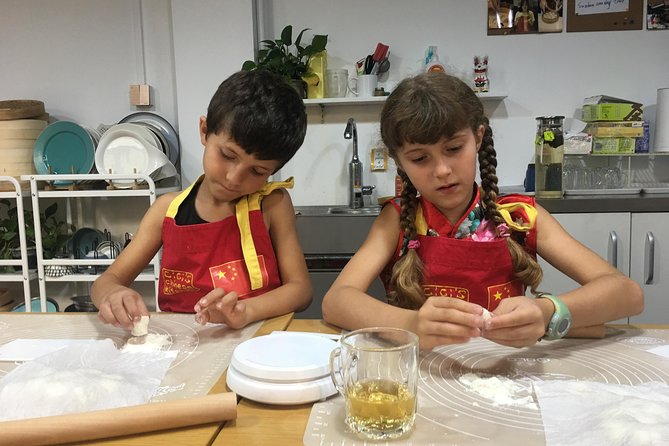
This suits first-time cooks as well as people who already enjoy Chinese food. You do not need to arrive with advanced folding skills. The instructors work at different paces, and the class is structured around learning by doing.
Families should consider it, especially with children old enough to follow instructions and participate at the table. The 2.5-hour length is manageable, though younger children may need help during the dough and cooking stages.
It also works well for friends who want a shared activity. You can compare your folds, help one another, and sit down together at the end. Couples and solo participants can also fit into the small-group format.
You may want to skip it if you dislike cramped kitchens, cannot manage an old-lane meeting point, or prefer a polished sightseeing tour with transport included. The class does not include hotel pickup or drop-off, and the location details should be checked carefully.
The cancellation policy is strict: the booking is non-refundable and cannot be changed for any reason. If the minimum number is not met and the operator cancels, you will be offered another date or experience, or a full refund.
Should you book the xiaolongbao class?
Book it if you want to understand how Shanghai’s signature soup dumplings are made, not just eat them. The strongest parts are the patient English-speaking instruction, the chance to cook both steamed and pan-fried versions, and the recipe you take away.
I would especially choose this for families, food-focused visitors, and anyone who enjoys a practical connection to local life. Just confirm the meeting point, allow time for the old-lane entrance, and remember that the studio is small and informal.
For a simple dumpling lunch, $98.88 is high. For a hands-on lesson, a full meal, tea, cultural context, and a skill you can try at home, it is a fairer deal. The final question is simple: do you want to eat soup dumplings, or do you want to learn how the soup gets inside? If it is the second choice, this class is a good fit.
FAQ
How long does the xiaolongbao cooking class last?
The class lasts approximately 2 hours and 30 minutes. It begins at 10:00 a.m. and ends around 12:30 p.m.
Where does the class meet?
The meeting information gives Guangyuan Road in Xuhui District as the starting point. The general description also refers to the accessible Changshu Road area, so confirm the exact directions before attending.
Is the class taught in English?
Yes. The class includes a friendly, passionate English-speaking chef. Cici is specifically described as fluent in English.
How many people can join the class?
The maximum group size is 15 participants.
Are children allowed?
Yes. Children are welcome. The listed age range is 3 to 100, and children under 3 are listed as free to join.
Are vegetarian or vegan options available?
Yes. Vegetarian and vegan options are available on request. Write down your food preference when booking.
What cooking methods will I learn?
You will learn to cook the xiaolongbao in two ways: steamed and pan-fried.
What is included in the price?
The price includes the cooking class, the meal of handmade xiaolongbao, complimentary tea, an English-speaking chef, and the recipe. Hotel pickup, drop-off, and personal expenses are not included.
Can I cancel or change my booking?
The experience is non-refundable and cannot be changed for any reason. If the operator cancels because the minimum number of participants is not met, you will be offered another date or experience, or a full refund.
New cooking classes around China
- Shanghai: Authentic Chinese Cooking Class with Master Chef★ 5.0 · 2 reviews
- Online Cooking Class Hand Pulled Noodles by Sunflower Li★ 5.0 · 3 reviews
- Online Cooking Class Steamed Buns by Chef Sunflower Li★ 5.0 · 2 reviews
- Chengdu Sichuan Cuisine Cooking Class and Savor Local Snacks★ 4.4 · 2 reviews
- Beijing: Vegan Home Cooking & Local Market Tour with Sanxia★ 4.8 · 4 reviews
- Private Cooking Class: Make Your Own Dim Sum In Shanghai★ 5.0 · 27 reviews
- Private Home Cooking Class with Shanghai Mama★ 5.0 · 14 reviews
- Shanghai-Cooking Dumpling & Meal in Local Family-w/Vegan★ 4.9 · 36 reviews
Shanghai Cooking Classes, side by side.
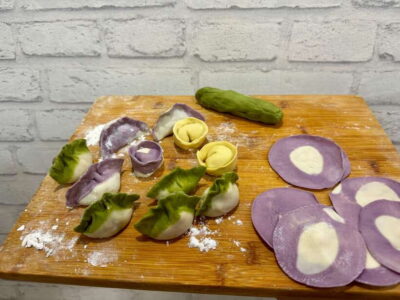
Shanghai-Cooking Dumpling & Meal in Local Family-w/Vegan
Read our review →Private Cooking Class: Make Your Own Dim Sum In Shanghai
Read our review →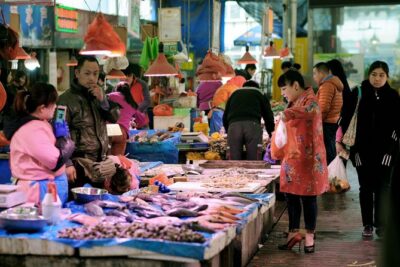
This kitchen also appears in