
Review · TOKYO
Ramen & Gyoza Cooking Class in Tokyo with Local Supermarket Visit
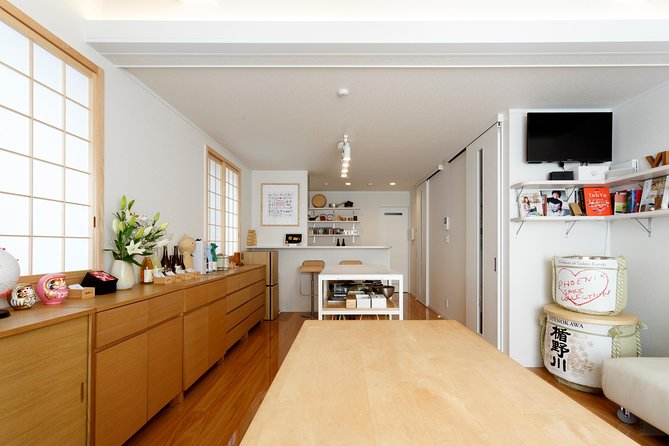
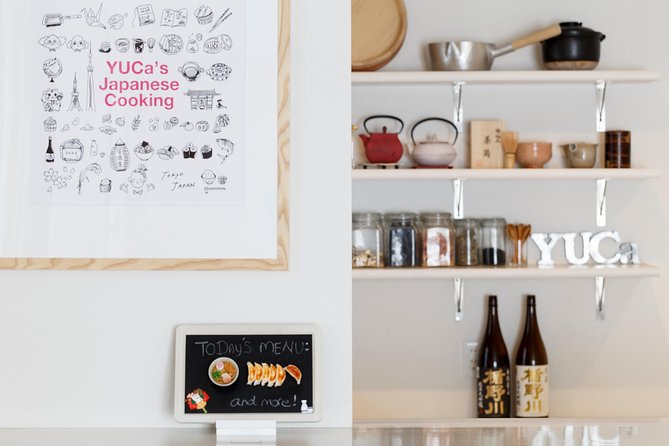
The best part of this Tokyo cooking class is its setting: you enter YUCa’s home kitchen, not a polished restaurant school. She leads you through ramen and gyoza, explains Japanese home cooking, and gives you a look at daily life in a residential part of Arakawa City. The class is warm, social, and built around food you can try again at home.
I like the small maximum group of seven, which keeps the morning personal, and I like the practical pairing of ramen with gyoza. While the broth comes together, you shape dumplings, so the class has a sensible rhythm. The optional supermarket visit is another strong touch, especially if you want help choosing Japanese ingredients later.
The main thing to understand is that the class can be more demonstration-led than fully hands-on when the group is larger. You may not personally chop or cook every ingredient, and the supermarket visit is optional rather than guaranteed as part of the core class. Confirm that point when booking.
Key points at a glance
- Home-kitchen setting: Cook with YUCa in her own Japanese kitchen, with a more personal feel than a large cooking studio.
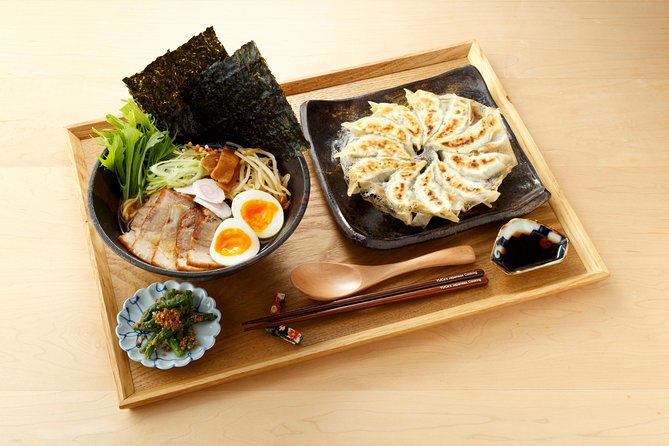
- Two useful dishes: Make ramen and minced pork gyoza, with vegetables and meat used in the recipes.
- Built for beginners: The steps are explained clearly, making the class suitable for first-time cooks as well as experienced home cooks.
- Small group size: The class accepts no more than seven people, though the single-kitchen setup can limit individual cooking time.
- Optional supermarket visit: From 12:30 to 1:00, you can tour a local supermarket and ask about unfamiliar ingredients.
- Good family option: The activity has worked well for children, teenagers, parents, grandparents, couples, and solo bookers joining a group.
Cooking ramen and gyoza in YUCa’s Tokyo home
This experience begins at 10:00 at YUCa’s Japanese Cooking, located at 2-chōme-34-8 Nishiogu in Arakawa City. It is outside the usual central Tokyo sightseeing circuit, which is part of the appeal. You get a look at a quieter residential area instead of spending another morning around the major shopping and temple districts.
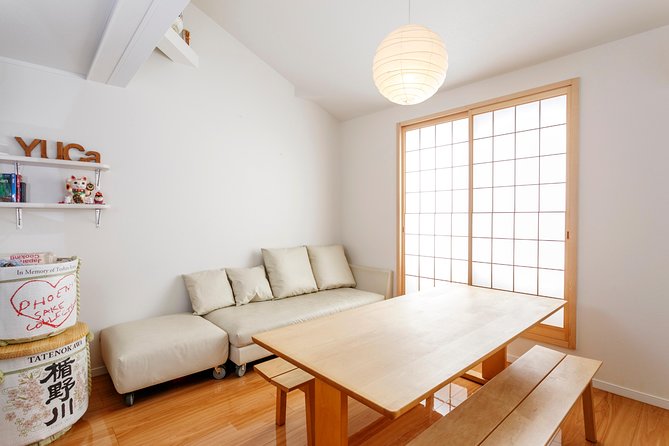
The class takes place in YUCa’s home kitchen. That matters because the experience is not just a lesson in restaurant-style cooking. You see a real Japanese home and kitchen, and the food is presented as something you can prepare in ordinary life. Several details add to that personal feel, including YUCa’s habit of helping participants write their names in Japanese characters based on pronunciation.
YUCa is the heart of the class. She teaches in English, keeps the mood light, and explains both the cooking steps and the cultural background. Her style is friendly and energetic rather than formal. If you are nervous about cooking, that makes a difference. You can ask questions without feeling you need prior kitchen skills.
At the same time, keep your expectations realistic. This is not a private chef lesson with a cooking station for every person. There is one main kitchen, and some parts are handled by demonstration or completed in turns. If you want two and a half hours of nonstop chopping, stirring, and frying, this may feel light on hands-on work.
More cooking classes around Tokyo:
- Tokyo: Easy Ramen Cooking Experience in Kabukicho, Shinjuku
★ 4.6 · 321 reviews - Ramen and Sushi Cooking Class with Sake Pairing Set in Tokyo
★ 5.0 · 291 reviews - Private Home Cooking in Yanaka – Local Flavors in a Warm Setting
★ 5.0 · 173 reviews
The 10:00 introduction to Japanese home cooking
The opening schedule includes a short lecture from about 10:15 to 10:30 on Japanese home cooking and lifestyle. This gives the food some useful context before the preparation starts.
That short introduction is valuable because ramen and gyoza are often treated as simple comfort food, yet they fit into a wider pattern of Japanese home meals. You learn how the dishes relate to everyday cooking, not just how to copy a restaurant plate. The class also offers a chance to ask about ingredients, preparation choices, and different recipes.
The teaching is aimed at a broad audience. Children can take part, teenagers can follow along, and adults who rarely cook should not feel out of place. At the other end, experienced home cooks may appreciate the cultural explanation and the chance to compare techniques with their own methods.
The class also creates an easy social setting. With no more than seven people, you have a reasonable chance to chat with the others as the meal comes together. That can be a pleasant bonus if you are traveling alone or want a break from sightseeing with only your own party.
Making ramen while the broth comes together
The main cooking session runs from approximately 10:30 to 12:30. You learn how to assemble a ramen meal using noodles, broth, vegetables, and meat. The emphasis is on an approachable recipe rather than a long professional stock-making process.
That distinction matters. Traditional ramen can involve hours of preparation, several kinds of stock, and specialized equipment. This class is designed to fit into a morning, so it focuses on steps you can understand and repeat at home. You get an introduction to the balance of ingredients without needing a restaurant kitchen.
A practical part of the lesson is learning how different vegetables and meat work in the dish. You are not simply handed a finished bowl. You see how the components come together and how the final bowl is assembled. The process gives you a useful starting point for making ramen with ingredients available outside Japan.
The portion is served after the preparation, so the meal becomes the reward for the work. Some people have found the serving size modest, so do not book this as an all-day food tour or a giant lunch. It is a cooked meal and a tasting experience, but it is not built around quantity.
Folding gyoza between the cooking steps
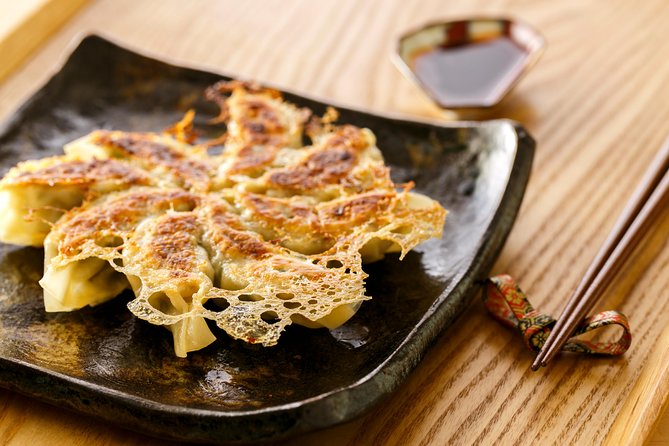
The gyoza section gives the class its most tactile activity. You work with dumpling wrappers and a minced pork filling, along with vegetables, then fold the dumplings by hand.
The timing is well planned. While the ramen ingredients need time to cook or wait, you can shape the gyoza. That prevents the class from becoming a long pause followed by a rushed meal. It also gives children and younger participants a job they can understand quickly.
Gyoza folding is a good choice for mixed groups because it does not require advanced knife work. You can focus on filling the wrapper, sealing it, and learning the basic method. Your first dumpling may look uneven, but that is part of the fun.
The class introduces different vegetables and meat options, and vegetarian participation is available if you request it in advance. You should provide dietary information at the time of booking rather than waiting until you arrive. The supplied information confirms a vegetarian option, but it does not promise that every allergy or dietary restriction can be accommodated.
When the gyoza are ready, you eat them alongside the ramen. The result is a complete Japanese-style meal made by the group. It is also the most useful part to recreate at home because the folding technique can be practiced with fillings you already know.
Same kitchen, a different dish:
- Tokyo Tsukiji Fish Market Tour and Sushi Making Lesson
★ 5.0 · 390 reviews - Unique Private Cooking Class with a Tokyo Local Emi
★ 5.0 · 131 reviews - Shinjuku Tokyo: Authentic Japanese Home-Style Culinary Class
★ 4.9 · 125 reviews - Japanese Home Cooking Class & Walk in Todoroki Temple Tokyo
★ 5.0 · 88 reviews
The optional supermarket visit from 12:30 to 1:00
After the cooking and tasting, an optional local supermarket tour is scheduled from 12:30 to 13:00. This is one of the most useful extras for anyone who wants to continue cooking Japanese food after returning home.
A supermarket can be confusing when you cannot read every label. YUCa can explain ingredients, point out unfamiliar products, and help you understand what you might buy for Japanese recipes. You can also ask about unusual items and everyday foods that are hard to identify at a glance.
The setting adds another layer. This is a neighborhood supermarket in a part of Tokyo outside the central tourist zone. You see a more ordinary side of the city and gain practical context for the food you have just prepared.
There is an important catch: the supermarket visit is optional, and its inclusion has not been consistent for every booking. Some participants have left directly after the cooking class, while the published schedule lists the store visit as an option. If this stop is your main reason for booking, ask YUCa or the booking provider to confirm it before you pay. Do not assume the supermarket portion is automatic.
What the $122.70 price really includes
At $122.70 per person, this is not the cheapest cooking activity in Tokyo. The value depends on what you want from the morning.
You are paying for a hosted lesson, the food you prepare, access to a small home setting, cultural explanation, and a meal of ramen and gyoza. The group limit of seven also helps explain the price. This is a more personal format than a large class with several dozen participants.
The price makes the most sense if you value contact with a local host and want recipes you can attempt again at home. It is less compelling if you only want to eat ramen, since Tokyo has many inexpensive ramen shops. You should book this for the teaching and home setting, not simply for the bowl of noodles.
The optional supermarket stop improves the value when it is available. It turns the class from a cooking demonstration into a small lesson in shopping and everyday food culture. Still, the visit should be treated as an extra, not the central reason to pay the fee.
The activity has a five-star rating from 823 reviews, with 100 percent recommending it. That points to a very reliable level of satisfaction, but the specific criticism about limited individual preparation is worth taking seriously. The class is highly praised for its host, food, atmosphere, and clarity, while the main reservation concerns how much each person personally cooks.
Getting to Nishiogu and planning your morning
The meeting point is YUCa’s Japanese Cooking at 2-chōme-34-8 Nishiogu, Arakawa City, Tokyo 116-0011. The experience ends at the same location.
The activity is near public transportation, but you should allow time to find the exact address and arrive ready for the 10:00 start. Some participants have used a taxi or ride service because it was simpler than navigating to the residential address. The information provided does not give a specific station or walking time, so check your route before the morning of the class.
The core class lasts about two and a half hours, from 10:00 until 12:30. If you add the supermarket visit, your morning may run until 13:00. That makes the class easy to pair with an afternoon plan, though you should not schedule a tight reservation immediately afterward.
The experience requires at least two people per booking and accepts a maximum of seven people. Solo visitors should check availability because the minimum booking rule may affect whether a date runs. Confirmation is provided when you book, and the activity uses a mobile ticket.
Cancellation is free up to 24 hours before the local start time. A cancellation inside that window is not refunded, and changes are not accepted. If the minimum number is not reached and the activity is canceled, you are offered another date or experience, or a full refund.
Who will enjoy this class most
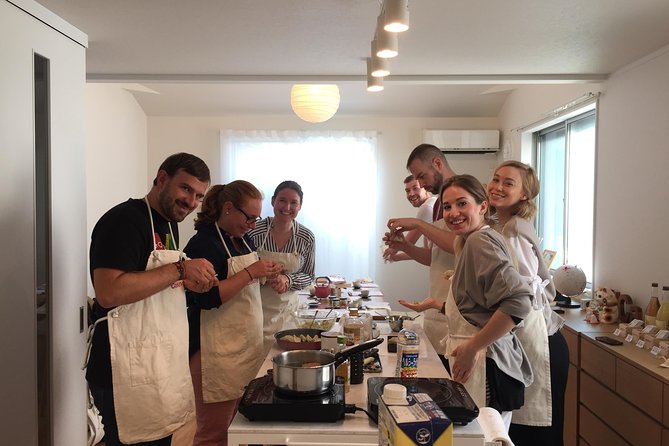
I would recommend this class to families who want a shared activity rather than another sightseeing stop. Children aged 9 and up have taken part successfully, and teenagers can enjoy the dumpling folding, group cooking, and final meal. Grandparents can join too, since the class does not depend on advanced cooking skills.
It also suits couples and solo visitors who like meeting people through food. The small group encourages conversation, and the setting feels more personal than a standard tourist workshop.
English-speaking participants should find the instructions easy to follow. YUCa teaches in English and explains the steps clearly. You can also ask questions about Japanese cooking and lifestyle as the class progresses.
I would be more cautious if you are a serious cook looking for advanced technique. You may find the class too simple, especially because some preparation is demonstrated rather than assigned to each participant. It is best understood as an accessible introduction to Japanese home cooking.
Should you book YUCa’s ramen and gyoza class?
Book it if you want a friendly morning in a Japanese home, a simple meal you can recreate, and a look at an everyday part of Tokyo beyond the central districts. The strongest reasons are YUCa’s warm teaching style, the manageable recipes, the family-friendly format, and the chance to fold gyoza by hand.
Before booking, confirm two points: how much hands-on cooking you want and whether the optional supermarket visit will run on your date. If you need a fully practical lesson where every participant handles every step, choose with care. If you want an approachable food experience with cultural context, a shared meal, and a host who makes beginners feel comfortable, the $122.70 price is reasonable.
FAQ
Where does the ramen and gyoza cooking class take place?
The class takes place at YUCa’s Japanese Cooking, 2-chōme-34-8 Nishiogu, Arakawa City, Tokyo 116-0011, Japan.
What time does the activity begin?
The meeting time is 10:00 am.
How long does the cooking class last?
The main class lasts approximately two and a half hours, from 10:00 to 12:30.
What dishes will I prepare?
You will prepare ramen and gyoza, including minced pork dumplings made with vegetables and meat.
Is the supermarket visit included?
The local supermarket visit is optional and is scheduled from 12:30 to 1:00. You should confirm its availability when booking.
Is a vegetarian option available?
Yes, a vegetarian option is available. You must advise the provider of this requirement when booking.
How many people can join the class?
The activity has a maximum of seven participants. A minimum of two people per booking is required.
Does the activity end at the same place where it starts?
Yes. The experience ends back at the meeting point.
What is the cancellation policy?
You can cancel up to 24 hours before the local start time for a full refund. Cancellations or changes made less than 24 hours before the start are not accepted for a refund.
New cooking classes around Tokyo
- Shinjuku Tokyo: Authentic Japanese Home-Style Culinary Class★ 4.9 · 125 reviews
- Shibuya Tokyo: Onigiri & Tamagoyaki Cooking Class★ 5.0 · 4 reviews
- Ramen Making from Scratch +Akihabara Tour –Cooking Class★ 5.0 · 25 reviews
- Japanese Knife Skills & Tuna Don/Sushi Workshop in Tokyo★ 5.0 · 3 reviews
- AKEMI’s SUSHiKiTCHEN: A fun sushi cooking lesson in Tokyo★ 5.0 · 5 reviews
- Tokyo: Private Japanese Cooking Class with a Local Chef★ 5.0 · 81 reviews
- Unique Private Cooking Class with a Tokyo Local Emi★ 5.0 · 131 reviews
- Japanese Home Cooking Class & Walk in Todoroki Temple Tokyo★ 5.0 · 88 reviews
Tokyo Cooking Classes, side by side.
Tokyo Tsukiji Fish Market Tour and Sushi Making Lesson
Read our review →
Tokyo: Easy Ramen Cooking Experience in Kabukicho, Shinjuku
Read our review →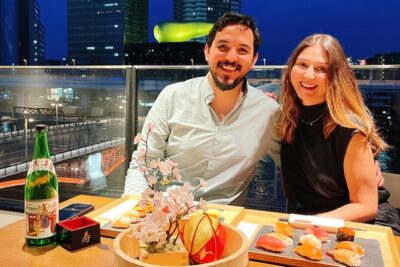
Ramen and Sushi Cooking Class with Sake Pairing Set in Tokyo
Read our review →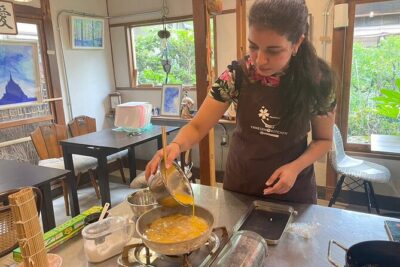
Private Home Cooking in Yanaka – Local Flavors in a Warm Setting
Read our review →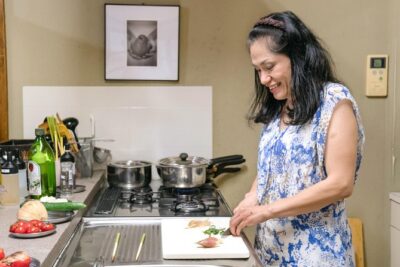
Unique Private Cooking Class with a Tokyo Local Emi
Read our review →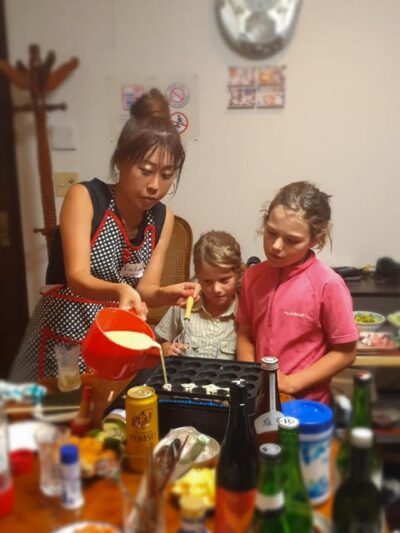
Shinjuku Tokyo: Authentic Japanese Home-Style Culinary Class
Read our review →
Japanese Home Cooking Class & Walk in Todoroki Temple Tokyo
Read our review →
Tokyo: Private Japanese Cooking Class with a Local Chef
Read our review →This kitchen also appears in