
Review · ZANZIBAR
Zanzibar: Spice Farm Tour with Traditional Cooking Class
Zanzibar’s spices are not just something to buy in a market bag. At Jambo Spice Farm Dole, you get to smell, taste, and handle the plants before using some of them in a Swahili meal. The cooking class is the heart of the experience, giving the farm visit a useful purpose rather than leaving you with a string of plant names.
I like the mix of hands-on work and food. You harvest vegetables with a local culinary guide, then cook with traditional equipment and eat what you helped prepare. I also like the generous fruit tasting, which can include mango, papaya, pineapple, bananas, passion fruit, avocado, and local grapefruit.
The main caution is that this is a small, tourism-focused farm rather than a vast working plantation. Repeated requests for tips and purchases can also take some shine off the visit, so carry modest Tanzanian shilling and decide in advance what you want to give.
Key points at a glance
- Smell spices at the source: Learn to recognize cinnamon, vanilla, nutmeg, lemongrass, cloves, ylang-ylang, cumin, ginger, pepper, tamarind, chili, and more.
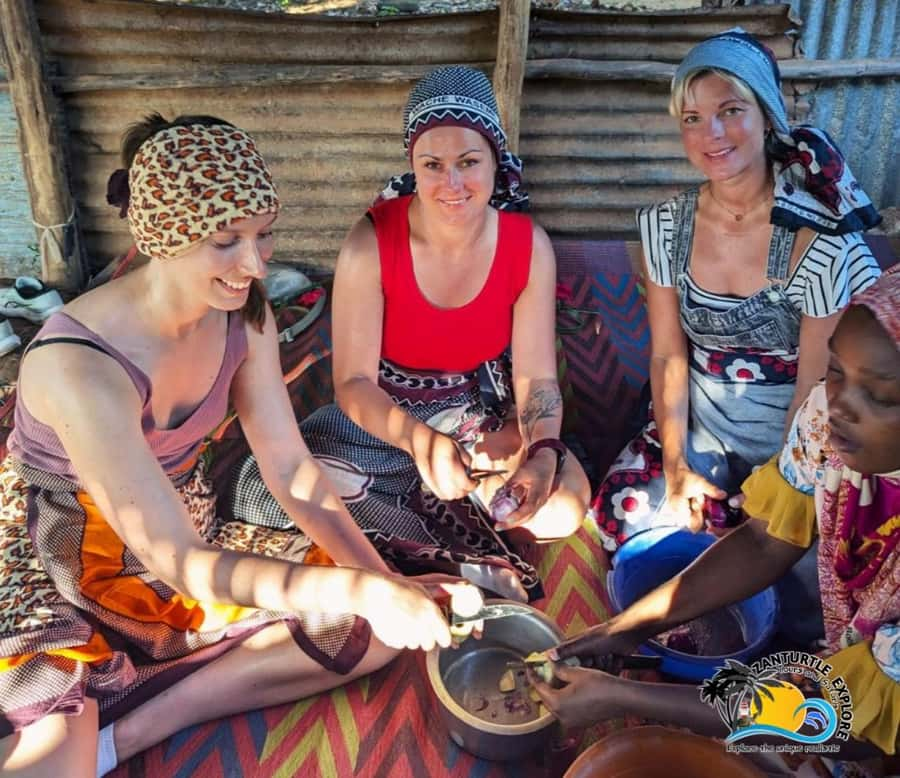
- Cook what you harvest: Pick vegetables and spices, then prepare a traditional Swahili meal with local cooks.
- The five-hour plan is simple: Allow about one hour each way from Stone Town, with the farm visit and meal in between.
- Aïcha may lead the cooking: One especially praised cooking session included preparing and sharing lunch with Aïcha.
- Private pickup is included: The operator can collect and return you to any hotel in Zanzibar, with the meeting point in the lobby or reception area.
- Expect a commercial stop or two: Spices and fruit are available to buy, and tipping may be requested at several points.
Why Zanzibar’s spice story begins in the kitchen
Zanzibar’s place in the spice trade is easiest to understand through food. Cinnamon, cloves, ginger, chili, cumin, and pepper are not museum pieces here. They season everyday cooking, while other plants have culinary or medicinal uses.
Your guide introduces the plants one by one and asks you to guess some of them before explaining their names and uses. That small guessing game makes the walk more engaging than a lecture. You are encouraged to smell and taste the spices, which matters because a fresh leaf, pod, or root can feel quite different from the dried powder in your hotel kitchen.
The walk can include cinnamon, vanilla, nutmeg, lemongrass, cloves, ylang-ylang, cumin, ginger, pepper, tamarind, and chili. You may also see the plants that provide the ingredients for the cooking session. The point is not to memorize every name. It is to connect the plant to its smell, appearance, and role in local food.
I find that useful for anyone spending time in Zanzibar beyond the beach. You begin to notice why Swahili cooking often has a warm, fragrant character rather than simply a hot one. The guide also explains medicinal uses, adding another layer to the plants without turning the tour into a formal botany lesson.
More Farm Cooking Classes in the world:
- Half-Day Thai Cooking Class at Organic Farm in Chiang Mai
★ 5.0 · 19,087 reviews - Cooking Class and Lunch at a Tuscan Farmhouse with Local Market Tour from Florence
★ 5.0 · 4,831 reviews - Chiang Mai: Cooking Class, Market & Thai Herbs Garden Tour
★ 4.9 · 4,824 reviews
The one-hour ride from Stone Town
The experience offers hotel pickup and drop-off, with Stone Town among the stated pickup points. The drive to Jambo Spice Farm Dole takes about an hour by van, followed by a similar ride back. You provide your hotel name and room number, then meet the representative in your lobby or reception area.
That transfer makes the $61 price easier to assess. You are not only paying for entry to the farm. The package includes transportation, a trained guide, government charges, conservation and entrance fees, the cooking class, equipment, lunch, drinks, fruit, and harvesting. For a five-hour private outing, that is a fair package if you value convenience and a meal-based cultural activity.
The transfer does eat up roughly two hours of the day. If you are staying far from Stone Town, confirm the pickup timing before booking, since the stated one-hour drive is an important part of the schedule. The activity is best treated as a half-day outing, not a quick stop between other plans.
The private group format is useful for families and couples who want to ask questions at their own pace. It may also help if you need a guide speaking Arabic, English, French, German, Italian, Polish, Russian, or Spanish. The exact guide depends on availability, but the language range is unusually broad.
Walking through Jambo Spice Farm Dole
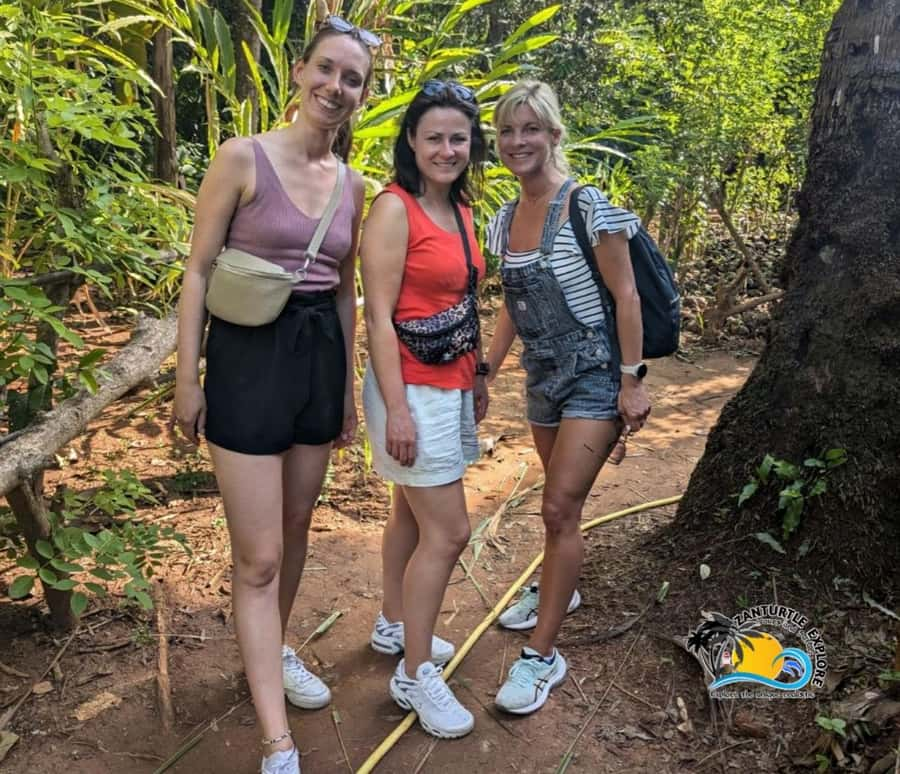
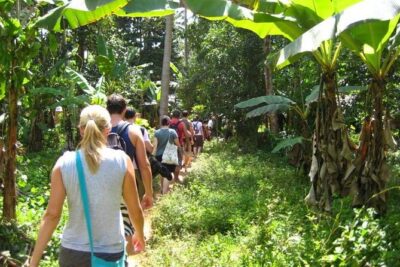
On arrival, you take a walking tour around the farm. The place has many paths and a wide mix of spice and fruit plants, but you should set your expectations correctly. This is not described as a huge plantation, and the farm can feel more like a large garden arranged for short visits.
That is not necessarily a bad thing. The compact setting lets the guide move you from plant to plant without long stretches of walking. You get a close look at the ingredients, and the visit stays focused on touch, smell, taste, and cooking.
It can also feel busy, with other groups using the paths at the same time. If you want a quiet agricultural visit with long periods of solitude, this will not be the right choice. If you want an accessible introduction to Zanzibar’s spices before lunch, the scale works well.
Guides and assistants lead you through the stops and answer questions. One strong feature of the tour is the way the guide gets you involved by asking you to identify spices. That simple approach helps children take part, too. A three-year-old joined one family’s visit and was included in the farm and kitchen activities.
Fruit tasting, coconut stops, and shopping
The farm experience also includes freshly picked tropical fruit. Depending on what is available, you might taste mangoes, passion fruit, avocado, papaya, local grapefruit, bananas, and pineapples. This is more than a filler snack. Fruit gives you another way to compare Zanzibar produce with what you find in shops at home.
Drinks are included, and the tour allows time to buy spices and fruit. Shopping can be convenient if you want cinnamon, cloves, vanilla, or other ingredients to take home. Check airline and customs rules before buying plant products, since the tour information does not cover import restrictions.
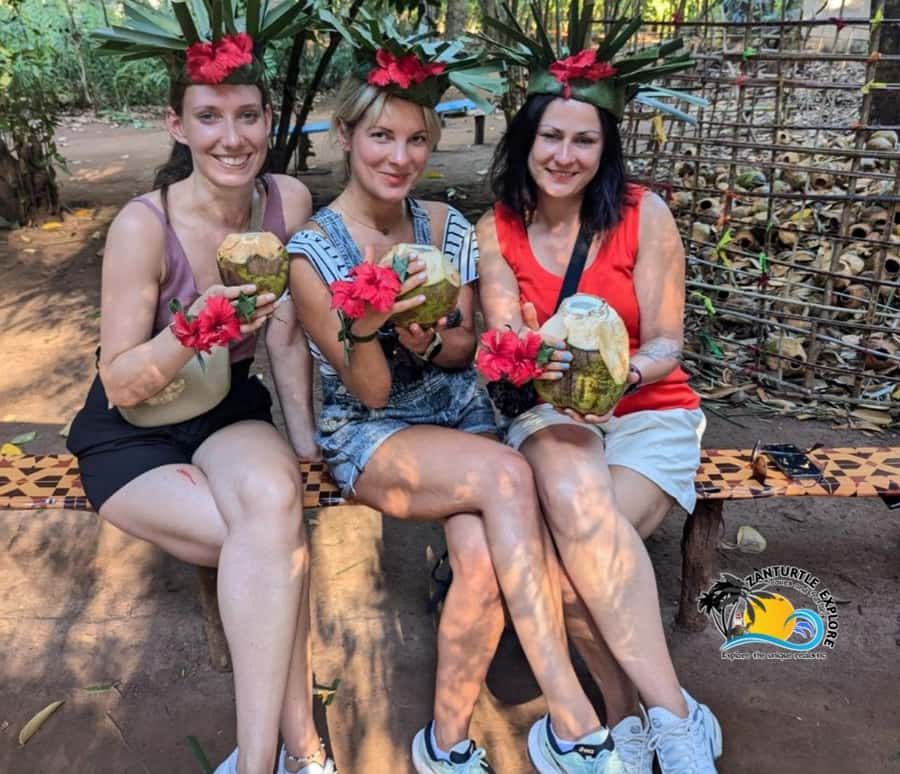
There is one practical point to keep in mind. The experience can include extra moments where someone offers a coconut, makes a leaf decoration, or encourages a purchase or donation. Some visitors found the repeated tip requests uncomfortable, while others handled it by giving small amounts in Tanzanian shilling rather than dollars.
My advice is simple: carry small local notes, set a tipping limit before you arrive, and do not feel obliged to buy every item offered. You can appreciate the work and still keep control of your spending.
More cooking classes around the world:
- Florence: Pasta Cooking Class with Unlimited Wine
★ 4.9 · 10,285 reviews - 3 in 1 Cooking Class near Navona: Fettuccine, Ravioli & Tiramisu
★ 5.0 · 7,376 reviews - Florence: Pasta & Tiramisu Cooking Class with Unlimited Wine
★ 4.9 · 6,708 reviews - Florence: Pasta Cooking Class with Unlimited Wine
★ 5.0 · 6,413 reviews
Harvesting ingredients for a Swahili lunch
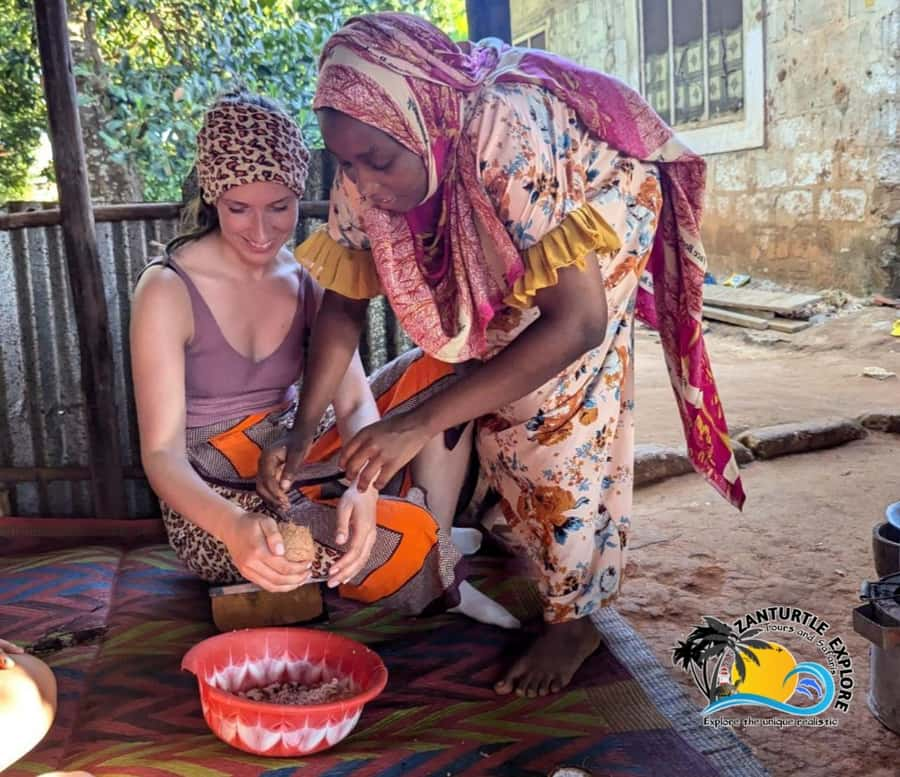
After the farm walk, you help harvest vegetables and spices with the culinary guide. This short step gives the cooking class a clear connection to the land. Instead of arriving at a kitchen with ingredients already measured, you see at least part of the process that brings them to the table.
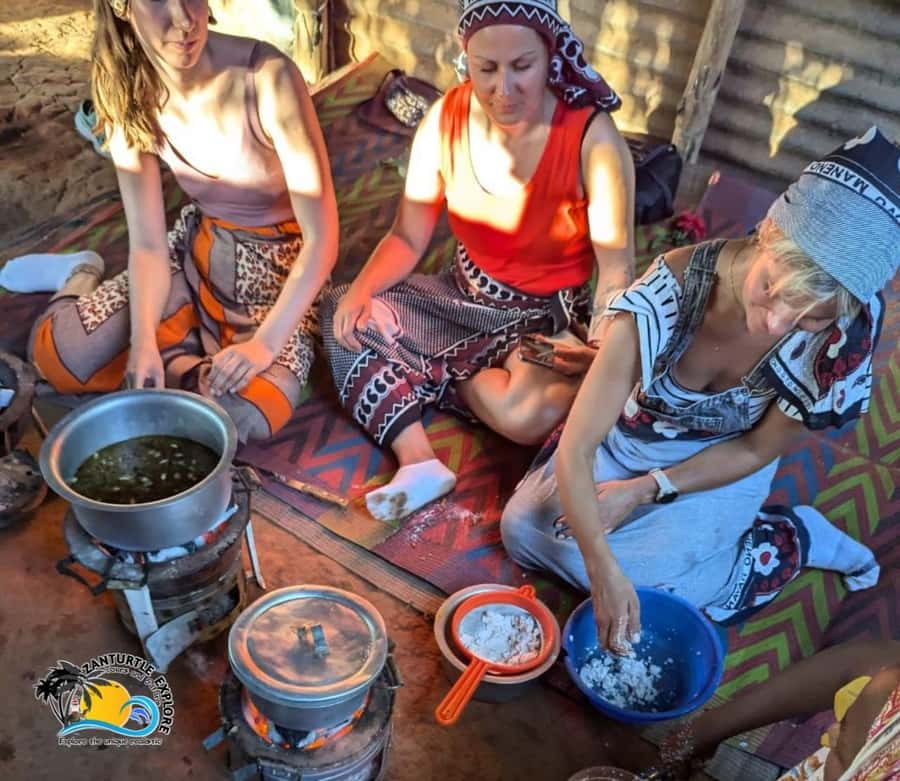
The class uses traditional cooking methods and equipment modeled on older coastal practices. The information provided does not name the exact dishes, so do not book this expecting a fixed menu of a particular curry, rice dish, or dessert. The meal is described as a traditional Swahili lunch, with the menu shaped by the available ingredients and the local cooking team.
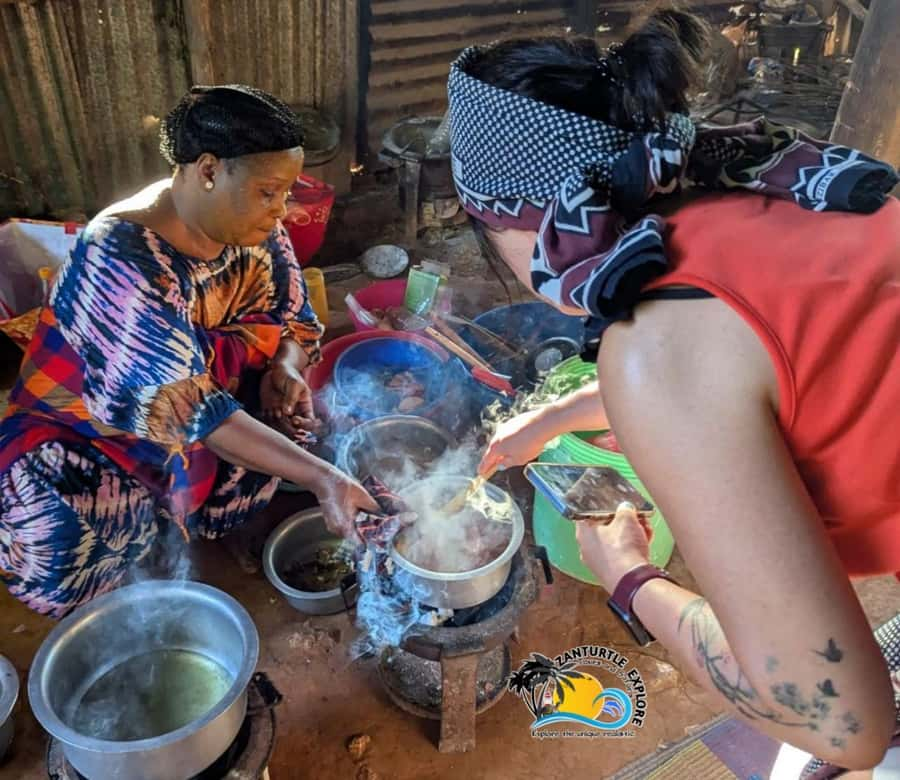
A cooking session with Aïcha was singled out as a warm and enjoyable part of the day. She cooked and shared lunch with the group, while the guide explained the plants and their uses. The class is not only a demonstration. You are expected to participate, so wear clothing and shoes that can handle walking and kitchen work.
The cooking portion is likely the best reason to choose this outing over a standard spice walk. You have something to do with the information you have just learned. You also eat the result, which makes the half-day feel complete rather than divided into an educational stop and a separate lunch.
What the cooking class feels like
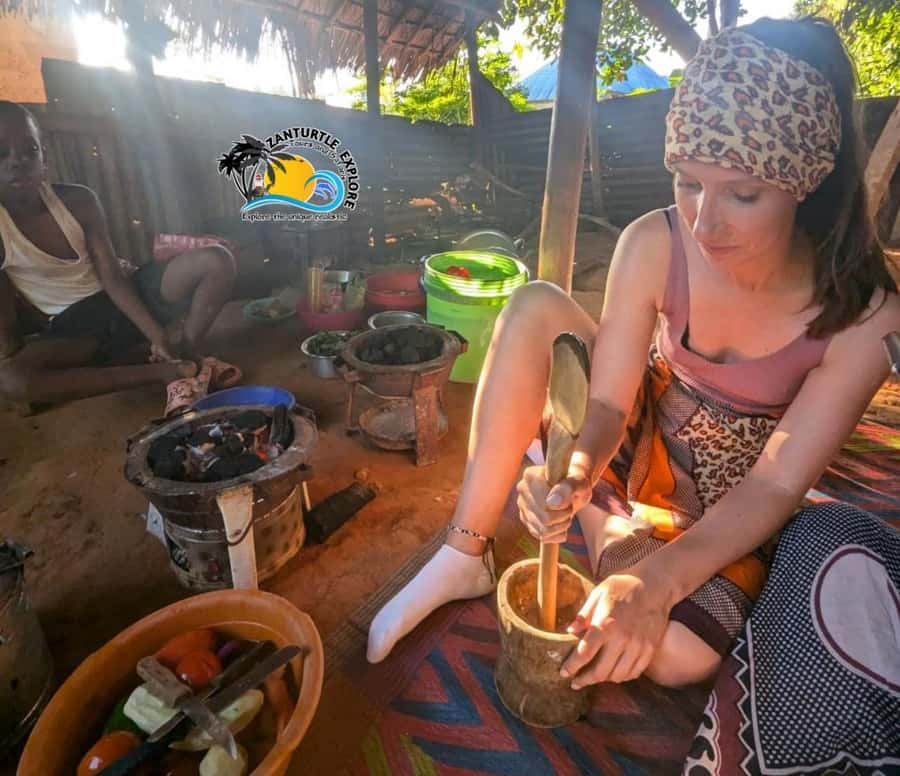
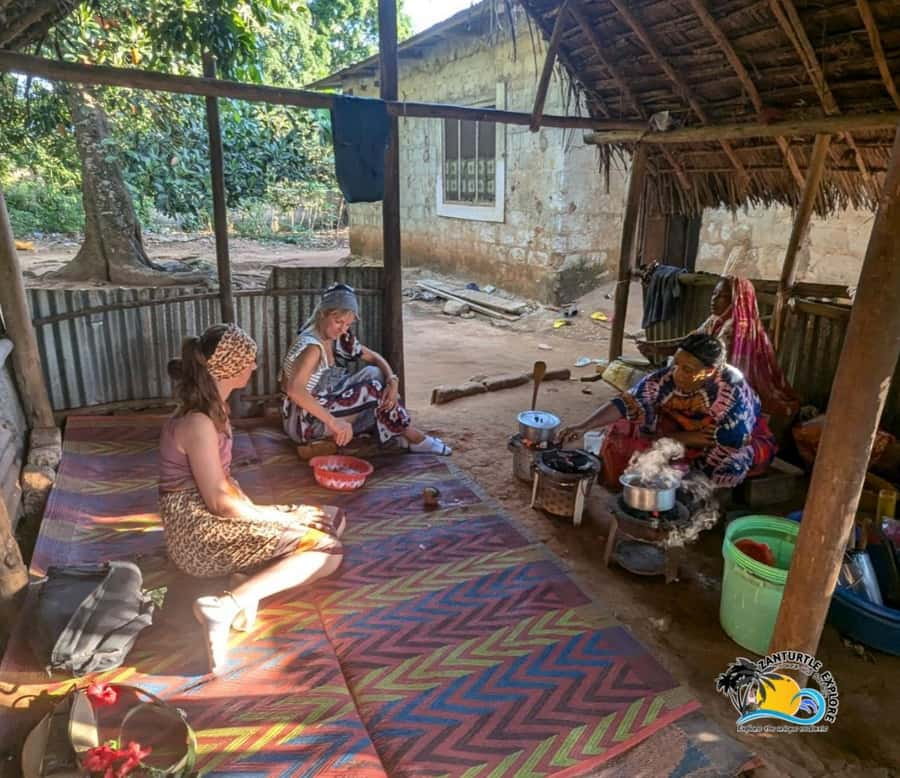
The cooking equipment is described as a recreation of older apparatus used by people along the Zanzibar coast. That detail adds character, but you should not expect a polished professional kitchen. The setting is intended to show older methods and local practice, not to mimic a restaurant cooking school.
The local cooks demonstrate how to prepare the food, and you help with the work. One person found the cooking class very interesting but felt the cooks were less interested in conversation. That is worth knowing if you want a long, chatty exchange with the kitchen staff. The experience may be more about watching, doing, and eating than extended discussion.
A shared class may suit some people better than a private session because it creates more energy and gives you other people to work with. On the other hand, a private group lets you focus on your own questions and pace. Families may appreciate that children can be brought into the preparation rather than asked to sit quietly on the sidelines.
At the end, you eat the meal you prepared. The food has been praised as tasty, and lunch, drinks, and tropical fruit are included. That makes the cooking class a substantial part of the value, not an optional add-on.
Comfort, toilets, and what to pack
Wear comfortable shoes and loose clothing suitable for walking and cooking. A hat, sunscreen, water, and insect repellent are sensible choices for a farm visit, and a camera will be useful for the plants, food, and demonstrations.
Toilets have been described as poor, so lower your expectations and use facilities at your hotel before departure. The supplied information does not promise air-conditioning, special dietary arrangements, or accessibility features. If you have a food allergy, mobility concern, or other special request, write it down when booking and confirm it with the operator.
The tour is active but not presented as a strenuous hike. You walk around the farm, harvest produce, and take part in kitchen work. The one-hour van ride in each direction may be more tiring than the farm itself, especially for young children.
Traditional music and dance are also included. The details of when and how long this takes are not specified, so treat it as an added cultural element rather than the main focus of the day.
How the $61 price compares with the experience
At $61 per person, this tour offers a good bundle for someone who wants transport, a guide, a meal, and a practical activity in one booking. The included items cover the parts that can add up separately: hotel transfers, entrance and conservation fees, cooking equipment, lunch, drinks, fruit, and the spice walk.
The value is strongest for first-time visitors who are staying in or near Stone Town and want a structured half-day. You do not need to arrange your own driver or find a separate restaurant after the farm visit. The multilingual guide also helps if you are not comfortable touring in English.
The value is weaker if your main goal is to see a large agricultural estate. The farm is small in scale and arranged for tourism, with other groups on the paths. It is also weaker if you dislike shopping stops or repeated requests for tips.
Think of the price as payment for a cultural food workshop with transportation, not as admission to a remote plantation. With that expectation, the package makes sense.
Who should book this farm and cooking day

I would recommend it to people who enjoy food, families who want a hands-on activity, and visitors who want more than a beach schedule. Children can take part in harvesting, fruit tasting, and cooking, although parents should be ready to supervise them around kitchen equipment.
It also suits anyone curious about the connection between spices and Swahili cuisine. Smelling fresh ingredients and then using them in lunch gives the subject more meaning than buying a packet of cloves in a shop.
You may want to skip it if you have only a few hours in Zanzibar, want a wilderness-style farm visit, or dislike organized stops with shopping and tipping. The walk is guided and structured, and the small farm may feel too staged for someone seeking a large working plantation.
The tour has a 4.6 rating from 16 published ratings, with especially strong praise for hotel pickup, the guide explanations, the fruit, and the cooking session. The weaker points are consistent enough to take seriously: basic toilets, a small-scale setting, and pressure around tips or purchases.
Booking advice and final call
I would book this experience if you want a practical introduction to Zanzibar food and spices, especially if your hotel is in Stone Town and you prefer an arranged transfer. The cooking class gives the day a purpose, and the included lunch means you are not simply walking from plant to plant.
Before booking, write down special requests and confirm any food or mobility needs. Bring small Tanzanian notes for optional tips, but decide your limit before the van arrives. Free cancellation is available up to 24 hours in advance, and you can reserve now and pay later.
My call: book it for the food, the guide, and the hands-on work. Skip it if you want a quiet, expansive plantation or have little patience for sales and tipping requests. For most visitors seeking a half-day cultural activity, the cooking session makes this a worthwhile use of five hours.
FAQ
How long does the Zanzibar spice farm and cooking tour last?
The activity lasts five hours. The drive from Stone Town to Jambo Spice Farm Dole takes about one hour by van, followed by about one hour for the return trip.
Where does pickup take place?
Pickup is available from hotels in Zanzibar, including Stone Town. You meet the representative in your hotel lobby or reception area, and you should provide the hotel name and room number.
What spices will I learn about?
The tour can include cinnamon, vanilla, nutmeg, lemongrass, cloves, ylang-ylang, cumin, ginger, pepper, tamarind, chili, and other spices. You learn about their culinary and medicinal uses and can smell and taste them.
Is lunch included?
Yes. Lunch, drinks, and tropical fruit are included. You help prepare a traditional Swahili meal during the cooking class and then eat the food you made.
Do I take part in harvesting?
Yes. You are expected to harvest vegetables and spices with the culinary guide before returning to the kitchen for the cooking class.
What languages are available?
The tour offers guides speaking Arabic, English, French, German, Italian, Polish, Russian, and Spanish.
Is this a private tour?
Yes. The activity is offered as a private group experience.
What should I bring?
Bring comfortable shoes, a hat, sunscreen, water, insect repellent, and a camera. Wear clothing suitable for walking and cooking, and be ready to participate in harvesting and food preparation.
New cooking classes around the world
- Shinjuku Tokyo: Authentic Japanese Home-Style Culinary Class★ 4.9 · 125 reviews
- Shibuya Tokyo: Onigiri & Tamagoyaki Cooking Class★ 5.0 · 4 reviews
- M.O.M COOKING CLASS★ 4.8 · 6 reviews
- Seville: Paella-Cooking Experience with Sangria & Full Meal★ 4.9 · 42 reviews
- Shanghai: Authentic Chinese Cooking Class with Master Chef★ 5.0 · 2 reviews
- Sestri Levante: Pesto & Cooking Classes, Wine Tasting★ 4.9 · 56 reviews
- Seville: Paella Cooking Class & 30-Min Local Expert Q&A★ 4.8 · 37 reviews
- Seoul: Korean Kimchi Cooking Class in the Heart of the City★ 5.0 · 3 reviews
Zanzibar Cooking Classes, side by side.
Zanzibar: Spice Farm Tour with Traditional Cooking Lesson
Read our review →
Half-Day Kuza Cave Swimming Adventure and Cooking Class
Read our review →
Cooking Class Tour, Stone Town Tour, Horseback Riding
Read our review →This kitchen also appears in