
Review · COOKING CLASSES WORLDWIDE
Addis abeba Full Cooking class.
The best part of this Addis Ababa experience is that you do not simply watch Ethiopian food being prepared. You work with the dough, cook shiro wot, and share the meal in a local home. The coffee ceremony adds another important piece of daily Ethiopian life, while a stop at the National Museum brings you face to face with Lucy.
I like the small group of up to seven and the practical pickup service, especially if you are making a short Addis stop. I also like that Abraham and Selam make the class personal rather than turning it into a restaurant demonstration. The main consideration is price: at $90 per person, it costs more than a basic meal or market visit, though the transport, museum entry, lunch, and hands-on class are included.
Key points to know before booking

- Bake real injera: Work with fermented batter and learn how Ethiopia’s famous sour, spongy flatbread is cooked.
- Cook shiro wot: Prepare a popular chickpea stew seasoned in the Ethiopian style.
- Visit Lucy: The National Museum stop adds context to your time in Addis Ababa.
- See Shola Market: Watch local commerce and browse a major city market before cooking.
- Share a home meal: You eat the food you helped prepare with your hosts.
- Finish with coffee: Roast fresh beans and take part in an Ethiopian coffee ceremony.
Why this four-hour Addis Ababa class feels different
Many food activities give you a seat at a restaurant and a plate of finished dishes. This one takes you into a local home kitchen, where the cooking itself is the main event. You learn by doing, with Abraham helping in English or French and Selam guiding the food preparation.
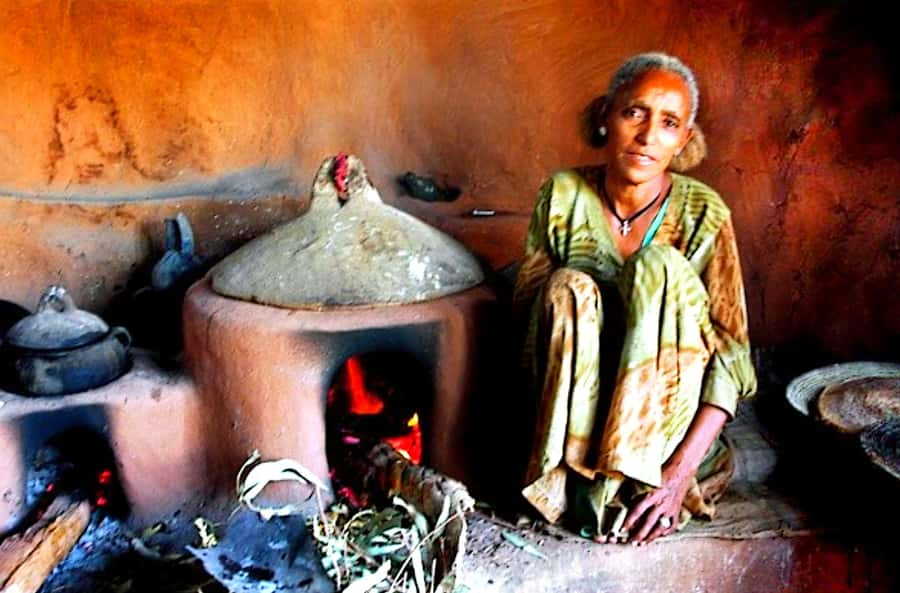
That setting matters. A home kitchen gives you a closer look at how food is prepared and shared in ordinary life. The available details describe a small home where the kitchen is shared with neighbors and the meal is served in the living room. You should expect a modest, lived-in setting rather than a polished cooking school.
That is part of the appeal, but it also helps to set your expectations. This is a personal cultural experience, not a professional culinary course. You are coming to learn a few important Ethiopian dishes, meet local people, and eat together, not to earn a cooking certificate.
The total time is about four hours. That includes pickup, city sightseeing, the market, the museum, cooking, lunch, and coffee. The schedule packs a lot into half a day, so the class is useful if you have limited time in Addis Ababa.
More cooking classes around the world:
- Half-Day Thai Cooking Class at Organic Farm in Chiang Mai
★ 5.0 · 19,087 reviews - Florence: Pasta Cooking Class with Unlimited Wine
★ 4.9 · 10,285 reviews - 3 in 1 Cooking Class near Navona: Fettuccine, Ravioli & Tiramisu
★ 5.0 · 7,376 reviews
Starting with pickup at your hotel or airport
Pickup is included from your hotel or the airport, followed by return transport. For an airport meeting, the team says they will wait with a banner showing your name, which is useful in a busy arrival area. You will also have a driver and guide for the city portion.
This arrangement is especially helpful during a layover. One booking was made during an eleven-hour stop in Addis Ababa, and the pickup made it possible to leave the airport, see part of the city, and take part in the class without arranging several separate rides.
You should still provide accurate arrival details when booking. The activity is designed around a four-hour schedule, and airport timing can be less predictable than a hotel pickup. If you are connecting onward, leave enough time after the stated tour duration for traffic and airport procedures.
The guides are listed as Abraham and Selam. Abraham handles communication with English or French-speaking visitors, while Selam takes an active role in the home cooking. One experience also mentions Reta as a guide, so the team member who meets you may vary.
Shola Market before the cooking begins
The first city stop is Shola Market, described as a place where thousands of people sell their own products each day. This gives you a quick look at the commercial side of Addis Ababa before the quieter home visit.
Do not think of this as a carefully staged food market tour. The available description presents Shola as a broad market where you can find many kinds of goods. You may see people buying and selling everyday products, but the exact stops and amount of time are not specified.
That uncertainty is worth noting. If your main goal is shopping or detailed market photography, this may not be enough time. If you want a short introduction to the city before cooking, it adds useful local context and breaks up the drive.
Bring comfortable shoes. You will be moving through a public market and then continuing on to the museum and home kitchen. Warm clothing is also recommended, and the operator specifically suggests bringing a camera.
Meeting Lucy at the National Museum
The city portion includes the Ethiopia National Museum and its famous hominid fossil, Lucy. This is a strong addition because the visit gives your day more range than a food class alone.
Lucy is one of the museum’s best-known displays, and seeing her connects your time in Addis Ababa to the much older human story represented in Ethiopia. The stop is not presented as a full museum tour, so you should expect a visit focused on the famous fossil rather than an extended examination of every collection.
Entrance is included in the price. That removes one extra cost and keeps the day simple, although the exact time spent inside is not stated. If the museum is your main reason for booking, ask about the schedule before paying, since the cooking class remains the central activity.
For many people, this is the right amount of culture for a short visit. You get a major museum stop without giving up most of the afternoon to indoor sightseeing.
Same kitchen, a different dish:
- Florence: Pasta & Tiramisu Cooking Class with Unlimited Wine
★ 4.9 · 6,708 reviews - Florence: Pasta Cooking Class with Unlimited Wine
★ 5.0 · 6,413 reviews - Hanoi Cooking Class: Culture, Local Market & Meaning CSR Impact
★ 5.0 · 5,147 reviews - 5 Traditional Dishes Hanoi Cooking Class with Market Trip
★ 5.0 · 4,890 reviews
Learning to bake three kinds of injera
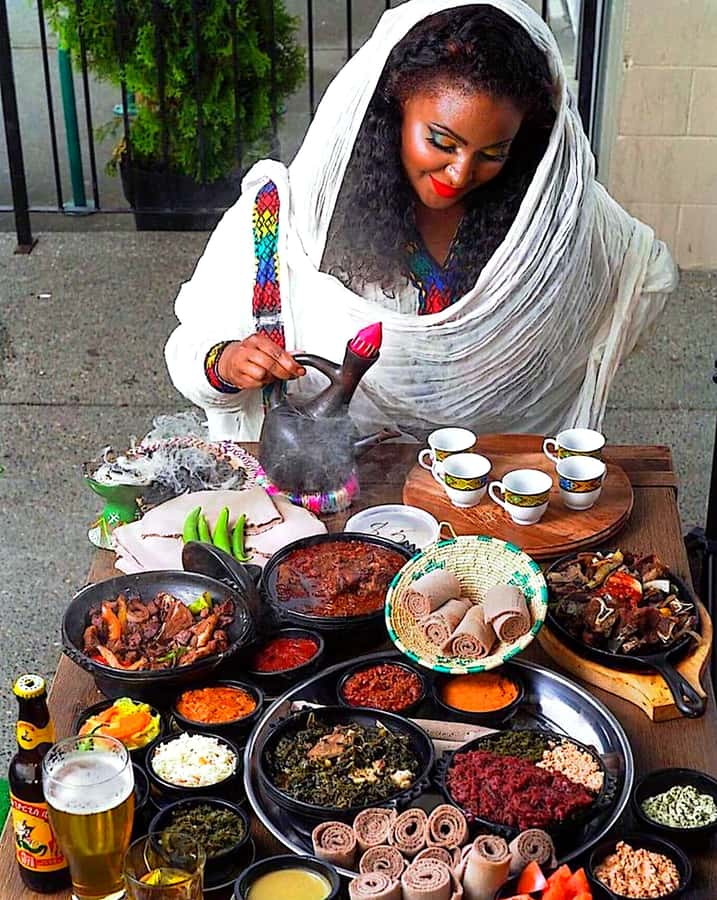
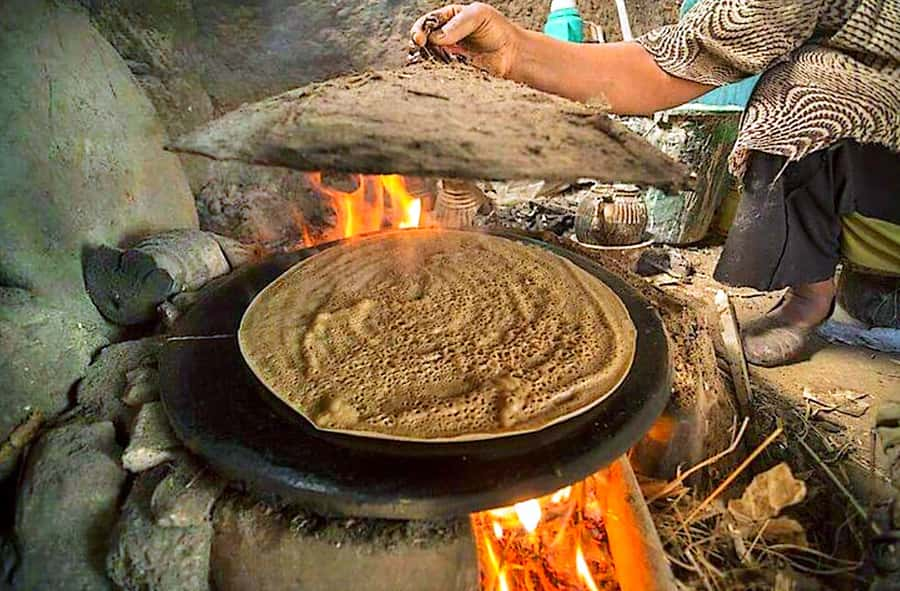
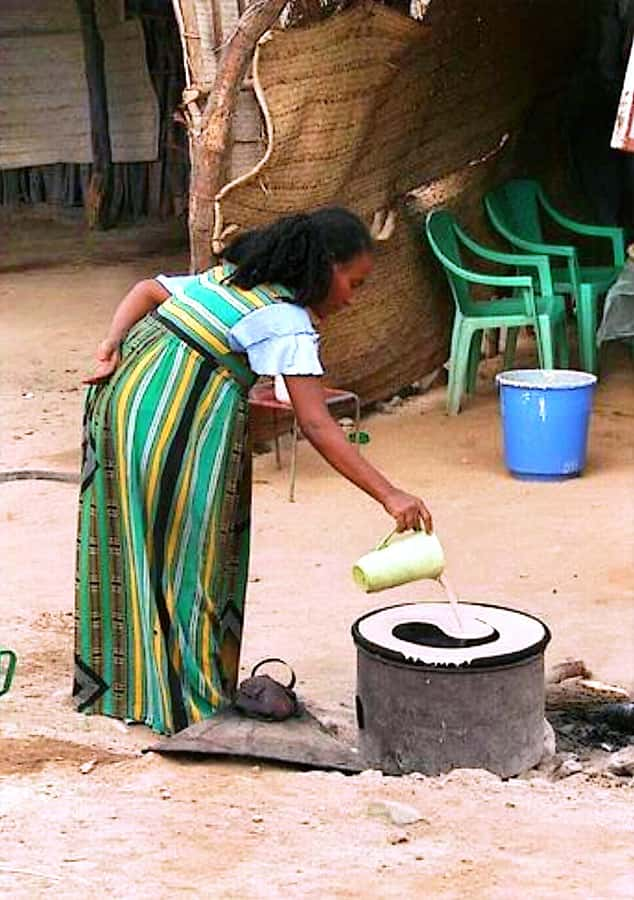
The cooking class centers on injera, Ethiopia’s familiar staple food. It is a thin, foam-textured pancake with a slightly sour taste. The batter is fermented for three days before cooking, which explains both the flavor and the soft, porous surface.
The class information describes three color varieties: white, brown, and red. You may not prepare all three in equal detail, but the point is clear: injera is not simply a flatbread you heat in a pan. Fermentation is central to the finished food.
You will learn how the batter is handled and then have a chance to cook it yourself. That hands-on step is important. Watching an expert pour and cook injera is useful, but trying it gives you a better sense of the timing and texture involved.
Do not expect to recreate the complete process at home during the class. Since the batter needs three days to ferment, the preparation will already have begun before you arrive. The value is in learning the cooking stage and understanding the role of fermentation.
If you already enjoy injera, this may be the highlight of the experience. If you have never tried it, the lesson gives you a clear introduction before you eat it with the stew.
Preparing shiro wot with your hosts

Alongside the injera, you cook shiro wot, also written as shiro wêt or shiro wate in the activity details. It is a spicy puréed chickpea stew and a common Ethiopian dish.
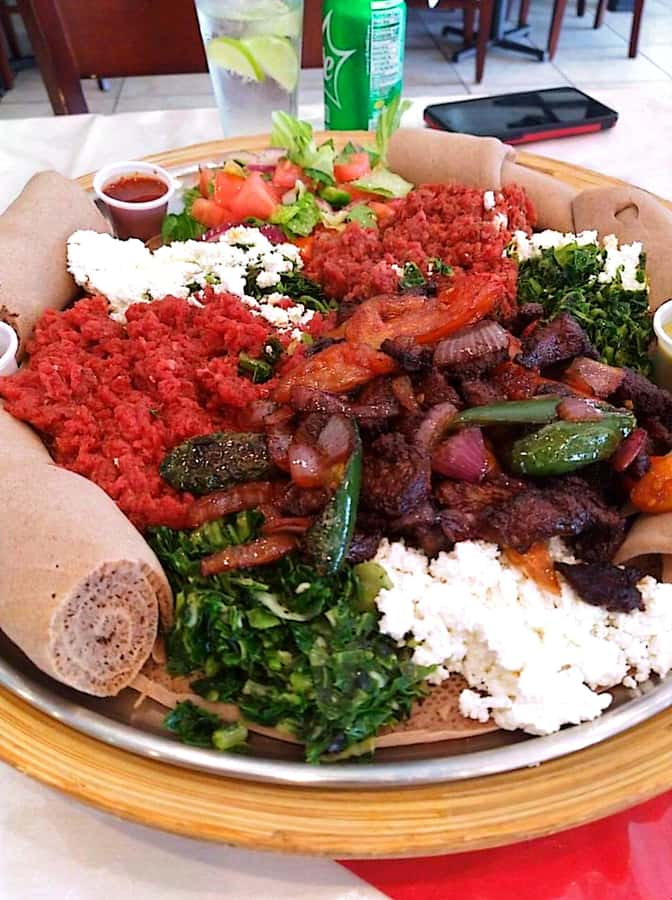
This is a sensible pairing. Injera is used to scoop up stews, so the class shows you how the bread and main dish work together rather than treating them as separate recipes. You prepare the stew, then taste it with the injera you helped cook.
The exact ingredients, spice levels, and cooking equipment are not listed. If you have a strong dislike of spicy food or dietary restrictions, ask before booking. The supplied information confirms chickpeas and a spicy style, but it does not promise a modified recipe.
The class is built around participation. Selam teaches and lets you do much of the cooking, while Abraham helps translate and explain. That makes the experience a better fit for someone who wants to handle the food rather than stand at the edge of the kitchen.
Sharing lunch in a local home
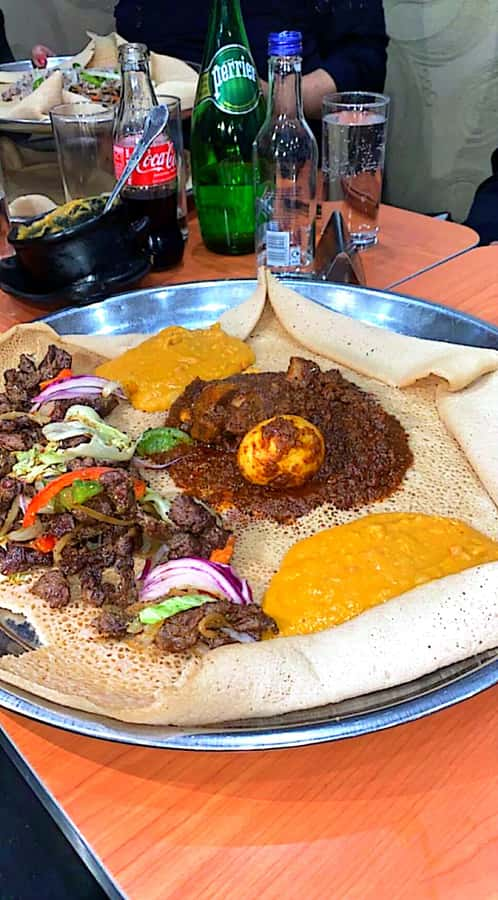
After cooking, you eat the meal you made. Lunch is included, and the meal takes place in the home setting rather than at a separate restaurant.
This is where the activity’s strongest personal quality comes through. You are not just learning a recipe and leaving with a takeaway box. You sit down with the people who hosted you and share the finished food.
The home is described as small, with a kitchen shared by Selam and her neighbors and a living room used for dining. That detail gives you a realistic idea of the setting. Space may be limited, and the surroundings will be simple. For some people, that is precisely what makes the visit feel genuine. For others, a larger kitchen or more formal setup may be more comfortable.
You should also remember that cooking in a home means the pace can be informal. The class may include conversation about daily life and Ethiopia, not just a tightly timed sequence of recipes. Abraham’s role in translation helps you connect with Selam and other people in the home.
Roasting beans and taking part in the coffee ceremony
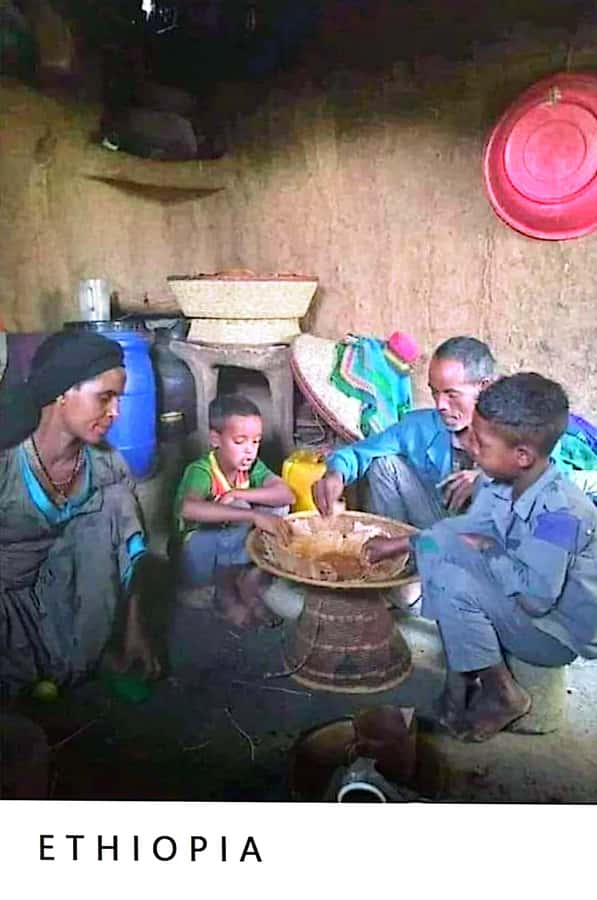
Coffee is not an afterthought here. You make coffee from freshly roasted beans with help from your host, then take part in the ceremony.
The coffee segment gives the meal a proper finish and introduces a social custom that is important in Ethiopia. You get to see the beans prepared and then drink the coffee as part of the gathering.
The activity does not list every stage of the ceremony or say how many rounds of coffee are served, so do not book this expecting a formal demonstration with a long lecture. Think of it as a hands-on introduction in a home setting.
I like this part because it slows the day down. The market and museum provide movement and sightseeing, while the coffee brings you back to the people and the home. It also gives you something different from the food preparation, even though it remains closely tied to Ethiopian hospitality.
What the $90 price includes
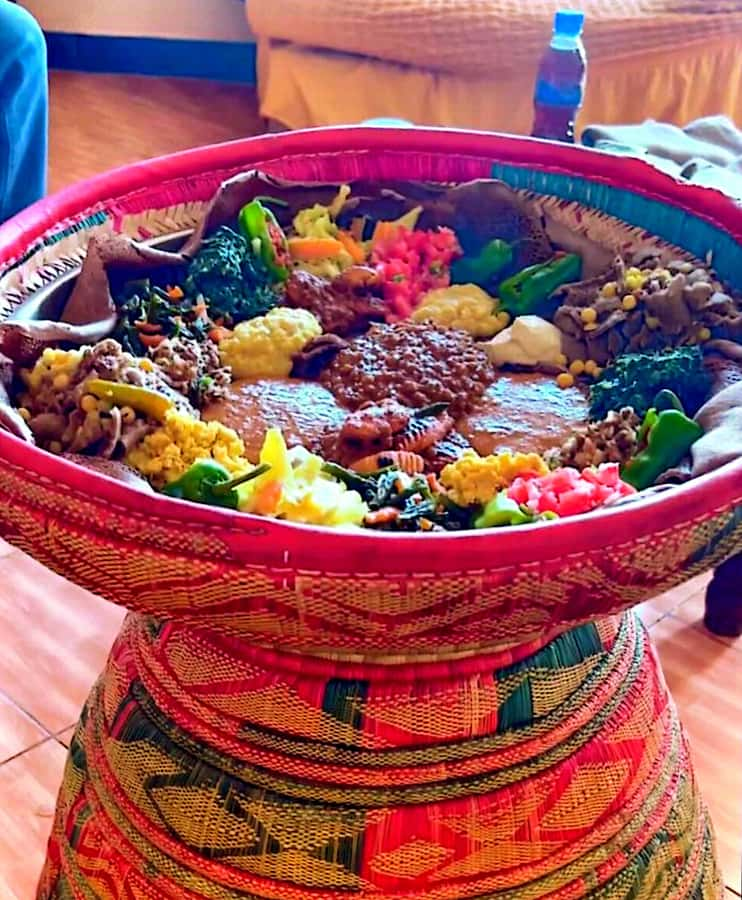
The price is $90 per person. That is not the cheapest way to eat in Addis Ababa, and one assessment specifically felt the cost could be lower. You should compare it with what you are actually receiving, though.
The package includes:
- Airport or hotel pickup
- Return drop-off
- Shola Market visit
- National Museum entrance
- Injera and shiro wot cooking instruction
- Coffee preparation and ceremony
- Lunch
- English or French-speaking guidance
- A small group capped at seven people
For a solo visitor on a short stay, this can be fair value because it combines transport, sightseeing, food, and a local home visit in one half-day. You would otherwise need to arrange separate rides and entrance fees, and you might not find a home cooking experience as easily on your own.
The value is weaker if you only want a cooking lesson. In that case, part of your payment covers the city drive, market, museum entry, and pickup service. You are paying for a cultural outing, not just instruction in two dishes.
Gratuity is not included. Breakfast and dinner are also excluded, though lunch is covered. Alcohol and drugs are not allowed.
Who will enjoy this experience most
I would recommend this to you if you want direct contact with local hosts and prefer participation over sightseeing from a vehicle. It suits solo visitors, couples, and small groups who want a personal activity in Addis Ababa.
It is also a practical choice for a long layover. The airport pickup, four-hour duration, and return transport make it easier to fit into a short visit, provided your flight schedule allows enough extra time.
Food lovers will get the most from the class, especially if you want to understand how injera is made. The experience also works well for first-time visitors who want a quick introduction to Ethiopian food, coffee, the city market, and the National Museum in one outing.
You may want to reconsider if you need a highly polished kitchen, a detailed recipe booklet, or a long museum visit. The home is small, the schedule is full, and the exact cooking setup is not described in professional culinary terms.
The activity is not suitable for people over 95 according to the supplied information. Comfortable shoes are recommended, and warm clothing may be useful.
Booking, cancellation, and group details
The group is limited to seven participants, which helps keep the cooking more hands-on than a large demonstration. English and French are available, and the booking information says you can cancel up to 24 hours in advance for a full refund.
You can also reserve and pay later, which gives you some flexibility while organizing an Addis Ababa itinerary. Starting times depend on availability, so check the schedule before committing, especially if you are coordinating the activity with a flight.
The experience has a five-star rating based on six listed reviews. The repeated strengths are clear: friendly guides, punctual pickup, a genuine home setting, and the chance to do most of the cooking yourself. Those strengths matter more here than polished presentation.
Should you book the Addis Ababa cooking class?
Book it if you want a hands-on introduction to Ethiopian food and everyday hospitality, especially during a short stay or long layover. The combination of Shola Market, Lucy, injera, shiro wot, coffee, lunch, and transport gives you a lot in four hours.
Skip it if your main goal is a bargain meal, a serious culinary course, or an extended museum visit. At $90, the price depends on how much you value the home visit and the convenience of having the city stops, pickup, and cooking arranged together.
For the right visitor, Abraham and Selam’s class offers a useful way to meet local people while learning food you can recognize and enjoy for the rest of your time in Ethiopia.
FAQ
How long does the Addis Ababa cooking class last?
The activity lasts four hours, including pickup, city sightseeing, the cooking class, lunch, and the coffee experience.
What dishes will I learn to cook?
You will learn to bake injera and prepare shiro wot, a spicy puréed chickpea stew.
Is lunch included?
Yes. Lunch made during the class is included in the price.
Is airport pickup available?
Yes. Pickup is available from Addis Ababa airport or your hotel. The activity also includes return drop-off.
Which languages are available?
The live tour guide service is available in English and French.
How large is the group?
The activity is limited to seven participants.
Is the National Museum entrance included?
Yes. The entrance fee is included, and the city visit includes a stop to see the famous fossil Lucy.
Can I cancel for a refund?
Yes. You can cancel up to 24 hours in advance for a full refund. You can also reserve now and pay later.
New cooking classes around the world
- Shinjuku Tokyo: Authentic Japanese Home-Style Culinary Class★ 4.9 · 125 reviews
- Shibuya Tokyo: Onigiri & Tamagoyaki Cooking Class★ 5.0 · 4 reviews
- M.O.M COOKING CLASS★ 4.8 · 6 reviews
- Seville: Paella-Cooking Experience with Sangria & Full Meal★ 4.9 · 42 reviews
- Shanghai: Authentic Chinese Cooking Class with Master Chef★ 5.0 · 2 reviews
- Sestri Levante: Pesto & Cooking Classes, Wine Tasting★ 4.9 · 56 reviews
- Seville: Paella Cooking Class & 30-Min Local Expert Q&A★ 4.8 · 37 reviews
- Seoul: Korean Kimchi Cooking Class in the Heart of the City★ 5.0 · 3 reviews