
Review · PERU
Arequipa: Peruvian Cooking Class
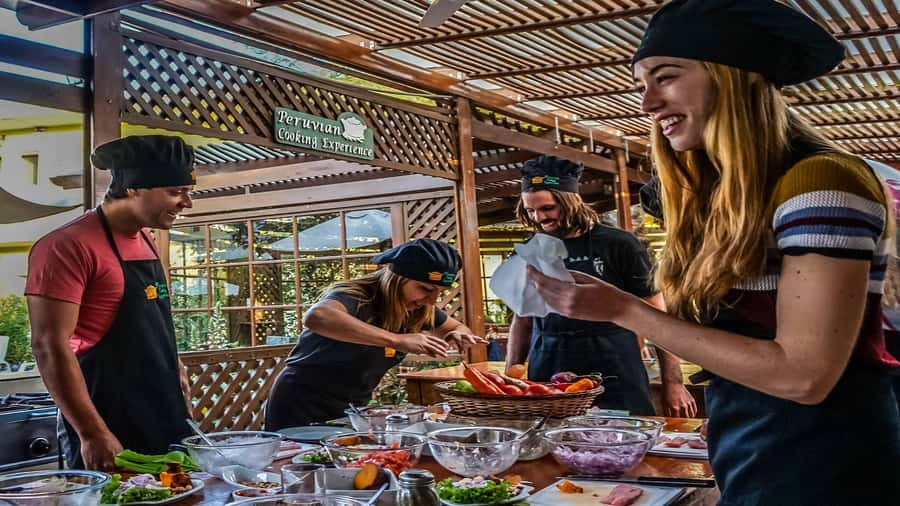
Peruvian food gets its character from strong contrasts, and this class lets you taste that firsthand. You might prepare a hot rocoto stuffed with meat, a sharp ceviche, or lomo saltado, the beef-and-fries classic born from Chinese-Peruvian cooking.
I like the small maximum group of 12, which gives the chef room to explain each step without turning the lesson into a cooking-show performance. I also like the choice of three menus, plus the welcome glass of purple-corn chicha morada. The main caution is important: confirm your chosen menu after booking, especially if allergies or dietary needs matter to you. One past class was given a different menu and ended early, so clear communication is worth the effort.
Key points to know
- Three distinct menus: Choose Andean, traditional, or seafood dishes, depending on availability and group arrangements.
- Two dishes, then dessert: You cook a first course and main course before sitting down to eat.
- Chicha morada included: This sweet, nonalcoholic purple-corn drink is part of the welcome.
- Central meeting point: The class begins at Casa de Avila Hotel in Arequipa’s historic center.
- English and Spanish instruction: The professional chef teaches in both languages.
- Short, social format: The class lasts two hours and requires at least two participants.
Cooking Peruvian food in central Arequipa
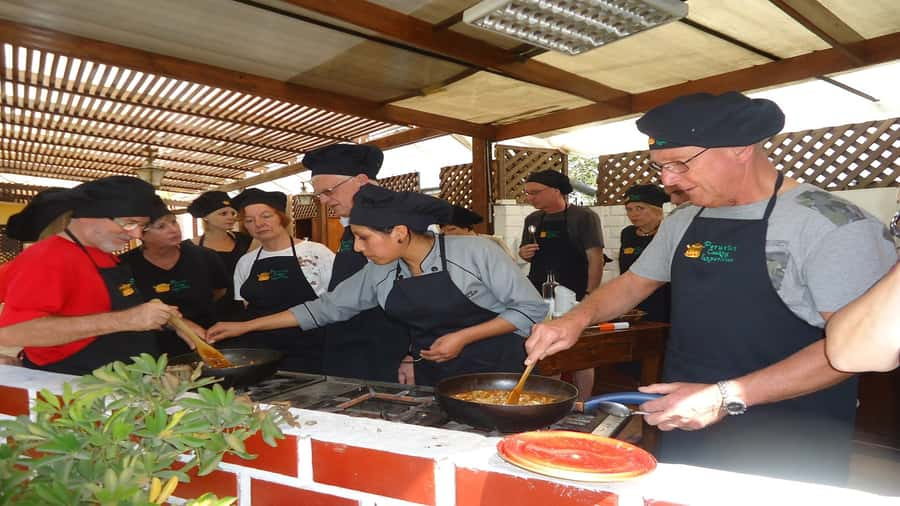
This is a practical way to spend part of a day in Arequipa. You meet at Casa de Avila Hotel in the historic center, put on an apron and chef’s hat, and work with a professional chef in a group of no more than 12 people.
The setting matters. You do not need to arrange a long ride outside the city, and the class fits neatly into a morning, afternoon, or evening plan. Hotel transfers are not included, so you will need to make your own way to the meeting point. If you are already sightseeing in central Arequipa, that is a simple trade-off. If you are staying farther out, allow extra time.
The class opens with chicha morada, a sweet drink made from purple corn. It is nonalcoholic and refreshing, with a flavor very different from the fruit juices or soft drinks you may have tried elsewhere. This first taste gives the lesson a local starting point rather than launching straight into kitchen instructions.
The chef then explains the dishes and the cooking process. You are not simply watching someone prepare lunch. You take part in the chopping, seasoning, assembling, and cooking, using the supplied ingredients and cookware.
More cooking classes around Peru:
- Cusco: Peruvian Cooking Class, Cocktails & Local Market Tour
★ 4.9 · 512 reviews - Cooking class and market tour with a local chef
★ 5.0 · 186 reviews - Market Tour, Tasting of 35 Fruits, and 4-Course Peruvian Cooking Class in Lima
★ 5.0 · 86 reviews
Choosing between the three menus
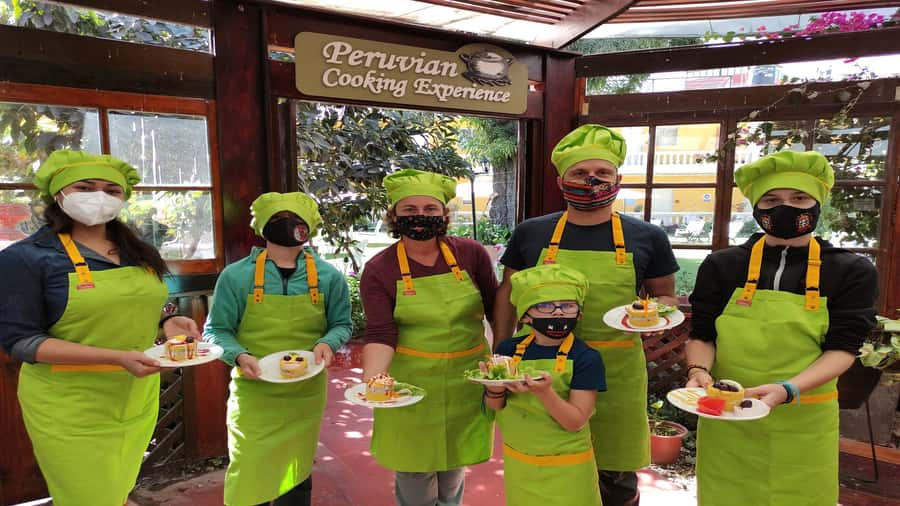
The menu choice shapes the entire experience, so pay attention when the operator contacts you after the reservation. The available options cover three useful introductions to Peruvian cooking: Andean vegetables and peppers, classic Peruvian comfort food, and seafood.
The Andean Menu begins with solterito, a fresh salad made with onion, tomato, corn, beans, cheese, and potatoes. It is a good choice if you want a bright, filling first course built around ingredients associated with the highlands.
The main course is rocoto relleno. The rocoto is a red pepper with a shape similar to an apple, but its heat can be serious. It is stuffed with ground meat seasoned with spices, cheese, and raisins. That combination brings heat, salt, sweetness, and richness into one dish. If you are sensitive to spicy food, ask how the pepper will be handled before choosing this menu.
The Traditional Menu starts with causa, a molded potato dish seasoned with yellow pepper and lemon. It is filled with avocado and either tuna or chicken, then decorated with black olives and vegetables. Causa is a good lesson in texture and presentation: the potato is not treated as a plain side dish, but as the base of a carefully assembled first course.
The main course is lomo saltado, one of Peru’s best-known examples of Chinese-Peruvian cooking. Beef, onion, yellow pepper, and tomato are cooked in a wok, then served with French fries and white rice. This is a generous plate, and it shows how immigrant cooking traditions became part of everyday Peruvian food.
The Seafood Menu starts with ceviche. Fresh fish is marinated in lemon juice and served with onion, sweet potato, and corn. The second course is pescado a lo macho, a fried fish fillet topped with a sauce of onions and tomatoes, served with white rice.
This menu is the most seafood-focused of the three, so it suits anyone who wants to study Peru’s coastal flavors. Since the class takes place in Arequipa, not on the coast, it can also be a useful chance to sample dishes you might otherwise associate more strongly with Lima or seaside towns.
What the two-hour schedule feels like
The advertised duration is two hours, which is enough time for a guided introduction and a full meal, but not a long culinary workshop. You should expect a brisk pace, particularly if the group is working on several dishes at once.
The sequence is straightforward:
- You arrive at the meeting point and receive chicha morada.
- You put on an apron and chef’s hat.
- The chef explains the selected menu and demonstrates each step.
- You prepare two traditional dishes with the group.
- You sit down to eat what you made.
- You finish with dessert.
The social side is part of the appeal. You can share travel stories with the chef and other participants while preparing food. The small group size helps, but this is still a shared class rather than private instruction.
One point deserves careful attention. The stated duration is two hours, yet one past participant reported finishing about an hour early and not receiving the expected quinoa dessert. That may have been an isolated problem, but you should ask at the start how much cooking and dining time is planned. If the pace feels too fast, speak up and ask the chef to slow down during the steps you most want to remember.
The chef, language, and teaching style
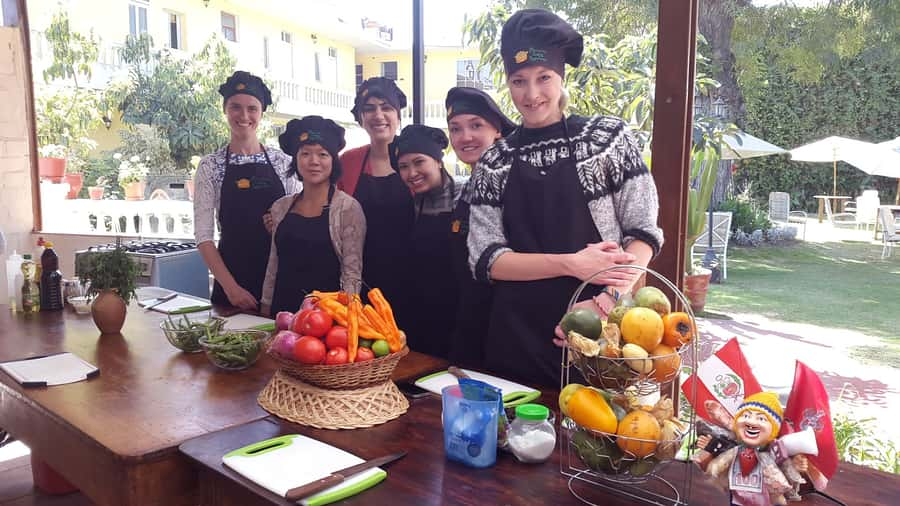
Instruction is offered in Spanish and English. That makes the class suitable for mixed-language groups, and the chef explains the food’s history as well as the method.
Diana has received especially warm praise for her teaching and good humor. Her role is more than putting ingredients on the table. You should expect step-by-step guidance, help with the cooking process, and explanations of what gives each dish its Peruvian character.
The class also includes Wi-Fi, though that is a minor feature compared with the food and instruction. You might find it useful if you need to send a message or share a photo, but do not choose the class for internet access.
A practical note about sound: one participant found the music too loud to talk comfortably at the table. If the room is noisy on your visit, ask for the music to be lowered. Conversation is one of the better parts of a group cooking class, and it should not be lost under background music.
Same kitchen, a different dish:
- #1 Rated Cooking Classes with Local Market Tour & Pickup
★ 5.0 · 69 reviews - Miraflores: Amazing Peruvian Cooking Class Ceviche Seafood and Pisco Sour
★ 4.9 · 57 reviews - Cook with Maido’s creative chef and chef de cuisine
★ 5.0 · 53 reviews - Cusco: Peruvian Cooking Class & Market Tour
★ 4.9 · 19 reviews
How much value do you get for $63?
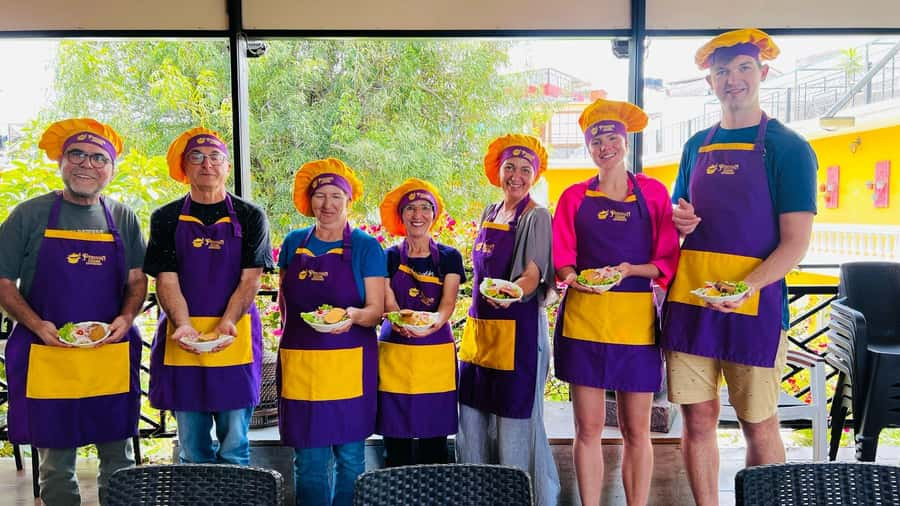
At $63 per person, this is not the cheapest lunch in Arequipa. You can eat local food for less, and a two-hour class will not give you the depth of a professional culinary course.
The value comes from combining several things in one booking: a guided lesson, all ingredients, cookware, a two-course lunch or dinner, a welcome drink, dessert, and an English or Spanish-speaking chef. You also get a more active meal than you would in a restaurant. You handle the food, learn the names and ingredients, and leave with methods you may be able to repeat at home.
I would consider the price reasonable if you care about food and want a structured cultural activity in the city center. It is less appealing if you mainly want an inexpensive meal or if you already have several cooking experiences planned during your Peru trip.
The class also works well for a pair or small group. Since at least two people are required, solo participants should confirm that the class will run on their chosen date. With up to 12 people, the experience can feel social without becoming a large demonstration, though the exact feel depends on attendance.
Dietary needs and menu problems
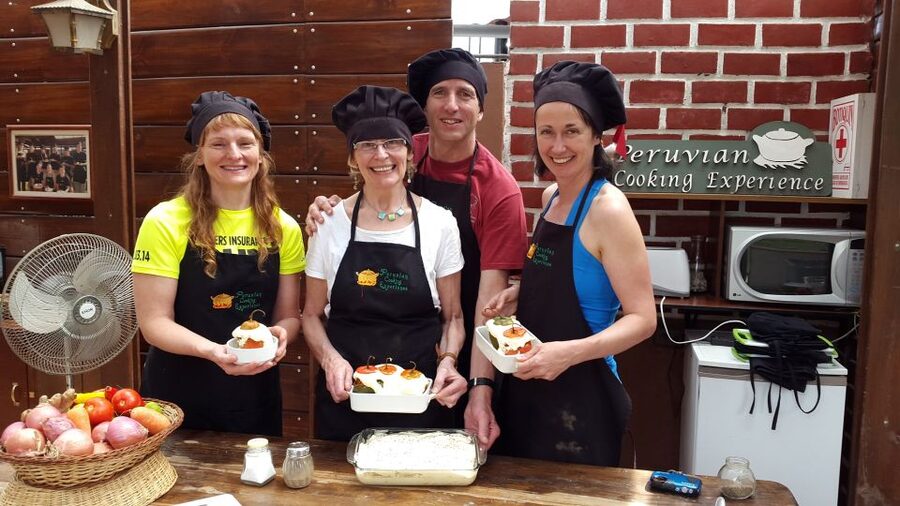
Vegetarian options are available, but you must request one when booking. Allergies and other dietary restrictions should also be reported at that time so the menu can be adapted.
Do not assume that mentioning a preference casually at the meeting point will be enough. The menu is selected after the reservation, and one participant had requested the Andean menu but was served the traditional menu instead. If a specific dish matters to you, send a written request and confirm it once the operator contacts you.
This is particularly important for the Andean menu, since rocoto can be hot, and for the seafood menu, since fish is central to both courses. Ask what substitutions are possible if you cannot eat a listed ingredient.
The class is not suitable for children under eight. Older children may enjoy the hands-on format, but the supplied information does not give a specific child price or a separate children’s menu, so check those details before booking a family group.
What you will actually learn about Peruvian cuisine
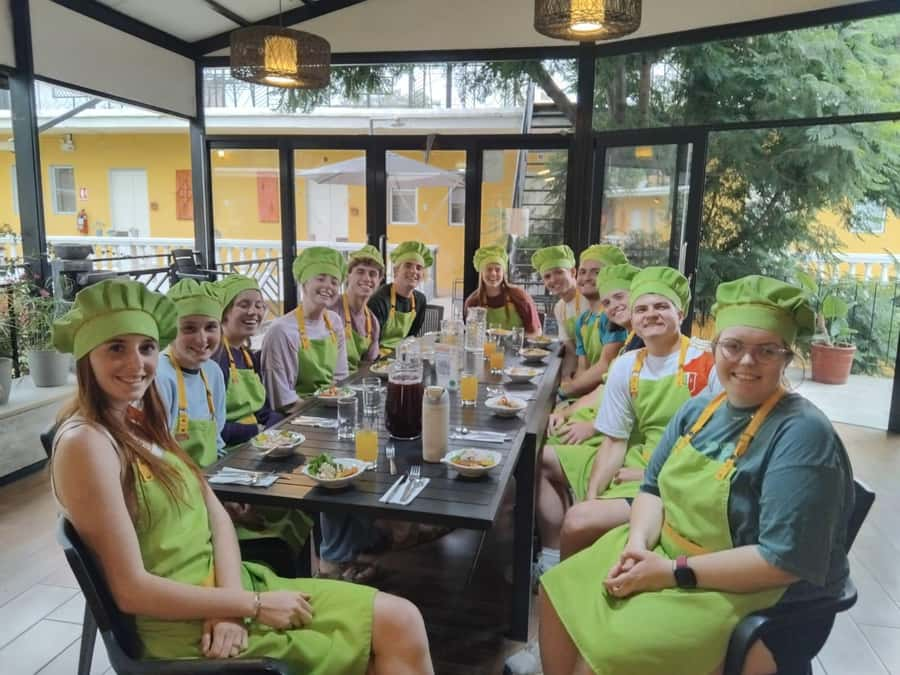
The class gives you more than recipes. Each menu points to a different part of Peru’s food culture.
Solterito shows how potatoes, beans, corn, cheese, and fresh vegetables can form a complete dish. Causa highlights the importance of potatoes and yellow pepper, while also showing how Peruvian cooks build layered dishes with contrasting color and texture.
Rocoto relleno brings Arequipa’s local identity into the kitchen through the hot pepper and its savory filling. Lomo saltado shows the influence of Chinese cooking techniques, especially wok cooking, on a dish that is now widely recognized as Peruvian.
Ceviche introduces the balance of fish, lemon, onion, sweet potato, and corn. Pescado a lo macho offers a warmer, cooked seafood dish, with fried fish and a tomato-and-onion sauce.
Because you prepare the dishes yourself, you can pay attention to how each ingredient changes during cooking. That is the part I find most useful for a short class. You are not just tasting a finished plate; you are seeing how the ingredients come together.
Who should book this class?
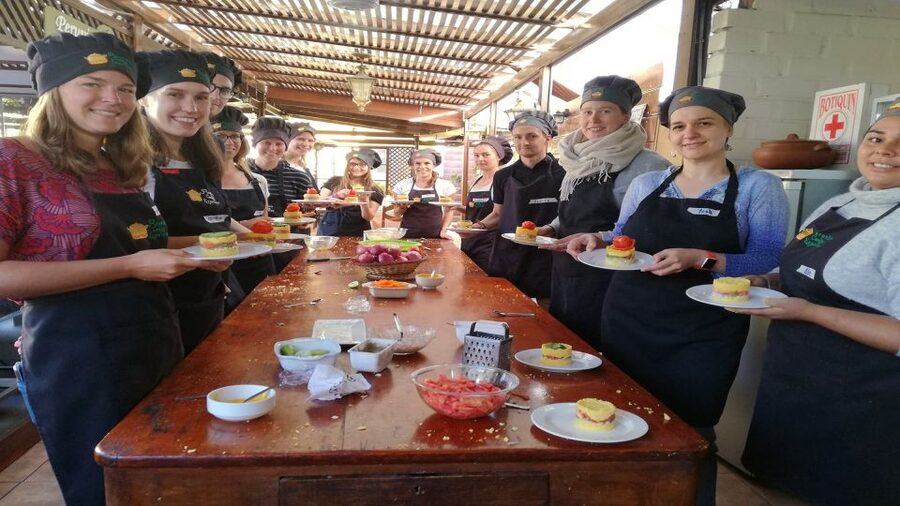
I would recommend it to food-focused visitors who want a compact activity in Arequipa and enjoy meeting other people. It suits couples, friends, and families with children eight or older, provided everyone is comfortable following a shared kitchen lesson.
It is also a good fit if you want a meal but do not want to spend the whole time sitting in a restaurant. The apron, chef’s hat, preparation steps, and final meal give the outing a clear shape.
You may want to skip it if you need a fully private lesson, have complex dietary restrictions, or are looking for a long, technical cooking course. The two-hour format is friendly and accessible, but it is not designed for advanced culinary training.
The class is wheelchair accessible, which is useful for visitors who need an accessible activity in the historic center. Specific kitchen arrangements are not described, so you should still confirm any individual access needs before arrival.
Booking advice before you pay
The reservation allows you to book now and pay later, and cancellation is free up to 24 hours in advance. Those terms are helpful if your Arequipa plans are still shifting.
The most important step is confirming the menu. Ask which of the three menus will be prepared, repeat any vegetarian request or allergy information, and check that the chef has received it. Also confirm the start time, since classes are offered at different times and can provide either lunch or dinner.
Wear comfortable clothes. You will be working with food and moving through a practical lesson, so this is not the place for restrictive clothing or an outfit you need to keep spotless.
Should you book the Arequipa cooking class?
Book it if you want a friendly, hands-on introduction to Peruvian food in a central location. The strongest reasons are the clear menu choices, professional bilingual instruction, small maximum group, and the chance to eat the dishes you prepare.
I would book with two conditions. First, confirm the menu and dietary arrangements in writing. Second, keep your expectations focused on a lively two-hour introduction, not a full chef’s course. At $63, the class makes sense when you value the instruction and cultural context as much as the meal.
FAQ
Where does the cooking class meet?
The meeting point is Casa de Avila Hotel in the historic center of Arequipa.
How long does the experience last?
The cooking class lasts two hours.
What languages does the chef speak?
The professional chef provides instruction in Spanish and English.
Which dishes can I prepare?
You can prepare dishes from an Andean, traditional, or seafood menu. The Andean menu includes solterito and rocoto relleno. The traditional menu includes causa and lomo saltado. The seafood menu includes ceviche and pescado a lo macho.
Is a vegetarian menu available?
Yes. Vegetarian options are available, but you must request them when booking.
Are allergies and dietary restrictions accepted?
Yes. You should report allergies or dietary restrictions when booking so the menu can be adapted.
What is included in the price?
The price includes the guided cooking class, ingredients, cookware, a two-course lunch or dinner, chicha morada, dessert, Wi-Fi, and a professional chef. Hotel transfers are not included.
New cooking classes around Peru
- Lima: Peruvian cooking class and tour of Surquillo market★ 5.0 · 2 reviews
- Lima: Market Tour, 35 Fruits Tasting & Cooking Class★ 5.0 · 3 reviews
- Lima: Market Tour and Cooking Class with Pisco Sour★ 5.0 · 3 reviews
- Lima: 4-Course Peruvian Cooking Class in Miraflores★ 5.0 · 4 reviews
- Lima : Cooking Class – A Peruvian Culinary exploration★ 5.0 · 2 reviews
- Lima: Cooking Workshop and Water Circuit Tour★ 5.0 · 16 reviews
- Lima: Demo Cooking Class with Lunch at Cala Restaurant★ 4.1 · 4 reviews
- Cusco: Peruvian Cooking Class & Market Tour★ 4.9 · 19 reviews
Peru Cooking Classes, side by side.
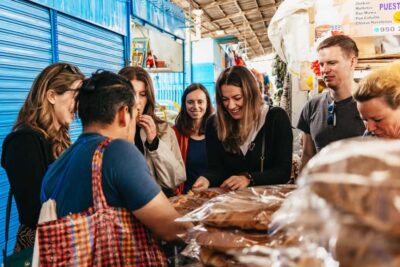
Cusco: Peruvian Cooking Class, Cocktails & Local Market Tour
Read our review →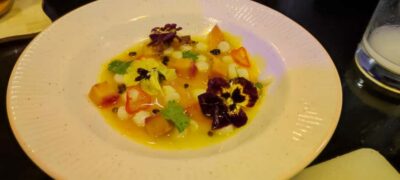
Cooking class and market tour with a local chef
Read our review →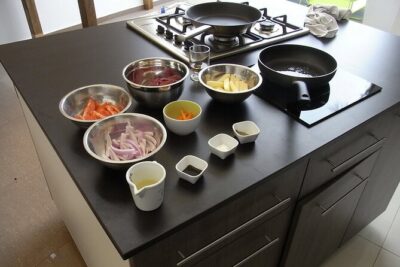
Market Tour, Tasting of 35 Fruits, and 4-Course Peruvian Cooking Class in Lima
Read our review →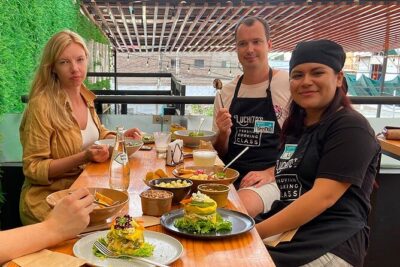
#1 Rated Cooking Classes with Local Market Tour & Pickup
Read our review →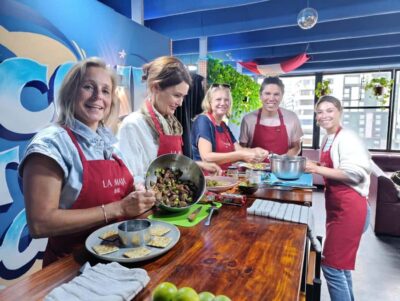
Miraflores: Amazing Peruvian Cooking Class Ceviche Seafood and Pisco Sour
Read our review →
Cook with Maido’s creative chef and chef de cuisine
Read our review →
This kitchen also appears in